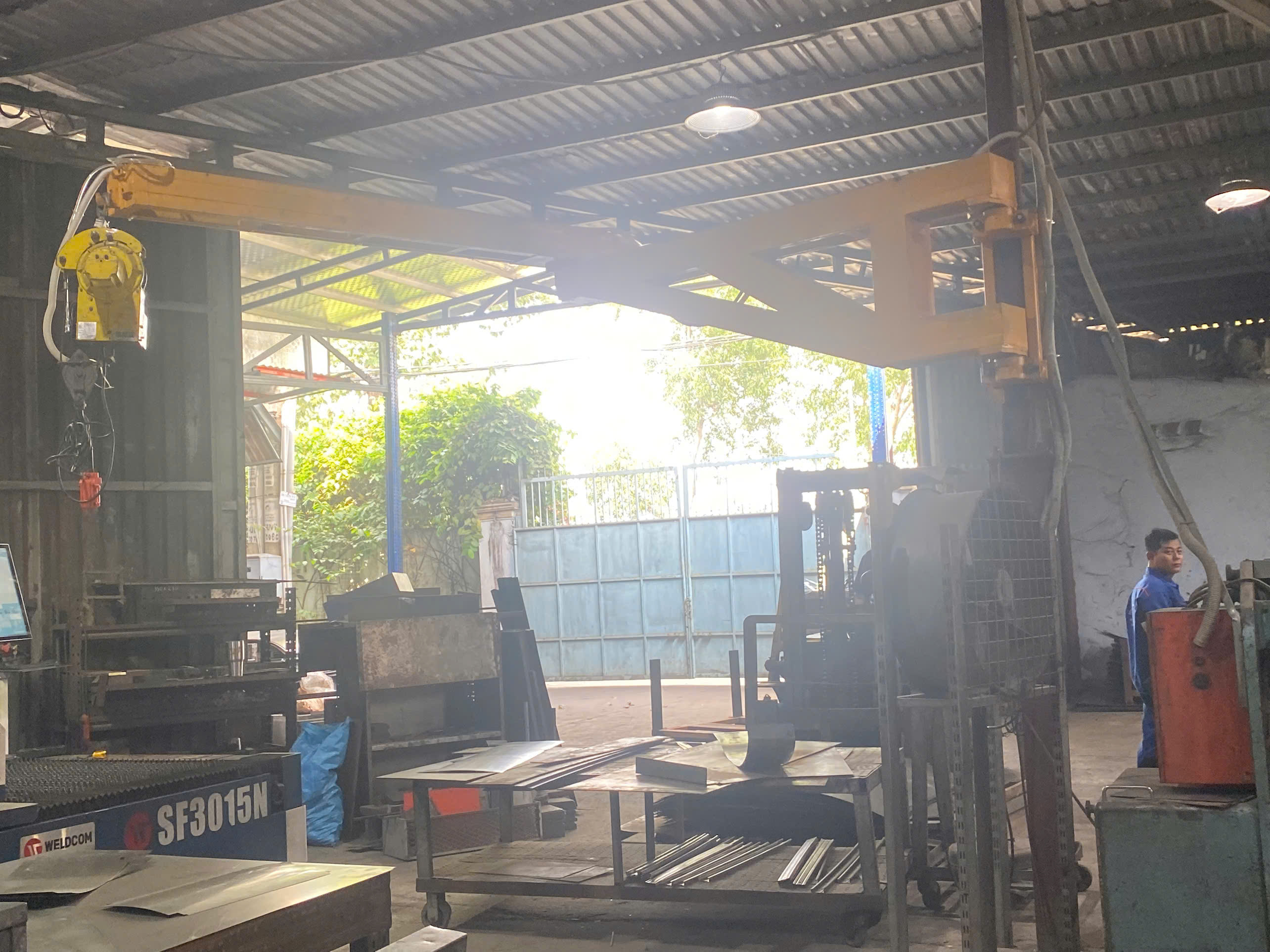
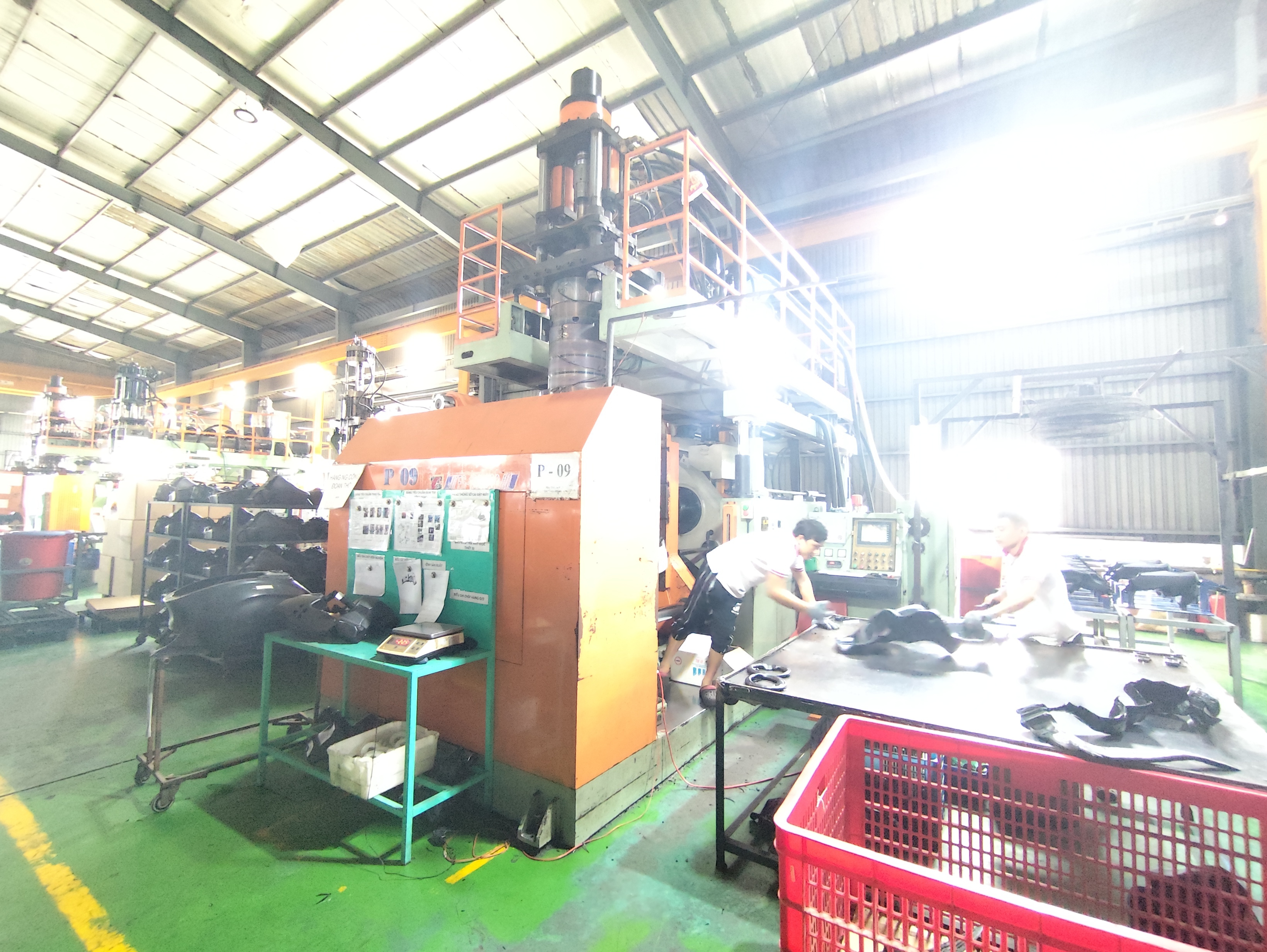
A recurring challenge we encounter when managing custom parts projects is helping buyers decide between sheet metal fabrication 1 and traditional casting — two processes that seem interchangeable but produce very different results.
Sheet metal fabrication shapes solid metal sheets through cutting, bending, and welding, while traditional casting pours molten metal into a mold to solidify. They differ in dimensional tolerances, design complexity, production volume suitability, material properties, tooling costs, and surface finish, making each ideal for distinct engineering applications.
Both methods have loyal advocates in the engineering world, and the right choice depends on your specific project requirements dimensional tolerances 2. Below, I break down the four most critical decision factors our clients weigh when choosing between these two processes.
How do I determine if sheet metal fabrication or casting is more cost-effective for my specific production volume?
Last quarter, one of our U.S. clients needed 200 custom mounting brackets. They initially assumed die casting would be cheaper — until we walked them through the full cost breakdown including mold design 3 and tooling costs.
Sheet metal fabrication is generally more cost-effective for production volumes under 1,000 units because it requires no custom mold tooling. Traditional casting becomes more economical at higher volumes — typically above 1,000–5,000 units — where the upfront mold investment is amortized across many parts.
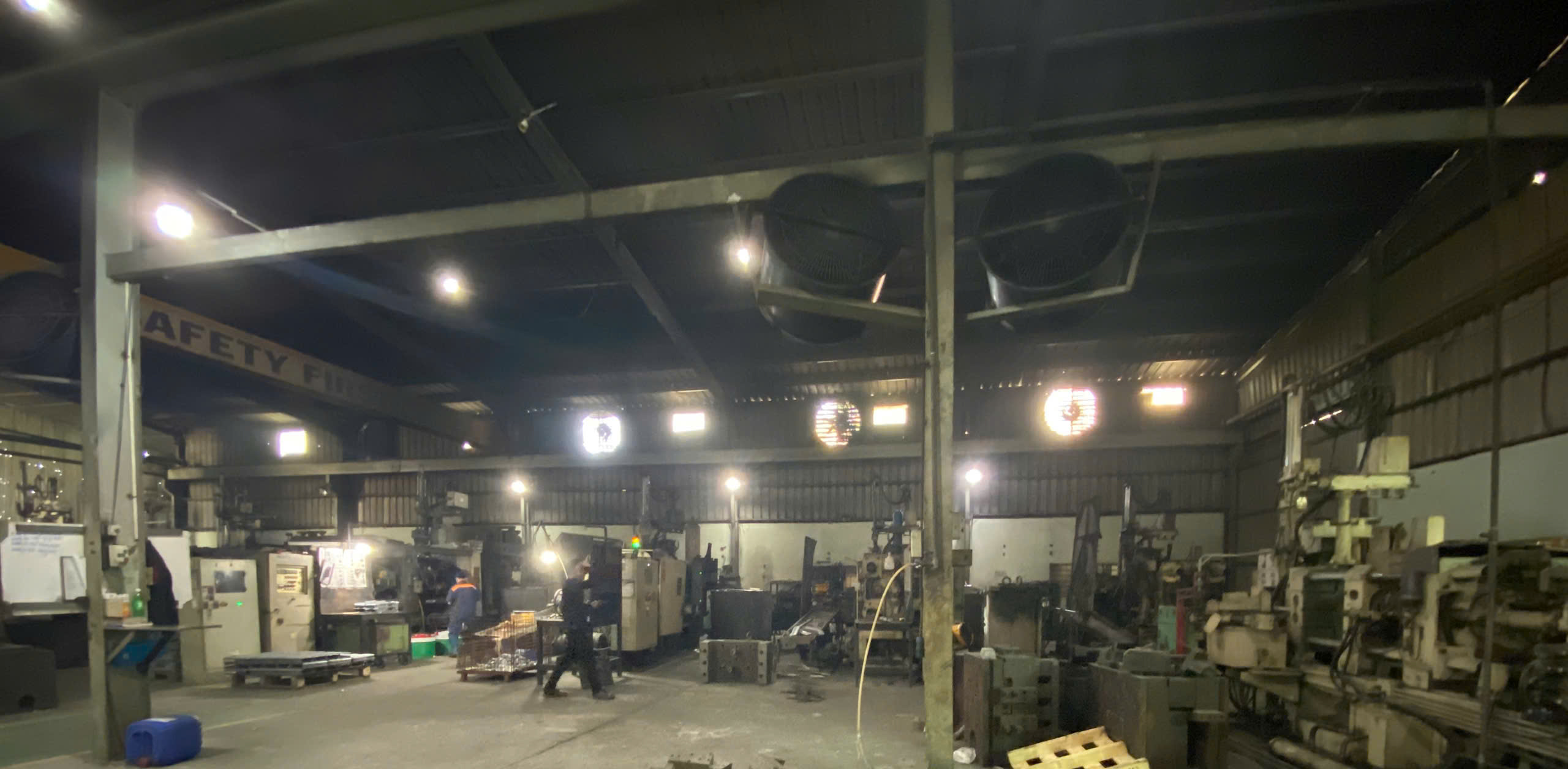
Understanding the Cost Drivers
The cost difference between these two processes starts with setup. Sheet metal fabrication uses standard tooling — laser cutters, press brakes, and welding stations. You do not need a custom mold. This means your first part costs roughly the same as your hundredth part.
Casting is a different story. Before a single part is produced, you need a mold. Mold design and fabrication can cost anywhere from $2,000 for a simple sand casting mold to over $50,000 for a precision die casting mold. That cost is fixed, regardless of whether you make 10 parts or 10,000.
The Crossover Point
There is a crossover point where casting becomes cheaper per unit. It depends on part complexity, material, and the casting method used.
| Factor | Sheet Metal Fabrication | Traditional Casting 4 |
|---|---|---|
| Upfront tooling cost | Low ($0–$2,000) | High ($2,000–$50,000+) |
| Per-unit cost (low volume) | Low | Very high |
| Per-unit cost (high volume) | Moderate to high | Low |
| Ideal volume range | 1–1,000 units | 1,000–100,000+ units |
| Material waste | Moderate (cutting scrap) | Low (near-net shape) |
| Setup time | Hours to days | Weeks to months |
When Low Volume Makes Fabrication the Clear Winner
For prototypes and short runs, fabrication wins on almost every metric. There is no waiting for a mold. If a design changes, you update the CAD file and cut new parts the next day. We have run projects where the client iterated three times on a bracket design within two weeks — something that would have been prohibitively expensive with casting.
When Casting Pulls Ahead
Once you cross into thousands of units, the math shifts. A die casting mold that costs $30,000 adds only $3 per part at 10,000 units. The per-part material and cycle time costs for casting are often lower because the process produces near-net shape components 5. There is less post-processing, less welding, and less assembly labor.
One trade-off I always flag for our clients: if you are not confident in the final design, investing in a casting mold is risky. A design revision means a new mold. With fabrication, changes are fast and cheap.
Which process offers the tightest tolerances and best surface finish for my custom engineering requirements?
During a recent supplier audit at a Vietnamese factory, I inspected a batch of sheet metal enclosures held to ±0.010" — perfectly acceptable for their application. But the same client also needed an internal valve housing held to ±0.003", which pushed us toward a precision die casting approach instead.
Sheet metal fabrication typically achieves dimensional tolerances of ±0.005" to ±0.015", while traditional casting ranges from ±0.010" to ±0.050" for standard methods. However, die casting can reach ±0.002" to ±0.005", often matching or exceeding fabrication precision. Surface finish also varies: casting can produce smoother as-cast surfaces, while fabrication often needs post-processing.

Tolerance Comparison by Process
Not all casting and fabrication methods are equal. The specific technique you choose has a direct impact on achievable precision.
| Process | Typical Tolerance Range | Best Achievable Tolerance | Surface Finish (Ra) |
|---|---|---|---|
| Sheet metal (laser cut + bend) | ±0.005" to ±0.015" | ±0.005" | 63–125 µin |
| Stamping | ±0.001" to ±0.005" | ±0.001" | 32–63 µin |
| Sand casting | ±0.020" to ±0.050" | ±0.015" | 250–500 µin |
| Investment casting 6 | ±0.005" to ±0.010" | ±0.003" | 63–125 µin |
| Die casting | ±0.002" to ±0.005" | ±0.002" | 32–63 µin |
Where Fabrication Excels in Precision
Sheet metal fabrication produces excellent results for flat parts, panels, and simple bent geometries. Laser cutting alone can hold ±0.005" on cut features. The challenge comes with bending. Springback 7 — the tendency of metal to partially return to its original shape after bending — introduces variability. Experienced operators and CNC press brakes with angle sensors mitigate this, but it remains a factor.
Welding adds another variable. Heat distortion can shift features by several thousandths of an inch. On our projects, we specify fixture-welding and post-weld stress relief when tolerances are tight. Sometimes secondary machining is needed after welding to bring critical dimensions back into spec.
Where Casting Excels in Precision
Die casting achieves remarkably tight tolerances because the molten metal fills a hardened steel mold under high pressure. The mold itself is machined to very precise dimensions, and every part that comes out is a near-exact replica. Once the mold is dialed in, you get consistent parts across thousands of cycles.
Investment casting also offers good precision, especially for complex shapes that would be difficult to hold in tolerance with metal forming operations.
Surface Finish Considerations
Casting, especially die casting, can produce smooth surfaces straight from the mold. Fabricated parts often show bend marks, weld beads, and cut-edge burrs that require post-processing — grinding, deburring, or even powder coating to achieve a finished look. For aesthetic applications, casting can save significant finishing labor.
That said, our team often specifies precision laser cutting for decorative sheet metal panels. The cut edges are clean enough that minimal finishing is needed. It depends on the application.
How will choosing sheet metal over casting impact my overall project timeline and delivery schedule?
One lesson I have learned from managing supply chains across Vietnam and China is that timeline risk often outweighs unit cost. A client once saved $0.50 per part by choosing casting, but their project launched six weeks late because the mold was not ready on time.
Sheet metal fabrication offers significantly faster project timelines — typically 1 to 3 weeks from design to delivery for most parts. Traditional casting requires 4 to 12 weeks or more because of mold design, mold fabrication, sample approval, and production ramp-up. For time-sensitive projects, fabrication is almost always the faster path.
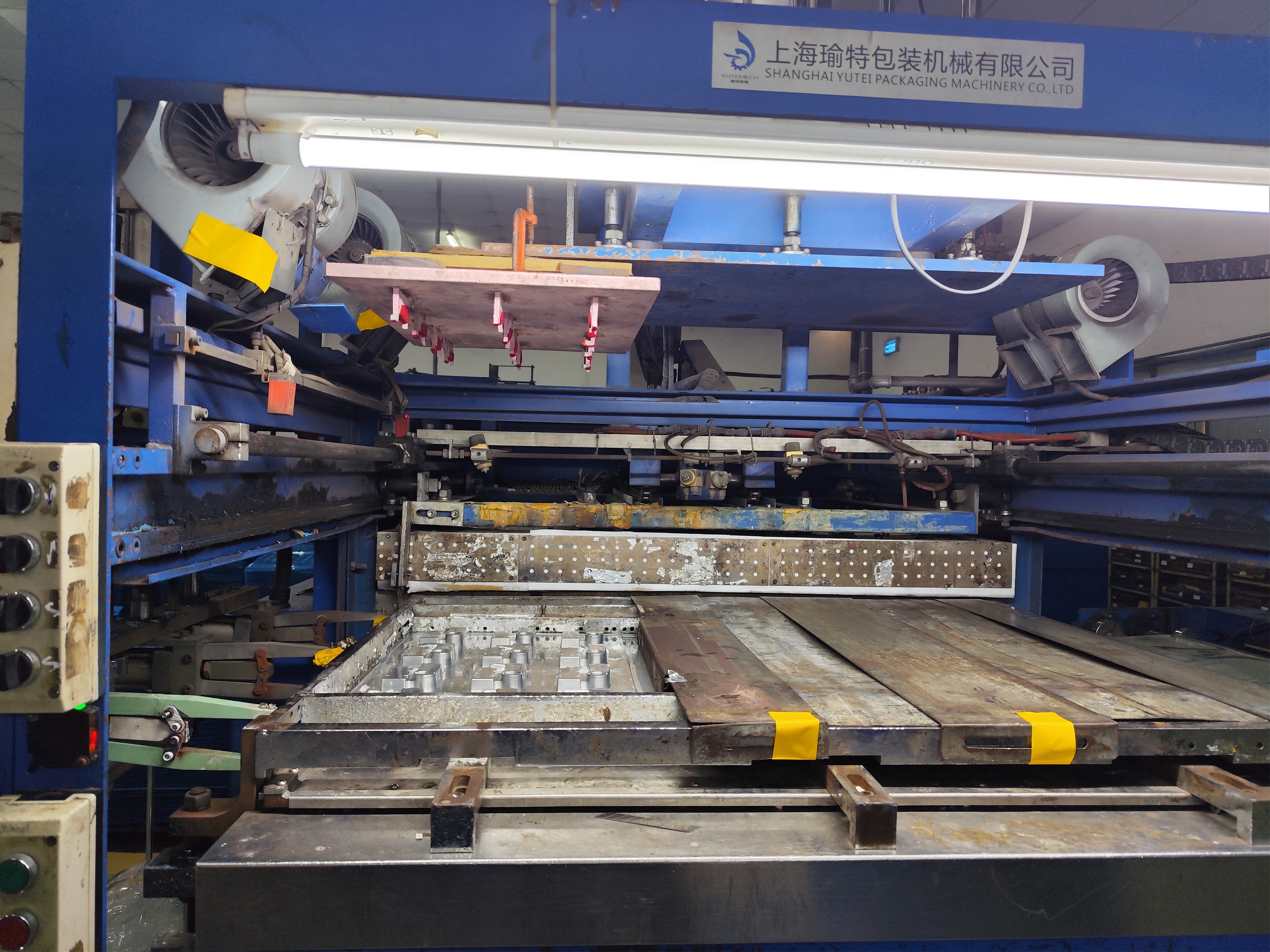
Breaking Down the Timeline Step by Step
Understanding where the time goes helps you plan better. Here is a typical timeline comparison:
| Project Phase | Sheet Metal Fabrication | Traditional Casting |
|---|---|---|
| Design review and DFM | 1–3 days | 1–5 days |
| Tooling / mold creation | None required | 3–8 weeks |
| First article / sample | 3–7 days | 1–2 weeks (after mold) |
| Sample approval (PPAP) | 1–2 weeks | 1–3 weeks |
| Production run | 1–2 weeks | 1–3 weeks |
| Post-processing | 2–5 days | 3–7 days |
| Total lead time | 2–4 weeks | 8–16 weeks |
Why Fabrication Is Faster
The biggest time saver with sheet metal fabrication is the absence of custom tooling. You go from a finalized drawing to a cut part in hours. Bending and welding add a day or two. Assembly and finishing add a few more. For our clients who need parts within 2–3 weeks, fabrication is the default.
We also find that design iterations happen much faster with fabrication. If a prototype does not fit, we adjust the flat pattern and cut a new one the same day. With casting, a mold revision could cost weeks and thousands of dollars.
Why Casting Takes Longer — And When That Is Acceptable
Mold design is the bottleneck. A well-designed mold accounts for shrinkage, draft angles, parting lines, gating, and ejection. This takes engineering time. Then the mold is CNC machined from tool steel, heat treated, and tested. Each of those steps has its own lead time.
For products with a long lifecycle and high volumes, the initial wait is justified. An engine block mold, for example, might take 12 weeks to build but then produces parts for 10 years. The upfront delay is a minor fraction of the product's total lifecycle.
Managing Delivery Risk
In our experience working with U.S. purchasing managers, on-time delivery is frequently the top concern — ahead of unit cost. We manage this by building timeline buffers for casting projects and using fabrication for any component where the delivery date is non-negotiable.
If you are sourcing from Asia, factor in shipping time as well. Casting projects that slip by two weeks can cascade into missed container bookings and further delays at port. Fabrication's shorter production cycle gives you more breathing room.
What are the structural performance trade-offs I should consider when switching from casting to sheet metal fabrication?
A conversation with a client's design engineer last year stuck with me. He wanted to replace a cast aluminum housing with a sheet metal weldment to cut costs and lead time. The switch worked — but only after we redesigned the internal ribbing to account for the different material properties of formed and welded sheet metal.
Cast parts are monolithic with no weld seams, offering isotropic material properties, superior vibration damping, and lower residual stress. Sheet metal fabricated parts can have weld joints that create localized stress points, anisotropic grain orientation from rolling, and springback-related dimensional shifts. However, fabrication offers a better strength-to-weight ratio for thin-walled structures.
Monolithic vs. Assembled Structures
A cast part is a single, continuous piece of metal. There are no joints, no seams, and no fasteners holding sections together. This gives casting an inherent structural advantage for parts that must resist complex, multi-directional loads. The internal microstructure is relatively homogeneous — meaning the material behaves the same in all directions. Engineers call this isotropic behavior.
A sheet metal weldment, by contrast, is assembled from multiple flat or bent pieces joined by welding. Each weld introduces a heat-affected zone (HAZ) 8 where the metal's grain structure has been altered. These zones can be harder and more brittle than the base material, creating potential failure points under fatigue loading.
Material Property Differences
Rolled sheet metal has directional grain — the rolling process elongates the metal's crystal structure along the rolling direction. This creates anisotropic material properties. The sheet is stronger along the grain than across it. For most applications, this does not matter. But for parts under complex, multi-axis loading, it is worth considering.
Cast metal solidifies from a liquid state, so its grain structure forms more randomly. This gives it more uniform properties in all directions. Casting also allows designers to place material exactly where it is needed — thicker sections at stress points, thinner sections where weight savings matter.
Residual Stress and Fatigue Life
Cold working operations like bending and punching introduce residual stresses into sheet metal. Welding adds more. These internal stresses can reduce fatigue life and cause warping over time, especially if the part experiences thermal cycling.
Casting, when done with controlled solidification, produces parts with lower residual stress. Heat treatment after casting further relieves any internal stresses from cooling.
Vibration and Damping
Cast iron and cast aluminum have excellent vibration damping 9 properties. This is why engine blocks, machine tool bases, and turbine housings are almost always cast. The dense, continuous structure absorbs vibration energy rather than transmitting it.
Sheet metal structures, especially thin-walled ones, tend to resonate and transmit vibration. Stiffening ribs, damping pads, or thicker gauges can help, but they add weight and cost.
When Fabrication Wins on Structure
Fabrication excels for lightweight, thin-walled structures where stiffness comes from geometry rather than material mass. A well-designed sheet metal enclosure with properly placed bends and flanges can be extremely rigid at a fraction of the weight of a comparable casting. Aerospace panels, HVAC ductwork, and electronic enclosures are classic examples.
For our clients who need protective housings or mounting brackets — like the charcoal gray mounting brackets we recently sourced — sheet metal fabrication delivers the right balance of strength, weight, and cost. The key is designing with the process in mind: placing bends to add rigidity, minimizing weld count, and specifying the right material grade.
Conclusion
Choosing between sheet metal fabrication and traditional casting comes down to your production volume, tolerance needs, timeline, and structural requirements — not a one-size-fits-all answer. Evaluate each factor against your project's priorities, and work with an experienced supply chain partner to get it right the first time.
Frequently Asked Questions
How do I determine if sheet metal fabrication or casting is more cost-effective for my specific production volume?
Last quarter, one of our U.S. clients needed 200 custom mounting brackets. They initially assumed die casting would be cheaper — until we walked them through the full cost breakdown including mold design 3 and tooling costs.
Which process offers the tightest tolerances and best surface finish for my custom engineering requirements?
During a recent supplier audit at a Vietnamese factory, I inspected a batch of sheet metal enclosures held to ±0.010" — perfectly acceptable for their application. But the same client also needed an internal valve housing held to ±0.003", which pushed us toward a precision die casting approach instead.
How will choosing sheet metal over casting impact my overall project timeline and delivery schedule?
One lesson I have learned from managing supply chains across Vietnam and China is that timeline risk often outweighs unit cost. A client once saved $0.50 per part by choosing casting, but their project launched six weeks late because the mold was not ready on time.
Footnotes
1. Comprehensive guide explaining the process of transforming flat metal sheets into desired shapes. ↩︎
2. Replaced HTTP 404 with an explanation of engineering tolerances. ↩︎
3. Details essential principles of mold design for successful plastic part manufacturing. ↩︎
4. Replaced HTTP unknown with a definitive guide to metal casting. ↩︎
5. Replaced HTTP 404 with an authoritative Wikipedia definition of near-net shape. ↩︎
6. Comprehensive guide to investment casting, a precision process for complex metal components. ↩︎
7. Explains springback in sheet metal bending, its causes, and methods for compensation. ↩︎
8. Replaced HTTP 404 with an authoritative Wikipedia definition of the heat-affected zone. ↩︎
9. Explains vibration damping, how it works, and the materials used to reduce unwanted oscillations. ↩︎