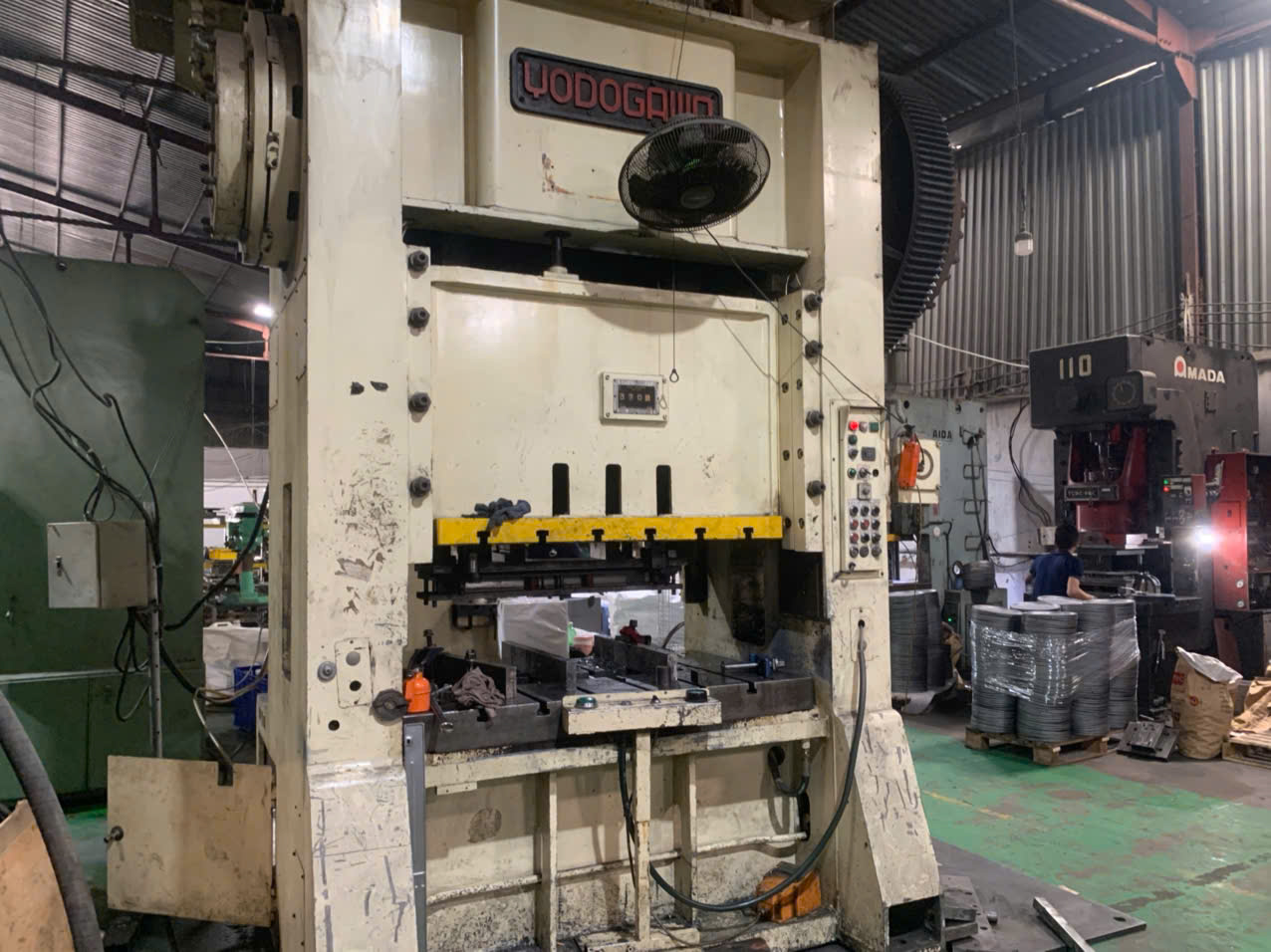

A long-term stamping parts supply contract can protect you or trap you letter of credit 1. I have reviewed dozens for our U.S. clients, and vague wording almost always causes the disputes.
A long-term stamping parts supply contract should clearly define quality standards (PPAP, tolerances, PPM limits), payment terms, tooling ownership and maintenance, delivery lead times, pricing adjustment mechanisms, termination rights, and remedies for non-conformance. Ambiguity in any of these terms creates costly disputes later.
Below, I break down the four contract areas where I see the most problems. Each section gives you specific language and checkpoints to use before you sign anything.
How Can I Ensure Quality Control Standards Are Clearly Defined in the Contract?
Last year, our Vietnam team caught a batch of stamped brackets with an oversized oval slot. The supplier argued the drawing tolerance was "informational only." The contract settled that argument fast.
Define quality by attaching controlled drawings with revision numbers, requiring PPAP approval before mass production, setting a maximum defect rate in PPM, specifying inspection methods and sampling plans, and stating exactly how rejected parts are handled, credited, or replaced.

Quality language fails when it stays vague. A phrase like "parts shall be of good quality" means nothing in a dispute. In our work managing PPAP 2 and final inspection for U.S. buyers, we insist that the contract references specific, measurable documents. The drawing, the revision level, and the inspection plan should all be named in the agreement itself.
The Documents Your Contract Must Reference
Your contract should incorporate these items by reference, so they carry legal weight:
| Document | What It Locks Down | Why It Matters |
|---|---|---|
| Controlled drawing with revision number | Dimensions, tolerances, material spec, finish | Prevents "we used the old drawing" excuses |
| PPAP package 3 (Level 2 or 3) | Proof the process can make conforming parts | Stops production launch before validation |
| Control plan | In-process checks the supplier must run | Makes quality a process, not a final sort ISO 9001 4 |
| AQL sampling plan | How lots are inspected and accepted | Defines what "passed inspection" means |
| PPM target | Maximum allowed defects per million | Gives you a measurable performance trigger |
Handling Non-Conformance
The contract should also answer three questions in plain terms. Who pays for sorting and rework? How fast must the supplier respond with a written 8D within a defined number of days? And can you deduct the cost of non-conforming parts from open invoices? For stamped parts, add specifics like burr limits, flatness, and hole position tolerances. These are the defects we catch most often at final inspection. If the contract does not name them, the supplier will argue they are acceptable.
What Payment Terms Should I Negotiate to Protect My Cash Flow?
A purchasing manager we work with in the U.S. once told me his biggest fear was not price. It was paying 100% upfront for parts that arrived six weeks late and out of spec.
Negotiate net 60 to 90 day payment terms tied to acceptance rather than shipment, cap any deposit at 30%, define currency and who bears exchange risk, secure the right to offset quality chargebacks against invoices, and document early-payment discounts and late-payment interest explicitly.

Payment terms decide who carries the working-capital burden during the production and transit cycle. For ocean freight from Asia to the U.S., parts can sit in your cash cycle for 60 to 100 days before your customer pays you. If you pay the supplier at shipment, you finance that entire gap. This is exactly why we offer open account terms to our own clients — we have seen how much pressure prepayment puts on a distributor's cash flow.
Terms to Compare Before You Sign
| Payment Structure | Buyer Cash Flow Impact | Risk Level for Buyer |
|---|---|---|
| 100% T/T in advance | Worst — you finance everything | High — no leverage on quality |
| 30% deposit, 70% at shipment | Poor — cash out before goods arrive | Medium-high |
| Net 30 from bill of lading | Moderate — partial relief | Medium |
| Net 60–90 from acceptance | Best — payment follows verified goods | Low — leverage retained |
Clauses That Protect You Beyond the Net Days
The trigger date matters as much as the net days. "Net 60 from invoice date" can be gamed by early invoicing. Push for "net 60 from receipt and acceptance." Also negotiate a right of set-off, so agreed chargebacks for defects or shortages can be deducted from open invoices without a separate claim. Finally, fix the currency. If you pay in USD, the supplier carries exchange risk; make sure the contract does not allow surcharges when their local currency moves. If the supplier wants an early-payment discount option, take it as a written formula, not a handshake.
How Do I Address Tooling Ownership and Maintenance Responsibilities in the Agreement?
Progressive dies 6 are where stamping relationships get complicated. We once helped a client recover a die from a supplier who claimed it as their own — the contract's single clear sentence on ownership saved the program.
State in writing that the buyer owns all tooling paid for by the buyer, require permanent tool marking and asset tagging, assign routine maintenance costs to the supplier, define who pays for refurbishment after a stated hit count, and guarantee tool return within a fixed period upon termination.
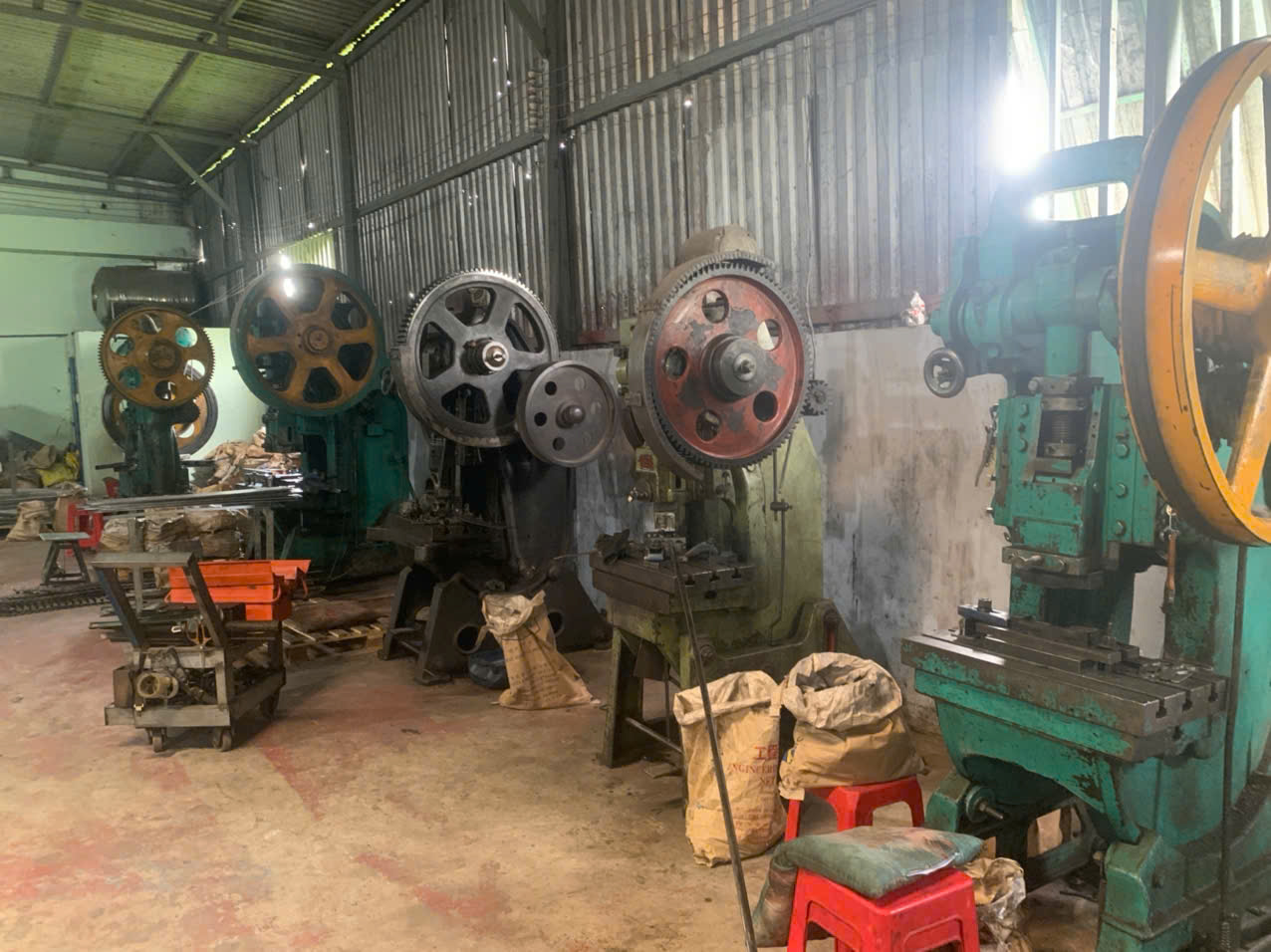
Tooling is the anchor of every long-term stamping parts supply contract. The die can cost more than a year of parts, and whoever controls it controls your supply. In our supplier audits across Vietnam and other Asian countries, we physically verify buyer-owned tools are tagged, stored properly, and logged — because paper ownership means little if the tool cannot be identified on the shop floor.
Ownership Scenarios and What Each Requires
- Buyer pays for tooling upfront. The contract must state the buyer owns the tool from the date of payment, free of liens. Require a tooling record with photos, serial numbers, and permanent marking such as "Property of [Buyer]."
- Tooling amortized into piece price. Define the exact amortization quantity. State that ownership transfers automatically once that quantity is invoiced, or immediately upon early payout of the remaining balance.
- Supplier-owned tooling. Avoid this for custom parts if possible. If unavoidable, negotiate a buyout formula so you are never held hostage.
Maintenance, Insurance, and Exit
Split responsibilities cleanly. Routine maintenance — sharpening, cleaning, spring replacement — should be the supplier's cost, built into the piece price. Major refurbishment or replacement after a defined hit count (often stated in millions of strokes) can be shared or buyer-funded, but write the trigger down. Require the supplier to insure buyer-owned tooling stored at their facility and to name the risk-of-loss holder. Most important: guarantee tool release within a fixed number of days after termination, in usable condition, with no right for the supplier to withhold tools during a commercial dispute. Without that clause, your die becomes their negotiating leverage.
What Delivery and Lead Time Commitments Should I Require to Avoid Production Delays?
Delivery delays are the single most common complaint I hear from U.S. purchasing managers. One late container of brackets can idle an assembly line that costs far more per day than the parts themselves.
Require fixed production lead times from purchase order acknowledgment, a minimum on-time delivery rate such as 95%, defined Incoterms with title and risk transfer points, safety stock or buffer inventory obligations, mandatory early warning of delays, and agreed remedies including expedited freight at the supplier's cost.

Lead time language must cover the full chain, not just production. In our door-to-door logistics work, we break the timeline into segments so responsibility is never blurred. The supplier owns production lead time. The Incoterm decides who owns freight. Your contract should assign each segment to a party and attach a measurable commitment to it.
Delivery Terms Checklist
| Contract Element | What to Specify | Typical Benchmark |
|---|---|---|
| Production lead time | Days from PO acknowledgment to ex-works ready | Fixed per part number |
| On-time delivery (OTD) rate | Percentage measured against confirmed dates | 95%+ measured monthly |
| Incoterms 7 | Named term and named place (e.g., FOB port, DDP door) | Match your logistics capability |
| Delay notification | How early the supplier must warn you in writing | As soon as known, with recovery plan |
| Expedite remedy | Who pays air freight when supplier causes delay | Supplier pays cost difference |
| Buffer stock | Weeks of finished-goods safety stock held | 2–4 weeks for critical parts |
Forecasts, Capacity, and Backup Supply
Tie delivery to a rolling forecast. A common structure makes the nearest 4 weeks firm, the next 8 weeks semi-firm for material, and the rest planning-only. Add a capacity commitment: the supplier reserves press capacity for your stated maximum volume, so a bigger customer cannot bump your orders. Finally, preserve your right to qualify a backup stamping supplier without breaching any exclusivity clause. We build dual-source options into critical programs for exactly this reason. Repeated OTD failure below the contractual threshold should be a defined breach — giving you the right to shift volume or exit without penalty.
Conclusion
A weak contract turns every stamping problem into a fight. Nail down quality documents, acceptance-based payment, tooling ownership, and measurable delivery terms — then sign with confidence.
Frequently Asked Questions
How Can I Ensure Quality Control Standards Are Clearly Defined in the Contract?
Last year, our Vietnam team caught a batch of stamped brackets with an oversized oval slot. The supplier argued the drawing tolerance was "informational only." The contract settled that argument fast.
What Payment Terms Should I Negotiate to Protect My Cash Flow?
A purchasing manager we work with in the U.S. once told me his biggest fear was not price. It was paying 100% upfront for parts that arrived six weeks late and out of spec.
How Do I Address Tooling Ownership and Maintenance Responsibilities in the Agreement?
Progressive dies 6 are where stamping relationships get complicated. We once helped a client recover a die from a supplier who claimed it as their own — the contract's single clear sentence on ownership saved the program.
Footnotes
1. Common payment security instrument relevant to international supply contract negotiations. ↩︎
2. PPAP is a core quality standard referenced throughout the article’s contract discussion. ↩︎
3. Explains PPAP standard referenced for supplier quality validation in contrac