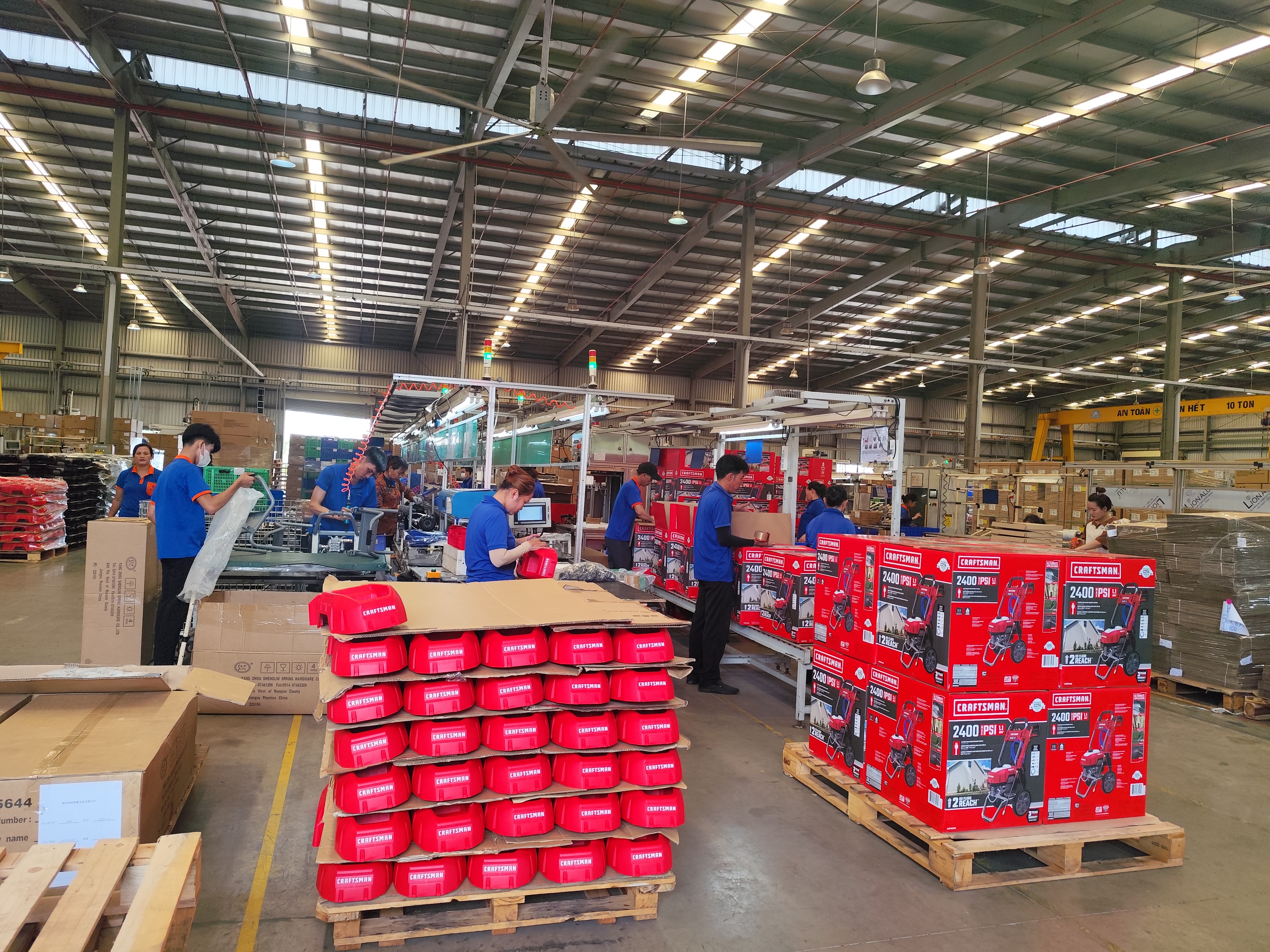
Sintered powder metal plays a crucial role in the production of precision components for kitchenware and electrical appliances. From tableware and blades, gears and mechanisms, to temperature guided equipment and filtration systems, the properties of sintered powder metal make it suitable for various components, regardless of size, simplicity, or complexity, each of which helps improve the functionality of the equipment.
Sintered powder metal is a versatile material that offers a wide range of possibilities in designing and producing various electrical components. This technology’s advantage lies in heating powder metal until the particles combine without melting, producing highly durable, precise, and complex geometric parts.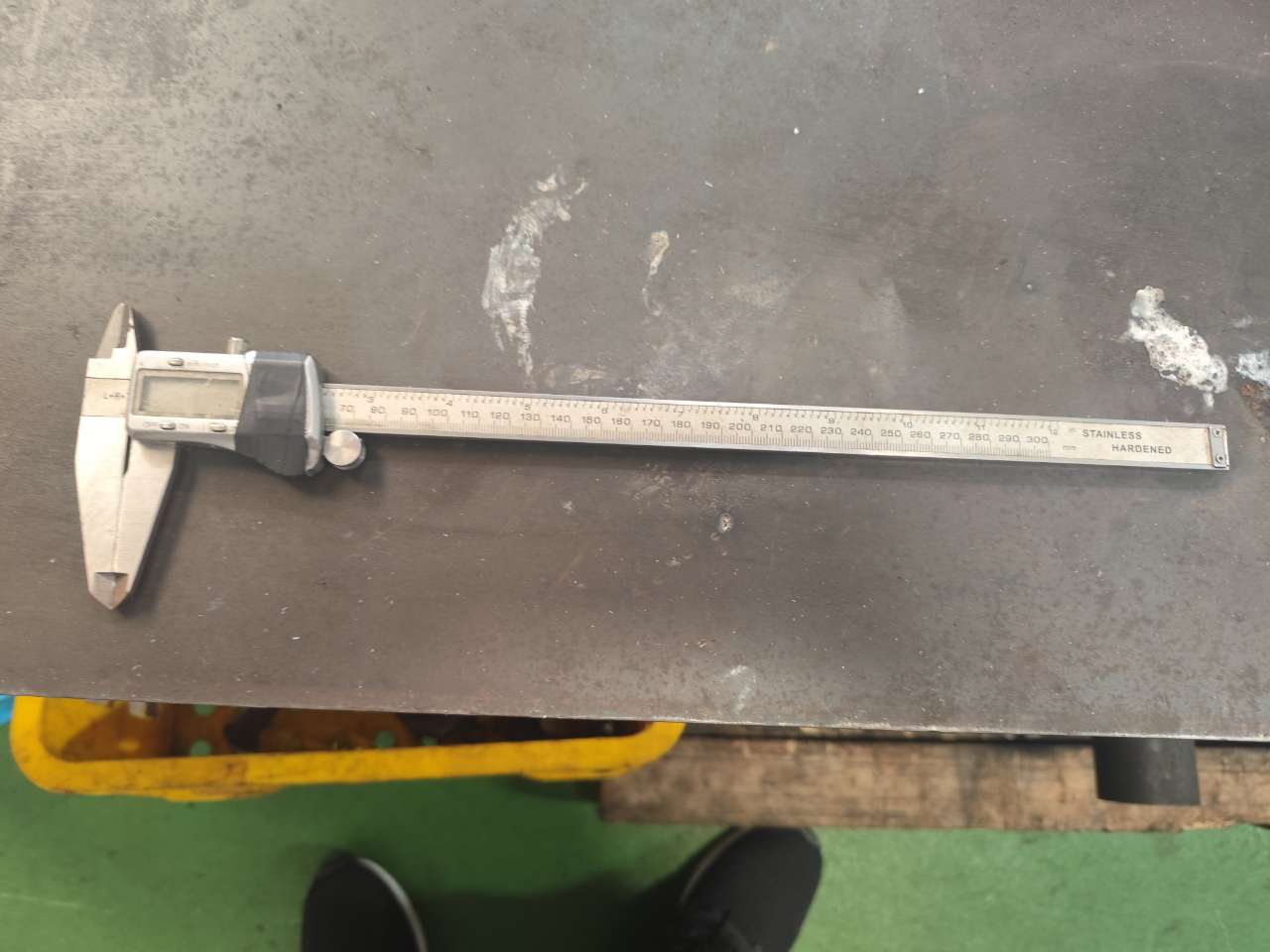
Knife Tool
The hardness and wear resistance of sintered metal make it ideal for manufacturing various blades, including kitchen knives and blades for electric cutters. The hardness and wear resistance of sintered metal make it ideal for manufacturing various blades, including kitchen knives and blades for electric cutters.
Filters and Filtration Systems
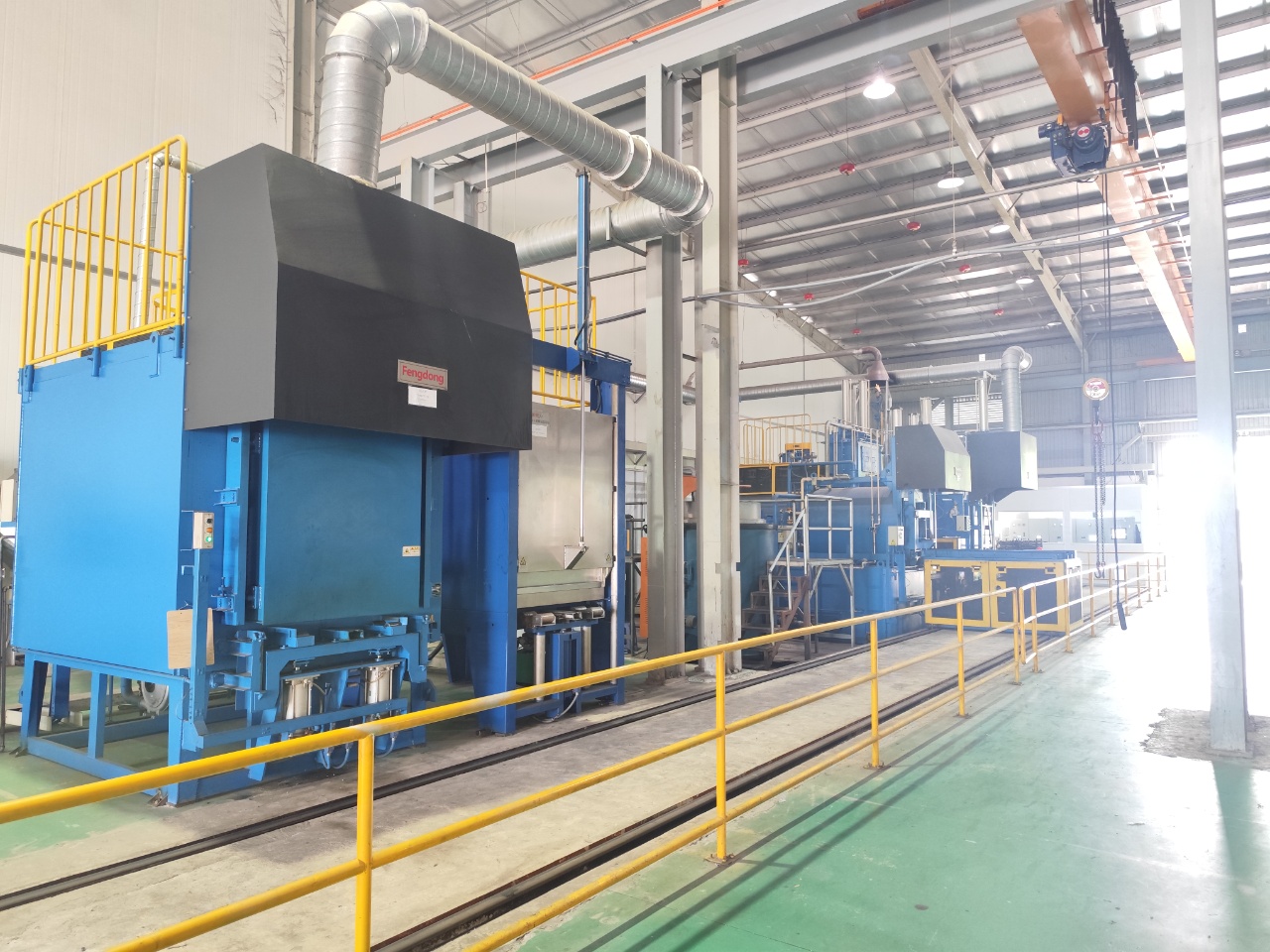
The porous structure of sintered metal makes it an ideal choice for manufacturing water filters, coffee filters, and hood filters. It can effectively filter while ensuring easy cleaning and long-lasting durability.
Thermal Application
The thermal properties of sintered powder metals exhibit significant differences in thermal conductivity in electrical appliances. For example, iron substrates with enhanced heat distribution and durability, as well as thermocouples for measuring heat in heating equipment and ovens, sintered aluminum or copper radiators, are typically made of sintered powder metal.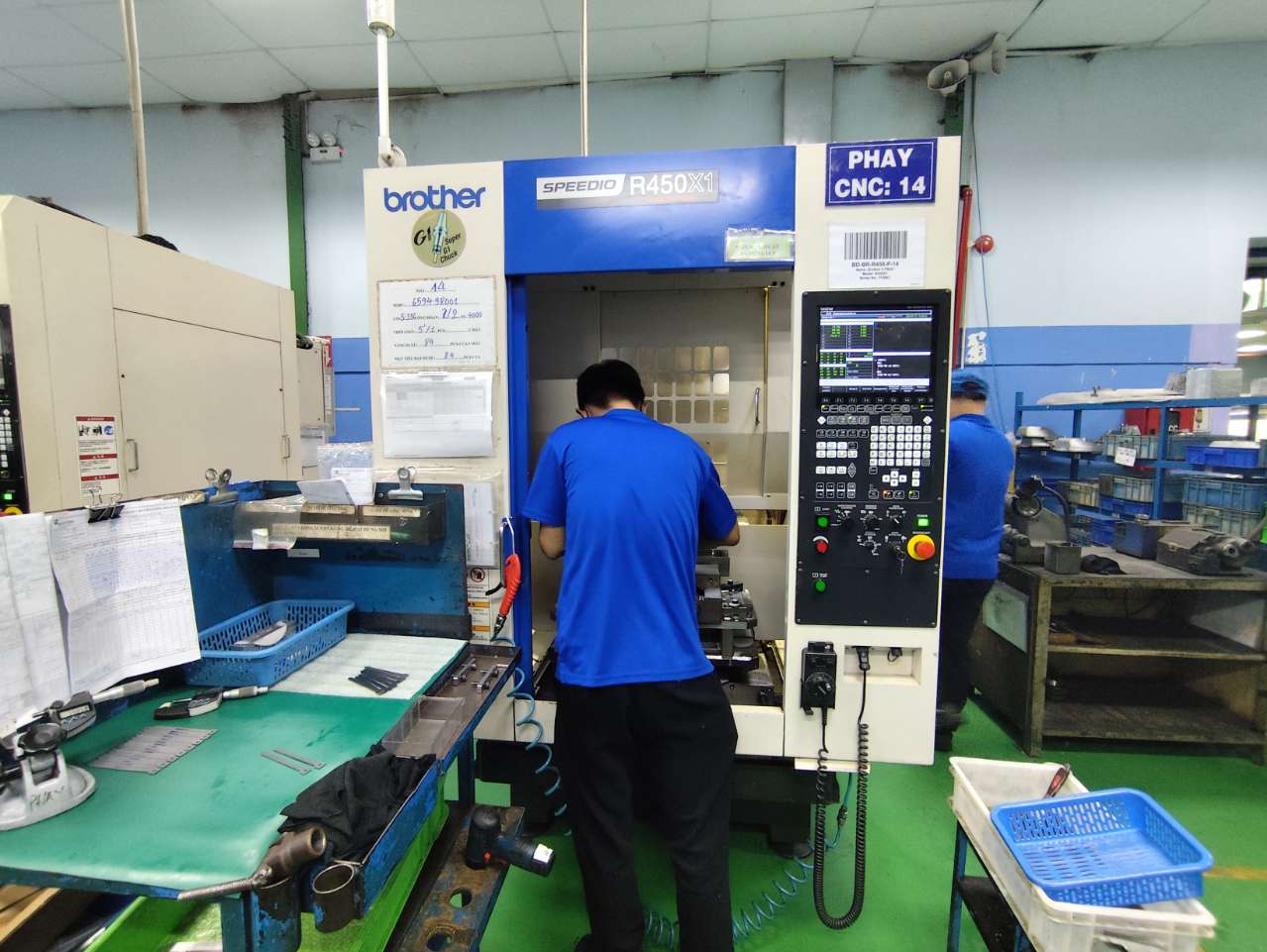
Nozzle
Many households directional nozzles, especially those in dishwashers and washing machines, are made of sintered powder metal to enhance their corrosion resistance.
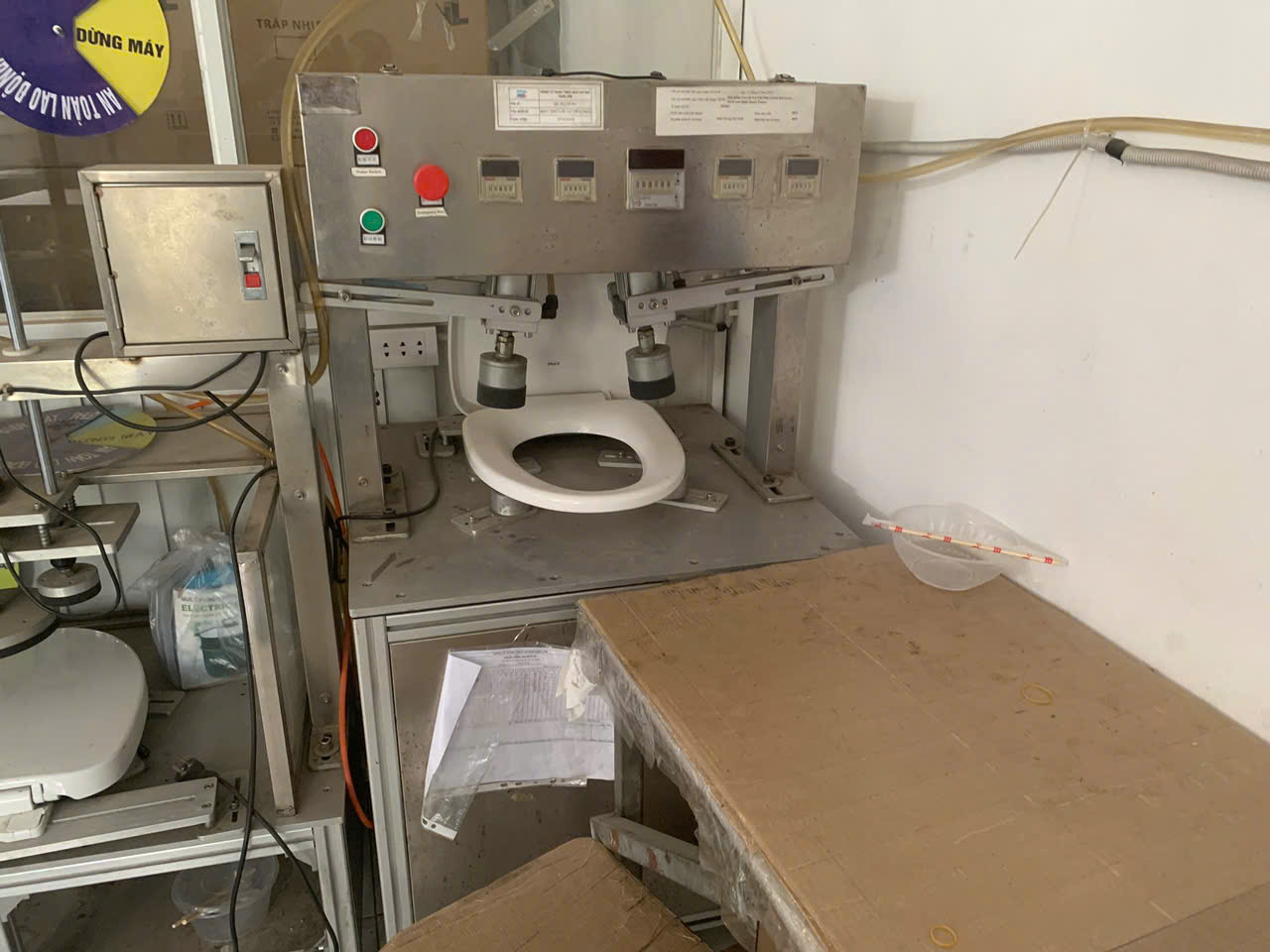
Electrical institutions
Household appliances usually contain complex structures, and their internal work is composed of many small and important components. Sintered powder metal is often used to manufacture gears and gear components in equipment such as mixers, food processing machines, or coffee grinding equipment, as well as the rotating head of egg beaters and the inner basket of air fryers, all of which cannot be separated from sintered powder metal.
Overall, in addition to the aforementioned parts, there are many other structural components such as handles, brackets, and other components of appliances that can also be made of sintered powder metal. Sintered powder metal has extremely high plasticity and durability, making its applications in kitchen utensils and household appliances very wide and diverse, as they provide wear-resistant and durable materials, excellent mechanical properties, and complex design freedom.
Thank you for reading our article. If you need related products or have any questions or suggestions about our products, please don’t hesitate to contact us by sending an email, and we will reply to your email as soon as possible.
Precision Manufacturing & Sourcing Specification Matrix
| Technical Dimension | Standard Commercial Grade | High-Precision OEM Export Grade | DEWIN Verification Protocol |
|---|---|---|---|
| Machining & Forming Tolerance | ISO 2768-m (±0.10 mm nominal) | ISO 2768-f (±0.01 mm – ±0.025 mm critical bores) | Calibrated 3D CMM & Air/Pin Gauging |
| Surface Roughness & Finish | Ra 1.6 – 3.2 µm as-machined / standard coat | Ra 0.4 – 0.8 µm precision ground / MIL-A-8625 anodized | Profilometer & Coating Thickness Gauge |
| Material & Alloy Certification | Supplier Mill Test Report (MTR) | Independent OES chemical & mechanical verification | EN 10204 3.1 + RoHS/REACH Compliance |
| Batch Inspection & Packaging | ISO 2859-1 (AQL 1.0 Major / 2.5 Minor) | Zero-defect critical features + VCI export crating | Pre-Shipment Inspection (PSI) Report |
Frequently Asked Questions
What engineering files are required to quote what kind of parts can be made by sintered powder metal in the kitchenware or home appliance? with DEWIN?
Provide 3D CAD models (STEP or IGES) along with 2D engineering drawings (PDF/DXF) specifying critical-to-quality (CTQ) tolerances, material grade, surface finish, and annual volume.
How does DEWIN verify dimensional accuracy and material compliance before shipment?
Every production lot undergoes incoming material spectrometer verification (EN 10204 3.1), First Article Inspection (FAI) via 2D/3D coordinate measuring machines (CMM), and AQL pre-shipment audits.
Can DEWIN support both low-volume prototype validation and mass production scaling in Vietnam and China?
Yes. DEWIN coordinates rapid CNC and bridge-tooling prototypes alongside high-tonnage production tooling across audited ISO 9001 and IATF 16949 partner factories in Vietnam and China.