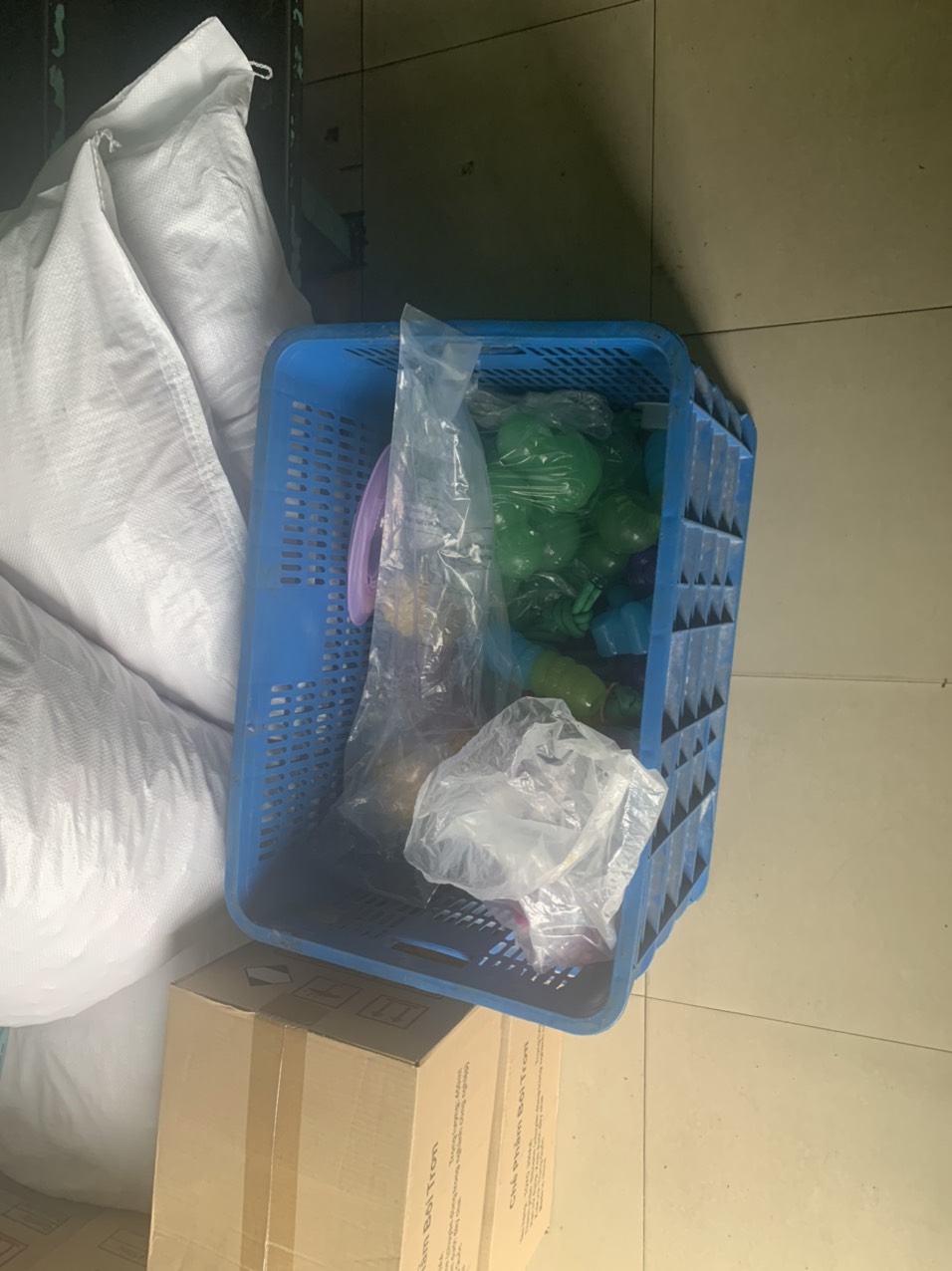
Powder metallurgy is a process technology for preparing metal powder or using metal powder (or a mixture of metal powder and non-metal powder) as raw material, after pressing, sintering, and post-processing, to manufacture metal materials, composite materials, and various types of products.
So, what type of products is powder metallurgy technology suitable for? Based on its own experience in powder metallurgy technology and industry, Dewin recommends the following two types of products that are most suitable for powder metallurgy manufacturing.
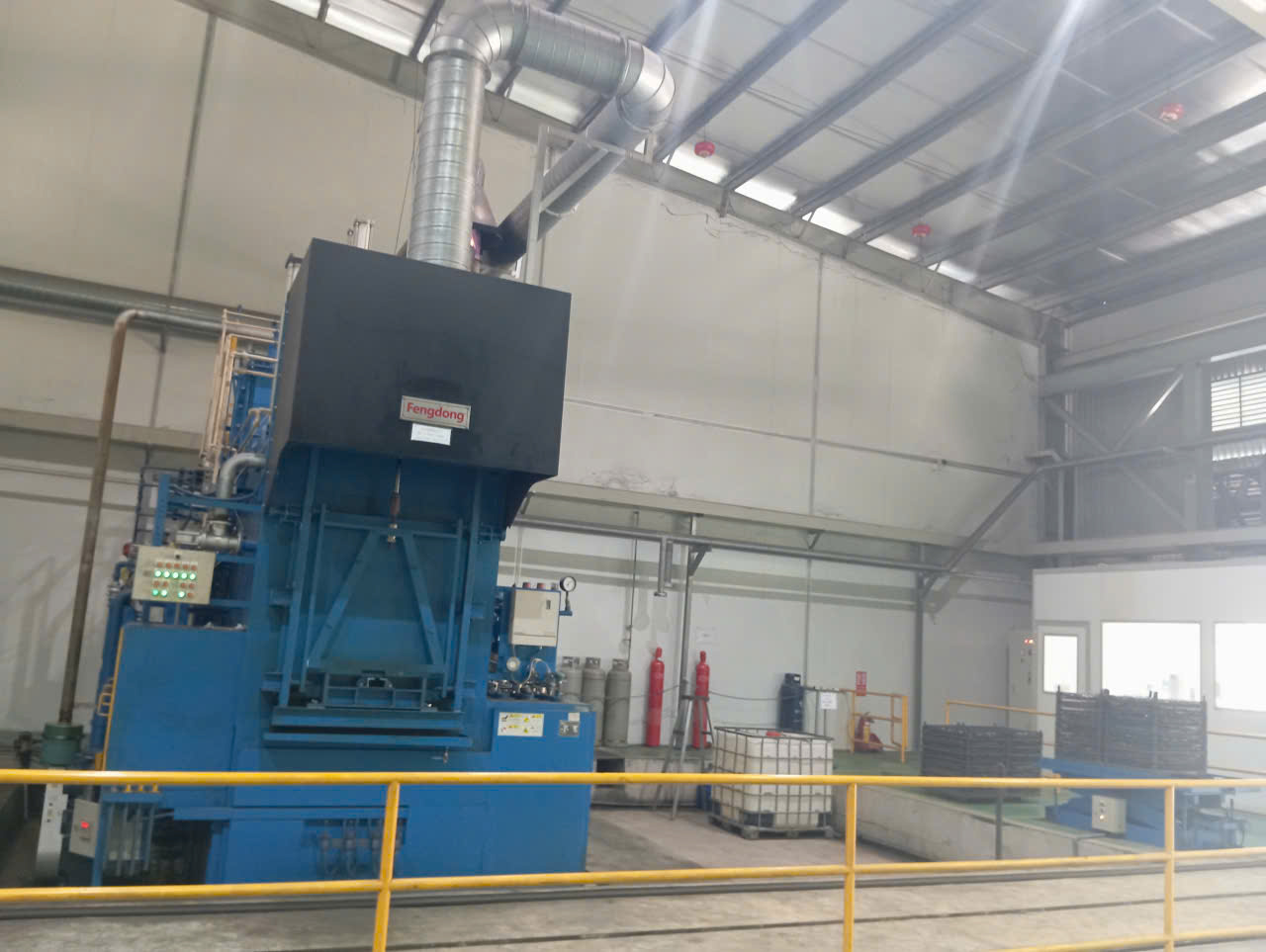
The first is a product with a simple structure. Since the powder metallurgy process is manufactured through molds, it is more suitable for the production of parts with fewer layers in the product structure and strong shape symmetry, such as oil pump rotors, valve guides, gears, etc. used in the automobile manufacturing industry. It is made by powder metallurgy technology.
The second is for products that require high-volume manufacturing. For the production of large-size parts using powder metallurgy technology, the MOQ is usually more than 5,000 pieces, and the MOQ for smaller-size parts is usually more than 10,000 pieces. This is because the size of powder metallurgy parts is determined by the mold. Provided, its significant advantages are high production efficiency, fast production speed, good product consistency, which can effectively reduce production resources and energy consumption, low production cost, but correspondingly, the mold cost will be relatively high, if the number of products If the mold cost is evenly distributed to the unit price of the product, it will be very high, so there is a higher requirement for the minimum order quantity of the product.
If you need to manufacture products that meet the above two types, the powder metallurgy technology owned by Dewin will surely win your favor with extremely high manufacturing efficiency and extremely low manufacturing cost.
Trust Dewin and enter into powder metallurgy.

Precision Manufacturing & Sourcing Specification Matrix
| Technical Dimension | Standard Commercial Grade | High-Precision OEM Export Grade | DEWIN Verification Protocol |
|---|---|---|---|
| Machining & Forming Tolerance | ISO 2768-m (±0.10 mm nominal) | ISO 2768-f (±0.01 mm – ±0.025 mm critical bores) | Calibrated 3D CMM & Air/Pin Gauging |
| Surface Roughness & Finish | Ra 1.6 – 3.2 µm as-machined / standard coat | Ra 0.4 – 0.8 µm precision ground / MIL-A-8625 anodized | Profilometer & Coating Thickness Gauge |
| Material & Alloy Certification | Supplier Mill Test Report (MTR) | Independent OES chemical & mechanical verification | EN 10204 3.1 + RoHS/REACH Compliance |
| Batch Inspection & Packaging | ISO 2859-1 (AQL 1.0 Major / 2.5 Minor) | Zero-defect critical features + VCI export crating | Pre-Shipment Inspection (PSI) Report |
Frequently Asked Questions
What engineering files are required to quote what kind of products is suitable for making powder metallurgy? with DEWIN?
Provide 3D CAD models (STEP or IGES) along with 2D engineering drawings (PDF/DXF) specifying critical-to-quality (CTQ) tolerances, material grade, surface finish, and annual volume.
How does DEWIN verify dimensional accuracy and material compliance before shipment?
Every production lot undergoes incoming material spectrometer verification (EN 10204 3.1), First Article Inspection (FAI) via 2D/3D coordinate measuring machines (CMM), and AQL pre-shipment audits.
Can DEWIN support both low-volume prototype validation and mass production scaling in Vietnam and China?
Yes. DEWIN coordinates rapid CNC and bridge-tooling prototypes alongside high-tonnage production tooling across audited ISO 9001 and IATF 16949 partner factories in Vietnam and China.