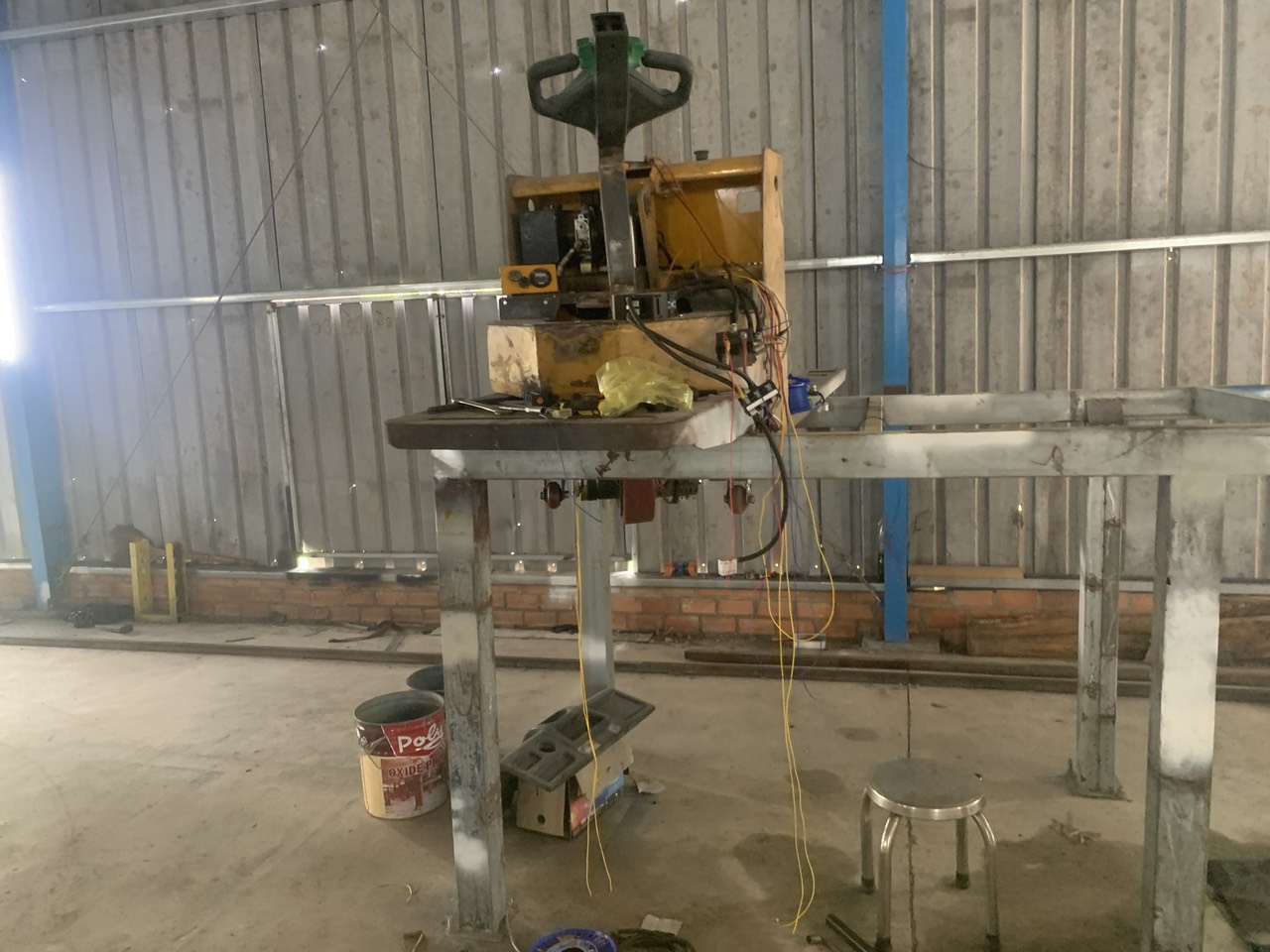

Last quarter, a U.S. buyer sent our team a corroded multi-piece battery tray that had failed leak testing—twice busbar manufacturing 1. The root cause was outdated stamping design, and it cost months of delays.
The latest stamping trends for new energy vehicle battery components center on one-piece deep-draw enclosures, lightweight aluminum alloys and advanced high-strength steel hybrid designs, servo-press automation with digital twins, and adaptations for solid-state and LFP battery chemistries—all aimed at eliminating leak paths, reducing weight, and achieving micron-level tolerances.
These shifts matter to every purchasing manager 2 sourcing from Asia. The stamping landscape is no longer about bending metal. It is about precision engineering 3 that directly affects battery safety, vehicle range, and total landed cost. Let me walk you through the trends that should shape your next sourcing decision.
How can I identify suppliers who understand the latest EV battery stamping requirements?
A buyer we work with in the Midwest recently disqualified three suppliers in a single month. Each one quoted aggressively but could not explain how they handle thermal management systems integration or battery tray crashworthiness in their stamping process.
Identify qualified EV battery stamping suppliers by evaluating their experience with one-piece deep-draw designs, Cell-to-Pack CTP technology integration, servo-press capabilities, material expertise in both lightweight aluminum alloys and high-strength steel, and their ability to hold micron-level tolerances consistently.

Finding the right supplier starts with asking the right questions. Too many purchasing managers default to price comparisons without probing technical depth. In our experience exporting to the U.S. and Europe, we have learned that the gap between a capable supplier and an average one shows up not in the quote—but in the first article inspection.
What Technical Capabilities Should You Look For?
The stamping industry for new energy vehicle battery components has moved far beyond simple blanking and bending. Today, suppliers need to demonstrate competency across several advanced areas. Here is a framework we use when auditing stamping factories in Vietnam, China, Taiwan, and India:
| Capability Area | What to Ask | Why It Matters |
|---|---|---|
| One-Piece Deep Draw | Can they form a single enclosure without weld joints? | Eliminates leak paths; improves structural integrity |
| High-Speed Precision Stamping | What is their press tonnage range and stroke rate? | Determines throughput for large-format battery trays |
| Material Handling | Do they run both 5xxx/6xxx aluminum and AHSS? | Flexibility to match your design requirements |
| Servo-Press Technology | Are presses servo-driven or conventional flywheel? | Servo presses allow programmable slide motion for complex geometries |
| Tooling Design | Do they design and build dies in-house? | In-house tooling accelerates iteration and lowers cost |
| Digital Process Control | Do they use digital twins or IoT monitoring? | Predictive die maintenance reduces downtime and scrap |
Beyond the Spec Sheet
A supplier might check every box on paper but still fail in execution. When our team conducts on-site audits, we look at how operators handle material changeovers, whether the shop floor has real-time SPC dashboards, and how quickly engineering responds to drawing clarifications. These soft indicators often predict whether you will get it right the first time—or face costly rework.
We also verify whether the supplier has actually produced structural battery components for EV applications, not just general automotive brackets. The tolerances and surface finish requirements for liquid cooling plates 4 and busbar manufacturing are fundamentally different from a standard mounting bracket. Ask for sample parts. Request PPAP documentation from previous EV projects. If they hesitate, that tells you everything.
What quality control processes should I expect for new energy vehicle battery components?
One lesson we learned early in our supply chain work: a stamped battery tray that looks perfect can still fail catastrophically if internal stress fractures or dimensional drift go undetected. Quality control for these components is not optional—it is existential.
For new energy vehicle battery components, expect quality control processes including 100% dimensional inspection with CMM, leak testing for sealed enclosures, material certification traceability, in-process SPC monitoring, PPAP documentation, and destructive testing for crashworthiness validation on structural battery components.
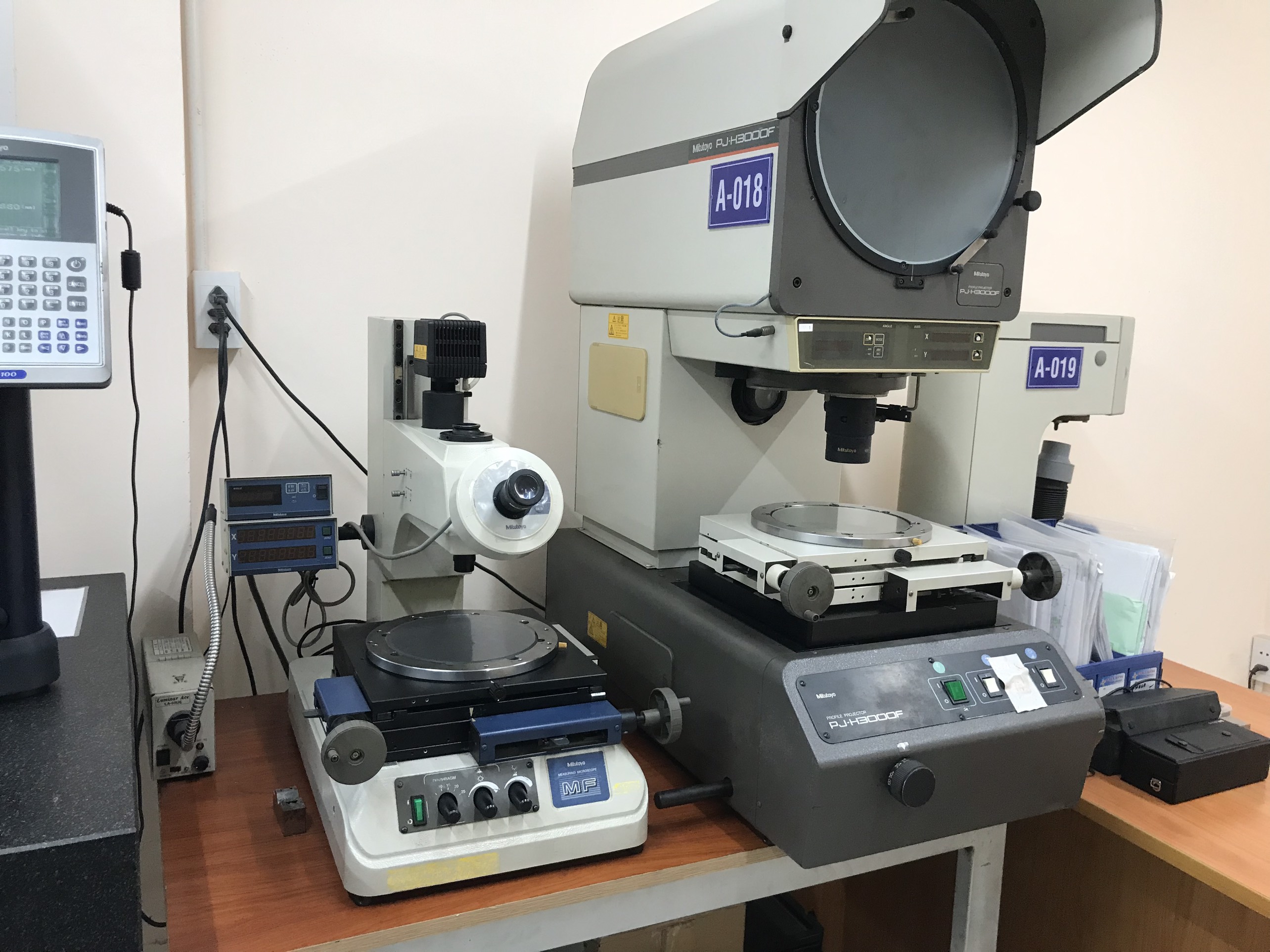
Quality failures in EV battery stamping carry consequences far beyond a rejected shipment. A leak in a battery enclosure can lead to coolant ingress 5, thermal runaway 6, and vehicle recalls. That is why our quality engineering team insists on layered controls at every production stage.
The QC Process Flow
Here is the typical inspection sequence we manage for stamped EV battery parts:
- Incoming material verification — Mill test certificates for aluminum or steel coils are cross-checked against drawing specifications. We verify alloy grade, thickness tolerance, and surface condition.
- First article inspection (FAI) — The initial parts off the die go through full CMM measurement. Every critical dimension, GD&T callout, and hole position is verified against the engineering drawing.
- In-process SPC — Operators monitor key dimensions at set intervals using go/no-go gauges and digital calipers. Control charts flag drift before it produces nonconforming parts.
- Leak and pressure testing — For sealed enclosures and liquid cooling plates, helium leak testing or air pressure decay testing ensures hermetic integrity.
- Final inspection and PPAP — A comprehensive dimensional report, material certs, process flow diagrams, control plans, and capability studies (Cpk ≥ 1.33 minimum) are packaged for buyer approval.
Critical Tests for Battery Components
| Test Type | Application | Acceptance Criteria |
|---|---|---|
| CMM Dimensional | All stamped parts | Per drawing GD&T callouts |
| Helium Leak Test | Sealed enclosures, cooling plates | Leak rate < 1 × 10⁻⁶ mbar·L/s |
| Salt Spray (ASTM B117) | Coated or plated parts | No red rust at specified hours |
| Crush/Impact Test | Battery tray crashworthiness | Per OEM-specific load requirements |
| Hardness Test (Rockwell/Vickers) | AHSS or heat-treated parts | Within specified hardness range |
| Surface Roughness (Ra) | Sealing surfaces | Ra ≤ 0.8 µm typical |
Why "Right First Time" Matters More Here
When we support clients sourcing stamped battery components, we push suppliers to invest in simulation before cutting steel. Forming simulation software can predict thinning, wrinkling, and springback 7 before a single part is stamped. This front-loaded engineering reduces the number of die iterations and gets production-ready parts faster.
Our China and Vietnam teams also perform pre-shipment inspections using AQL sampling plans, but for safety-critical EV parts, we often move to tighter sampling or even 100% inspection on critical features. The cost of catching a defect at the factory is a fraction of catching it at the assembly line—or worse, in the field.
How do emerging stamping technologies affect my sourcing costs and lead times?
During a recent project review, our engineering team compared quotes from two suppliers for the same battery bracket. One used a conventional progressive die 8; the other proposed a servo-press with integrated laser trimming. The price difference was 12%, but the lead time difference was six weeks.
Emerging stamping technologies like servo-press automation, digital twins, and mega-stamping reduce long-term sourcing costs through lower scrap rates and fewer die revisions, but they may increase initial tooling investment and require longer supplier qualification lead times for new energy vehicle battery components.

The technology a supplier uses directly affects your total cost of ownership. Cheaper is not always less expensive. Let me break down the key technologies and their real impact on your budget and timeline.
Servo-Press Automation and Throughput
Servo presses have become the standard for high-precision stamping of EV battery parts. Unlike mechanical presses, they allow fully programmable slide motion. This means the press can slow down during the draw phase to prevent cracking, then speed up during the return stroke. The result is fewer rejects and higher first-pass yield.
For buyers, this translates to lower per-part costs at volume. However, servo presses carry higher capital costs, so not every supplier has invested in them. When qualifying suppliers, ask specifically about their press fleet.
Digital Twins and Predictive Die Maintenance
Digital twin technology creates a virtual replica of the stamping die and process. Sensors on the press feed real-time data—tonnage, vibration, temperature—into the digital model. When the model detects anomalous patterns, it flags the die for maintenance before it produces defective parts.
Our team has seen this technology cut unplanned downtime by significant margins at facilities we audit. For buyers, the benefit is more reliable delivery schedules and fewer surprise quality escapes.
Cost and Lead Time Impact Summary
| Technology | Initial Cost Impact | Per-Part Cost Impact | Lead Time Impact |
|---|---|---|---|
| Servo-Press Automation | Higher tooling (+15–25%) | Lower (reduced scrap) | Neutral to shorter |
| Digital Twin / IoT Monitoring | Moderate setup cost | Lower (less downtime) | Shorter (predictable schedules) |
| Mega-Stamping (Hot Stamp) | Significantly higher tooling | Lower at high volume | Longer qualification |
| Tailor-Welded Blanks (TWB) | Moderate | Lower material waste | Slightly longer setup |
| Self-Lubricating Die Coatings | Moderate tooling surcharge | Lower (no lubricant cost) | Neutral |
| Hybrid Stamping-Laser Units | High capital investment | Lower (fewer secondary ops) | Shorter cycle time |
The Hidden Cost: Qualification Time
One factor buyers often underestimate is the time needed to qualify a supplier using advanced stamping technology. A mega-stamping line for hot-stamped UHSS battery enclosures requires extensive die tryout, material testing, and process validation. We typically advise clients to budget 12–16 weeks for full PPAP on complex battery tray programs, compared to 8–10 weeks for simpler stamped brackets.
The upfront investment in time pays off. Suppliers with automated assembly lines and in-line inspection produce more consistent parts. That consistency means fewer incoming inspection failures at your warehouse and fewer production stoppages at your customer's plant.
Which stamping trends should I prioritize when qualifying suppliers in Asia?
A conversation with a client last year crystallized something for me. He said, "I don't need a supplier who can do everything. I need one who can do the right things for where the market is heading." That distinction matters enormously when qualifying stamping suppliers in Vietnam, China, Taiwan, or India.
When qualifying Asian stamping suppliers, prioritize their capability in one-piece deep-draw battery enclosures, experience with both lightweight aluminum alloys and advanced high-strength steel, servo-press infrastructure, integrated liquid cooling plate stamping, and a documented quality system that supports PPAP and SPC for high-speed precision stamping.

Not every trend carries equal weight for your sourcing strategy. Some are immediate requirements. Others are emerging capabilities you should track. Here is how I recommend prioritizing them based on what we see across our supplier network.
Tier 1: Must-Have Capabilities Now
These are non-negotiable for any supplier quoting EV battery stamping work today:
- One-piece deep-draw enclosures: The industry is eliminating multi-piece welded assemblies. Your supplier must demonstrate the ability to deep-draw large aluminum or steel enclosures without weld-line leak risks.
- Aluminum and AHSS dual capability: Aluminum dominates roughly 80% of battery enclosure applications, but advanced high-strength steel is surging with a projected 5.17% CAGR through 2031. Suppliers locked into one material limit your design flexibility.
- Integrated thermal management: Stamped liquid cooling plates with internal channels are replacing bolt-on cooling solutions. This requires precision forming and leak-proof assembly.
Tier 2: Competitive Differentiators
These capabilities separate good suppliers from great ones:
- Busbar manufacturing expertise: High-speed micro-stamping for copper and aluminum busbars demands tight tolerances and burr-free edges. Not all stamping shops can handle this.
- Cell-to-Pack CTP technology readiness: As OEMs adopt CTP and Cell-to-Chassis architectures, stamped components must serve dual structural and functional roles. Suppliers who understand this integration will win more programs.
- Hot stamping for UHSS: Mega-stamping of ultra-high-strength steel battery enclosures is growing. Suppliers with hot stamping capability can offer battery tray crashworthiness performance that aluminum alone cannot match.
Tier 3: Emerging Trends to Monitor
These are forward-looking capabilities. You do not need them today, but track which suppliers are investing here:
- Solid-state battery component stamping: Stamped bipolar plates and hermetic sealing solutions for sulfide electrolytes will become critical as solid-state batteries reach commercialization.
- Cryogenic stamping: Ultra-thin current collector foils for next-generation anodes (including silicon anodes) require cryogenic forming processes that most stamping shops have not yet adopted.
- Green steel and sustainability: Circular steel partnerships and hydrogen-based in-line annealing are emerging in Europe and beginning to appear in Asia. OEMs with sustainability mandates may require this from their supply chain.
Regional Supplier Landscape
When sourcing from Asia, regional strengths vary:
- China remains the largest base for EV battery stamping, with deep expertise in aluminum enclosures and high-volume progressive die operations. Tariff pressures are driving some buyers to diversify.
- Vietnam is rapidly building stamping capacity for EV components. Our local team in Vietnam sees growing investment in servo-press lines and quality infrastructure. Labor costs remain competitive.
- Taiwan excels in precision tooling and high-strength steel stamping, with strong process discipline.
- India is an emerging player with cost advantages, but quality systems for EV-grade components are still maturing in most facilities.
Our role at DEWIN is to help buyers navigate this landscape. We conduct supplier audits, manage PPAP processes 9, and provide on-the-ground quality control so that you get production-ready parts—not excuses. Whether the application calls for a stamped battery tray, a set of precision mounting brackets, or a complex cooling plate assembly, the qualification process determines whether you ship on time or scramble for alternatives.
Conclusion
Stamping trends for new energy vehicle battery components are converging around precision, integration, and material innovation. Prioritize suppliers with proven deep-draw, multi-material, and digital process capabilities to protect your quality and delivery timelines. For a broader look at how these trends fit within the emerging sheet metal fabrication applications in the new energy industry, understanding the full landscape will strengthen your sourcing strategy.
Frequently Asked Questions
What Technical Capabilities Should You Look For?
The stamping industry for new energy vehicle battery components has moved far beyond simple blanking and bending. Today, suppliers need to demonstrate competency across several advanced areas. Here is a framework we use when auditing stamping factories in Vietnam, China, Taiwan, and India:
How can I identify suppliers who understand the latest EV battery stamping requirements?
A buyer we work with in the Midwest recently disqualified three suppliers in a single month. Each one quoted aggressively but could not explain how they handle thermal management systems integration or battery tray crashworthiness in their stamping process.
What quality control processes should I expect for new energy vehicle battery components?
One lesson we learned early in our supply chain work: a stamped battery tray that looks perfect can still fail catastrophically if internal stress fractures or dimensional drift go undetected. Quality control for these components is not optional—it is existential.
Footnotes
1. Authoritative Wikipedia page explaining busbar functions and manufacturing requirements for electrical power distribution. ↩︎
2. Wikipedia entry defining the role and responsibilities of a purchasing manager in industrial supply chains. ↩︎
3. NIST division page explaining the standards and importance of precision engineering in manufacturing. ↩︎
4. Comprehensive Wikipedia entry explaining cold plate technology used in liquid cooling systems. ↩︎
5. Technical explanation of coolant leakage and ingress risks in industrial and automotive cooling systems. ↩︎
6. Safety science leader UL explains battery safety risks including thermal runaway and testing protocols. ↩︎
7. Technical Wikipedia section detailing common sheet metal stamping defects including wrinkling and thinning. ↩︎
8. Standard Wikipedia reference for progressive die stamping processes and industrial applications. ↩︎
9. Detailed explanation of the Production Part Approval Process used in the automotive supply chain. ↩︎