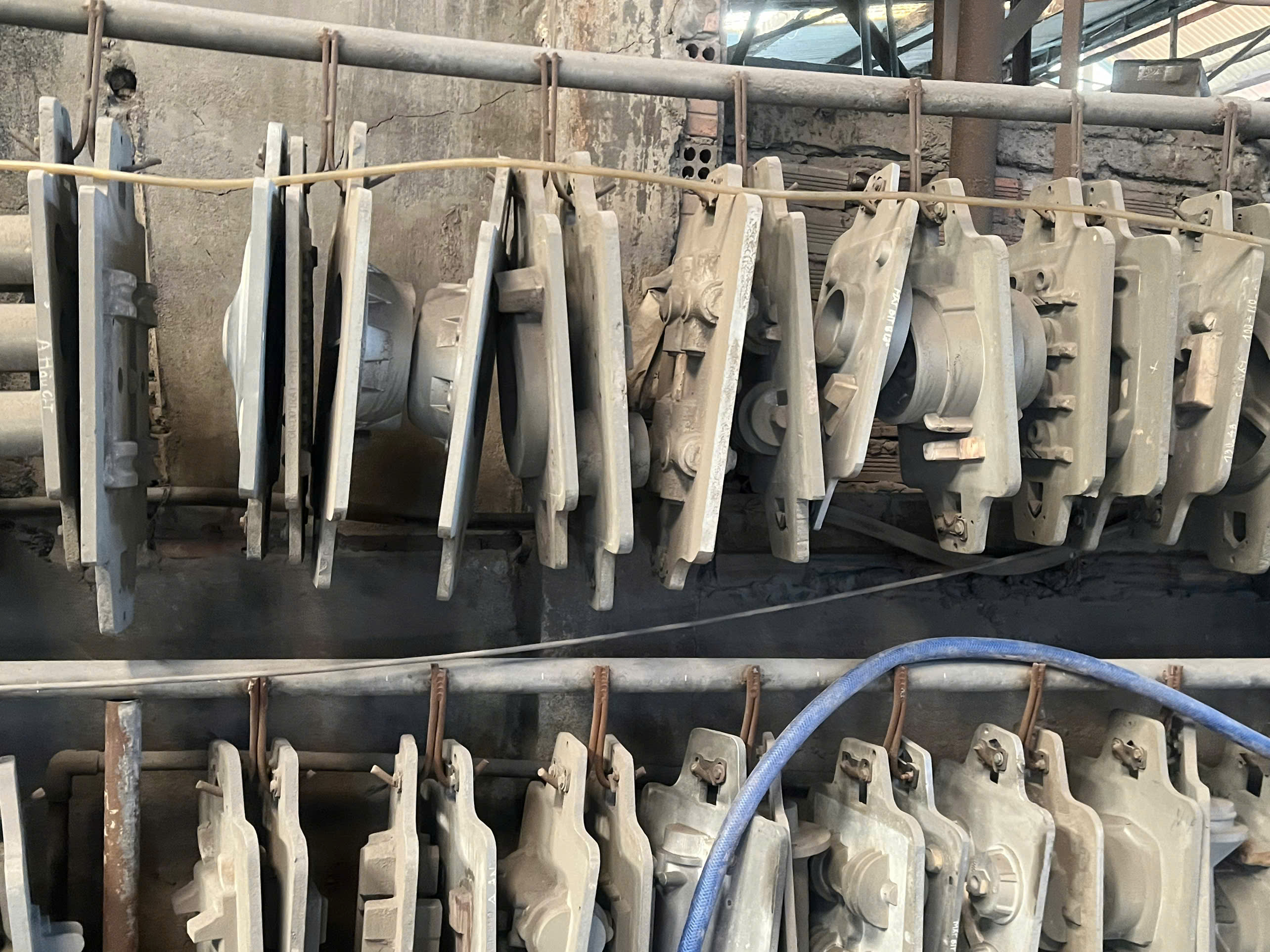
Last quarter, a client’s sheet metal order sat in Hai Phong port for eleven extra days — and the root cause had nothing to do with production.
Logistics and transshipment risks when sourcing sheet metal fabrication from Vietnam include port congestion, heavy reliance on Chinese raw materials, complex customs clearance procedures, origin-fraud exposure, transit damage to parts, and limited supply chain visibility — all of which can erode the cost savings that drew buyers to Vietnam in the first place.
Each of these risks is manageable, but only if you plan for them before you place the purchase order raw material sourcing 1. Below, I walk through the four biggest problem areas our team encounters when coordinating door-to-door delivery of custom sheet metal parts from Vietnamese factories to US warehouses — and the specific steps we take to keep projects on track.
How can I avoid unexpected lead time delays when shipping my sheet metal orders from Vietnam?
A buyer we work with assumed Vietnam-to-US transit would mirror his China experience VCI (Vapor Corrosion Inhibitor) wrapping 2. It didn't. His first shipment arrived three weeks late because nobody accounted for inland trucking, material import lag, or seasonal port congestion 3 Vietnam factories routinely face.
To avoid unexpected lead time delays, build buffer days for raw material sourcing from China, confirm inland trucking schedules to the export port, book vessel space early during peak season, and require your supplier to share a milestone-based production and shipping calendar you can track weekly.
Why Raw Material Lead Times Matter More Than You Think
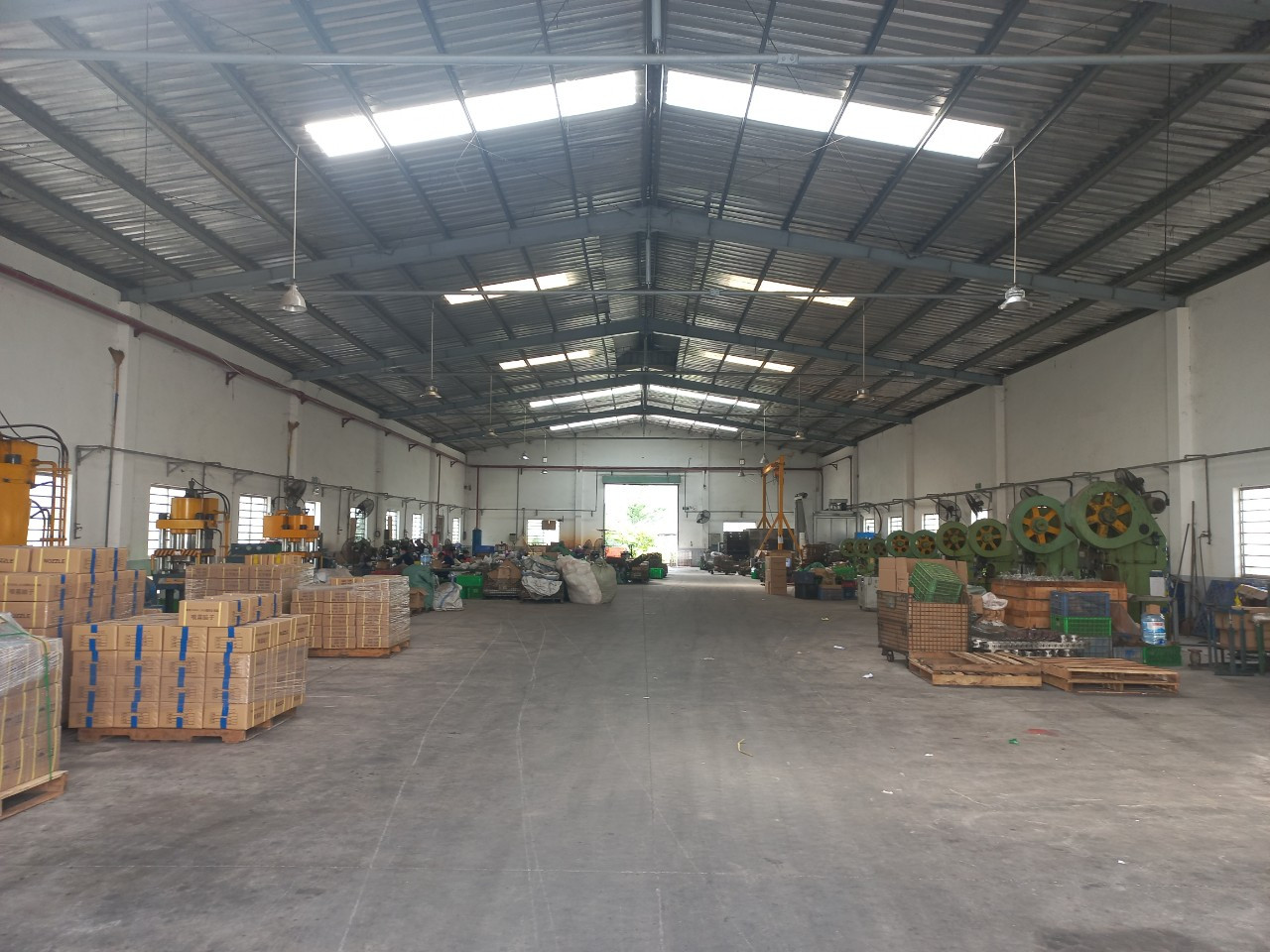
Vietnam's sheet metal industry imports 60–80% of its steel and aluminum from China. That means before a single laser cut happens, your supplier is waiting on coil or plate to clear Vietnamese customs and arrive at the factory. This alone adds one to two weeks compared to a Chinese factory that buys domestically. When global steel prices spike, Vietnamese suppliers sometimes delay procurement hoping for a dip — pushing your timeline further.
Our Vietnam office tracks material purchase orders in real time. We ask every factory to confirm PO placement for raw materials within 48 hours of order confirmation. If they can't, we flag it immediately.
Port Congestion Vietnam: A Recurring Bottleneck
Hai Phong in the north and Cat Lai (Ho Chi Minh City) in the south handle the bulk of Vietnam's exports. During Q4 — when global demand surges ahead of Western holidays — container handling slows, and blank sailings increase. Fuel surcharges rise by 10–20%, and vessel space becomes scarce.
Inland Transport Gaps
Road infrastructure between factories and ports is improving but still uneven, especially for heavy sheet metal loads. A 200-km trip from a factory in Binh Duong province to Cat Lai port can take six hours on a bad traffic day. Understanding how to balance logistics cost and time is critical when planning these inland routes.
| Delay Risk Factor | Typical Impact | Mitigation Step |
|---|---|---|
| Raw material import from China | +7–14 days before fabrication starts | Require material PO confirmation within 48 hours |
| Port congestion (peak season) | +3–7 days at export port | Book vessel space 2–3 weeks early |
| Inland trucking bottlenecks | +1–3 days | Schedule trucking midweek, avoid Friday/Monday rushes |
| Container shortage surcharges | +10–20% shipping cost | Use freight forwarding services with guaranteed allocation |
| Customs document errors | +3–7 days at port | Pre-audit all export documents before cargo arrives at port |
Build a Milestone Calendar
I recommend breaking the entire timeline into five clear checkpoints: material procurement confirmed, fabrication started, quality inspection passed, cargo dispatched to port, and vessel departure confirmed. Each checkpoint gets a target date and an owner. When our project managers see a checkpoint slip by more than two days, we escalate. This simple discipline has cut our average delay rate significantly across Vietnam-sourced orders.
How do I protect my custom sheet metal parts from damage and corrosion during long-haul ocean transit?
One lesson our quality team learned early: a perfectly fabricated sheet metal bracket can arrive at a US warehouse with rust spots, bent flanges, or scratched surfaces if the packing method isn't designed for a two-to-three week ocean journey through tropical humidity.
Protect custom sheet metal parts during ocean transit by requiring VCI (Vapor Corrosion Inhibitor) wrapping, moisture-absorbing desiccant packs inside sealed poly bags, foam-lined crate interiors for impact absorption, and a detailed packing specification approved before the first shipment leaves the factory.
The Corrosion Problem
Sheet metal — especially carbon steel and untreated aluminum — reacts to moisture. A container crossing the Pacific Ocean goes through temperature swings of 20°C or more between day and night. Water condenses on container walls and drips onto cargo. This phenomenon, called "container rain," is the number-one cause of corrosion damage on metal parts during ocean freight.
We now require every Vietnam supplier to follow a three-layer packing protocol for bare metal parts:
- Layer 1 — VCI film or paper directly wrapping each part or bundle.
- Layer 2 — Sealed polyethylene bag with desiccant sachets inside.
- Layer 3 — Foam dividers or custom die-cut inserts inside a plywood crate.
Impact and Abrasion Damage
Sheet metal brackets with precise bends, pre-drilled holes, and weld joints are vulnerable to deformation. If parts shift inside a crate during rough seas, flanges bend and mounting holes misalign. We specify that every crate must pass a tilt test and a drop test before shipment. Parts must not move when the crate is tilted 45 degrees.
| Damage Type | Root Cause | Prevention Method |
|---|---|---|
| Surface corrosion / rust spots | Container rain (condensation) | VCI wrap + desiccant packs 4 + sealed bags |
| Bent flanges or tabs | Parts shifting inside crate | Custom foam inserts, tight-fit packing |
| Scratch marks on finished surfaces | Metal-on-metal contact | PE film separation between stacked parts |
| Powder coat chipping | Vibration during transit | Bubble wrap layer + corner protectors |
| Water staining on aluminum | Humidity exposure | Anodize or apply protective oil before packing |
Packing Specification as a Contractual Document
I treat the packing spec the same way I treat a drawing tolerance. It goes into the purchase order. It gets reviewed during the pre-production meeting. And our inspector checks it during final inspection before the container is sealed. If the packing doesn't match the spec, we hold the shipment. This sounds strict, but it's far cheaper than dealing with a container of corroded parts on the receiving dock.
Surface Finish Considerations
Parts with a powder-coated or sandblasted finish — like the heavy-duty mounting brackets we regularly source — need extra care. Powder coat can chip if parts bang together. Sandblasted surfaces oxidize faster than painted ones. We advise buyers to request a light oil coating on sandblasted parts if they won't be powder-coated, or to ensure the powder coat cure is fully complete (not under-baked) before packing.
How do I ensure my Vietnam-sourced fabrication complies with US customs to avoid transshipment penalties?
A trade compliance officer at one of our US clients once told me: "The cheapest quote means nothing if my shipment gets flagged at the port of entry and sits in a bonded warehouse for three weeks." He was right. Rules of origin Vietnam requirements and anti-circumvention enforcement have made this a critical issue for anyone importing sheet metal parts.
Ensure compliance by obtaining a valid Certificate of Origin (Form AK or D) from the Vietnamese Chamber of Commerce, verifying that substantial transformation occurs in Vietnam — not just minor assembly — maintaining full material traceability from mill to finished part, and working with a customs broker experienced in US anti-circumvention investigations.
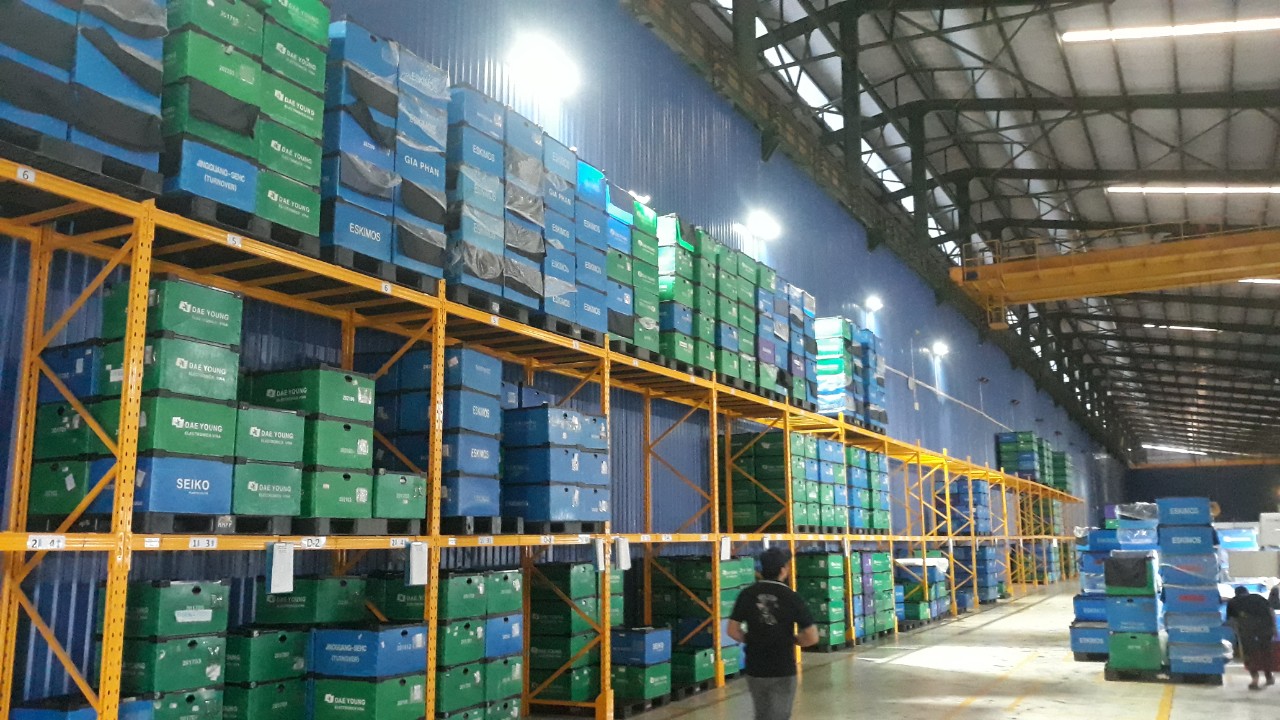
The Transshipment Trap
US Customs and Border Protection (CBP) 5 is actively investigating cases where goods originating in China are shipped to Vietnam, undergo minimal processing, and are re-exported to the US labeled as Vietnamese-origin to dodge Section 301 tariffs. Sheet metal fabrication 6 is on the radar. If CBP determines that a product didn't undergo "substantial transformation 7" in Vietnam, the importer faces the full China tariff rate — plus potential penalties. For a deeper dive into this issue, see our guide on how to manage Vietnam transshipment risks when sourcing sheet metal fabrication.
What Counts as Substantial Transformation?
The legal test asks whether the processing in Vietnam creates a new article with a different name, character, or use. For sheet metal parts, simply cutting a sheet into smaller pieces doesn't qualify. But if a Vietnamese factory takes raw coil, performs laser cutting, CNC bending, welding, surface treatment, and assembly — that almost certainly qualifies as substantial transformation.
Our approach is to document every step. We maintain a process flow record for each part number that traces the material from the steel mill certificate through each fabrication operation. This paper trail is what protects the importer if CBP asks questions.
Key Documents You Need
| Document | Purpose | Who Issues It |
|---|---|---|
| Certificate of Origin 8 (CO / Form D) | Proves Vietnamese origin for tariff purposes | Vietnam Chamber of Commerce (VCCI) |
| Mill Test Certificate (MTC) | Traces raw material grade and origin | Steel or aluminum mill |
| Commercial Invoice | Declares value, HS code, and origin | Supplier / exporter |
| Packing List | Details quantity, weight, dimensions per carton/crate | Supplier / exporter |
| Bill of Lading (B/L) | Confirms shipping route and consignee | Freight forwarder / carrier |
| Process Flow Documentation | Proves substantial transformation in Vietnam | Factory (verified by buyer's agent) |
Common Mistakes That Trigger Customs Delays
Packing list errors — wrong weights, missing part numbers, or mismatched quantities — are the most frequent cause of customs inspections at US ports. An inspection can delay clearance by three to seven days and sometimes results in import duties and taxes being reassessed. We audit every document set before the container ships. Our logistics coordinator cross-checks the commercial invoice against the packing list against the actual carton count. For a complete overview of what to prepare, see our article on US customs clearance requirements when sourcing sheet metal fabrication from Vietnam.
The Supplier Vetting Process Connection
Trade compliance starts with knowing who actually makes your parts. If your "factory" is a trading company that subcontracts to an unknown shop — possibly one using Chinese-origin semi-finished parts — your origin documentation may not hold up under scrutiny. The supplier vetting process must include a physical factory visit, verification of production equipment, and confirmation that the factory has its own VCCI registration for issuing Certificates of Origin.
What steps should I take to maintain full visibility over my logistics and door-to-door delivery from Vietnam?
When we first started coordinating Vietnam shipments, our biggest frustration wasn't the factories — it was the information gap between the factory gate and the US warehouse dock. Cargo would leave the factory, and then we'd hear nothing for two weeks until it either showed up or didn't.
Maintain full visibility by establishing dual coordination — one team on the ground in Vietnam managing production, inspection, and export, and one team at the destination managing customs clearance, last-mile delivery, and receiving — connected by a shared tracking dashboard updated at every milestone.
Why Dual Coordination Is Non-Negotiable
A single point of contact — whether it's the factory, a freight forwarder, or a sourcing agent — can only see part of the picture. The factory knows when production finishes but may not track the vessel after it leaves port. The US customs broker knows when the container clears but doesn't know what's inside or what quality checks were done. You need people on both ends who talk to each other.
Our structure solves this. We have seven team members in Vietnam who handle factory communication, quality control manufacturing inspections, export documentation, and port coordination. On the US side, we work with trusted freight forwarding services partners who handle customs clearance procedures, drayage, and final delivery. A shared project tracker connects both teams.
The Seven Visibility Checkpoints
I break door-to-door logistics into seven checkpoints. Each one has a responsible party and an expected date.
- Production complete + final inspection passed — Vietnam QC team confirms.
- Cargo picked up from factory — Trucking company confirms with photo of loaded truck.
- Cargo arrives at export port — Freight forwarder confirms customs filing.
- Vessel departs Vietnam — Bill of Lading issued, tracking number shared.
- Vessel arrives at US port — US broker begins customs entry filing.
- Customs cleared — Broker confirms release, arranges drayage.
- Delivered to buyer's warehouse — Proof of delivery (POD) uploaded.
Handling Supply Chain Disruptions
Vietnam is vulnerable to typhoons from July through November. A single storm can shut down Hai Phong port for days. Flooding disrupts inland trucking routes. We monitor weather forecasts during typhoon season and adjust shipping schedules proactively. If a storm is approaching, we either accelerate the shipment to get it on a vessel before port closure or delay pickup to avoid cargo sitting exposed at the port.
Beyond weather, geopolitical shifts and trade policy changes — such as new tariffs or anti-dumping investigations — can alter the compliance landscape overnight. We subscribe to trade compliance alerts and brief our clients when changes affect their product categories.
Technology Tools That Help
Real-time container tracking platforms (like those offered by major shipping lines) let you see exactly where your container is on the ocean. We share tracking links with every client so they can check status without emailing us. For document management, we use cloud-based folders where every shipment's documents — commercial invoice, packing list, CO, Bill of Lading, inspection report — are uploaded as they're generated. This eliminates the scramble to find paperwork when the container arrives.
What Happens When Things Go Wrong
Even with all these controls, problems occur. A container gets rolled to the next vessel because of overbooking. A customs hold happens because an HS code doesn't match. The key is response time. When our US freight partner flags an issue, our Vietnam team can usually provide the missing document or clarification within hours — because they were involved in the shipment from day one. That's the real value of dual coordination. It turns a five-day delay into a one-day delay.
Conclusion
Sourcing sheet metal fabrication from Vietnam delivers real cost and tariff advantages — but only when logistics, packaging, trade compliance, and supply chain visibility 9 are managed with discipline and local expertise from day one.
Frequently Asked Questions
What Counts as Substantial Transformation?
The legal test asks whether the processing in Vietnam creates a new article with a different name, character, or use. For sheet metal parts, simply cutting a sheet into smaller pieces doesn't qualify. But if a Vietnamese factory takes raw coil, performs laser cutting, CNC bending, welding, surface treatment, and assembly — that almost certainly qualifies as substantial transformation.
How can I avoid unexpected lead time delays when shipping my sheet metal orders from Vietnam?
A buyer we work with assumed Vietnam-to-US transit would mirror his China experience VCI (Vapor Corrosion Inhibitor) wrapping 2 . It didn't. His first shipment arrived three weeks late because nobody accounted for inland trucking, material import lag, or seasonal port congestion 3 Vietnam factories routinely face.
How do I protect my custom sheet metal parts from damage and corrosion during long-haul ocean transit?
One lesson our quality team learned early: a perfectly fabricated sheet metal bracket can arrive at a US warehouse with rust spots, bent flanges, or scratched surfaces if the packing method isn't designed for a two-to-three week ocean journey through tropical humidity.
Footnotes
1. Details best practices and strategies for effective raw material procurement. ↩︎
2. Explains the mechanism and application of volatile corrosion inhibitors. ↩︎
3. Replaced with a clear definition and explanation of port congestion from Sinay, a maritime industry data provider. ↩︎
4. Describes the function and typical uses of desiccant bags for moisture control. ↩︎
5. Official website for US Customs and Border Protection, providing regulatory information. ↩︎
6. Provides a general overview and definition of sheet metal. ↩︎
7. Official government explanation of substantial transformation for rules of origin. ↩︎
8. Provides a comprehensive definition and purpose of a Certificate of Origin. ↩︎
9. Explains the concept of supply chain visibility in logistics and procurement. ↩︎