Every week, our team in Vietnam reviews engineering drawings from U.S. buyers who need custom parts — and the very first question that stalls a project is almost always the same: which metal material should we use PPAP-level documentation 1? Picking the wrong sheet metal material means wasted budget, failed prototypes, and costly rework. That frustration compounds when your supplier lacks the expertise to flag a mismatch between the material and the application. We built our supply chain specifically to solve that problem before production even starts.
The most common metal materials for sheet metal fabrication are mild steel, aluminum, stainless steel, carbon steel, galvanized steel, copper, and brass. Mild steel leads due to its low cost, high strength, and excellent weldability, while aluminum and stainless steel grades dominate weight-sensitive and corrosion-resistant applications.
Below, I will walk through how to choose the right material, what different grades cost, how Vietnam-based sourcing works, and how to keep quality airtight from drawing to delivery.
How do I choose the right sheet metal material for my specific custom part requirements?
A purchasing manager we work with in the Midwest once sent us a bracket drawing specifying 304 stainless steel — but the part lived inside a climate-controlled enclosure with zero moisture exposure. We asked one question: "Does this really need stainless?" That conversation saved his company over 30% on unit cost by switching to cold rolled steel.
To choose the right sheet metal material, evaluate five factors: mechanical strength requirements, operating environment and corrosion resistance, forming and weldability needs, surface finish expectations, and total project budget. Match these factors against each candidate metal's material properties to find the optimal balance.
The Engineer's Decision Matrix
Choosing a material is not guesswork. It is a structured trade-off analysis. Here is the framework our engineering team uses when we review a new custom part project:
- Strength and stiffness. What loads will the part bear? Carbon steel and stainless steel offer the highest yield strength. Aluminum alloys 2 work when you add design features like ribs and flanges.
- Environment. Will the part face rain, salt spray, or chemicals? Stainless steel grades 304 and 316 excel here. Galvanized steel is a budget-friendly alternative for outdoor use.
- Forming limits. Complex bends and deep draws favor aluminum and mild steel 3. Stainless steel is harder to form and requires more press tonnage.
- Weldability. Mild steel welds easily with MIG or TIG 4. Aluminum needs specialized shielding gas. Copper sheet can be brazed or soldered but demands skill.
- Finish. If the part needs a polished or anodized look, aluminum and stainless steel are natural choices. Mild steel usually needs powder coating 5 or plating.
Material Properties at a Glance
| Material | Density (g/cm³) | Yield Strength (MPa) 6 | Corrosion Resistance 7 | Relative Cost |
|---|---|---|---|---|
| Mild Steel (A1008 cold rolled steel) | 7.85 | 250–400 | Low — needs coating | $ |
| Aluminum 5052 | 2.68 | 195–275 | High | $$ |
| Aluminum 3003 | 2.73 | 90–145 | Moderate | $$ |
| Stainless Steel 304 | 8.00 | 205–310 | Very High | $$$ |
| Stainless Steel 316 | 8.00 | 205–310 | Excellent (marine) | $$$$ |
| Galvanized Steel | 7.85 | 250–350 | Good (zinc layer) | $–$$ |
| Copper Sheet | 8.96 | 70–200 | High | $$$$ |
| Brass Sheet | 8.50 | 100–250 | Moderate–High | $$$ |
Matching Material to Application
Let me break this down by industry. In automotive projects, mild steel and galvanized steel dominate because they balance strength and cost. For aerospace or drone enclosures, aluminum alloys like 6061 win on weight. Medical device housings almost always call for 304 or 316 stainless steel due to sterilization needs. HVAC ducting uses aluminum or galvanized steel. Electrical bus bars and heat exchangers rely on copper sheet for thermal and electrical conductivity. Decorative hardware and musical instrument components often use brass sheet for its warm appearance and easy metal forming.
One thing I have learned from years of coordinating between U.S. design firms and our factory partners: the "best" material is never absolute. It is the one that meets all five criteria above at the lowest total cost. If you start with the decision matrix, you eliminate 80% of the guesswork before your first quote request.
Some buyers also ask about titanium sheet metal. It is outstanding for corrosion resistance and strength-to-weight ratio, but it is expensive and difficult to form. We rarely see it in standard sheet metal fabrication 8 — it shows up mainly in aerospace and medical implant work.
What are the cost implications of different metal grades on my overall fabrication budget?
One trade-off we weigh on nearly every quote is raw material cost versus total landed cost. A buyer may save $0.50 per kilogram by choosing mild steel over stainless, but if the part needs expensive post-treatment to survive its environment, those savings vanish. Understanding this balance is critical for any purchasing manager managing a fabrication budget.
Material grade directly impacts your fabrication budget through three cost layers: raw material price per kilogram, processing difficulty (cutting, bending, welding), and post-fabrication finishing. Mild steel is cheapest to buy and fabricate, while stainless steel and copper cost two to four times more but may reduce long-term maintenance and replacement expenses.
Raw Material Cost Breakdown
Raw material pricing fluctuates with global markets, but the relative cost ranking stays consistent. Here is a practical comparison based on recent procurement data from our Vietnam-based supply chain:
| Metal Grade | Approx. Raw Cost (Relative Index) | Fabrication Difficulty | Typical Post-Treatment | Total Cost Index |
|---|---|---|---|---|
| Mild Steel A36 | 1.0× (baseline) | Easy | Powder coat / paint | 1.0× |
| Cold Rolled Steel A1008 | 1.1× | Easy | Plating / paint | 1.1× |
| Galvanized Steel | 1.2× | Easy | None (zinc-coated) | 1.0× |
| Aluminum 3003 | 1.8× | Moderate | Anodize / none | 1.6× |
| Aluminum 5052 | 2.0× | Moderate | Anodize / chromate | 1.8× |
| Stainless Steel 304 | 2.8× | Hard | Passivation / none | 2.5× |
| Stainless Steel 316 | 3.5× | Hard | Passivation / electropolish | 3.2× |
| Copper Sheet | 4.0× | Moderate | None / tin plating | 3.8× |
| Brass Sheet | 3.5× | Easy–Moderate | Lacquer / none | 3.2× |
Hidden Costs Most Buyers Miss
The raw price tag tells only part of the story. Here are three cost factors I see buyers overlook:
Tooling wear. Stainless steel is abrasive. Laser cutting stainless consumes more assist gas and shortens nozzle life compared to mild steel. Bending stainless requires higher-tonnage press brakes, which increases machine time and tooling replacement frequency.
Scrap rate. Aluminum alloys are more forgiving during bending, so scrap rates stay low. Carbon steel can crack at tight bend radii if the grain direction is wrong. Getting it right the first time — something our QC process emphasizes — directly reduces scrap cost.
Finish and coating. Mild steel almost always needs a protective finish for any exposed application. Powder coating adds $0.30–$1.00 per part depending on size. Galvanized steel and stainless steel often skip this step entirely, offsetting their higher material price.
When Premium Materials Save Money
I have seen cases where switching from painted mild steel to 304 stainless eliminated warranty returns for outdoor equipment housings. The unit cost went up 40%, but the total cost of ownership dropped because the parts lasted three times longer without corrosion-related failures. For purchasing managers evaluating total lifecycle cost, this is the kind of analysis that matters more than the price per kilogram on a purchase order.
Can I reliably source high-quality sheet metal materials through a Vietnam-based supply chain?
A question that comes up in almost every first call with a new U.S. buyer is whether Vietnam can match the material quality they got from China or Taiwan. Our local team in Vietnam — seven people dedicated to supplier management and inspection — was set up precisely because we heard this concern so often. The short answer surprised many of our early clients.
Yes, Vietnam-based suppliers can reliably provide high-quality sheet metal materials including stainless steel, aluminum, carbon steel, and galvanized steel. The key is working with a sourcing partner that conducts supplier audits, verifies mill certifications, and enforces incoming material inspection before fabrication begins.
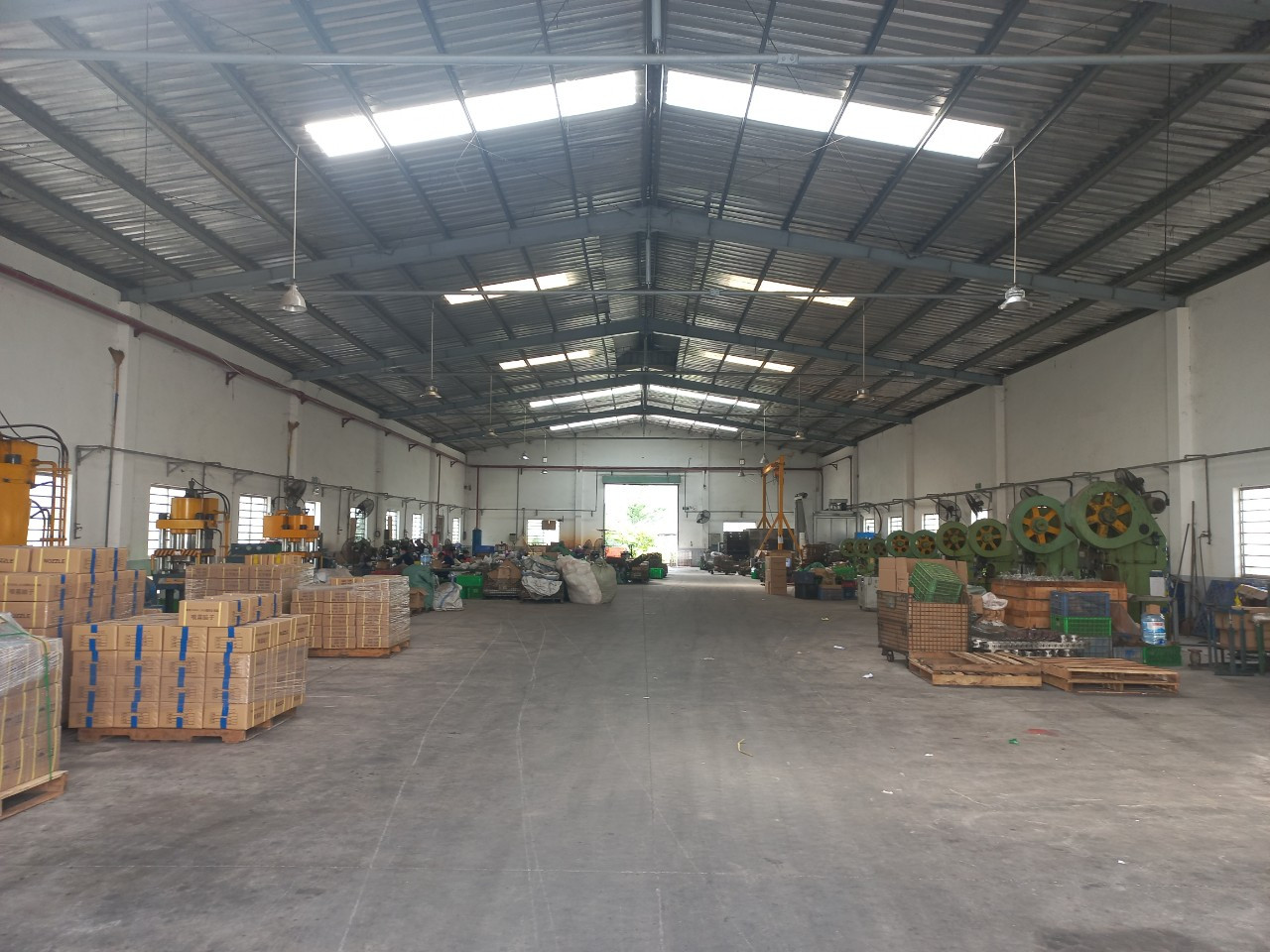
Vietnam's Material Supply Landscape
Vietnam's manufacturing sector has matured significantly. Local steel mills and authorized distributors now stock common grades such as A36, A1008, SUS304, SUS316, and aluminum alloys 5052 and 6061. For specialized materials like copper sheet, brass sheet, or titanium sheet metal, imports from Japan, South Korea, and Taiwan are readily available through established trade channels.
How We Verify Material Quality
Here is the process our Vietnam office follows for every new production order:
- Mill test certificate review. We require the steel or aluminum mill certificate (MTC) before accepting any raw material lot. The MTC confirms chemical composition, mechanical properties, and heat number traceability.
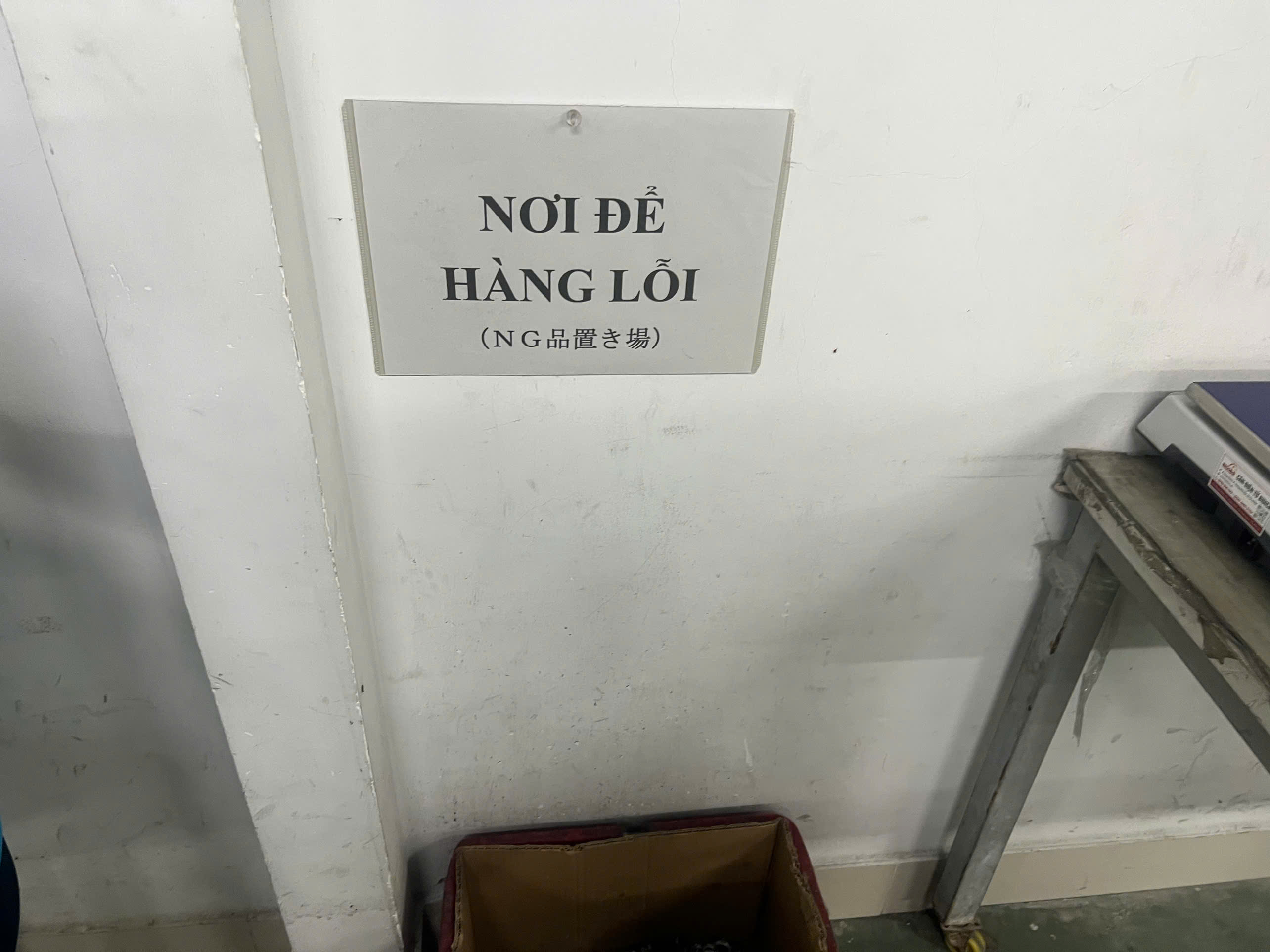
- Incoming inspection. Our QC team checks material thickness with calibrated micrometers, verifies surface condition, and cross-references the grade marking against the purchase order.
- Material traceability. Each batch is tagged and tracked through the fabrication lifecycle. If a quality issue surfaces during final inspection, we trace it back to the exact material lot.
Common Materials Available in Vietnam
| Material | Common Grades Available | Typical Sources | Lead Time |
|---|---|---|---|
| Mild / Carbon Steel | A36, A1008, A1011 | Vietnam domestic mills, imports | 1–2 weeks |
| Stainless Steel | 304, 316, 430 | POSCO (Korea), Yongjin (China) | 1–3 weeks |
| Aluminum Alloys | 3003, 5052, 6061 | Imports from Korea, Japan | 2–3 weeks |
| Galvanized Steel | DX51D, SGCC | Vietnam mills, imports | 1–2 weeks |
| Copper / Brass | C110, C260 | Imports from Japan, Taiwan | 3–4 weeks |
Addressing the "China Plus One" Shift
Many of our U.S. clients are actively diversifying away from a single-country supply chain. Vietnam offers competitive labor costs, a growing base of skilled fabricators, and favorable trade agreements. What Vietnam sometimes lacks in scale, it makes up for in flexibility and willingness to handle smaller custom runs — exactly the type of work our clients need.
The real risk is not Vietnam's capability. It is going in without a local partner who understands quality standards, communicates in both English and Vietnamese, and physically inspects goods before shipment. That is the gap we fill.
How do I ensure my supplier maintains strict material quality control to match my engineering drawings?
A lesson we learned early on — and one that shaped how we run projects today — came from a batch of mounting brackets where the supplier substituted 430 ferritic stainless for 304 austenitic stainless. The parts looked identical. They passed dimensional checks. But the customer's incoming inspection caught the difference with a simple magnet test. That incident reinforced a principle we now live by: verify the material, not just the dimensions.
Ensure strict material quality control by requiring mill test certificates for every material lot, conducting incoming raw material inspections, implementing in-process checks at each fabrication stage, and performing PPAP-level documentation that ties material traceability to your engineering drawing specifications.
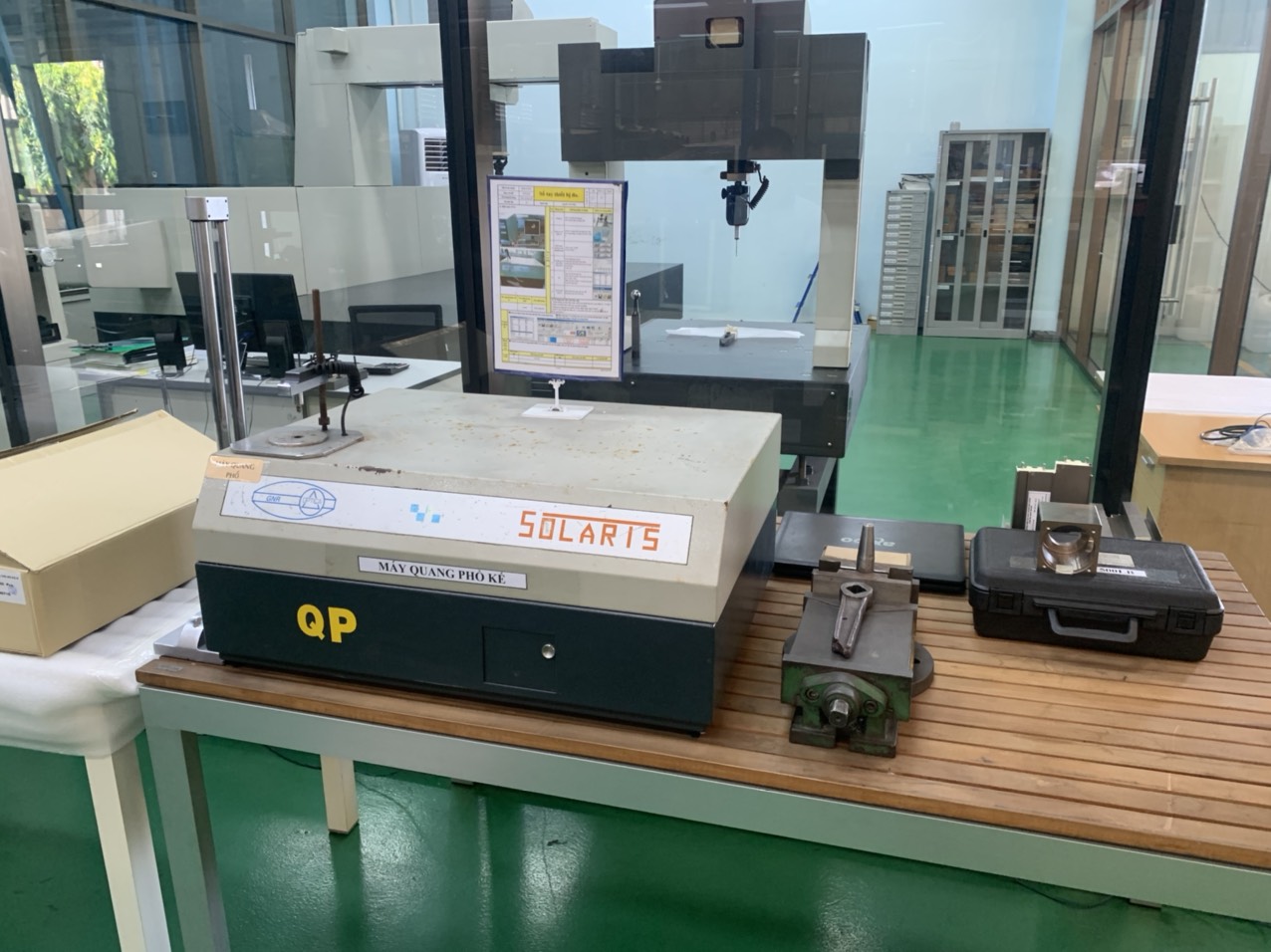
Building a QC System That Catches Problems Early
Quality control is not a single checkpoint. It is a chain of verification steps. Here is how we structure it for custom sheet metal projects:
Step 1 — Drawing Review. Before any material is ordered, our engineers review the drawing for material callouts, tolerances, surface finish requirements, and any special notes. We flag ambiguities and confirm them with the buyer. This prevents the most common cause of non-conforming parts: misread or overlooked specifications.
Step 2 — Material Incoming Inspection. When raw material arrives at the factory, our QC staff checks thickness (typical sheet metal ranges from 0.5 mm to 6 mm), surface quality, and grade markings. We compare against the mill test certificate 9. If anything is off, the lot is rejected before fabrication starts.
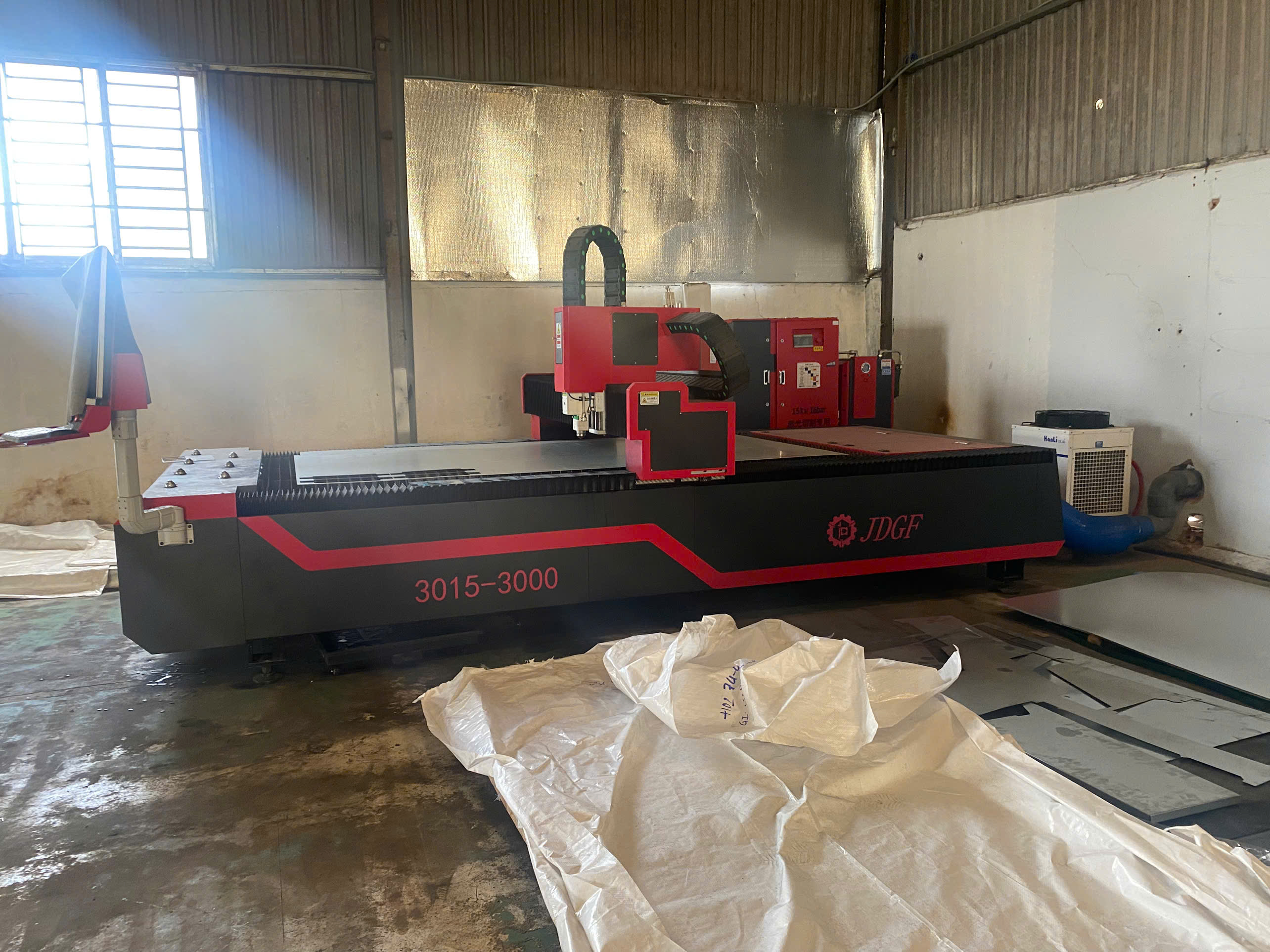
Step 3 — In-Process Inspection. During laser cutting, bending, welding, and finishing, we perform dimensional checks at defined intervals. For critical dimensions, we use CMM (coordinate measuring machine) verification. Weld quality is inspected visually and, where required, with penetrant testing.
Step 4 — Final Inspection and PPAP. Every completed batch undergoes final inspection against the engineering drawing. For new parts or first articles, we prepare full PPAP documentation — including dimensional reports, material certs, process flow diagrams, and photos — so the buyer has complete confidence before we ship.
What to Ask Your Supplier
If you are evaluating a sheet metal fabrication supplier, here are five questions that separate professional operations from risky ones:
- Can you provide the mill test certificate for the exact material lot used in my order?
- Do you have a documented incoming material inspection procedure?
- How do you ensure the correct stainless steel grade (e.g., 304 vs. 430) is used?
- Will you provide a first article inspection report (FAIR) or PPAP package?
- How do you handle non-conformances — is there a corrective action process?
A supplier who hesitates on any of these is a supplier who will cost you time and money downstream. Our process control approach is designed around a simple goal: get it right the first time. That means no surprises at your receiving dock, no magnet tests revealing the wrong grade, and no rework cycles eating into your timeline.
Material quality control is especially important when dealing with corrosion resistance-critical applications. If a drawing calls for 316 stainless steel for a marine environment, substituting 304 — even accidentally — can lead to pitting corrosion within months. The cost of that failure far exceeds the cost of proper verification at the source.
Conclusion
The right sheet metal material depends on your part's strength, environment, forming needs, finish, and budget. From mild steel to copper, each option has clear trade-offs. Work with a sourcing partner who verifies material quality at every step — that is how you get it right the first time.
Frequently Asked Questions
How do I choose the right sheet metal material for my specific custom part requirements?
A purchasing manager we work with in the Midwest once sent us a bracket drawing specifying 304 stainless steel — but the part lived inside a climate-controlled enclosure with zero moisture exposure. We asked one question: "Does this really need stainless?" That conversation saved his company over 30% on unit cost by switching to cold rolled steel.
What are the cost implications of different metal grades on my overall fabrication budget?
One trade-off we weigh on nearly every quote is raw material cost versus total landed cost. A buyer may save $0.50 per kilogram by choosing mild steel over stainless, but if the part needs expensive post-treatment to survive its environment, those savings vanish. Understanding this balance is critical for any purchasing manager managing a fabrication budget.
Can I reliably source high-quality sheet metal materials through a Vietnam-based supply chain?
A question that comes up in almost every first call with a new U.S. buyer is whether Vietnam can match the material quality they got from China or Taiwan. Our local team in Vietnam — seven people dedicated to supplier management and inspection — was set up precisely because we heard this concern so often. The short answer surprised many of our early clients.
Footnotes
1. Wikipedia provides an authoritative explanation of the Production Part Approval Process (PPAP) and its associated documentation levels. ↩︎
2. Offers a comprehensive overview of aluminum alloy classifications and uses. ↩︎
3. Provides definition, properties, and common uses of mild steel. ↩︎
4. Compares and explains the differences between MIG and TIG welding processes. ↩︎
5. Describes the powder coating process and its advantages for metal surfaces. ↩︎
6. Wikipedia provides an authoritative and comprehensive explanation of yield strength, including its measurement in MPa. ↩︎
7. Found a working and relevant page on the same domain that defines corrosion resistance. ↩︎
8. Explains the process of transforming flat metal sheets into specific shapes. ↩︎
9. Explains the purpose and content of a mill test certificate (MTC). ↩︎