
Buying stamping parts 1 looks simple until the first shipment arrives wrong. On our sourcing projects across Vietnam and China, I see the same [beginner mistakes when sourcing stamping parts](https://dewintech.com/blog/what-common-mistakes-sourcing-stamping-parts-vietnam-are/) derail programs again and again.
The most common pitfalls for beginners buying stamping parts are chasing the lowest piece price, sending incomplete drawings, skipping supplier audits and DFM reviews, ignoring quality documentation like FAI and PPAP, and overlooking hidden costs such as tooling, secondary operations, freight, and risky payment terms.
Each of these pitfalls is avoidable. Below, I break them down one by one, so your first stamping order lands right the first time.
How Do I Avoid Choosing the Wrong Stamping Supplier as a First-Time Buyer?
A purchasing manager once told me he picked his first stamping vendor because the quote was 18% cheaper. Six months later, our team in Vietnam was fixing that decision.
Avoid the wrong stamping supplier by verifying in-house tooling capability, auditing quality systems and SPC practices, checking press tonnage against your part size, reviewing on-time delivery history, and requesting sample parts with inspection reports before awarding any production order.

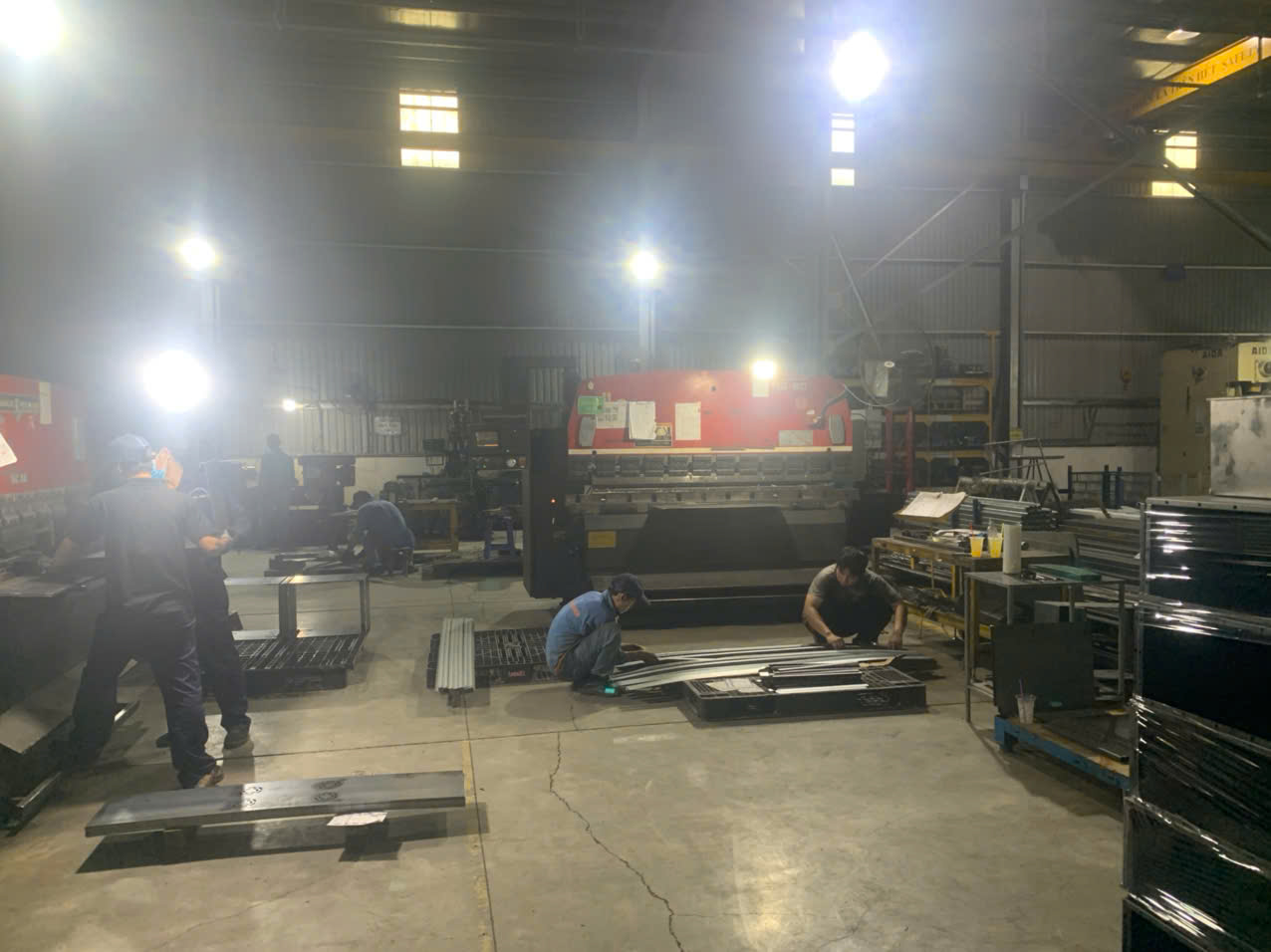
The biggest trap here is confusing a good quote with a good supplier. Anyone can send a low number. Very few shops can hold tolerances across 100,000 parts, month after month. When our audit team visits stamping factories in Vietnam, we look past the sales pitch and check what the shop floor actually proves.
What Capacity Claims Actually Hide
Many suppliers claim broad capabilities. In reality, some outsource their die making. That matters. A shop without in-house tooling cannot fix a worn die quickly. Your lead time then depends on a third party you never vetted. Ask directly: who builds and maintains your dies? Ask to see the tool room.
Press equipment matters too. A part like a stepped zigzag bracket with multiple bends needs the right press tonnage 2 and bed size. A mismatched press means slow batches, inconsistent bends, and higher scrap.
A Simple Supplier Vetting Checklist
| What to Check | Why It Matters | Red Flag |
|---|---|---|
| In-house die making | Fast tooling repairs, better control | Dies are outsourced with no backup plan |
| SPC and in-process inspection | Catches dimensional drift 3 early | Only final inspection, no process data |
| Press tonnage 4 and bed size | Must match your part geometry | Vague answers about equipment list |
| On-time delivery record | Predicts your future lead times | No data or references offered |
| Sample plus inspection report | Proves measurement capability | Samples sent with no dimensional data |
I always tell first-time buyers the same thing. A prototype proves a supplier can make one good part. Production proves they can make the ten-thousandth part just as good. Those are different skills, and only an audit tells you which one you are buying.
What Drawing and Specification Mistakes Should I Watch Out for When Ordering Stamping Parts?
Our engineers in Singapore once received an RFQ that was a single photo of a bracket. No material grade, no thickness, no tolerances. The five quotes that buyer collected varied wildly — because nobody was quoting the same part.
Watch out for missing material grade and thickness, undefined surface finish or plating, blanket tight tolerances instead of critical-dimension callouts, no burr direction or grain direction notes, and no stated annual volume — each gap forces suppliers to guess and quote different parts.

An incomplete RFQ is the single fastest way to get burned. When a drawing leaves gaps, every supplier fills those gaps with their own assumptions. One assumes galvanized steel, another assumes stainless. One assumes deburred edges, another does not. The quotes look comparable on paper. They are not.
The Tolerance Trap
Beginners often apply tight tolerances across the entire drawing "to be safe." This is the opposite of safe. Tight tolerances everywhere raise the price, slow inspection, and increase reject risk. In our experience co-developing parts with U.S. engineering firms, usually only two or three dimensions truly control fit and function. Call those out as critical. Relax the rest to standard stamping tolerances. Your quote drops, and your supplier focuses inspection where it matters.
What a Complete Stamping RFQ Must Include
- A dimensioned 2D drawing plus a 3D model.
- Material grade, thickness, and temper — not just "steel."
- Surface finish, plating, or coating spec, including cosmetic requirements.
- Critical dimensions flagged, with realistic tolerances elsewhere.
- Burr direction and acceptable burr height.
- Grain direction if bends are strength-critical.
- Prototype quantity, annual volume, and expected program life.
- Quality requirements: FAI, PPAP level, material certs.
- Packaging and any secondary operations like tapping or welding.
Springback deserves a special mention. Sheet metal relaxes slightly after bending. A skilled supplier compensates in the die design. But they can only do that if your drawing shows which angles are critical. Undefined angles get whatever the die produces.
How Can I Prevent Quality Control Issues When Sourcing Stamping Parts from Overseas?
There is a lesson I learned early in this business: quality problems discovered at your dock in the U.S. are ten times more expensive than problems caught on the shop floor in Asia. That gap in cost is exactly why our team runs final inspections locally before anything ships.
Prevent quality issues by requiring First Article Inspection reports and material certifications before mass production, defining an inspection plan with your supplier, using pre-shipment or third-party inspection on site, and monitoring recurring stamping defects like burrs, springback drift, cracks, and coating damage.

Distance changes everything about quality control. You cannot walk to the production line. You cannot pick up a part and feel the burr. So your protection comes from documents, gates, and people on the ground. Beginners skip all three, then wonder why the container is full of rework.
Build Quality Gates Into the Order
Start with a First Article Inspection 5. The FAI report proves the supplier measured every dimension on a real production part and compared it to your drawing. Pair it with material certifications 6 so you know the steel is actually the grade you paid for. For higher-stakes programs, use PPAP. When we run PPAP for our U.S. clients 7, it forces the supplier to document the process before volume starts — which is exactly when problems are cheapest to fix.
Then define the in-process plan. Ask how often the supplier checks parts during a run. Once per shift is not enough for a progressive die stamping process running thousands of strokes per hour. Dimensional drift from tool wear is gradual. Frequent checks catch it before a whole batch goes bad.
Common Stamping Defects and What They Signal
| Defect | Likely Cause | What to Ask the Supplier |
|---|---|---|
| Excessive burrs | Worn punch or wrong die clearance | What is your die maintenance schedule? |
| Cracks or tearing | Wrong material temper or bend radius too tight | Was formability reviewed in DFM? |
| Springback out of spec | Die not compensated for material rebound | How do you validate bend angles? |
| Dimensional drift | Tool wear during long runs | How often do you inspect in-process? |
| Scratches and coating damage | Poor handling or die galling | How are parts handled and packed? |
Finally, put eyes on the shipment. A pre-shipment inspection by your own team or a trusted third party is cheap insurance. It converts "hope" into "verified" before the goods leave the factory.
What Hidden Costs and Payment Term Risks Should I Consider Before Placing My First Stamping Order?
When I review landed-cost breakdowns with purchasing managers, the piece price is often less than two-thirds of what they actually pay. The rest hides in line items that beginners never asked about.
Consider tooling and die amortization, secondary operations like plating and tapping, packaging, freight and duties, inspection costs, and the expense of rework or delays. On payment terms, avoid large upfront deposits with unproven suppliers and negotiate credit terms to protect cash flow.

Piece price is the most seductive number in stamping procurement. It is also the least complete. Two quotes with a 15% gap in unit price can flip entirely once you add tooling, secondary work, and logistics. The only fair comparison is total program cost over the life of the part.
Where the Hidden Money Goes
Tooling is the big one. A progressive die can cost more than your first year of parts. Ask who owns the die, whether the cost is amortized into the piece price, and what happens if you switch suppliers. Then look at secondary operations. Plating, deburring, tapping, and welding may be done in-house or outsourced. Outsourced steps add cost, lead time, and another quality risk you cannot see. A supplier who integrates these in-house gives you cleaner cost transparency.
Piece Price vs. Total Program Cost
| Cost Element | Visible in a Quote? | Beginner Mistake |
|---|---|---|
| Unit piece price | Yes | Treating it as the whole cost |
| Tooling and die cost | Sometimes | Not asking about ownership or amortization |
| Secondary operations | Often buried | Assuming plating and tapping are included |
| Packaging and freight | Rarely detailed | Comparing EXW quotes against DDP quotes |
| Inspection and certs | Rarely | Paying extra later for FAI or PPAP |
| Rework, rejects, delays | Never | Ignoring the cost of getting it wrong |
Payment terms carry their own risk. A 50% deposit to an unaudited overseas supplier is a leap of faith. If parts arrive non-conforming, your leverage is gone. This is one reason we extend open account terms of 60 to 90 days to our clients — payment should follow verified quality, not precede it. Structure your first order so money and inspection milestones move together.
Conclusion
The biggest mistakes with stamping parts happen before the order is placed. Complete your RFQ, verify your supplier, gate quality with documents, and compare total cost — not piece price.
Frequently Asked Questions
How Do I Avoid Choosing the Wrong Stamping Supplier as a First-Time Buyer?
A purchasing manager once told me he picked his first stamping vendor because the quote was 18% cheaper. Six months later, our team in Vietnam was fixing that decision.
What Drawing and Specification Mistakes Should I Watch Out for When Ordering Stamping Parts?
Our engineers in Singapore once received an RFQ that was a single photo of a bracket. No material grade, no thickness, no tolerances. The five quotes that buyer collected varied wildly — because nobody was quoting the same part.
How Can I Prevent Quality Control Issues When Sourcing Stamping Parts from Overseas?
There is a lesson I learned early in this business: quality problems discovered at your dock in the U.S. are ten times more expensive than problems caught on the shop floor in Asia. That gap in cost is exactly why our team runs final inspections locally before anything ships.
Footnotes
1. Alibaba.com is a major global platform buyers use to source overseas stamping parts suppliers. ↩︎
2. Explains stamping press mechanics, helping buyers understand why tonnage must match part geometry. ↩︎
3. Tool wear background explains why dimensional drift occurs during long stamping production runs. ↩︎
4. Background reference explaining press tonnage and equipment requirements in metal stamping processes. ↩︎
5. Defines the FAI process referenced as a key quality gate before mass production. ↩︎
6. ISO sets international standards verifying material grades and certifications referenced in supplier quality checks. ↩︎
7. Wikipedia explains the Production Part Approval Process standard used to validate manufacturing quality. ↩︎