The MSDS and dangerous goods shipping rules for Vietnam sheet metal fabrication nearly cost us a major U.S. client last year when customs held their shipment for missing documentation.
Vietnam sheet metal fabrication shipments require a valid MSDS (now called SDS under the Globally Harmonized System) if surface treatments, coatings, or chemical residues are present. Parts classified as dangerous goods must comply with UN hazard classification, UN-approved packaging, diamond-shaped labeling, and mandatory documentation including the Dangerous Goods Declaration.
Below, I break down every step of the process — from determining whether your parts even need an MSDS, to avoiding costly shipping delays. This guide draws on our direct experience managing supply chains from Vietnam to the United States.
How do I determine if my Vietnam sheet metal parts require an MSDS for international shipping?
A U.S. purchasing manager once asked our Vietnam team a simple question: "Do these brackets need an MSDS?" The answer was not as simple as he expected.
Your Vietnam sheet metal parts require an MSDS (Safety Data Sheet) if they contain or have been treated with any hazardous substances — including coatings, solvents, lubricants, or chemical residues from galvanizing, phosphating, or powder coating. Check Section 14 of the SDS for a UN Number to confirm dangerous goods classification.

Start with the Raw Material
Most finished sheet metal parts — plain steel, aluminum, or stainless steel brackets — are not classified as dangerous goods. The base metal itself is inert. But here is where it gets tricky: the moment your supplier applies a surface treatment, the rules change.
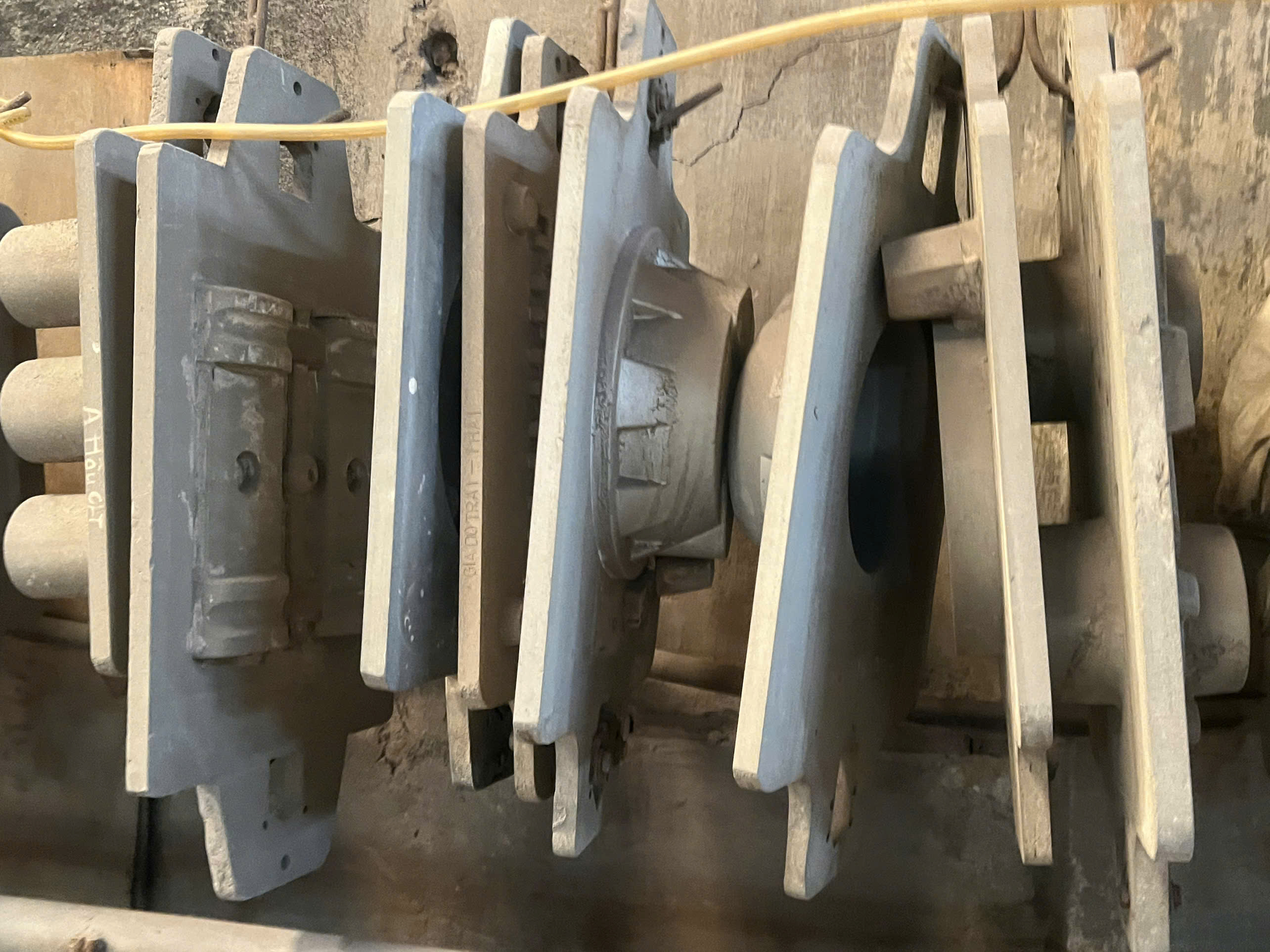
Our Vietnam office handles this daily. When we receive a new project for precision-engineered mounting brackets like the ones in our portfolio — heavy-duty, powder-coated steel with weld marks and pre-drilled holes — we immediately review the full fabrication process. If the factory uses chemical cleaning agents, anti-rust oils, or applies a matte gunmetal grey powder coat, we request the Safety Data Sheet 1 for every chemical involved.
The Section 14 Test
The fastest way to determine if your parts need hazardous materials transport handling is to look at Section 14 of the SDS. This section covers "Transport Information." If it lists a UN Number 2, your material falls under dangerous goods regulations.
| SDS Section | What It Tells You | Why It Matters |
|---|---|---|
| Section 2 | Hazard identification | Shows GHS pictograms 3 and signal words |
| Section 9 | Physical/chemical properties | Flash point, boiling point, vapor pressure |
| Section 14 | Transport information | UN Number, hazard class, packing group 4 |
| Section 15 | Regulatory information | Country-specific regulations |
When Finished Parts Still Trigger MSDS Requirements
Even a "dry" finished part can trigger MSDS requirements. I have seen cases where residual cutting oil on sheet metal surfaces was enough to raise flags during customs clearance in Vietnam. If the oil has a flash point below 60°C, it may classify under Class 3 (flammable liquids).
Here is a quick checklist we use internally:
- Does the part have any coating, paint, or plating?
- Was the part cleaned with a solvent-based degreaser?
- Is there residual lubricant or cutting fluid on the surface?
- Does the part contain specialized metal alloys that are reactive when wet?
If you answer "yes" to any of these, request the full SDS from your supplier. Do not ship without it. Our team in Vietnam always collects these documents before the parts even leave the factory floor.
Metal Powders: A Special Case
Advanced sheet metal fabrication sometimes involves metal powders — particularly aluminum or magnesium alloys. These can be classified as "Dangerous When Wet" (Class 4.3) because they emit flammable gases on contact with water. This is rare for standard bracket fabrication, but if your project involves sintered or additively manufactured components, pay close attention.
What specific dangerous goods regulations apply to the surface treatments on my Vietnam-sourced parts?
Last quarter, we managed a shipment of sandblasted and powder-coated steel brackets for a client in Ohio. The freight forwarder flagged the anti-corrosion primer as a potential Class 3 hazard. That single flag triggered a full compliance review.
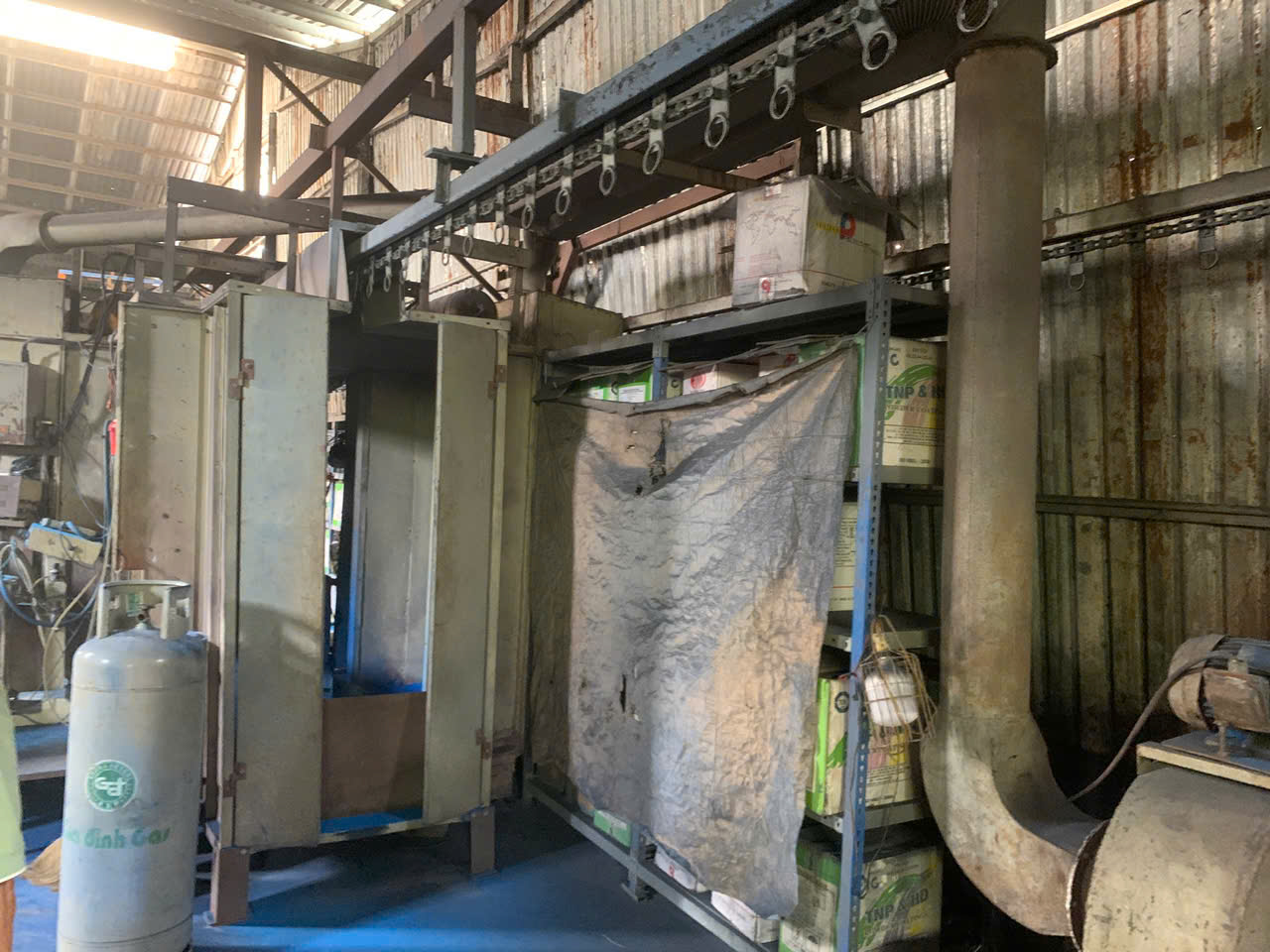
Surface treatments like galvanizing, powder coating, phosphating, and painting involve chemicals classified under UN hazard classes — primarily Class 3 (flammable liquids), Class 8 (corrosives), and Class 9 (miscellaneous). Each treatment requires its own SDS, and the finished part may need separate dangerous goods documentation depending on residual chemical presence.
Common Surface Treatments and Their Hazard Classes
Not every surface treatment carries the same risk. Here is how the most common treatments used in Vietnam sheet metal fabrication map to the UN classification system:
| Surface Treatment | Chemicals Involved | Likely UN Hazard Class | Typical UN Number |
|---|---|---|---|
| Galvanizing (hot-dip) | Zinc, flux agents | Class 8 (Corrosive) or Class 4.3 | UN 1436 (zinc dust) |
| Powder coating | Epoxy/polyester resins | Generally non-DG when cured | N/A (cured state) |
| Wet painting / spraying | Solvent-based paints | Class 3 (Flammable liquid) | UN 1263 |
| Phosphating | Phosphoric acid solutions | Class 8 (Corrosive) | UN 1805 |
| Anodizing (aluminum) | Sulfuric acid, chromic acid | Class 8 (Corrosive) | UN 1830 / UN 1463 |
| Electroplating (chrome) | Chromium trioxide | Class 5.1 (Oxidizer) + Class 8 | UN 1463 |
Cured vs. Uncured: The Critical Distinction
One of the most important distinctions I have learned is the difference between cured and uncured coatings. A powder-coated bracket that has been fully cured in an oven is generally not classified as dangerous goods. The resin has cross-linked and is chemically stable. But if the coating is uncured or partially cured, it may still off-gas volatile compounds and could fall under IATA Dangerous Goods Regulations 5 for air freight.
Our quality control process in Vietnam includes verifying cure status before shipment. We check adhesion and hardness to confirm the coating is fully reacted.
Regulatory Frameworks by Transport Mode
The regulations that apply depend on how you ship:
- Ocean freight: The IMDG Code 6 governs all sea transport of dangerous goods. This is the most common mode for sheet metal parts from Vietnam to the U.S.
- Air freight: IATA Dangerous Goods Regulations apply. These are stricter than IMDG, with tighter quantity limits and packaging requirements.
- Road transport within Vietnam: Vietnam's domestic transport regulations align with ADR standards 7 for hazardous materials transport.
For most of our clients, ocean freight is the primary mode. But when expedited delivery is needed, we coordinate with certified freight forwarder services that specialize in dangerous goods by air. Understanding how to choose sea vs air freight when sourcing sheet metal fabrication parts is critical because the regulatory framework — and the associated risks — differ significantly between the two modes.
Residual Chemicals on Finished Parts
Even after a part is fully treated and cured, residual chemicals can be a concern. If your supplier uses a solvent-based cleaner as a final wipe-down, trace amounts of that solvent may remain. Our Vietnam team requires suppliers to document the final cleaning step and provide the SDS for any cleaning agents used.
This level of detail matters. I have seen shipments delayed at port because the customs inspector detected a chemical odor on the parts and requested documentation that was not prepared.
How can I verify that my Vietnam supplier is following international standards for safety data documentation?
During a supplier audit at a factory outside Ho Chi Minh City, I discovered that the facility had Safety Data Sheets on file — but they were five years old and did not match the chemicals currently in use. That gap could have caused a serious compliance failure.
Verify your Vietnam supplier's SDS compliance by requesting current, GHS-formatted Safety Data Sheets for every chemical used in fabrication, cross-checking UN Numbers against the Hazardous Materials Table, conducting on-site audits, and confirming that all documentation is available in both Vietnamese and English for customs clearance in Vietnam.
The Verification Process: Step by Step
Trusting but verifying is the approach we take with every Vietnam supplier in our network. Here is the process our team follows:
-
Request the full SDS library. Ask for Safety Data Sheets for every chemical, coating, lubricant, and cleaning agent used in the fabrication process. Not just the main coating — every substance.
-
Check the revision date. An SDS must be current. Under the Globally Harmonized System 8, sheets should be updated whenever new hazard data emerges or at least every five years. If your supplier hands you a document from 2015, it is outdated.
-
Verify GHS format compliance. A proper SDS under GHS must contain 16 sections in a specific order. If the document is missing sections or uses a non-standard format, it may not be accepted by customs authorities or your freight forwarder.
-
Cross-reference UN Numbers. Take the UN Number from Section 14 and verify it against the Hazardous Materials Table 9 (49 CFR 172.101 for U.S. imports). Confirm the proper shipping name, hazard class, and packing group.
-
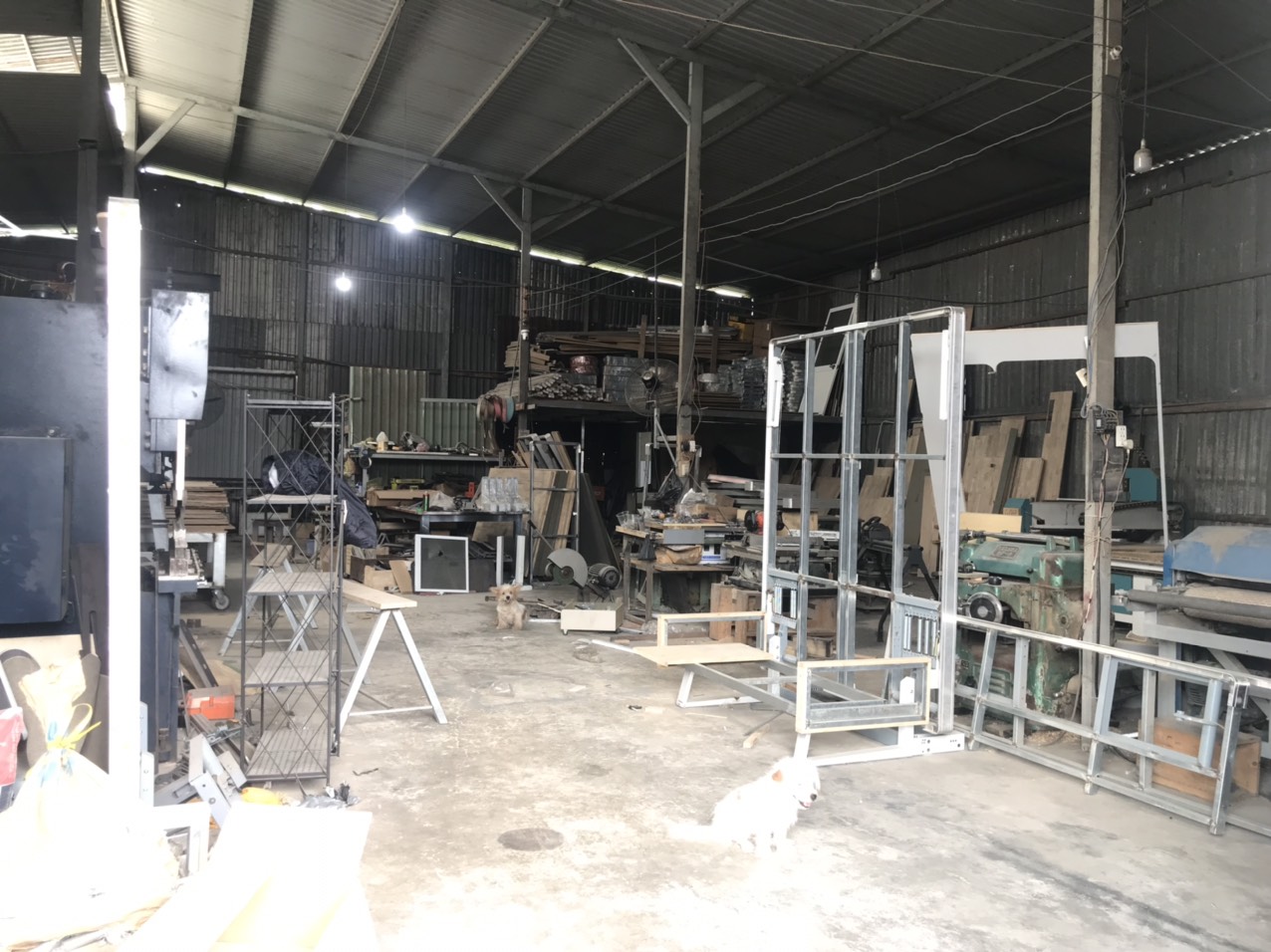
Conduct an on-site audit. Our Vietnam office performs regular factory visits. We physically inspect chemical storage areas, check labels on containers, and compare what is on the shelf to what is documented in the SDS library.
What to Look for During a Supplier Audit
| Audit Check Point | What to Verify | Red Flag |
|---|---|---|
| Chemical storage area | Proper ventilation, segregation by class | Mixed storage of incompatible classes |
| SDS binder or digital system | Current, complete, accessible | Missing sheets, outdated versions |
| Container labels | GHS pictograms, UN Numbers | Unlabeled or hand-labeled containers |
| Worker training records | DG handling certification | No training documentation |
| Packaging materials | UN-certified markings on DG packaging | Generic, non-certified packaging |
Language and Format Requirements
For Vietnam import permits and export clearance, the SDS must be available in Vietnamese. However, for international shipping documentation, an English-language version is essential. We always request both. Some smaller Vietnamese suppliers may only have the Vietnamese version, so we assist in arranging professional translation and verification.
ESG and Transparency Trends
More of our U.S. clients are now asking for full chemical transparency as part of their ESG (Environmental, Social, and Governance) reporting. This goes beyond basic regulatory compliance. They want to know the environmental impact of every chemical in the supply chain. We have started building chemical inventories for our projects — listing every substance, its hazard classification, and its disposal method. This proactive approach saves time during audits and builds long-term trust.
Digital SDS Management
The industry is moving toward digital platforms for SDS management. Some of our suppliers now use cloud-based systems where Safety Data Sheets are stored, version-controlled, and accessible in real time. This reduces the risk of outdated documents and speeds up compliance checks. Blockchain-based verification is an emerging trend, though it is still in early adoption in Vietnam.
What are the potential shipping delays if my Vietnam sheet metal order is classified as dangerous goods?
One lesson we learned the hard way: a client's order of chemically treated brackets sat at the port for eleven days because the Dangerous Goods Declaration 10 had a single incorrect entry — the packing group was listed as II instead of III.
If your Vietnam sheet metal order is classified as dangerous goods, expect potential delays of 3 to 14 days beyond normal transit times due to additional documentation review, UN-certified packaging requirements, carrier acceptance procedures, and heightened customs inspection. Missing or incorrect documents — especially the Dangerous Goods Declaration — are the most common cause of extended holds.
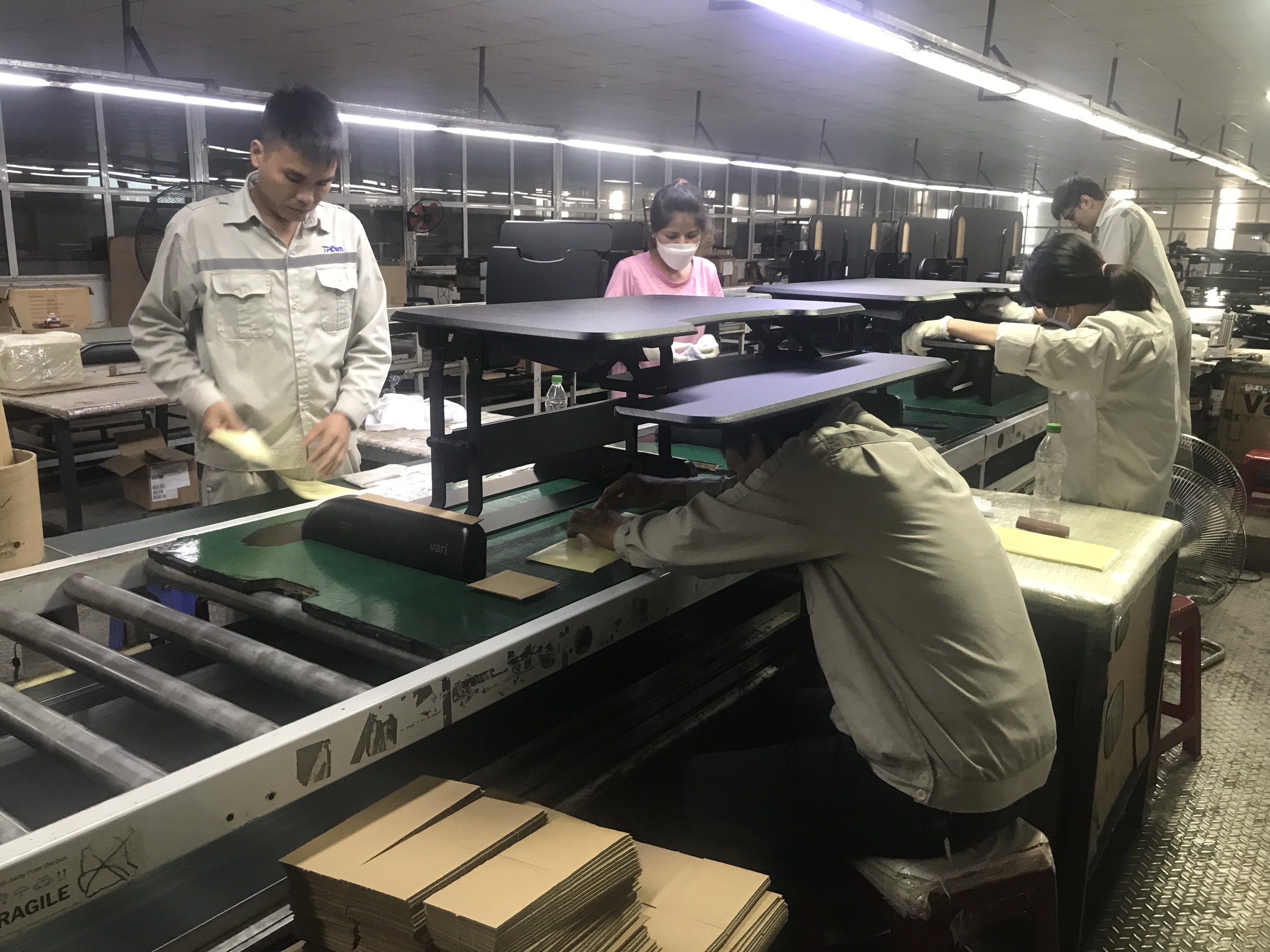
Where Delays Happen
Dangerous goods shipments face scrutiny at multiple points in the logistics chain. Here is where delays typically occur:
At the factory gate. If the supplier has not prepared UN-certified packaging or correct hazard labels, the shipment cannot leave. Our Vietnam team pre-inspects all DG shipments before they are released to the freight forwarder.
At the port or airport. Customs clearance in Vietnam for dangerous goods requires additional documentation beyond what standard cargo needs. The Dangerous Goods Declaration must be complete and accurate. A single error — wrong UN Number, missing packing group, incorrect proper shipping name — can trigger a hold.
At carrier acceptance. Shipping lines and airlines have their own DG acceptance procedures. Some carriers restrict certain hazard classes entirely. Others require advance booking for DG cargo, which can add days to the schedule.
At the destination port. U.S. Customs and Border Protection reviews DG documentation carefully. If the MSDS does not match the Dangerous Goods Declaration, or if the labeling does not match the paperwork, the shipment may be flagged for inspection. Importers should also be aware of the ISF 10+2 requirements for sourcing sheet metal fabrication from Vietnam, as failing to file this in advance compounds delays for dangerous goods shipments.
Typical Delay Scenarios
| Delay Cause | Typical Added Time | How to Prevent |
|---|---|---|
| Missing or incomplete SDS | 5–10 business days | Collect all SDS before production ends |
| Incorrect Dangerous Goods Declaration | 3–7 business days | Double-check UN Number, packing group, and proper shipping name |
| Non-UN-certified packaging | 7–14 business days | Source UN-approved packaging early |
| Carrier rejection (hazard class not accepted) | 3–5 business days | Confirm carrier DG acceptance policy before booking |
| Customs hold at destination | 5–14 business days | Ensure all documents match and are pre-filed |
| Missing hazard labels on packages | 2–5 business days | Apply diamond-shaped labels per class before dispatch |
The Cost of Delays
Delays do not just cost time. They cost money. Port storage fees, demurrage charges, re-packaging costs, and expedited re-shipping can add thousands of dollars to a single order. For one U.S. client, an eleven-day hold at the Vietnam port added roughly $2,800 in storage and administrative fees. That was a preventable cost. Understanding how to estimate total landed cost for sheet metal fabrication from Vietnam to the US helps you budget for these contingencies before they become surprises.
How We Minimize Delay Risk
Our approach is simple: front-load the compliance work. We collect all Safety Data Sheets during the quoting phase, not after production. We verify hazard classification before we finalize packaging. We prepare the Dangerous Goods Declaration, commercial invoice, Shipper's Letter of Instruction, and certificate of origin as a document set — reviewed internally before submission.
We also maintain relationships with freight forwarder services that specialize in hazardous materials transport from Vietnam. These partners know the IMDG Code and IATA requirements inside and out. They flag issues before they become delays.
Packaging That Passes
UN-certified packaging must pass rigorous tests: a 1.2-meter drop test and a 24-hour stacking test without any leakage. The packaging must be chemically compatible with the hazardous material inside. Each package must display clear diamond-shaped hazard labels at a 45° angle, showing the hazard symbol, UN Number, proper shipping name, hazard class, and packing group — all on the same visible surface.
We keep a stock of UN-approved packaging at our Vietnam warehouse for exactly these situations. Waiting for packaging to arrive after production is finished is one of the most common — and most avoidable — sources of delay.
Record Keeping
The shipper must retain the Shipper's Declaration for Dangerous Goods for a minimum of two years. We archive all DG documentation digitally, organized by project and shipment date. This protects both us and our clients in case of a regulatory inquiry.
Conclusion
Shipping Vietnam sheet metal fabrication with proper MSDS and dangerous goods compliance protects your timeline, your budget, and your reputation. Front-load the documentation, verify your supplier, and partner with experienced logistics teams to get it right the first time.
Frequently Asked Questions
How do I determine if my Vietnam sheet metal parts require an MSDS for international shipping?
A U.S. purchasing manager once asked our Vietnam team a simple question: "Do these brackets need an MSDS?" The answer was not as simple as he expected.
What specific dangerous goods regulations apply to the surface treatments on my Vietnam-sourced parts?
Last quarter, we managed a shipment of sandblasted and powder-coated steel brackets for a client in Ohio. The freight forwarder flagged the anti-corrosion primer as a potential Class 3 hazard. That single flag triggered a full compliance review.
How can I verify that my Vietnam supplier is following international standards for safety data documentation?
During a supplier audit at a factory outside Ho Chi Minh City, I discovered that the facility had Safety Data Sheets on file — but they were five years old and did not match the chemicals currently in use. That gap could have caused a serious compliance failure.
Footnotes
1. American Chemical Society provides guidance on Safety Data Sheets and GHS compliance. ↩︎
2. Replaced HTTP 404 link with a Wikipedia page, which offers a comprehensive and generally authoritative explanation of UN Numbers. ↩︎
3. Official UNECE source for GHS pictograms used in hazard communication. ↩︎
4. Explains the definition and importance of packing groups for hazardous materials. ↩︎
5. Official IATA source for Dangerous Goods Regulations for air transport. ↩︎
6. Official International Maritime Organization (IMO) source for the IMDG Code. ↩︎
7. Official UNECE source for the ADR Agreement concerning road transport of dangerous goods. ↩︎
8. Official UN source for the Globally Harmonized System (GHS) of chemical classification. ↩︎
9. Replaced HTTP 403 link with a direct, authoritative link to the Electronic Code of Federal Regulations (eCFR) for 49 CFR 172.101, which details the Hazardous Materials Table. ↩︎
10. IATA is a key authority for air transport dangerous goods regulations and documentation. ↩︎