I’ve found that cost isn’t always reduced by pushing harder—it’s often lowered by working smarter, especially when sourcing custom parts from Vietnam.
To lower costs effectively, use volume forecasts, tooling collaboration, quote competition, and shared savings strategies—not just aggressive price cuts.
Let me walk you through what’s worked for us, and how you can structure negotiations that suppliers respect and respond to.
How to use volume forecasts to negotiate?
I learned early that the more certainty I offer, the more flexible suppliers become.
Volume forecasts give your supplier confidence to plan production, buy raw materials in bulk, and amortize tooling—so they’re more willing to offer better unit pricing.
This principle is emphasized by U.S. Department of Commerce manufacturing insights 1.

You don’t need a fixed purchase order upfront. Instead, show:
- 12-month expected volume by month or quarter
- Your historical order trend (if applicable)
- Product lifecycle expectations
How Volume Forecasts Influence Cost Structure
| Volume Strategy | Supplier Response | Cost Impact |
|---|---|---|
| Committed annual volume (e.g., 20,000) | Buys raw materials in bulk, lower setup freq. | 5–10% lower unit price |
| Rolling quarterly forecast | Smoother production, less idle time | Reduced labor and overhead cost |
| Multi-part bundling forecast | Shared tooling, fewer setups | Tool amortization per part drops |
Bundle multiple SKUs or part numbers—even if each order is small—and quote them together.
That’s how I negotiated down prices for low-volume parts: by giving suppliers total visibility into the year’s demand, as supported by APICS supply chain planning guidelines 2.
Can you propose cost-sharing on tooling?
Absolutely—and many suppliers are open to it, especially when the tool is expensive or lifespan is long.
You can reduce upfront cash outlay and get a better price by co-investing in tooling, offering volume commitments, or amortizing the cost into unit price.
This aligns with SME.org tooling collaboration practices 3.
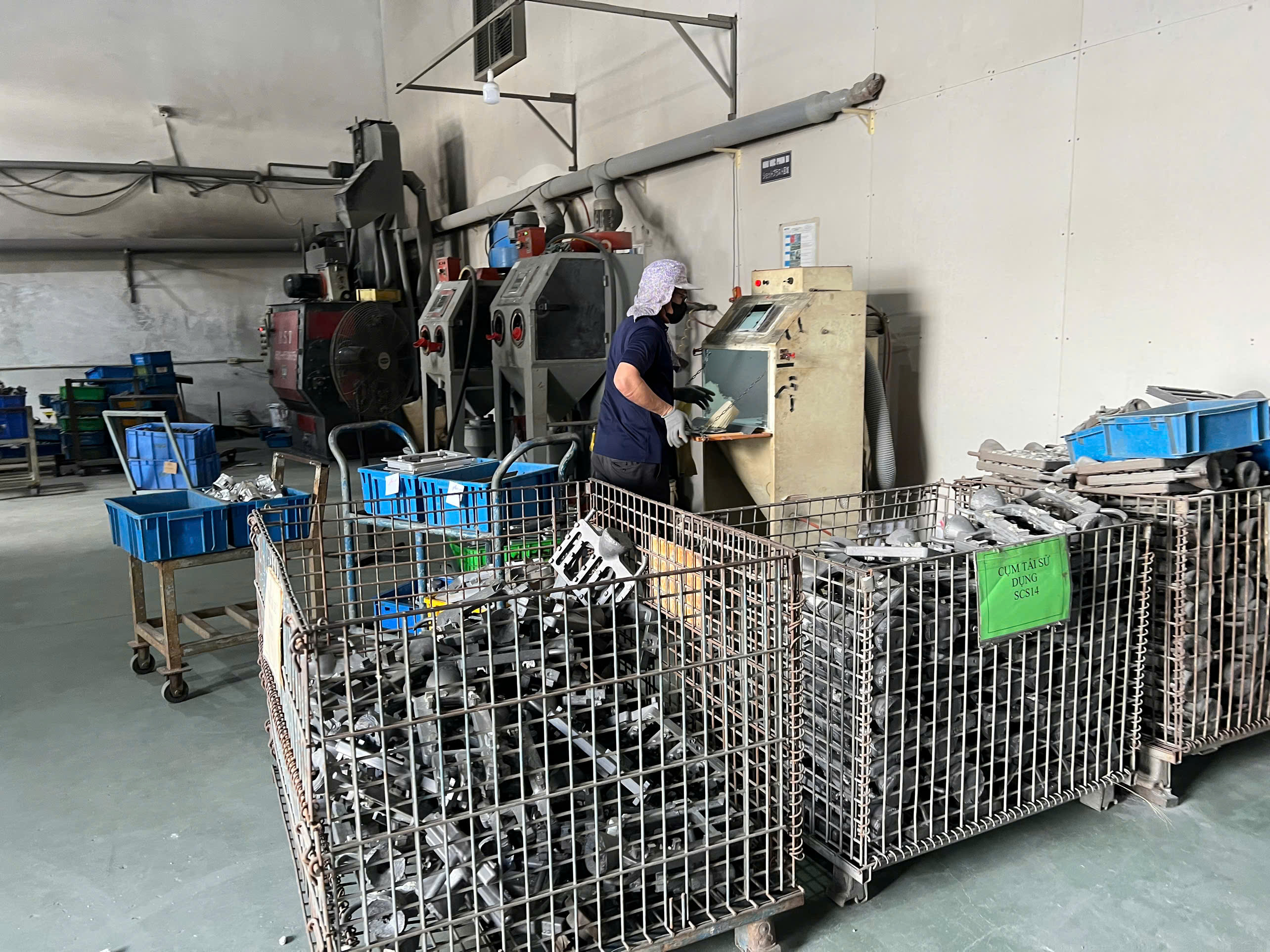
Here are some ways I’ve structured tooling cost-sharing:
Common Tooling Negotiation Models
- Shared investment – You pay 50%, they cover 50%. You agree to minimum annual volume.
- Tooling amortized in part price – Spread tooling cost over the first 10,000 pcs.
- Tooling free with long-term agreement – Supplier absorbs tooling if you commit to multi-year orders.
- Tooling maintenance by supplier – You pay initial tool, they cover repairs.
Tooling Negotiation Scenarios
| Model | Buyer Upfront Cost | Supplier Risk | Long-Term Cost Impact |
|---|---|---|---|
| Buyer pays all upfront | High | Low | No cost in unit price |
| Shared tooling investment | Medium | Medium | Reduced part price |
| Tooling amortized in price | Low | Medium–High | Slight markup per unit |
| Free tooling with volume commit | None | High | Lowest part price if volume hit |
Suppliers are more open to flexible tooling terms when they see commitment, not just price pressure — a negotiation concept from CIPS supplier collaboration framework 4.
Does bundling multiple parts help cut price?
Yes—and this is one of my favorite strategies.
When you group several parts into one RFQ or PO, you help the supplier optimize raw material procurement, reduce setup time, and improve logistics, which lets them lower prices.
Bundling aligns closely with Lean manufacturing efficiency principles 5.

Even if each part is small volume, bundling lets the supplier:
- Combine materials into larger purchases
- Use fewer machine setups
- Optimize batch processing and packing
This is especially powerful for:
- Parts made from same material (e.g., aluminum 6061)
- Similar machining or casting processes
- Parts that can share fixtures or tooling
Bundling Strategy Benefits
| Bundling Criteria | Cost-Saving Mechanism | Potential Savings |
|---|---|---|
| Parts with same alloy | Bulk raw material purchase | 3–7% material cost |
| Similar machining or surface finish | Shared setups, faster changeovers | 5–10% labor time |
| Same supplier for multiple SKUs | Shared shipping, fewer documents | $100s/month savings |
One trick: have the supplier quote bundled and unbundled.
You’ll often see the total quote for 3 SKUs drop 8–15% versus quoting each individually.
This practice is validated by Harvard Business Review cost optimization studies 6.
Should you use benchmark quotes as leverage?
Yes—but carefully.
Using competing quotes from other suppliers is a classic negotiation tool—but it works best when used constructively, not as a threat.
This method follows CIPS benchmarking and supplier comparison guidelines 7.
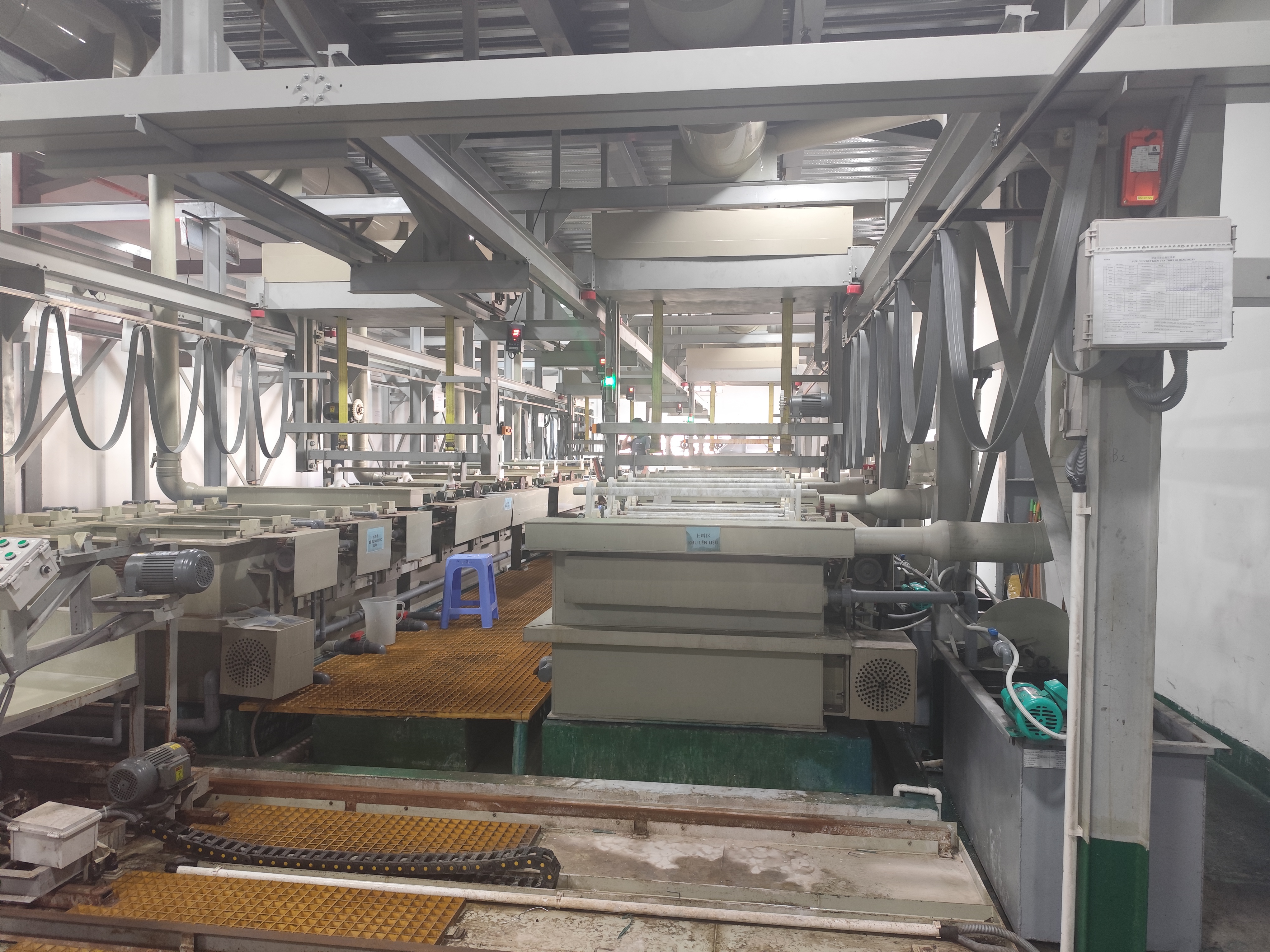
Here’s how I do it:
- Collect at least 2–3 quotes for identical specs
- Compare key cost drivers (material, tooling, delivery terms)
- Share a summary table (without disclosing competitor name) with your preferred supplier
- Ask: “What can we do together to close this gap?”
The goal isn’t to squeeze—it’s to signal market price awareness and encourage collaboration.
Benchmarking also aligns with procurement best practices outlined by the Chartered Institute of Procurement & Supply (CIPS) 8.
Tips for Effective Benchmark Use
- Avoid naming the other supplier
- Only compare quotes with identical drawings
- Be willing to award business based on other value (lead time, quality)
By showing you’ve done your homework, you position yourself as a serious buyer—and build trust instead of animosity.
This approach to negotiation maturity is echoed in OECD responsible sourcing recommendations 9.
Conclusion
To lower cost when importing metal parts from Vietnam, use volume forecasts, bundle similar parts, share tooling risk, and use benchmark quotes as leverage.
Collaborative, informed negotiation beats price squeezing every time — a core takeaway from ISO 9001 supplier performance management framework 10.
Frequently Asked Questions
How to use volume forecasts to negotiate?
I learned early that the more certainty I offer, the more flexible suppliers become. Volume forecasts give your supplier confidence to plan production, buy raw materials in bulk, and amortize tooling—so they’re more willing to offer better unit pricing. This principle is emphasized by U.S. Department of Commerce manufacturing insights 1 .
Can you propose cost-sharing on tooling?
Absolutely—and many suppliers are open to it, especially when the tool is expensive or lifespan is long. You can reduce upfront cash outlay and get a better price by co-investing in tooling, offering volume commitments, or amortizing the cost into unit price. This aligns with SME.org tooling collaboration practices 3 .
Does bundling multiple parts help cut price?
Yes—and this is one of my favorite strategies. When you group several parts into one RFQ or PO, you help the supplier optimize raw material procurement, reduce setup time, and improve logistics, which lets them lower prices. Bundling aligns closely with Lean manufacturing efficiency principles 5 .
Footnotes
1. How volume forecasts improve supplier planning and price stability. ↩︎
2. Annual demand visibility helps reduce per-part costs. ↩︎
3. Tooling cost-sharing models improve ROI and reduce upfront burden. ↩︎
4. Supplier commitment increases negotiation flexibility. ↩︎
5. Lean manufacturing principles support batch bundling efficiency. ↩︎
6. Bundled RFQs typically yield 8–15% lower total quote value. ↩︎
7. Benchmarking and supplier comparison per CIPS procurement guide. ↩︎
8. Collaborative negotiation improves long-term supplier relationships. ↩︎
9. ISO 9001 frameworks for structured supplier performance evaluation. ↩︎
10. Strategic cooperation and responsible cost optimization principles. ↩︎