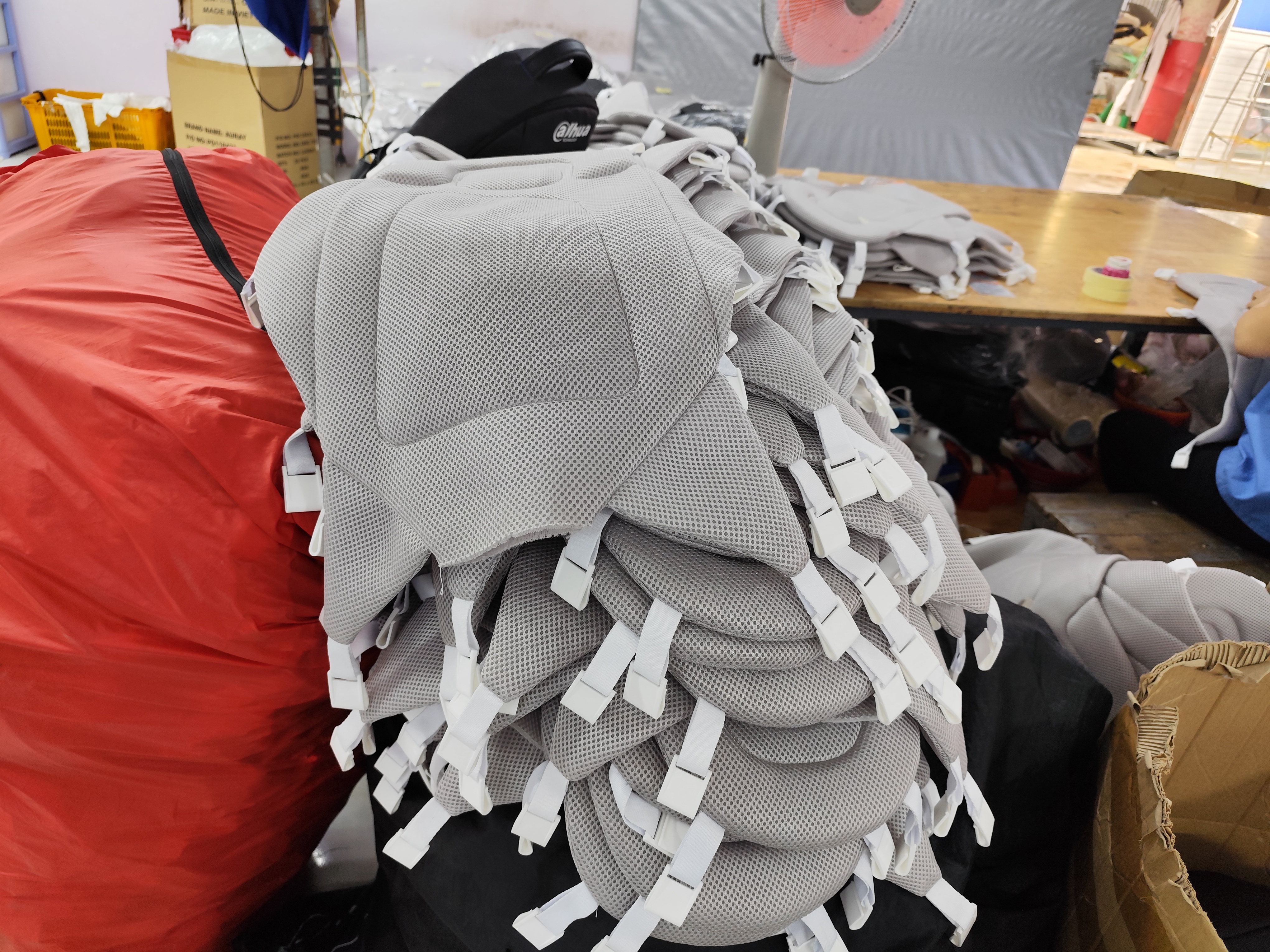

Negotiating with Vietnamese stamping parts suppliers nearly cost me a client’s launch once. I pushed hard on unit price, the supplier quietly deprioritized our tooling, and lead times slipped. Our Vietnam team taught me a better way.
The best negotiation strategies with Vietnamese stamping parts suppliers combine relationship-building before price talks, negotiating the full commercial package including tooling and payment terms, offering credible volume forecasts as leverage, and documenting every agreement in writing to prevent costly misunderstandings.
Price pressure alone rarely wins in Vietnam. Trust, structure, and clarity win. In this article, I will walk you through the exact playbook we use on real stamping projects.
How can I build trust with Vietnamese stamping suppliers before negotiating price?
A factory visit outside Hanoi changed how I negotiate. Our local team spent the first hour drinking tea and discussing family before any pricing came up. The final quote surprised me—pleasantly.
Build trust by visiting the factory in person, investing time in polite small talk, framing yourself as a long-term partner rather than a one-off buyer, respecting the owner's authority, and completing a small first order before pushing for better pricing on repeat business.

In our experience running a seven-person office in Vietnam, trust is not a soft extra. It is the actual currency of negotiation. Vietnamese factory owners often decide how flexible to be based on how much they believe in the relationship. If they see you as a partner, they will bend on MOQ, tooling terms, and payment. If they see you as a price shopper, they will quote defensively and protect themselves.
Why aggressive bargaining backfires
Hard Western-style haggling can cause a supplier to lose face. When that happens, the negotiation does not just stall. The supplier may agree verbally and then underperform quietly—slower lead times, lower priority on the press schedule, less care on secondary operations. We have seen stamping orders slip weeks for exactly this reason. Politeness is not weakness in Vietnam. It is strategy.
Practical trust-building steps
Here is the sequence we follow before any serious price discussion:
- Introduce your company and end application clearly. Suppliers price with more confidence when they understand the project.
- Visit the factory, or send a local representative. Walk the press lines. Ask about tonnage and die maintenance.
- Share tea, meals, and conversation. Do not rush. The first meeting is about the relationship, not the quote.
- Place a modest trial order. Let the supplier prove capability. Let yourself prove you pay on time.
- Renegotiate from a position of demonstrated partnership on order two or three.
That last step matters most. Our best pricing in Vietnam almost always came on the second or third order, after both sides had performed. Relationship opens the door. Then your data closes the deal.
What payment terms can I realistically negotiate with stamping parts factories in Vietnam?
One of our U.S. purchasing manager clients needed 60-day terms to protect cash flow. The Vietnamese factory wanted 30% upfront. Bridging that gap became my negotiation masterclass.
Realistic payment terms start at 30% deposit and 70% before shipment for new relationships. After proven orders, you can negotiate milestone payments tied to inspection, partial payment on delivery, or net 30 terms. Letters of credit help bridge trust gaps on larger tooling-heavy orders.

When we structure deals for clients through our Vietnam office, payment terms are often more negotiable than unit price. Here is why. Stamping suppliers face heavy early cash outlays. They buy steel coil 1 upfront. They cut tooling upfront. A payment structure that eases their cash pressure is worth real money to them—sometimes more than a small price bump is worth to you.
The standard progression of terms
This table shows how terms typically evolve as the relationship matures:
| Relationship Stage | Typical Terms | Your Leverage |
|---|---|---|
| First order | 30% deposit, 70% before shipment | Low—supplier bears the risk |
| Orders 2–4 | 30% deposit, 70% after passing final inspection | Moderate—proven payment history |
| Established (6+ months) | 20% deposit, balance on delivery or net 30 | Strong—forecast and track record |
| Strategic partner | Net 30–60, sometimes with tooling amortized into unit price | High—supplier depends on your volume |
Trading terms against price
You can trade in both directions. Offer a larger deposit in exchange for a lower unit price. Or accept a slightly higher price in exchange for inspection-based payment release. We often tie the final payment to a passed final inspection report. This aligns incentives beautifully. The supplier gets paid faster when quality is right the first time.
For larger orders with expensive progressive die 2s, a letter of credit 3 reassures both sides. It costs a little in bank fees, but it removes the trust barrier that otherwise inflates the quote. Because we offer open account terms to our own clients, we understand how much cash-flow relief is worth—and we use that same logic when negotiating on the factory side.
How do I handle quality and tooling cost negotiations with Vietnamese suppliers?
Die ownership is the trap most buyers miss. I once audited a project where the client had paid full tooling cost, yet the factory legally kept the die. Switching suppliers became nearly impossible.
Negotiate tooling ownership in writing before paying any die cost, agree on amortization schedules tied to volume, define AQL levels and dimensional tolerances in the contract, require sample approval before mass production, and link final payment to passing an agreed inspection standard.
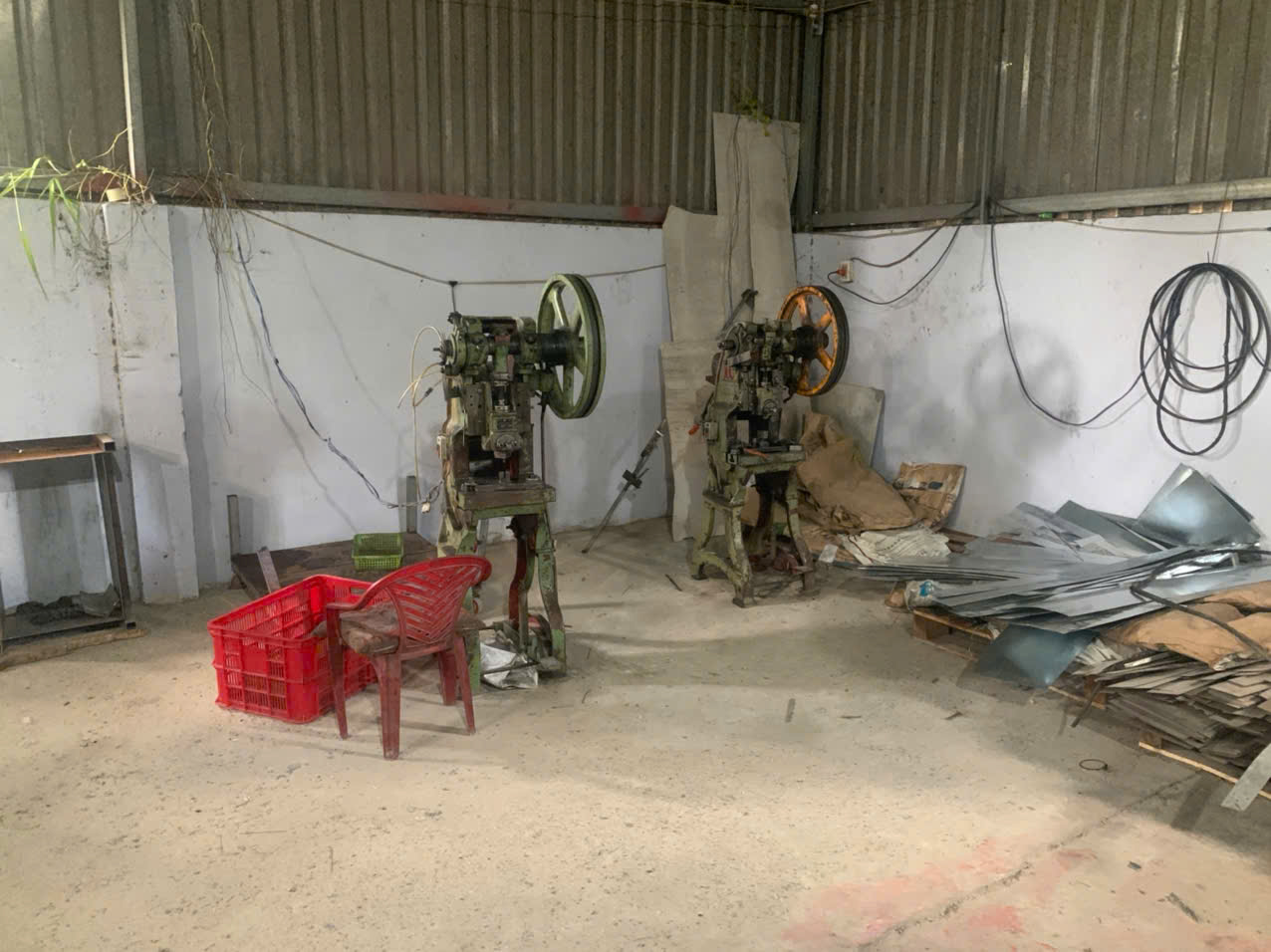
On the stamping projects we manage—brackets, mounting clips, angled flanged parts with punched slots—tooling and quality are where the real money hides. Unit price is visible. Tooling terms and rework costs are not. So we always negotiate them as one package.
Get the cost breakdown first
Ask the supplier to break the quote into material, labor, machine time, and tooling amortization. Most Vietnamese factories will provide this if you ask respectfully. The breakdown tells you where flexibility lives. If material is 60% of cost, price pressure is pointless—negotiate a steel index escalation clause instead. If tooling amortization is heavy, negotiate volume commitments that spread it thinner.
| Cost Element | Typical Negotiation Lever |
|---|---|
| Raw material (steel/aluminum coil) | Index-linked escalation/de-escalation clause |
| Tooling / progressive die | Ownership clause, amortization over committed volume, cost-sharing |
| Labor and machine time | Bundle multiple SKUs to improve press utilization |
| Inspection and packaging | Define AQL and packaging spec upfront, not after quoting |
| Secondary operations (plating, deburring) | Confirm in drawing notes; quote separately for transparency |
Lock down the quality terms
For stamped parts, we negotiate these points before any purchase order:
- Dimensional tolerances 4 confirmed against the drawing, with critical dimensions flagged.
- AQL sampling levels 5 for cosmetic and functional defects.
- Approved golden samples signed by both parties.
- Supplier cooperation on FMEA to identify failure risks before production starts.
- Inspection rights before shipment, either by your team or a third party.
- Final payment released only after inspection passes.
One drawing note missed on a zigzag-profile bracket—a burr direction requirement—once caused a full batch rejection for a client before they came to us. Written specs prevent that. Every time.
What communication tactics help me avoid misunderstandings during supplier negotiations in Vietnam?
Our project managers write a bilingual summary email after every factory meeting. That habit came from a painful lesson: a verbal "yes" in a meeting room is not always an agreement.
Avoid misunderstandings by directing key requests to the actual decision-maker, asking control questions to confirm understanding, avoiding blunt public criticism, sending written bilingual summaries after every meeting, and treating anything not confirmed in writing as not yet agreed.

Having a local team in Vietnam has taught us that most "quality problems" are actually communication problems in disguise. A tolerance gets lost in translation. A packaging assumption goes unstated. A polite "yes" means "I heard you," not "I agree." These small gaps compound into rejected shipments and delayed launches.
Respect the hierarchy
Vietnamese factories are hierarchical. The owner or general director makes the real decisions. If you negotiate hard with a sales coordinator, you may get warm agreement and zero action. We always identify the decision-maker early and direct commercial requests to that person—respectfully, and never by publicly bypassing or embarrassing the staff below them.
Use control questions
Instead of asking "Do you understand?"—which almost always gets a "yes"—ask questions that require a substantive answer:
- "Can you tell me which hole tolerance is the tightest on this drawing?"
- "What is your plan if the steel coil delivery is late?"
- "Walk me through your inspection steps for this bracket."
The answers reveal real understanding, or the lack of it, before money is at stake.
Put everything in writing
Our working rule is simple: if it is not written, it is not agreed. After every negotiation session, we send a summary covering specifications, tolerances, pricing, payment milestones, delivery dates, and tooling terms. A bilingual version removes translation ambiguity. This record also makes repeat-order negotiations faster, because both sides start from documented facts rather than fuzzy memory.
One more timing tactic: plan around Tet 6, the Lunar New Year holiday in January or February. Capacity tightens sharply before it, and factories are hungry for orders after it. Negotiating with that calendar in mind gives you a quiet but real advantage.
Conclusion
Winning negotiations with Vietnamese stamping parts suppliers means building trust first, negotiating the full package—tooling, payment, quality—and documenting everything. Respect opens the door. Preparation closes the deal.
Frequently Asked Questions
How can I build trust with Vietnamese stamping suppliers before negotiating price?
A factory visit outside Hanoi changed how I negotiate. Our local team spent the first hour drinking tea and discussing family before any pricing came up. The final quote surprised me—pleasantly.
What payment terms can I realistically negotiate with stamping parts factories in Vietnam?
One of our U.S. purchasing manager clients needed 60-day terms to protect cash flow. The Vietnamese factory wanted 30% upfront. Bridging that gap became my negotiation masterclass.
How do I handle quality and tooling cost negotiations with Vietnamese suppliers?
Die ownership is the trap most buyers miss. I once audited a project where the client had paid full tooling cost, yet the factory legally kept the die. Switching suppliers became nearly impossible.
Footnotes
1. International Trade Centre tracks global steel coil trade dynamics affecting supplier cost structures. ↩︎