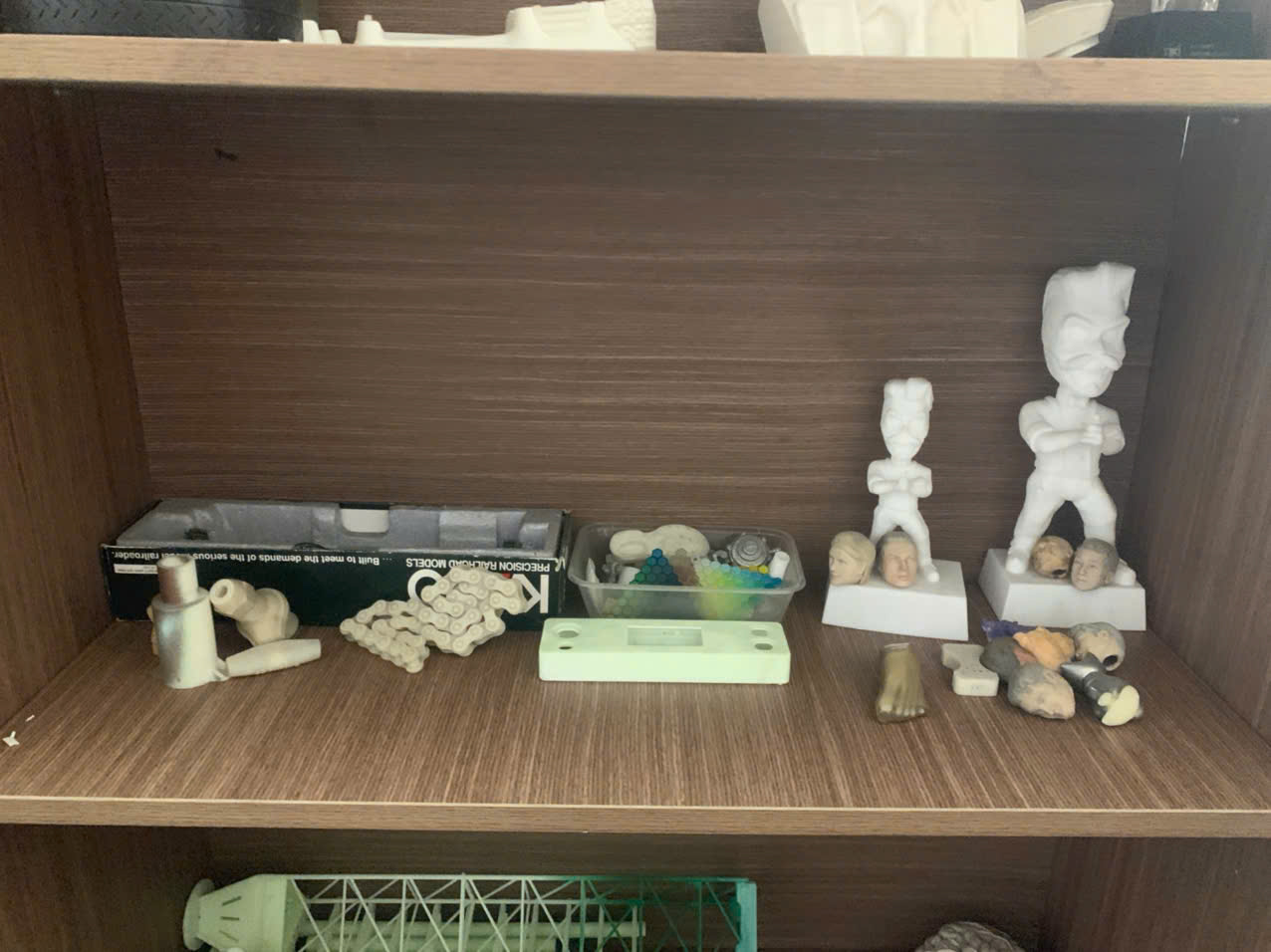

Too many sourcing teams waste months chasing suppliers who promise OEM and ODM customization services 1 in sheet metal fabrication but deliver generic parts that miss critical tolerances—and deadlines.
OEM and ODM customization services in sheet metal fabrication range from fully custom manufacturing based on client-provided designs (OEM) to ready-made product designs offered by the fabricator for client branding (ODM), covering laser cutting services, CNC bending, welding, finishing processes, prototyping, and turnkey assembly under strict quality control.
This guide breaks down how each model works, what to expect from a reliable partner, and how to make the right choice for your next project DFM review 2. Let’s walk through the details section by section.
How can I leverage OEM and ODM services to improve my custom sheet metal product development?
A few years ago, one of our U.S. clients came to us with a half-finished enclosure design and no clear manufacturing plan. They needed precision metal components but weren't sure whether to go full OEM or tap into existing ODM designs. That conversation reshaped how we approach every new project.
You can leverage OEM services by providing your own drawings for fully custom fabrication with complete IP ownership, or use ODM services to select from a fabricator's proven catalog designs for faster, lower-cost product launches—both models accelerate product design and development while reducing risk.
Understanding the Core Difference
The distinction between OEM and ODM is simple but important. In OEM (Original Equipment Manufacturer 3) work, you hand over your complete engineering drawings. The fabricator builds exactly to your specifications. You own all intellectual property. In ODM (Original Design Manufacturer 4) work, the fabricator already has a catalog of designs—standard enclosures, mounting brackets, tool boxes. You pick a design, customize it lightly, and brand it as your own. The fabricator retains the design IP and licenses it to you.
Here is a quick comparison:
| Factor | OEM | ODM |
|---|---|---|
| Design ownership | Client owns all IP | Fabricator owns design IP |
| Design input required | Full drawings and specs from client | Minimal—choose from existing catalog |
| Customization depth | Unlimited—complex geometries, tight tolerances | Limited to modifications of standard designs |
| Upfront cost | Higher (tooling, prototyping) | Lower (no design engineering needed) |
| Time to market | Longer (prototype cycles) | Shorter (designs are pre-validated) |
| Best for | Unique, differentiated products | Quick branding of proven products |
When OEM Makes Sense
If your team has in-house engineers and proprietary designs, OEM is the path. We've managed OEM sheet metal prototyping projects for electrical junction boxes, custom metal enclosures for industrial controls, and complex mounting brackets. The client sends us a 3D model, we review it for manufacturability, and we begin cutting, bending, and welding to match every dimension. Common fabrication techniques include CNC laser cutting 5 for intricate profiles, CNC bending for precise angles, and TIG or MIG welding for strong, clean joints.
OEM work also supports integration into larger assemblies. When our Vietnam team handled a batch of HVAC brackets, the client needed each part to bolt directly into an existing frame with zero modification. That level of precision demands contract manufacturing discipline—documented processes, first-article inspection, and tight feedback loops.
When ODM Makes Sense
Not every buyer has a design team. Some purchasing managers need a reliable product fast. ODM gives them access to tested designs—circuit board enclosures, power tool housings, standard sheet metal furniture—without hiring engineers. The fabricator handles material selection, production, and finishing. You get a finished, tested product ready for your logo.
The trade-off is design originality. You won't create a breakthrough product through ODM. But if speed and cost matter more than uniqueness, ODM can cut your launch timeline dramatically.
A Simple Decision Framework
| Question | If Yes → | If No → |
|---|---|---|
| Do you have complete engineering drawings? | OEM | Consider ODM |
| Do you need a unique, differentiated product? | OEM | ODM may suffice |
| Is speed to market your top priority? | ODM | OEM with prototyping |
| Do you have an in-house design team? | OEM | ODM |
| Is budget for tooling and prototyping available? | OEM | ODM |
Both models benefit from digital manufacturing trends. AI-powered DFM feedback tools can flag manufacturability issues in minutes, whether you submit your own design (OEM) or request modifications to a catalog product (ODM). This accelerates iteration and reduces costly rework.
What quality control standards should I look for to ensure my sheet metal parts meet my exact drawing specifications?
The most expensive sheet metal part is the one you have to make twice. I learned this early in our quality management journey when a batch of laser-cut panels passed dimensional checks but failed at final assembly because nobody verified hole position tolerances against the mating component.
Look for ISO 9001 certification as a baseline, along with documented PPAP (Production Part Approval Process), first-article inspection reports, in-process statistical controls, and final inspection against your drawing's GD&T callouts to ensure every sheet metal part meets your exact specifications the first time.

Why "Right First Time" Matters More Than Price
Many purchasing managers focus on unit cost during supplier selection. But when a supplier skips critical quality control steps, the real cost shows up later—rework, returns, delayed shipments, and lost trust with your own customers. Our approach centers on preventing defects, not catching them at the end of the line. This means building checkpoints into every stage of fabrication.
Key Certifications and Standards
Not all certifications carry the same weight. Here is what matters most depending on your industry:
| Certification | Scope | Relevant Industries |
|---|---|---|
| ISO 9001 | General quality management system | All manufacturing |
| ISO 13485 | Medical device quality management | Medical devices |
| IATF 16949 | Automotive quality management | Automotive |
| AS9100D | Aerospace quality management | Aerospace, defense |
If your fabricator cannot show at least ISO 9001 certification 6, that is a red flag. For specialized sectors like medical devices or automotive, the industry-specific standard is non-negotiable.
The PPAP Process in Sheet Metal
PPAP (Production Part Approval Process) 7 is something we use regularly with U.S. clients who need documented proof that our process can consistently reproduce their parts. A typical PPAP submission includes:
- Design records — Your drawing with all GD&T callouts.
- Process flow diagram — Step-by-step fabrication sequence (laser cutting → deburring → CNC bending → welding → powder coating → inspection).
- Control plan — Which dimensions get checked, how often, and with what tools.
- Measurement results — First-article inspection data showing every critical dimension.
- Material certifications — Mill certs proving the stainless steel, aluminum, or carbon steel grade matches your spec.
This documentation package gives you confidence before mass production begins. It eliminates guesswork.
In-Process and Final Inspection
Beyond PPAP, ongoing process control matters. We use calibrated CMM (coordinate measuring machines) for critical tolerances, digital calipers and micrometers for standard checks, and visual inspection stations for surface quality after finishing processes like powder coating or anodizing. Statistical process control 8 (SPC) charts track key dimensions across a production run, so drift gets caught before it becomes a defect.
Final inspection follows your approved inspection criteria. Every lot gets a report with photos, measurements, and a pass/fail determination before it ships. This discipline is what separates reliable contract manufacturing from shops that "eyeball it."
How can I find a reliable sheet metal fabrication partner in Vietnam to diversify my sourcing strategy?
When we opened our Vietnam office with a seven-person team, the biggest challenge wasn't finding factories—it was finding factories that could read a U.S. engineering drawing correctly and deliver on time. Vietnam's manufacturing sector has grown fast, but quality varies widely between suppliers.
To find a reliable sheet metal fabrication partner in Vietnam, work with a sourcing firm that maintains local staff for supplier audits, process control, and on-site inspection, ensuring your partner has proven capabilities in laser cutting services, CNC bending, welding, and finishing—backed by ISO certification and verifiable export track records.
Why Vietnam for Sheet Metal Fabrication
The push to diversify away from single-country sourcing has accelerated. Many U.S. purchasing managers now actively seek alternatives to reduce supply chain risk 9. Vietnam offers competitive labor costs, a growing pool of skilled metalworkers, and favorable trade conditions. But raw cost advantage means nothing without quality discipline.
Asian fabricators can offer 30–50% lower pricing than Western counterparts for comparable work. The key question is whether they can maintain tight tolerances and meet delivery schedules consistently. That's where having boots on the ground becomes critical.
What to Look for in a Vietnam-Based Partner
Here's a practical checklist we use during supplier evaluations:
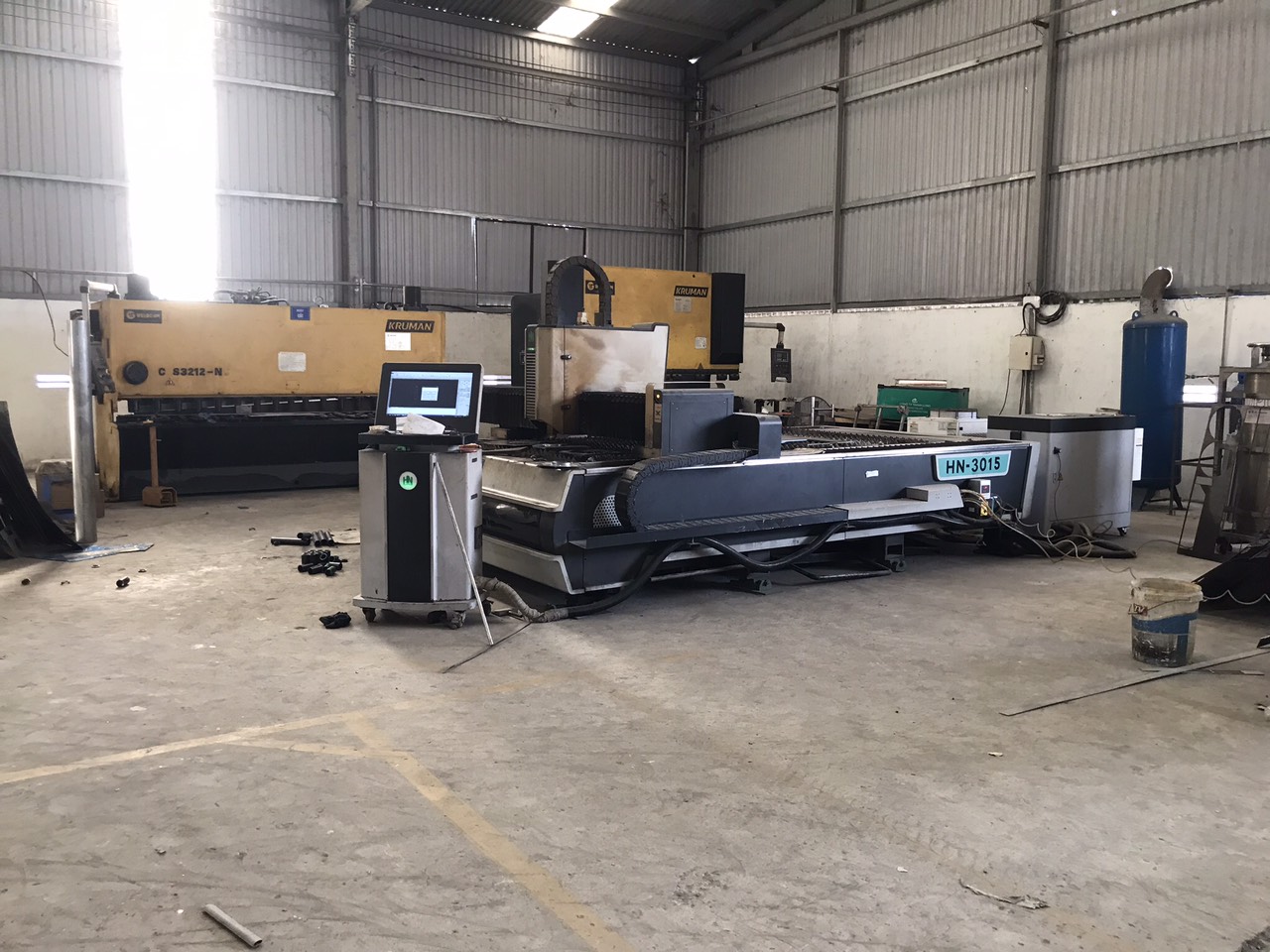
- Facility walkthrough: Are machines well-maintained? Is the shop floor organized (5S principles)?
- Equipment list: Do they have CNC laser cutters, press brakes with backgauges, and proper welding stations?
- Certifications: ISO 9001 at minimum. Ask for audit reports, not just certificates.
- Reference customers: Can they name export clients in the U.S. or Europe? Have they handled similar precision metal components?
- Sample production: Request a trial order or first-article run before committing to volume.
- Communication: Do they have English-speaking project managers? Response time matters.
The Role of a Local Team
One lesson we've learned is that remote supplier management rarely works for custom parts. Our Vietnam office conducts regular factory visits, monitors production schedules, and performs in-line inspections. When a problem surfaces—say, a bending angle is off by half a degree—our team catches it on the shop floor, not at your receiving dock in the U.S.
This local presence also helps with material selection. Vietnam's domestic steel supply differs from what's available in China or Taiwan. Knowing which local mills produce reliable grades of stainless steel or galvanized sheet is practical knowledge that saves time and prevents material-related rejections.
Sustainability and Modern Practices
A growing number of Vietnamese fabricators are adopting sustainable manufacturing practices. Optimized material nesting on CNC laser cutters reduces scrap. Scrap metal recycling programs recover value from offcuts. Energy-efficient equipment lowers the environmental footprint per part. If your company has ESG reporting requirements, these practices matter during supplier qualification.
What project management support can I expect when outsourcing my complex sheet metal fabrication to an expert team?
Last quarter, a client sent us a multi-component metal assembly with 14 unique sheet metal parts, three types of hardware insertion, and a powder-coated finish. Without structured project management, that job would have been a disaster. Instead, it shipped on time and passed incoming inspection without a single non-conformance.
When outsourcing complex sheet metal fabrication, expect dedicated project management that covers DFM review, prototyping coordination, production scheduling, real-time progress updates, in-process quality control, final inspection reporting, and door-to-door logistics management—all managed by a single point of contact.
What Good Project Management Looks Like
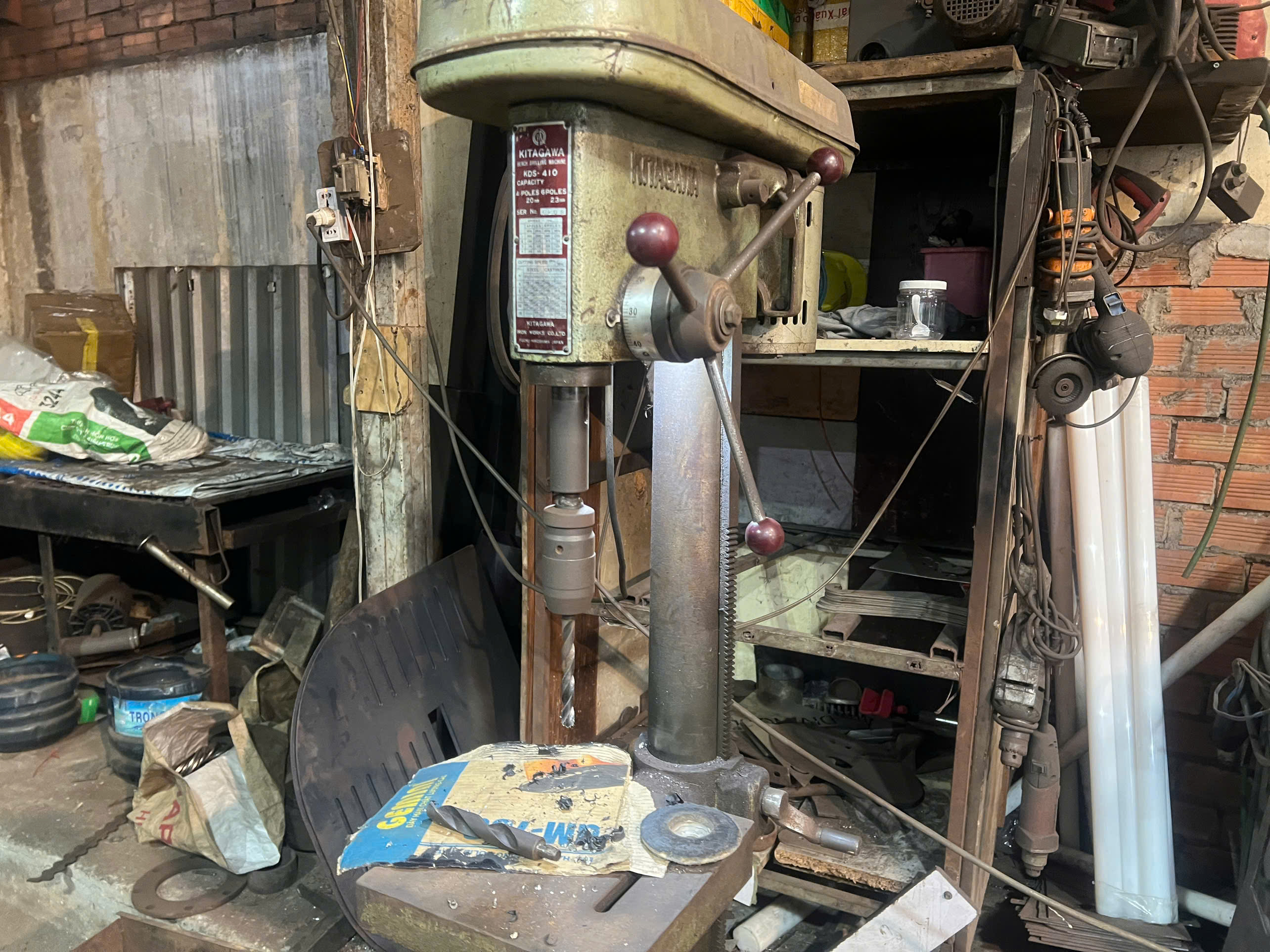
Outsourcing custom parts to Asia involves more moving pieces than domestic procurement. Time zones, language differences, and logistics complexity all add risk. Good project management absorbs that risk so you don't have to.
Here is a typical project lifecycle we manage for our clients:
| Phase | Activities | Deliverables |
|---|---|---|
| Kickoff | Drawing review, DFM feedback, material selection confirmation | DFM report, revised drawing (if needed) |
| Prototyping | Sheet metal prototyping, first-article inspection | Sample parts, FAI report with photos |
| Pre-production | PPAP submission, control plan finalization, tooling setup | Approved PPAP package |
| Production | Laser cutting, CNC bending, welding, finishing, metal assembly services | In-process inspection reports |
| Final QC | Dimensional inspection, visual check, packaging verification | Final inspection report, shipping photos |
| Logistics | Export documentation, freight booking, customs coordination | Tracking number, delivery confirmation |
The Single Point of Contact Model
We assign one project manager to each client. That person owns the timeline, communicates updates proactively, and escalates issues immediately. For a purchasing manager in the U.S., this means one email thread, one phone number, one person who knows your project inside out. No chasing three different factories for status updates.
Handling Design Changes Mid-Project
Design changes happen. A mounting hole moves. A material spec changes from carbon steel to aluminum. A new finishing process gets specified. The question is how smoothly your fabrication partner handles these changes. In our workflow, every engineering change order (ECO) gets a formal review. We assess impact on cost, lead time, and tooling. We confirm the change with you in writing before proceeding. This prevents the "I thought you knew" disasters that plague loosely managed outsourcing relationships.
Payment Terms That Support Your Cash Flow
Beyond technical project management, commercial terms matter. Many Asian suppliers demand 100% prepayment or 50/50 terms. We understand that purchasing managers at U.S. companies often need 60–90 day open account terms to manage cash flow. Offering flexible payment terms is part of the support package, and it reflects the trust built through consistent delivery performance.
Digital Tools and Transparency
Modern contract manufacturing increasingly relies on digital platforms. Real-time order tracking, shared document portals, and automated status notifications keep everyone aligned. When your team can log in and see that laser cutting finished yesterday and CNC bending starts tomorrow, there are no surprises. This transparency builds confidence and reduces the overhead of managing offshore suppliers. Understanding how prototyping and mass production differ in sheet metal fabrication also helps set realistic expectations for each phase of the project timeline.
Conclusion
OEM and ODM customization services in sheet metal fabrication give you clear paths to bring products to market—whether you own the design or need one. The right partner combines fabrication expertise, strict quality control, local presence, and structured project management to deliver parts that match your drawings, on time, every time.
Frequently Asked Questions
How can I leverage OEM and ODM services to improve my custom sheet metal product development?
A few years ago, one of our U.S. clients came to us with a half-finished enclosure design and no clear manufacturing plan. They needed precision metal components but weren't sure whether to go full OEM or tap into existing ODM designs. That conversation reshaped how we approach every new project.
What quality control standards should I look for to ensure my sheet metal parts meet my exact drawing specifications?
The most expensive sheet metal part is the one you have to make twice. I learned this early in our quality management journey when a batch of laser-cut panels passed dimensional checks but failed at final assembly because nobody verified hole position tolerances against the mating component.
How can I find a reliable sheet metal fabrication partner in Vietnam to diversify my sourcing strategy?
When we opened our Vietnam office with a seven-person team, the biggest challenge wasn't finding factories—it was finding factories that could read a U.S. engineering drawing correctly and deliver on time. Vietnam's manufacturing sector has grown fast, but quality varies widely between suppliers.
Footnotes
1. Explains the fundamental differences and benefits of OEM and ODM services in manufacturing. ↩︎
2. Describes Design for Manufacturability (DFM) as an engineering practice to optimize product design for easier, cheaper production. ↩︎
3. Provides a clear definition of an Original Equipment Manufacturer and its role in product supply. ↩︎
4. Defines Original Design Manufacturer and its function in designing and manufacturing products for others. ↩︎
5. Explains the process, types, and applications of CNC laser cutting technology. ↩︎
6. Official source detailing the requirements and benefits of ISO 9001 quality management system certification. ↩︎
7. Explains the Production Part Approval Process (PPAP) for ensuring consistent part quality and compliance. ↩︎
8. Describes Statistical Process Control (SPC) as a data-driven method for monitoring and improving manufacturing quality. ↩︎
9. Explains supply chain risk management (SCRM) and its importance in mitigating vulnerabilities and ensuring integrity. ↩︎