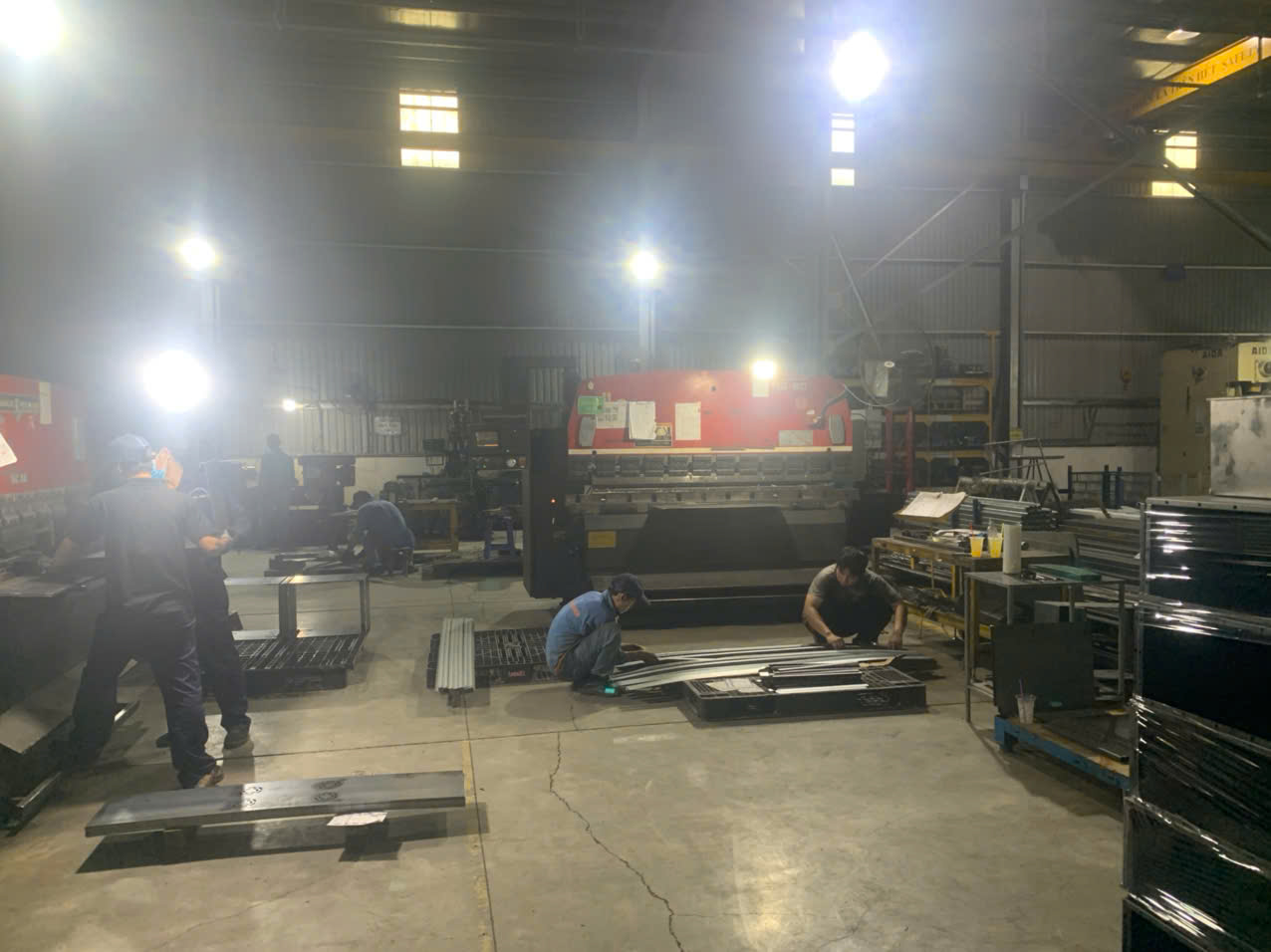

When our Vietnam office first started handling welding part inquiries from U.S. purchasing managers, the same question came up every single time: how many units should I order to start?
New buyers should start with a prototype batch of 10–50 Vietnam welding parts to validate quality and tolerances, then scale to a first commercial order of 50–100 units. Most Vietnamese factories require a minimum order quantity of 100–500 units for custom welding components, so negotiation and supplier selection are critical from day one.
Getting this number right affects everything — unit pricing, shipping costs, quality control 1 investment, and whether your supplier takes your project seriously minimum order quantity 2. Let me walk you through the key decisions.
How can I determine the right trial order quantity to test a Vietnam welding supplier's quality?
A few months ago, one of our U.S. clients sent us a set of drawings for heavy-duty mounting brackets with tight weld-bead specifications dimensional tolerances 3. He wanted to test a new Vietnamese supplier but had no idea how many pieces would give him a meaningful quality read.
Order 10–50 units as a trial order to test a Vietnam welding supplier's quality. This quantity is enough to evaluate weld consistency, dimensional tolerances, surface finish, and packaging — without committing significant capital. Use this batch for incoming inspection and fit checks before placing a larger commercial order.

Why 10–50 Units Hits the Sweet Spot
A trial order is not about getting the cheapest price Letter of Credit 4. It is about learning whether a factory can read your drawings, hold your tolerances, and deliver parts that match your PPAP requirements 5. Ten units is often enough to spot systemic issues — weld porosity 6, wrong material grade, or incorrect hole placement. Fifty units gives you enough data to run basic statistical checks on critical dimensions supply chain partner 7.
Here is a simple framework we use when advising clients on trial quantities:
| Purpose of Trial | Recommended Qty | What You Learn |
|---|---|---|
| Fit check / proof of concept | 5–10 units | Basic dimensional accuracy, weld appearance |
| Incoming inspection + assembly test | 20–30 units | Consistency across a small batch, fixture fit |
| Statistical process evaluation | 40–50 units | Cpk data on critical dimensions, defect rate |
What to Measure During Your Trial
Focus on the things that matter most for welded assemblies. Check weld penetration on cross-sections if your application is structural. Measure hole positions with a CMM 8 or go/no-go gauges. Inspect surface finish and coating adhesion. Compare every part to your drawing callouts.
Our team in Vietnam conducts a final inspection on every trial batch before it ships. We photograph weld joints, record dimensional data, and flag any deviation. This step catches problems before parts land at a U.S. warehouse.
The Honest Limitation
Trial batches of 10–50 units may not reflect full-production quality. Factories sometimes hand-finish trial parts with extra care. The real test comes when they run 200 or 500 units on a production line. That is why we recommend a two-step approach: validate with a small trial, then move to a first commercial order of 50–100 units and inspect again.
Keep in mind that lead times for metal parts in Vietnam can run 30 or more days just for raw material sourcing, before production even begins. Plan accordingly so your trial does not stall your project timeline.
Will a smaller initial order volume negatively impact my unit pricing and shipping costs from Vietnam?
One trade-off I weigh on nearly every new project is cost versus risk. A purchasing manager in Texas recently asked me point-blank: "If I only order 50 brackets, am I going to get killed on price and freight?"
Yes, smaller initial orders increase per-unit pricing because factories spread setup, tooling, and fixture costs across fewer parts. Shipping costs per unit also rise since welding parts are heavy and a partial container is less efficient than a full one. However, the cost premium on a trial order is an investment in risk reduction, not a loss.
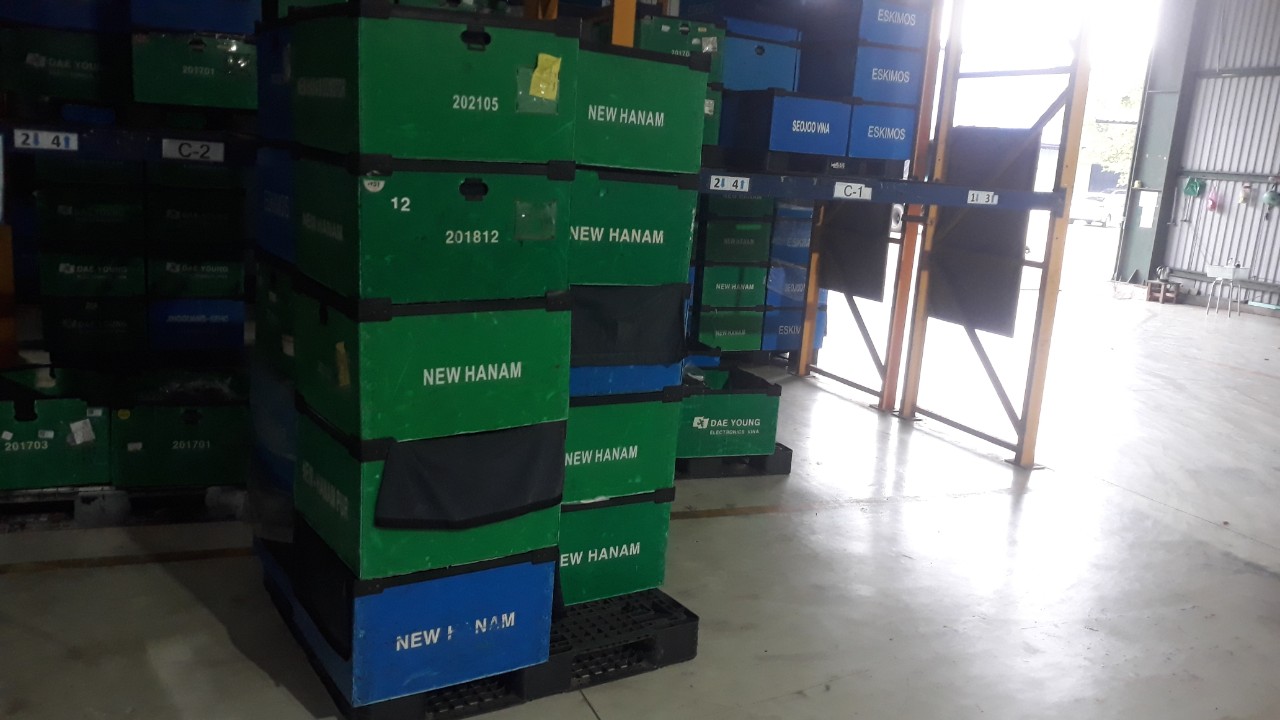
How Setup Costs Drive Unit Price
Custom welding parts require jigs, fixtures, and sometimes dedicated tooling. A factory may spend $500–$2,000 on fixtures for a complex welded frame. If you order 50 units, that tooling cost adds $10–$40 per part. Order 500 units, and it drops to $1–$4 per part. The math is simple, but the implication is important: your first order will always be more expensive per unit.
| Order Quantity | Estimated Tooling Amortization per Unit | Typical Unit Price Impact |
|---|---|---|
| 10–50 units | $10–$40 | +25–40% above scale price |
| 50–100 units | $5–$20 | +10–25% above scale price |
| 100–500 units | $1–$4 | Near target unit price |
| 500+ units | <$1 | Lowest unit price achievable |
Shipping: Weight and Volume Matter
Welding parts are dense. A pallet of steel brackets weighs far more than a pallet of plastic housings. For small orders, you will likely ship LCL 9 (less than container load), which means you share container space with other shippers. LCL rates for heavy goods from Vietnam to the U.S. West Coast can run $80–$150 per cubic meter, plus customs duties and handling fees.
A full 20-foot container becomes cost-effective when your shipment fills at least 60–70% of its capacity. For most welding part orders, that means 300+ units of medium-sized brackets or frames. Until you reach that volume, expect higher per-unit landed costs.
The Real Question: Can You Afford Not to Test?
I have seen buyers skip the trial stage to save on unit cost. They order 500 pieces from an unvetted supplier, and 30% fail inspection. The rework, return shipping, and production delays cost far more than the premium on a 50-unit trial. Our approach is to treat the first order as a quality investment. The slightly higher price buys you data and confidence.
For buyers with $500K–$1M or more in annual revenue, the cost difference on a 50-unit trial is negligible compared to the risk of a bad full-production run. If your volumes are too low to justify Vietnam's MOQ structure, consider validating in a market with lower thresholds first, then scaling to Vietnam when the numbers make sense.
How do I balance my order size to ensure the supplier meets my strict PPAP and drawing requirements?
Last year, a client forwarded us a rejected shipment report from another supplier. The welds looked fine visually, but the hole patterns were off by 1.5mm — enough to make every bracket unusable. His question was not about price anymore. It was about how to structure orders so the factory takes his specs seriously.
Balance your order size by starting with a PPAP-qualified prototype run of 10–30 units, then placing a first production order of 100+ units only after the supplier demonstrates process capability. Larger orders justify the factory's investment in proper fixtures and quality control, which directly improves conformance to your drawing requirements.

Why PPAP Matters for Welding Parts
PPAP — Production Part Approval Process — is not just an automotive requirement. Any buyer who needs repeatable, drawing-conformant parts should use some version of it. For welded assemblies, PPAP typically includes dimensional reports, material certificates, process flow diagrams, and control plans.
The challenge with very small orders is that factories may not invest in the documentation and process controls that PPAP demands. They see 10 units and treat it as a quick job, not a controlled production run. That is why we recommend a staged approach.
A Three-Stage Order Strategy
-
Stage 1 — Prototype (10–30 units): Submit your drawings with a detailed tech pack. Request first-article inspection reports. Evaluate the factory's ability to interpret GD&T callouts and weld symbols. This stage is about manufacturing capacity assessment, not volume.
-
Stage 2 — PPAP Qualification (50–100 units): If prototypes pass, ask for a PPAP submission on the next batch. This forces the factory to document their process and prove repeatability. Our Vietnam team coordinates this step, including factory audits and in-process checks.
-
Stage 3 — Production Scale (200+ units): Once PPAP is approved, place your commercial orders with confidence. The factory now has qualified fixtures, trained operators, and documented processes.
Drawing Clarity Reduces Risk at Every Stage
Vague specifications limit your factory options and increase the chance of non-conforming parts. Before you even discuss order quantity, make sure your drawings include:
- Material grade and thickness
- Weld type, size, and joint preparation
- Surface finish and coating requirements
- All critical dimensions with tolerances
- Inspection criteria and acceptance limits
| Drawing Detail Level | Supplier Response | Risk of Non-Conformance |
|---|---|---|
| Sketch with basic dimensions only | Wide variation in quotes and quality | High |
| Full drawing with tolerances, no GD&T | Reasonable quotes, some interpretation gaps | Medium |
| Complete drawing with GD&T + tech pack | Accurate quotes, clear expectations | Low |
When we receive a well-prepared RFQ with complete drawings, we can shortlist qualified factories in Vietnam within days. A vague request takes weeks and produces unreliable quotes.
The Volume–Quality Connection
Larger orders give factories economic incentive to invest in quality control. A 500-unit order justifies dedicated jigs, inspection gauges, and trained welders assigned to your project. A 20-unit order may get assigned to whoever is available that day. This does not mean you should skip small batches. It means you should use them strategically — to qualify the supplier — and then give the factory enough volume to justify doing the job right.
Can I negotiate flexible MOQs while still securing the 60-day payment terms my business needs?
During a recent call with a purchasing manager in Ohio, he laid out his constraints clearly: "I need to start with 100 pieces, and I need 60-day payment terms. Can your Vietnam suppliers do both?" The honest answer is yes — but it takes the right supplier selection and negotiation approach.
You can negotiate flexible MOQs and 60-day payment terms simultaneously, but these are separate conversations with different risk profiles. Smaller, specialized Vietnamese factories are more likely to accept lower MOQs for new buyers, while extended payment terms typically require an intermediary like a sourcing agent in Vietnam who can bridge the trust gap between buyer and factory.
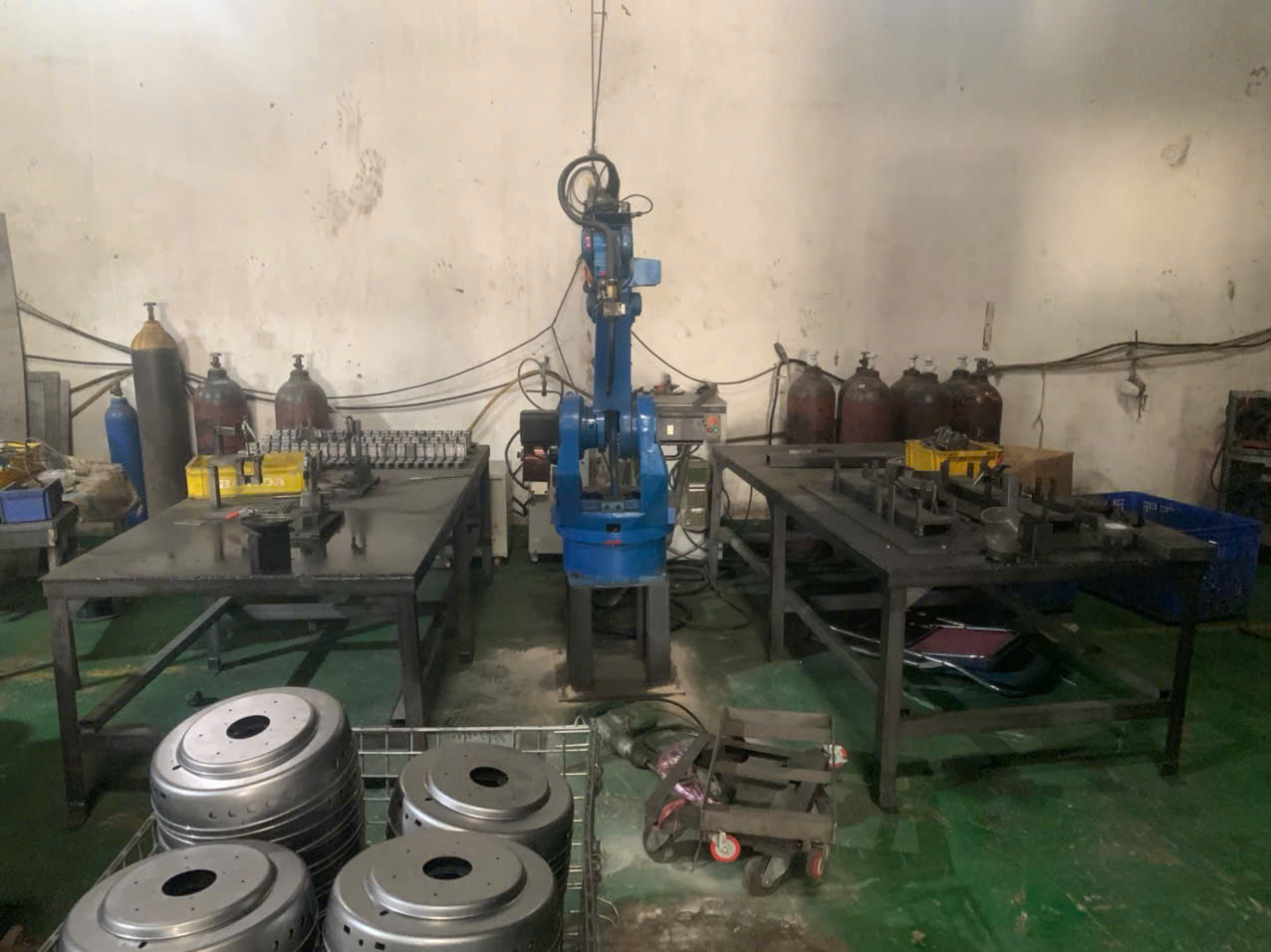
Why MOQ and Payment Terms Are Linked — But Separate
Factories set minimum order quantities to cover their costs. They set payment terms based on trust. A new buyer asking for both low MOQ and extended credit is asking the factory to take on maximum risk. Most Vietnamese welding shops will not do that for a first order.
Here is how the typical negotiation plays out:
| What You Want | Factory's Concern | Negotiation Lever |
|---|---|---|
| MOQ below 100 units | Setup costs not covered | Offer to pay tooling separately |
| 60-day payment terms | Cash flow risk with unknown buyer | Use L/C or work through a sourcing agent |
| Both low MOQ + 60-day terms | Double risk exposure | Build relationship over 2–3 orders first |
Strategies That Actually Work
Separate tooling from unit price. If you pay for jigs and fixtures upfront, the factory's per-unit cost drops and they become more flexible on MOQ. We have structured deals where the buyer owns the tooling and the factory quotes only production cost. This lowers the MOQ threshold significantly.
Use a Letter of Credit for early orders. Vietnamese suppliers commonly accept Telegraphic Transfers and Letters of Credit. For new relationships, an L/C protects both sides. The factory knows they will get paid once they ship conforming goods. You know you will not pay until shipment is confirmed. After two or three successful orders, transitioning to open-account terms with 60 or 90 days becomes much easier.
Leverage a sourcing agent or supply chain partner. This is where our business model fits naturally. We extend payment terms to U.S. clients — typically 60 days — while paying the Vietnamese factory on their preferred schedule, often 30% deposit and 70% before shipment. The client gets cash flow relief. The factory gets timely payment. We manage the risk in between.
What to Avoid
Do not demand 5,000-unit MOQs from a factory that typically runs 100–500 unit batches. That is a sign the supplier is padding the quote. Conversely, do not push a factory to accept 10 units at full production pricing — they will either refuse or cut corners.
Attending trade shows in Ho Chi Minh City (three major ones run from February through April) is one of the most effective ways to meet factories face-to-face, understand their real manufacturing capacity, and negotiate terms that reflect both parties’ needs. Our Vietnam office regularly visits these events and connects clients with vetted suppliers.
The key insight from years of handling these negotiations: flexibility comes from relationship, not from pressure. Start with a reasonable trial order, pay fairly, communicate clearly, and the MOQ and payment terms will follow.
Conclusion
Getting your Vietnam welding parts order quantity right is about managing risk, not chasing the lowest price. Start with 10–50 units to validate, scale to 50–100 for your first commercial run, and build toward volumes that unlock better pricing, efficient shipping, and reliable payment terms.
Frequently Asked Questions
The Real Question: Can You Afford Not to Test?
I have seen buyers skip the trial stage to save on unit cost. They order 500 pieces from an unvetted supplier, and 30% fail inspection. The rework, return shipping, and production delays cost far more than the premium on a 50-unit trial. Our approach is to treat the first order as a quality investment. The slightly higher price buys you data and confidence.
How can I determine the right trial order quantity to test a Vietnam welding supplier's quality?
A few months ago, one of our U.S. clients sent us a set of drawings for heavy-duty mounting brackets with tight weld-bead specifications dimensional tolerances 3 . He wanted to test a new Vietnamese supplier but had no idea how many pieces would give him a meaningful quality read.
Will a smaller initial order volume negatively impact my unit pricing and shipping costs from Vietnam?
One trade-off I weigh on nearly every new project is cost versus risk. A purchasing manager in Texas recently asked me point-blank: "If I only order 50 brackets, am I going to get killed on price and freight?"
Footnotes
1. Provides an overview of quality control in manufacturing, its importance, and standards. ↩︎
2. Explains MOQ definition, purpose, calculation, and impact on supply chains. ↩︎
3. Details engineering tolerances, ISO standards, and their importance in manufacturing. ↩︎
4. Explains Letters of Credit as a crucial trade finance instrument, their history and secure nature. ↩︎
5. Replaced HTTP 400 with authoritative Wikipedia page on Production Part Approval Process. ↩︎
6. Details what weld porosity is, its causes, types, and prevention methods. ↩︎
7. Explains supply chain collaboration and the role of strategic partnerships in optimizing operations. ↩︎
8. Provides a comprehensive definition and explanation of Coordinate Measuring Machines (CMMs). ↩︎
9. Defines Less than Container Load (LCL) shipping and its benefits for smaller cargo volumes. ↩︎