
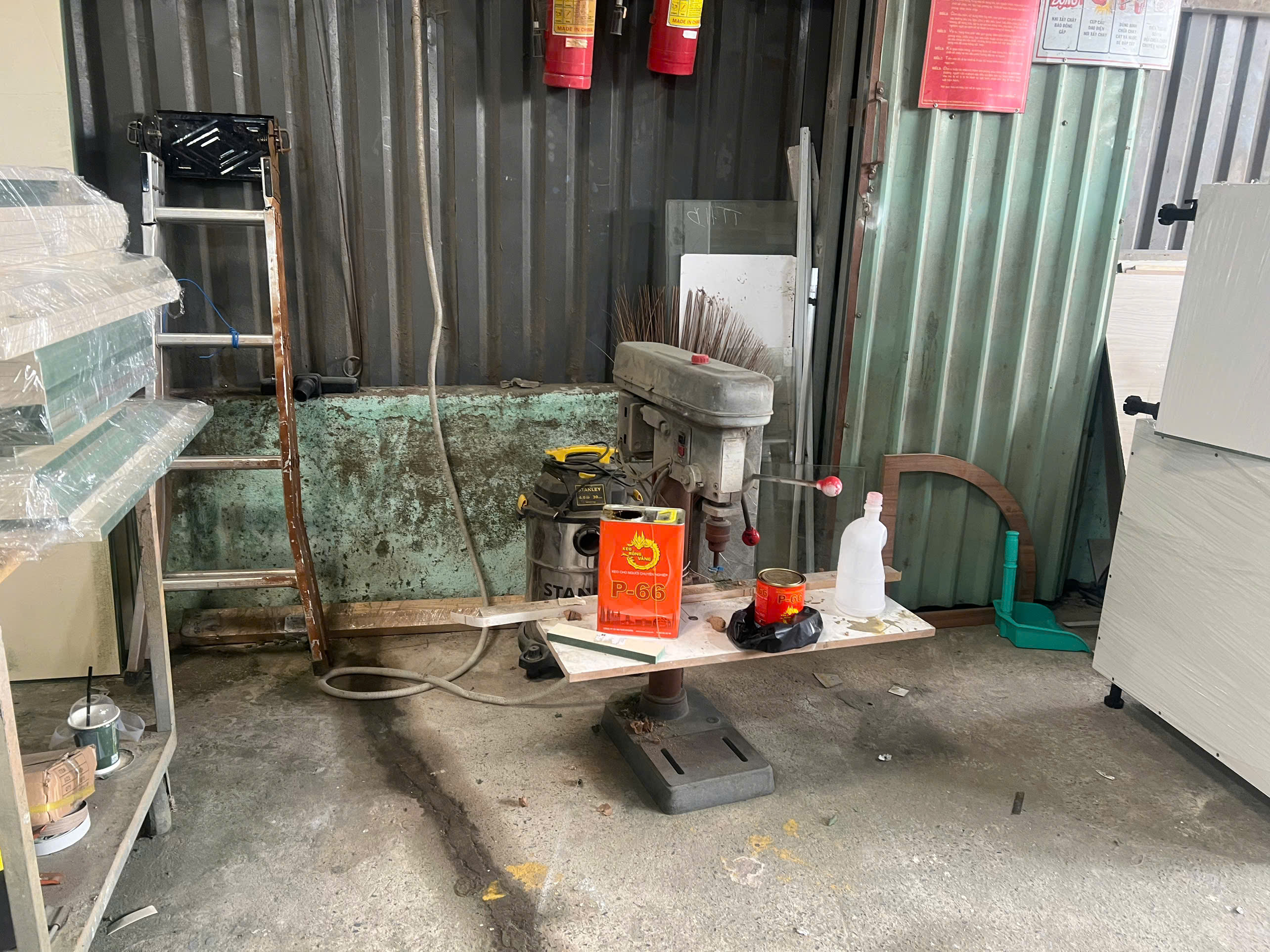
Last quarter, our engineering team in Vietnam ran a side-by-side stamping trial on three materials for a U.S. client’s bracket project — and the performance gaps between SPCC, SUS304, and AL5052 stamping materials surprised even our senior tooling engineers.
SPCC, SUS304, and AL5052 stamping materials differ significantly in tensile strength, corrosion resistance, weight, and formability. SPCC offers the lowest cost and easiest forming, SUS304 delivers superior strength and durability, and AL5052 provides roughly 65% weight savings with excellent corrosion resistance.
Choosing the wrong material wastes money, slows production, and creates quality headaches. Below, I break down the real-world differences so you can match each alloy to your project requirements.
How do I choose between SPCC, SUS304, and AL5052 for my stamping project?
A client recently asked me to recommend one material for three different bracket designs — a battery enclosure, an interior mounting plate, and a food-processing frame. That single conversation captured the exact decision framework every purchasing manager needs.
Choose SPCC for low-cost interior parts with minimal corrosion exposure, SUS304 for high-strength or food-grade applications requiring durability, and AL5052 for lightweight components where weight reduction and thermal conductivity matter most.
Start With Your Application Requirements
The right material depends on three factors: environment, structural load, and budget. I have seen procurement teams default to the cheapest option — cold rolled carbon steel 1 — only to spend more later on surface treatment or replacements. Here is a quick decision matrix our team uses internally:
| Decision Factor | Best Choice | Why |
|---|---|---|
| Lowest unit cost, interior use | SPCC | Cheapest raw material, excellent material formability, standard tooling |
| High strength, corrosive environment | SUS304 | Tensile strength 2 up to 720 MPa, austenitic stainless steel 3 resists chemicals |
| Weight-critical, heat dissipation | AL5052 | Density of 2,680 kg/m³, superior thermal conductivity |
| Food-grade or medical hygiene | SUS304 | No coating needed, meets hygiene standards |
| Decorative anodized finish | AL5052 | Only material of the three suitable for durable color anodizing |
| High-volume, cost-sensitive production | SPCC | Lowest press tonnage, minimal tool wear, fastest cycle times |
Evaluate the Stamping Process Impact
Material choice directly affects your die design 4, press tonnage, and quality control process. When we set up progressive dies 5 for SPCC, standard clearances work fine. But when our China facility switches to SUS304, we adjust blanking clearances, upgrade lubricants, and increase press capacity. AL5052 sits in between — it requires moderate tonnage but demands careful attention to the springback effect 6 during bending.
Consider Total Cost of Ownership
I always advise clients to look beyond raw material price. SPCC may cost 30–40% less per kilogram, but if the part operates outdoors, you will need plating or painting. That secondary process adds cost, lead time, and potential quality defects. SUS304 and AL5052 both resist corrosion naturally — which can make them cheaper over the product's full lifecycle.
One of our U.S. sourcing partners initially spec'd SPCC for an outdoor mounting bracket. After we reviewed the application together, they switched to AL5052. The anodized finish eliminated painting, cut two days from the production schedule, and reduced field returns.
Match Volume to Complexity
Stamping tooling is a fixed investment. For harder materials like SUS304, die costs run higher because of accelerated punch wear. If your annual volume is under 5,000 pieces, the tooling premium for stainless may not pay back. But at 50,000+ pieces, the per-unit tooling cost drops, and the elimination of secondary coatings makes SUS304 or AL5052 very competitive.
What corrosion resistance and durability differences should I expect between these three materials?
During a supplier audit at a stamping factory in Vietnam last year, I inspected brackets that had been stored in a coastal warehouse for six weeks. The SPCC parts had visible rust spots. The SUS304 and AL5052 parts looked identical to the day they were stamped.
SPCC has poor corrosion resistance and requires coatings for any moisture exposure. SUS304 offers superior corrosion resistance through its chromium-nickel composition. AL5052 naturally forms a protective oxide layer, excelling in marine and outdoor environments without additional treatment.

Why Corrosion Resistance Matters for Stamped Parts
Stamped brackets, enclosures, and mounting hardware often end up in environments the original designer did not fully anticipate. A part specified for indoor use may sit on a loading dock in Houston humidity for weeks before installation. That is why I push clients to consider worst-case exposure, not just intended use.
Corrosion Mechanisms by Material
| Material | Corrosion Mechanism | Protection Method | Relative Durability |
|---|---|---|---|
| SPCC | Iron oxidation (rust) when exposed to moisture | Requires plating, painting, or powder coating | Low without treatment |
| SUS304 | Passive chromium oxide layer self-heals; resists most acids and alkalis | None needed for most environments | Very high |
| AL5052 | Aluminum oxide layer forms naturally; resists saltwater | Anodizing optional for enhanced protection | High |
SPCC is a bare carbon steel. It contains no chromium or other alloying elements that form protective layers. The moment moisture contacts the surface, oxidation begins. Even fingerprints from handling can initiate corrosion if parts sit uncoated.
SUS304 is an austenitic stainless steel containing approximately 18% chromium and 8% nickel. The chromium reacts with oxygen to create a self-healing passive film. This is why stainless steel parts used in food processing, medical devices, and chemical equipment maintain their integrity for decades.
AL5052 contains magnesium as its primary alloying element. Its natural oxide layer 7 provides excellent resistance to saltwater and industrial atmospheres. This makes it a strong candidate for marine hardware, outdoor electronics enclosures, and EV battery covers where moisture exposure is constant.
Durability Under Stress
Corrosion resistance is only one dimension of durability. SUS304's high tensile strength (515–720 MPa) means it resists deformation under repeated loads better than the other two. AL5052's lower Young's modulus (70.3 GPa versus 193 GPa for SUS304) means it flexes more under the same load — which can be an advantage for vibration dampening but a disadvantage for rigid structural applications.
In our experience coordinating quality control for stamped assemblies, the most common field failure we see with SPCC parts is not mechanical — it is cosmetic corrosion that triggers customer complaints and warranty claims. Switching to SUS304 or AL5052 for any exposed surface eliminates that risk entirely.
Lifecycle Sustainability
From a recycling perspective, AL5052 has the highest scrap recovery value and requires significantly less energy to recycle into high-grade material. SUS304 is also highly recyclable, but the carbon-intensive refining process makes its environmental footprint larger. SPCC recycling is straightforward but yields lower-value scrap.
How do material costs and machining difficulty compare across SPCC, SUS304, and AL5052?
A trade-off I weigh on nearly every quotation is this: the material that is cheapest to buy is often the easiest to stamp, but the material that costs more upfront can save money across the full production cycle. Let me walk through the real numbers.
SPCC is the most economical material with the easiest stamping characteristics. SUS304 costs significantly more due to nickel and chromium content and demands higher press tonnage with faster tool wear. AL5052 falls in between on cost but offers weight savings that offset pricing in transport-sensitive applications.
Raw Material Cost Ranking
In our procurement operations across Vietnam and China, we track material pricing monthly. While exact prices fluctuate with commodity markets, the relative ranking stays consistent:
- SPCC — lowest cost per kilogram, widely available from multiple mills
- AL5052 — moderate cost, typically 1.5–2× the price of SPCC by weight (but remember, you need less material by volume due to lower density)
- SUS304 — highest cost, typically 3–4× the price of SPCC, driven by nickel and chromium content
Stamping Process Difficulty Comparison
| Process Factor | SPCC | SUS304 | AL5052 |
|---|---|---|---|
| Press tonnage required | Low | High (1.5–2× SPCC) | Moderate |
| Springback severity | Minimal | Significant | Moderate to high |
| Tool wear rate | Standard | Accelerated (2–3× faster) | Moderate; galling risk |
| Lubrication needs | Standard | Heavy; specialized lubricants | Moderate; anti-galling lubricant |
| Deep drawing quality | Excellent | Good but work-hardens rapidly | Good for shallow draws |
| Blanking clearance | Standard | Tighter clearance needed | Standard to slightly adjusted |
| Cycle time impact | Fastest | Slowest | Moderate |
The Hidden Cost of Springback
The springback effect is where many project budgets get surprised. When we bend SPCC on our production line, the part holds its shape closely to the die angle. With SUS304, the higher yield strength causes the material to "spring back" toward its original flat position. Our tooling engineers must over-bend by a calculated amount — sometimes 2–5 degrees — and run additional trial iterations to dial in the correct compensation.
AL5052 also springs back more than SPCC, though less dramatically than SUS304 in most geometries. The lower Young's modulus of aluminum (70.3 GPa) means the elastic recovery is proportionally different, and die designers must account for this with specialized over-bending calculations.
Work Hardening and Deep Drawing
SUS304 is prone to rapid work hardening 8 during deep drawing operations. The material's strength increases as it deforms, which can lead to cracking if the draw ratio is too aggressive. In severe cases, parts may develop "season cracking" — delayed fractures caused by residual stress — if they are not stress-relieved through annealing after forming.
SPCC, by contrast, has outstanding deep drawing quality. It flows smoothly into die cavities without excessive hardening. This is why SPCC remains the default for interior automotive brackets, clips, and structural connectors where deep draws are common.
Tooling Investment
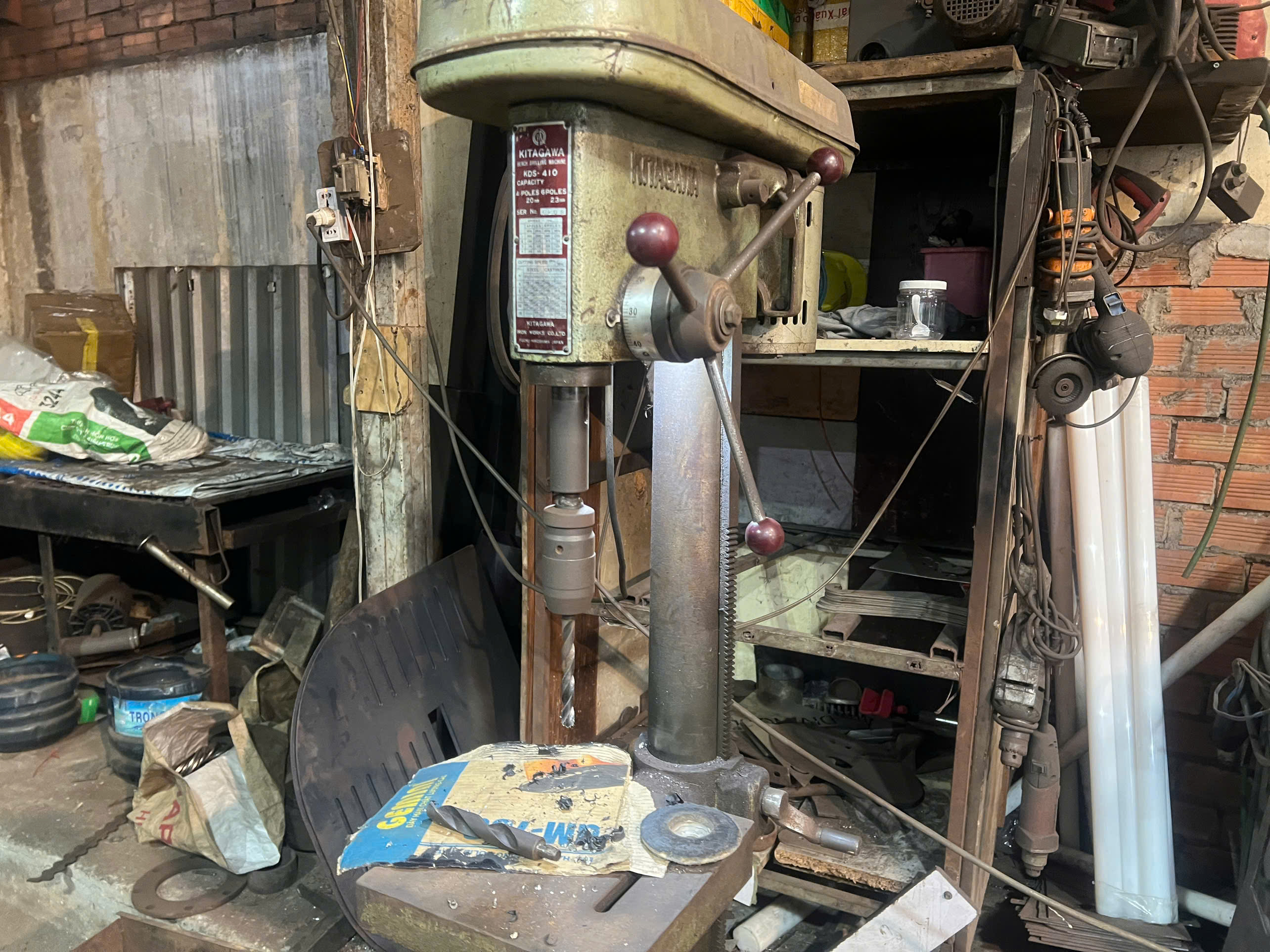
When we quote tooling for SUS304 projects, I factor in roughly 2–3× the die maintenance frequency compared to SPCC. Punches dull faster. Die surfaces score more quickly. Carbide or coated tool inserts become necessary. All of this adds cost that does not appear on the raw material line of the quote — but it absolutely appears in the total landed cost.
For AL5052, the primary tooling concern is galling. Aluminum has a tendency to bond to steel die surfaces under pressure, creating surface defects on the stamped part. Proper lubrication and polished die surfaces mitigate this, but it requires attention during process setup that SPCC simply does not demand.
Which applications and industries are best suited for each of these stamping materials?
When one of our long-term clients — a U.S. distributor of industrial mounting hardware — consolidated their product line last year, they ended up using all three materials across different SKUs. Each material earned its place based on the specific end-use environment.
SPCC suits interior brackets, automotive clips, and furniture hardware where cost matters most. SUS304 excels in food processing, medical, and outdoor structural applications. AL5052 is ideal for EV battery covers, electronic enclosures, heat sinks, and any application demanding lightweight performance.
SPCC: The Workhorse of Interior Hardware
SPCC dominates in applications where corrosion exposure is minimal and cost control is critical. Think interior automotive brackets, appliance frames, furniture mounting plates, and general-purpose structural connectors. The parts shown in our product images — L-brackets, T-shaped mounting bases, post anchors with welded plates — are classic SPCC applications when finished with powder coating or plating.
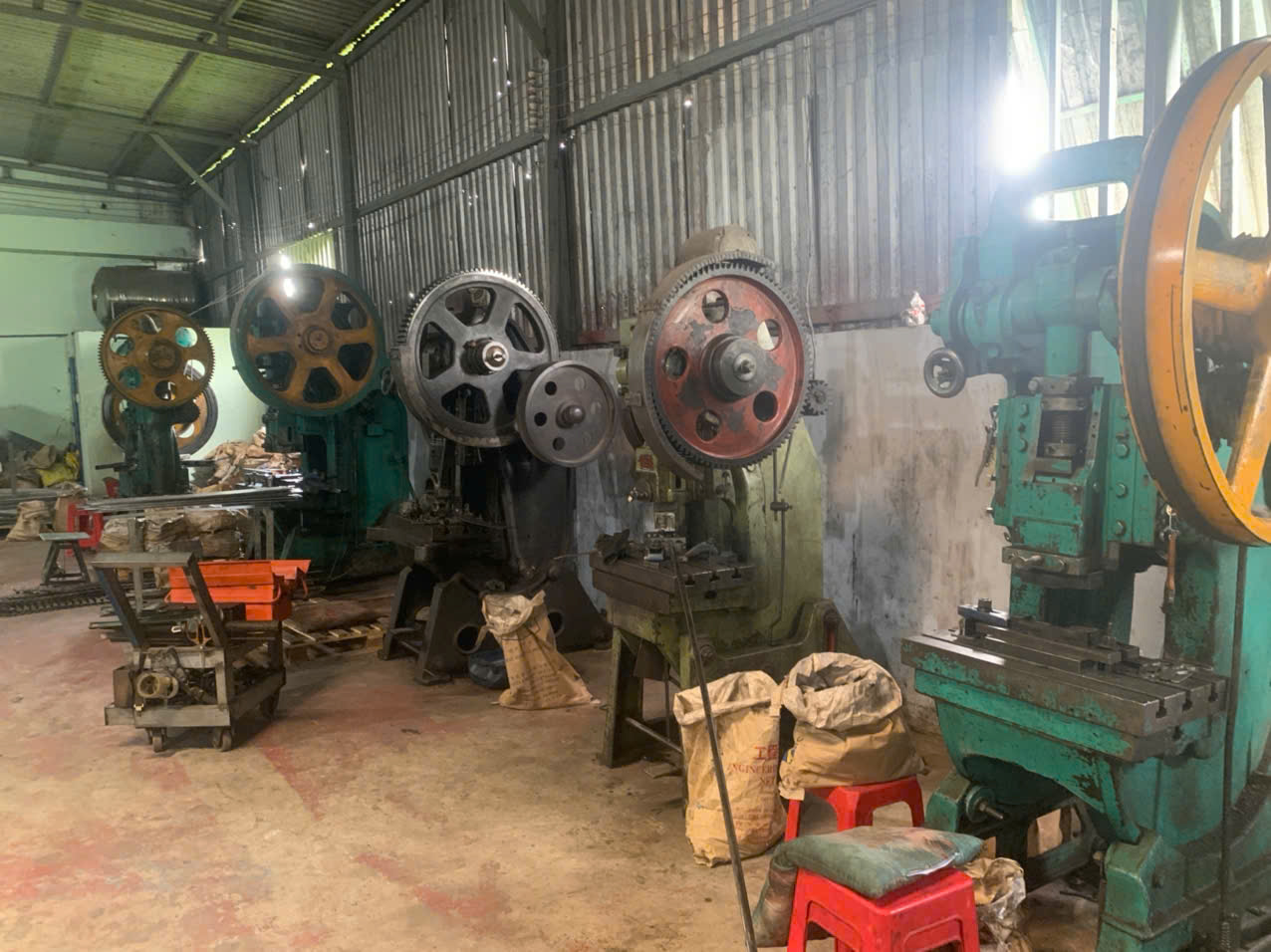
In our China production facility, SPCC accounts for the highest volume of stamped parts we manage. The material runs fast on progressive dies, holds tight tolerances without fuss, and accepts welding, plating, and painting readily. For a purchasing manager sourcing tens of thousands of brackets per quarter, SPCC keeps unit costs predictable.
SUS304: Where Performance Justifies Premium Pricing
SUS304 earns its higher price in environments that destroy lesser materials. Food processing equipment demands hygiene-rated surfaces that can withstand daily washdowns with caustic cleaning chemicals. Medical device housings need materials that will not corrode or leach contaminants. Outdoor architectural hardware — signage brackets, marine fittings, rooftop equipment mounts — needs decades of service without rusting.
The aesthetic versatility of SUS304 also matters. Mirror-polished and brushed finishes are achievable without coatings, giving designers freedom that SPCC cannot match. Our team has coordinated SUS304 stamping projects for commercial kitchen equipment destined for U.S. restaurant chains, where both strength and appearance are non-negotiable.
AL5052: The Lightweight Contender
The shift toward electric vehicles has dramatically increased demand for AL5052 stamped components. EV battery covers, shielding plates, and structural panels all benefit from the roughly 65% weight reduction compared to steel. Every gram saved in vehicle mass translates to extended range — a metric EV manufacturers obsess over.
Beyond automotive, AL5052 is the material of choice for notebook computer chassis, LED heat sinks, and telecommunications enclosures. Its thermal conductivity is vastly superior to both SPCC and SUS304, making it the clear winner for any application where heat dissipation is a primary design concern.
Joining Dissimilar Materials
An emerging trend we see in projects is the combination of these materials in a single assembly. When welding AL5052 to SUS304, research shows that the intermetallic compound layer is thinner than when welding aluminum to SPCC. This is because chromium in SUS304 inhibits the growth of brittle Fe₂Al₅ compounds. The result is a stronger joint — approximately 6.5 kN tensile shear strength for the aluminum-stainless pair versus 4.68 kN for the aluminum-carbon steel pair. This finding is particularly relevant for hybrid assemblies in automotive and aerospace applications.
Industry Fit Summary
- Automotive interior: SPCC (brackets, clips, reinforcements)
- Automotive exterior / EV: AL5052 (panels, battery covers, heat shields)
- Food & medical: SUS304 (processing equipment, surgical tool housings)
- Consumer electronics: AL5052 (laptop chassis, shielding plates, heat sinks)
- Construction hardware: SPCC with coating, or SUS304 for outdoor exposure
- Marine: AL5052 or SUS304 (both resist saltwater corrosion)
AL5052 is also the only material among the three that is highly suitable for decorative anodizing 9, enabling a wide range of durable color finishes. This makes it the preferred choice for consumer-facing products where both aesthetics and lightweight performance are required.
Conclusion
Selecting the right stamping material — SPCC, SUS304, or AL5052 — depends on balancing strength, weight, corrosion resistance, and total cost. If you need help matching materials to your project, reach out to our team at DEWIN.
Frequently Asked Questions
How do I choose between SPCC, SUS304, and AL5052 for my stamping project?
A client recently asked me to recommend one material for three different bracket designs — a battery enclosure, an interior mounting plate, and a food-processing frame. That single conversation captured the exact decision framework every purchasing manager needs.
What corrosion resistance and durability differences should I expect between these three materials?
During a supplier audit at a stamping factory in Vietnam last year, I inspected brackets that had been stored in a coastal warehouse for six weeks. The SPCC parts had visible rust spots. The SUS304 and AL5052 parts looked identical to the day they were stamped.
How do material costs and machining difficulty compare across SPCC, SUS304, and AL5052?
A trade-off I weigh on nearly every quotation is this: the material that is cheapest to buy is often the easiest to stamp, but the material that costs more upfront can save money across the full production cycle. Let me walk through the real numbers.
Footnotes
1. Wikipedia page for carbon steel, providing context for SPCC’s base material properties. ↩︎
2. Authoritative Wikipedia entry for the material science property. ↩︎
3. Authoritative industry guide detailing the properties and composition of 304-grade stainless steel. ↩︎
4. Comprehensive overview of manufacturing dies and design principles. ↩︎
5. Detailed explanation of the progressive die stamping process. ↩︎
6. Scientific explanation of elastic recovery in metal forming. ↩︎
7. Scientific explanation of the aluminum oxide layer that provides natural corrosion resistance. ↩︎
8. Scientific explanation of strain hardening in metals. ↩︎
9. Authoritative source explaining the electrochemical process for surface finishing. ↩︎