

Every week, our engineering team fields the same question from U.S. purchasing managers: which stamping material should I pick? The wrong choice means wasted tooling, failed parts, and costly delays that hurt your production schedule.
The performance differences between SPCC, SUS304, and AL5052 center on a three-way trade-off: SPCC delivers the best formability at the lowest cost but needs surface treatment for corrosion resistance; SUS304 provides the highest tensile strength and chemical durability but demands heavier press tonnage; AL5052 offers superior strength-to-weight ratio and natural corrosion resistance at moderate cost.
Below, I break down every factor that matters when you are choosing between these three materials for custom stamped parts. We will look at mechanical properties, corrosion behavior, cost, and weight efficiency so you can make a confident sourcing decision.
How Do I Choose Between SPCC, SUS304, and AL5052 for My Stamping Project?
A buyer we work with in the Midwest once ordered brackets in SUS304, only to realize the parts were three times heavier than his assembly could handle. He switched to AL5052 on the next run and saved weeks of redesign.
Choose SPCC when you need low-cost, high-formability parts for indoor use; select SUS304 when maximum tensile strength and chemical resistance are required; pick AL5052 when weight savings and natural corrosion resistance matter most for your application.
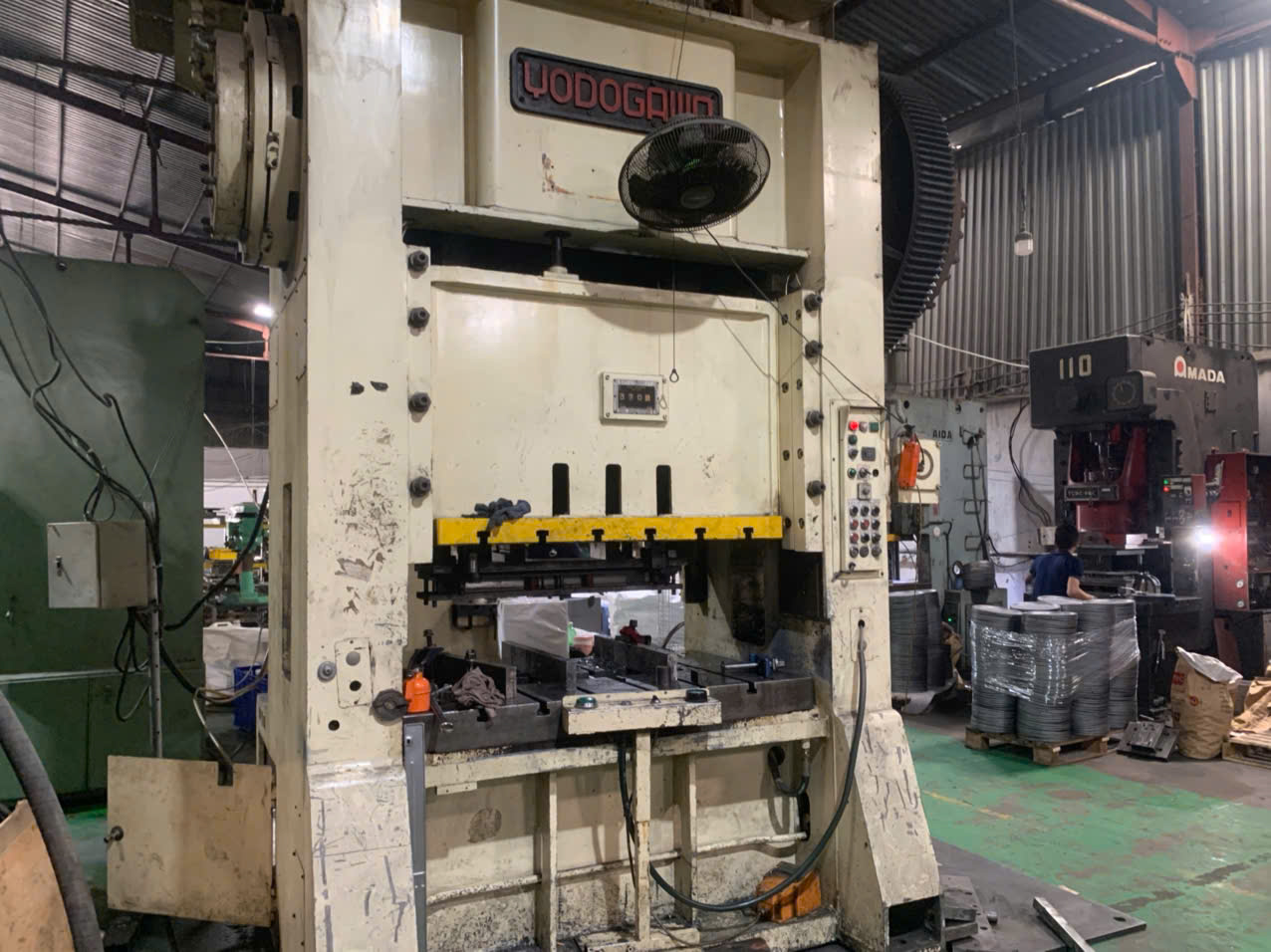
Choosing the right material starts with understanding your part's function, environment, and budget. On our production line, we guide clients through a structured selection process that weighs mechanical needs against real-world constraints. Let me walk you through the key decision points.
Start With Your Part's Function
Ask yourself: does the part carry a structural load, or is it a lightweight clip? SPCC cold-rolled steel works well for internal mounting brackets, appliance housings, and deep drawing applications. Its high elongation percentage means the material stretches without cracking during complex forming operations. But it rusts fast without a coating.
SUS304 is the go-to when your part faces harsh chemicals, high heat, or heavy mechanical stress. Its tensile strength 1 sits around 505 MPa — nearly double that of SPCC. The trade-off is that SUS304 exhibits significant work hardening 2 during stamping. This increases the part's final rigidity, but it also means you need heavier presses and more durable tooling.
AL5052 fills the gap. It is about one-third the weight of steel. In the H32 temper, it bends and draws cleanly. We often recommend it for electronic enclosures, marine hardware, and automotive trim panels where weight matters.
Quick Decision Matrix
| Decision Factor | Best Choice | Why |
|---|---|---|
| Lowest material cost | SPCC | Raw material price is the lowest of the three |
| Best material formability / deep drawing | SPCC | Highest elongation, minimal springback |
| Highest tensile strength | SUS304 | ~505 MPa vs. ~270 MPa (SPCC) and ~228–290 MPa (AL5052) |
| Lightest weight | AL5052 | Density ~2.68 g/cm³ vs. ~7.85–8.0 g/cm³ for steels |
| Best corrosion resistance without coating | SUS304 or AL5052 | Both form protective passive/oxide layers |
| High-temperature service | SUS304 | Higher melting point and heat tolerance |
| Electrical or thermal conductivity 3 | AL5052 | Far superior to stainless steel |
Consider Stamping Process Constraints
Material hardness and the springback effect change how your die must be designed. AL5052-H32 springs back more than SPCC after bending. Our tool engineers compensate by over-bending the aluminum a few degrees. SUS304 also has high springback, and it carries a real risk of galling — adhesive wear on the die surface. We specify PVD coatings like TiCN on die components when running stainless steel to keep production uptime high.
SPCC, by contrast, is the friendliest material on the press. It stamps at lower tonnage, holds tight tolerances, and produces a smooth surface right off the die. That is why it remains dominant for internal components where appearance and corrosion are not primary concerns.
What Corrosion Resistance Differences Should I Expect Between These Materials?
During a supplier audit at a coastal factory in Vietnam, I watched uncoated SPCC brackets develop visible rust spots within 48 hours of stamping. That experience reinforced why corrosion resistance is never an afterthought in material selection.
SUS304 provides the strongest chemical corrosion resistance through its chromium-nickel passive film; AL5052 excels in saltwater and marine environments thanks to a self-healing aluminum oxide layer; SPCC has poor rust resistance and always requires surface treatment such as electroplating, painting, or powder coating.
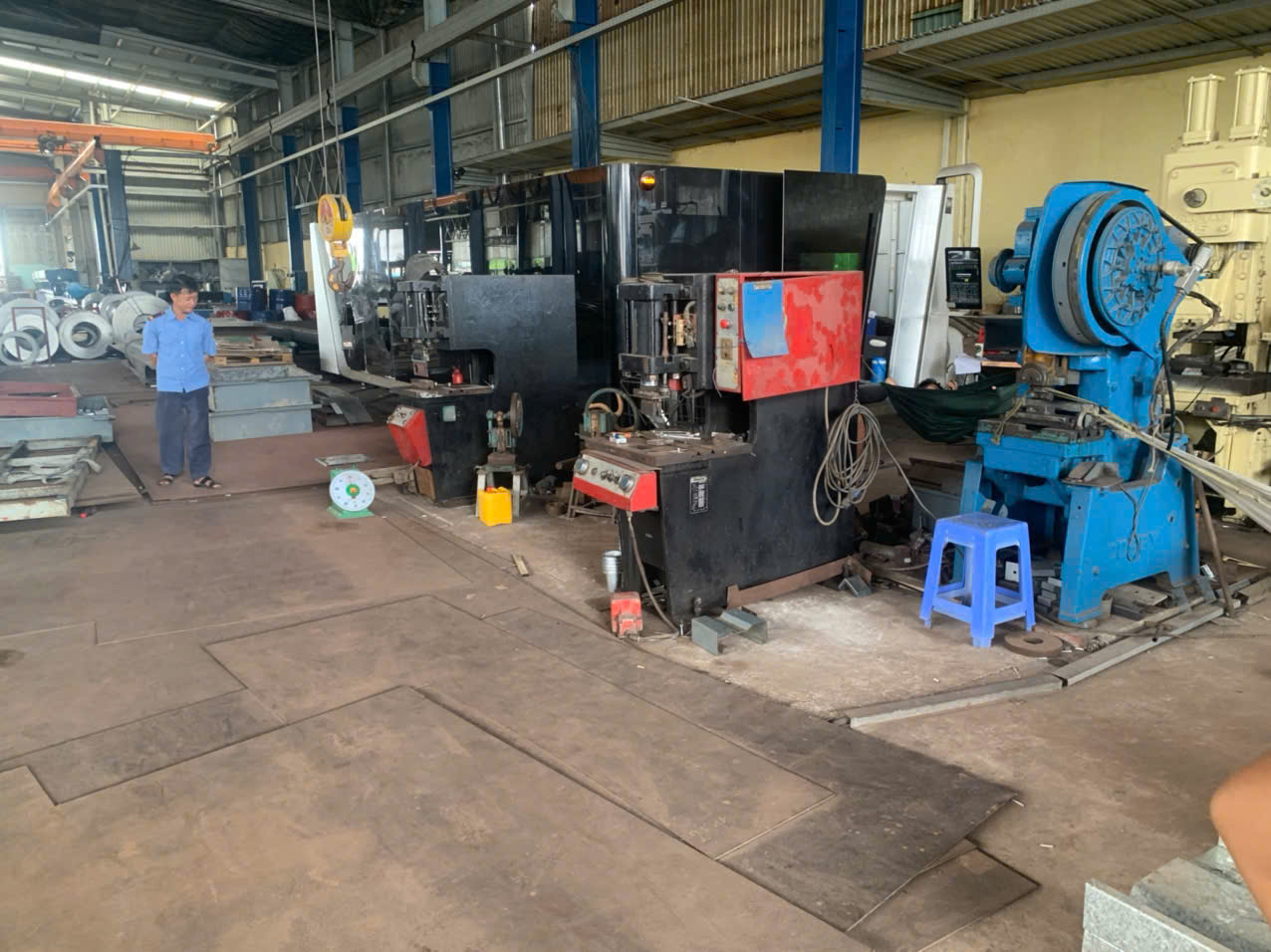
Understanding corrosion behavior saves you from hidden costs and field failures. Here is how each material performs in real-world environments.
SUS304: The Chemical Warrior
SUS304 contains roughly 18% chromium and 8% nickel. These elements form a thin, invisible passive film on the surface. This film self-repairs when scratched, so the material resists acids, alkalis, and most industrial chemicals. It is the standard choice for food-processing equipment, medical devices, and outdoor architectural hardware.
However, SUS304 is not invincible. In high-chloride environments — like pools or certain coastal zones — it can suffer pitting corrosion 4. For those extreme cases, a higher-grade alloy like SUS316 may be needed.
AL5052: The Marine Champion
AL5052 forms a natural aluminum oxide layer 5 that is remarkably stable in saltwater. Because AL5052 contains no copper, it avoids the galvanic corrosion 6 issues that plague some other aluminum alloys. We have shipped AL5052 stamped clips to clients building marine electronics housings, and the parts perform for years with no coating.
SPCC: Needs Protection
SPCC has essentially zero natural corrosion resistance. Every SPCC part we produce goes through a secondary finishing step. Common options include zinc electroplating, powder coating, and e-coating. This adds cost and lead time.
| Corrosion Scenario | SPCC | SUS304 | AL5052 |
|---|---|---|---|
| Indoor, dry environment | Adequate with light oil | Excellent | Excellent |
| Outdoor, humid climate | Poor — coating required | Excellent | Very good |
| Saltwater / marine | Very poor — heavy coating needed | Good (risk of pitting in high chloride) | Excellent |
| Chemical / acid exposure | Poor | Superior | Moderate (avoid strong alkalis) |
| Cost of protection | Added cost for plating/coating | Minimal — no coating needed | Minimal — anodizing optional |
The Hidden Cost of Protection
One lesson we learned early: the "cheap" material is not always cheap. When you factor in the price of zinc plating, drying, inspection, and occasional rework due to coating defects, SPCC can approach the cost of AL5052 for corrosion-critical parts. This is something many purchasing managers overlook until they see the full landed cost breakdown.
How Do Material Costs Compare When Sourcing SPCC, SUS304, or AL5052 Parts?
A trade-off I weigh on nearly every quote involves raw material price versus total project cost. The cheapest sheet on the market does not always produce the cheapest finished part — tooling wear, scrap rates, and post-processing all factor in.
SPCC is the lowest-cost raw material, typically 40–60% cheaper per kilogram than SUS304; AL5052 sits in the middle; SUS304 is the most expensive due to nickel content, higher press tonnage requirements, and increased tooling wear from work hardening and galling.

Cost is never just about the price per kilogram of sheet metal. Let me break this down into the categories that actually affect your purchase order.
Raw Material Price
SPCC cold-rolled steel coils are the most affordable stamping material globally. SUS304 costs significantly more because nickel — one of its primary alloying elements — is a volatile commodity. AL5052 falls between the two, though aluminum prices also fluctuate with global markets.
Processing and Tooling Costs
Stamping SUS304 requires 30–50% more press tonnage than SPCC for the same part geometry. That means larger presses, stronger dies, and higher energy consumption per stroke. The galling problem I mentioned earlier also shortens die life unless you invest in specialized coatings. Our team budgets for TiCN or DLC coatings on punch and die surfaces whenever a project calls for long-run SUS304 stamping.
AL5052 is softer and easier to cut. Tooling lasts longer. But the springback effect means tighter process controls and sometimes additional forming stations in the progressive die. That adds tooling cost upfront, though per-piece costs stay reasonable in volume.
SPCC is the easiest on tooling. Dies last the longest, tonnage is low, and scrap rates are minimal when the die is properly maintained.
Post-Processing Costs
This is where SPCC loses its edge. Every SPCC part needs corrosion protection. Zinc plating, powder coating, or painting each adds $0.05–$0.50 per part depending on size and specification. SUS304 and AL5052 often ship with no coating at all, or with a simple passivation or anodizing step that costs less than heavy electroplating.
Scrap Value and Sustainability
From a Life Cycle Assessment 7 perspective, AL5052 offers the highest scrap recovery value. Aluminum recycling 8 uses only about 5% of the energy needed to produce primary aluminum. SUS304 scrap also holds strong value. SPCC scrap value is the lowest of the three.
| Cost Category | SPCC | SUS304 | AL5052 |
|---|---|---|---|
| Raw material (relative) | Low (baseline) | High (~2–3× SPCC) | Moderate (~1.5–2× SPCC) |
| Press tonnage required | Low | High (+30–50%) | Low to moderate |
| Tooling wear / die life | Long die life | Short (galling risk) | Moderate |
| Post-processing cost | High (coating required) | Low (passivation optional) | Low (anodizing optional) |
| Scrap recovery value | Low | Moderate to high | High |
| Total landed cost (typical) | Low to moderate | High | Moderate |
When we prepare a quote for a U.S. client, we always present the total landed cost, not just the material cost. This includes tooling amortization, surface treatment, inspection, and freight. It gives purchasing managers a clear picture and avoids surprises at the end of the project.
Which Material Offers the Best Strength-to-Weight Ratio for My Custom Parts?
On a recent co-development project, our engineering team ran FEA simulations on a mounting bracket in all three materials. The client needed the part to hold a 15 kg load while fitting inside a weight-constrained assembly. The results made the choice obvious.
AL5052 offers the best strength-to-weight ratio among these three materials because its density is roughly one-third that of SPCC or SUS304, while its yield strength in the H32 temper reaches up to 255 MPa — delivering more structural capability per gram than either steel option.
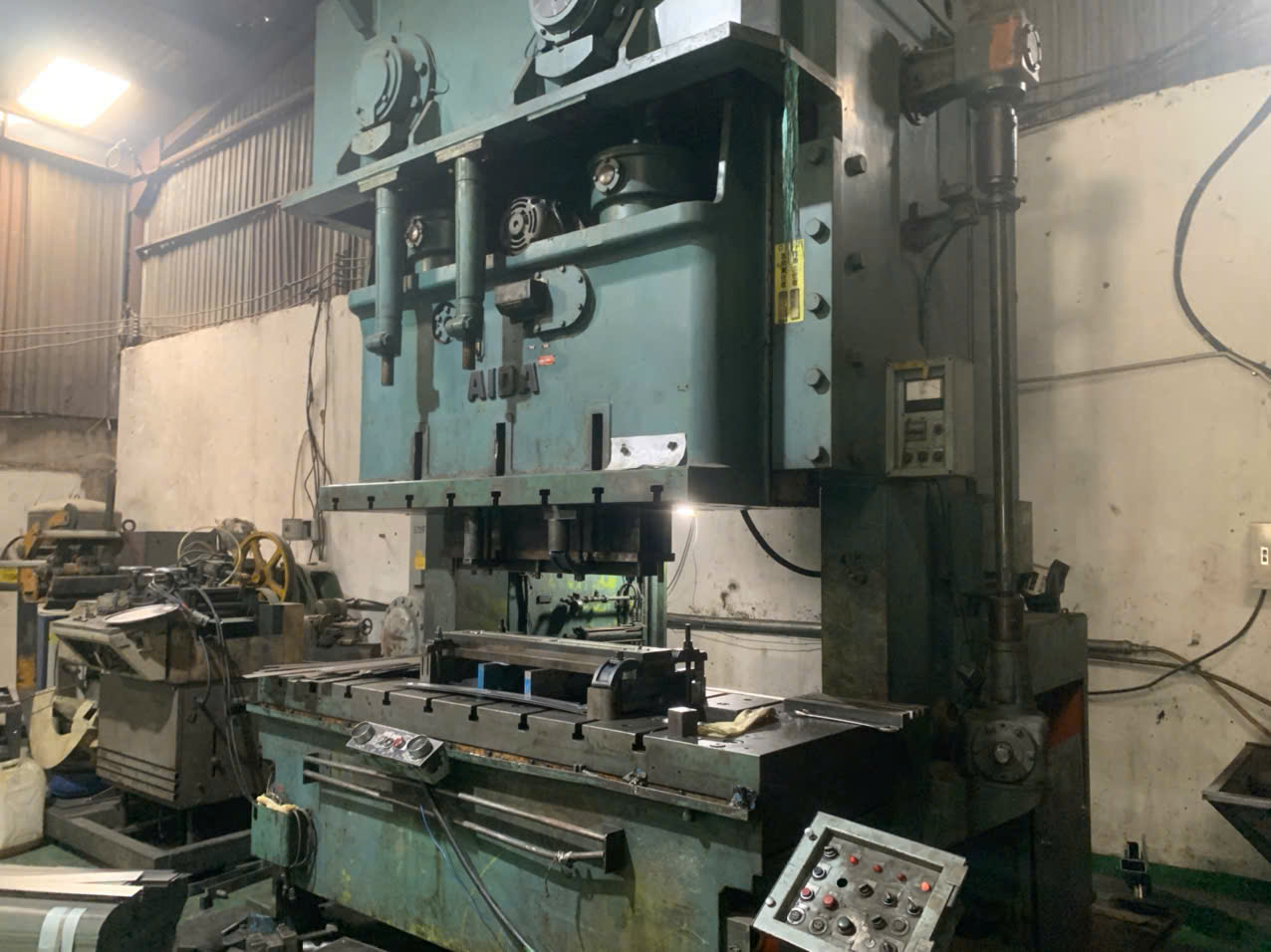
Strength-to-weight ratio — also called specific strength — is calculated by dividing a material's yield strength by its density. This metric matters most in applications where every gram counts: automotive panels, aerospace brackets, portable electronics enclosures, and drone components.
The Numbers
Let me lay out the specific strength values so you can compare directly.
- AL5052-H32: Yield strength ~193–255 MPa ÷ Density 2.68 g/cm³ = Specific yield strength ~72–95 kN·m/kg
- SUS304: Yield strength ~215 MPa ÷ Density 8.0 g/cm³ = Specific yield strength ~27 kN·m/kg
- SPCC: Yield strength ~140–180 MPa (estimated) ÷ Density 7.85 g/cm³ = Specific yield strength ~18–23 kN·m/kg
AL5052 wins by a wide margin. It delivers roughly three to four times the specific strength of SPCC and about three times that of SUS304.
When Absolute Strength Wins
Specific strength does not tell the whole story. If your part must resist a high static load in a confined space where size cannot increase, SUS304's absolute tensile strength of ~505 MPa gives it a clear advantage. You cannot always make an aluminum part thicker to compensate — sometimes the packaging envelope is fixed.
In structural applications where stiffness matters, Young's modulus 9 also plays a role. SUS304 has a modulus of 193 GPa. AL5052 sits at just 70.3 GPa. That means an aluminum bracket deflects nearly three times more than a stainless steel bracket of the same dimensions under the same load. Our team often increases the gauge or adds ribs to aluminum parts to offset this lower stiffness.
Practical Weight Savings
Consider a bracket that weighs 100 grams in SPCC. The same geometry in SUS304 weighs about 102 grams. In AL5052, that bracket drops to roughly 34 grams. Multiply that saving across hundreds of brackets in an assembly, and you see meaningful reductions in shipping cost, vehicle fuel consumption, or product handling fatigue.
Thermal and Electrical Bonuses
AL5052 also brings superior thermal conductivity. This helps dissipate heat during high-speed progressive stamping, reducing thermal expansion errors in the workpiece. For end-use applications like heat sinks or LED housings, aluminum's thermal performance is a functional requirement, not just a bonus.
On the electrical side, aluminum outperforms stainless steel in conductivity. Both AL5052 and SUS304 are non-magnetic, which matters in electronics applications where magnetic interference is a concern.
Conclusion
Selecting the right stamping material means balancing strength, weight, corrosion resistance, and total cost against your part's real-world demands. To learn more about how material selection impacts durability in sheet metal fabrication, or to understand the applications for cold-rolled vs hot-rolled steel in your projects, explore our detailed guides. Let our team at DEWIN help you evaluate these trade-offs and get it right the first time.
Frequently Asked Questions
How Do I Choose Between SPCC, SUS304, and AL5052 for My Stamping Project?
A buyer we work with in the Midwest once ordered brackets in SUS304, only to realize the parts were three times heavier than his assembly could handle. He switched to AL5052 on the next run and saved weeks of redesign.
What Corrosion Resistance Differences Should I Expect Between These Materials?
During a supplier audit at a coastal factory in Vietnam, I watched uncoated SPCC brackets develop visible rust spots within 48 hours of stamping. That experience reinforced why corrosion resistance is never an afterthought in material selection.
How Do Material Costs Compare When Sourcing SPCC, SUS304, or AL5052 Parts?
A trade-off I weigh on nearly every quote involves raw material price versus total project cost. The cheapest sheet on the market does not always produce the cheapest finished part — tooling wear, scrap rates, and post-processing all factor in.
Footnotes
1. Defines the key mechanical property compared across materials in the article. ↩︎
2. Background concept explaining why SUS304 requires heavier press tonnage. ↩︎
3. Direct NIST publication landing page providing authoritative data on material thermal properties. ↩︎
4. Corrosion terminology relevant to stainless steel behavior in chloride environments. ↩︎
5. Explains the protective mechanism behind AL5052’s natural corrosion resistance. ↩︎
6. Authoritative and stable reference for the electrochemical process of dissimilar metal corrosion. ↩︎
7. EPA resource on sustainability metrics referenced for scrap and recycling comparisons. ↩︎
8. Official government data source for aluminum recycling statistics and material management. ↩︎
9. Defines the stiffness property used to compare AL5052 and SUS304 deflection. ↩︎