
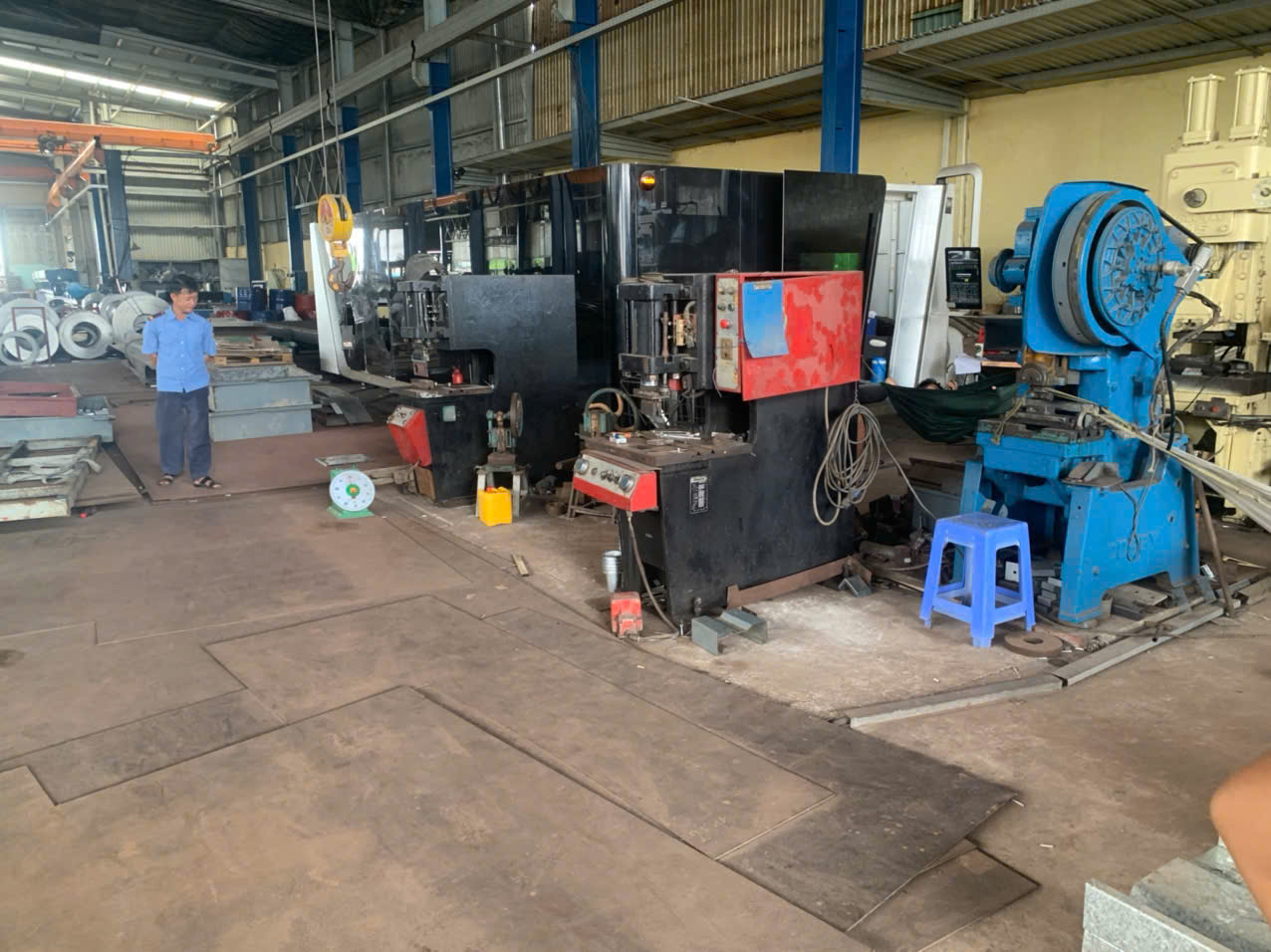
A single rejected shipment of stamped parts taught our team a painful lesson about U.S. product safety standards that no catalog ever explained clearly enough.
U.S. product safety standards for stamped parts depend on the end-use application. Key standards include ASME codes for pressure components, CPSIA requirements for consumer products, ASTM international standards for material integrity, IATF 16949 for automotive, and AS9100 for aerospace—each requiring specific testing, documentation, and permanent marking to ensure compliance.
The term “stamped parts” creates confusion because it means different things in different industries. In one context, “stamp” refers to a certification mark like an ASME pressure vessel code stamp 1. In another, it describes the manufacturing process—metal stamping—that produces brackets, clips, and structural components. And in yet another, it refers to the tracking stamps required by the CPSIA on consumer goods. This article breaks down which standards apply, how to verify compliance, and what documentation you need to protect your business from costly recalls or border rejections.
How do I know which safety standards apply to my stamped parts?
Last year, a U.S. client asked our team to source stamped mounting brackets for a children's furniture line. They assumed only dimensional tolerances mattered. They were wrong—and the discovery process saved them from a potential CPSC recall.
The safety standards that apply to your stamped parts depend entirely on the product's end-use application. Pressure vessel components require ASME certification stamps. Children's product parts must meet CPSIA and ASTM F963. Automotive parts demand IATF 16949 compliance. Aerospace components need AS9100 certification. Always trace the standard back to the finished product's regulatory category.
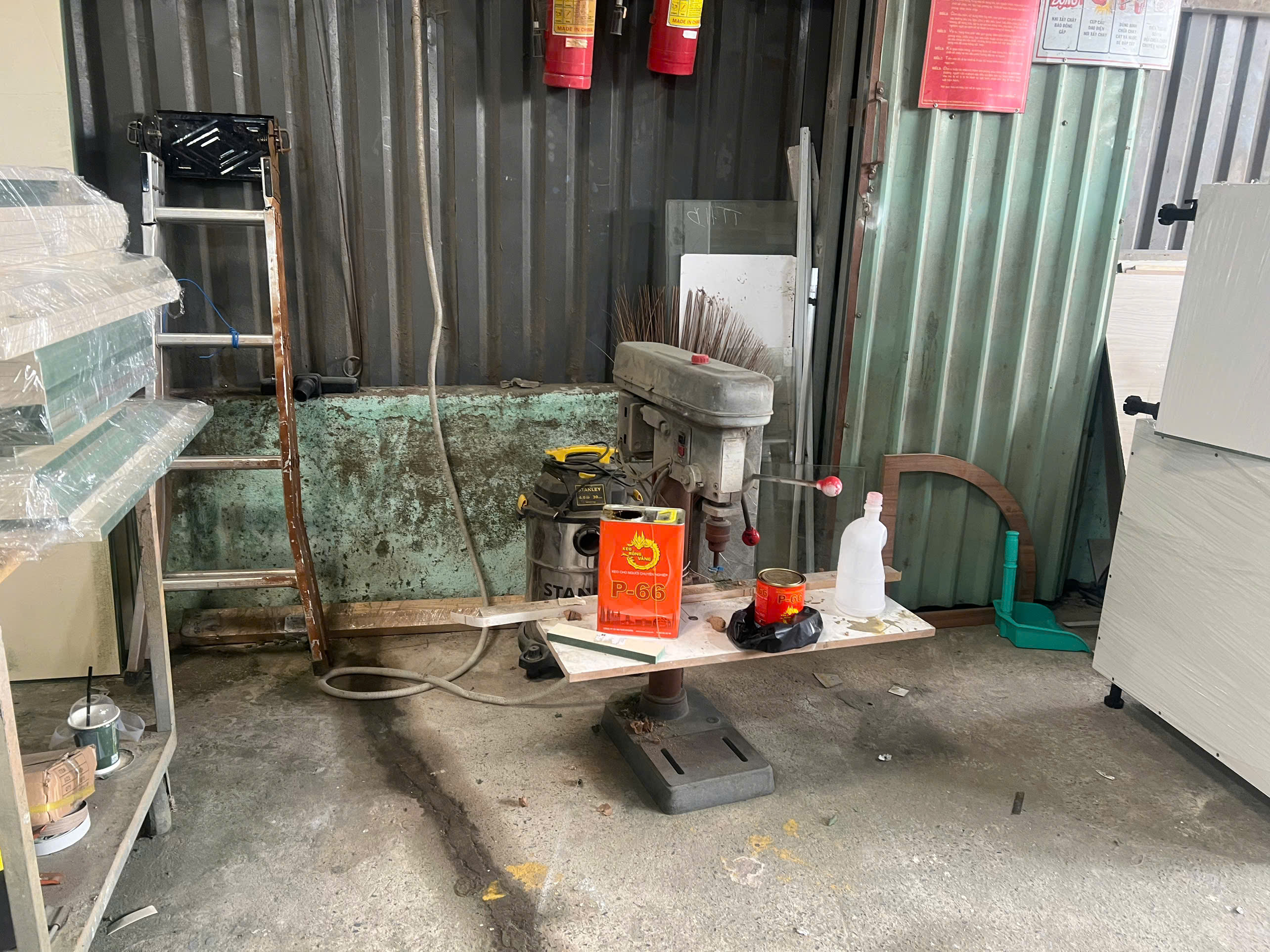
The first step is to identify where your stamped part ends up. A stamped steel bracket used inside a boiler has completely different requirements than the same bracket used in a consumer shelf unit. The regulatory path splits early, and choosing the wrong one wastes time and money.
The Decision Tree: Industrial vs. Consumer vs. Specialty
Start with three questions:
- Is the part used in a pressure vessel, boiler, or piping system?
- Is the part a component of a consumer product, especially one intended for children?
- Is the part destined for a regulated industry like automotive, aerospace, or defense?
Your answers determine which regulatory framework governs your purchase.
| End-Use Application | Primary Standard | Key Requirement |
|---|---|---|
| Pressure vessels / boilers | ASME BPVC (S, U, M, PP stamps) | Hydrostatic/pneumatic testing, MAWP and MDMT designators |
| Children's products | CPSIA + ASTM F963 | Third-party testing, permanent tracking marks, lead limits |
| Automotive components | IATF 16949 | PPAP validation, zero-defect culture, risk management |
| Aerospace components | AS9100 + AS5553 | Counterfeit part mitigation, full traceability, UL certification where applicable |
| General consumer products | CPSA + applicable 16 CFR | General Conformity Certificate (GCC), choking hazard labels |
| Jewelry-related stamped parts | National Gold and Silver Stamping Act (16 CFR Part 23) | Accurate material composition marking |
| Defense / military | DFARS compliance | Domestic sourcing rules, material origin verification |
Don't Confuse the "Stamp" Types
An ASME stamp is a legal certification mark. It proves a pressure component survived testing and meets engineering codes. A CPSIA tracking stamp 2 is a permanent marking on a consumer product showing the manufacturer name, production date, and batch number. These are not interchangeable. Demanding an ASME stamp for a non-pressure consumer bracket is unnecessary and expensive. Failing to apply CPSIA tracking stamps on a children's product component is illegal.
Material Standards Are Universal
Regardless of end-use, the raw material must meet ASTM international standards. For ferrous metals, this typically means ASTM A-series specifications 3. For non-ferrous metals, ASTM B-series applies. Material Test Reports (MTRs) document the chemical composition and mechanical properties of the metal used. Without MTRs, you cannot prove the stamped part meets any downstream safety standard.
RoHS compliance 4 also crosses industry lines. If your stamped part contains restricted substances like lead or hexavalent chromium, it fails both EU and increasingly U.S. market requirements. Our sourcing team in Vietnam always verifies RoHS status during supplier audits because catching a restricted substance at the factory is far cheaper than catching it at U.S. Customs.
Can I trust my supplier to meet U.S. compliance requirements consistently?
When we onboarded a new stamping supplier in Vietnam two years ago, their sample parts looked perfect. The dimensional tolerances were tight. The surface finish was clean. But when we audited their quality management system, they had no documented process for tracking material lots or maintaining ISO 9001 certification records. Trust must be verified.
You should never trust a supplier on reputation alone. Verify compliance through supplier audits, ISO 9001 certification review, Production Part Approval Process (PPAP) documentation, and ongoing inspection protocols. Consistent compliance requires a documented quality system, not just good intentions or a single passing test result.

The CPSC's Component Part Testing Rule 5 allows finished-product manufacturers to rely on supplier test results for component parts—including stamped parts. But there is a catch. The supplier must provide copies of test results and a written reasonable testing program. If the supplier cannot produce these documents, you cannot legally rely on their testing.
What a "Reasonable Testing Program" Looks Like
The CPSC defines a reasonable testing program as a documented system that ensures ongoing compliance. It is not a one-time test. It includes:
- Periodic testing of production samples
- Written procedures for handling material changes
- Records of test results tied to specific production batches
- A corrective action process for failed tests
Our team manages this by building these requirements directly into purchase orders. We specify the testing frequency, the standards to be met, and the documentation format. This is not optional—it is a contractual obligation.
The PPAP Framework
For automotive stamped parts, the Production Part Approval Process 6 is the gold standard. PPAP validates that a supplier's manufacturing process can consistently produce parts within safety-critical dimensional tolerances. It includes:
| PPAP Element | Purpose |
|---|---|
| Design Records | Confirm the part matches the approved drawing |
| Material Test Reports | Verify raw material composition and properties |
| Dimensional Results | Prove all critical dimensions are within spec |
| Process Flow Diagram | Document the manufacturing sequence |
| Control Plan | Define in-process inspection points and frequencies |
| Initial Sample Inspection Report | Certify first-article parts meet all requirements |
Without a completed PPAP, you are guessing that the supplier can deliver compliant parts. In our experience, suppliers who resist PPAP documentation often lack the internal controls to maintain consistency.
The Shift Toward Stricter Component Testing
The CPSC has proposed new rules that would require stricter conditions for testing component parts. The burden of proof is shifting toward suppliers. This means buyers must demand more documentation upfront. If your stamped part undergoes a material change—a different alloy, a new surface treatment, a modified heat treatment—the supplier may need to issue a new General Conformity Certificate based on updated test results.
We track every material change through our project management system. When a supplier in our network proposes a substitute material, our engineers review the change against the applicable ANSI safety requirements and ASTM specifications before approving it. This process prevents surprises at the U.S. border.
What documentation should I request to verify safety standard compliance?
One trade-off we constantly weigh is how much documentation to demand without slowing down the supply chain. Too little, and you risk non-compliance. Too much, and you create bottlenecks. Over the years, we have landed on a core documentation package that covers the essentials without paralyzing procurement.
Request Material Test Reports, certificates of conformance, third-party test results, PPAP packages for automotive parts, General Conformity Certificates for consumer products, and ASME data reports for pressure components. Every document must reference the specific production lot, standard revision, and test date to be valid.
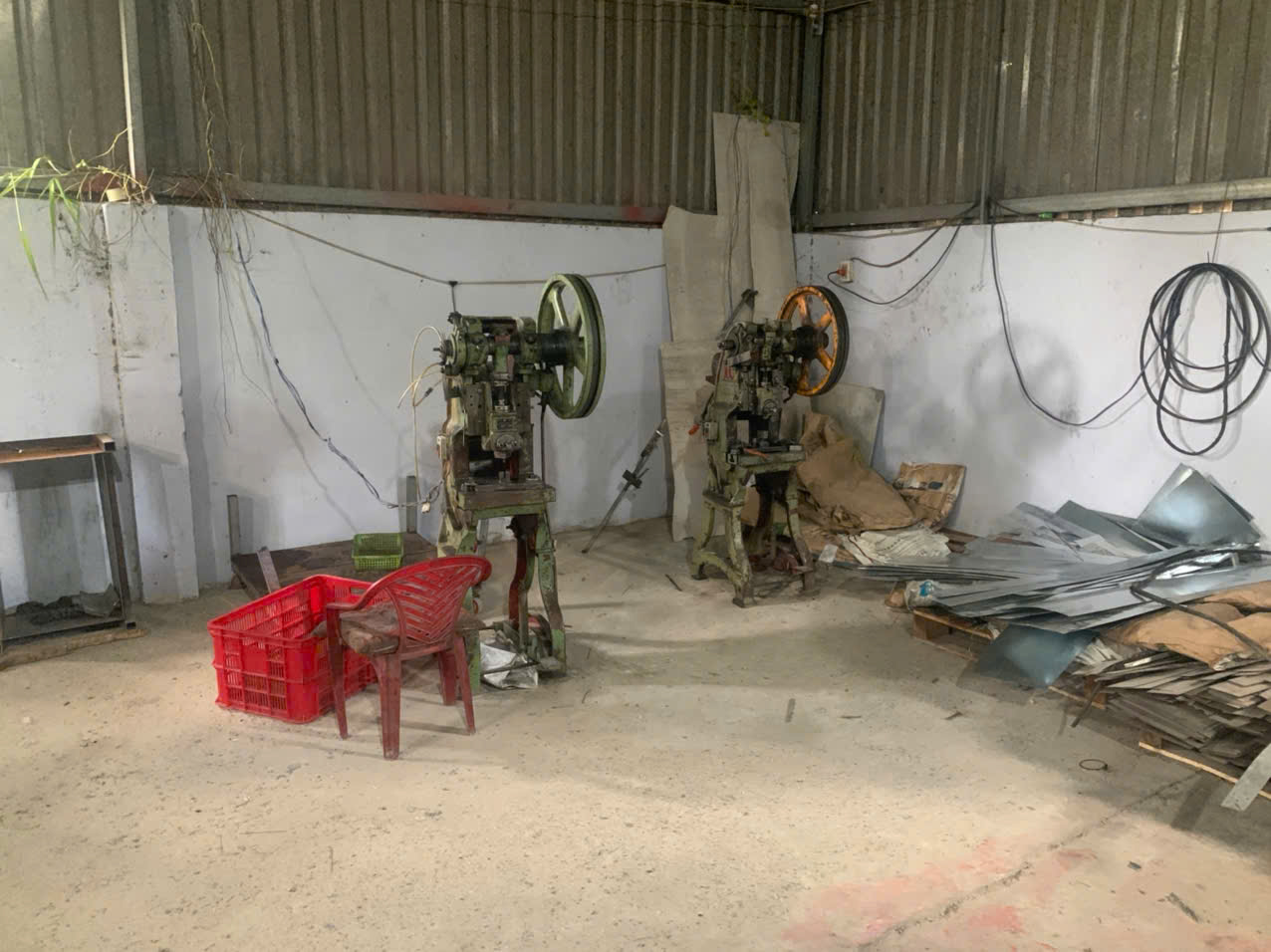
Documentation is your liability shield. If a stamped part fails in the field and causes injury, the first question regulators ask is: "What documentation did you have proving this part was compliant?" If the answer is "none," you own the liability.
The Core Documentation Checklist
Here is the minimum documentation package we require from every stamping supplier, organized by application:
| Document | Consumer Products | Automotive | Aerospace | Pressure Vessels |
|---|---|---|---|---|
| Material Test Report (MTR) | ✔ | ✔ | ✔ | ✔ |
| Certificate of Conformance (CoC) | ✔ | ✔ | ✔ | ✔ |
| Third-Party Test Report | ✔ (CPSIA) | Varies | ✔ | ✔ |
| PPAP Package | — | ✔ | — | — |
| General Conformity Certificate (GCC) | ✔ | — | — | — |
| ASME Data Report | — | — | — | ✔ |
| RoHS/REACH Declaration | ✔ | ✔ | ✔ | — |
| Dimensional Inspection Report | ✔ | ✔ | ✔ | ✔ |
| DFARS Compliance Certificate | — | Varies | ✔ | — |
Material Test Reports: The Foundation
An MTR traces the raw material back to the mill. It documents the heat number, chemical composition, and mechanical test results. For stamped parts, this is critical because a bracket that looks identical can behave completely differently if the steel grade is wrong. We have seen cases where a supplier substituted a cheaper alloy without informing the buyer. The parts passed visual inspection but failed under load. The MTR would have caught this immediately.
Labeling and Permanent Marking
For consumer products, especially children's products, the CPSIA requires permanent marking on the product or its packaging. This includes the manufacturer or importer name, the production location, the date of manufacture, and the batch or run number. For stamped parts that become components in a larger product, these marks must be traceable through the supply chain.
In the aerospace sector, AS9100 and AS5553 7 add another layer. Every stamped component must have a verifiable pedigree to mitigate the risk of counterfeit parts entering the supply chain. Digital Product Passports are an emerging tool for this purpose—a QR code or NFC tag embedded in the part's documentation that tracks its lifecycle from raw material to installation.
"Made in USA" Claims
If your stamped part carries a "Made in USA 8" label, it must meet the FTC's strict "all or virtually all" standard. This means final assembly in the U.S. with minimal foreign content. Our clients sometimes ask us to stamp parts in Vietnam and label them as U.S.-made because the final assembly happens stateside. That does not automatically qualify. The FTC evaluates the proportion of total manufacturing costs that occur domestically. Getting this wrong can result in civil penalties and forced relabeling.
How do I avoid costly recalls or rejections due to non-compliant stamped parts?
A client once told me that a single recall cost their company more than three years of savings from choosing a cheaper supplier. That story stuck with me. It reshaped how our team approaches supplier qualification and incoming inspection for every stamped part project we manage.
Avoid recalls by building compliance into your purchasing process from the start. Specify applicable standards in purchase orders, require pre-shipment third-party testing, conduct regular supplier audits, and implement incoming inspection protocols. Prevention is always cheaper than correction—and far cheaper than a CPSC-mandated recall.

Recalls destroy more than budgets. They destroy trust with your customers, your reputation in the market, and your relationship with regulators. The CPSC maintains a public database of every recalled product. Once your company appears there, buyers and competitors notice.
Build Compliance Into the Purchase Order
The purchase order is your first line of defense. It must explicitly reference:
- The applicable safety standard (e.g., ASTM F963, ASME BPVC Section VIII, IATF 16949)
- The required documentation package (MTRs, CoCs, test reports)
- The acceptable dimensional tolerances and material specifications
- The labeling and marking requirements
- The consequences of non-compliance (rejection, rework at supplier cost, contract termination)
We include these clauses in every purchase order we issue on behalf of our U.S. clients. It is not bureaucracy—it is risk management.
Pre-Shipment Inspection: The Last Gate
Before any stamped parts leave the factory, a final inspection should verify conformance to the purchase order specifications. This includes dimensional checks, material verification (using handheld XRF analyzers when needed), surface finish inspection, and documentation review. Our inspection team in Vietnam performs these checks on-site at the supplier's facility. We catch problems before they reach a U.S. port.
AI-vision inspection systems are becoming more common in stamping factories. These deep-learning models can detect micro-fractures and surface defects that human inspectors might miss. However, new safety benchmarks are still being developed to validate the reliability of these algorithms. For now, we treat AI inspection as a supplement to—not a replacement for—trained human inspectors.
The Cost of Getting It Wrong
Consider the financial impact:
- A CPSC recall can cost $500,000 to several million dollars in direct expenses
- Customs rejections mean storage fees, re-export costs, and lost production time
- Non-compliant parts that reach the end user expose you to product liability lawsuits
- Repeated violations can trigger mandatory third-party testing at your expense
The cheapest path is always to get it right the first time. That is why our clients value our supplier audit process. We verify quality management systems, review historical test data, and evaluate the supplier's ability to maintain consistency over time. A supplier with ISO 9001 certification, proper PPAP documentation, and a proven track record of on-time, conforming deliveries is worth more than one who quotes 10% less but ships non-conforming parts. For a deeper look at the quality certifications required for Vietnamese stamping parts in the US market, we have a dedicated guide.
Closed-Loop Material Integrity
With growing ESG mandates 9, more buyers are requesting stamped parts made from recycled metals. New protocols are emerging to certify that closed-loop recycled scrap meets the same structural and chemical standards as virgin material. If your stamped part uses recycled content, ensure the supplier provides MTRs that confirm the recycled material meets the same ASTM specifications as the original design requirement. Cutting corners here creates a hidden safety risk that may not surface until the part is under load in the field.
Conclusion
U.S. product safety standards for stamped parts span multiple frameworks depending on end-use. Identify the right standard early, demand proper documentation, audit your suppliers, and build compliance into every purchase order to protect your business.
Frequently Asked Questions
How do I know which safety standards apply to my stamped parts?
Last year, a U.S. client asked our team to source stamped mounting brackets for a children's furniture line. They assumed only dimensional tolerances mattered. They were wrong—and the discovery process saved them from a potential CPSC recall.
Can I trust my supplier to meet U.S. compliance requirements consistently?
When we onboarded a new stamping supplier in Vietnam two years ago, their sample parts looked perfect. The dimensional tolerances were tight. The surface finish was clean. But when we audited their quality management system, they had no documented process for tracking material lots or maintaining ISO 9001 certification records. Trust must be verified.
What documentation should I request to verify safety standard compliance?
One trade-off we constantly weigh is how much documentation to demand without slowing down the supply chain. Too little, and you risk non-compliance. Too much, and you create bottlenecks. Over the years, we have landed on a core documentation package that covers the essentials without paralyzing procurement.
Footnotes
1. Explains the official ASME Boiler and Pressure Vessel Code certification referenced in the article. ↩︎
2. Official CPSC page detailing CPSIA tracking label requirements for consumer products. ↩︎
3. ASTM International is the authoritative source for A-series ferrous metal material standards. ↩︎
4. Official EU directive page explaining restricted substance rules referenced as RoHS compliance. ↩︎
5. Direct CPSC resource explaining the component testing rule discussed in the article. ↩︎
6. Background explanation of the PPAP framework used in automotive part validation. ↩︎
7. Provides background on aerospace quality standards referenced for counterfeit part mitigation. ↩︎
8. Authoritative FTC guide on complying with ‘Made in USA’ labeling standards. ↩︎
9. Background on ESG frameworks driving demand for recycled-content stamped parts. ↩︎