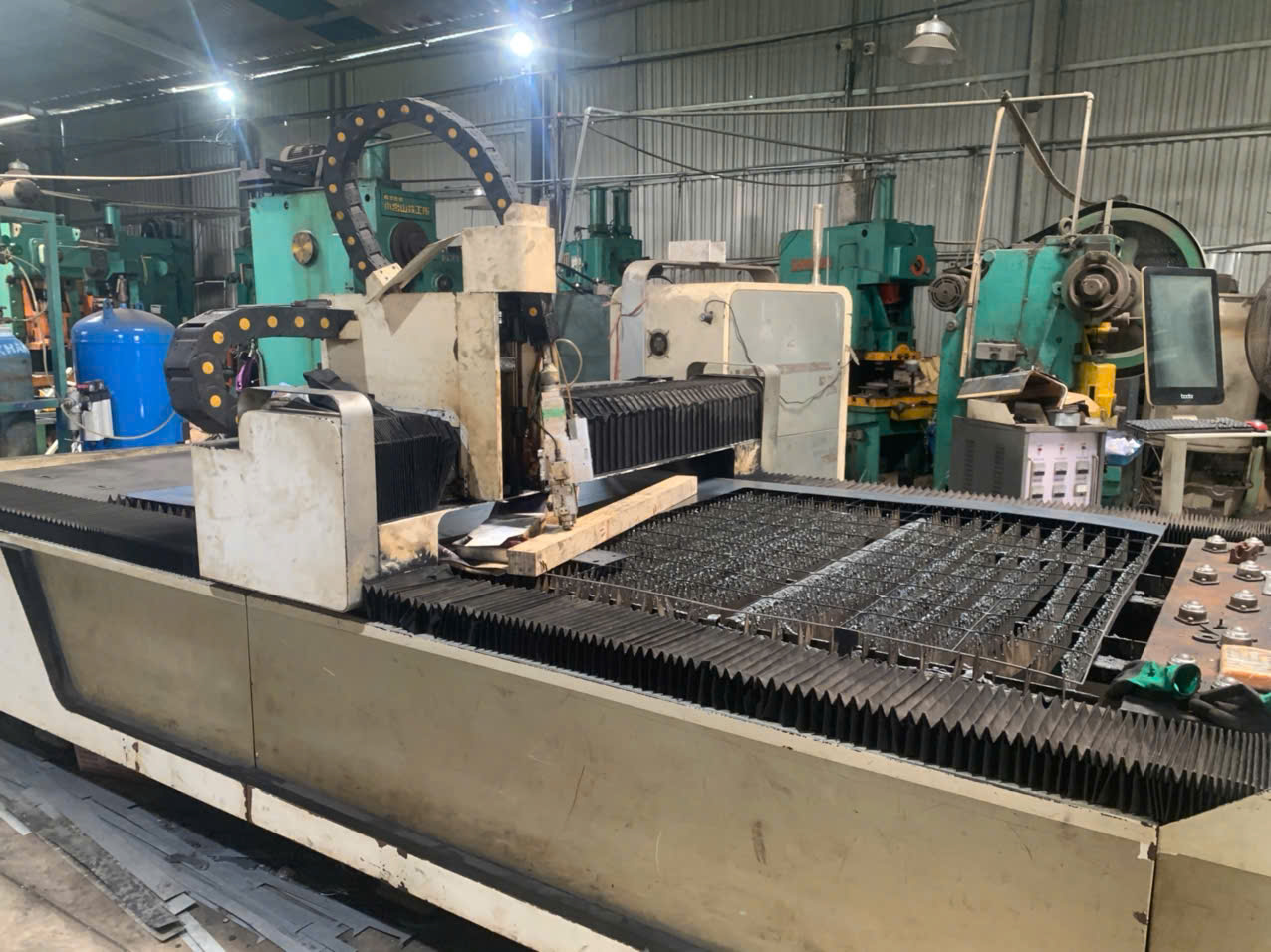
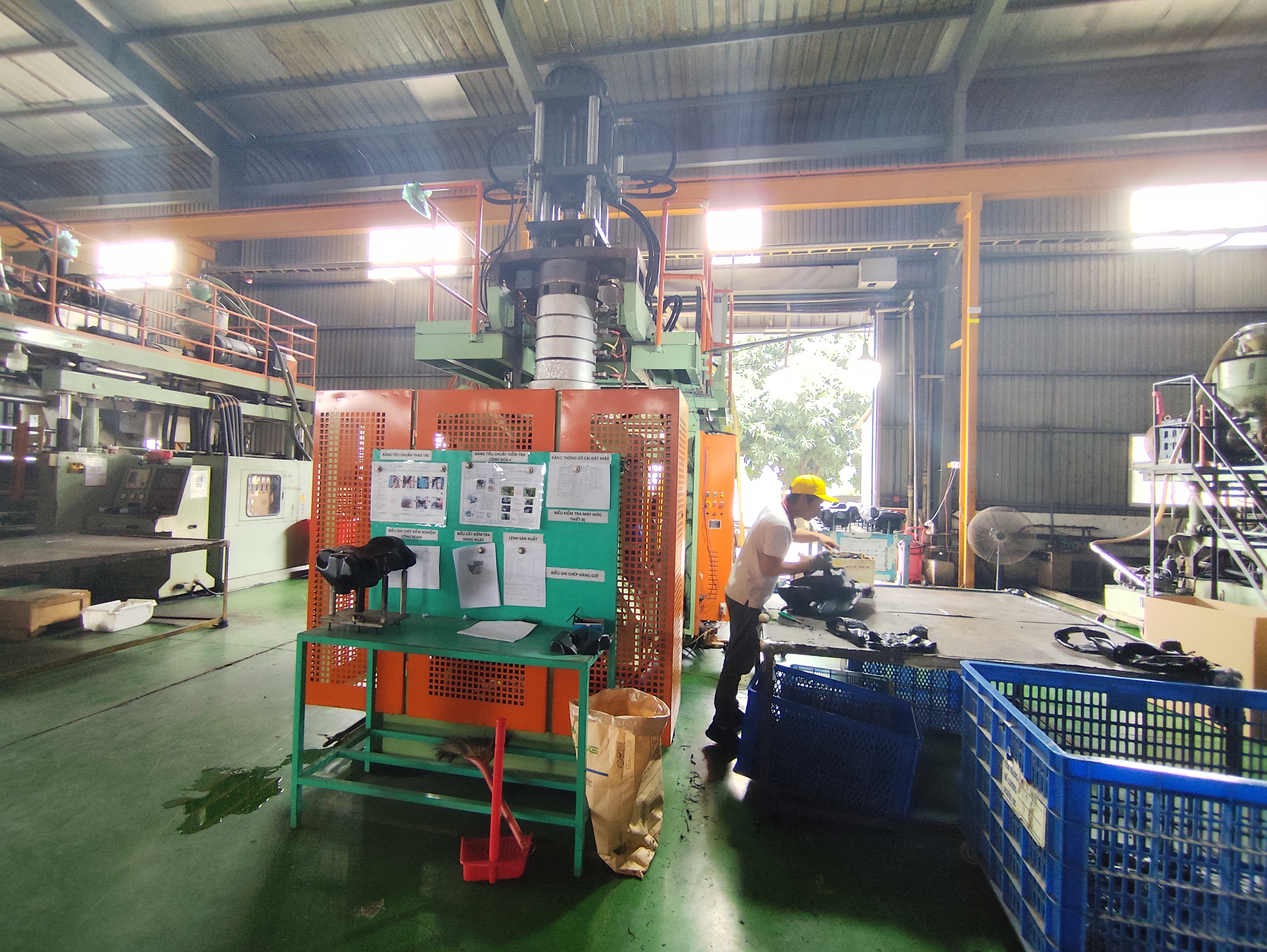
Every week, our project team reviews material selection decisions with U.S. buyers who need custom parts — and the galvanized vs cold-rolled steel debate comes up constantly.
Galvanized steel offers superior corrosion resistance with its zinc coating, making it ideal for outdoor applications, while cold-rolled steel delivers higher tensile strength, tighter dimensional accuracy, and smoother surface finish for precision indoor parts. Each material has distinct cost, fabrication, and durability trade-offs that directly impact your project outcome.
Choosing the wrong steel type can mean wasted budget, failed parts, or costly rework. This guide breaks down the real-world differences so you can make a confident decision for your next sheet metal fabrication 1 order.
How do the cost differences between galvanized and cold-rolled steel impact my overall project budget?
One lesson we learned early while helping clients source custom brackets and housings from Asia is that the cheapest material on paper rarely stays the cheapest once you factor in finishing, maintenance, and rejects.
Galvanized steel costs 10–25% more upfront than cold-rolled steel due to the zinc coating process, but it often reduces total project cost for outdoor or humid-environment parts by eliminating the need for secondary rust-protection treatments and lowering long-term maintenance expenses.
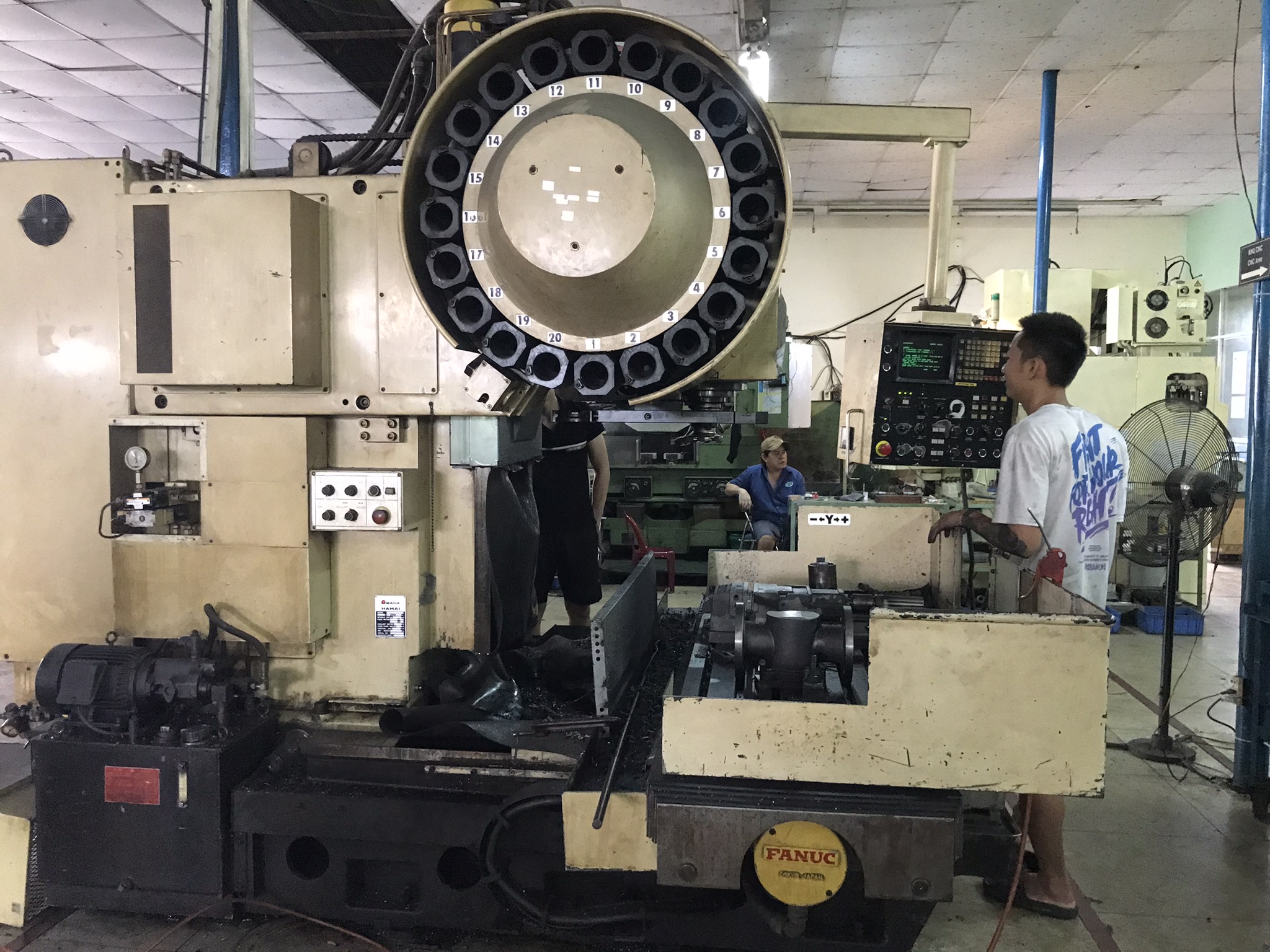
Upfront Material Cost
Cold-rolled steel is processed from hot-rolled steel at room temperature. This refines the surface and boosts strength, but the base material itself remains relatively affordable. Galvanized steel adds a zinc coating 2 step — either hot-dip or electro-galvanized — which adds direct cost.
Here is a straightforward comparison:
| Cost Factor | Cold-Rolled Steel | Galvanized Steel |
|---|---|---|
| Raw material price | Lower baseline | 10–25% higher |
| Surface coating needed? | Yes (paint, powder coat, plating) | No (zinc coating included) |
| Welding prep cost | Minimal | Higher (zinc removal required) |
| Maintenance over 10 years | Moderate to high | Low |
| Scrap/rework risk | Lower (easier to fabricate) | Moderate (coating damage risk) |
Hidden Costs That Shift the Equation
When our team runs cost-benefit analyses for clients, we always flag the secondary expenses. Cold-rolled steel almost always needs a post-fabrication surface treatment. Paint, powder coating 3, or plating adds labor, time, and material cost. For a run of 500 mounting plates, that extra finishing step can add 15–20% to the per-unit cost — narrowing or even erasing the gap with galvanized steel.
On the other hand, galvanized steel introduces welding complications. The zinc coating must be removed near weld zones to prevent toxic fumes and weak joints. This adds grinding time and ventilation requirements. For parts with many weld points, this labor cost adds up quickly.
When Does Each Material Win on Budget?
For short-term indoor projects — think appliance panels, electronics enclosures, or furniture frames — cold-rolled steel is almost always more cost-effective. The surface is already smooth. A simple powder coat gives you a finished product at lower total cost.
For outdoor structures, HVAC components, or anything exposed to moisture, galvanized steel's built-in corrosion resistance 4 pays for itself. We have seen clients switch from cold-rolled with paint to galvanized after repeated rust-related warranty claims ate into their margins. The upfront premium was far less than the cost of field failures.
A Real Budget Scenario
Consider a batch of 1,000 custom mounting brackets. If you choose cold-rolled steel, the material cost might be $2.50 per unit. Add powder coating at $0.60 per unit, and your total is $3.10. Galvanized steel might cost $3.00 per unit with no additional coating needed. The difference is negligible — but the galvanized bracket lasts longer in a humid warehouse without touch-up.
The right choice depends on where the part lives and how long it needs to last.
Which material should I choose if my custom parts need both corrosion resistance and high-quality surface finishing?
A U.S. buyer recently asked us to source decorative outdoor enclosures — parts that needed to look polished and survive coastal weather. That project forced us to weigh every trade-off between galvanized and cold-rolled steel head to head.
If your parts require both corrosion resistance and a high-quality surface finish, cold-rolled steel with a protective coating like powder coat or paint is typically the best choice, as it provides a smoother base for finishing while adding rust protection. Galvanized steel sacrifices surface aesthetics for built-in durability.
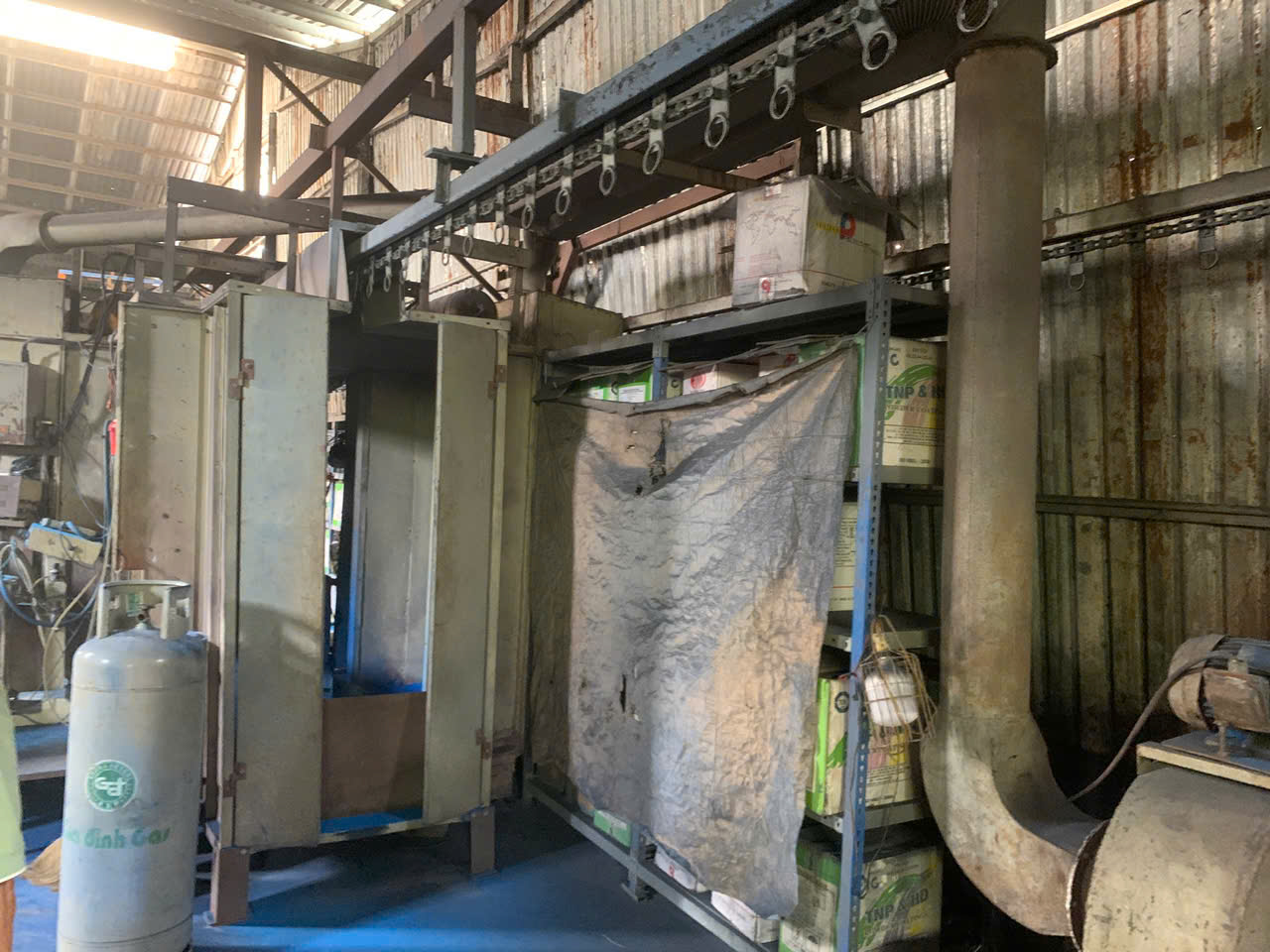
Surface Finish Comparison
Cold-rolled steel has a naturally smooth, clean surface. The room-temperature rolling process compresses the grain structure, producing tight dimensional accuracy and a glossy appearance. This makes it an excellent base for painting, powder coating, or plating.
Galvanized steel, by contrast, has a characteristic spangled or matte texture from the zinc coating. This texture is functional — it protects the steel — but it is not visually refined. Painting over galvanized steel is possible, but it requires careful surface preparation. Without proper adhesion primers, paint can peel.
| Property | Cold-Rolled Steel | Galvanized Steel |
|---|---|---|
| Surface smoothness | Excellent (glossy, uniform) | Moderate (matte, spangled) |
| Paint/powder coat adhesion | Excellent | Requires special primer |
| Bare aesthetic appeal | High | Low to moderate |
| Corrosion resistance (bare) | Poor | High |
| Corrosion resistance (coated) | High (with proper coating) | Very high |
The Hybrid Approach
In our experience exporting custom parts to the U.S. and Europe, we have seen a growing trend toward hybrid solutions. Galvannealed steel — a variation where the zinc coating is heat-treated to form a zinc-iron alloy — offers better paint adhesion than standard hot-dip 5 galvanized steel while retaining solid corrosion resistance. This is gaining traction in architectural and automotive applications where both aesthetics and durability matter.
Another option is to start with cold-rolled steel and apply a multi-layer finish: a zinc-rich primer for corrosion resistance, followed by a topcoat for color and gloss. This gives you full control over appearance while building in protection. The trade-off is added processing steps and cost.
When Aesthetics Take Priority
For visible components — consumer electronics housings, painted furniture, display fixtures — cold-rolled steel is the clear winner. The smooth surface finish takes paint evenly. There is no risk of the zinc texture showing through. Metal forming operations like bending and stamping produce crisp, clean edges.
When Durability Takes Priority
For parts that will be hidden or installed in harsh conditions — think HVAC ductwork, structural supports, or highway guardrails — galvanized steel's self-healing zinc coating is hard to beat. Even if the surface gets scratched during installation, the surrounding zinc corrodes sacrificially to protect the exposed steel. This cathodic protection mechanism 6 extends service life dramatically.
Environmental and Safety Considerations
One factor worth flagging: galvanized steel in certain electronic or controlled environments can develop zinc whiskers 7 — tiny crystalline structures that are electrically conductive. These can cause short circuits in sensitive equipment. For data center components or precision electronics enclosures, cold-rolled steel with a controlled coating is safer.
Also, when welding galvanized steel, zinc fumes are a real health hazard. Our supplier audit process always checks for proper ventilation and zinc removal protocols in the fabrication shop. This is non-negotiable for worker safety and weld quality.
How will the choice between these two steels affect the precision and manufacturing lead times of my order?
When we calibrate project timelines for our clients, material choice is one of the first variables we lock down — because it directly impacts every downstream fabrication step.
Cold-rolled steel enables tighter dimensional tolerances and faster fabrication due to its uniform thickness and smooth surface, typically shortening lead times. Galvanized steel adds processing complexity — zinc removal for welding, special tooling to protect the coating — which can extend manufacturing timelines by days or weeks depending on part complexity.
Precision and Tolerances
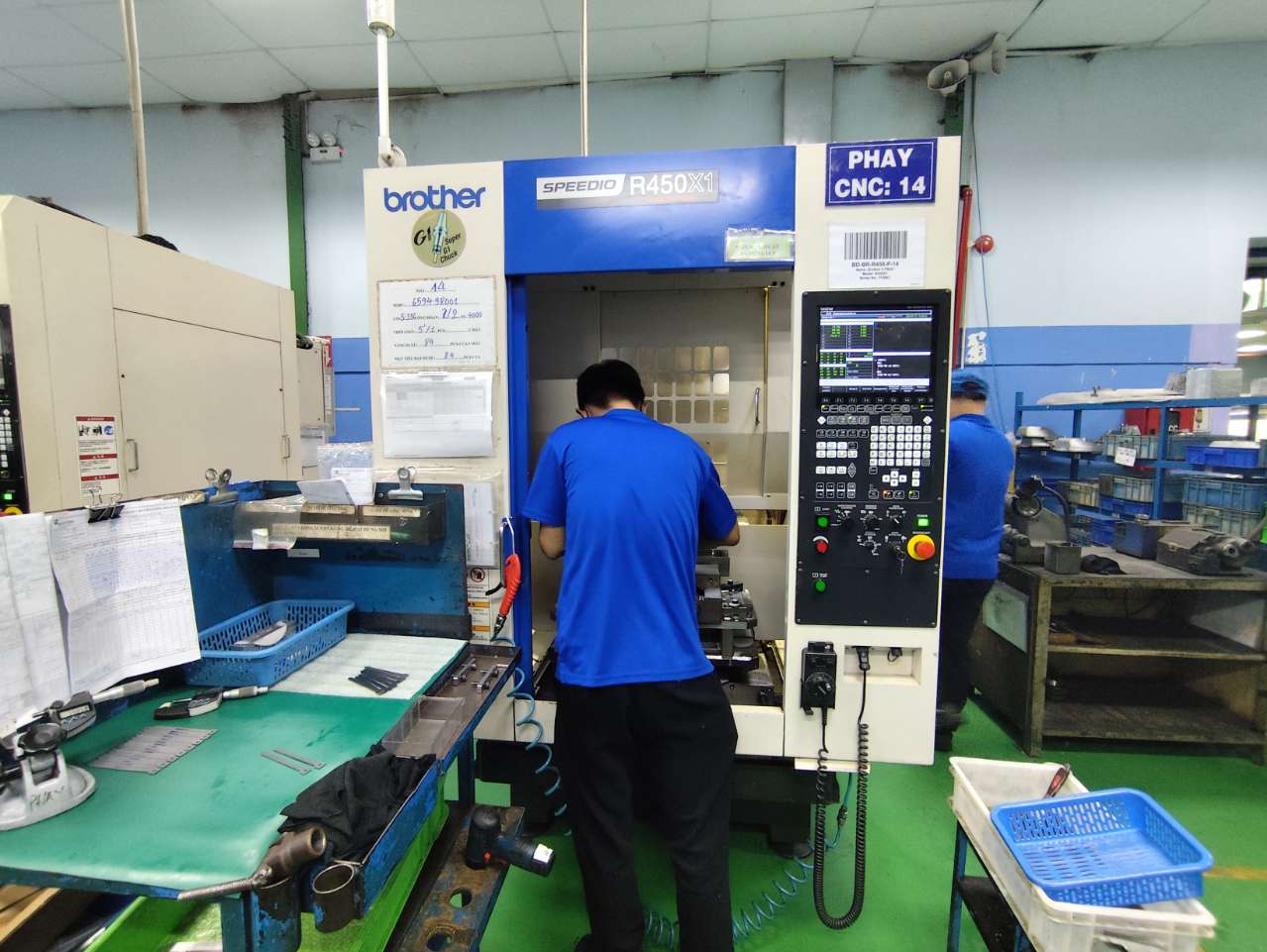
Cold-rolled steel is the gold standard for precision sheet metal work. The strain hardening process produces material with consistent thickness, flatness, and surface quality. This means CNC cutting, laser cutting, and press brake bending all produce predictable results with minimal variation.
Galvanized steel adds a zinc layer that varies slightly in thickness — typically 10 to 25 microns per side for standard hot-dip coatings. This variation may seem small, but for parts with tolerances of ±0.1 mm, it matters. The coating can also chip or flake during aggressive metal forming operations, which creates quality issues and potential rework.
How Material Choice Affects Each Fabrication Step
| Fabrication Step | Cold-Rolled Steel | Galvanized Steel |
|---|---|---|
| Laser/CNC cutting | Clean, precise cuts | Zinc can cause fume buildup on optics; requires adjustment |
| Bending/forming | Excellent formability | Good, but coating may crack on tight bends |
| Welding | Easy, standard processes | Requires zinc removal; adds prep time |
| Surface finishing | Direct paint/powder coat | Needs primer or surface prep for paint adhesion |
| Inspection | Straightforward dimensional checks | Must also verify coating integrity |
Lead Time Impact
From our project management experience, here is how the two materials typically compare on lead time for a standard custom bracket order:
- Material procurement: Galvanized steel may have longer lead times from mills, especially for specific coating weights or non-standard gauges. Cold-rolled is widely stocked.
- Cutting and forming: Roughly equal, though galvanized adds a few hours per batch for machine adjustments.
- Welding: This is the biggest difference. For a part with 6–8 weld points, zinc removal and post-weld cleanup can add a full day per batch.
- Finishing: Cold-rolled goes straight to powder coat. Galvanized may need degreasing and priming first, adding half a day.
- Quality inspection: Galvanized parts need coating thickness checks in addition to standard dimensional inspection.
For a typical order of 200–500 precision brackets, switching from cold-rolled to galvanized can add 3–5 business days to the production schedule. That gap widens with higher weld counts or tighter finish requirements.
Strength and Formability Trade-offs
Cold-rolled steel is up to 20% stronger than hot-rolled steel due to strain hardening. This higher tensile strength 8 is great for structural parts but comes with a trade-off: increased hardness makes the material more brittle. Severe bends or deep draws can cause cracking if not properly accounted for in tool design.
Galvanized steel retains the base metal's formability but adds rigidity from the zinc layer. The coating also adds slight weight. For lightweight precision applications — think electronics chassis or thin-wall enclosures — cold-rolled is preferred.
A Note on Hydrogen Embrittlement
For high-strength galvanized parts, the hot-dip galvanizing process can introduce hydrogen into the steel. This can lead to hydrogen embrittlement 9 — a condition where the material becomes brittle and prone to cracking under load. This is a critical concern for safety-critical parts like automotive structural components. Our quality control process includes checking for embrittlement risk when high-strength galvanized steel is specified.
Can my overseas supplier ensure strict quality control and material certification for both galvanized and cold-rolled options?
A conversation with a buyer in the Midwest last year crystallized why this question matters so much. He had received a shipment of galvanized brackets from a previous supplier with no mill certificates, inconsistent zinc thickness, and weld defects — a total loss.
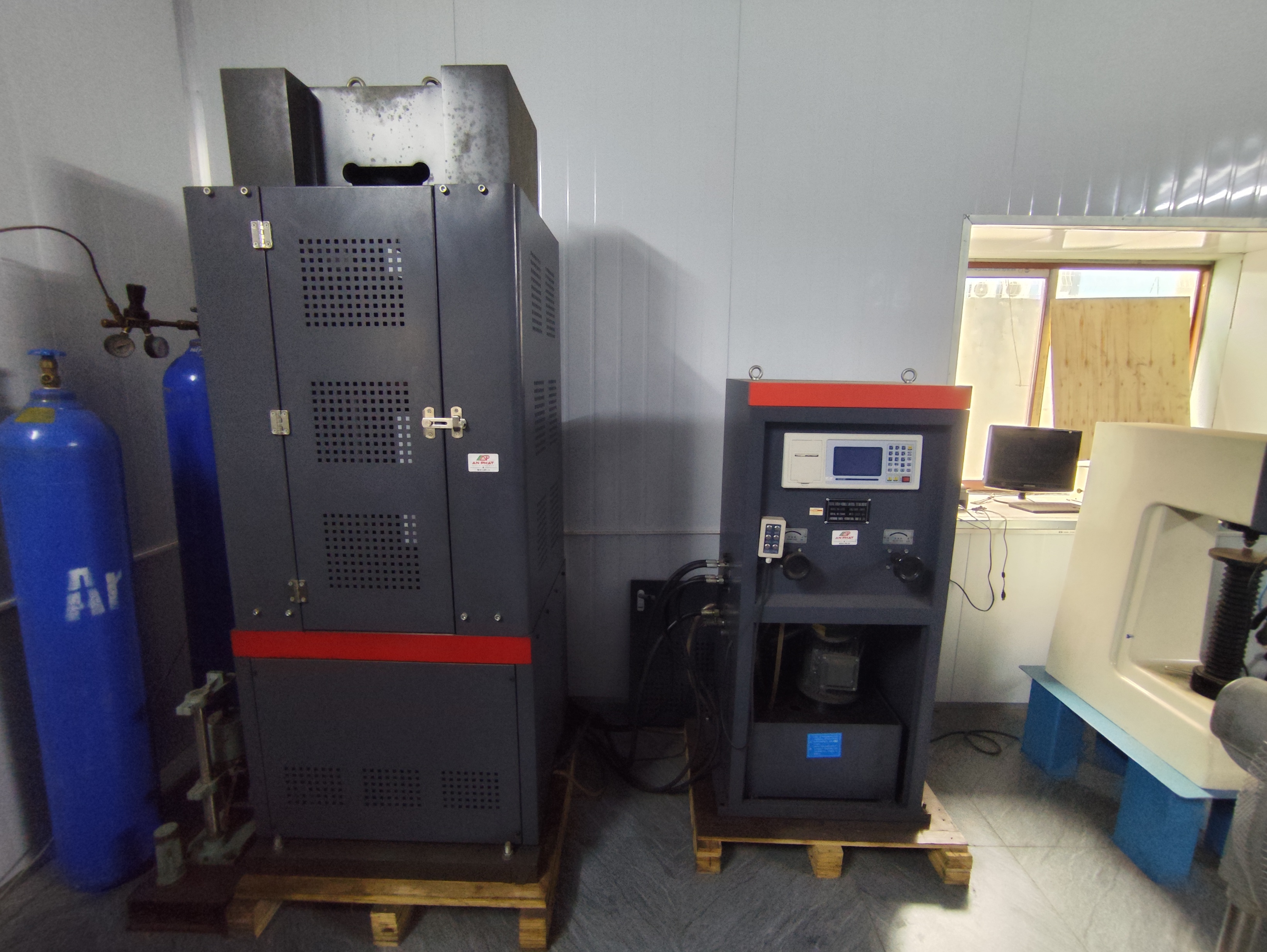
Yes, a capable overseas supplier can ensure strict quality control and proper material certification for both galvanized and cold-rolled steel, but only if they have documented QC processes, incoming material inspection, in-process checks, and final inspection protocols — verified through regular supplier audits and PPAP documentation.
What Certifications and Documents to Expect
When we manage contract manufacturing for U.S. clients, we require a specific set of documentation for every steel material used. Here is what you should expect from a professional supplier:
- Mill Test Certificate (MTC): Confirms the steel's chemical composition, mechanical properties, and compliance with standards like ASTM A1008 (cold-rolled) or ASTM A653 (galvanized).
- Coating weight report: For galvanized steel, this documents the zinc coating thickness per side, usually measured in g/m² or oz/ft².
- First Article Inspection Report (FAIR): Verifies the first production parts meet all drawing dimensions and tolerances.
- PPAP (Production Part Approval Process): A structured package that includes material certs, dimensional reports, process flow diagrams, and control plans. Our team prepares this for clients who require it.
Key QC Checkpoints for Each Material
The quality control focus areas differ between the two materials. Here is how we structure inspections:
| QC Checkpoint | Cold-Rolled Steel Focus | Galvanized Steel Focus |
|---|---|---|
| Incoming material inspection | Thickness, surface defects, hardness | Thickness, zinc coating weight, surface uniformity |
| In-process (cutting) | Dimensional accuracy, burr height | Dimensional accuracy, coating damage at cut edges |
| In-process (bending) | Bend angle, springback | Bend angle, coating cracking |
| In-process (welding) | Weld penetration, porosity | Zinc removal verification, weld integrity |
| Final inspection | Dimensions, surface finish, coating adhesion | Dimensions, coating thickness, cathodic protection integrity |
| Packing and shipping | Rust-preventive oil or VCI packaging | Standard packaging (zinc provides protection) |
Supplier Audit Red Flags
Through our on-the-ground teams in Vietnam and China, we conduct regular supplier audits. Here are red flags we watch for:
- No incoming material inspection: If the supplier does not check mill certificates or test incoming steel, you have no traceability.
- No coating thickness gauge: For galvanized steel, a magnetic or eddy-current thickness gauge is essential. Without it, coating consistency is a guess.
- Welding without zinc removal: If the shop welds galvanized steel without grinding away the zinc first, expect porous welds, toxic fumes, and weak joints.
- No environmental controls: Cold-rolled steel rusts quickly in humid conditions. If the shop floor has no climate control or rust-preventive storage, surface quality will degrade before the parts even ship.
How to Protect Yourself as a Buyer
The most effective way to ensure quality from an overseas supplier is to insist on a structured quality process before production starts. This means approving a control plan, reviewing the FAIR, and requiring photographic evidence at key checkpoints. Payment terms like 60–90 day open account also give you leverage — you pay after verifying the goods, not before. Our team provides this structure as a standard part of our service, because getting it right the first time saves everyone time and money.
Durability of your end product starts with the raw material. Whether you choose galvanized or cold-rolled steel, the supplier's ability to verify, document, and control material quality is what separates a successful project from a costly failure. Understanding how material selection impacts durability will further help you make the right decision for your specific application.
Conclusion
Galvanized vs cold-rolled steel in sheet metal fabrication is not a one-size-fits-all decision. Match the material to your environment, precision needs, budget, and supplier capabilities — and you will get it right the first time.
Frequently Asked Questions
When Does Each Material Win on Budget?
For short-term indoor projects — think appliance panels, electronics enclosures, or furniture frames — cold-rolled steel is almost always more cost-effective. The surface is already smooth. A simple powder coat gives you a finished product at lower total cost.
How do the cost differences between galvanized and cold-rolled steel impact my overall project budget?
One lesson we learned early while helping clients source custom brackets and housings from Asia is that the cheapest material on paper rarely stays the cheapest once you factor in finishing, maintenance, and rejects.
Which material should I choose if my custom parts need both corrosion resistance and high-quality surface finishing?
A U.S. buyer recently asked us to source decorative outdoor enclosures — parts that needed to look polished and survive coastal weather. That project forced us to weigh every trade-off between galvanized and cold-rolled steel head to head.
Footnotes
1. Explains the process of transforming flat metal sheets into products. ↩︎
2. Replaced HTTP 404 link with an article directly addressing zinc coatings for steel corrosion protection. ↩︎
3. Describes a common surface finishing technique for metal objects. ↩︎
4. Replaced HTTP 404 link with a comprehensive explanation of corrosion resistance. ↩︎
5. Describes a common method for applying a zinc coating to steel. ↩︎
6. Explains how zinc sacrificially protects steel from corrosion. ↩︎
7. Describes tiny conductive filaments that can grow from zinc-plated surfaces. ↩︎
8. Explains a key mechanical property of steel, its resistance to pulling force. ↩︎
9. Explains a condition where steel becomes brittle due to absorbed hydrogen. ↩︎
10. Verifies the chemical composition and mechanical properties of steel materials. ↩︎