
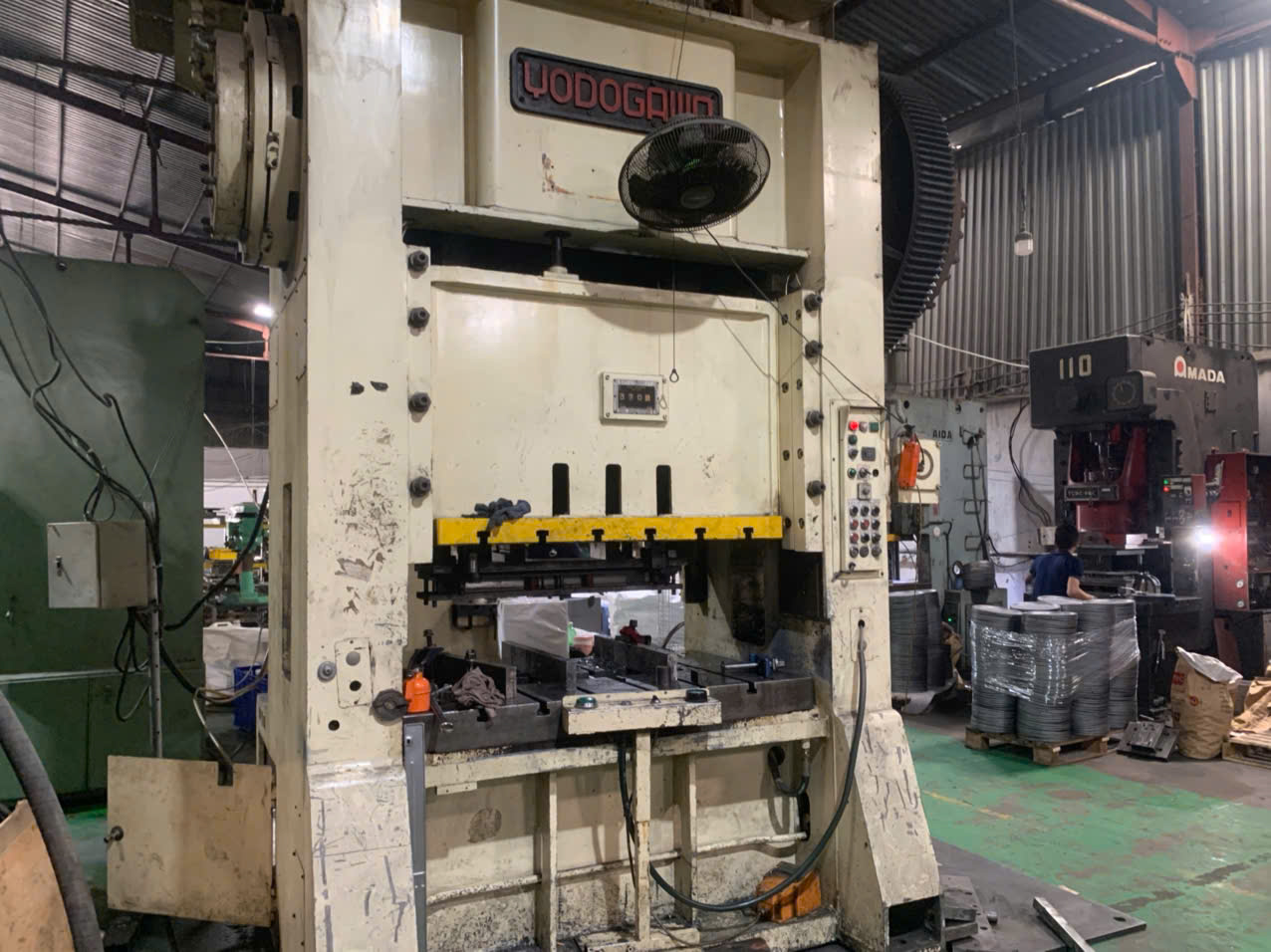
When we first started helping US buyers source stamping parts from Vietnam, the number one question was always about certifications and how to verify them.
Vietnamese stamping parts entering the US market require ISO 9001 certification as a baseline, IATF 16949 for automotive components, AS9100 for aerospace, ISO 13485 for medical devices, and RoHS compliance for electronics — plus documented traceability and PPAP records to satisfy US OEM engineering requirements.
Certifications alone do not guarantee quality. US buyers need to understand which certifications matter for their specific industry, how to verify them, and what additional documentation Vietnamese suppliers must provide AS9100 for aerospace 1. This guide breaks it all down section by section.
Which ISO certifications should I prioritize when evaluating a Vietnamese metal stamping supplier?
A lesson we learned early in our Vietnam sourcing operations: not every ISO certificate hanging on a factory wall carries equal weight for your specific application ISO 13485 for medical devices 2.
When evaluating a Vietnamese metal stamping supplier, prioritize ISO 9001:2015 as the foundational quality management system certification. Then layer on industry-specific standards — IATF 16949 for automotive, AS9100 for aerospace, or ISO 13485 for medical — based on your end-use application and US buyer requirements.

ISO 9001:2015 — The Non-Negotiable Baseline
ISO 9001 certification 3 is the starting point. It confirms a factory has a documented quality management system covering process control, corrective actions, and continuous improvement. Vietnam now has thousands of ISO 9001-certified manufacturing facilities PPAP documentation 4. Our Vietnam office regularly audits stamping factories in the southern industrial zones, and most credible suppliers hold this certification. But holding it and living it are two different things. We always verify the certificate issuer, the scope of certification, and whether the factory applies ISO 9001 principles on the shop floor — not just on paper.
Industry-Specific Certifications
Your industry dictates which additional certifications matter. Here is a quick reference:
| Industry | Required Certification | Why It Matters |
|---|---|---|
| General Industrial | ISO 9001:2015 | Covers basic quality management system requirements |
| Automotive | IATF 16949 5:2016 | Mandatory for US OEMs; covers defect prevention and traceability |
| Aerospace | AS9100 Rev D | Addresses aviation safety, risk management, and configuration control |
| Medical Devices | ISO 13485:2016 | Ensures design control and biocompatibility documentation |
| Electronics | RoHS Compliance 6 | Restricts hazardous substances in materials |
How to Verify the Certificate Is Real
Fake or expired certificates exist. We always cross-check with the issuing certification body — organizations like SGS Vietnam, Bureau Veritas, or TÜV Rheinland maintain online registries. Ask for the certificate number, the scope description, and the expiration date. If a supplier hesitates to share these details, that is a red flag.
Beyond the Certificate: What to Look For
A certificate tells you the system exists. It does not tell you how well the factory executes. During our supplier qualification visits, we look at calibration records, internal audit reports, and management review minutes. These documents reveal whether the quality management system is alive or dormant. We also check if measuring instruments have traceable calibration — this directly affects dimensional accuracy on stamped parts.
The growing number of IATF 16949-certified automotive suppliers in Vietnam is encouraging. Five major OEMs have already approved Vietnamese stamping suppliers under this standard. This trend signals that Vietnam's quality infrastructure is maturing fast.
Do I need my Vietnamese stamping partner to provide PPAP documentation for my US engineering requirements?
One of our US clients once received a shipment of stamped brackets that met dimensional specs — but could not prove it. Without Production Part Approval Process documentation, his customer rejected the entire lot.
Yes, PPAP documentation is essential when your Vietnamese stamping partner supplies parts for US OEMs or regulated industries. PPAP provides structured evidence — including dimensional results, material certifications, process flow diagrams, and control plans — that the supplier can consistently reproduce parts meeting your engineering specifications.
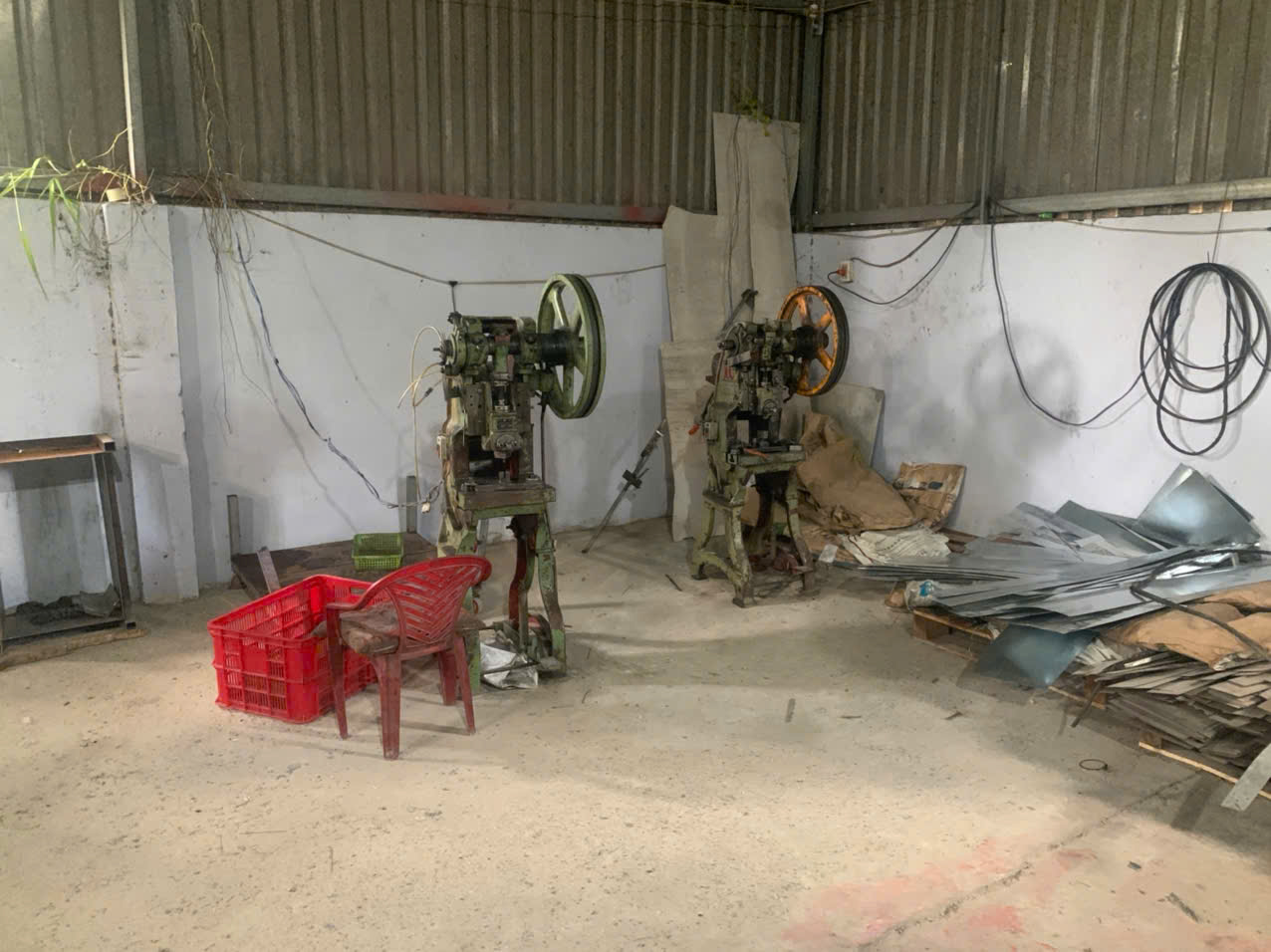
What PPAP Actually Includes
PPAP is not a single document. It is a package of 18 elements defined under the Advanced Product Quality Planning framework. Not every project requires all 18 elements. The submission level determines what you need. Here is a breakdown of the five PPAP submission levels:
| PPAP Level | What Is Submitted | Typical Use Case |
|---|---|---|
| Level 1 | Part Submission Warrant (PSW) only | Low-risk, standard parts |
| Level 2 | PSW + limited supporting data + samples | Parts with moderate risk |
| Level 3 | PSW + full supporting data + samples | Default for automotive OEMs |
| Level 4 | PSW + other requirements defined by the customer | Customer-specific situations |
| Level 5 | PSW + full data, available for review at supplier's facility | High-volume automotive programs |
Most US automotive buyers default to Level 3. This means your Vietnamese supplier must provide dimensional inspection reports, material test results, process flow diagrams, control plans, Failure Mode and Effects Analysis (FMEA), and measurement system analysis records.
Why Many Vietnamese Suppliers Struggle with PPAP
The challenge is not capability — it is familiarity. Many Vietnamese stamping factories can produce parts with tight tolerances, sometimes down to ±0.001 inch. But documenting the process in PPAP format requires training and discipline. Our team in Vietnam works directly with factory quality engineers to build PPAP packages. We guide them through each element, from the initial process flow to the final control plan. This hands-on approach is often necessary because PPAP is deeply rooted in US automotive culture, not Southeast Asian manufacturing tradition.
APQP and PPAP Go Together
Advanced Product Quality Planning is the planning framework. PPAP is the proof that the plan works. When we start a new stamping project, we walk through APQP phases with the supplier: design review, process design, product and process validation, and production launch. Each phase builds toward a complete PPAP submission. Skipping APQP almost always results in a weak PPAP package — and that means delays, rejections, and rework.
Material Traceability in PPAP
US engineering requirements often demand full traceability from coil batch to finished shipment. For stamped parts made from stainless steel 304 or copper C110, this means the supplier must track mill certificates, incoming material inspection records, and lot numbers throughout production. The International Material Data System 7 is also relevant for automotive applications, as it tracks material composition to ensure compliance with environmental regulations like REACH.
How can I verify that a Vietnamese factory's quality management system meets my specific industry standards like IATF 16949?
During a recent factory visit near Ho Chi Minh City, I watched a stamping press operator pull a part off the line and walk it straight to a CMM station without being asked. That small moment told me more about the factory's quality culture than any certificate on the wall.
To verify a Vietnamese factory meets IATF 16949 or other industry standards, conduct an on-site supplier audit, review internal audit reports and management review records, check calibration traceability, request customer-specific approval evidence from existing OEM clients, and engage third-party auditors like SGS or TÜV Rheinland for independent assessment.

The On-Site Audit: What to Actually Look For
Certificates confirm a system exists. Audits confirm it works. When our team conducts supplier audits in Vietnam, we follow a structured checklist but also pay attention to the intangibles. Is the factory floor organized? Are control plans posted at each workstation? Do operators understand their inspection responsibilities?
Here is what we specifically evaluate during an IATF 16949 verification audit:
| Audit Focus Area | What to Check | Red Flags |
|---|---|---|
| Document Control | Current revision of control plans, work instructions | Outdated documents at workstations |
| Process Control | SPC charts, in-process inspection records | No real-time data collection |
| Calibration | Calibration stickers, traceable calibration certificates | Expired calibration dates |
| Corrective Actions | 8D reports, root cause analysis records | Repeated same-type defects |
| Traceability | Lot tracking from raw material to finished part | No batch identification on WIP |
| Customer Approvals | Evidence of SQE sign-off from existing OEM clients | No reference customers willing to confirm |
Third-Party Verification Options in Vietnam
Vietnam's quality infrastructure has improved significantly. SGS Vietnam, Bureau Veritas, and TÜV Rheinland all operate testing and certification offices in major industrial zones. These organizations can conduct independent audits, issue compliance reports, and verify existing certifications. We often recommend that US buyers engage one of these agencies for an initial assessment before committing to a long-term supplier relationship.
SQE Approval and Customer-Specific Requirements
Many US OEMs require Supplier Quality Engineer approval before a Vietnamese factory can ship production parts. This goes beyond standard IATF 16949 certification. The SQE reviews the factory's specific processes for the buyer's parts — tooling condition, gauge R&R studies, statistical process control implementation, and first-article inspection procedures. Five major OEMs have already granted such approvals to Vietnamese stamping suppliers, which demonstrates that the capability is there. The key is management commitment and trained personnel, not geography.
Remote Monitoring and Digital Quality Systems
Some progressive Vietnamese suppliers now offer Digital Quality Management Systems that allow US buyers to access inspection data in real time. This capability is still emerging, but it is growing. For our projects, we share inspection reports, photos, and measurement data through cloud-based platforms. This gives US purchasing managers visibility without requiring constant travel. It also supports the growing US demand for supply chain traceability and ESG reporting.
The debate about whether Vietnamese facilities can meet ultra-strict US OEM tolerances without on-site audits is valid. Our position is clear: initial on-site verification is essential. After that, remote monitoring combined with periodic audits can sustain confidence. Quality depends on management systems and training, not location.
What environmental and safety certifications must my stamped parts have to comply with US import regulations?
A trade-off we navigate on nearly every project: balancing material cost with environmental compliance. Choosing a cheaper alloy might save a few cents per part, but if it fails RoHS testing at the US port, the entire shipment is at risk.
Stamped parts imported into the US must comply with RoHS directives for electronics applications, REACH regulation for chemical substance restrictions, country-of-origin labeling requirements for US Customs, and may require additional certifications like FCC, CPSC, or FDA depending on the product's end-use category and industry.
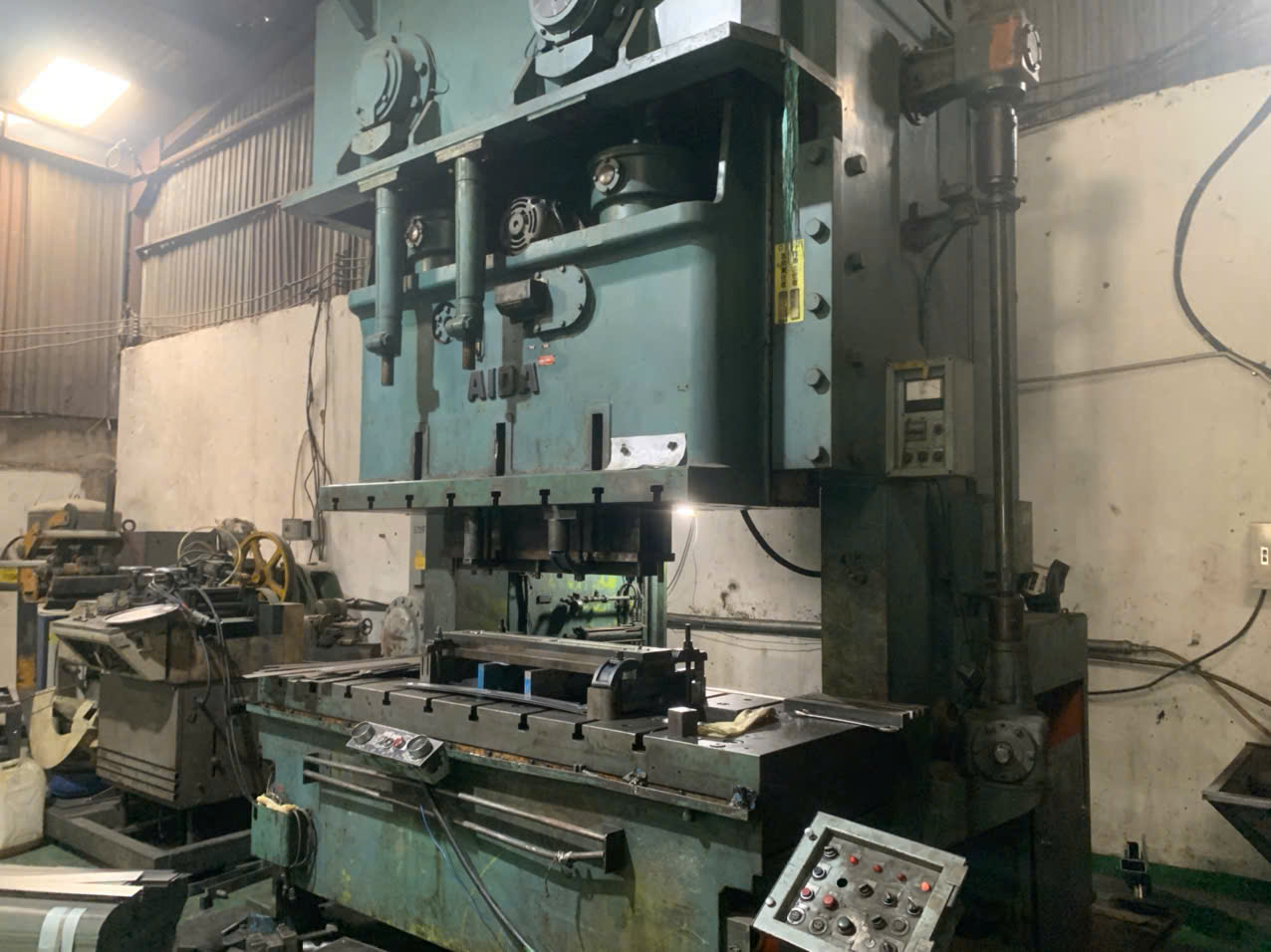
RoHS Compliance for Electronics Applications
RoHS compliance restricts the use of hazardous substances — lead, mercury, cadmium, hexavalent chromium, PBBs, and PBDEs — in electronic and electrical equipment. If your stamped parts end up inside electronic devices sold in the US, RoHS compliance is expected even though it is technically an EU directive. Most US buyers now treat it as a de facto requirement. Vietnamese stamping manufacturers working with materials like stainless steel 304 or copper C110 typically meet RoHS thresholds, but testing and documentation are still required. We always request material test reports from accredited labs to confirm compliance.
REACH Regulation and Chemical Substance Tracking
REACH regulation 8 governs chemical substances used in products sold in European and increasingly in US markets. For stamped metal parts, REACH is relevant when surface treatments — plating, coating, or passivation — involve restricted chemicals. The International Material Data System helps track these substances throughout the automotive supply chain. Even if your parts are destined only for US distribution, many US OEMs now require REACH-compliant documentation as part of their global sourcing standards.
US Customs and Country-of-Origin Labeling
All imported goods must carry clear "Made in Vietnam" labeling to comply with US Customs regulations. For stamped metal parts, this typically means the labeling appears on packaging rather than on each individual part — though some buyers require permanent marking. Proper Harmonized Tariff Schedule classification is also critical for determining duty rates. Vietnam's trade agreements — including CPTPP and RCEP — can provide tariff advantages, though the specific benefits depend on your product classification and the trade agreement's rules of origin.
Product-Specific US Certifications
Depending on the end-use application, additional US certifications may apply:
| End-Use Application | Potential US Certification | Governing Agency |
|---|---|---|
| Consumer electronics | FCC (electromagnetic compatibility) | Federal Communications Commission |
| Children's products | CPSC testing and certification | Consumer Product Safety Commission |
| Medical devices | FDA 510(k) or registration | Food and Drug Administration |
| Food contact equipment | FDA food contact compliance | Food and Drug Administration |
| Electrical enclosures | UL listing or recognition | Underwriters Laboratories |
Supply Chain Resilience and Business Continuity
Post-pandemic, US importers now expect Vietnamese stamping part manufacturers to demonstrate robust Business Continuity Plans 9. This means documented backup plans for power outages, material shortages, labor disruptions, and logistics delays. We have seen US purchasing managers add BCP reviews to their supplier qualification checklists. Some also request cybersecurity certifications like ISO 27001 to protect shared intellectual property and operational data — especially when digital quality management platforms are in use.
ESG and Ethical Sourcing Expectations
US buyers increasingly demand Environmental, Social, and Governance reporting from their supply chain. This extends beyond product quality into labor practices, environmental impact, and corporate governance. While not a formal "certification" in the traditional sense, ESG documentation is becoming a gate criterion for supplier approval at many US corporations. Vietnamese suppliers who proactively address ESG concerns gain a competitive advantage.
Vietnam offers compelling total cost of ownership advantages over China and Thailand for export-focused stamping operations. Trade agreements like EVFTA, RCEP, and CPTPP enhance market access. But cost savings mean nothing if your shipment gets held at US Customs due to missing environmental documentation or non-compliant labeling.
Conclusion
Quality certifications for Vietnamese stamping parts in the US market span ISO 9001, IATF 16949, RoHS, PPAP, and more — but verified process control and traceability matter just as much as the certificates themselves.
Frequently Asked Questions
Which ISO certifications should I prioritize when evaluating a Vietnamese metal stamping supplier?
A lesson we learned early in our Vietnam sourcing operations: not every ISO certificate hanging on a factory wall carries equal weight for your specific application ISO 13485 for medical devices 2 .
Do I need my Vietnamese stamping partner to provide PPAP documentation for my US engineering requirements?
One of our US clients once received a shipment of stamped brackets that met dimensional specs — but could not prove it. Without Production Part Approval Process documentation, his customer rejected the entire lot.
How can I verify that a Vietnamese factory's quality management system meets my specific industry standards like IATF 16949?
During a recent factory visit near Ho Chi Minh City, I watched a stamping press operator pull a part off the line and walk it straight to a CMM station without being asked. That small moment told me more about the factory's quality culture than any certificate on the wall.
Footnotes
1. SAE International page on AS9100, the quality management system standard for aerospace. ↩︎
2. Official ISO page explaining the quality management system standard for medical devices. ↩︎
3. Official ISO page explaining the globally recognized quality management system standard. ↩︎
4. Explains the Production Part Approval Process, a critical automotive industry standard. ↩︎
5. Official IATF page detailing the quality management system standard for the automotive industry. ↩︎
6. European Commission’s official page on the RoHS Directive for hazardous substances. ↩︎
7. Official website for IMDS, the automotive industry’s material data system. ↩︎
8. European Commission’s official page on the REACH regulation for chemical substances. ↩︎
9. J.P. Morgan provides a clear definition and purpose of business continuity planning. ↩︎