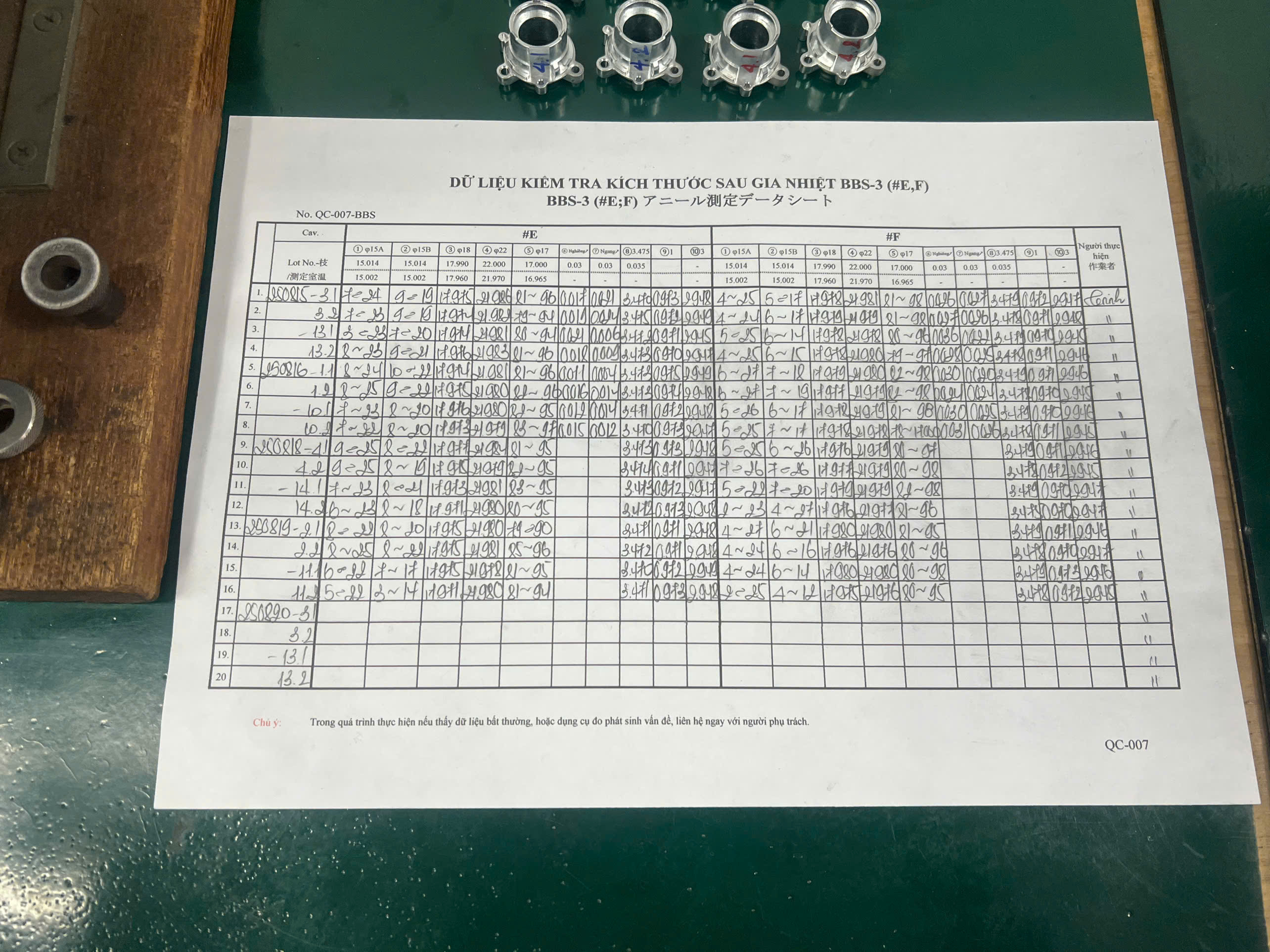
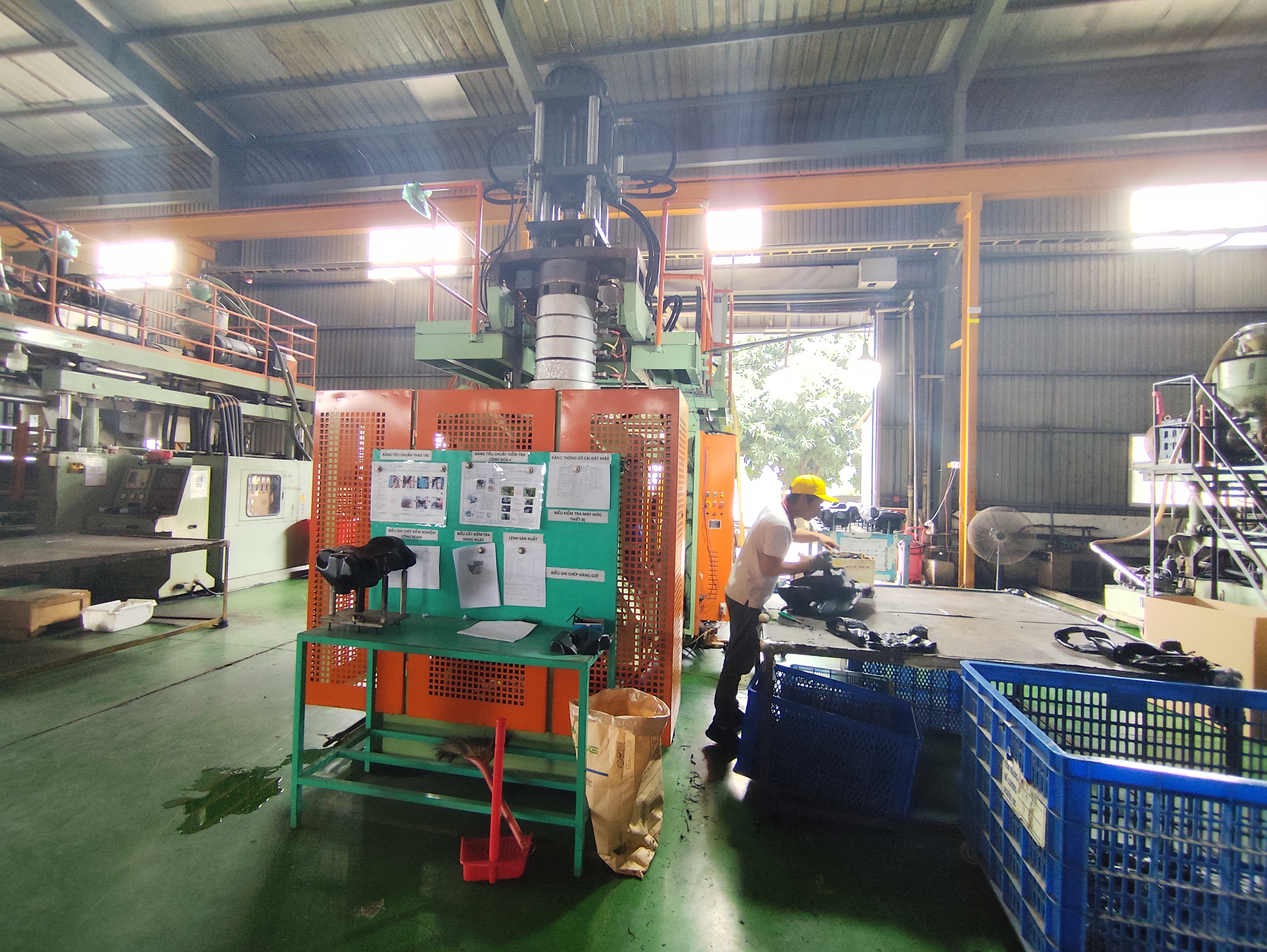
Over the past few years, I’ve seen many businesses, including my own clients, shift their supply chains from China to Vietnam. The benefits are clear—lower labor costs, fewer geopolitical tensions, and a growing manufacturing sector. But I’ve also noticed that this transition comes with its own set of risks and uncertainties.
Vietnam presents fewer geopolitical tensions but faces challenges in legal stability, economic maturity, and infrastructure compared to China. Companies must weigh these risks carefully when diversifying supply chains.
Understanding these risks helps businesses make informed decisions. Let’s explore the differences between Vietnam and China in political, economic, and infrastructure risks.
How Do Political and Legal Risks in Vietnam Compare to China?
Vietnam and China both have single-party political systems, but their legal environments and government stability differ. Vietnam offers a more predictable foreign relations landscape, while China faces greater scrutiny in global trade.
Vietnam has fewer geopolitical tensions1 than China, but its legal framework is less developed. Bureaucracy and inconsistent law enforcement can pose challenges for businesses.
Key Political and Legal Differences
| Factor | Vietnam | China |
|---|---|---|
| Political Stability | Stable under Communist Party | Stable under Communist Party |
| Geopolitical Risks | Fewer trade disputes | Trade conflicts with the US & EU |
| Legal Transparency | Less developed | More structured but restrictive |
| Foreign Investment Policies | Welcoming, but complex approval process | Established, but national security concerns |
Bureaucracy and Legal Complexity
Vietnam’s legal system is still developing. Many regulations are ambiguous or change frequently. Businesses often struggle with inconsistent enforcement across different provinces. In contrast, China has a more structured legal environment, although it is sometimes restrictive toward foreign companies.
- Government approvals in Vietnam can be slow, requiring extensive paperwork.
- Land ownership laws limit foreign businesses, requiring local partnerships.
- Dispute resolution is less efficient due to an underdeveloped legal framework2.
While Vietnam offers a relatively stable political climate, businesses must be prepared to navigate an evolving legal system.
What Are the Economic Risks of Doing Business in Vietnam vs. China?
Vietnam has a growing economy, but it is much smaller and less mature than China’s. Labor costs are lower, but supply chain efficiency is still developing. Currency fluctuations and financial system limitations add economic risks.
Vietnam’s economy is growing fast, but it lacks China’s financial strength, supply chain depth, and skilled labor pool. Businesses may face higher operational risks.
Key Economic Differences
| Factor | Vietnam | China |
|---|---|---|
| GDP Size | $450B (2023) | $17T (2023) |
| Growth Rate | ~6-7% annually | ~5% annually |
| Labor Costs | Lower than China | Rising, but workforce is skilled |
| Supply Chain Maturity | Developing, less integrated | Highly developed, efficient |
Currency and Financial Risks
Vietnam’s currency, the Vietnamese dong (VND)3, can fluctuate significantly, impacting costs for foreign companies. China’s renminbi (RMB) is more stable and internationally recognized.
- Banking and credit access4 in Vietnam is still developing, making large-scale financing more difficult.
- Inflation risks are higher in Vietnam, which can impact labor and material costs.
- Dependency on imports for materials increases exposure to global price shifts.
Despite these risks, Vietnam remains attractive due to its lower costs and growing economy. However, businesses must manage financial uncertainties carefully.
How Do Infrastructure and Regulatory Challenges Differ Between Vietnam and China?
China has world-class infrastructure and a well-regulated business environment. Vietnam is improving rapidly but still faces logistical and regulatory hurdles.
Vietnam’s infrastructure is developing, but it lags behind China in logistics, transportation networks, and industrial zones. Businesses must plan for potential inefficiencies.
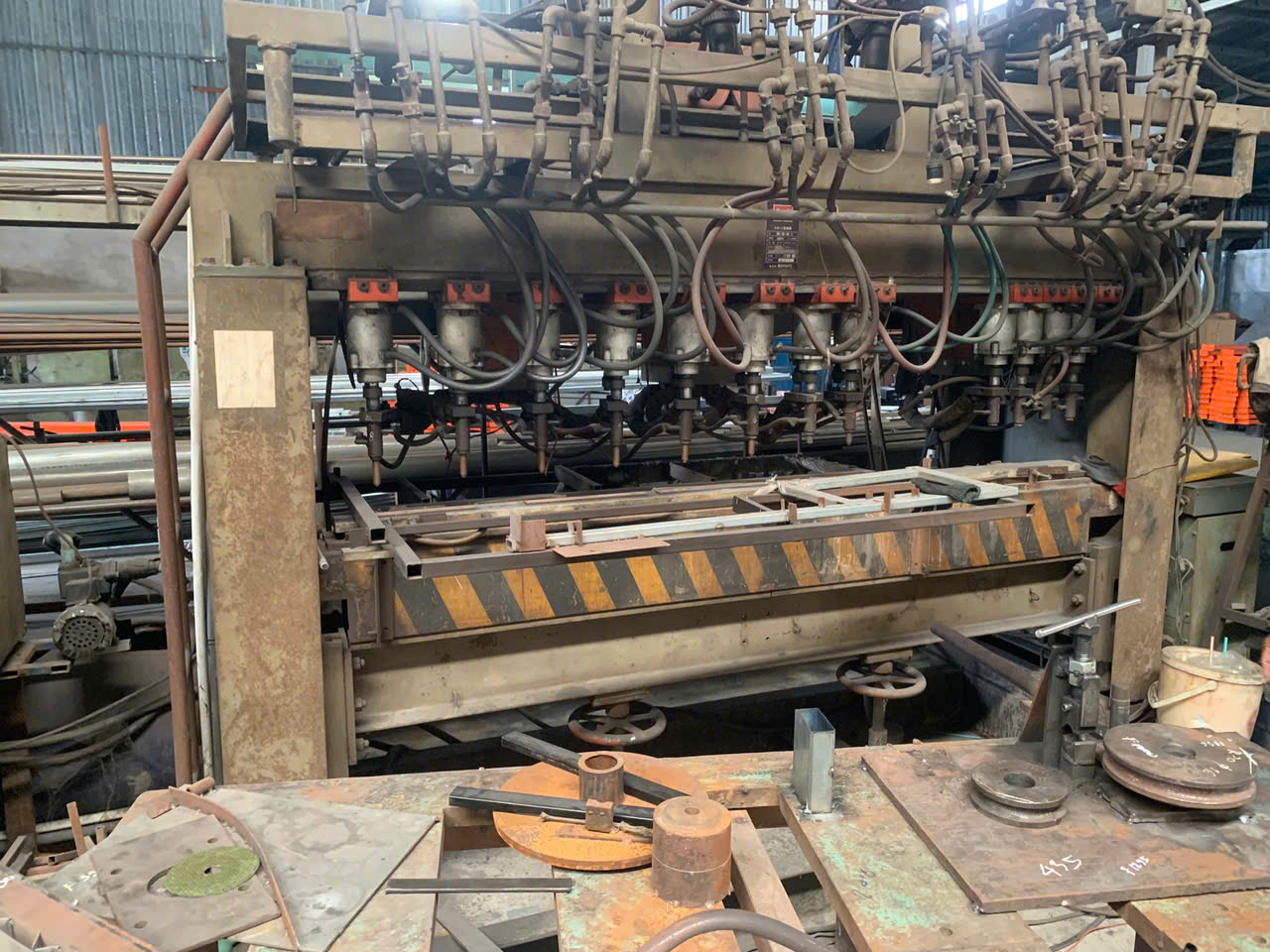
Key Infrastructure and Regulatory Differences
| Factor | Vietnam | China |
|---|---|---|
| Transportation | Improving roads, ports, and rail | Extensive highways, high-speed rail |
| Energy Reliability | Some power shortages | Stable energy supply |
| Industrial Zones | Growing but limited capacity | Well-developed, extensive options |
| Environmental Regulations | Less strict, evolving | Strict, heavily enforced |
Logistics and Supply Chain Challenges
Vietnam’s logistics network is growing, but it lacks the efficiency of China’s system. Ports and highways are improving, but bottlenecks still occur.
- Port congestion5 can cause delays, as Vietnam’s major ports are smaller than China’s.
- Inconsistent regulations across provinces can create additional compliance challenges.
- Limited industrial capacity may lead to production constraints compared to China’s vast network.
While Vietnam is investing in infrastructure, businesses must be prepared for logistical inefficiencies and regulatory variations.
Conclusion
Vietnam presents attractive opportunities but comes with risks in legal transparency, economic stability, and infrastructure maturity. While it offers lower costs and geopolitical advantages, businesses must navigate regulatory complexities, supply chain limitations, and financial uncertainties compared to China.
-
Understanding the geopolitical landscape can help businesses assess risks and opportunities in both countries. ↩
-
Exploring the legal differences can provide insights into potential challenges and compliance requirements for businesses. ↩
-
Understanding the trends and risks of the VND can help businesses navigate financial uncertainties in Vietnam. ↩
-
Exploring the evolution of banking and credit access can provide insights into financing opportunities in Vietnam. ↩
-
Learning about port congestion issues can help businesses plan better for logistics and supply chain management in Vietnam. ↩
Frequently Asked Questions
How Do Political and Legal Risks in Vietnam Compare to China?
Vietnam and China both have single-party political systems, but their legal environments and government stability differ. Vietnam offers a more predictable foreign relations landscape, while China faces greater scrutiny in global trade.
What Are the Economic Risks of Doing Business in Vietnam vs. China?
Vietnam has a growing economy, but it is much smaller and less mature than China’s. Labor costs are lower, but supply chain efficiency is still developing. Currency fluctuations and financial system limitations add economic risks.
How Do Infrastructure and Regulatory Challenges Differ Between Vietnam and China?
China has world-class infrastructure and a well-regulated business environment. Vietnam is improving rapidly but still faces logistical and regulatory hurdles.