

RoHS compliance requirements for stamping parts trip up more buyers than almost any other spec I see on drawings. A part looks like plain steel, so everyone assumes it passes. Then the plating fails a customer audit, the shipment gets rejected, and a whole production line in the U.S. sits idle waiting for replacement brackets. When our team in Vietnam runs supplier audits for stamped clips and mounting hardware, the compliance gap is almost never the base metal. It is the finish, the coating chemistry, or the missing paperwork. The good news: once you understand where the risk actually lives, RoHS becomes a manageable checklist, not a gamble.
RoHS compliance requirements for stamping parts mean every homogeneous material—base metal, plating, passivation, coatings, and attached hardware—must stay below limits of 0.1% for lead, mercury, hexavalent chromium, PBB, PBDE, and four phthalates, and 0.01% for cadmium, supported by declarations and test evidence.
That definition sounds simple. In practice, the hard part is proving it. Let me walk you through how to verify suppliers, what documents to demand, which materials to avoid, and how to keep your Asian sourcing timeline intact.
How Do I Verify That My Stamping Parts Supplier Meets RoHS Standards?
A few years back, I audited a stamping shop that swore every part was RoHS compliant. Their steel was fine. Their outsourced zinc plating line, however, still used a hexavalent chromate passivation. Nobody had ever asked.
Verify a stamping supplier by auditing their material controls, requesting mill certificates and plating-chemistry declarations, confirming XRF screening capability, checking their sub-supplier chain for finishes, and reviewing whether they maintain lot-level traceability from raw coil through final shipment.

Verification is a process, not a certificate on a wall. When we qualify a stamping supplier for our U.S. clients, we look at four layers of evidence. Each layer catches a different failure mode.
Start With the Homogeneous Material Breakdown
RoHS limits apply to each homogeneous material, not to the part as a whole. A stamped bracket may contain three or four homogeneous materials: the steel substrate, a zinc plating layer, a chromate passivation film, and perhaps a pressed-in insert. Ask the supplier to list every layer. If they cannot break the part down this way, that is your first red flag. It usually means they have never thought about compliance at the level the regulation demands.
Audit the Finish Chain, Not Just the Stamping Floor
Most stamping shops outsource plating and coating. That means the real compliance risk sits at a vendor your supplier may barely control. During audits, we ask three direct questions: Which plating house do you use? What is the exact passivation chemistry? Can that plater issue its own declaration? A supplier who answers all three quickly is usually well managed.
Confirm Testing Capability
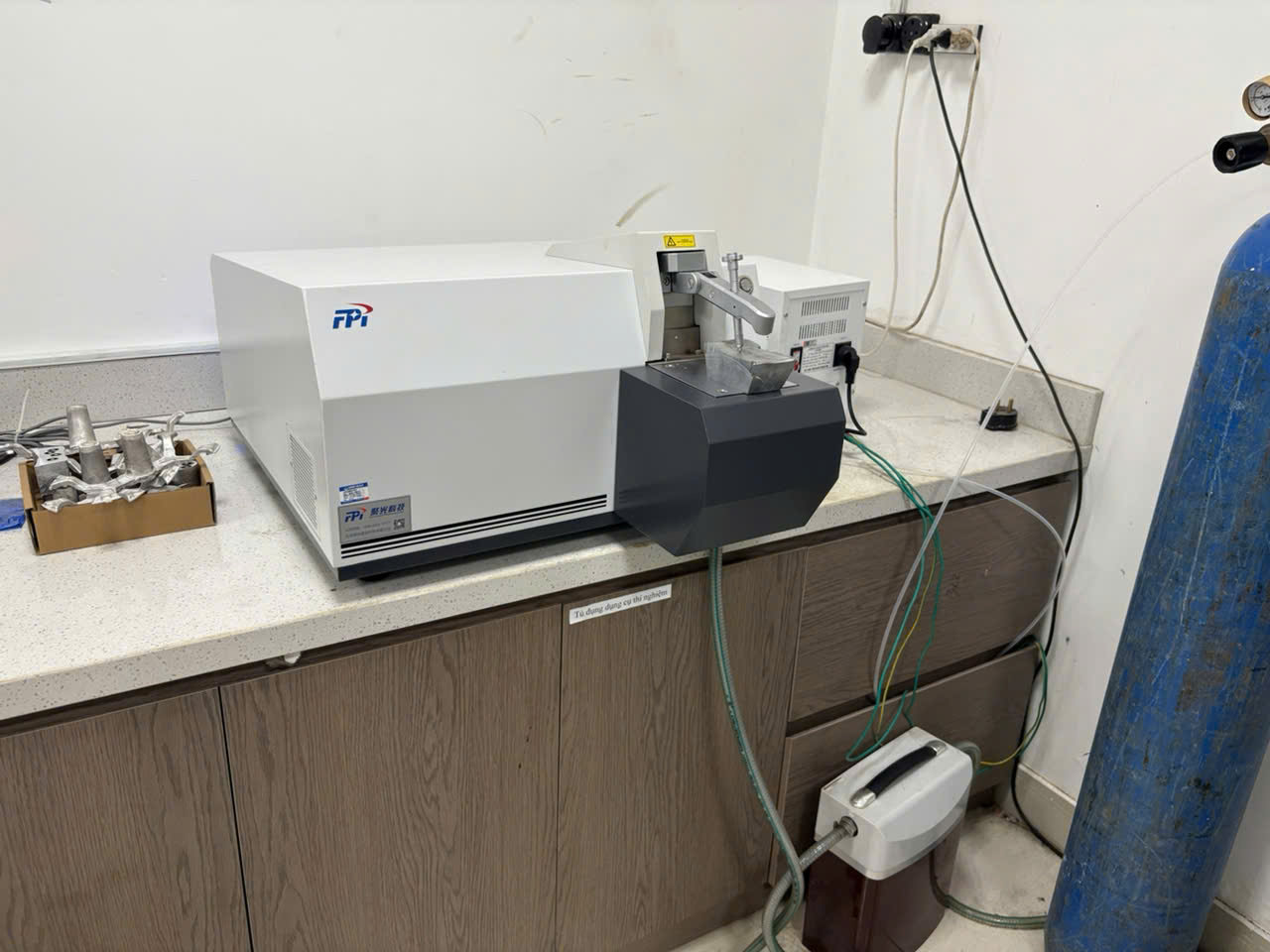
XRF screening 1 is the standard first-pass check for restricted substances in metal parts. A supplier does not need to own an XRF gun, but they should have a routine relationship with a lab that does. Here is how we weight the evidence types:
| Evidence Type | What It Proves | Reliability | When to Require It |
|---|---|---|---|
| Mill certificate | Base alloy composition | High for substrate only | Every order |
| Plating-house declaration | Finish chemistry compliance | Medium | Every finish change |
| XRF screening report | Surface-level substance check | Medium-high | New supplier or new finish |
| Third-party lab test (full digestion) | Definitive substance levels | High | High-risk finishes, annual revalidation |
Check Traceability Discipline
Finally, ask them to trace one finished lot back to a coil heat number. If that takes more than a day, their system will not survive a real customer or regulatory audit.
What Documentation Should I Request to Prove RoHS Compliance?
One of our U.S. purchasing-manager clients once received a single-page "RoHS OK" letter from a previous vendor. His customer's compliance team rejected it in five minutes. A one-line promise is not documentation.
Request a RoHS Declaration of Conformity, mill certificates for the base metal, plating and coating declarations from each process vendor, XRF or lab test reports for the finish, declarations for any purchased hardware, and technical-file records retained for at least 10 years.
Documentation is where substance compliance becomes legal compliance. A part can have a perfect chemistry profile and still be non-compliant on paper if the technical file is missing. In our experience preparing PPAP 2 packages for stamped components shipped to the U.S. and Europe, the documentation chain must mirror the manufacturing chain. Every material and process step needs its own piece of evidence.
Build a Declaration Chain That Matches the Process Flow
Think of it as a relay race. Each party hands compliance evidence to the next:
| Supply Chain Role | Document They Should Provide | What It Covers |
|---|---|---|
| Steel or brass mill | Mill certificate / material cert | Base alloy composition, heat number |
| Stamping supplier | RoHS Declaration of Conformity | The finished part, referencing all layers |
| Plating house | Plating declaration or test report | Zinc, tin, or nickel layer chemistry |
| Passivation / coating vendor | Chemistry statement | Trivalent vs. hexavalent chromium 3 confirmation |
| Hardware vendor | Component declaration | Inserts, screws, clips, springs |
| Test lab (when used) | XRF or wet-chemistry report | Measured substance concentrations |
Anchor Documents to Part Number and Revision
A declaration without a part number, revision level, and date is nearly worthless in an audit. We insist that every DoC references the exact drawing revision and finish callout. When a client changes plating from clear zinc to black zinc, the old declaration dies with the old revision. This detail sounds fussy. It saves careers when a recall investigation starts.
Mind the Retention Period
In the EU context, technical documentation is commonly retained for 10 years 4 after the product is placed on the market. We keep client compliance files on the same clock and tell suppliers to do the same. Also remember the CE-marking nuance: CE obligations attach to finished electrical and electronic equipment, not to every individual stamped bracket. A component supplier's job is to feed the OEM's technical file with solid evidence, not to CE-mark each clip.
Which Materials and Substances Do I Need to Avoid for RoHS-Compliant Stamping Parts?
Choosing between two nearly identical plating quotes taught me an expensive lesson early on. The cheaper quote used an older chromate process. The price gap existed for a reason, and that reason was hexavalent chromium.
Avoid hexavalent chromium in chromate conversion coatings, cadmium in platings and hardware, lead in solders and certain alloys above exemption limits, mercury, PBB and PBDE flame retardants, and the four restricted phthalates in any polymer grommets, sleeves, or coatings attached to the part.

The restricted-substance list is short, but the places those substances hide in a stamped part are not obvious. Let me map the real risk points our engineers check on every stamping drawing.
The High-Risk Zones on a Stamped Part
- Passivation and conversion coatings. Traditional yellow and olive-drab chromates often used hexavalent chromium. Modern trivalent chromium passivation 5 achieves similar corrosion protection and is the default safe choice. Always specify "trivalent" or "Cr6-free" on the drawing.
- Plating layers. Cadmium plating still appears in some legacy aerospace and hardware specs. It has no place in EEE-bound stampings. Lead-bearing tin finishes are another trap; specify lead-free tin.
- Base alloys. Leaded brass such as C36000 free-cutting brass 6 contains lead for machinability. Some applications qualify for RoHS Annex III exemptions 7 permitting limited lead in copper alloys, but eligibility depends on the specific application and must be checked case by case—never assumed.
- Attached items. Purchased screws, clips, springs, rubber grommets, and adhesive pads each count as their own homogeneous materials. Phthalates hide in soft plastics and some coatings.
Safe Substitutions at a Glance
| Legacy Choice | RoHS Risk | Compliant Alternative | Watch-Out |
|---|---|---|---|
| Hexavalent chromate passivation | Hexavalent chromium | Trivalent chromium passivation | Slightly different color and salt-spray behavior |
| Cadmium plating | Cadmium (0.01% limit) | Zinc-nickel or zinc plating | Verify thickness spec still meets corrosion needs |
| Tin-lead solder or finish | Lead | Lead-free tin, matte tin | Whisker mitigation may be needed |
| Leaded brass (e.g., C36000) | Lead above 0.1% | Low-lead brass, or verified exemption | Exemption is application-specific |
One practical warning from our tooling reviews: switching plating chemistry can change coating thickness, friction, and even fit. When a client moves from a legacy finish to a trivalent system, we plan a small re-validation run before releasing production. A compliant part that no longer fits its mating slot is not a win.
How Can I Avoid Costly Delays When Sourcing RoHS-Compliant Stamping Parts from Asia?
A purchasing manager in the U.S. once told me his biggest fear was not price—it was discovering a compliance gap after the parts were already on the water. By then, every option is expensive.
Prevent delays by specifying RoHS requirements, finish chemistry, and documentation format directly in the RFQ, qualifying the plating sub-supplier before tooling starts, requiring XRF screening before shipment, locking revision control on finishes, and using a local partner to audit and inspect on the ground.

Delays in RoHS-compliant sourcing almost never come from the stamping press. They come from discovering compliance problems late, when the only fixes are re-plating, re-testing, or re-making. The cure is front-loading. Here is the sequence we run for clients sourcing stamped brackets and clips from Vietnam and other Asian countries outside China.
Put Compliance in the RFQ, Not in the Follow-Up Email
Your RFQ should state, in writing: the applicable regulation and market (EU RoHS, UK RoHS, China RoHS 2 8), the required certificate format, the exact finish chemistry, the document language, and the record-retention period. Include the drawing, part number, revision, material grade, thickness, finish callout, destination market, and test requirement. Suppliers quote what they read. If compliance is not in the RFQ, it is not in the price—and it will surface later as a change order and a schedule slip.
Qualify the Finish Chain Before Cutting Tooling
Tooling takes weeks. Use that same window to audit the plating house and collect its chemistry declarations. Running these tracks in parallel costs nothing. Running them in sequence adds a month. Our Vietnam office does these plating-line visits in person, because a photo of a certificate tells you far less than a walk past the passivation tanks.
Screen Before You Ship, Not After You Land
An XRF screen on the first article and on each new finish lot catches problems while they are still cheap. A failed screen in Asia costs days. A failed customer audit in the U.S. costs the shipment, the air-freight replacement, and often the relationship. We also fold RoHS evidence into the PPAP and final-inspection package, so the compliance file travels with the parts rather than chasing them.
Manage Multi-Market Divergence Early
EU RoHS, post-Brexit UK RoHS, and China RoHS 2 have diverging marking and certification pathways. If your parts serve multiple markets, decide the compliance scope at the RFQ stage. Retrofitting a second market's requirements onto a finished lot is one of the most common hidden delays we rescue clients from.
Conclusion
RoHS compliance for stamping parts is a finish-and-documentation problem, not a metal-choice problem. Specify early, verify the plating chain, demand a full declaration file, and screen before shipment.
Frequently Asked Questions
How Do I Verify That My Stamping Parts Supplier Meets RoHS Standards?
A few years back, I audited a stamping shop that swore every part was RoHS compliant. Their steel was fine. Their outsourced zinc plating line, however, still used a hexavalent chromate passivation. Nobody had ever asked.
What Documentation Should I Request to Prove RoHS Compliance?
One of our U.S. purchasing-manager clients once received a single-page "RoHS OK" letter from a previous vendor. His customer's compliance team rejected it in five minutes. A one-line promise is not documentation.
Which Materials and Substances Do I Need to Avoid for RoHS-Compliant Stamping Parts?
Choosing between two nearly identical plating quotes taught me an expensive lesson early on. The cheaper quote used an older chromate process. The price gap existed for a reason, and that reason was hexavalent chromium.
Footnotes
1. Describes the X-ray fluorescence technology used for first-pass substance screening. ↩︎
2. ISO governs quality standards underlying PPAP documentation practices for manufacturing parts. ↩︎
3. Explains toxicity and regulatory concern behind this RoHS-restricted substance in platings. ↩︎
4. Confirms the EU RoHS technical documentation retention period referenced in the article. ↩︎
5. Background on chromate conversion coatings clar