
A client’s shipment was held at EU customs last year because one powder-coated bracket contained hexavalent chromium 1 above the legal limit — a costly lesson in RoHS and REACH compliance requirements 2 for sheet metal fabrication.
RoHS and REACH compliance for sheet metal fabrication requires that all homogeneous materials — including base metals, surface treatments, coatings, and welding consumables — contain restricted substances below strict threshold limits, with full documentation and traceability maintained throughout the supply chain.
These two EU regulations overlap but serve different purposes. Understanding both is essential before you place any sheet metal order destined for Europe or markets that follow similar rules. Below, we break down exactly what each regulation demands and how it affects your project.
How do RoHS and REACH regulations specifically impact my sheet metal material selection?
One lesson we learned early in our supply chain work is that the raw sheet steel or aluminum itself rarely causes compliance failures. The real trouble starts the moment you add a finish, a coating, or even a specific welding wire to the part.
RoHS and REACH directly impact material selection by restricting hazardous substances in every layer of a sheet metal part — base metal, plating, paint, and consumables. Fabricators must choose lead-free alloys, cadmium-free plating, and coatings free of hexavalent chromium, brominated flame retardants, and regulated phthalates.
RoHS: What It Restricts and Where It Applies
RoHS — the Restriction of Hazardous Substances directive — targets Electrical and Electronic Equipment (EEE) 3 sold in the EU. If your sheet metal bracket, enclosure, or chassis is a component of EEE, it must comply. The directive restricts ten substances. Each must be measured at the "homogeneous material" level. homogeneous material level 4 That means every mechanically separable layer of your part is tested independently: the steel substrate is one layer, the zinc plating is another, and the powder coat on top is yet another.
| Restricted Substance | Symbol / Abbreviation | Maximum Concentration |
|---|---|---|
| Lead | Pb | 0.1% (1000 ppm) |
| Mercury | Hg | 0.1% (1000 ppm) |
| Cadmium | Cd | 0.01% (100 ppm) |
| Hexavalent Chromium | Cr⁶⁺ | 0.1% (1000 ppm) |
| Polybrominated Biphenyls | PBB | 0.1% (1000 ppm) |
| Polybrominated Diphenyl Ethers | PBDE | 0.1% (1000 ppm) |
| Bis(2-ethylhexyl) phthalate | DEHP | 0.1% (1000 ppm) |
| Butyl benzyl phthalate | BBP | 0.1% (1000 ppm) |
| Dibutyl phthalate | DBP | 0.1% (1000 ppm) |
| Diisobutyl phthalate | DIBP | 0.1% (1000 ppm) |
The four phthalates 5 were added in 2019. Many older suppliers still do not test for them. We always flag this in our supplier audits when onboarding new factories.
REACH: A Broader Chemical Safety Net
REACH is not limited to electronics. It covers all chemical substances used in manufacturing — cleaning solvents, phosphating chemicals, degreasing agents, and even the lubricants used during stamping. REACH maintains a list of Substances of Very High Concern (SVHCs) 6 that now exceeds 230 entries. For metal fabrication, the most relevant SVHCs include chromium trioxide (used in chrome plating), nickel compounds, and certain organic solvents used in surface preparation.
Where Parts Typically Fail
Over 90% of RoHS non-compliance cases in sheet metal parts trace back to surface treatments, not the base metal. Here is where we see the highest risk in practice:
- Zinc plating with hexavalent chromium passivation. This is still common in factories that have not updated their processes.
- Cadmium plating on parts intended for corrosion resistance in marine or aerospace applications.
- Lead-based pigments in certain colored powder coatings.
- Brominated flame retardants in plastic inserts or gaskets attached to the metal part.
When we review drawings from U.S. clients, we always check the finish callout first. A simple note like "yellow zinc" can mean hexavalent chromium passivation at some factories and trivalent chromium at others. The difference determines whether the part is compliant.
How can I verify that my overseas fabrication partner is strictly following these compliance standards?
During a factory visit in Vietnam last year, our quality team discovered that a plating subcontractor had quietly switched back to hexavalent chromium passivation because it was cheaper. The main fabricator's paperwork still showed trivalent chromium. That gap is exactly the kind of supply chain compliance risk you need to close.
You can verify overseas compliance by conducting on-site supplier audits, requiring third-party material testing reports, including explicit RoHS/REACH clauses in purchase agreements, and implementing incoming inspection protocols such as XRF screening on received parts and coatings.

Start with a Supplier Qualification Process
Before placing a single order, you need to qualify the fabricator's compliance system, not just their machining capabilities. Here is the process we follow at DEWIN when onboarding a new sheet metal supplier for EU-bound parts:
- Request existing compliance certificates. Ask for RoHS declarations and REACH SVHC statements. If the supplier cannot produce these within a few days, that is a red flag.
- Audit the supply chain one level deeper. The sheet metal fabricator buys plating chemicals, paints, and welding wire from their own suppliers. Ask for Safety Data Sheets and material declarations from those sub-suppliers.
- Include compliance clauses in the contract. State the specific RoHS thresholds and REACH SVHC obligations. Make it clear that non-compliance is grounds for rejection and cost recovery.
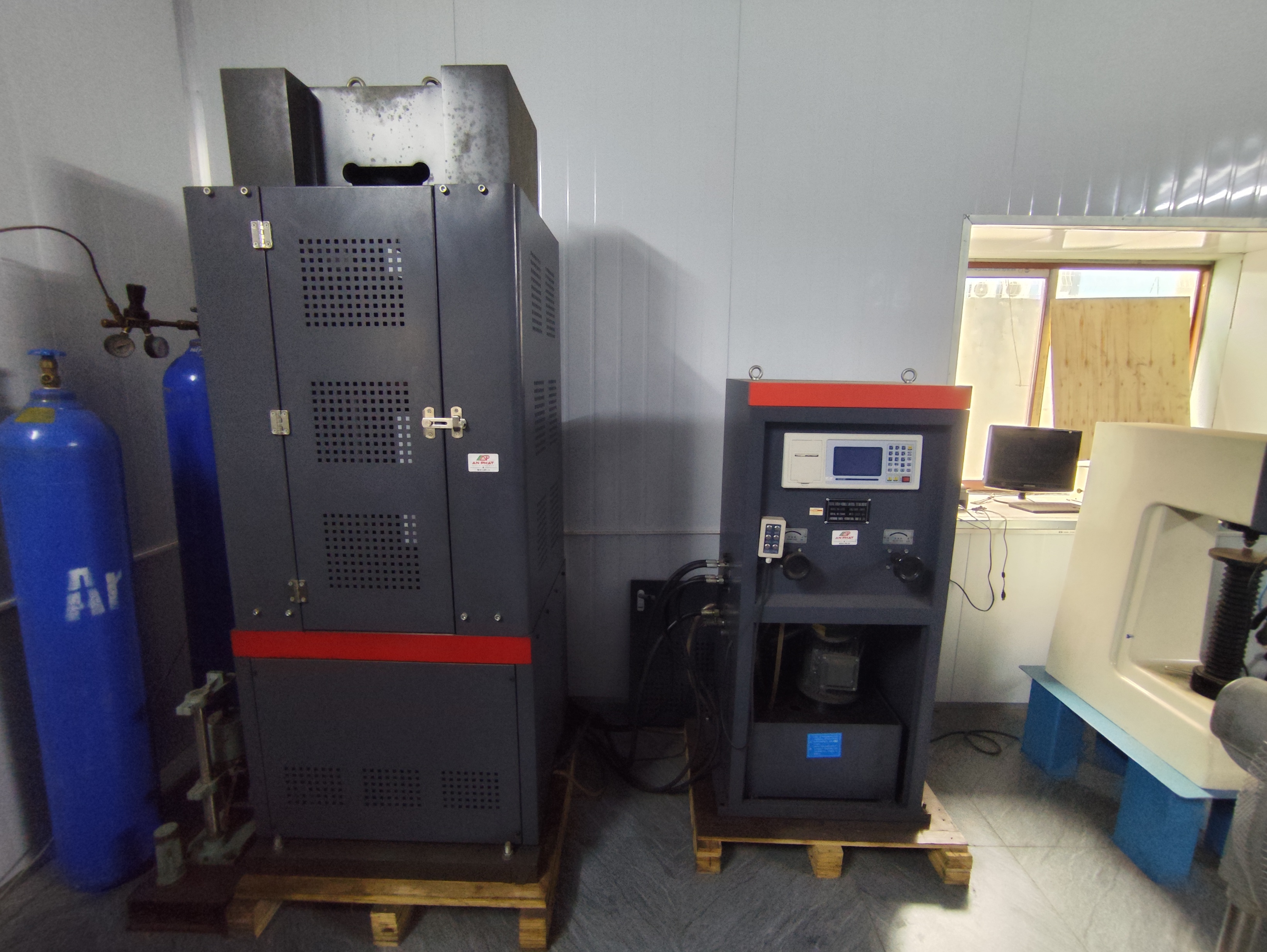
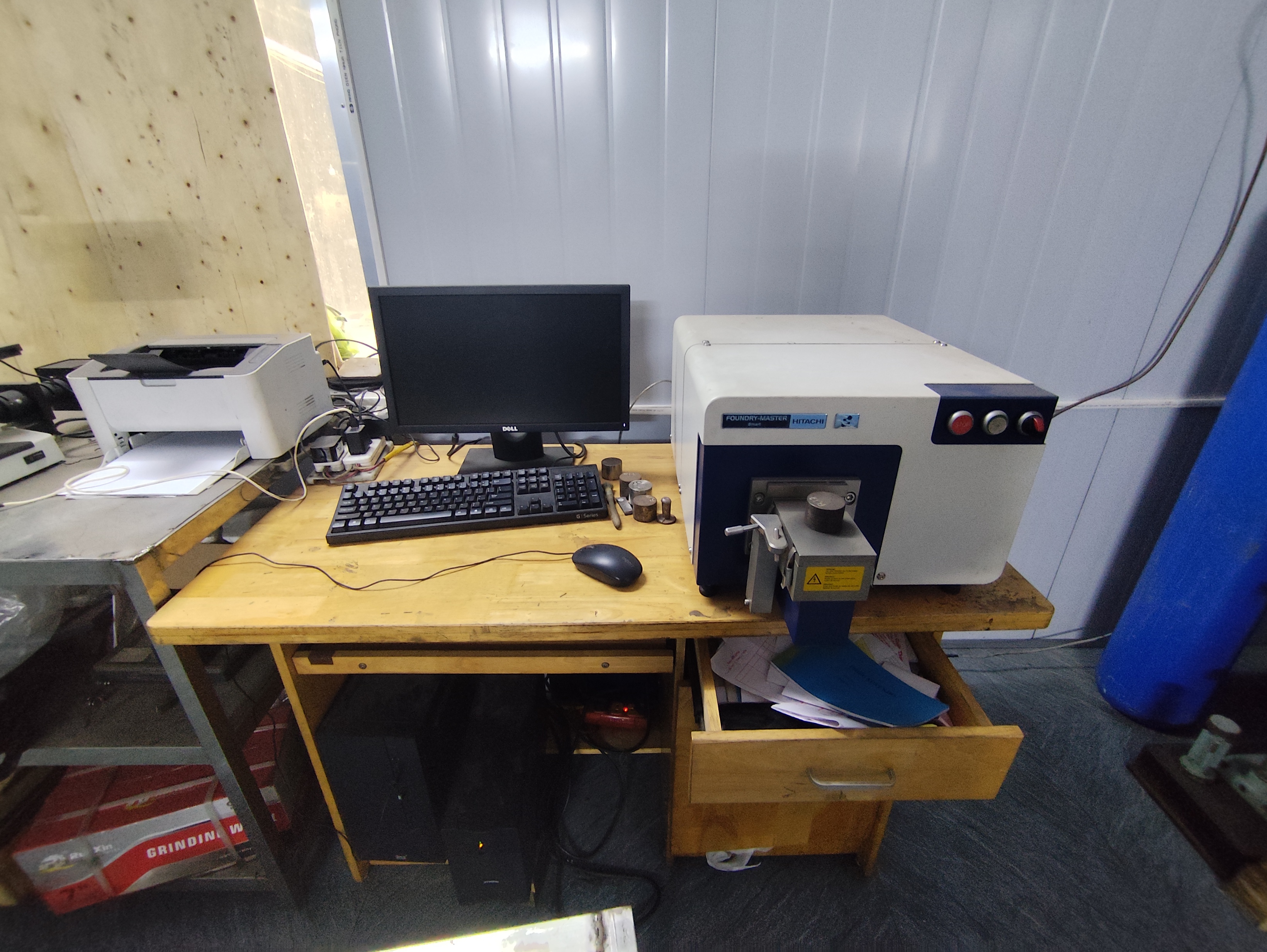
- Conduct periodic XRF spot checks. X-Ray Fluorescence screening is fast, non-destructive, and can detect lead, cadmium, and chromium down to roughly 0.01% concentration. We keep a handheld XRF unit at our inspection offices for this purpose.
- Schedule regular re-audits. Compliance is not a one-time event. Suppliers change sub-suppliers. Chemical formulations get reformulated. An annual audit keeps everyone honest.
Testing Methods Compared
| Testing Method | What It Detects | Speed | Accuracy | Best For |
|---|---|---|---|---|
| Handheld XRF | Pb, Cd, Cr, Hg, Br | Minutes | Screening-level | Incoming inspection, spot checks |
| ICP-MS (lab) | All RoHS metals at trace levels | 3–7 days | Quantitative, high precision | New supplier qualification, disputes |
| GC-MS (lab) | Phthalates, organic SVHCs | 5–10 days | Quantitative, high precision | Coatings, adhesives, plastic components |
For high-volume production runs, we recommend XRF screening 7 on every first article and random samples from each batch. For new suppliers or high-risk finishes, we send samples to an accredited lab for full ICP-MS and GC-MS analysis. This layered approach balances cost and rigor.
Watch the Subcontractors
Many sheet metal fabricators outsource plating, anodizing, or painting. The main fabricator may have excellent internal controls, but the plating house down the road may not. Our approach is to audit the entire chain — including subcontractors. We require that the fabricator disclose all outsourced processes and provide compliance documentation from each subcontractor. Understanding how to verify US OEM experience when sourcing Vietnam sheet metal fabrication is a critical part of this process.
What documentation must I collect from my supplier to prove my custom parts are compliant?
A purchasing manager we work with in the Midwest once told me he assumed his Chinese supplier's single-page RoHS certificate covered everything. When EU customs asked for substance-level data on the powder coating, he had nothing. The shipment sat in a bonded warehouse for three weeks while we scrambled to get the missing material declarations.
To prove compliance, you must collect a RoHS Declaration of Conformity, Mill Test Certificates for raw metals, material declarations for all coatings and consumables, Safety Data Sheets for chemicals used in processing, third-party lab test reports where applicable, and full traceability records linking each document to the specific production lot.
The Complete Documentation Checklist
Documentation is your legal defense. Without it, compliant materials mean nothing because you cannot prove they are compliant. Here is the full set of documents we compile for every EU-bound sheet metal order:
| Document | Issuer | Purpose | When to Request |
|---|---|---|---|
| RoHS Declaration of Conformity 8 (DoC) | Fabricator / Manufacturer | States the finished part meets all RoHS thresholds | With every shipment |
| Mill Test Certificate (MTC) | Steel / aluminum mill | Shows chemical composition of base metal | At material procurement |
| Material Declaration (MD) | Coating / chemical supplier | Details restricted substance content in each consumable | During supplier qualification |
| Safety Data Sheet (SDS) | Chemical manufacturer | Lists all hazardous substances in process chemicals | During supplier qualification |
| Third-Party Lab Test Report | Accredited testing lab | Quantitative proof of substance concentrations | For new suppliers, new materials, or disputes |
| REACH SVHC Statement | Fabricator / chemical supplier | Confirms no SVHCs above 0.1% w/w in articles | With every shipment or annually |
| Traceability Records | Fabricator | Links lot numbers to raw material batches and certificates | With every shipment |
How These Documents Work Together
Think of the documentation as a chain. The Mill Test Certificate proves the steel is clean. The material declaration from the paint supplier proves the powder coat is free of lead and brominated flame retardants. The fabricator's Declaration of Conformity ties everything together and states that the finished assembly — with all its layers — meets the regulatory limits.
If any link is missing, the chain breaks. EU market surveillance authorities can and do request these documents. Failure to produce them can result in fines, product recalls, and market bans. These are among the common pitfalls and misconceptions in sheet metal fabrication procurement that catch buyers off guard.
Digital Material Declarations: A Growing Trend
We are seeing more suppliers move toward digital, centralized material declaration platforms. Some use blockchain-verified systems to prevent tampering. This makes compliance tracking easier, especially for complex assemblies with multiple suppliers. At DEWIN, we maintain a digital compliance file for each project that our clients can access at any time. It reduces the back-and-forth of emailing PDFs and ensures nothing falls through the cracks.
REACH-Specific Documentation
REACH adds another layer. If any article contains an SVHC above 0.1% by weight, the supplier must communicate this down the supply chain and, in many cases, notify ECHA's SCIP database 9. This means your fabricator needs to actively monitor the evolving SVHC candidate list — now over 230 substances — and update their declarations when new substances are added.
How will these environmental requirements affect the final cost and delivery timeline of my order?
When we first started routing EU-bound orders through fully compliant supply chains, our project managers noticed a clear pattern: the upfront costs were higher, but the total cost of ownership — including zero rework, zero customs delays, and zero recalls — was lower.
RoHS and REACH compliance typically adds 5–15% to material and finishing costs due to more expensive lead-free alloys, trivalent chromium processes, and compliant coatings. Delivery timelines may extend by 1–3 weeks for initial orders due to documentation gathering, material testing, and supplier qualification activities.
Where the Extra Cost Comes From
The cost increase is not arbitrary. It comes from specific, identifiable sources:
- Compliant surface finishes cost more. Trivalent chromium passivation is more expensive than hexavalent chromium. Lead-free solder and lead-free brass cost more than their traditional equivalents.
- Material testing adds cost. XRF screening, ICP-MS lab tests, and GC-MS analyses are not free. For a new product with five different coatings and three types of welding wire, testing costs add up.
- Documentation takes time. Collecting, reviewing, and organizing Mill Test Certificates, Safety Data Sheets, and material declarations from multiple sub-suppliers requires dedicated quality staff.
- Supplier qualification is an investment. Auditing a new plating subcontractor, verifying their chemical inventories, and running first-article inspections all take time and money.
Cost vs. Non-Compliance: The Real Calculation
Some smaller fabricators argue that full compliance is too costly. But consider the alternative:
| Scenario | Estimated Cost |
|---|---|
| Compliant materials and finishes (per order) | +5–15% on material/finishing line items |
| XRF screening per batch | $50–$200 |
| Full lab testing (ICP-MS + GC-MS) per material | $200–$800 |
| Supplier audit (on-site, annual) | $1,000–$5,000 |
| EU customs hold (non-compliance) | $5,000–$50,000+ in storage, re-testing, delays |
| Product recall | $50,000–$500,000+ including logistics, legal, reputation |
| Market ban | Loss of EU market access entirely |
The math is clear. Paying for compliance upfront is far cheaper than dealing with non-compliance after the fact. Understanding why sheet metal fabrication supplier quotes vary so much can help you distinguish between suppliers who have built compliance into their pricing and those who have not.
Timeline Impacts
For first-time orders with a new supplier, expect the timeline to extend. The supplier qualification process — audits, documentation review, first-article testing — can take two to four weeks before production even begins. Once the supply chain is qualified and stable, ongoing orders should not see significant delays. We build compliance milestones into our project timelines so clients know exactly when to expect documentation and test results, with no surprises at the shipping stage.
The Industry Is Adapting
The sheet metal industry is shifting. Trivalent chromium plating is now mainstream. Non-halogenated flame retardants have replaced PBB and PBDE in most coatings. Solvent-free cleaning processes are replacing organic solvents restricted under REACH. These changes are driven partly by regulation and partly by a broader move toward green chemistry and circular economy principles. As more suppliers adopt these processes, the cost premium for compliant materials continues to shrink.
Fabricators who serve international markets also face a patchwork of regional regulations — EU RoHS, China RoHS, Korea RoHS, and similar frameworks. While they are broadly harmonized, subtle differences in scope and restricted substances exist. Working with a supply chain partner experienced in multi-market compliance — as we do at DEWIN for our U.S. and European clients — helps navigate these differences without duplicating effort.
Conclusion
RoHS and REACH compliance for sheet metal fabrication is not optional if you sell into the EU. It demands careful material selection, rigorous supplier control, complete documentation, and a willingness to invest in doing it right. The upfront effort protects your market access, your reputation, and your bottom line.
Frequently Asked Questions
How do RoHS and REACH regulations specifically impact my sheet metal material selection?
One lesson we learned early in our supply chain work is that the raw sheet steel or aluminum itself rarely causes compliance failures. The real trouble starts the moment you add a finish, a coating, or even a specific welding wire to the part.
How can I verify that my overseas fabrication partner is strictly following these compliance standards?
During a factory visit in Vietnam last year, our quality team discovered that a plating subcontractor had quietly switched back to hexavalent chromium passivation because it was cheaper. The main fabricator's paperwork still showed trivalent chromium. That gap is exactly the kind of supply chain compliance risk you need to close.
What documentation must I collect from my supplier to prove my custom parts are compliant?
A purchasing manager we work with in the Midwest once told me he assumed his Chinese supplier's single-page RoHS certificate covered everything. When EU customs asked for substance-level data on the powder coating, he had nothing. The shipment sat in a bonded warehouse for three weeks while we scrambled to get the missing material declarations.
Footnotes
1. Authoritative source on hexavalent chromium health effects, uses, and exposure. ↩︎
2. Explains the differences and overlaps between RoHS, REACH, and CE marking. ↩︎
3. Defines Electrical and Electronic Equipment (EEE) in the context of RoHS. ↩︎
4. Provides a comprehensive definition and explanation of homogeneous materials for RoHS. ↩︎
5. Details the four phthalates added to the RoHS restricted substances list. ↩︎
6. Explains SVHCs, their definition, and the REACH Candidate List process. ↩︎
7. Explains XRF as an effective, non-destructive screening tool for RoHS compliance. ↩︎
8. Defines and outlines the requirements for a RoHS Declaration of Conformity. ↩︎
9. Explains the purpose and reporting requirements for ECHA’s SCIP database. ↩︎