Safety precautions for handling and transporting stamping parts are often an afterthought—until a worker gets cut or a shipment arrives bent steel-toe footwear 1. I have seen both happen on projects we manage from our Vietnam facility, and the cost is never small. One lacerated hand triggers an incident report; one deformed bracket triggers a full container inspection chain-of-custody log 2. The good news is that a few disciplined habits prevent almost all of it.
Safe handling and transport of stamping parts requires cut-resistant gloves and eye protection, mechanical lifting aids for heavy loads, secure packaging with dividers and dunnage, stable racking in dry storage, and trained workers who follow documented lifting, stacking, and loading procedures at every stage.
Let me walk you through each stage of the journey vapor corrosion inhibitor 3. We will cover packaging, worker protection, supplier logistics, and storage. Each section gives you practical steps you can apply this week.
How Should I Package Stamping Parts to Prevent Damage During Transit?
A few years back, our team opened a trial shipment of galvanized brackets and found scratched flanges on nearly a third of them. The parts had been loose-packed. That lesson shaped our packaging standards ever since.
Package stamping parts in compartmentalized containers with dividers, wrap precision surfaces in VCI paper or protective film, add vibration-dampening dunnage between layers, limit stack height to prevent crushing, and secure each carton on the pallet with strapping and stretch wrap before shipping.
Packaging is where quality control and safety overlap most directly. A poorly packed stamped bracket does not just arrive scratched. It can shift, tear the carton, and expose sharp edges to the warehouse worker who unloads it. So good packaging protects two things at once: the part and the person.
Match the Packaging Method to the Part
Not every stamped component needs the same protection. A thick structural bracket can tolerate contact with its neighbors. A thin zigzag mounting clip with punched slots cannot. When we run final inspection on small mounting clips before export, we sort them into partitioned trays specifically so the raised lips and bent tabs never touch each other.
| Part Type | Recommended Packaging | Key Risk Prevented |
|---|---|---|
| Thin clips and small brackets | Partitioned plastic trays or cell dividers | Tab deformation, edge nicks |
| Heavy structural stampings | Wooden crates with foam blocking | Crushing, load shift |
| Precision-finished parts | VCI paper wrap plus foam interleaving | Corrosion, surface scratches |
| Oily or coated parts | Sealed poly bags inside cartons | Oil migration, contamination |
| Mixed SKU shipments | Labeled, color-coded inner boxes | Mishandling, cross-contamination |
Control Vibration and Movement
Transit vibration causes micro-damage that inspection at origin never catches. Use foam sheets, molded pulp, or air cushions between layers. Fill voids completely. If a carton rattles when you shake it, repack it. For precision-stamped components with tight flatness tolerances, vibration-dampening material is not optional—it is the difference between accepted and rejected goods at destination.
Think About the Person Opening the Box
Tape carton edges fully. Add a warning label if edges are sharp. Include an unpacking note for high-value parts. Your customer's receiving team will thank you, and you will avoid liability questions later.
What PPE and Handling Protocols Do My Workers Need for Sharp Metal Stampings?
During a supplier audit last year, I watched an operator pick up freshly stamped clips bare-handed. The burrs had not been deburred yet. We stopped the line and rewrote the handling procedure on the spot.
Workers handling sharp metal stampings need the highest-rated cut-resistant gloves, safety glasses, and steel-toe footwear. Protocols should require handling tools like tongs or grippers, burr inspection before touching parts, proper lifting posture, and documented training on picking, moving, and placing techniques.
The single biggest hazard after the press stops is the edge of the part itself. Stamped and sheared metal edges can slice through ordinary work gloves. That is why industry guidance recommends the highest cut protection level available when handling stamped metal directly. But PPE alone is not enough. Gloves reduce the severity of an injury. Protocols reduce the chance of one happening at all.
Build a Layered PPE Standard
Here is the PPE baseline we require at partner facilities before any handling work begins:
| PPE Item | Purpose | When Required |
|---|---|---|
| Cut-resistant gloves 4 (highest rating) | Protect hands from sharp edges and burrs | Any direct contact with stamped parts |
| Safety glasses | Block metal fragments and debris | All production and packing areas |
| Steel-toe safety shoes | Protect feet from dropped parts | Handling, stacking, and loading zones |
| Forearm guards | Cover exposed skin near sharp stacks | Bin picking and deep-container work |
| Hearing protection | Reduce press noise exposure | Near active stamping equipment |
Reduce Direct Contact First
The best protocol keeps hands away from edges entirely. Tongs, magnetic pickers, suction cups, and gripper tools all do this. When our process control team sets up a new packing line, we ask one question: where does a hand touch bare metal? Every one of those touch points is a candidate for a tool instead.
Train, Then Verify
Written procedures matter, but verification matters more. Workers should demonstrate correct picking, carrying, and placing before working solo. Refresher training after any incident is standard practice. Post the handling steps at the workstation so nobody has to rely on memory.
How Can I Ensure My Suppliers Follow Safe Loading and Logistics Practices?
One trade-off we weigh constantly in door-to-door logistics is speed versus verification. A fast loading crew that skips load securement always costs more than the hour saved. We audit loading, not just production.
Verify supplier loading practices through on-site audits, documented loading procedures, photo evidence of secured loads before container sealing, load capacity checks on forklifts and racking, trained equipment operators, and a chain-of-custody log that records handling conditions from factory floor to port.

You cannot manage what you cannot see. Most quality escapes and transit damage we investigate trace back to loading, not production. The parts passed final inspection. Then someone stacked pallets three-high without corner boards, or a forklift operator punctured a crate. If your supplier is overseas, you need a system that gives you visibility without flying over for every shipment.
Ask for Evidence, Not Assurances
A supplier who says "we always load carefully" is telling you nothing. A supplier who sends photos of every loaded container before sealing is showing you something. In our supply chain services, we require loading photos as a standard deliverable supply chain management 5: pallets positioned, straps tensioned, dunnage in place, door braced. It takes the loading crew five minutes and settles disputes before they start.
Audit the Logistics Chain in Steps
- Review documented procedures. Ask for the supplier's written loading and securement instructions. No document usually means no consistent practice.
- Check equipment and training records. Forklift operators must be trained and certified to local requirements. Verify load capacity ratings 6 on lifting equipment.
- Witness a live loading. During supplier audits, watch a real container being loaded. Note strap use, weight distribution, and stacking discipline.
- Require pre-seal photo documentation. Make this a contractual condition, not a favor.
- Track handling with a log. For safety-critical or high-value stampings, a simple chain-of-custody record shows who handled what, when, and how.
Make Securement Non-Negotiable
Parts must not shift in transit. That means strapping, blocking, bracing, and correct weight distribution—heavy crates low and centered, lighter cartons on top. If a supplier resists these basics, treat it as a red flag for their whole quality culture.
What Storage Conditions Should I Maintain to Avoid Corrosion or Deformation Before Shipping?
Humidity taught us a hard lesson early in our Vietnam operations. Bare steel brackets stored near an open bay door showed flash rust within days. Now climate control near staging areas is a standing requirement.
Store stamping parts indoors in dry, temperature-stable conditions with humidity control, off the floor on stable racks, protected by VCI wrap or anti-rust oil, stacked within safe height limits, and separated by material type to prevent galvanic corrosion and crushing deformation before shipment.
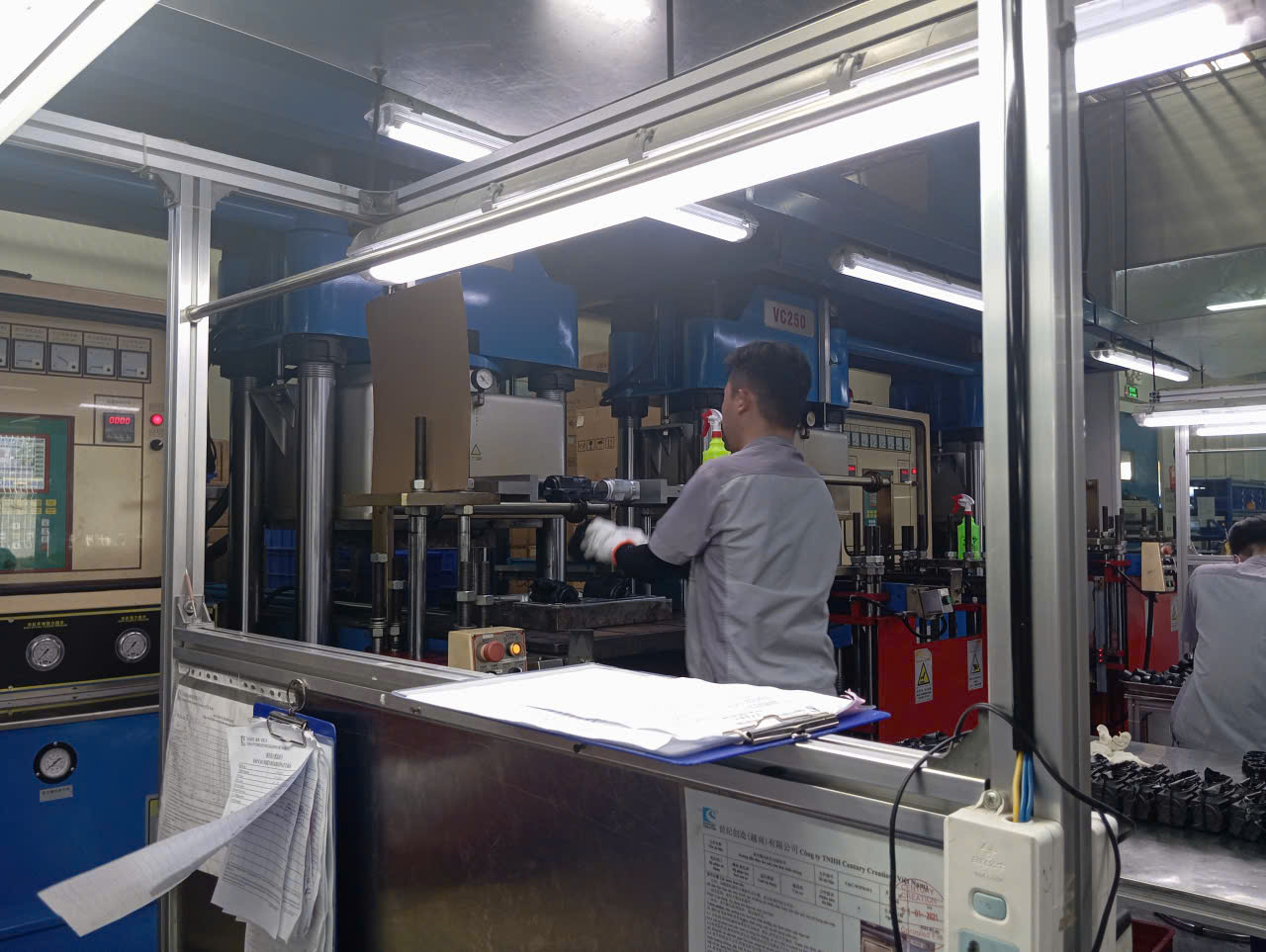
Storage is where good parts quietly become bad parts. Nothing dramatic happens. There is no crash, no incident report. But humidity, bad stacking, and long dwell times slowly destroy value. Bare and galvanized steel stampings—like the brackets and mounting clips we handle regularly—are especially vulnerable in tropical climates where warehouse humidity can stay high for weeks.
Control the Environment
Corrosion needs moisture. Deny it. Keep parts in enclosed storage away from doors, wet floors, and condensation zones. Use desiccants inside sealed packaging. For longer storage, VCI (vapor corrosion inhibitor 7) paper or film creates a protective atmosphere around the metal. Anti-rust oil works too, but confirm your customer accepts oiled parts, because some assembly lines require dry, clean components.
| Storage Factor | Target Condition | Risk If Ignored |
|---|---|---|
| Humidity | Controlled, stable, below condensation point | Flash rust, white rust on galvanized parts |
| Temperature | Stable, no rapid swings | Condensation forming on cold metal |
| Floor contact | Parts on pallets or racks, never on concrete | Moisture wicking, contamination |
| Stack height | Within tested limits for the packaging | Crushed cartons, deformed tabs and flanges |
| Material mixing | Separate dissimilar metals | Galvanic corrosion at contact points |
| Dwell time | First-in, first-out 8 rotation | Extended exposure, expired rust protection |
Prevent Deformation, Not Just Rust
Thin stamped parts deform under weight. Set a maximum stack height and mark it on the packaging. Keep heavy items off cartons containing precision parts. Use designated storage zones instead of crowding staging areas near the press—crowded floors lead to toppled stacks, which cause both damage and injuries.
Rotate Stock Deliberately
First-in, first-out is simple discipline. Older stock ships first, so no batch sits long enough for rust protection to expire. Label every carton with its packing date. During final inspection before export, our team spot-checks the oldest cartons specifically, because that is where corrosion appears first.
Conclusion
Safe handling of stamping parts is a system: cut protection, mechanical lifting, secured packaging, verified loading, and dry stable storage. Get each stage right, and injuries and damage claims disappear together.
I have watched a single unsecured pallet erase the margin on an entire order, and a single glove policy prevent years of hand injuries. The pattern is always the same. Small, boring disciplines—dividers in cartons, photos before sealing, humidity control, trained lifters—compound into shipments that arrive complete, undamaged, and safe to unpack. If your current suppliers treat handling and transport as someone else’s problem, that is a warning sign about everything else they do. We build these controls into every project we manage from Singapore, Vietnam, and China, because getting parts made is only half the job. Getting them to your dock intact, on time, and without anyone getting hurt is the other half. If you want a partner who audits the loading dock as carefully as the press line, reach out—I am happy to walk you through how we do it.
Frequently Asked Questions
How Should I Package Stamping Parts to Prevent Damage During Transit?
A few years back, our team opened a trial shipment of galvanized brackets and found scratched flanges on nearly a third of them. The parts had been loose-packed. That lesson shaped our packaging standards ever since.
What PPE and Handling Protocols Do My Workers Need for Sharp Metal Stampings?
During a supplier audit last year, I watched an operator pick up freshly stamped clips bare-handed. The burrs had not been deburred yet. We stopped the line and rewrote the handling procedure on the spot.
How Can I Ensure My Suppliers Follow Safe Loading and Logistics Practices?
One trade-off we weigh constantly in door-to-door logistics is speed versus verification. A fast loading crew that skips load securement always costs more than the hour saved. We audit loading, not just production.
Footnotes
1. Background reference on protective footwear standards mentioned in the PPE protocols. ↩︎
2. Explains the chain-of-custody concept used for tracking handling conditions during logistics. ↩︎
3. ISO provides standards relevant to VCI packaging materials used for corrosion prevention. ↩︎
4. Provides background on cut-resistant glove ratings referenced for handling sharp stamped parts. ↩︎
5. Background concept link supporting discussion of supplier logistics and audit practices. ↩︎
6. OSHA governs forklift operator certification and equipment load capacity verification cited for safe loading audits. ↩︎
7. Explains the corrosion-prevention chemistry behind VCI paper referenced for protecting bare steel stampings during storage. ↩︎
8. Explains the FIFO inventory rotation principle applied to stamping parts storage discipline. ↩︎