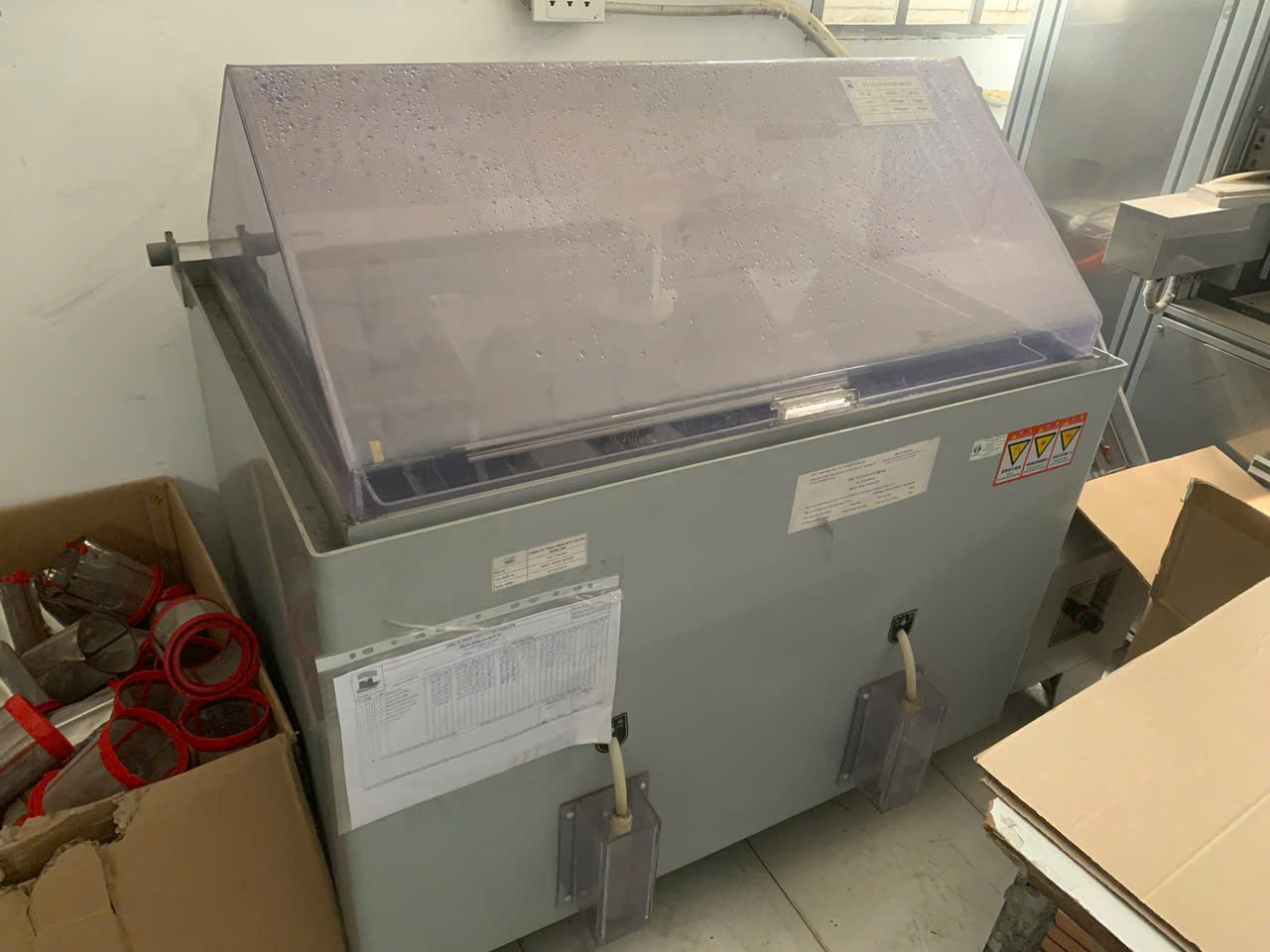
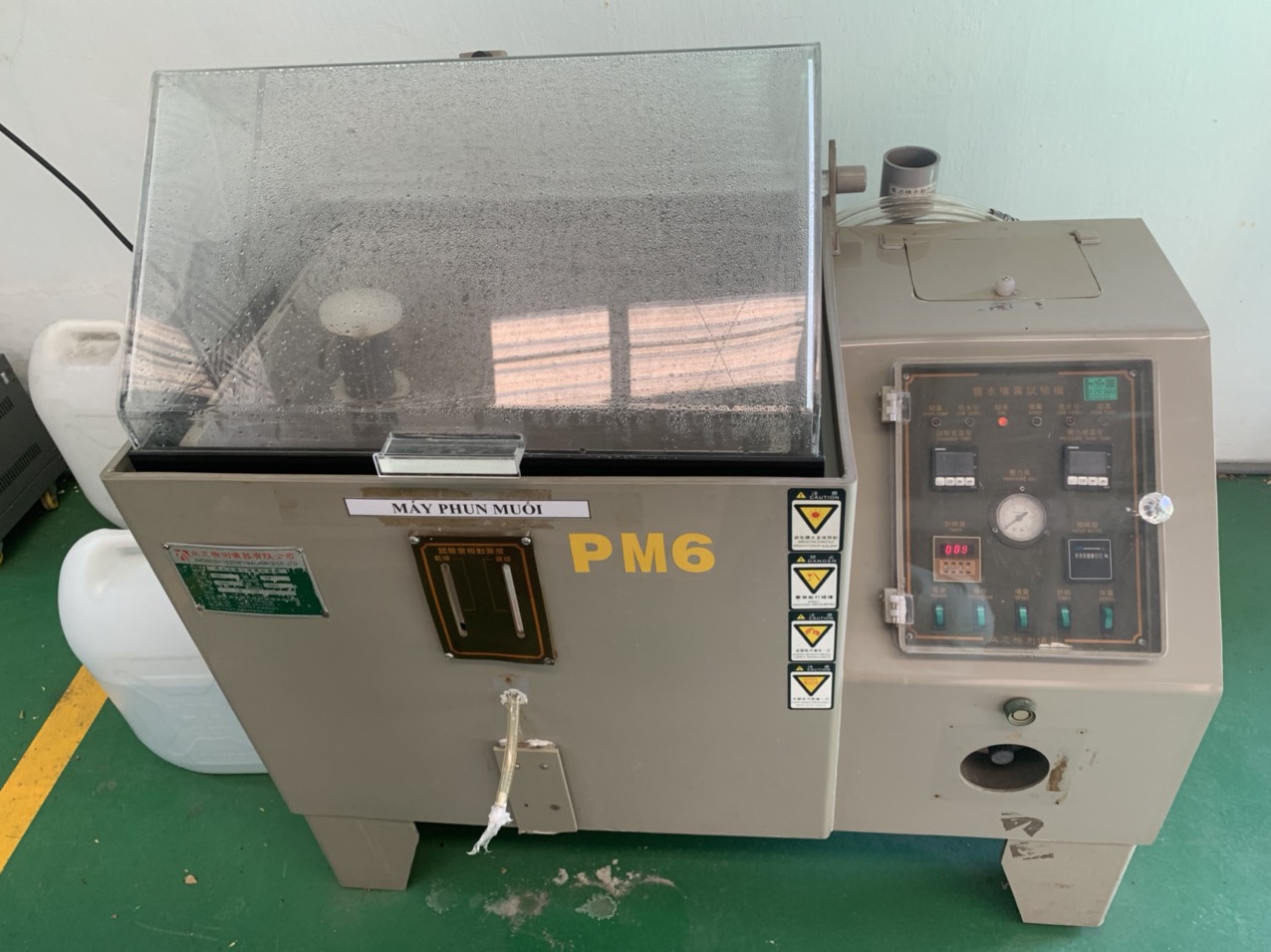
Salt spray test standards for stamping parts confuse many buyers. I have seen our clients receive rusted brackets, argue with suppliers, and lose orders. It hurts. Our sourcing team fixes this daily.
Salt spray test standards for stamping parts include ASTM B117 and ISO 9227 as the baseline neutral salt fog methods, plus ASTM G85, DIN EN ISO 9227, and JIS Z 2371. Automotive buyers often add cyclic tests like SAE J2334 or VDA 233-102 for harsher conditions.
Knowing the standard names is only step one. You also need to pick the right one, set the right duration, verify your supplier, and prevent failures. Let me walk you through each part.
How Do I Know Which Salt Spray Test Standard My Stamped Parts Need?
A buyer once sent me a drawing that said only "salt spray 96 hours." No standard. No failure criteria. Our engineers had to push back and rebuild the spec before we could quote it properly.
Match the standard to your market and coating. Use ASTM B117 for North American industrial parts, ISO 9227 NSS for international projects, CASS for decorative plated finishes, and ASTM G85 or cyclic automotive tests when parts face harsh outdoor or vehicle service conditions.

The choice starts with three questions. Where will the part be sold? What coating does it carry? And how harsh is the service environment? Answer those, and the standard almost picks itself.
The Main Standards Compared
| Standard | Region / Use | Key Note |
|---|---|---|
| ASTM B117 | North America, broad industrial | Neutral salt fog baseline for coatings and metals |
| ISO 9227 1 | International | Defines NSS, AASS, and CASS variants |
| DIN EN ISO 9227 | Europe | European designation of ISO 9227 |
| JIS Z 2371 | Japan | Japanese national salt spray standard |
| ASTM G85 | Modified or severe testing | Used when plain salt fog is not representative |
ASTM B117 and ISO 9227 are similar in purpose but not identical in scope. ASTM B117 is a practice for operating the salt fog chamber. ISO 9227 goes further. It defines three distinct procedures. Neutral salt spray (NSS) uses a 5% sodium chloride solution 2 at about 35°C. Acetic acid salt spray (AASS) adds acetic acid for certain plated or decorative finishes. Copper-accelerated acetic acid salt spray (CASS) adds copper chloride and attacks decorative copper-nickel-chromium systems fast.
For stamped brackets and clips like the ones we source, the pattern is simple. A U.S. industrial customer usually writes ASTM B117 into the drawing. A European appliance client asks for DIN EN ISO 9227 NSS. An automotive program may skip static salt spray entirely and require SAE J2334, GM9540P, or VDA 233-102. Those cyclic tests mix salt spray, humidity, and dry-off phases. They simulate real wet-dry cycling better than a static fog chamber.
One more point matters. Salt spray is an accelerated comparison test. It ranks coatings under repeatable conditions. It does not predict exact field life. So pick the standard your customer and industry recognize, then define what failure looks like.
What Salt Spray Test Duration Should I Require for Different Coatings on Stamping Parts?
Duration is the trade-off I weigh most often when reviewing a customer drawing. Longer hours mean thicker or better coatings, and that means higher cost. Our job is to find the honest middle ground.
Require 24–48 hours for basic zinc-plated indoor parts, 96–200 hours for standard industrial stampings, and 500–1000+ hours for automotive, marine, or outdoor components. Always pair the hour value with clear failure criteria such as white rust or red rust limits.

An hour number alone is not a specification. "500-hour salt spray" can mean five different things to five suppliers. You must state what counts as failure. Is it first white rust? First red rust? A percentage of surface area? Does it include cut edges or not? These details decide whether a test is meaningful or just a box-checking exercise.
Typical Duration Expectations by Coating
| Coating System | Typical Requirement | Common Failure Criterion |
|---|---|---|
| Clear zinc plating (Cr3+) | 24–72 hours | First white rust |
| Yellow/trivalent thick passivate zinc | 96–200 hours | White rust, then red rust |
| Zinc-nickel plating 3 | 500–720 hours | Red rust |
| Hot-dip galvanizing 4 | 500–1000 hours | Red rust |
| Powder coating over pretreatment | 500–1000+ hours | Blistering or creep from scribe |
These ranges are directional, not universal. Actual performance depends on coating thickness, passivation type, and part geometry.
White Rust vs. Red Rust
On zinc-coated stampings, white rust appears first. It is the zinc layer corroding sacrificially. That is the coating doing its job. Red rust means the base steel is exposed and corroding. Most specs treat white rust as an early-stage warning and red rust as the true failure point. Your drawing should say which one triggers rejection, and after how many hours.
We also advise clients to define the inspection zone. Should the lab evaluate the whole part, or only functional surfaces? Bent flanges and pierced holes behave differently from flat areas. Writing this down up front prevents disputes later. In our experience exporting stamped hardware to the U.S., a two-line failure criterion on the drawing saves weeks of email arguments after testing.
How Can I Verify That My Supplier Actually Follows Salt Spray Test Requirements?
During a supplier audit in Vietnam last year, our team found a salt spray chamber that had not been calibrated in two years. The reports looked perfect. The chamber conditions did not. That gap is exactly what buyers need to close.
Verify compliance by requesting calibrated chamber records, third-party lab reports with photos, PPAP documentation covering salt spray results, and periodic witnessed or independent retests. Audit the supplier's chamber temperature logs, solution concentration checks, and specimen placement practices in person or through a local team.
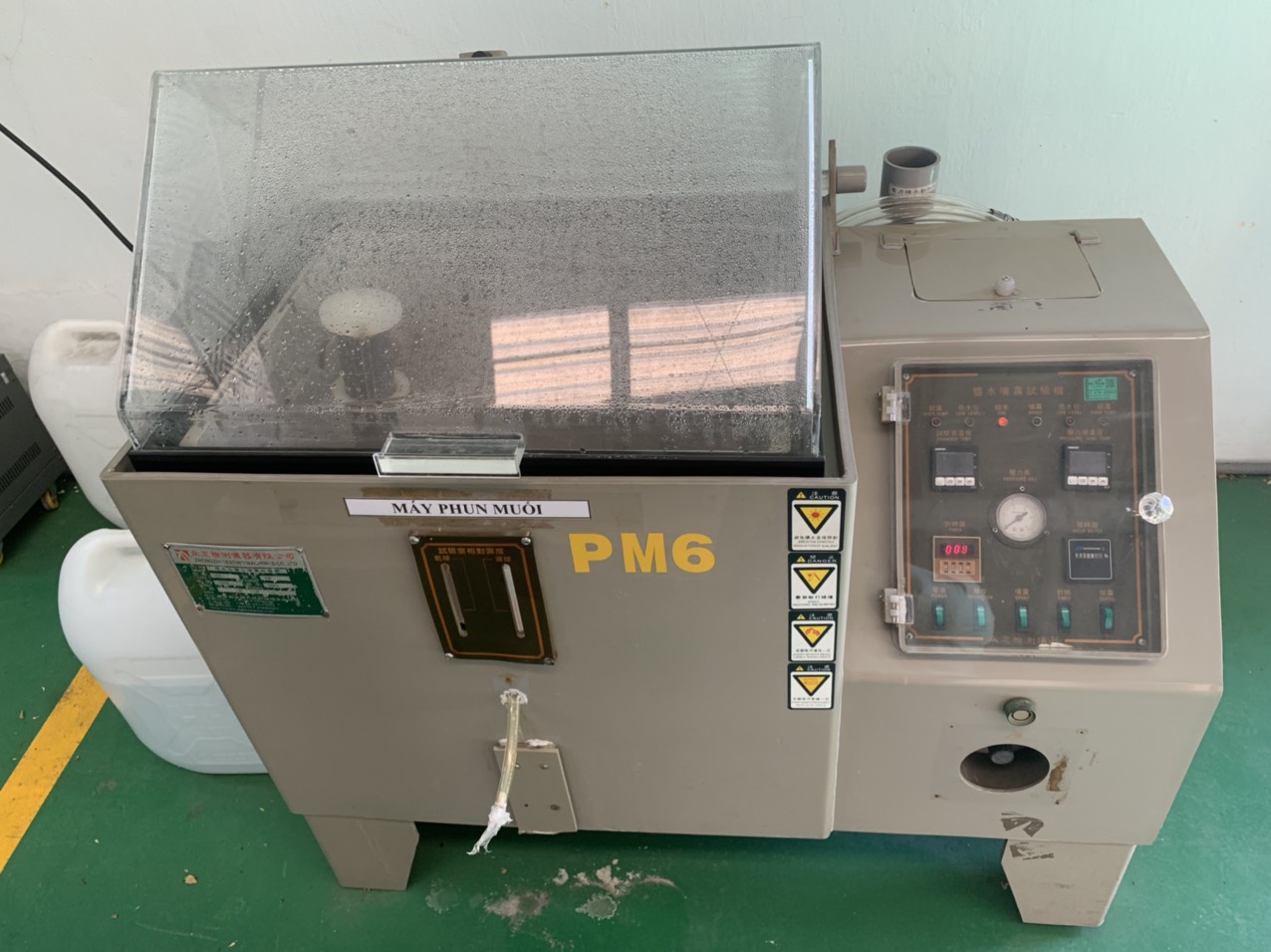
Trust is good. Evidence is better. A salt spray certificate is easy to print. A controlled testing process is much harder to fake. Here is the verification sequence we run for our U.S. clients.
A Practical Verification Checklist
- Ask for the chamber calibration certificate. Temperature, spray collection rate, and solution pH must be checked on a schedule. Expired calibration invalidates results.
- Review the raw test log, not just the certificate. A real test has daily condition records, specimen photos at intervals, and a start and end date that match chamber capacity.
- Require photos of specimens before, during, and after testing. Photos should show the actual part number, edges, and bend areas, not just a flat coupon.
- Include salt spray in the PPAP package. We build corrosion results into PPAP 5 submissions so the requirement is locked before mass production, not debated after delivery.
- Commission periodic third-party testing. Pull random parts from a production lot, not from a golden sample drawer, and send them to an independent lab.
- Audit on-site when the volume justifies it. Our local teams in Vietnam and China check chamber condition, solution mixing records, and how operators angle and space the specimens.
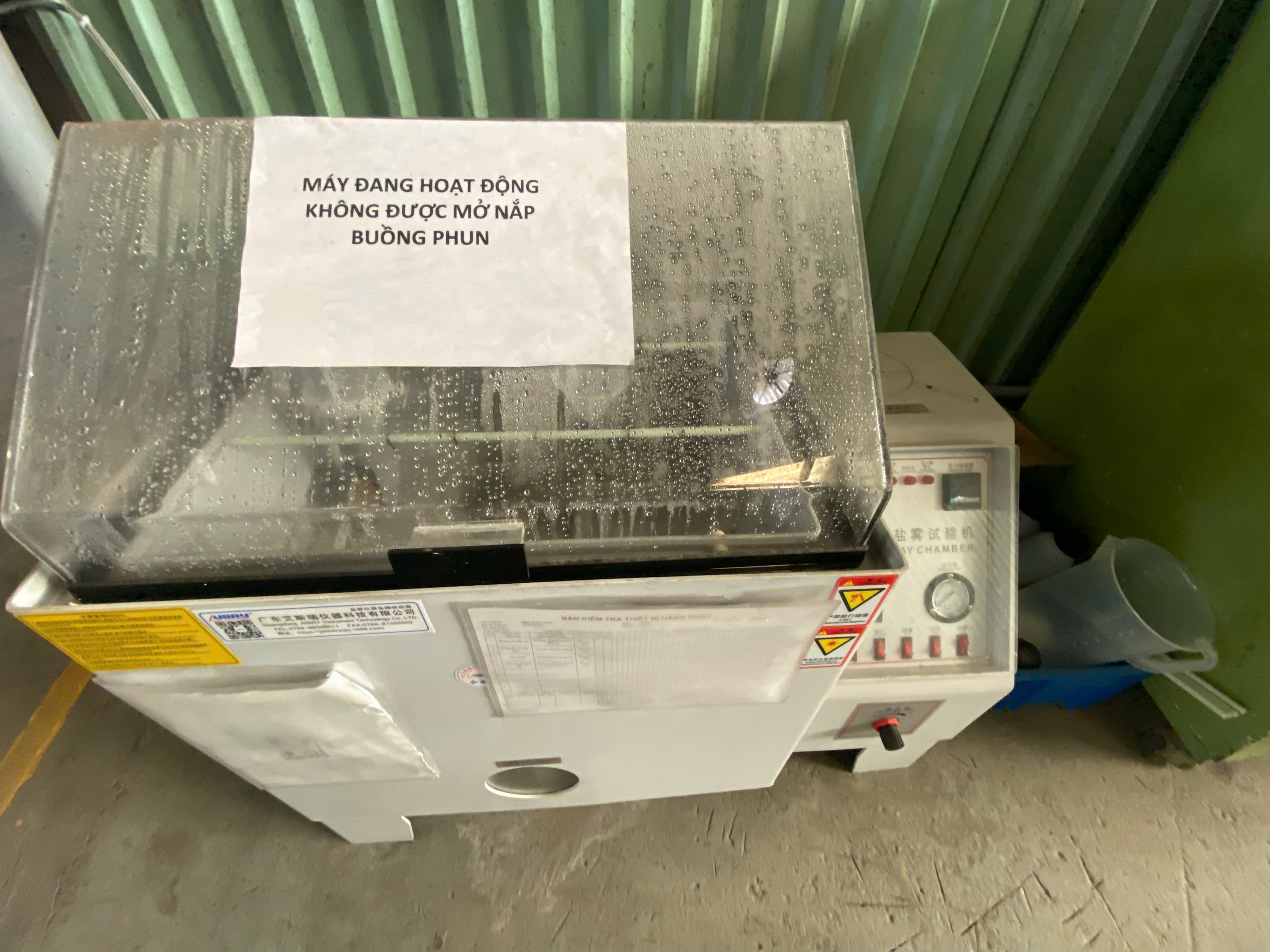
Specimen handling matters more than most buyers realize. Parts placed flat, stacked, or touching chamber walls give unreliable results. Standards require specific angles and spacing so fog settles evenly. If a supplier cannot explain how they mount a zigzag-profile bracket in the chamber, that is a red flag.
Finally, tie verification to consequences. Put the standard, duration, failure criteria, and retest rights into the purchase agreement. A requirement that lives only in an email thread will not survive a dispute.
Why Do My Stamped Parts Keep Failing Salt Spray Tests, and How Can I Prevent It?
A lesson our engineers learned early: most salt spray failures on stampings do not start with a bad coating. They start with the stamping process itself, long before the parts reach the plating line.
Stamped parts fail salt spray tests mainly at sheared edges, bend radii, and pierced holes where coating is thin or base metal is exposed. Prevent failures by controlling edge quality, cleaning die lubricant residue, sequencing plating after forming, and specifying edge protection in the drawing.
Stamping creates the exact features that corrosion loves. Cutting exposes raw steel at the edge. Bending stretches and thins the coating at the radius. Piercing leaves burrs and micro-cracks. Severe forming work-hardens the metal and can crack a pre-applied coating. Even the die lubricant, if not cleaned off fully, blocks proper pretreatment and causes blistering under powder coat.
Common Failure Modes and Fixes
| Failure Mode | Root Cause | Prevention |
|---|---|---|
| Red rust at cut edges | Bare steel exposed by shearing | Plate after stamping; deburr; specify edge criteria |
| White rust clusters at bends | Coating thinned or cracked at radius | Larger bend radius; post-form plating; zinc-nickel |
| Blistering under paint or powder | Lubricant or oil residue before coating powder coating 6 | Validated cleaning process; wipe tests before coating |
| Rust inside pierced holes | Poor coating throw into holes; burrs | Burr height limits; barrel plating checks; hole inspection rule |
| Random spot rust on flat faces | Handling damage or contaminated passivate | Gloved handling; passivation bath control; packing spec |
Prevention Starts on the Drawing
The cheapest fix happens at the specification stage. State whether cut edges are included in the evaluation. Set a burr height limit. Call out post-plating baking if hydrogen embrittlement 7 is a risk for high-strength steel clips. Decide whether the part gets stamped from pre-galvanized coil or plated after forming. Pre-galvanized material is cheaper, but every cut edge is bare steel. Post-form plating covers the edges but costs more. That trade-off should be a conscious choice, not an accident.
We also run first-article salt spray on actual formed parts, not flat coupons. A flat coupon can pass while the finished bracket fails at its tightest bend. Testing the real geometry, with its real edges and holes, is the only honest check.
Conclusion
Vague corrosion specs create rusted parts, disputes, and delays. Define the standard, duration, and failure criteria clearly, then verify your supplier. Our team helps clients do exactly that.
Frequently Asked Questions
How Do I Know Which Salt Spray Test Standard My Stamped Parts Need?
A buyer once sent me a drawing that said only "salt spray 96 hours." No standard. No failure criteria. Our engineers had to push back and rebuild the spec before we could quote it properly.
What Salt Spray Test Duration Should I Require for Different Coatings on Stamping Parts?
Duration is the trade-off I weigh most often when reviewing a customer drawing. Longer hours mean thicker or better coatings, and that means higher cost. Our job is to find the honest middle ground.
How Can I Verify That My Supplier Actually Follows Salt Spray Test Requirements?
During a supplier audit in Vietnam last year, our team found a salt spray chamber that had not been calibrated in two years. The reports looked perfect. The chamber conditions did not. That gap is exactly what buyers need to close.
Footnotes
1. Official ISO standard page defining neutral salt spray, AASS, and CASS test variants. ↩︎
2. Background reference on the chemical used in neutral salt spray testing solutions. ↩︎
3. Wikipedia background on electroplating processes including zinc-nickel coatings used for corrosion protection. ↩︎
4. Background on this common corrosion-resistant coating process listed in duration table. ↩︎
5. ISO body oversees quality standards underlying PPAP documentation practices for automotive suppliers. ↩︎
6. Background reference on this coating method referenced in the failure mode table. ↩︎
7. Wikipedia explains this metallurgical failure mechanism relevant to post-plating baking. ↩︎