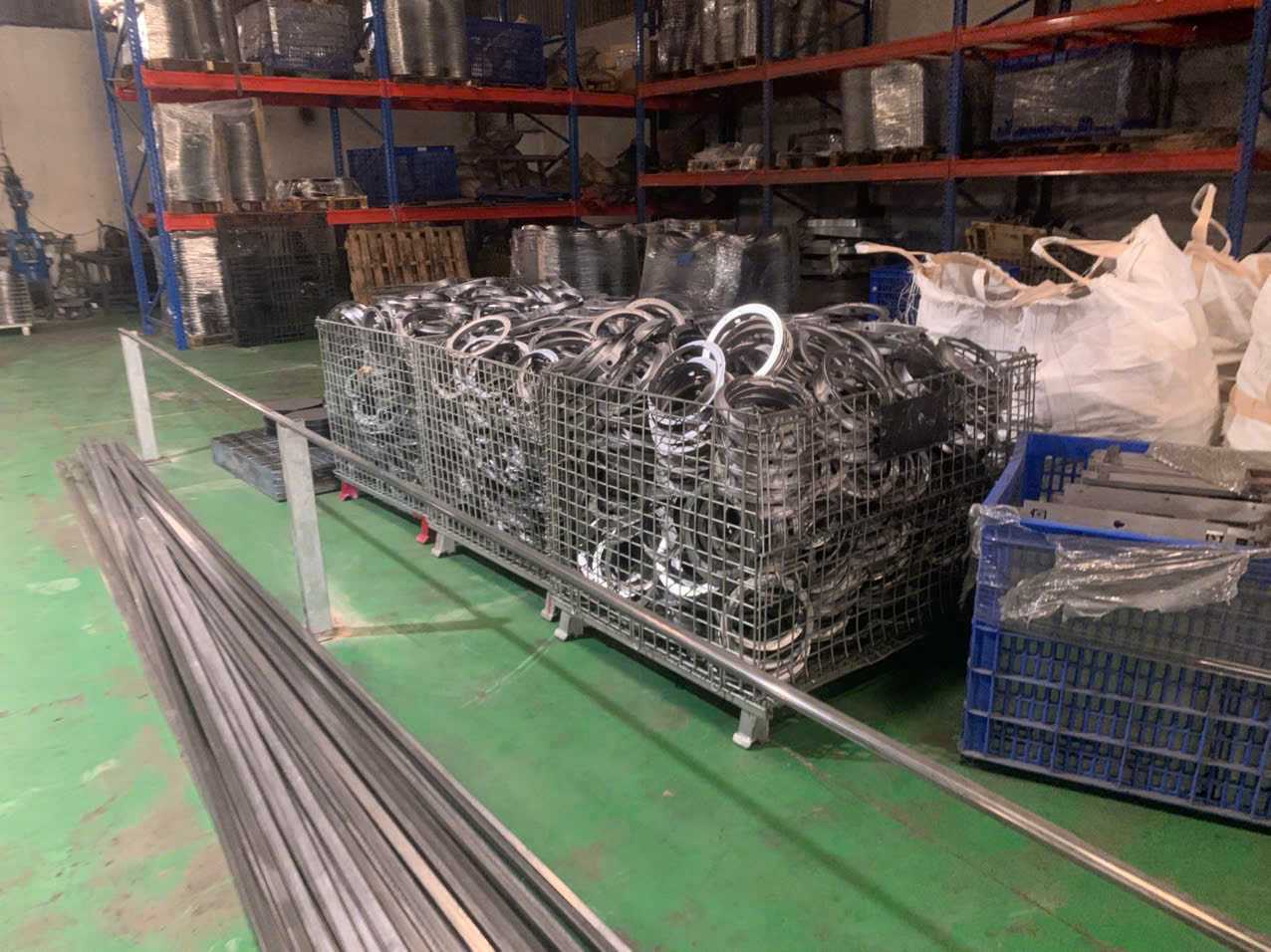
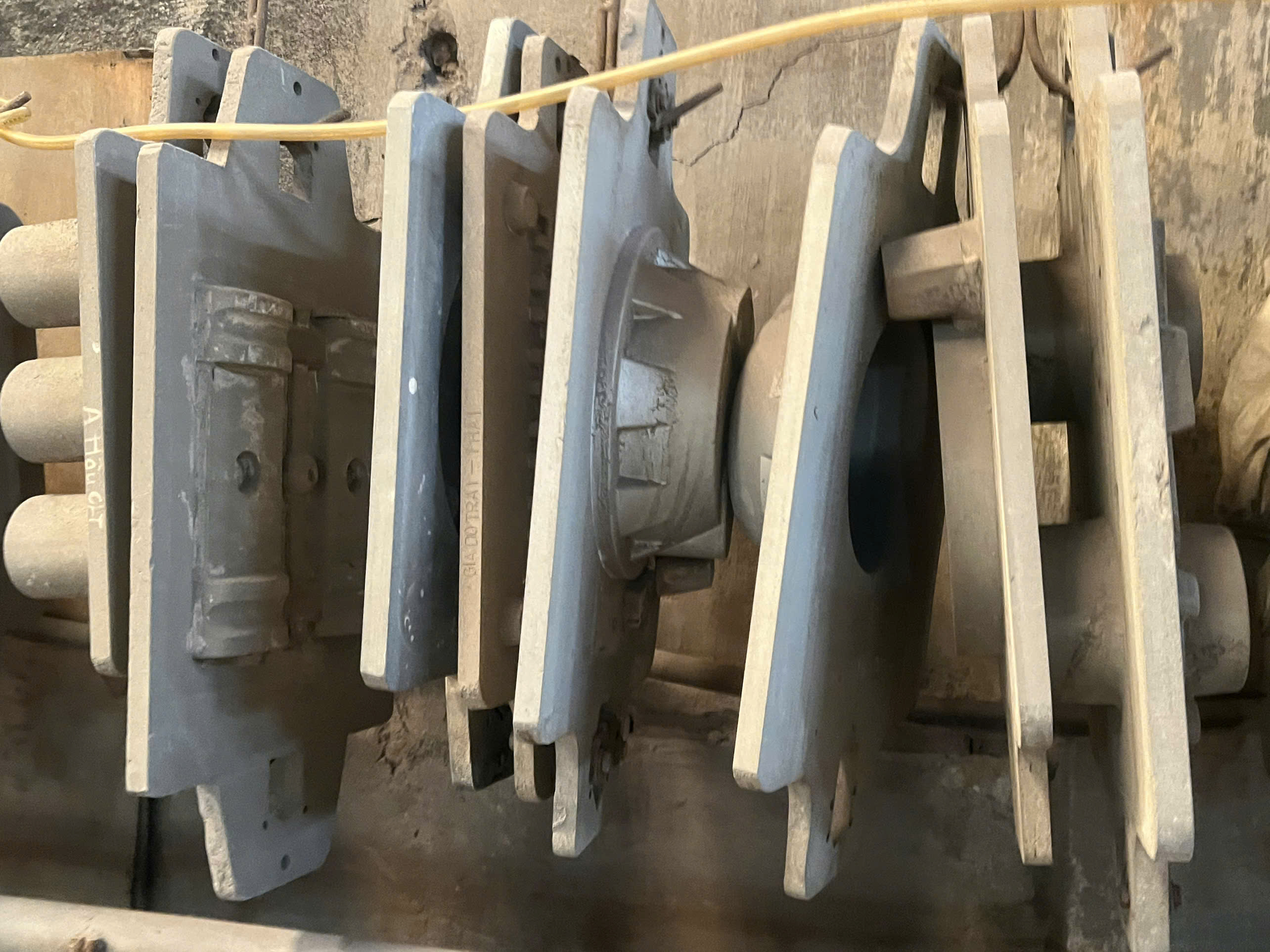
Sea freight packaging requirements for imported stamping parts trip up more buyers than pricing does silica gel desiccant 1. I learned this the hard way when our team inspected a container of rusted brackets in Vietnam.
Imported stamping parts require seaworthy packaging that combines VCI corrosion protection, desiccant moisture control, strong export cartons or crates with blocking and bracing, ISPM-15 heat-treated wood pallets bearing the IPPC mark, and clear labeling that matches the packing list for customs and traceability.
Each of those elements answers a different risk metal stamping 2. Rust, crushing, quarantine, and lost traceability all have predictable causes. Let me walk you through each layer, the way we specify it in our purchase orders.
How Do I Choose the Right Packaging Materials for Sea Freight Stamping Parts?
A buyer once asked me why we quoted crates for parts his previous supplier shipped in plain cartons. Six weeks later, his old shipment arrived crushed. Ours did not.
Choose packaging materials by part weight, geometry, and transit risk: VCI film or paper as the inner layer, partitioned corrugated inserts to separate parts, double-wall export cartons for lighter loads, and fork-movable plywood crates on ISPM-15 pallets for parts or packs over 30 kilograms.
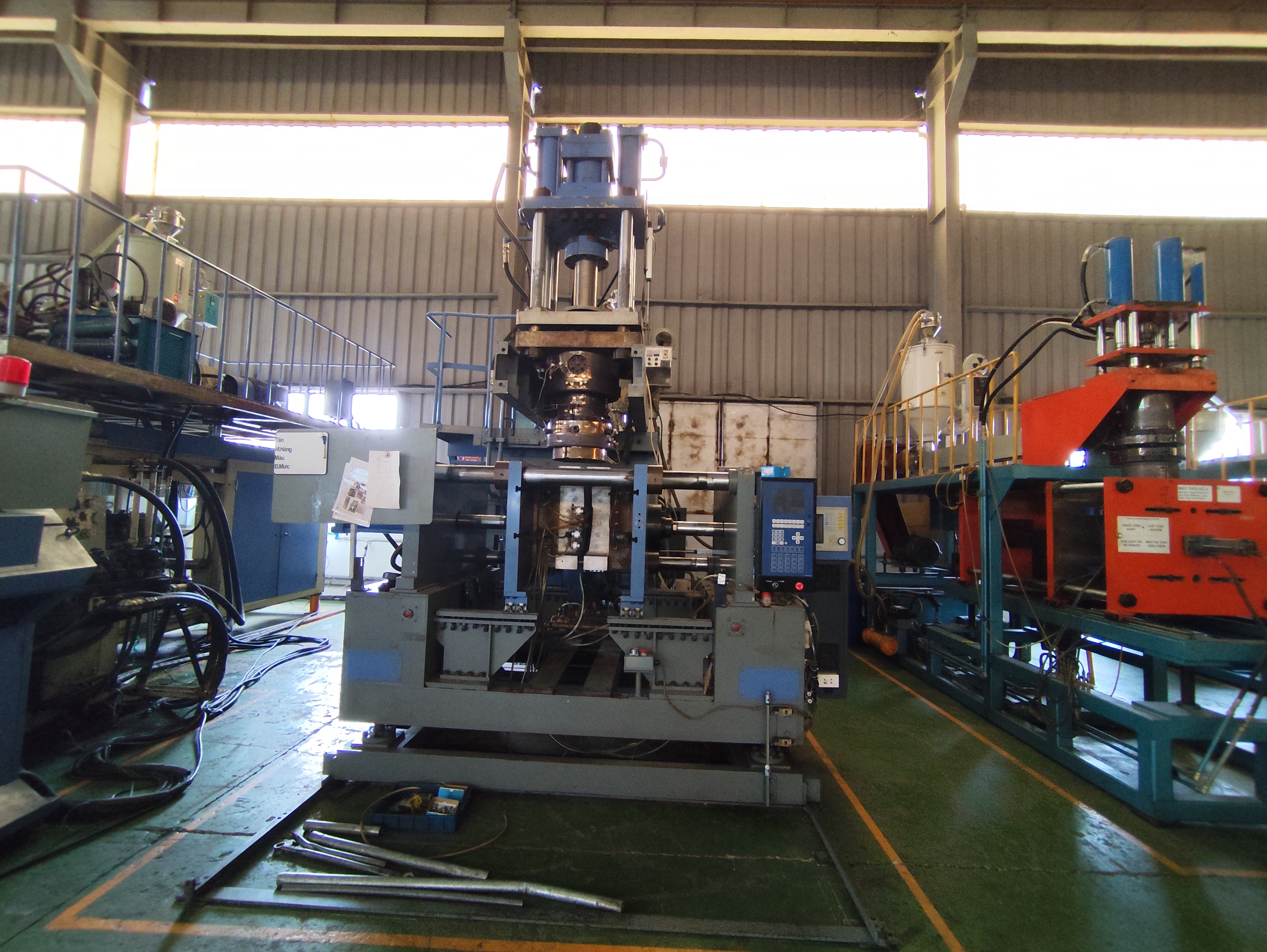
The right material stack starts with the part itself. A thin zigzag bracket with sharp edges behaves differently in a box than a heavy stamped flange. Sharp edges cut through film. Dense parts crush weak cartons from the inside. So we always match the material to the part before we think about the container.
Match the Layer to the Job
Every layer has one job. The inner layer stops corrosion. The middle layer stops part-to-part contact. The outer layer resists stacking pressure. The base makes the load safe to handle. If any layer is missing, the others cannot compensate.
Here is the layer structure we specify for our clients' stamping parts:
| Layer | Material | Purpose |
|---|---|---|
| Primary | VCI bag, VCI paper, or interleaving paper | Corrosion-inhibiting environment around bare metal |
| Secondary | Desiccant plus sealed moisture barrier | Humidity control for long transit |
| Tertiary | Partitioned inserts, foam, or kraft dividers | Prevent scratching and denting between parts |
| Outer | Double-wall export carton, case, or plywood crate | Resist stacking, compression, shock |
| Base | ISPM-15 3 heat-treated pallet or skid | Forklift handling and wood compliance |
Weight Thresholds That Matter
Weight drives the carton-versus-crate decision. In our experience managing door-to-door logistics from Vietnam and China to the US, these thresholds hold up well:
| Pack Weight | Recommended Outer Packaging |
|---|---|
| Under 30 kg | Double-wall export carton, strapped to pallet |
| 30–70 kg | Palletized cartons or light crate |
| Over 70 kg | Fork-movable crate, blocked and braced |
Sharp-edged sheet metal parts also need edge protectors and thicker barrier material at contact points. A carton that works for smooth washers will fail for angular brackets. We check part geometry at the packing trial, not after the claim arrives.
What Anti-Rust and Moisture Protection Do I Need for Ocean Shipments?
Rust claims are the single most common failure our inspection team in Vietnam sees on metal parts. One open VCI bag can ruin an entire carton of brackets.
Ocean shipments of stamping parts need anti-rust oil or a dry corrosion inhibitor on the metal, fully sealed VCI film or paper wrapping, calculated silica gel desiccant inside sealed packs, and container-level moisture absorbers to fight condensation, also known as container rain, across the voyage.
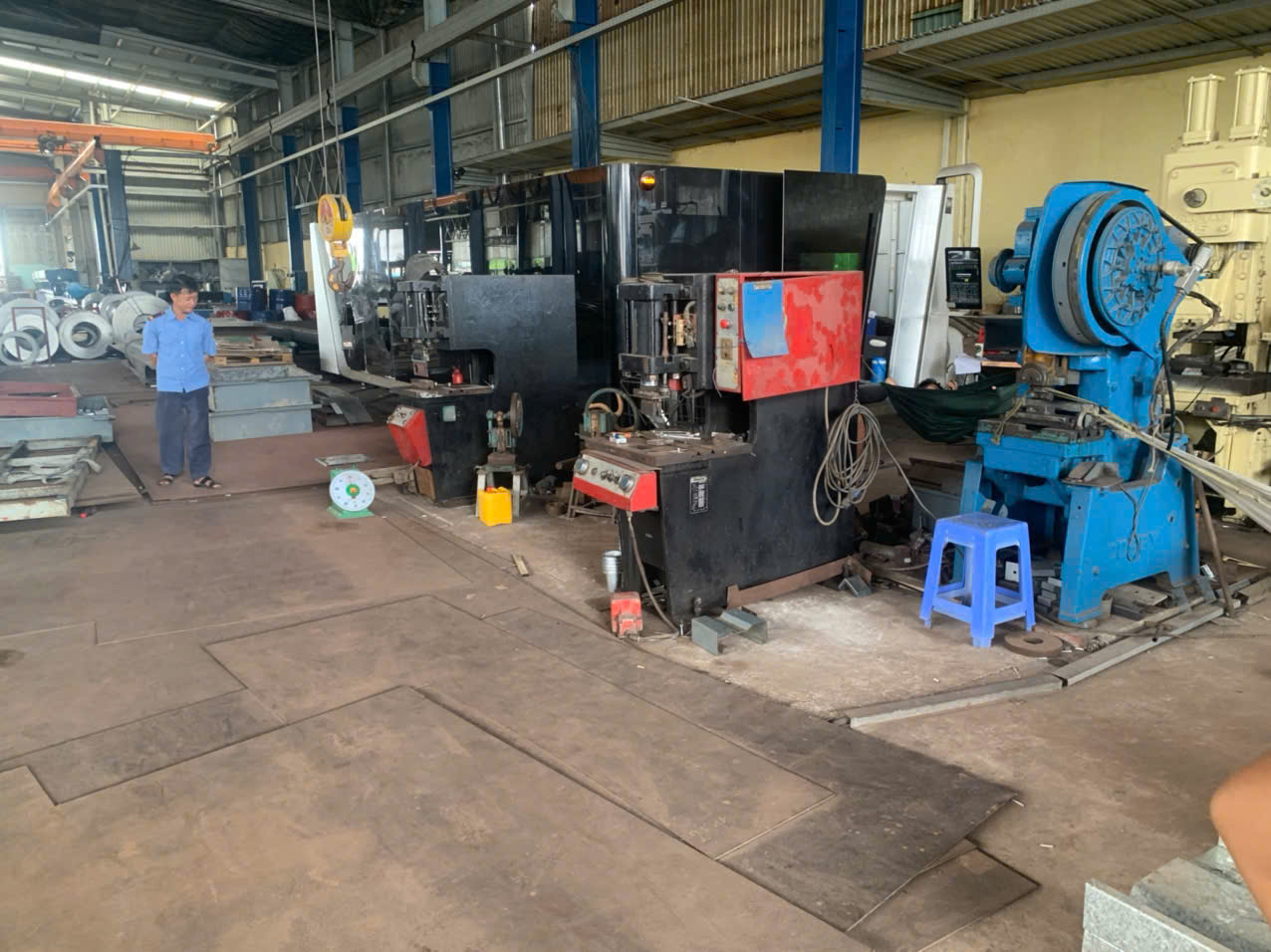
Corrosion control is a chain, and it breaks at the weakest link. A container crossing the ocean passes through several climate zones. Warm humid air enters at loading. Cold nights at sea condense that moisture on the container ceiling. It then drips onto the cargo. That is container rain 4, and it happens on ordinary voyages, not just bad ones.
The Three Lines of Defense
First, the part surface. Bare steel should receive anti-rust oil or an equivalent inhibitor before packing corrosion inhibitor 5, unless the client's drawing forbids oil. Parts must go into the pack clean and dry. Oily fingerprints and wash-water residue start corrosion cells before the ship even sails.
Second, the sealed barrier. VCI works by releasing a vapor that protects metal inside an enclosed space. The bag must be sealed. A loosely folded or open VCI bag gives almost no protection, because the vapor escapes. For long or humid-season voyages, we specify waterproof plastic foil sealed by welding, with moisture absorbent inside. For precision or surface-finished parts, vacuum sealing or nitrogen flushing removes oxygen entirely.
Third, the container environment. Desiccant inside cartons handles trapped air. Hanging desiccant poles inside the container handle ambient humidity swings across a 20 to 40 day voyage. Both matter. One does not replace the other.
A Quick Decision Guide
Match the protection level to transit time and part sensitivity. Overprotecting cheap parts wastes money. Underprotecting finished surfaces creates claims.
| Part Sensitivity | Transit Under 25 Days | Transit Over 25 Days |
|---|---|---|
| Galvanized or coated parts | VCI bag plus desiccant | Sealed VCI plus desiccant plus container poles |
| Bare steel parts | Anti-rust oil plus sealed VCI plus desiccant | Welded foil barrier plus silica gel plus poles |
| Precision or cosmetic surfaces | Sealed VCI plus interleaving | Vacuum-sealed or nitrogen-flushed packs |
How Should I Package Stamping Parts to Prevent Damage During Long Transit Times?
There is a trade-off I weigh on every project: packing density against protection. Squeeze in more parts per carton, and freight cost drops, but scratch risk climbs.
Prevent transit damage by separating parts with interleaving or partitioned inserts, filling all voids so nothing shifts, using double-wall cartons within safe weight limits, blocking and bracing crates internally, and strapping palletized loads with even weight distribution to survive stacking, vibration, and rough seas.
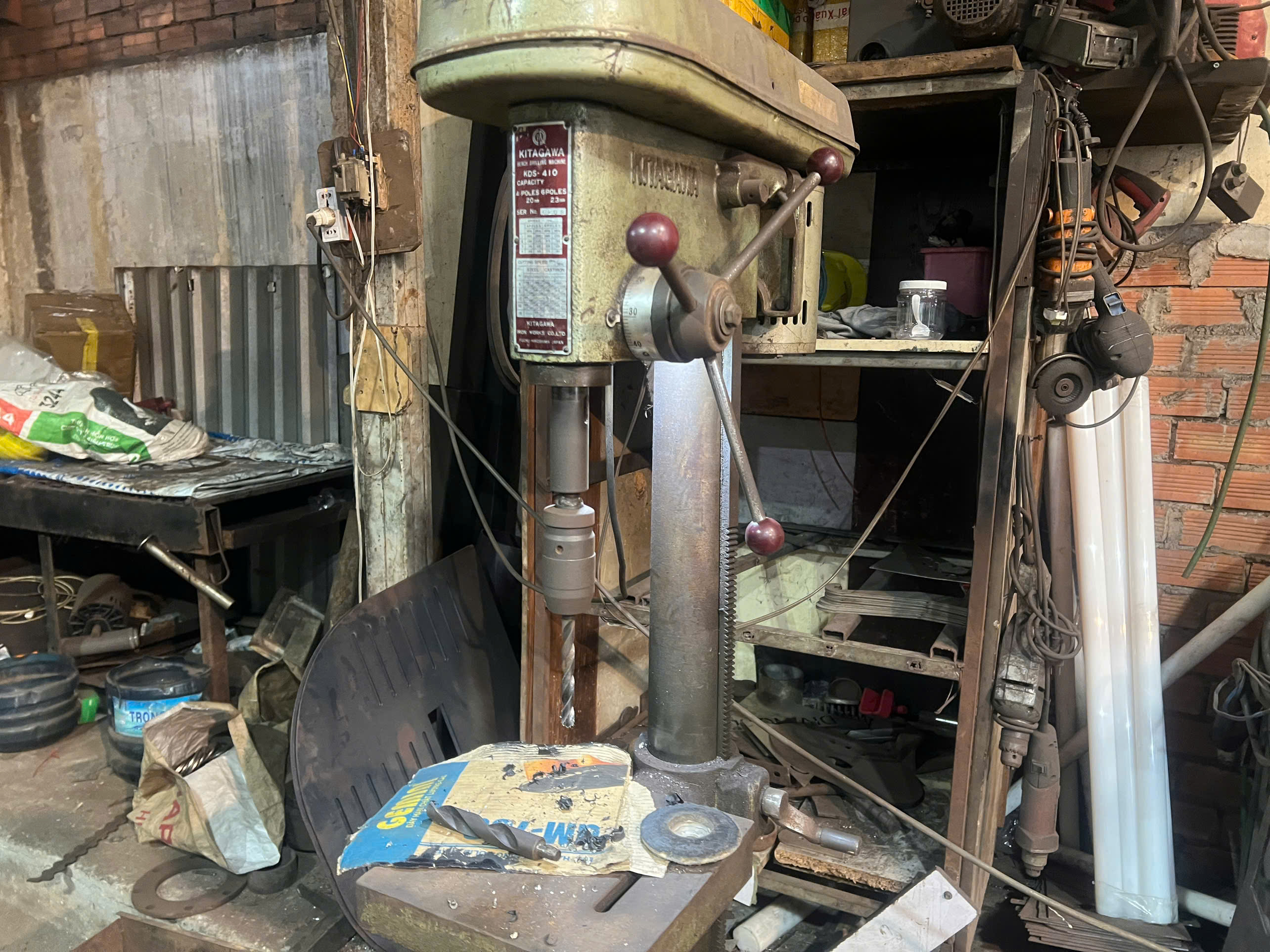
Movement is the enemy. A stamped bracket that shifts inside its carton for thirty days will scratch its neighbors, dent its own flanges, and grind through any protective wrap. So the whole packing method aims at one outcome: nothing moves.
A Step-by-Step Packing Sequence
This is the sequence we ask suppliers to follow, and it is the same checklist our final inspection team verifies before we release a shipment:
- Clean and dry every part. No oil stains, no odor, no moisture.
- Apply corrosion protection and seal the VCI layer.
- Place parts in partitioned inserts or interleave them with kraft, foam, or plastic sheets. Sharp edges get edge protectors.
- Fill remaining voids with dunnage so the contents cannot shift when the carton is shaken.
- Keep each carton within its rated weight. A carton that bulges will collapse under stacking.
- Stack cartons on the pallet in a stable, interlocked pattern. Heavy packs go on the bottom.
- Strap and stretch-wrap the pallet. For crates, add internal blocking and bracing so the load bears on the crate structure, not on the parts.
- Check that nothing protrudes. No nails, hooks, or sharp points that could injure handlers or damage neighboring cargo.
Think About the Whole Journey
Sea freight is never just the ship. Your cartons face forklift handling at the factory, container loading, port cranes, transshipment, and truck delivery on the far end. Packaging must survive mechanical and climatic stress across all of it. When we run a packing trial for a new part, we simulate the worst handling point, not the average one. Weight distribution inside the container matters too. An unbalanced load can topple in rough seas and crush everything beneath it.
What Packaging Standards or Documentation Should I Require from My Supplier for Sea Freight?
Years of supplier audits across Vietnam and China taught our team one lesson: undocumented packaging is unverifiable packaging. If the spec is not written down, it will drift.
Require ISPM-15 heat-treated wood packaging with the IPPC stamp, a written packing specification, carton labels showing part number, quantity, lot ID, and weight, shipping marks with consignee and origin details, a packing list that matches the labels exactly, and pre-shipment photos documenting packaging condition.
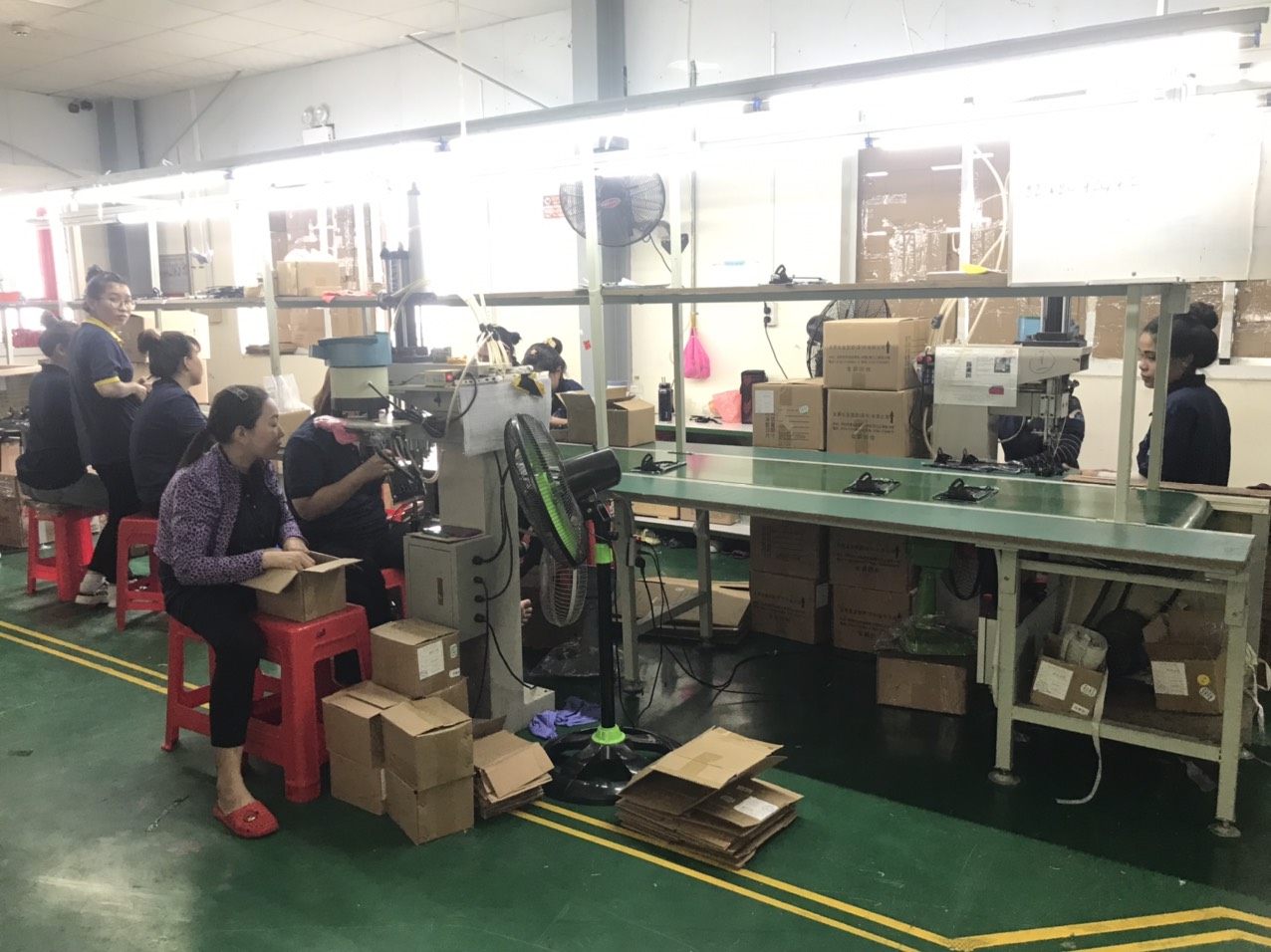
Compliance and paperwork are the third pillar of sea freight packaging requirements, next to corrosion control and physical protection. A perfectly packed container can still sit in quarantine because of one untreated pallet. And a perfectly delivered container can still trigger a payment dispute because the carton labels do not match the packing list.
Wood Packaging Compliance Comes First
Every piece of wood in the shipment counts. Pallets, crates, and even dunnage must be heat-treated or fumigated under ISPM-15 and must carry the official IPPC mark. US customs can hold, treat, or reject shipments with non-compliant wood. We photograph the IPPC stamps on every pallet before the container doors close, because a missing stamp is cheap to fix at the factory and very expensive to fix at the port.
The Documentation Package to Demand
Here is the minimum documentation set we build into purchase orders for stamping parts:
| Item | What It Must Contain | Why It Matters |
|---|---|---|
| Packing specification | Materials, layer structure, weight limits, sealing method | Makes packaging auditable and repeatable |
| Carton labels | Part number, quantity, lot ID, gross/net weight | Enables traceability and receiving checks |
| Shipping marks | Consignee, consignor, origin, dimensions, handling symbols | Customs clearance 6 and safe handling |
| Heavy-crate marks | Gross weight, center of gravity, lifting points | Safe crane and forklift handling |
| Packing list | Line-by-line match with carton labels | Prevents customs queries and claim disputes |
| Pre-shipment photos | Sealed packs, IPPC stamps, loaded container | Evidence for Incoterms 7-based damage claims |
Photos deserve special mention. Under FOB or CIF terms, liability shifts at defined points. If damage appears at destination, dated photos of the sealed, loaded container are your strongest evidence of the packaging condition at handover. Tamper-evident seals on the container add another layer of proof. We include both in every shipment we manage, because a five-minute photo routine has settled more than one dispute in our clients' favor.
Conclusion
Rust, crushing, and quarantine holds are all preventable. Specify VCI, desiccant, strong outer packing, ISPM-15 wood, and matching labels in your purchase order, and your imported stamping parts arrive clean, dry, and claim-free.
Frequently Asked Questions
How Do I Choose the Right Packaging Materials for Sea Freight Stamping Parts?
A buyer once asked me why we quoted crates for parts his previous supplier shipped in plain cartons. Six weeks later, his old shipment arrived crushed. Ours did not.
What Anti-Rust and Moisture Protection Do I Need for Ocean Shipments?
Rust claims are the single most common failure our inspection team in Vietnam sees on metal parts. One open VCI bag can ruin an entire carton of brackets.
How Should I Package Stamping Parts to Prevent Damage During Long Transit Times?
There is a trade-off I weigh on every project: packing density against protection. Squeeze in more parts per carton, and freight cost drops, but scratch risk climbs.
Footnotes
1. Explains the moisture-absorbing material widely used to control humidity in sealed packaging. ↩︎
2. Background reference on the metal stamping manufacturing process for the parts discussed throughout. ↩︎
3. Official international phytosanitary standard governing wood packaging heat treatment requirements. ↩︎
4. Wikipedia explains condensation physics underlying the container rain phenomenon described in the article. ↩︎
5. Background concept explaining how vapor corrosion inhibitors chemically protect metal surfaces. ↩︎
6. US Customs and Border Protection trade page relevant to documentation and clearance requirements discussed. ↩︎
7. Official ICC source defining FOB and CIF liability terms referenced for shipment risk transfer. ↩︎