
Sea freight 1 packaging requirements for imported stamping parts trip up more buyers than pricing does. I learned this the hard way managing shipments from our Vietnam facility to U.S. clients.
Sea freight packaging for imported stamping parts requires VCI wrapping or sealed moisture barriers, desiccant packs, strong export cartons with stacking strength, internal blocking and bracing, ISPM-15 compliant wooden pallets or crates, and accurate shipping labels matching the packing list for customs and receiving.
Each of those elements solves a different risk. Below, I break down rust prevention, damage control, material selection, and supplier verification, one at a time.
How Should I Package Stamped Metal Parts to Prevent Rust During Ocean Transit?
A few years back, a container of bare steel brackets from one of our audited suppliers arrived in Los Angeles with surface rust. The cause? An unsealed VCI bag. That lesson shaped every packing instruction we write today.
To prevent rust, wrap stamped metal parts in VCI film or paper, seal the barrier completely, add silica gel or clay desiccant inside the sealed layer, and use waterproof outer packaging. VCI creates a corrosion-inhibiting atmosphere, while desiccant controls internal humidity during the voyage.
Ocean transit is brutal on bare metal. A container crosses climate zones. Warm, humid air enters at the port of loading. Then the temperature drops mid-ocean. Moisture condenses inside the container and drips onto cargo. Shippers call this "container rain 2." Thin-gauge stamped parts, especially cold-rolled steel with no coating, corrode fast under these conditions.
The Two-Layer Defense: VCI Plus Desiccant
VCI and desiccant are complementary, not interchangeable. VCI molecules vaporize and form a protective layer on the metal surface. Desiccant absorbs the moisture already trapped inside the package. You need both for long sailings. One critical rule from our own packing instructions: the VCI bag must be sealed. An open VCI bag protects nothing, because the inhibiting vapor escapes.
Match Protection to the Surface Finish
Not every part needs the same protection level. Here is how we typically grade it:
| Part Surface | Corrosion Risk | Recommended Protection |
|---|---|---|
| Bare cold-rolled steel | High | VCI film 3 + desiccant + sealed barrier |
| Zinc-plated / galvanized | Medium | VCI paper interleave + desiccant |
| Stainless steel | Low–Medium | Clean wrap + desiccant; VCI optional |
| Pre-coated / painted | Low | Soft interleave to protect finish |
For voyages over 30 days, or for monsoon-season shipments out of Southeast Asia, we also calculate desiccant dosage based on package volume. More enclosed air means more absorbent material. When we prepare shipments from Vietnam during the wet season, we increase desiccant quantities and sometimes add humidity indicator cards inside cartons so the receiving team can verify conditions on arrival.
What Packaging Standards Should I Require to Avoid Damage from Container Loading and Handling?
One trade-off we weigh on every project is protection versus cost. Overbuilt crates waste money and container space. Underbuilt cartons collapse under stacking loads. The right standard sits in between, and it depends on part weight and geometry.
Require export cartons with rated stacking strength, internal dividers or foam to stop part movement, blocking and bracing inside the container, and weight-based packaging rules: pallets or crates for pieces of 30–70 kg, and fork-movable crates or secured pallets for anything over 70 kg.
Container handling is rougher than most buyers imagine. Cartons get stacked two meters high. Forklifts bump pallets. Ships roll and vibrate for weeks. Stamped parts with sharp edges and formed flanges can cut through weak packaging, scratch each other, or deform under compression. Thin brackets like the mounting clips we source are especially vulnerable to bent flanges and abraded surfaces.
A Weight-Based Standard You Can Put in Your PO
We write these thresholds directly into supplier packing instructions:
| Piece Weight | Minimum Packaging Requirement |
|---|---|
| Under 30 kg | Strong export carton, double-wall corrugated |
| 30–70 kg | Palletized carton or crate recommended |
| Over 70 kg | Fork-movable crate or securely loaded pallet, mandatory |
Internal Protection Rules
Weight rules cover handling. Internal rules cover the parts themselves. We require:
- Dividers or foam between layers so parts cannot rub against each other.
- No void space inside the carton; fill gaps with dunnage.
- Blocking and bracing inside the container so pallets cannot shift.
- Stretch wrap on every pallet to unitize the load.
- Carton weight limits so one person or one forklift can handle each unit safely.
Vibration matters too. Over a three-to-five-week sailing, constant micro-movement abrades finishes on thin-gauge parts. Tight interior packing, not just strong exterior packing, prevents this. During our final inspections in Vietnam, we open sample cartons and shake-test them. If we hear parts moving, the packing fails.
Which Packing Materials Work Best for Long-Distance Sea Shipping of Custom Stamping Parts?
When our team specifies packaging for a new custom part, we build a material stack from the part outward. Each layer has one job. Skipping a layer to save a few cents usually costs far more in claims later.
The best material stack combines VCI film or paper against the metal, silica gel desiccant, foam or corrugated dividers for separation, double-wall export cartons, ISPM-15 heat-treated wooden pallets or crates, and stretch wrap plus strapping to unitize the load for the full voyage.
Here is the full stack we specify, from the part surface outward:
| Layer | Material | Job It Does |
|---|---|---|
| 1. Contact layer | VCI film or VCI paper | Corrosion inhibition on metal surfaces |
| 2. Humidity control | Silica gel 4 or clay desiccant | Absorbs trapped moisture |
| 3. Separation | Foam sheets, corrugated dividers | Stops scratching and edge damage |
| 4. Inner container | Poly bag, sealed if barrier needed | Keeps VCI atmosphere enclosed |
| 5. Outer container | Double-wall export carton or plywood box | Stacking and crush resistance |
| 6. Unit load | ISPM-15 5 pallet or crate | Fork handling, quarantine compliance |
| 7. Unitizing | Stretch wrap, PET strapping, corner boards | Load stability in the container |
Why ISPM-15 Is Non-Negotiable
Any solid wood used in export packaging must be heat-treated or fumigated and carry the IPPC stamp 6. This is a plant-quarantine rule, not a quality preference. Untreated wood can get your entire shipment quarantined, destroyed, or re-exported at the U.S. port. We have seen importers lose weeks over a missing stamp on a single pallet. Plywood and processed wood are exempt, which is one reason we often specify plywood crates for heavier stampings.
Right-Sizing, Not Overpacking
Good packaging is fit for purpose, not maximal. One principle we follow: packaging should be safe but not larger or more elaborate than necessary. Oversized crates waste freight cost, because sea freight charges by volume as much as weight. The goal is the minimum stack that still controls corrosion, movement, and compliance risk. For small zinc-plated clips, that might be VCI paper interleave in a double-wall carton on a treated pallet. For palm-sized bare-steel automotive brackets, we step up to sealed VCI bags with calculated desiccant dosage.
How Can I Verify My Supplier's Export Packaging Meets International Shipping Requirements?
A U.S. purchasing manager once asked me a blunt question: how do I know the packaging photos my supplier sends are what actually ships? It is a fair concern, and it is exactly why our final inspection process covers packaging, not just parts.
Verify supplier packaging by writing a detailed packing specification into your purchase order, requiring photo documentation at each packing stage, conducting or commissioning a pre-shipment inspection that includes packaging checks, confirming IPPC stamps on wood, and matching all carton labels against the packing list.
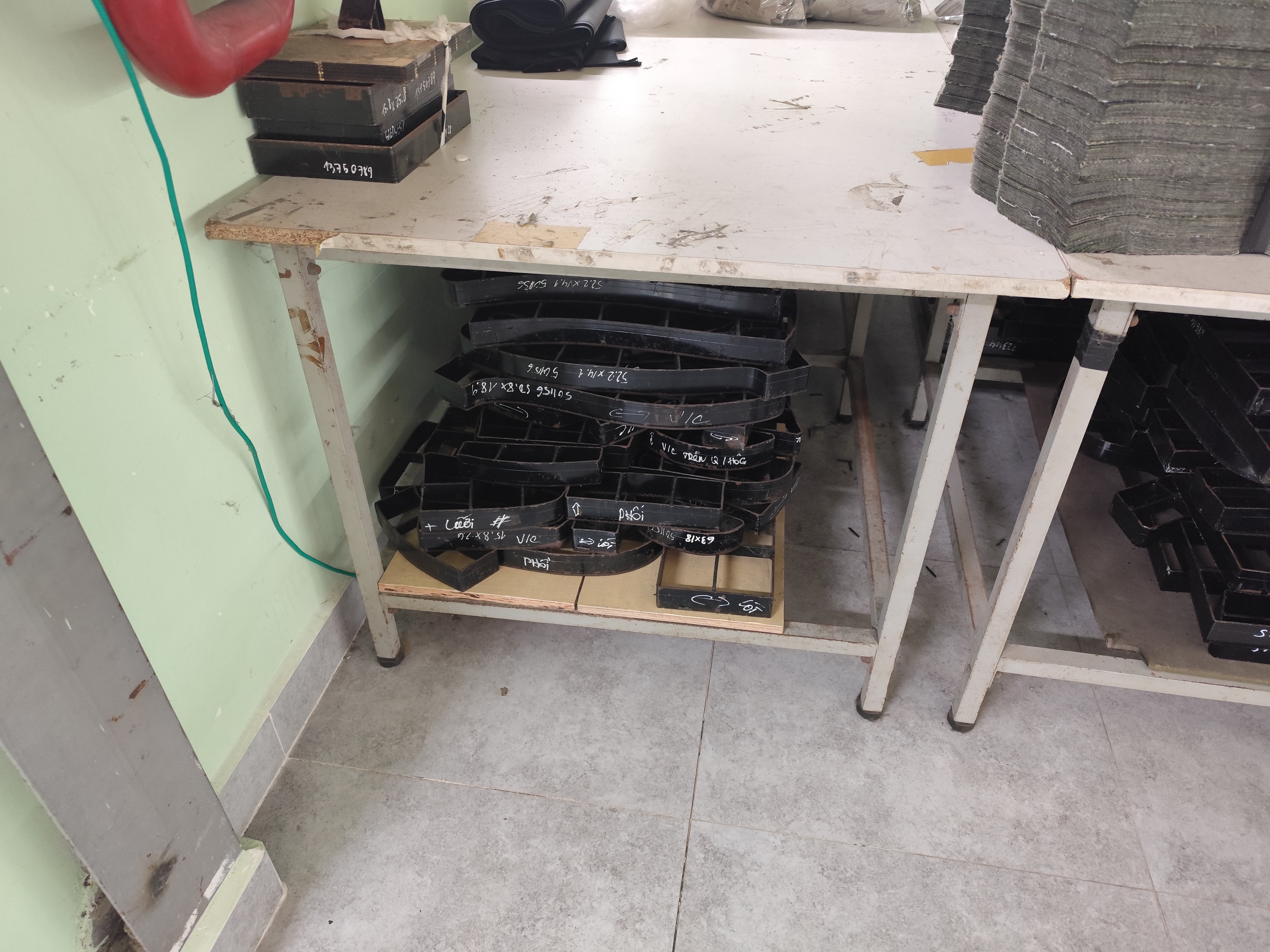
Trust is not a verification method. Documentation and inspection are. Here is the process we run for clients before any container leaves Asia.
Step 1: Specify Before You Order
Put packaging requirements in the purchase order itself. Vague phrases like "export standard packing" mean nothing. Specify VCI type, desiccant quantity, carton construction, maximum carton weight, pallet treatment, and label content. If it is not written, it will not happen consistently.
Step 2: Inspect Before It Ships
Our inspectors check packaging as part of final inspection, using a checklist like this:
- VCI bags sealed, no tears or open ends.
- Desiccant present in the specified quantity.
- Parts separated by dividers, no loose movement.
- Cartons double-wall, undamaged, within weight limits.
- IPPC heat-treatment stamp visible on every wooden pallet and crate.
- Labels show part number, quantity, lot ID, and carton weight.
- Labels match the packing list exactly, carton by carton.
- Pallets stretch-wrapped and strapped, corners protected.
Step 3: Verify Loading
Container loading photos matter. We require images showing bracing, dunnage placement, and the final door shot. If a claim arises later, this evidence supports insurance recovery. Some clients also ask us to place humidity indicator cards or data loggers inside the container. On arrival, those give the receiving team objective proof of transit conditions. Labeling deserves special attention. Mismatched or missing labels cause receiving delays and break lot traceability, which matters for clients running PPAP-controlled programs 7. We treat labeling errors as inspection failures, the same as a dimensional defect.
Conclusion
Poor packaging turns good parts into claims. Rust, crushed cartons, and quarantined pallets are all preventable. Specify VCI, desiccant, strong cartons, ISPM-15 wood, and verified labels — then inspect before loading. That is how imported stamping parts arrive rust-free, undamaged, and customs-compliant.
Frequently Asked Questions
How Should I Package Stamped Metal Parts to Prevent Rust During Ocean Transit?
A few years back, a container of bare steel brackets from one of our audited suppliers arrived in Los Angeles with surface rust. The cause? An unsealed VCI bag. That lesson shaped every packing instruction we write today.
What Packaging Standards Should I Require to Avoid Damage from Container Loading and Handling?
One trade-off we weigh on every project is protection versus cost. Overbuilt crates waste money and container space. Underbuilt cartons collapse under stacking loads. The right standard sits in between, and it depends on part weight and geometry.
Which Packing Materials Work Best for Long-Distance Sea Shipping of Custom Stamping Parts?
When our team specifies packaging for a new custom part, we build a material stack from the part outward. Each layer has one job. Skipping a layer to save a few cents usually costs far more in claims later.
Footnotes
1. General background on ocean freight transport relevant to shipping context. ↩︎
2. Background on condensation phenomenon causing container rain during ocean transit. ↩︎
3. Defines vapor corrosion inhibitor technology used to protect metal stampings. ↩︎
4. Explains the desiccant material used for humidity control in packaging. ↩︎
5. Explains the international wood packaging standard referenced for pallets and crates. ↩︎
6. Official International Plant Protection Convention source for wood packaging compliance marks. ↩︎
7. Defines the production part approval process mentioned for traceability requirements. ↩︎