Shipping insurance for sheet metal fabrication from Vietnam is a problem I see buyers overlook until a damaged shipment lands at their door — and by then, the financial hit is real.
When sourcing sheet metal fabrication from Vietnam, you need marine cargo insurance with all-risk coverage, inland transit insurance from the fabricator to the export port, and clear Incoterms 2020 agreements that define whether the buyer or supplier handles the insurance responsibility throughout the entire journey.
This guide breaks down the exact types of coverage, the Incoterms that matter, and the practical steps to protect your investment. Every section draws on real scenarios our team encounters while managing supply chain logistics between Vietnamese fabricators and U.S. buyers.
What specific types of shipping insurance do I need for my sheet metal orders from Vietnam?
A lesson we learned early in our Vietnam operations is that no single insurance policy covers every risk your sheet metal parts face from factory floor to your receiving dock.
You need three layers of protection: inland marine insurance covering ground transit within Vietnam, international marine cargo insurance with all-risk coverage for ocean freight, and product liability insurance for post-delivery claims — especially if your sheet metal components are structural or safety-critical.
Inland Marine Insurance
Inland marine insurance 1 covers your sheet metal parts while they move from the fabricator's facility to the Vietnamese export port. This leg of the journey is often ignored. But roads in industrial zones outside Ho Chi Minh City or Hanoi can be rough. Vibration and impacts during trucking cause edge damage, surface scratches, and deformation on precision-bent brackets.
Our Vietnam office coordinates pickup logistics for clients, and we have seen cases where parts left the factory in perfect condition but arrived at Cat Lai port with bent flanges. Without inland transit coverage, that loss sits squarely on whoever owns the goods at that point.
International Marine Cargo Insurance
This is the core policy. It protects goods during ocean transit from Vietnam to the destination country. For sheet metal fabrication, you must insist on "all risks" coverage. Standard named-perils policies may not cover corrosion from humidity exposure inside a shipping container — and that is one of the most common damage types for metal parts crossing the Pacific.
Marine cargo insurance 2 costs typically range from 0.05% to 0.5% of the shipment's declared value. The exact premium depends on the goods' nature, route complexity, and your claims history.
Product Liability Insurance
Once your custom metal brackets or mounting components are installed in an end product, a new risk begins. If a fabricated sheet metal part fails and causes injury or property damage, product liability coverage protects your business. Product liability insurance 3 For structural components, experts recommend umbrella liability coverage of $2M to $5M.
Coverage Comparison Table
| Insurance Type | What It Covers | When It Applies | Typical Cost Range |
|---|---|---|---|
| Inland Marine | Ground transit damage within Vietnam | Factory to export port | Included in freight forwarder fee or separate policy |
| Marine Cargo (All-Risk) | Loss, theft, damage, corrosion during ocean transit | Port to port (international) | 0.05%–0.5% of shipment value |
| Marine Cargo (Named Perils) | Only listed risks (fire, collision, sinking) | Port to port (international) | Lower than all-risk |
| Product Liability | Post-delivery failure, injury, or property damage | After installation | Varies; $2M–$5M umbrella recommended |
Policy Options by Shipment Frequency
Not every buyer ships the same way. If you place one order per year, a single shipment policy works. If you import monthly, an open cover or annual policy saves time and often reduces premiums.
| Shipment Frequency | Recommended Policy Type | Key Benefit |
|---|---|---|
| One-off order | Single shipment policy | Pay only for what you ship |
| Monthly or quarterly | Annual policy | Simplified renewal, lower per-shipment cost |
| Ongoing high-volume | Open cover policy | Automatic coverage for every shipment under one agreement |
For LCL (Less than Container Load) shipments — common when order volumes fall under 10–15 CBM — the handling risk increases because your parts share container space with other cargo. Robust insurance is non-negotiable in this scenario.
How can I ensure my custom metal parts are fully protected against transit damage or loss?
During a recent shipment of precision-bent mounting brackets for a U.S. client, our quality control team documented every part with photos before crating — and that documentation became the basis for a successful cargo damage claim weeks later.
To fully protect custom metal parts, combine all-risk marine cargo insurance with proper packaging specifications, pre-shipment photo documentation, written insurance certificates, and clear communication with your freight forwarder in Vietnam about handling requirements for sheet metal components.
Start With Packaging Standards
Insurance is your financial safety net, but proper packaging prevents the claim from happening in the first place. Sheet metal parts with sharp edges, complex bends, and powder-coated or sandblasted finishes — like the angular mounting brackets we regularly produce — need specific packaging protocols.
Each part should be individually wrapped or separated with foam dividers. Heavy-duty brackets need wooden crates, not just cardboard boxes. Anti-corrosion measures matter: VCI (Vapor Corrosion Inhibitor) paper or desiccant packs inside sealed poly bags protect against the humidity that builds inside ocean containers during multi-week transit.
Document Everything Before Shipping
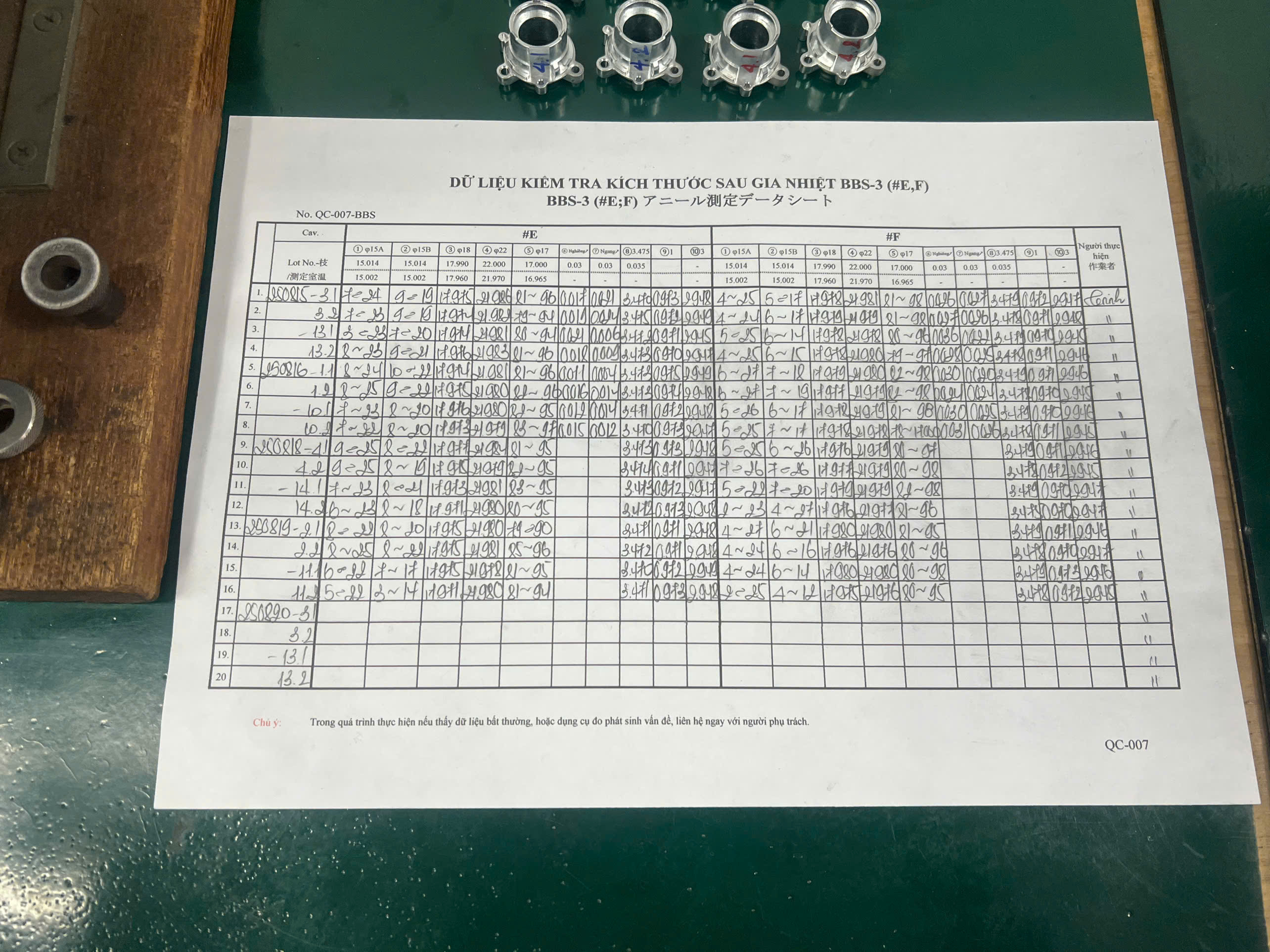
When we finalize inspection at our Vietnam office, we photograph every part against the drawing requirements. We record surface finish condition, dimensional checks, and packing configuration. This documentation serves two purposes: it satisfies the buyer's quality control standards, and it creates an undeniable baseline if a cargo damage claim arises later.
Your commercial invoice should accurately reflect the shipment's value. Undervaluing goods to save on customs duties can backfire — insurers will only reimburse based on the declared value, leaving you underinsured.
Risks Specific to Sheet Metal in Ocean Transit
Sheet metal faces unique hazards that generic cargo does not. Here are the most common risks and how insurance addresses them:
| Risk | How It Happens | Insurance Coverage Needed |
|---|---|---|
| Moisture and corrosion | Condensation inside containers during temperature changes at sea | All-risk policy with no corrosion exclusion |
| Physical deformation | Shifting cargo, improper stacking, or container drops | All-risk coverage 4; verify no handling exclusion |
| Surface damage | Scratching from adjacent cargo (especially in LCL) | All-risk or specialized endorsement for surface finish |
| Theft or pilferage | Port handling, transshipment stops | All-risk coverage; higher-value orders may need additional security |
| Delay-related losses | Port congestion, vessel schedule changes | Delay-in-start-up endorsement (must be added separately) |
Specialized Endorsements for Metal Fabrication
Standard all-risk policies sometimes contain exclusions for surface corrosion, oxidation, or cosmetic damage. These exclusions can gut your coverage when shipping sheet metal. Request your insurer add specific clauses that cover bending, edge damage, and surface corrosion. This is a small additional cost that eliminates the most common coverage gaps.
Digital Tools and Tracking
The logistics industry is moving toward integrated insurance platforms that offer real-time container tracking, automated claims processing, and digital policy management. If your freight forwarder in Vietnam offers these tools, use them. Real-time tracking data strengthens any future claim by proving exactly when and where damage occurred.
Which Incoterms should I use to make sure my supplier handles the insurance coverage correctly?
One trade-off I weigh on nearly every project is whether to let the Vietnamese supplier arrange insurance under CIF or take control ourselves under FOB shipping terms 5 — and the right answer depends entirely on the buyer's risk tolerance and procurement maturity.
Under CIF (Cost, Insurance, Freight) Incoterms 2020, the Vietnamese supplier is responsible for purchasing marine cargo insurance to the destination port. Under FOB (Free on Board), the buyer assumes risk once goods cross the ship's rail, meaning the buyer must arrange and pay for cargo insurance from Vietnam onward.
CIF: Supplier Handles Insurance
With CIF, the Vietnamese fabricator includes insurance in the quoted price. This simplifies procurement for buyers who are new to international shipping or who prefer a single price covering product, freight, and insurance. However, there is a catch. Under Incoterms 2020 6, CIF only requires the supplier to provide minimum coverage (Institute Cargo Clauses C 7), which is a named-perils policy — not the all-risk coverage you need for sheet metal.
If you choose CIF, you must explicitly require Institute Cargo Clauses A 8 (all-risk) in your purchase agreement. Get this in writing. A verbal promise is worthless when you file a claim.
FOB: Buyer Controls Insurance
FOB shipping terms transfer risk to the buyer at the port of origin. This means you must arrange marine cargo insurance yourself — but it also gives you full control over the policy terms, coverage limits, and insurer selection.
Many experienced purchasing managers prefer FOB because they can negotiate directly with their insurer, ensure all-risk coverage, add specialized endorsements for sheet metal, and avoid relying on the supplier's potentially inadequate policy. International shipping costs may be slightly more transparent under FOB since freight and insurance are separated from the product price.
CIF vs. FOB: A Practical Comparison
| Factor | CIF | FOB |
|---|---|---|
| Who buys insurance | Supplier (Vietnamese fabricator) | Buyer |
| Minimum required coverage | Institute Cargo Clauses C (named perils) | Buyer's choice — should be all-risk |
| Buyer's control over policy | Limited | Full |
| Transparency of costs | Bundled into one price | Freight and insurance itemized separately |
| Risk transfer point | Destination port | Origin port (once on vessel) |
| Best for | Buyers new to import, smaller orders | Experienced importers, high-value or critical parts |
| Common pitfall | Supplier buys cheapest policy possible | Buyer forgets to arrange coverage before shipment |
For a deeper comparison of these two Incoterms and which works best for your sourcing situation, see our guide on FOB or CIF for sourcing sheet metal fabrication from Vietnam.
Getting Written Confirmation
Regardless of which Incoterm you choose, written confirmation of insurance terms is essential. In our experience, clear communication with Vietnamese fabricators — using technical English and specific policy references — prevents misunderstandings. We always include insurance requirements in our purchase orders and request a copy of the insurance certificate before the vessel departs.
Vietnam has over 500 metal fabricators, and insurance quality varies widely across this diverse supply base. Some suppliers have established relationships with reputable insurers. Others purchase the cheapest policy available to keep their CIF quotes competitive. Due diligence on the supplier's insurance practices should be part of your vetting process — just as important as auditing their quality control standards or checking their customs clearance procedures.
The Hybrid Approach
Some of our clients use a hybrid approach. They buy FOB and then work with our team to arrange cargo insurance through a preferred provider. This way, they control the policy but delegate the logistics coordination to someone on the ground in Vietnam. This is especially effective for supply chain risk management when multiple fabricators are involved in a single project.
How do I protect my business from financial loss if my Vietnam shipment is delayed or damaged?
Last quarter, a container of custom sheet metal housings for one of our U.S. clients was held at a transshipment port for eleven extra days due to vessel schedule disruptions — and the client's production line nearly stopped. That experience reinforced why financial protection goes beyond just insuring the parts themselves.
Protect your business by securing all-risk marine cargo insurance with delay-in-start-up coverage, maintaining accurate commercial invoices for full declared value, establishing clear cargo damage claims procedures, and building contingency buffers into your production timeline to absorb shipping disruptions from Vietnam.
Delay-in-Start-Up Coverage
Standard cargo insurance covers physical loss or damage. It does not cover the financial consequences of a late delivery. If your production schedule depends on parts arriving by a specific date, delay-in-start-up coverage 9 (also called advanced loss of profits coverage) reimburses you for downstream losses caused by shipping delays. This is particularly relevant given current geopolitical events and supply chain disruptions that can cause rerouting, extended storage, or port congestion.
Not every insurer offers this endorsement for cargo shipments. Ask your broker specifically about it. The premium is higher, but for critical-path components — especially custom sheet metal brackets that cannot be quickly re-sourced — the investment is justified.
Filing a Cargo Damage Claim
When damaged goods arrive, speed matters. Here is the process I recommend based on our experience managing claims:
- Inspect immediately upon delivery. Do not sign the delivery receipt as "received in good condition" if you have not opened and checked the goods.
- Document the damage. Photograph the exterior packaging, the interior packing, and each damaged part. Record container number, seal number, and delivery date.
- Notify the carrier and insurer within 24–72 hours. Most policies have strict notification windows. Missing the deadline can void your claim.
- Preserve the damaged goods and packaging. Do not dispose of anything until the insurer authorizes it. They may send a surveyor.
- Submit the claim with all supporting documents. This includes the commercial invoice, packing list, bill of lading, insurance certificate, inspection reports, and your damage photos.
Avoiding Underinsurance
One of the most common mistakes buyers make is undervaluing their shipment on the commercial invoice. Whether intentionally (to reduce duties) or accidentally (forgetting to include tooling or finishing costs), undervaluation means your insurance payout will be proportionally reduced. Coverage should reflect the full replacement cost of the goods, including fabrication, finishing, packaging, and freight. To understand all cost components that should factor into your declared value, learn how to estimate total landed cost for sheet metal fabrication from Vietnam to the US.
Building a Resilient Supply Chain
Insurance is reactive — it compensates you after a loss. A resilient supply chain 10 reduces the chance of loss in the first place. Here are strategies our team uses:
- Dual sourcing: For critical parts, qualify a backup fabricator. Vietnam is a growing manufacturing hub with over 500 metal fabricators, so alternatives exist.
- Safety stock: Maintain buffer inventory for high-consumption items.
- Supplier audits: Regular on-site audits verify that your fabricator's packaging, labeling, and shipping practices meet your standards.
- Real-time tracking: Use digital logistics platforms to monitor container location and receive alerts for delays.
Insurance as a Strategic Investment
Small businesses sourcing from Vietnam increasingly view shipping insurance not as a cost center but as a strategic investment in operational continuity. The premium — often less than 0.5% of shipment value — is negligible compared to the cost of replacing a damaged order, expediting air freight for replacement parts, or halting a production line.
Insurers are also beginning to offer incentives for shipments from suppliers that demonstrate strong ESG (environmental, social, and governance) standards. As the Vietnam manufacturing hub matures, these sustainability-linked policies may become more common and offer premium advantages to buyers who vet their fabricators carefully.
Comprehensive Protection Checklist
| Protection Layer | Action Item | Who Is Responsible |
|---|---|---|
| All-risk cargo insurance | Secure policy before shipment; verify no corrosion exclusion | Buyer (FOB) or Supplier (CIF) |
| Delay-in-start-up coverage | Add endorsement if parts are on critical production path | Buyer |
| Accurate declared value | Ensure commercial invoice reflects full replacement cost | Buyer and Supplier jointly |
| Pre-shipment inspection | Conduct final inspection with photo documentation | Buyer's QC team or third-party inspector |
| Claims readiness | Know the notification window; keep insurer contact info accessible | Buyer |
| Contingency planning | Maintain safety stock; qualify backup fabricators | Buyer's supply chain team |
Conclusion
Shipping insurance for sheet metal fabrication from Vietnam is not optional — it is a strategic necessity that protects your investment, your production schedule, and your business reputation across every mile of transit.
Frequently Asked Questions
What specific types of shipping insurance do I need for my sheet metal orders from Vietnam?
A lesson we learned early in our Vietnam operations is that no single insurance policy covers every risk your sheet metal parts face from factory floor to your receiving dock.
How can I ensure my custom metal parts are fully protected against transit damage or loss?
During a recent shipment of precision-bent mounting brackets for a U.S. client, our quality control team documented every part with photos before crating — and that documentation became the basis for a successful cargo damage claim weeks later.
Which Incoterms should I use to make sure my supplier handles the insurance coverage correctly?
One trade-off I weigh on nearly every project is whether to let the Vietnamese supplier arrange insurance under CIF or take control ourselves under FOB shipping terms 5 — and the right answer depends entirely on the buyer's risk tolerance and procurement maturity.
Footnotes
1. Defines inland marine insurance and what it covers for property in transit over land. ↩︎
2. Explains marine cargo insurance, its types, benefits, and coverage options. ↩︎
3. Protects businesses from financial ruin if a product causes injury or property damage. ↩︎
4. Explains comprehensive all-risk shipper’s insurance for direct cargo loss and damage. ↩︎
5. Defines FOB Incoterms, specifying when risk and responsibility shift from seller to buyer. ↩︎
6. Official rules for international trade terms, defining buyer/seller responsibilities. ↩︎
7. Explains the most restricted level of marine cargo insurance cover. ↩︎
8. Describes the broadest possible cover for shipments, also known as “all risks” policy. ↩︎
9. Reference 9. ↩︎
10. Explains the ability to anticipate, adapt, and recover from supply chain disruptions. ↩︎