
Every week, our team reviews drawing packages from U.S. energy clients — and the same costly mistakes keep surfacing ASME Y14.5 1. Wrong material grades, vague tolerance callouts, and unchecked weld quality silently erode project budgets and timelines.
The technical parameters that matter most when sourcing sheet metal fabrication for energy projects are material selection for corrosion resistance, tight dimensional tolerances for system fit, certified welding processes for structural safety, and rigorous quality control to prevent rework and ensure right-first-time production.
This guide walks through each parameter in detail hot-dip galvanized carbon steel 2. Whether you are a purchasing manager evaluating Asian suppliers or an engineer writing specifications, the sections below will help you ask the right questions before committing to a fabrication partner.
Which material grades and coatings will ensure my sheet metal parts survive long-term exposure in energy infrastructure?
A lesson we learned early on while co-developing mounting brackets for a solar racking project: the client's original spec called for plain carbon steel Welding Procedure Specifications 3. Within six months of field installation, rust streaks appeared at every bend line. That single material selection mistake triggered a full recall.
For long-term energy infrastructure, specify stainless steel grades like 304 or 316L for high-corrosion environments, hot-dip galvanized carbon steel for cost-effective outdoor use, and aluminum alloys like 5052 for lightweight needs — always paired with appropriate coatings such as powder coat, zinc plating, or anodizing.

Why Material Grade Is the First Decision
Material selection drives every downstream fabrication choice. The grade you pick determines weldability, formability, mechanical properties, and long-term durability. Energy projects are not consumer products — components stay in service for 20 to 30 years. A poor choice compounds cost over time through maintenance, downtime, and early replacement.
When we source sheet metal parts from factories in Vietnam and across Asia, our engineers cross-reference the client drawing with the operating environment. Is the installation coastal? Underground? Subject to thermal cycling? Each answer narrows the grade.
Common Material Grades for Energy Applications
| Material | Typical Grade | Tensile Strength (MPa) | Corrosion Resistance | Best For |
|---|---|---|---|---|
| Stainless Steel | 304 / 316L | 515–620 | Excellent | Coastal, chemical exposure |
| Carbon Steel | A36 / S235JR | 400–550 | Low (needs coating) | Structural indoor frames |
| Aluminum | 5052-H32 | 228 | Good | Lightweight enclosures, HVAC |
| Galvanized Steel | DX51D + Z275 | 270–500 | Very Good | Outdoor racks, cable trays |
| Copper | C110 | 220 | Excellent | Bus bars, electrical components |
Coatings That Extend Service Life
Material thickness alone does not guarantee survival. Coatings are the second line of defense. Powder coating adds 60–100 µm of polymer that resists UV, moisture, and abrasion. Hot-dip galvanizing deposits a zinc layer that sacrificially protects steel. Anodizing converts the aluminum surface into a hard oxide layer.
Our quality control team always verifies coating thickness during final inspection using a calibrated gauge. A coating that is 10 µm too thin can cut service life in half. We record these readings on our inspection reports so U.S. buyers have traceable data.
Balancing Cost-Effectiveness and Performance
Not every part needs 316L stainless. Indoor electrical enclosures in a climate-controlled substation can use galvanized carbon steel and still meet a 25-year lifespan. We often recommend a tiered approach: high-grade materials for exposed components, cost-effective alternatives for protected ones. This keeps the bill of materials realistic without sacrificing reliability.
How can I ensure the fabricator maintains the tight tolerances required for my complex energy system assemblies?
One of our U.S. clients once shipped us a competitor's batch of cable tray brackets that failed assembly. The bend angles were off by 1.5 degrees, and the mounting holes drifted 0.8 mm from nominal. Every bracket had to be scrapped. That experience reinforced how critical dimensional tolerances are — especially when parts from different suppliers must bolt together on-site.
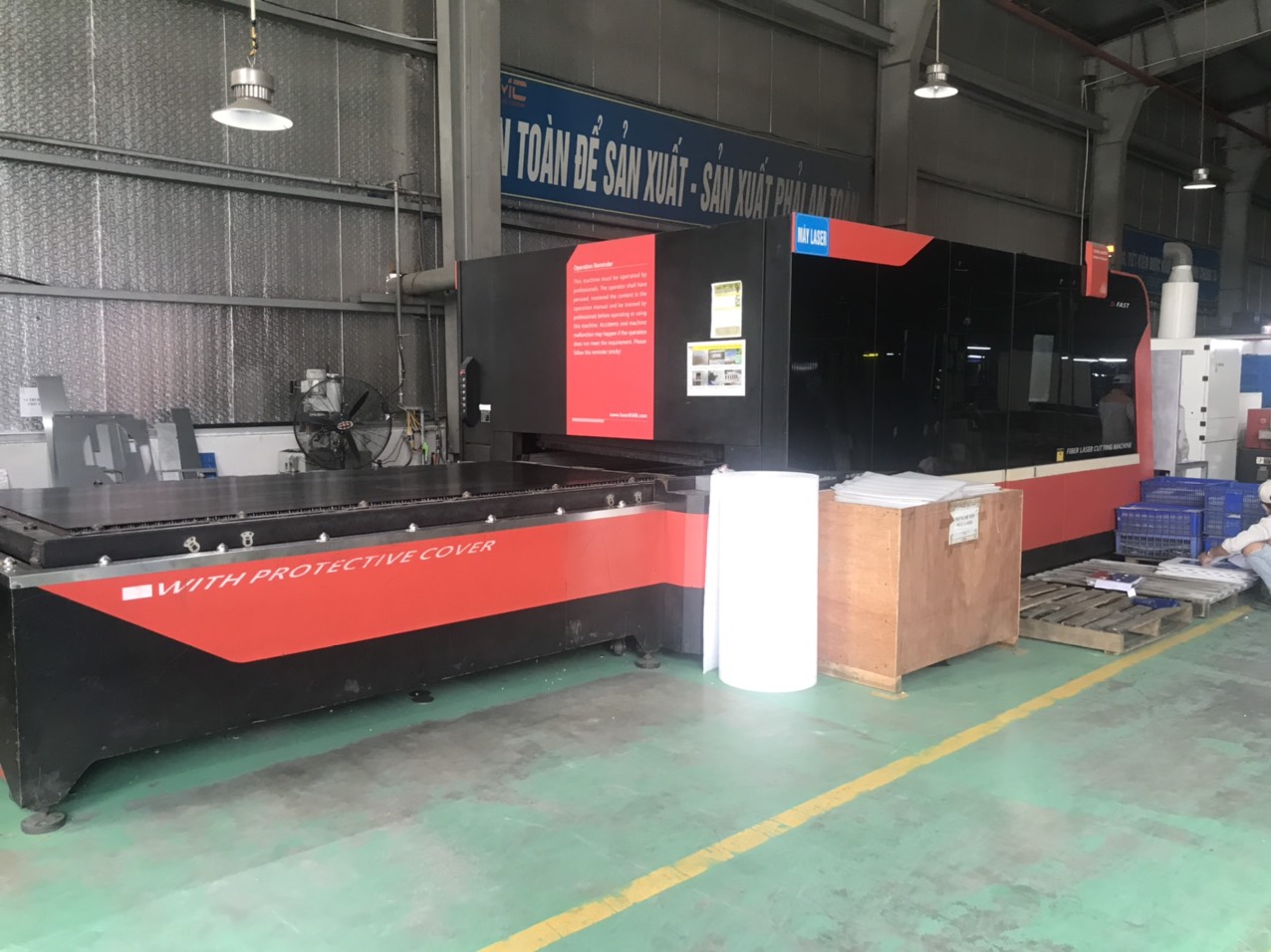
Ensure tight tolerances by requiring documented machine capability data, specifying tolerances on the drawing per ISO 2768 or ASME Y14.5, mandating first-article inspection reports, and confirming the fabricator uses CNC-controlled laser cutting, press brakes with angle sensors, and robotic welding for repeatable precision.
Understanding Tolerance Ranges in Sheet Metal
Sheet metal is not machined from solid block. It is cut, bent, and formed — each operation introduces variation. The key is controlling that variation within limits your assembly can absorb.
| Operation | Achievable Tolerance | Notes |
|---|---|---|
| Laser Cutting | ±0.1 mm | For material thickness 0.5–10 mm |
| CNC Punching | ±0.15 mm | Dependent on tool wear |
| Press Brake Bending | ±0.3° angle / ±0.2 mm position | Angle sensors improve repeatability |
| Robotic Welding | ±0.3 mm | Fixture quality is critical |
| Manual Welding | ±0.5–1.0 mm | Operator-dependent |
The K-Factor and Bend Calculations
One detail many buyers overlook is the K-factor in bending. The K-factor describes how the neutral axis shifts during a bend. It typically ranges from 0.25 to 0.50, with 0.4468 as the average used in most calculations. If the fabricator uses the wrong K-factor for your material, the flat pattern will be incorrect, and the final part dimensions will drift.
Our engineering team always confirms the K-factor during prototyping. We run first-piece samples, measure them on a CMM, and adjust the flat pattern before committing to production.
Design for Manufacturability
Design for manufacturability 4 plays a big role in holding tolerances. Consistent bend radii, adequate flange lengths, and uniform material thickness reduce variation. When bends are oriented perpendicular to the grain direction, cracking risk drops and bend accuracy improves.
We frequently collaborate with clients during the co-development phase to simplify bend sequences and reduce the number of setups. Fewer setups mean fewer chances for cumulative error. This is a key part of our process control methodology — catching tolerance risks before they become scrap.
First-Article Inspection as a Gate
Before any production run ships, we complete a First Article Inspection Report 5 (FAIR). Every critical dimension is measured and recorded. The buyer reviews and approves the FAIR before we proceed. This single step has eliminated the majority of dimensional non-conformances for our energy sector clients.
What welding certifications and structural standards must my supplier meet to guarantee the safety of my energy project?
During a supplier audit at a factory in Vietnam last year, our team asked to see the welder qualification records. The shop manager pointed at a filing cabinet and said, "They are all experienced." That is not documentation — and that is exactly the gap that causes weld failures in the field.
Your supplier must hold welder qualifications per AWS D1.1 or ISO 9606, follow qualified Welding Procedure Specifications, and comply with structural standards such as AISC 360, EN 1090, or project-specific codes — all verified through documented weld procedure qualification records and routine third-party inspection.

Why Weld Certification Is Non-Negotiable
A weld joint in an energy structure is a load path. If it fails, the consequences range from equipment damage to catastrophic structural collapse. Industry certifications exist specifically to prevent this. They verify that both the process and the person performing it meet minimum competency and consistency requirements.
Key Certifications and Standards
Here is a quick reference for the most commonly required welding standards in energy projects:
| Standard / Certification | Scope | Applies To |
|---|---|---|
| AWS D1.1 6 | Structural Welding — Steel | U.S. structural steel fabrication |
| AWS D1.2 | Structural Welding — Aluminum | Aluminum energy enclosures |
| ISO 9606-1 | Welder Qualification — Steel | International projects, EU markets |
| ISO 3834-2 | Quality Requirements for Fusion Welding | Comprehensive weld quality management |
| EN 1090-2 | Execution of Steel Structures | CE-marked structural components |
| ASME Section IX | Welding and Brazing Qualifications | Pressure vessels, boilers |
What to Ask Your Supplier
-
Do you have Welding Procedure Specifications (WPS) for the materials and joint configurations in my project? A WPS documents the exact parameters — wire type, shielding gas, amperage, travel speed — that were proven to produce sound welds during qualification testing.
-
Are your welders individually qualified, and are their certifications current? Welder qualifications expire. A welder qualified for MIG on carbon steel is not automatically qualified for TIG on stainless steel.
-
Do you perform in-process weld inspection? Visual inspection is the minimum. For critical joints, ask about non-destructive testing methods such as ultrasonic or dye-penetrant inspection.
When we manage contract manufacturing projects, our quality team verifies WPS compliance during the PPAP process. We also witness welder qualification tests for new projects that require it. This is part of the process control discipline that prevents rework.
Weldability and Material Pairing
Not all sheet metal materials weld the same way. Stainless steel is sensitive to heat input — too much causes carbide precipitation and weakens corrosion resistance. Aluminum requires clean preparation and AC TIG or MIG with pulse. Carbon steel is the most forgiving but still needs proper preheat for thicker sections.
Weldability should be evaluated during material selection, not after. If your design calls for a material that is difficult to weld, the fabricator needs to account for that in process planning, fixturing, and inspection — all of which affect lead times and cost.
How do I vet a supplier's quality control process to prevent costly rework on my custom sheet metal orders?
A buyer we work with in the Midwest told us about a past experience: he received 500 brackets from an overseas supplier, and 30 percent failed incoming inspection. The surface finish was inconsistent, holes were undersized, and no inspection data accompanied the shipment. He spent weeks sorting, reworking, and returning parts. That is the hidden cost of poor quality control.
Vet a supplier's quality control by reviewing their inspection equipment list, requesting sample PPAP or FAIR documentation, auditing their process control plans, confirming they perform in-process and final inspections with traceable records, and checking for ISO 9001 or equivalent quality management certification.

The Right-First-Time Mindset
Quality control is not just final inspection. It starts at order review, runs through every fabrication step, and ends when the part is packed and shipped. Our approach follows the PPAP methodology: we define the control plan up front, identify critical-to-quality dimensions, set inspection frequencies, and document results at each stage.
What Good QC Documentation Looks Like
When we ship a batch, every package includes:
- Dimensional inspection report with actual measured values versus drawing nominal
- Material test certificates (mill certs) traceable to the heat number
- Coating thickness test results
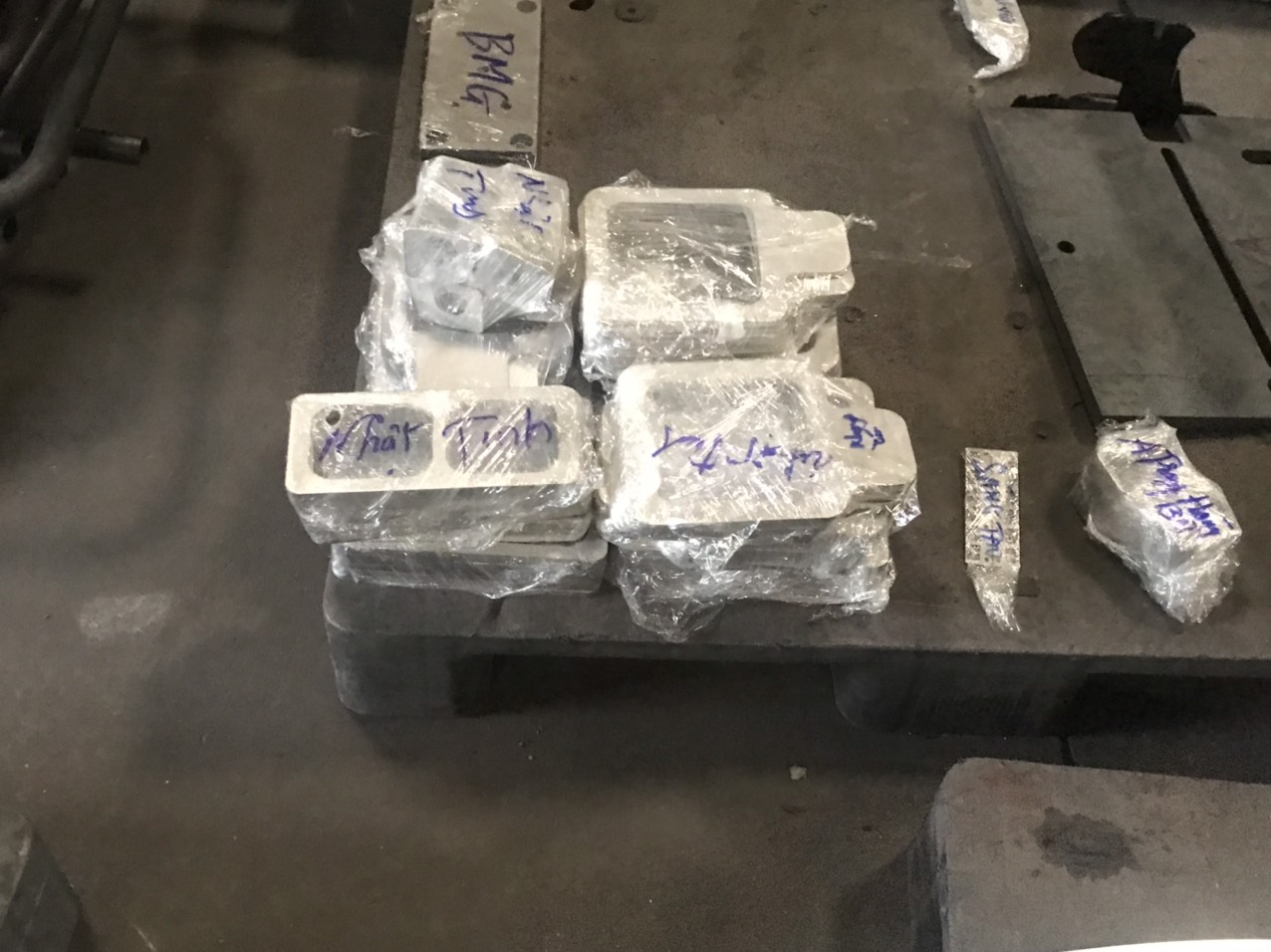
- Photographs of finished parts from multiple angles
- Any non-destructive test reports if welding is involved
This paper trail gives the buyer confidence and eliminates finger-pointing if an issue arises. Understanding what technical documents and parameters are required for a sheet metal fabrication quote helps ensure this documentation is complete from the start.
Inspection Equipment You Should Expect
A fabricator serious about quality invests in the right tools. At minimum, look for:
- Calibrated calipers and micrometers
- Coordinate Measuring Machine 7 (CMM) for complex geometries
- Coating thickness gauge (magnetic or eddy-current type)
- Surface roughness tester for surface finish verification
- Go/no-go gauges for hole sizes and thread checks
- Optical comparator or vision system for profile inspection
Red Flags During a Supplier Audit
When our team audits a factory — whether in Vietnam, China, or elsewhere — we watch for specific warning signs:
- No written inspection procedures or control plans
- Measurement tools without current calibration stickers
- Finished parts stored on the floor or without protection
- No separation between conforming and non-conforming stock
- Workers unable to explain what they are checking or why
Any one of these signals that the factory relies on luck, not process. And luck does not scale. If you are sourcing sheet metal fabrication for the first time, knowing these red flags can save you from a costly first experience.
Connecting QC to Cost-Effectiveness
Investing in quality control upfront is far cheaper than fixing problems downstream. A single shipment of non-conforming parts can cost 5 to 10 times more than the inspection that would have caught the defect. Rework delays your project, ties up cash, and damages your credibility with your end customer.
Our process control philosophy is simple: measure early, measure often, and stop the line if something drifts. That is how we protect our clients from the pain of rework and late deliveries.
Conclusion
Sourcing sheet metal fabrication for energy projects demands attention to material selection, dimensional tolerances, welding certifications, and quality control. Get these parameters right — with traceable documentation and a disciplined supplier — and you protect your project from costly surprises.
Frequently Asked Questions
Which material grades and coatings will ensure my sheet metal parts survive long-term exposure in energy infrastructure?
A lesson we learned early on while co-developing mounting brackets for a solar racking project: the client's original spec called for plain carbon steel Welding Procedure Specifications 3 . Within six months of field installation, rust streaks appeared at every bend line. That single material selection mistake triggered a full recall.
How can I ensure the fabricator maintains the tight tolerances required for my complex energy system assemblies?
One of our U.S. clients once shipped us a competitor's batch of cable tray brackets that failed assembly. The bend angles were off by 1.5 degrees, and the mounting holes drifted 0.8 mm from nominal. Every bracket had to be scrapped. That experience reinforced how critical dimensional tolerances are — especially when parts from different suppliers must bolt together on-site.
What welding certifications and structural standards must my supplier meet to guarantee the safety of my energy project?
During a supplier audit at a factory in Vietnam last year, our team asked to see the welder qualification records. The shop manager pointed at a filing cabinet and said, "They are all experienced." That is not documentation — and that is exactly the gap that causes weld failures in the field.
Footnotes
1. Authoritative guideline for geometric dimensioning and tolerancing. ↩︎
2. Explains the coating layers and corrosion protection of galvanized steel. ↩︎
3. Original URL returned HTTP unknown. Replaced with an authoritative Wikipedia page on Welding Procedure Specification. ↩︎
4. Explains DFM principles for optimizing product design and manufacturing processes. ↩︎
5. Original URL returned HTTP 404. Replaced with an authoritative Wikipedia page on First Article Inspection. ↩︎
6. Key standard for structural steel welding. ↩︎
7. Provides a comprehensive overview of CMMs and their function. ↩︎
8. Official standard for quality management systems. ↩︎