Missed deadlines and scrapped batches cost our clients thousands last quarter alone — problems that emerging technology trends 1 in sheet metal fabrication now solve.
The top future technology trends in sheet metal fabrication include smart automation with collaborative robotics, AI-driven quality control and co-development, IoT-enabled smart sensors for real-time process monitoring, advanced fiber laser cutting for tighter tolerances, digital twin technology, additive manufacturing for prototyping, and sustainable manufacturing practices — all converging to deliver faster, more accurate, and more reliable custom parts production.
Each of these trends addresses a specific pain point that purchasing managers face daily Advanced fiber laser cutting technology 2. Below, I break down four critical areas where these technologies directly impact your custom orders — from on-time delivery to first-pass quality.
How will automation in sheet metal fabrication help me ensure on-time delivery for my custom orders?
A client in Ohio once told me his previous supplier missed seven delivery windows in a single year. When our team in Vietnam onboarded his project, the first thing we evaluated was how industrial automation 3 could compress his lead times without cutting corners.
Automation in sheet metal fabrication ensures on-time delivery by eliminating manual bottlenecks, enabling 24/7 production cycles, reducing human error in repetitive tasks, and allowing real-time production scheduling — so your custom orders move from design to shipment faster and more predictably than ever before.

Why Manual Processes Kill Your Delivery Schedule
Traditional sheet metal shops rely heavily on manual setup, hand-loading, and operator-dependent quality checks. Each of these steps introduces variability. One sick operator or one mis-loaded blank can delay an entire batch by days. When you multiply that across a multi-part custom order, the delays compound fast.
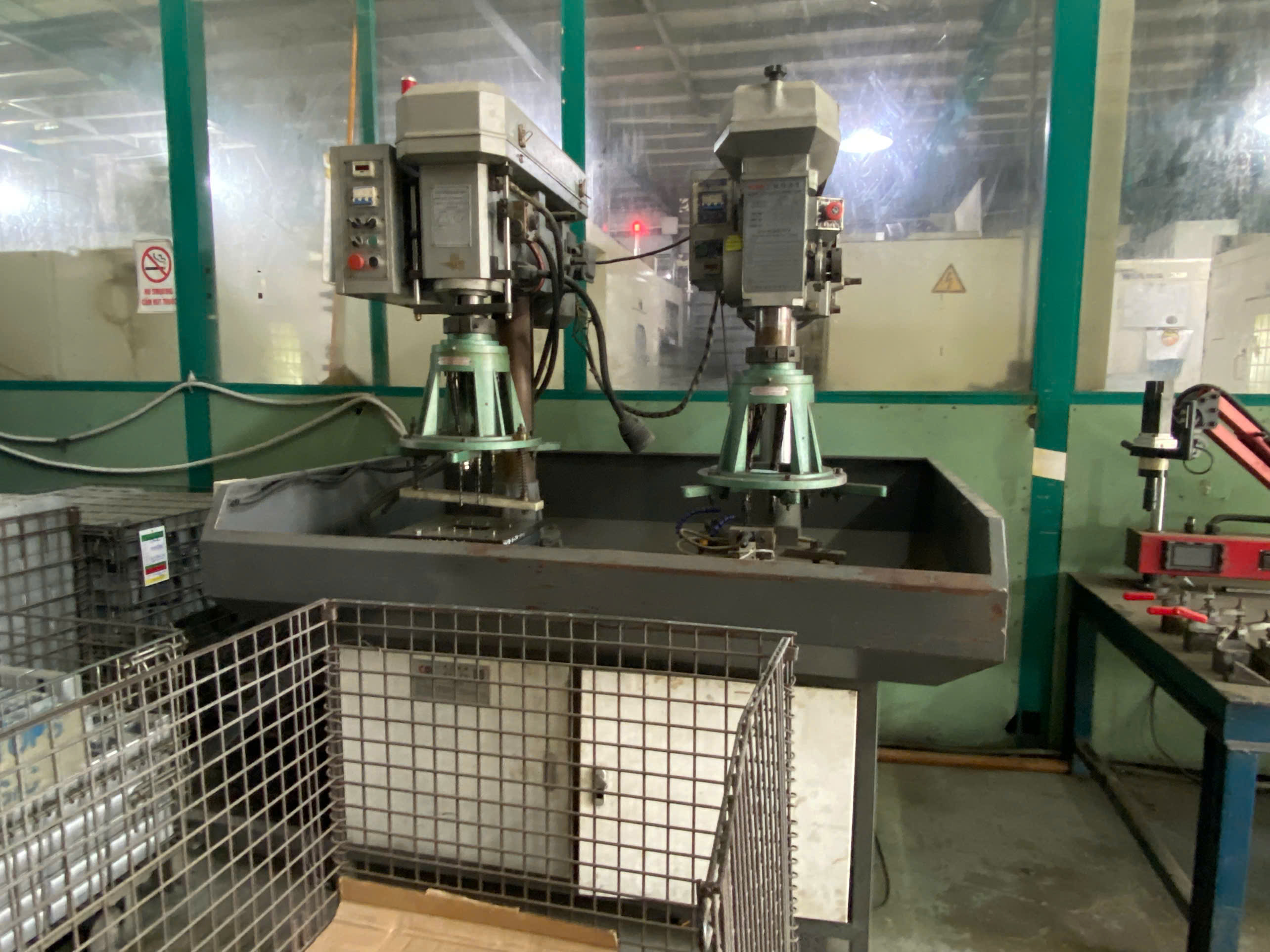
Automation removes these variables. Robotic welding cells run the same weld path every cycle. Automated bending systems execute programmed sequences without fatigue. Material handling robots load and unload parts around the clock.
The Shift to Adaptive Robotics
The newest generation of collaborative robots 4 — or cobots — work safely alongside human operators. They handle repetitive tasks like deburring or part stacking while skilled workers focus on setup and inspection. This hybrid approach is especially valuable for custom orders, where batch sizes are smaller and changeovers are frequent.
In our experience sourcing from factories across Vietnam and other parts of Asia, we have seen shops cut changeover time by more than half after installing adaptive robotic systems. That translates directly into shorter lead times for our U.S. clients.
How Automation Impacts Delivery Timelines
| Production Stage | Manual Process Risk | Automated Process Benefit |
|---|---|---|
| Material Loading | Operator fatigue, mis-feeds | Consistent, 24/7 loading |
| Cutting (Fiber Laser) | Manual nesting errors | Optimized auto-nesting software |
| Bending / Forming | Setup variation between shifts | Programmable, repeatable sequences |
| Welding | Inconsistent weld quality | Robotic welding with fixed parameters |
| Final Inspection | Subjective visual checks | Sensor-based automated measurement |
| Packaging & Shipping | Manual scheduling gaps | ERP-integrated scheduling |
Smart Scheduling and Industry 4.0 Connectivity
Automation is not just about robots on the floor. It also means connecting every machine to a central production management system. When a fiber laser cutting machine finishes a nest, the next downstream process — bending, welding, or assembly — is automatically queued. This kind of Industry 4.0 connectivity 5 eliminates the dead time between operations.
For purchasing managers who need reliable delivery dates, this visibility is a game-changer. We can provide real-time production status updates because the systems generate data at every step. No more guessing. No more "we'll check with the shop floor and get back to you."
The bottom line is this: automation does not just speed things up. It makes delivery predictable. And for custom parts buyers, predictability matters more than raw speed.
Can I use AI-driven co-development tools to eliminate errors in my technical drawings?
One lesson we learned early in our co-development work: the most expensive errors are the ones hiding in the drawing. A missing tolerance callout, an ambiguous GD&T reference, or a bend radius that cannot physically be formed — these issues do not show up until parts are on the press. By then, the cost of rework is real.
AI-driven co-development tools can virtually eliminate drawing errors by automatically analyzing CAD files for manufacturability issues, flagging missing dimensions, detecting impossible geometries, and cross-referencing material specifications — catching problems in minutes that would otherwise surface weeks later on the production floor.
What AI Actually Does With Your Drawings
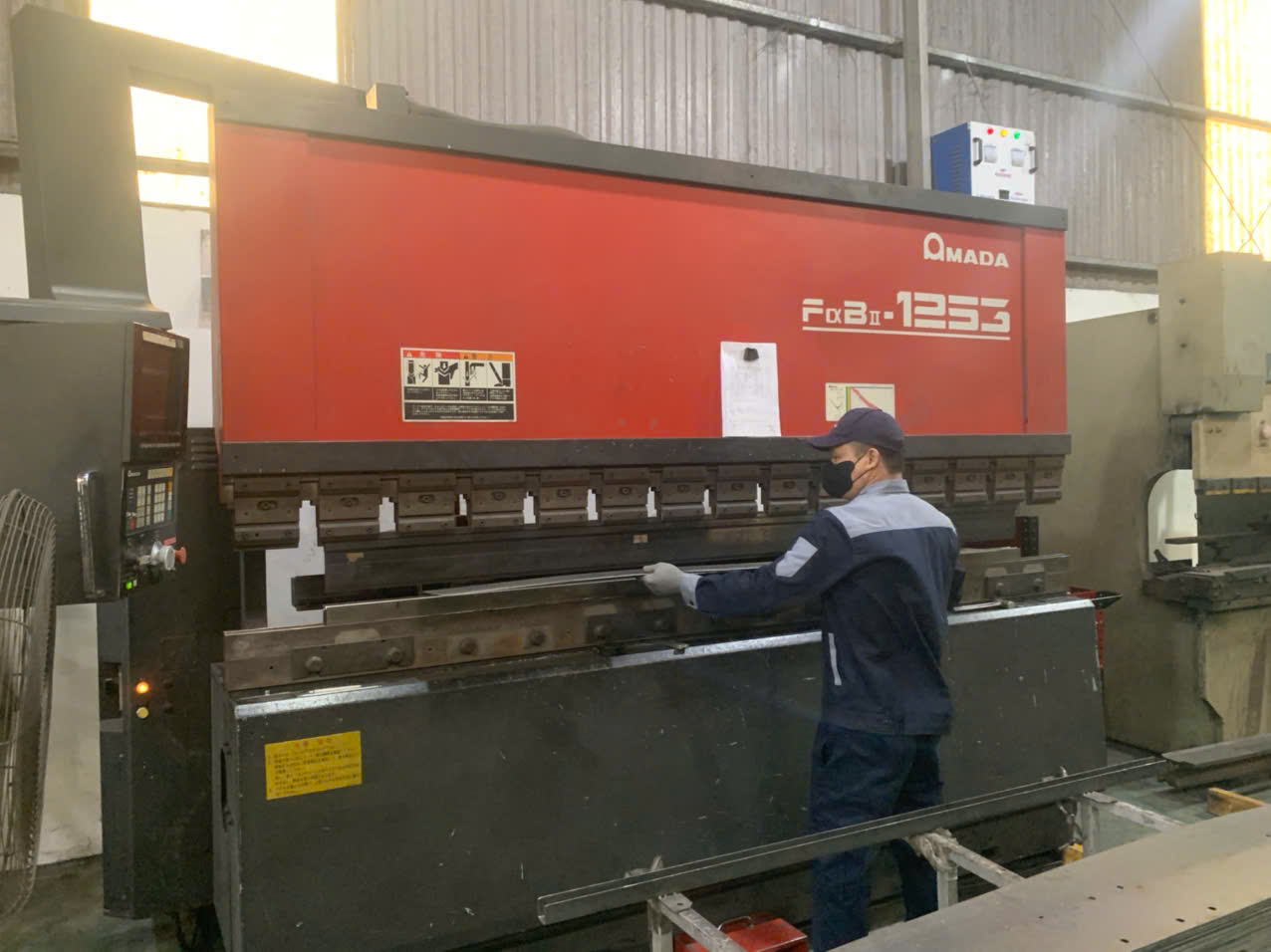
AI manufacturing tools 6 go beyond simple spell-check for CAD files. They use machine learning models 7 trained on thousands of past production jobs. These models recognize patterns — like a hole placed too close to a bend line, or a wall thickness that will warp during welding.
When our engineering team in China reviews a client's drawing package, we already use software that flags potential issues. But the next generation of AI tools takes this further. They simulate the entire fabrication process virtually. They predict where stress concentrations will occur. They recommend design changes before a single sheet of metal is cut.
Common Drawing Errors AI Can Catch
Here is a practical look at the types of errors that AI-driven tools detect:
| Error Type | Traditional Detection Method | AI Detection Capability |
|---|---|---|
| Missing tolerance callouts | Manual review by engineer | Automatic scan against standards |
| Unfeasible bend radius | Trial on press brake | Virtual forming simulation |
| Incorrect material grade spec | Cross-reference during procurement | Instant database validation |
| Hole-to-edge distance too small | Discovered during punching | Flagged at DFM stage |
| Incompatible weld joint design | Found during welding trials | Simulated weld stress analysis |
| Ambiguous GD&T references | Interpretation disputes | Standardized AI interpretation |
Digital Twin Technology in the Design Phase
Digital twin technology 8 plays a growing role here. A digital twin is a virtual replica of your part and its production process. Before any physical fabrication begins, the AI runs the part through a simulated production line. It tests cutting parameters, bending sequences, and welding order. If something will not work, it tells you now — not after you have paid for tooling.
For our clients, this means fewer engineering change orders after production starts. It means the parts match the drawing the first time. And it means the "right first time" quality standard that purchasing managers demand is built into the process from day one.
The Human Element Still Matters
AI does not replace experienced engineers. It amplifies them. Our team still reviews every project. But AI tools let us review faster and with greater confidence. The technology handles the repetitive checks. Our engineers handle the judgment calls — like whether a design change will affect assembly fit or whether a tighter tolerance is truly necessary.
This combination of AI analysis and human expertise is what makes co-development effective. It is not about replacing people. It is about giving them better tools so they catch every issue before metal is cut.
What role will smart sensors play in improving the "right first time" quality of my metal components?
During a recent supplier audit at a factory in Vietnam, I watched an operator measure a formed bracket with a handheld caliper. He checked three dimensions on one part out of every twenty. The rest went straight to packing. That sampling approach is exactly why "right first time" rates struggle to exceed 95% in many shops.
Smart sensors improve "right first time" quality by performing 100% in-line inspection during every production step — measuring dimensions, monitoring force and temperature in real time, and instantly flagging deviations so defective parts are caught and corrected before they reach the next operation or your receiving dock.
From Sampling to 100% Inspection
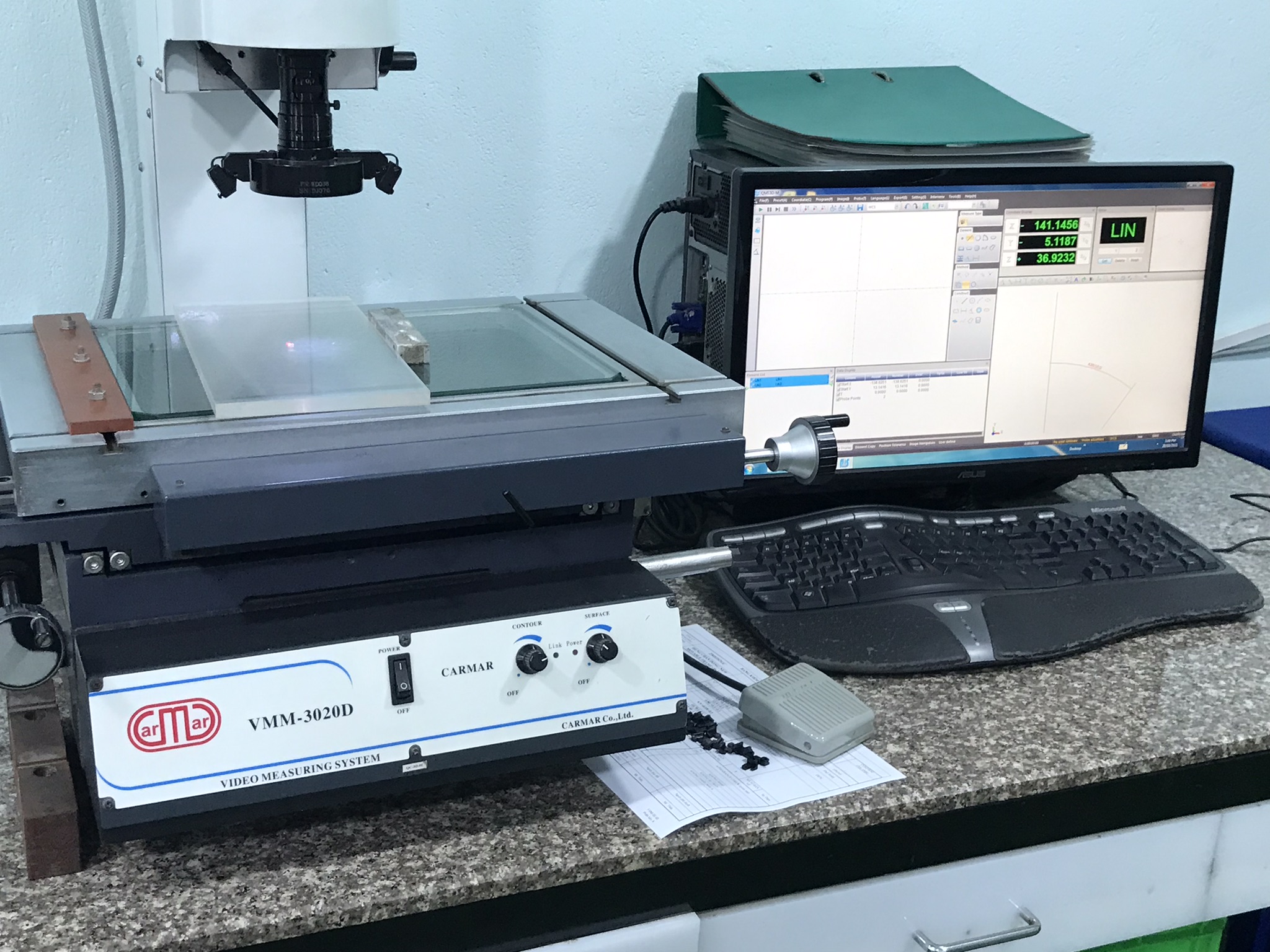
The traditional quality model relies on sampling. You check a few parts per batch and assume the rest are good. Smart sensors 9 change this entirely. Vision systems, laser scanners, and force sensors embedded in the production line inspect every single part.
A laser scanner mounted after a press brake can measure every bend angle on every part in real time. If a bend drifts 0.2 degrees outside tolerance, the system alerts the operator — or automatically adjusts the machine. No bad parts move forward.
Where Smart Sensors Add the Most Value
Not every production step benefits equally from sensor integration. Here is where the impact is greatest for custom sheet metal parts:
| Production Step | Sensor Type | What It Monitors | Quality Impact |
|---|---|---|---|
| Laser Cutting | Optical sensors | Kerf width, edge quality | Prevents burr and taper issues |
| Press Brake Bending | Angle measurement sensors | Real-time bend angle | Eliminates springback errors |
| Robotic Welding | Thermal imaging sensors | Weld pool temperature | Detects cold joints, porosity |
| Surface Treatment | Thickness gauges | Coating thickness | Ensures corrosion spec compliance |
| Final Assembly | 3D vision systems | Dimensional accuracy | Catches cumulative tolerance stack |
Predictive Maintenance and Process Stability
Smart sensors do more than inspect parts. They also monitor machine health. Vibration sensors on spindles detect bearing wear before it causes dimensional drift. Current sensors on servo motors flag abnormal loads that indicate tool wear.
This is predictive maintenance in action. Instead of waiting for a machine to break down — and scrapping whatever parts it produced during the failure — the system tells you to service the machine before quality degrades. The result is more consistent output and fewer surprises.
Closing the Feedback Loop
The real power of smart sensors comes when they feed data back into the production system. This creates a closed loop. The sensor detects a trend — say, bend angles gradually drifting toward the upper tolerance limit. The system automatically adjusts the press brake crowning to compensate. The operator does not even need to intervene.
This is what a smart factory looks like in practice. It is not science fiction. It is happening now in the better facilities we work with across Asia. And for purchasing managers who have been burned by inconsistent quality, it is the most important technology trend on this list.
How can I leverage advanced laser technology to achieve tighter tolerances for my custom parts?
When a client sends us a drawing with ±0.05 mm tolerances on a laser-cut profile, the first question our sourcing team asks is: what type of laser is the factory running? The answer determines whether that tolerance is realistic or whether we are setting up for a rejection.
Advanced fiber laser cutting technology achieves tighter tolerances for custom parts by delivering a smaller, more focused beam with higher energy density, enabling cleaner cuts with narrower kerf widths, minimal heat-affected zones, and repeatable accuracy down to ±0.025 mm on thin-gauge materials — far surpassing older CO2 laser systems.
Fiber Laser vs. CO2 Laser: A Practical Comparison
Fiber laser cutting has become the dominant technology in modern sheet metal fabrication for good reason. The beam quality is superior. The operating costs are lower. And the precision is measurably better. Here is a side-by-side look:
| Parameter | CO2 Laser | Fiber Laser |
|---|---|---|
| Typical Tolerance | ±0.1 mm | ±0.025–0.05 mm |
| Kerf Width (thin gauge) | 0.15–0.3 mm | 0.08–0.15 mm |
| Heat-Affected Zone | Wider | Narrower |
| Cutting Speed (thin steel) | Moderate | Significantly faster |
| Energy Efficiency | Lower | Higher |
| Maintenance Cost | Higher (mirrors, gas) | Lower (solid-state) |
| Material Versatility | Good for thick non-metals | Excellent for metals |
For custom parts buyers, the practical takeaway is this: if your supplier is still running CO2 lasers for precision metal work, they are working with a handicap. Fiber lasers are not just newer — they are fundamentally better for tight-tolerance sheet metal cutting.
How Tighter Tolerances Affect Downstream Processes
A cleaner, more accurate laser cut does not just look better on a measurement report. It reduces problems at every subsequent step. When cut edges are precise, bending is more consistent. When holes are accurately placed, assembly goes faster. When heat distortion is minimized, flatness specs are easier to hold.
This cascading effect is something we see repeatedly in our quality data. Parts that start with a good laser cut have fewer issues through welding, finishing, and final inspection. The cost savings from reduced rework and scrap often justify the investment in fiber laser capability many times over.
CNC Machining Advancements and Hybrid Approaches
For parts that require even tighter tolerances than laser cutting can deliver — think bearing surfaces or precision mating features — CNC machining advancements complement laser technology. A hybrid approach is increasingly common: laser-cut the blank, form it, and then CNC machine the critical features.
This combination leverages the speed and material efficiency of laser cutting with the precision of machining. It is especially relevant for advanced materials like titanium or high-strength alloys, where traditional cutting methods struggle with both speed and accuracy.
Additive Manufacturing as a Complement
Additive manufacturing also plays a supporting role. For complex geometries that cannot be efficiently produced by cutting and bending alone, 3D-printed tooling or fixtures help maintain tight tolerances during assembly. We have seen factories use 3D-printed jigs to hold laser-cut parts in exact alignment during welding — a simple but effective application.
The key insight for purchasing managers is this: achieving tight tolerances is not about any single technology. It is about choosing a supply chain partner who understands how to combine fiber laser cutting, CNC machining, and smart fixturing into an integrated process that delivers the accuracy your design requires.
Conclusion
Future technology trends in sheet metal fabrication — from industrial automation and AI co-development to smart sensors and fiber laser cutting — directly solve the delivery, quality, and tolerance challenges that custom parts buyers face every day. Partnering with a supply chain team that understands and deploys these technologies is the most reliable path to getting your parts right the first time, on time.
Frequently Asked Questions
How will automation in sheet metal fabrication help me ensure on-time delivery for my custom orders?
A client in Ohio once told me his previous supplier missed seven delivery windows in a single year. When our team in Vietnam onboarded his project, the first thing we evaluated was how industrial automation 3 could compress his lead times without cutting corners.
Can I use AI-driven co-development tools to eliminate errors in my technical drawings?
One lesson we learned early in our co-development work: the most expensive errors are the ones hiding in the drawing. A missing tolerance callout, an ambiguous GD&T reference, or a bend radius that cannot physically be formed — these issues do not show up until parts are on the press. By then, the cost of rework is real.
What role will smart sensors play in improving the "right first time" quality of my metal components?
During a recent supplier audit at a factory in Vietnam, I watched an operator measure a formed bracket with a handheld caliper. He checked three dimensions on one part out of every twenty. The rest went straight to packing. That sampling approach is exactly why "right first time" rates struggle to exceed 95% in many shops.
Footnotes
1. Explores current and future technology trends shaping the manufacturing sector. ↩︎
2. Explains the working principles and advantages of fiber laser cutting technology. ↩︎
3. Replaced HTTP 404 link with an authoritative IBM resource explaining industrial automation. ↩︎
4. Replaced HTTP 403 link with an authoritative Wikipedia entry on collaborative robots (cobots). ↩︎
5. Explains Industry 4.0 and the critical role of connectivity in smart manufacturing. ↩︎
6. Replaced HTTP 403 link with an authoritative IBM resource on AI in manufacturing. ↩︎
7. Replaced HTTP 404 link with an authoritative IBM resource explaining machine learning. ↩︎
8. Defines digital twin technology and its applications in various industries. ↩︎
9. Replaced HTTP 403 link with an authoritative TechTarget definition of smart sensors. ↩︎