Sheet metal fabrication applications 1 in architectural decoration keep expanding, yet many buyers still struggle to find suppliers who deliver complex designs right the first time.
The top sheet metal fabrication applications in architectural decoration include custom cladding and facades, decorative metal screens, sunshades and sunscreens, ornate gates and fencing, interior partitions, signage and plaques, lighting fixtures and diffusers, and column and radiator covers — each combining structural durability with visual impact.
Below, I walk through the most important applications, share what our team has learned from years of sourcing custom architectural parts across Asia, and explain how to choose the right partner, ensure quality, and manage costs.
Exterior Applications That Define Modern Buildings
Building exteriors are where sheet metal makes its boldest statement. Metal cladding systems 2 protect structures from weather while creating striking visual identities. Think of the Chrysler Building's stainless steel crown or the modern perforated metal panels 3 on the National Sawdust concert hall in Brooklyn. These are not just decorative — they insulate, reflect heat, and extend building life.
Our engineering team frequently works with U.S. clients who need aluminum architectural finishes 4 for facades. The projects range from simple flat panels to complex curved profiles that require multi-step bending and welding. Sunshades and sunscreens are another fast-growing category. They reduce cooling costs by reflecting sunlight away from glass walls, and they add a distinctive layered look to commercial buildings.
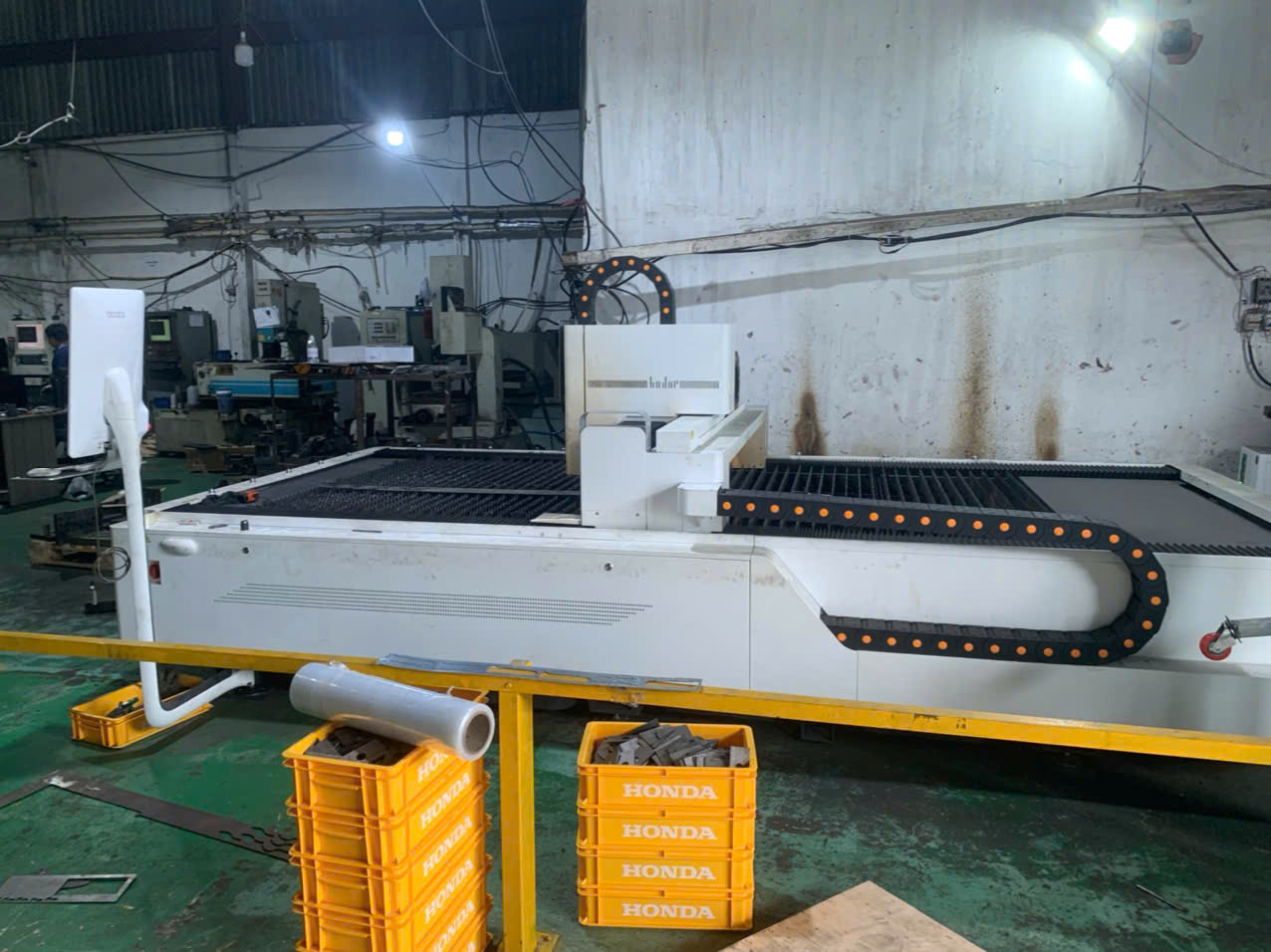
Ornate gates and fencing remain popular for both residential estates and public landmarks. Laser cut metal designs 5 allow intricate patterns that were once only possible through hand forging. Today, a CNC laser can cut floral, geometric, or custom motifs into steel or aluminum sheets with tolerances under 0.1 mm.
| Exterior Application | Common Materials | Key Benefit |
|---|---|---|
| Custom cladding and facades | Stainless steel, aluminum, copper | Weather protection + modern aesthetics |
| Sunshades and sunscreens | Aluminum, galvanized steel | Energy savings through heat reflection |
| Ornate gates and fencing | Wrought iron, mild steel, aluminum | Security + artistic expression |
| Metal roofing solutions | Aluminum, zinc-coated steel | Longevity + reduced cooling costs |
Interior Applications That Elevate Spaces
Inside a building, sheet metal plays a quieter but equally important role. Interior metal accents — from ceiling panels to custom light diffusers — turn functional elements into design features. Perforated metal panels used as room dividers let air and light pass through while creating visual privacy. Column covers made from brushed stainless steel or powder-coated aluminum hide structural posts and turn them into sleek design elements.
Signage and plaques made from brass or copper add a warm, prestigious tone to lobbies and hallways. Brass is favored not only for its gold-like appearance but also for its antimicrobial properties 6, making it a smart choice for healthcare and public buildings.
Lighting fixtures and diffusers made from sheet metal are growing in popularity. Architects use decorative metal screens to wrap pendant lights, creating dramatic shadow patterns on walls and ceilings. These designs rely on precise laser cutting and careful finishing — any burr or misalignment is visible once the light turns on.
| Interior Application | Common Materials | Key Benefit |
|---|---|---|
| Partitions and privacy screens | Aluminum, stainless steel | Airflow + flexible space division |
| Signage and plaques | Brass, copper | Premium look + antimicrobial surface |
| Lighting fixtures and diffusers | Aluminum, perforated steel | Functional art + light control |
| Column and radiator covers | Steel, aluminum | Clean appearance + protection |
Emerging Trends Worth Watching
The industry is moving fast. Dynamic and responsive facades now incorporate kinetic sheet metal elements that adjust to sunlight or wind. Advanced parametric design software 7 lets architects generate organic, non-standard patterns and send them directly to laser cutters. Some firms are integrating thin-film photovoltaics into architectural metal panels for on-site energy generation. Augmented reality tools are being tested to guide on-site bending and installation of complex components, reducing errors and rework.
These trends mean higher complexity for fabrication shops — and higher stakes for buyers who need parts made right the first time.
How Do I Choose the Right Fabrication Partner for My Custom Architectural Metal Designs?
A lesson we learned early in our sourcing work: picking a fabrication partner based on price alone almost always leads to rework and missed deadlines on custom architectural metalwork projects.
Choose a fabrication partner who demonstrates strong co-development capability, has verifiable experience with architectural-grade finishes, maintains transparent quality control documentation, and communicates proactively throughout the project — not just one who quotes the lowest price.
Start With Their Engineering Capability
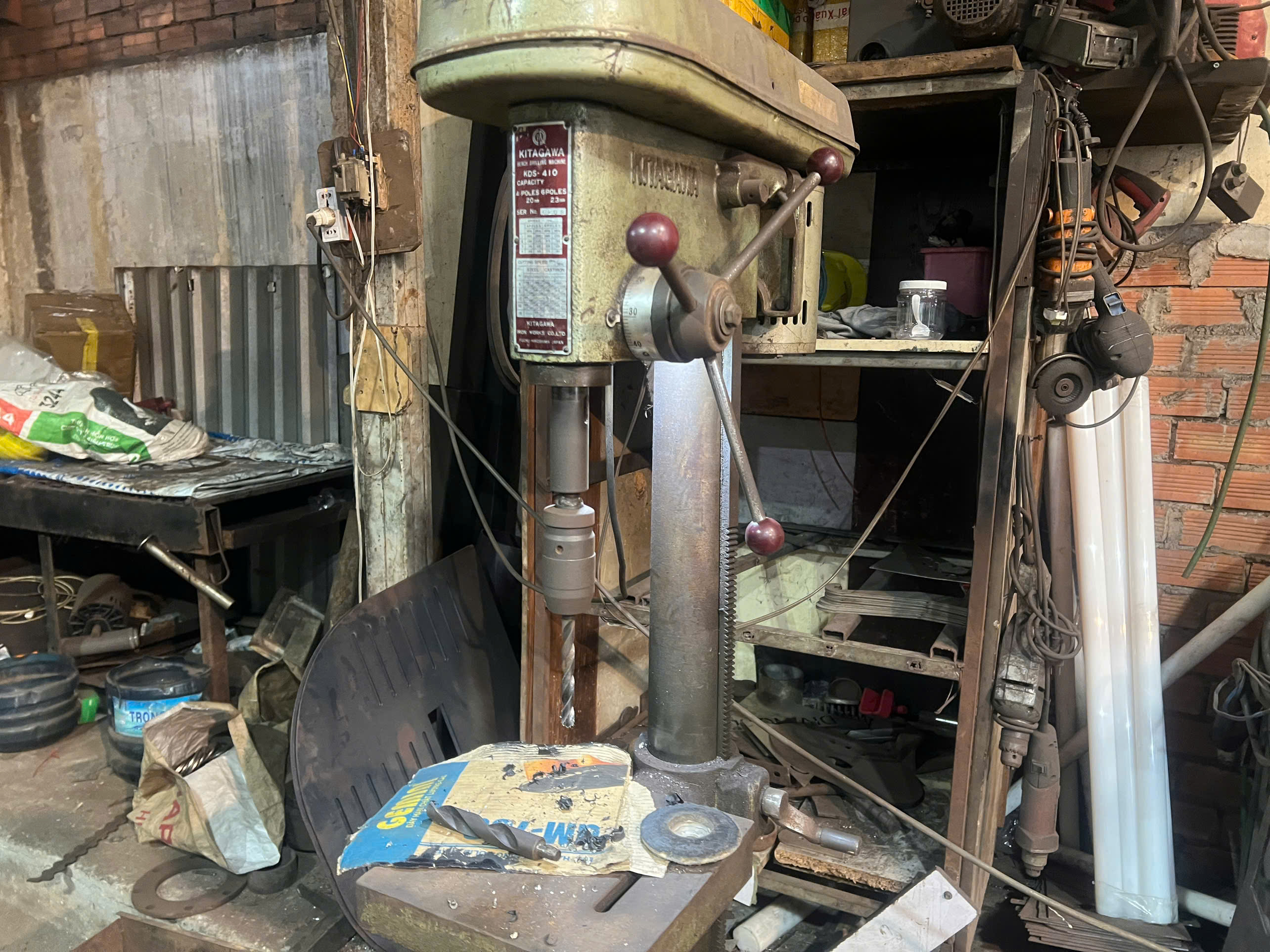
The first question I ask any potential supplier is simple: can your engineering team read and interpret architectural drawings without hand-holding? Many shops handle industrial brackets and simple enclosures well, but architectural parts are different. They involve complex bends, tight visual tolerances, and finishes that must look perfect from a short viewing distance.
When we vet suppliers in Vietnam for our U.S. clients, we send a sample drawing and ask the shop to produce a DFM (Design for Manufacturability) report. This report tells us immediately whether the supplier understands the design intent — or just plans to follow dimensions blindly without flagging potential issues.
Evaluate Their Finishing Capabilities
Architectural decoration demands flawless surface finishes. A bracket hidden inside a machine can have a small scratch. A decorative metal screen in a hotel lobby cannot. Ask your potential partner about their in-house finishing lines. Do they handle powder coating, anodizing, brushing, or mirror polishing? Or do they outsource these steps?
Outsourced finishing adds transit risk, lead time, and communication gaps. In our experience, suppliers who control their own finishing line deliver more consistent results.
Assess Communication and Project Management
This is where many partnerships fail. Your fabrication partner should provide a dedicated project manager who responds within 24 hours, issues weekly progress updates, and raises red flags early — not on the day of shipment. We assign a project coordinator to every order who bridges the time zone gap between our Asian factories and our U.S. clients.
Check References and Past Work
Ask for photos and case studies of past architectural metal projects. Better yet, request contact details of a reference client. A supplier confident in their work will share these willingly.
| Evaluation Criteria | What to Look For | Red Flag |
|---|---|---|
| Engineering capability | DFM reports, tolerance understanding | Cannot interpret GD&T callouts |
| Finishing lines | In-house powder coat, anodize, polish | All finishing outsourced |
| Communication | Dedicated PM, weekly updates | Slow email response, no single point of contact |
| Past work | Architectural project portfolio | Only industrial or generic parts experience |
| Certifications | ISO 9001, material test reports | No documented quality system |
What Quality Control Processes Will Ensure My Decorative Sheet Metal Parts Are Right the First Time?
One interaction with a U.S. purchasing manager made this painfully clear to me: he received 500 laser cut metal designs for a facade project, and 30 percent had visible burrs on the viewing face. The entire batch was rejected.
To get decorative sheet metal parts right the first time, implement a layered QC process that includes incoming material inspection, first-article approval (PPAP), in-process dimensional checks, surface finish verification under controlled lighting, and a final inspection against an approved golden sample.
Why Standard QC Is Not Enough for Decorative Parts
Standard industrial QC focuses on dimensions and function. Decorative parts add a visual layer. A stainless steel architectural panel might be dimensionally perfect but fail because of a hairline scratch, an uneven brushed pattern, or a slight color mismatch in the anodizing. These defects are cosmetic, but for architectural decoration, cosmetic is functional.
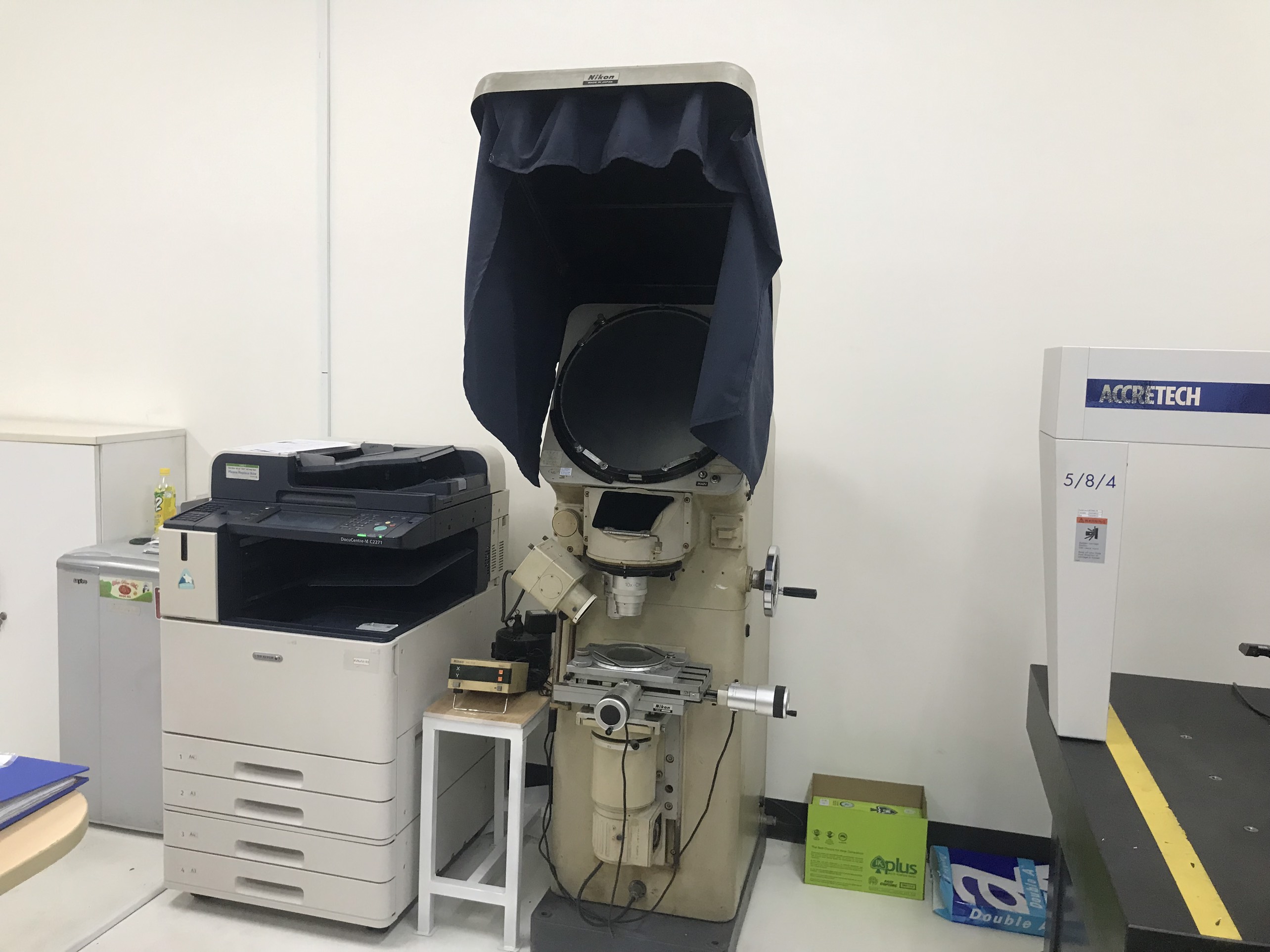
Our QC team uses a grading system for surface defects. We classify viewing surfaces (A-surfaces) and hidden surfaces (B-surfaces). A-surfaces get inspected under direct LED lighting at a 45-degree angle from 500 mm away. Any defect visible to the naked eye at that distance is a reject.
The PPAP Approach for Custom Architectural Parts
PPAP — Production Part Approval Process 8 — is borrowed from the automotive world, but it works beautifully for architectural metalwork. Here is a simplified version of how we apply it:
- Design review and DFM — We confirm tolerances, material specs, and finish requirements with the client.
- First article production — The supplier makes 3–5 sample parts from production tooling and processes.
- First article inspection report (FAIR) — Every dimension, finish attribute, and material property is measured and documented.
- Client approval — The client reviews the FAIR and physical samples. One approved sample becomes the golden sample.
- Production run — The golden sample sits on the inspection bench during the entire run for comparison.
- Final inspection — AQL-based sampling 9 or 100 percent inspection for critical features.
In-Process Checks That Catch Problems Early
Waiting until final inspection to find defects is expensive. We require in-process checks at key stages:
- After laser cutting or punching: check dimensions, edge quality, and burr height.
- After bending: verify angles, springback compensation, and flange parallelism.
- After welding: inspect for distortion, porosity, and weld appearance.
- After finishing: check coating thickness, color, gloss level, and adhesion.
Each check has a simple pass/fail checklist. Operators record results on a traveler sheet that follows the parts through the factory. If a deviation appears at any stage, production stops until the root cause is addressed.
Surface Finish Verification
For building facade design elements, the finish is everything. We specify finish standards using Ra (surface roughness) values for brushed metals and gloss units for painted or coated surfaces. Cross-hatch adhesion tests 10 confirm powder coat or paint will not peel. Salt spray tests verify corrosion resistance for outdoor aluminum architectural finishes.
Why Should I Consider Sourcing My Architectural Metal Components from Vietnam?
A trade-off I weigh constantly with clients is this: where in Asia should we place a new custom project to balance cost, quality, and geopolitical risk? Vietnam keeps rising to the top of that list.
Vietnam offers a compelling combination of competitive labor costs, growing precision fabrication capabilities, favorable U.S. trade tariff treatment, a young and trainable workforce, and geographic proximity to raw material suppliers — making it a strong alternative to China for architectural metal components.

The Tariff Advantage
Since 2018, many sheet metal products from China face elevated U.S. tariffs. Vietnam-made goods generally qualify for significantly lower import duty rates. For high-volume architectural metal panels or decorative metal screens, this tariff gap can shift the total landed cost by 10–25 percent. That is enough to change a project's economics entirely.
Growing Fabrication Maturity
Five years ago, Vietnam's sheet metal sector was mostly limited to simple stamping and basic welding. That has changed quickly. Today, many Vietnamese shops operate fiber laser cutters, CNC press brakes with multi-axis backgauges, and robotic welding cells. Some facilities now handle stainless steel architectural applications that once had to go to China, Taiwan, or South Korea.
Our Vietnam office has seven team members who conduct regular supplier audits, monitor production, and perform in-line inspections. Having boots on the ground makes a measurable difference in delivery reliability and first-pass yield.
Workforce and Cost Profile
Vietnam's average manufacturing wage remains below China's, but the gap is narrowing. The real advantage is workforce attitude. Vietnamese operators tend to be young, eager to learn, and receptive to structured training programs. For architectural work that requires careful handling and visual attention, this matters.
What to Watch Out For
Vietnam is not a drop-in replacement for China. The domestic supply chain for specialty metals (like certain brass alloys or high-grade stainless steel) is still developing. Lead times for raw material procurement can run longer. And not every shop has experience with tight-tolerance architectural work. Proper supplier vetting is critical.
| Factor | Vietnam | China |
|---|---|---|
| U.S. import tariff exposure | Generally lower | Elevated since 2018 |
| Labor cost | Lower | Higher but more experienced |
| Fabrication technology | Rapidly modernizing | Mature and diverse |
| Specialty metal supply chain | Developing | Well established |
| Geopolitical diversification | Strong benefit | Concentrated risk |
| English communication | Improving | Variable by region |
How Can I Secure Open Account Payment Terms for My Custom Sheet Metal Fabrication Orders?
A buyer I work with told me bluntly: "I will not wire 30 percent upfront to a new overseas supplier. My CFO would never approve it." That is a common stance among established U.S. sourcing companies — and a legitimate one.
To secure open account payment terms (such as net 60 or net 90) for custom sheet metal fabrication orders, work with a supply chain partner who has the financial stability and trade credit infrastructure to extend these terms, typically after a brief qualification period and initial prepaid orders to build mutual trust.
Why Payment Terms Matter for Architectural Projects
Architectural decoration projects often involve long timelines. A building facade design project might span six to twelve months from design finalization to installation. During that time, the buyer needs to order multiple batches of metal roofing solutions, perforated metal panels, or custom cladding components. If every order requires a 30–50 percent deposit plus balance before shipment, the cash flow burden is enormous.
Open account terms — where the buyer pays 60 or 90 days after goods ship — align payment timing with the buyer's own receivables cycle. This is standard practice in domestic U.S. transactions, but rare in direct Asia sourcing because most factories cannot absorb the credit risk.
How We Structure Open Account Terms
At DEWIN, we offer open account terms to qualified U.S. clients. Here is how the process typically works:
- Initial orders on standard terms — The first two or three orders are prepaid or paid via letter of credit. This builds a track record.
- Credit assessment — We review the buyer's payment history with us, their business profile, and their references.
- Term approval — Once qualified, we extend net 60 or net 90 terms. We carry the financial risk on our balance sheet so the factory in Vietnam or elsewhere gets paid on time regardless.
- Ongoing review — Terms are reviewed quarterly. Consistent on-time payment may lead to increased credit limits.
What Buyers Need to Provide
Most buyers are comfortable with a standard credit application. This typically includes:
- Company registration and D&B number
- Trade references (two or three)
- Bank reference
- Expected monthly order volume
The process is straightforward and no different from what a domestic U.S. supplier would ask for.
The Strategic Value Beyond Cash Flow
Open account terms do more than ease cash flow. They signal a long-term partnership commitment. When a supplier invests in extending credit, they are motivated to protect the relationship through better service, proactive communication, and consistent quality. It aligns incentives on both sides.
For purchasing managers handling complex interior metal accents or custom architectural metalwork programs, this alignment is worth far more than the payment terms themselves.
Conclusion
Sheet metal fabrication applications in architectural decoration span from dramatic building facades to refined interior accents, and getting them right demands the right partner, rigorous quality control, smart sourcing, and payment terms that support your business. Reach out to our team at sa***@*******ch.com to discuss your next project.
Frequently Asked Questions
How Do I Choose the Right Fabrication Partner for My Custom Architectural Metal Designs?
A lesson we learned early in our sourcing work: picking a fabrication partner based on price alone almost always leads to rework and missed deadlines on custom architectural metalwork projects.
What Quality Control Processes Will Ensure My Decorative Sheet Metal Parts Are Right the First Time?
One interaction with a U.S. purchasing manager made this painfully clear to me: he received 500 laser cut metal designs for a facade project, and 30 percent had visible burrs on the viewing face. The entire batch was rejected.
Why Should I Consider Sourcing My Architectural Metal Components from Vietnam?
A trade-off I weigh constantly with clients is this: where in Asia should we place a new custom project to balance cost, quality, and geopolitical risk? Vietnam keeps rising to the top of that list.
Footnotes
1. Replaced with a relevant article detailing sheet metal applications in modern architecture. ↩︎
2. Details various types of metal cladding systems and their architectural applications. ↩︎
3. Highlights the aesthetic and functional uses of perforated metal panels in architecture. ↩︎
4. Discusses the benefits and applications of aluminum facades in architectural design. ↩︎
5. Explains how laser cutting technology enables complex and intricate architectural designs. ↩︎
6. Explains the antimicrobial properties of brass and its benefits in public health applications. ↩︎
7. Lists and describes leading parametric design software used in architecture. ↩︎
8. Provides a comprehensive overview of PPAP as a quality assurance process in manufacturing. ↩︎
9. Explains AQL sampling methodology for quality control and its benefits. ↩︎
10. Describes the cross-hatch adhesion test method and its importance for coating quality. ↩︎