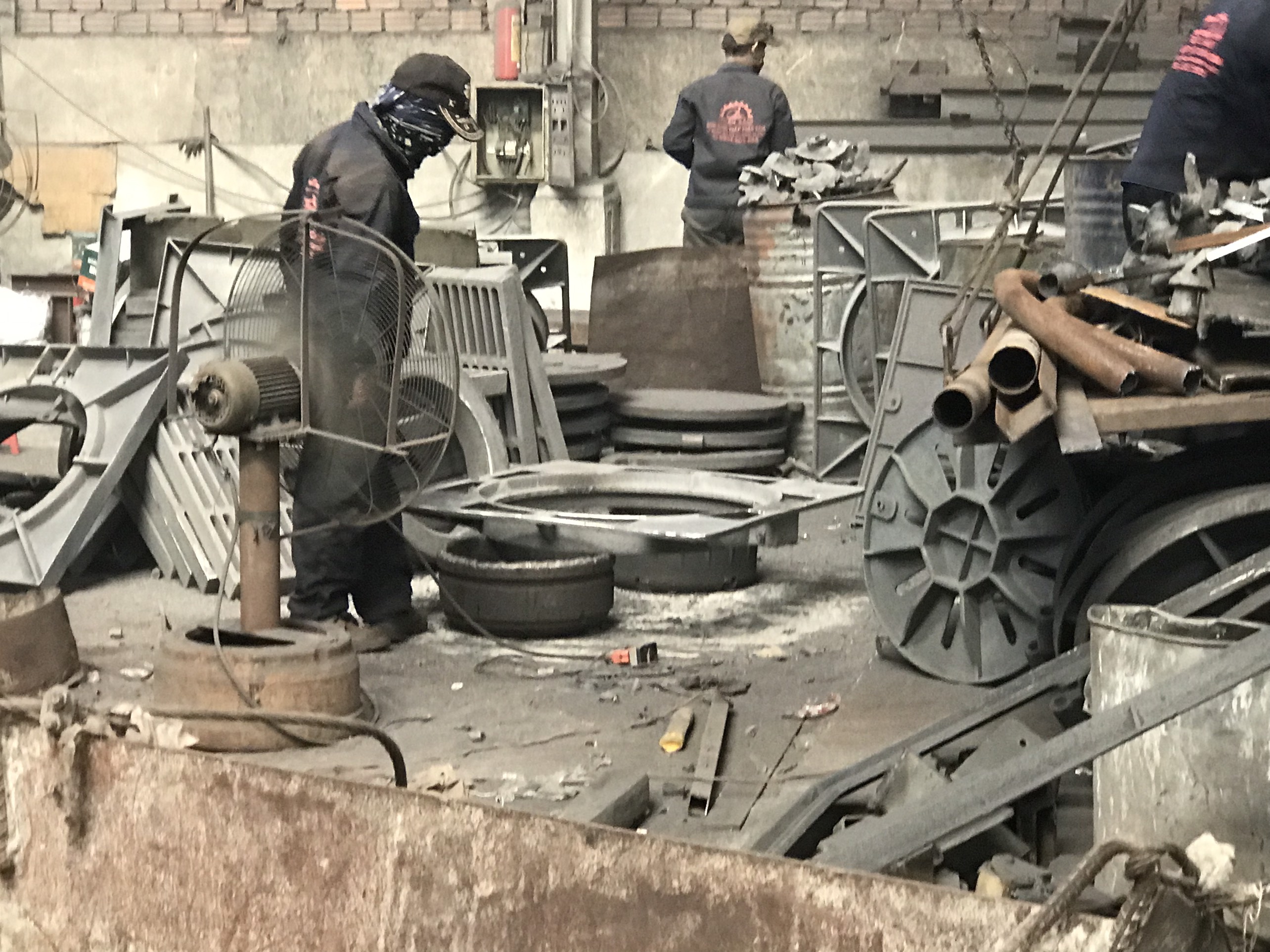

Every week, our quality team in Vietnam reviews sheet metal fabrication waste 1 reports from partner factories — and the volume of avoidable scrap still surprises us.
Sheet metal fabrication waste includes cutting scrap like trimmings and skeletons, bending off-cuts, defective parts requiring rework, finishing residues from coating processes, and overlooked remnant stock. Managing these sustainably involves waste stream audits, nesting software optimization, material segregation, recycling partnerships, and Design for Manufacturing principles that reduce scrap at the source.
This article breaks down each waste type, explains its root causes, and gives you practical strategies to verify your supplier’s sustainability practices while lowering your production costs nesting software optimization 2. Let’s walk through them one by one.
How do I identify the different types of material waste occurring in my sheet metal fabrication orders?
A few months ago, one of our U.S. clients asked us to audit a Vietnamese supplier's scrap rate on a custom bracket order — what we found was eye-opening.
You can identify sheet metal fabrication waste by categorizing it into five main types: cutting scrap (trimmings, skeletons, cutouts), bending off-cuts, defect and rework waste, finishing residues from coating or plating, and remnant stock from partial sheets that go unused between jobs.
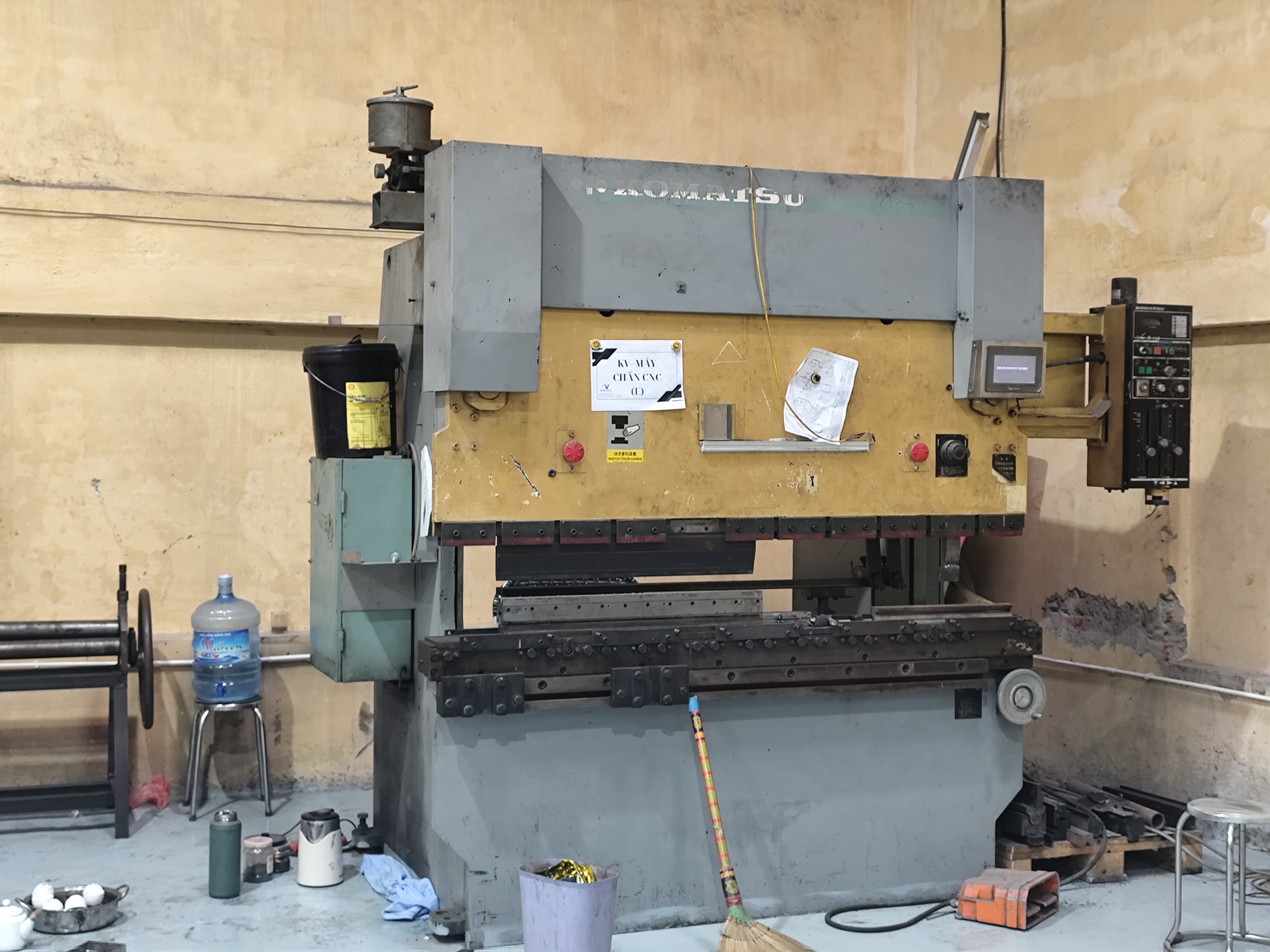
Understanding each waste type is the first step toward controlling your costs. Let me walk you through them in detail.
Cutting Scrap: The Biggest Offender
Cutting waste comes from laser, plasma, or waterjet operations. It includes three sub-types:
- Trimmings — thin strips cut from sheet edges to square the material.
- Skeletons — the leftover frame after all parts are nested and cut from a sheet.
- Cutouts — internal holes and shapes punched or cut from parts.
The skeleton alone can account for 10–20% of raw sheet weight on poorly nested jobs. When we run supplier audits for our clients, we always measure the Material Utilization Rate 3 (MUR) first. The formula is simple:
MUR = (Weight of finished parts ÷ Weight of raw sheet) × 100
A well-optimized job hits 85–95% MUR. Anything below 80% signals a nesting problem.
Bending and Forming Off-Cuts
Bending waste happens when measurements are off or tooling is not set correctly. A misaligned bend can scrap an entire part. Off-cuts from trimming bent flanges to final dimensions also add up. During our process control reviews in China, we often see bending waste spike when operators skip the first-article inspection step 4.
Defect and Rework Waste
This is the most expensive type. A part that fails quality checks wastes not just material but all the labor, machine time, and energy already invested. Common causes include design errors, poor equipment maintenance, and inadequate operator training. Our team tracks first-pass yield rates at every supplier we manage — it is one of the clearest indicators of a factory's quality culture.
Finishing Residues
Powder coating, anodizing, and electroplating all produce residues. These include chemical bath solutions, rinse water, and overspray powder. Some residues qualify as hazardous waste and need specialized disposal. Hazardous waste management 5 is a compliance issue that many buyers overlook until it becomes a problem.
Remnant Stock
Partial sheets left over from one job often sit on racks unused. Without a tracking system, these remnants get forgotten, oxidize, or become dimensionally unusable. It is a quiet source of waste that adds up over months.
| Waste Type | Source Process | Typical % of Raw Material Lost | Recyclability |
|---|---|---|---|
| Cutting scrap (skeletons, trimmings) | Laser, plasma, waterjet cutting | 5–20% | High — easy to recycle |
| Bending off-cuts | Press brake forming | 2–5% | High |
| Defect/rework waste | All processes | 1–8% (varies by shop) | Medium — may need reprocessing |
| Finishing residues | Coating, plating, anodizing | <1% by weight | Low — may be hazardous |
| Remnant stock | Between jobs | 3–10% | High — if tracked and reused |
What strategies can I use to ensure my supplier manages scrap metal sustainably to lower my production costs?
During a recent factory visit in Ho Chi Minh City, I watched a supplier sort aluminum and stainless steel scrap into color-coded bins — and then sell the separated scrap back to a recycler at premium rates. That simple practice saved the buyer money on the next PO.
To ensure sustainable scrap management, require your supplier to conduct waste stream audits, implement metal scrap recycling with proper waste segregation practices, use nesting software to boost material utilization optimization, repurpose remnants for prototyping or short runs, and establish formal recycling partnerships with certified facilities.
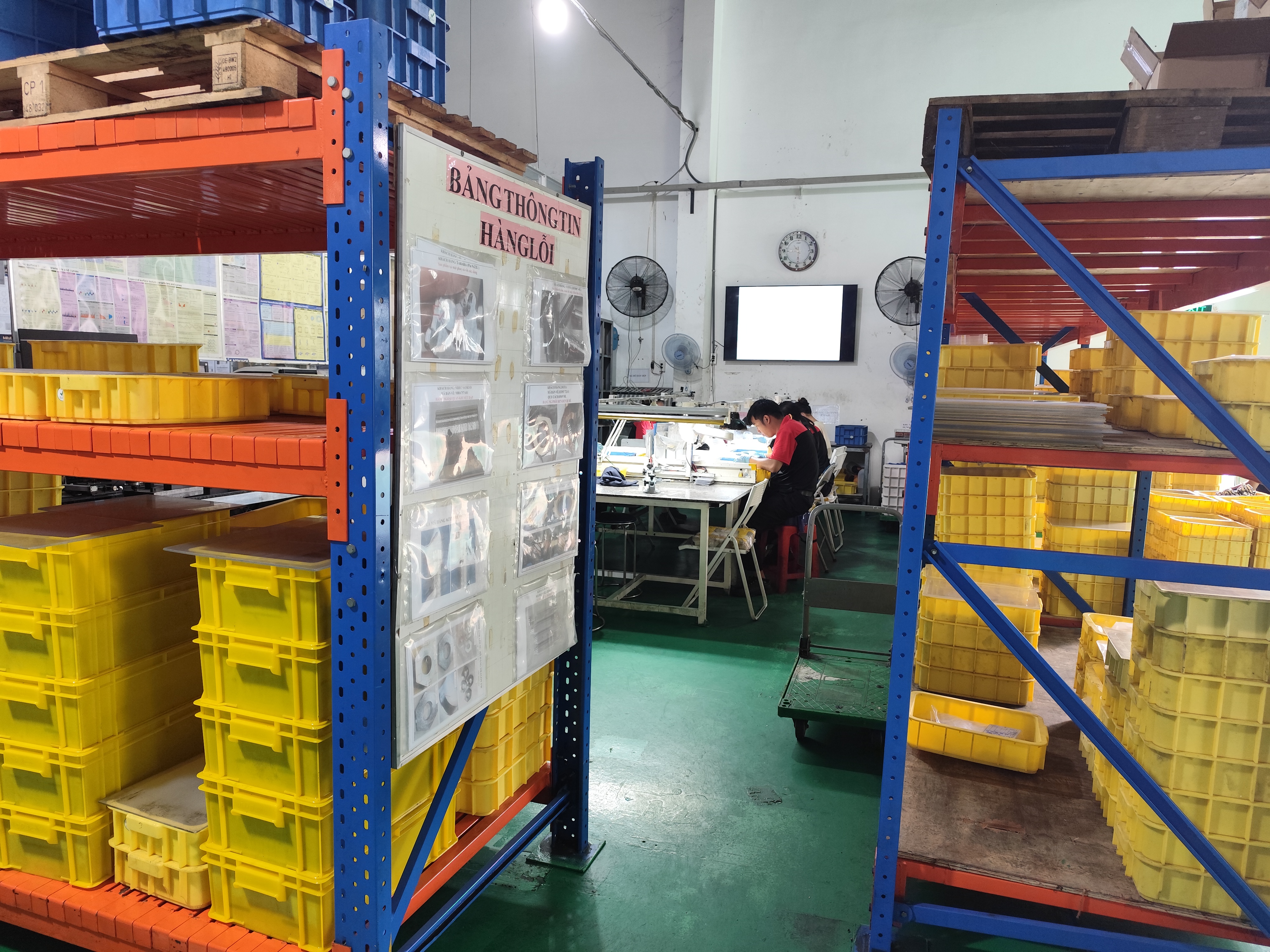
Here are the strategies that actually move the needle, based on what we see across our supply chain operations.
Strategy 1: Demand a Waste Stream Audit
Ask your supplier to quantify their scrap. A waste stream audit identifies what types of metal are scrapped, in what volumes, and at what value. This data is the foundation for every improvement. When we onboard a new contract manufacturer, a scrap audit is part of our standard supplier qualification process.
Strategy 2: Require Proper Waste Segregation
Mixed scrap sells for a fraction of sorted scrap. A magnetic test separates ferrous from non-ferrous metals in seconds. Beyond that, aluminum, copper, and stainless steel each command different recycling prices. Proper waste segregation practices can turn scrap from a cost center into a revenue offset.
| Metal Type | Approximate Scrap Value (Relative) | Segregation Method |
|---|---|---|
| Mild steel | Low | Magnetic test (attracted) |
| Stainless steel (300 series) | Medium–High | Magnetic test (not attracted) + visual |
| Aluminum | Medium–High | Weight + visual (light, non-magnetic) |
| Copper / Brass | High | Color + weight (dense, non-magnetic) |
| Mixed / unsorted | Very Low | Default if no system in place |
Strategy 3: Push for Nesting Optimization
Nesting software arranges parts on a sheet to minimize skeleton waste. Advanced programs can achieve 85–95% material utilization. Ask your supplier what nesting software they use and what MUR they typically achieve. If they cannot answer, that tells you something. We routinely review nesting layouts as part of our process control documentation before production starts.
Strategy 4: Encourage Remnant Repurposing
Leftover partial sheets can be reused for prototyping, small brackets, shims, or non-cosmetic parts. We encourage our suppliers to maintain a remnant inventory log so usable material does not go to waste. This supports broader resource conservation strategies without adding significant cost.
Strategy 5: Establish Recycling Partnerships
A supplier with a formal relationship with a certified recycling facility can ensure closed-loop recycling — where scrap metal goes back into new sheet stock. This reduces the carbon footprint of your supply chain and can sometimes lower your quoted material costs because the supplier recovers value from scrap.
Strategy 6: Apply Lean Manufacturing Principles
Lean manufacturing principles 6 target eight types of waste: defects, overproduction, waiting, non-utilized talent, transportation, inventory, motion, and over-processing. When suppliers apply lean thinking, they cut waste across all categories — not just material scrap. We look for lean certifications and visual management boards during our factory audits as evidence of this mindset.
How can I verify that my offshore manufacturer is following sustainable waste management practices for my custom parts?
One trade-off we weigh constantly is trust versus verification — especially when managing suppliers thousands of miles from a client's office in Texas or Ohio.
You can verify offshore sustainable waste management by conducting on-site supplier audits, requesting documented scrap reports and MUR data, reviewing recycling certificates and disposal records, requiring photographic or video evidence of waste segregation, and using third-party inspection services to confirm compliance with environmental standards.
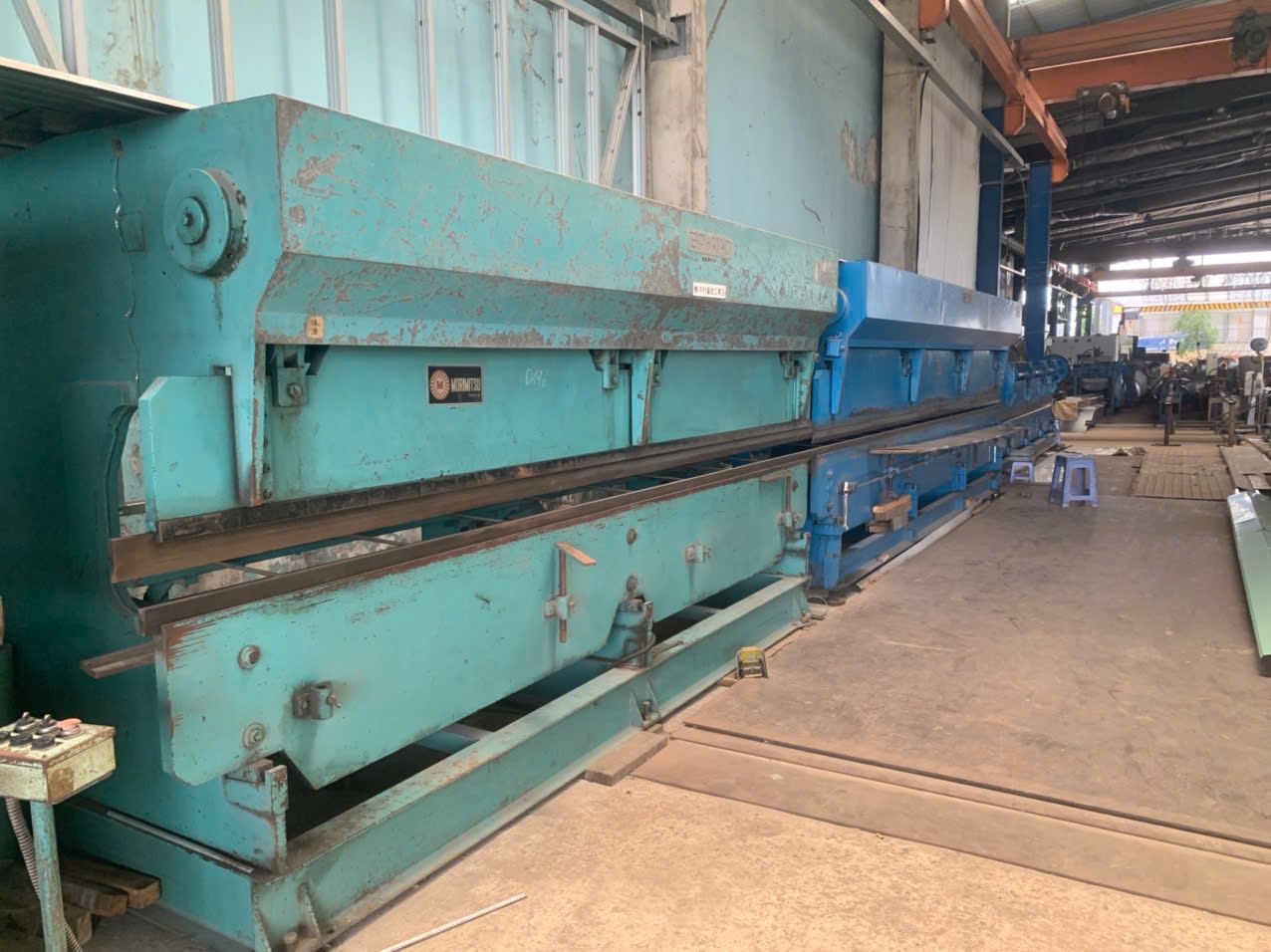
Verification does not have to be complicated, but it does need to be systematic. Here is how we approach it for our clients who source custom parts from Vietnam and other Asian countries.
On-Site Audits
Nothing replaces walking the factory floor. During our audits, we check for labeled scrap bins, observe how operators handle off-cuts, and ask to see scrap sale records. We look for closed-loop recycling evidence — receipts from recyclers, weigh tickets, and contracts. A factory that takes sustainability seriously will have these documents ready.
Documentation Requests
Ask for monthly scrap reports broken down by material type and weight. Request the nesting layouts used for your specific orders. If a supplier claims 90% material utilization, ask them to show the calculation. We build these requirements into our contract manufacturing agreements so there is no ambiguity.
Third-Party Verification
If you cannot be on-site, a third-party inspection service can verify waste practices as part of a broader process audit. Our teams in Vietnam and China perform this role for U.S. clients. We document everything with photos, measurements, and written reports — because our clients need evidence, not just assurances.
Environmental Compliance Checks
For parts involving finishing processes like anodizing or electroplating, verify that the supplier handles chemical waste properly. Ask for wastewater discharge permits and chemical disposal certificates. Proper hazardous waste management is not optional — it is a legal and ethical requirement. Energy efficiency improvements at the factory level, such as using fiber lasers instead of older CO2 lasers, also indicate a supplier's commitment to reducing environmental impact and their carbon footprint.
Digital Tools for Remote Monitoring
Some forward-thinking factories now use digital twin technology to simulate fabrication processes and predict waste before production begins. AI-driven quality control systems can detect micro-defects early, reducing rework scrap. While these technologies are still emerging in many Asian factories, they represent the direction the industry is heading. We advise clients to ask about digital capabilities during supplier selection.
| Verification Method | What It Confirms | Effort Level | Reliability |
|---|---|---|---|
| On-site audit | Segregation, processes, culture | High | Very High |
| Monthly scrap reports | Material utilization, waste volumes | Low | Medium (depends on honesty) |
| Recycling certificates | Proper disposal, closed-loop recycling | Low | High |
| Third-party inspection | Independent confirmation of practices | Medium | High |
| Digital monitoring / ERP data | Real-time production and waste data | Medium | High (if system is genuine) |
What are the best ways for me to minimize material loss and rework to improve my supply chain efficiency?
A lesson I learned early in my career managing cross-border supply chains: the cheapest way to deal with waste is to prevent it from being created in the first place.
Minimize material loss and rework by implementing Design for Manufacturing reviews before production, using advanced nesting software to maximize sheet utilization, enforcing first-article inspection protocols, investing in operator training, and applying predictive maintenance to prevent equipment-related defects that cause costly scrap and delays.
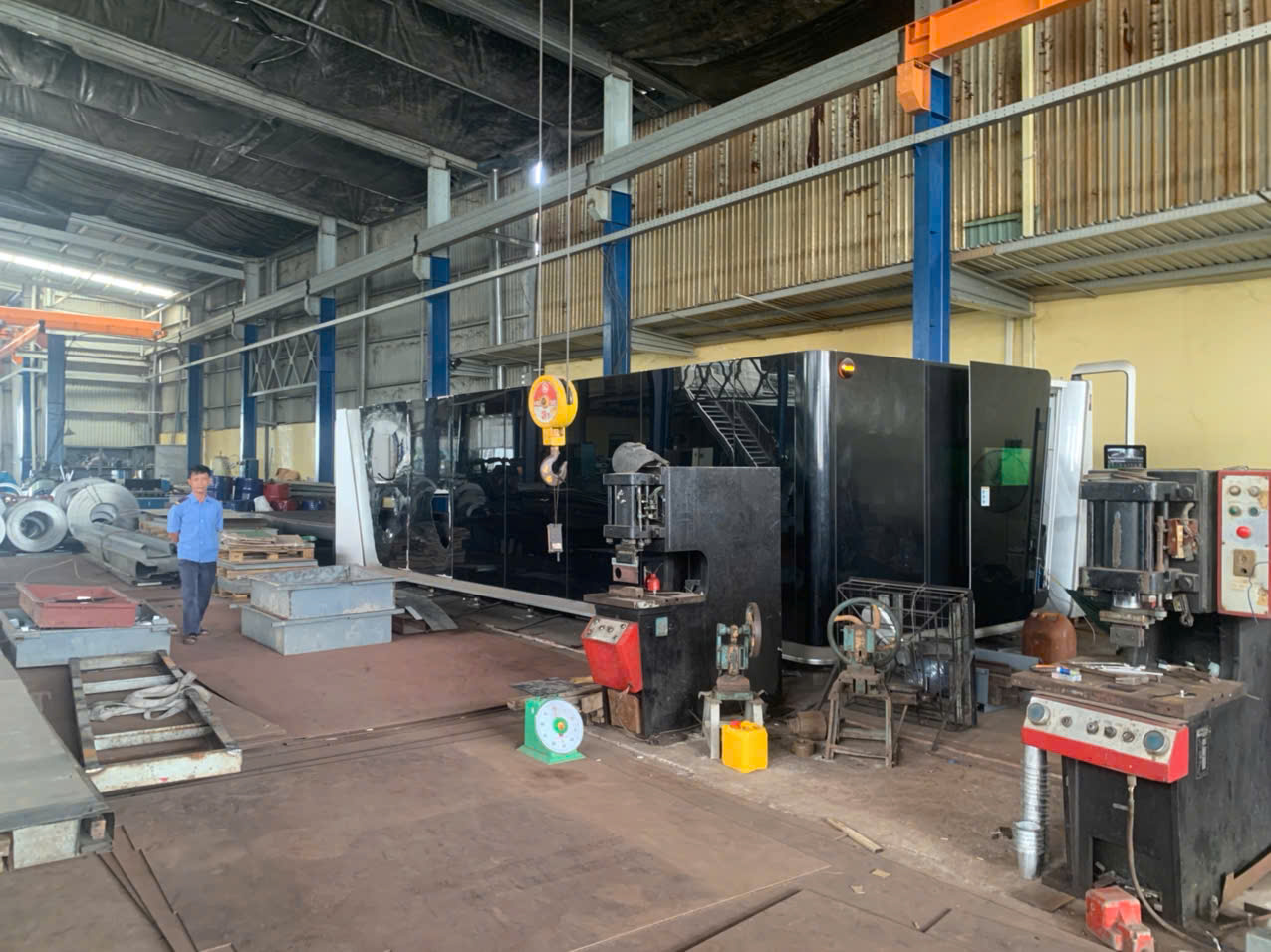
Prevention is where the biggest cost savings live. Here is a breakdown of the most effective approaches we use across our supply chain operations.
Design for Manufacturing (DFM) Reviews
Many waste problems start at the design stage. A hole that is too close to a bend line will crack. A tolerance that is tighter than necessary will increase reject rates. Our engineering team reviews every drawing before we release it to production. We check for standardized hole sizes, consistent bend radii, and opportunities to consolidate parts. DFM catches problems that would otherwise become scrap on the shop floor.
Common DFM adjustments that reduce waste:
- Standardize hole sizes to reduce tooling changes
- Add relief notches near bend lines to prevent cracking
- Allow tabbing in nested layouts so small parts stay connected to the skeleton during cutting
- Consolidate multiple parts into a single stamped or formed component where possible
- Specify the most appropriate cutting method — laser cutting produces less waste than plasma for complex geometries and difficult alloys
First-Article Inspection and PPAP
We run a Production Part Approval Process 7 (PPAP) on every new custom part. The first articles are measured against the drawing, and any deviations are corrected before full production begins. This "right first time" approach dramatically reduces rework and the associated material loss. It also catches tooling issues early when they are cheapest to fix.
Operator Training and Skill Development
Untrained operators make measurement errors, misalign parts in the press brake, and waste material through trial and error. When we evaluate a supplier, we ask about their training programs. Do new operators go through a structured onboarding? Are they certified on specific machines? A skilled workforce is one of the most effective resource conservation strategies any factory can invest in.
Predictive Maintenance
Worn tooling and poorly maintained machines produce defective parts. A press brake with a misaligned ram will create inconsistent bends. A laser with a dirty lens will produce rough edges that fail inspection. Predictive maintenance 8 — using sensor data and scheduled inspections to catch problems before they cause defects — keeps the defect rate low and material utilization optimization high.
Comparing Cutting Methods for Waste Reduction
The cutting method you specify affects how much waste your order generates. Here is a quick comparison:
| Cutting Method | Edge Quality | Waste Level | Best For |
|---|---|---|---|
| Laser (fiber) | Excellent | Low | Thin to medium gauge, complex shapes, tight tolerances |
| Plasma | Good (needs cleanup) | Medium | Thick gauge, faster cuts, lower cost |
| Waterjet | Excellent | Low–Medium | Heat-sensitive materials, thick stock, no heat-affected zone |
| Punching / Stamping | Good | Low (high volume) | High-volume production, simple shapes |
Laser cutting with advanced nesting software is often the best combination for minimizing scrap on custom parts. The precision of fiber lasers reduces edge cleanup, and the nesting algorithms pack parts tightly to shrink skeleton waste. Combined with proper remnant tracking, this approach can push MUR above 90%.
Building a Waste-Conscious Supply Chain
When you combine DFM, strong process controls, trained operators, and maintained equipment, waste drops across every category. Our role at DEWIN is to make sure these practices are in place before your order hits the production floor — not after defective parts show up at your dock. To track whether your suppliers are meeting these expectations consistently, consider using supplier capacity metrics that ensure on-time delivery alongside waste reduction targets.
Conclusion
Managing sheet metal fabrication waste sustainably requires identifying each waste type, implementing systematic controls, and verifying supplier practices — all of which lower your costs and strengthen your supply chain.
Frequently Asked Questions
How do I identify the different types of material waste occurring in my sheet metal fabrication orders?
A few months ago, one of our U.S. clients asked us to audit a Vietnamese supplier's scrap rate on a custom bracket order — what we found was eye-opening.
What strategies can I use to ensure my supplier manages scrap metal sustainably to lower my production costs?
During a recent factory visit in Ho Chi Minh City, I watched a supplier sort aluminum and stainless steel scrap into color-coded bins — and then sell the separated scrap back to a recycler at premium rates. That simple practice saved the buyer money on the next PO.
How can I verify that my offshore manufacturer is following sustainable waste management practices for my custom parts?
One trade-off we weigh constantly is trust versus verification — especially when managing suppliers thousands of miles from a client's office in Texas or Ohio.
Footnotes
1. Provides a fact sheet on managing waste in the metal manufacturing industry. ↩︎
2. Explains nesting software, its benefits, and how it optimizes material utilization. ↩︎
3. Replaced HTTP 404 with a direct definition of ‘Material utilization rate’ from a manufacturing quality management terminology resource. ↩︎
4. Provides a comprehensive overview of the First Article Inspection process and its purpose. ↩︎
5. Official EPA source detailing regulations for hazardous waste identification, management, and disposal. ↩︎
6. Explains the eight types of waste targeted by lean manufacturing principles for efficiency. ↩︎
7. Explains the Production Part Approval Process (PPAP) as a standardized quality assurance method. ↩︎
8. Describes predictive maintenance as a data-driven practice for monitoring asset performance and preventing failures. ↩︎
9. Defines Design for Manufacturing (DFM) and its importance in simplifying production processes. ↩︎