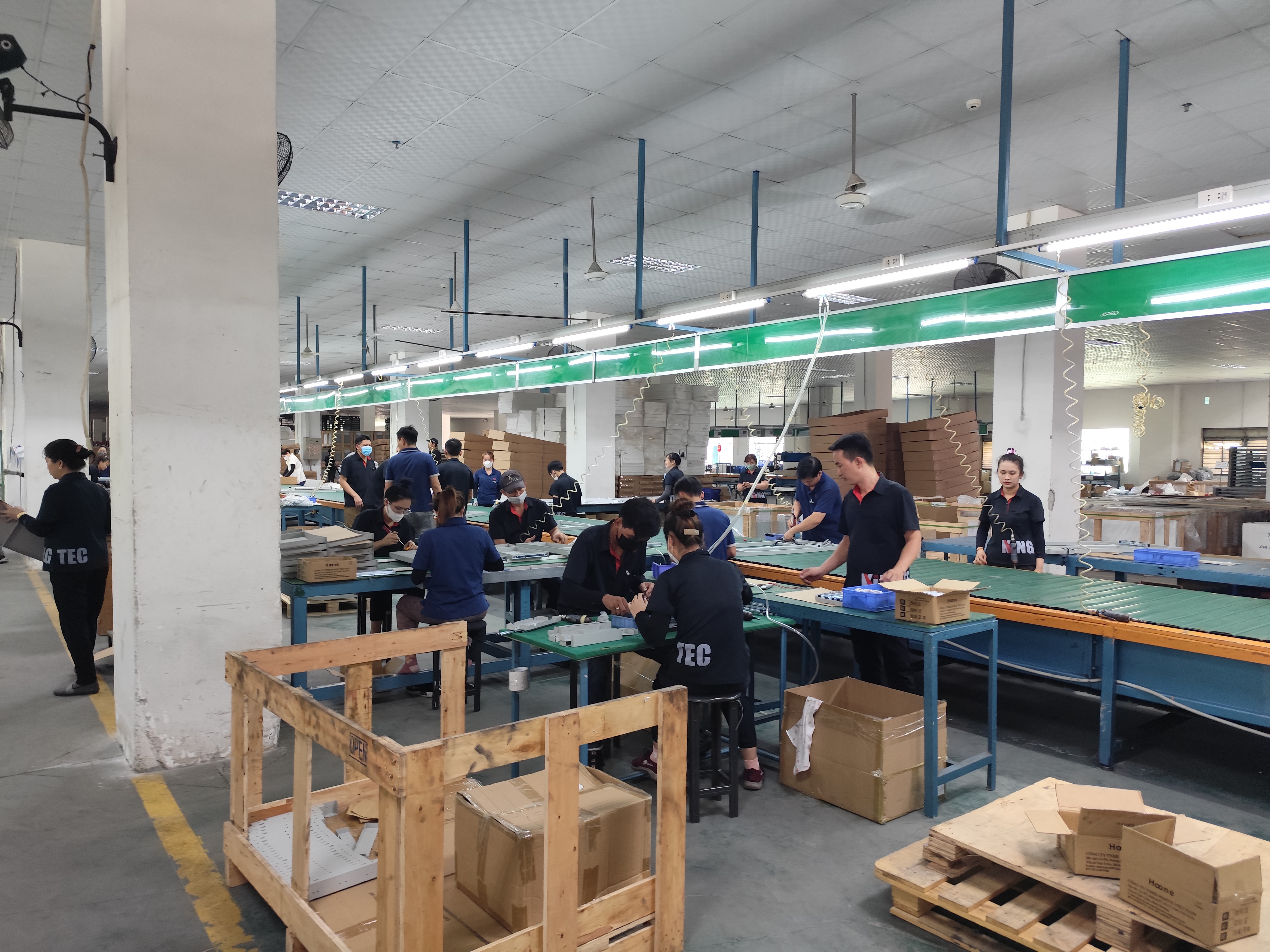

Stamping parts in aerospace hide behind nearly every panel. On our production line, I have watched one missed tolerance ground an entire bracket shipment—costly, avoidable, and painful.
Stamping parts in aerospace are used for airframe brackets and fittings, fuselage panels, seat and cabin hardware, avionics connector contacts and shielding, engine heat shields, fuel and hydraulic valve components, landing gear hardware, and instrumentation parts—anywhere lightweight, repeatable, tight-tolerance metal components are required.
That short answer covers a lot of ground. Below, I break down each application area, the tolerances involved, the right materials, the certifications you need, and how to source these parts reliably from Asia.
How Do I Ensure Stamped Aerospace Parts Meet Strict Aviation Tolerances?
A few years back, our team in Vietnam caught a 0.05 mm flatness deviation on a batch of stamped mounting clips before shipment. That single inspection saved our U.S. client a full rework cycle.
To meet aviation tolerances, control four things: certified tooling design with compensation for springback, in-process SPC monitoring, first-article inspection against the full drawing, and 100% or sampled final inspection with calibrated CMM equipment. Combine these with PPAP documentation to prove repeatability before mass production begins.

Aviation tolerances are unforgiving. General industrial stamping might accept ±0.1 mm on a bend. Aerospace brackets often demand ±0.025 mm on hole positions and near-zero burrs. The reason is simple. A misaligned bracket can stress a hydraulic line. A burr on a contact finger can degrade an avionics signal 1. So the entire process must be built around prevention, not correction.
Start With the Die, Not the Inspection
Most tolerance failures are baked in at the tooling stage. High-strength aluminum and stainless steel spring back after forming. If the die does not compensate for this, every part comes out slightly off. In our projects, we insist that tooling suppliers run forming simulations and trial strips before cutting the production die. It adds a week upfront. It saves months later.
Monitor the Process, Not Just the Part
Servo presses with real-time force monitoring catch problems mid-stroke. A sudden force spike often signals material inconsistency or die wear. Catching it at stroke 5,000 beats discovering it at final inspection of stroke 50,000.
Layer Your Inspections
| Inspection Stage | What It Checks | Typical Tool |
|---|---|---|
| First Article (FAI) | Every drawing dimension and note | CMM 2, optical comparator |
| In-Process SPC | Critical dimensions per interval | Go/no-go gauges, micrometers |
| Final Inspection | Sampled or 100% critical features | CMM, vision systems |
| Documentation | Traceability, material certs | PPAP package review |
One more lesson I have learned: read the drawing notes, not just the dimensions. Deburring direction, grain orientation, and surface finish callouts are where inexperienced suppliers fail most often.
Which Materials Should I Choose for Aerospace Stamping Applications?
When we quoted a set of avionics shielding parts last year, the buyer's first question was not price. It was material grade and mill certification—and that was the right question to ask.
Choose aluminum alloys (2024, 6061, 7075) for lightweight structural brackets, stainless steel (301, 304, 17-7PH) for corrosion-prone and spring applications, titanium for high strength-to-weight structural parts, and Inconel for heat shields and engine-adjacent components exposed to extreme temperatures.

Material selection drives everything downstream: formability, tooling wear, cost, and certification burden. In my experience helping U.S. engineering firms source custom parts from Vietnam and Taiwan, the material decision is where projects either stay on budget or quietly drift over it.
Match the Material to the Aircraft System
Different aircraft zones impose different demands. Cabin clips face vibration but mild temperatures. Engine-bay heat shields 3 face 800°C-plus environments. Fuel system components need corrosion resistance 4 against jet fuel additives. There is no single "aerospace metal."
| Material | Best Applications | Key Strength | Key Limitation |
|---|---|---|---|
| Aluminum 2024/7075 | Airframe brackets, ribs, fittings | Excellent strength-to-weight | Lower corrosion resistance, needs coating |
| Aluminum 6061 | Cabin hardware, housings, enclosures | Formable, weldable, affordable | Lower strength than 7075 |
| Stainless 301/304 | Clips, retainers, fluid fittings | Corrosion resistance, spring temper options | Heavier than aluminum |
| 17-7PH Stainless | Spring contacts, flight-control hardware | High strength after heat treatment | Higher cost, harder to form |
| Titanium (Grade 2/5) | Structural fittings, firewall parts | Superior strength-to-weight, heat tolerance | Expensive, severe tool wear |
| Inconel 625/718 | Heat shields, exhaust liners | Extreme temperature resistance | Very difficult to stamp, costly |
Do Not Forget Formability
A material can be perfect on paper and terrible in the press. Titanium and Inconel 5 work-harden fast. They often need warm forming, slower press speeds, or intermediate annealing. That affects your unit cost far more than raw material price does. I always advise buyers to involve the stamping supplier during design review, before the material is locked on the drawing. A small radius change can turn an unstampable titanium part into a routine one.
Also insist on full material traceability. Every coil should carry a mill certificate matched to your lot numbers. Without it, the part is worthless in an aerospace audit—no matter how perfect its dimensions are.
What Quality Certifications Do I Need When Sourcing Aerospace Stamped Parts?
A purchasing manager once told me he rejected a technically excellent quote because the supplier could not explain PPAP. I understood completely. Paperwork is not bureaucracy in this industry—it is proof.
For aerospace stamped parts, require AS9100 certification for aviation-critical components, ISO 9001 as a minimum baseline, NADCAP accreditation for special processes like heat treatment or plating, plus PPAP submission, full material traceability with mill certificates, and first-article inspection reports per AS9102.

Certifications answer one question: can this supplier repeat quality without you standing on their shop floor? For stamped aerospace parts, the answer must be documented, auditable, and traceable back to the raw coil.
The Certification Hierarchy
Not every stamped part needs the same paperwork. A flight-critical structural fitting demands far more than a cabin trim clip. Here is how I frame it for buyers:
| Certification / Document | When You Need It | What It Proves |
|---|---|---|
| ISO 9001 | Every supplier, no exceptions | Basic quality management system exists |
| AS9100 6 | Flight hardware, structural, avionics parts | Aerospace-specific QMS with risk and traceability controls |
| NADCAP | Heat treat, plating, NDT, welding on the part | Special processes meet aerospace standards |
| PPAP (Level 3+) | New part launch or process change | Production process is capable and stable |
| AS9102 FAI Report | First production run, tooling changes | Every drawing feature verified on real parts |
| Mill Certificates | Every material lot | Alloy, temper, and mechanical properties confirmed |
What We Actually Check in Supplier Audits
Certificates can be current while practices decay. When our team audits stamping suppliers in Vietnam and across Asia, we go past the framed certificate on the wall. We check gauge calibration records. We pull a random traveler and trace it back to the material lot. We ask the press operator—not the quality manager—what happens when a dimension drifts. If the operator knows the escalation process, the system is real. If he shrugs, the certificate means little.
One practical tip: request the supplier's PPAP package from a similar past project before awarding the order. A supplier who submits a clean, complete package quickly has done this before. A supplier who stalls or sends fragments is learning at your expense.
How Can I Find a Reliable Aerospace Stamping Supplier in Asia?
Diversifying beyond a single country is now standard practice among the U.S. buyers we serve. Our Vietnam office exists for exactly this reason—clients want capable stamping sources outside traditional hubs.
Find a reliable Asian aerospace stamping supplier by shortlisting AS9100-certified factories, conducting on-site audits of tooling and inspection capability, running a paid sample plus PPAP trial, verifying material traceability, and starting with a small production order under a clear quality agreement before scaling volume.

Finding a supplier is easy. Finding one who gets stamped aerospace parts right the first time, every time, is the hard part. Distance amplifies every weakness. A missed drawing note that takes a phone call to fix domestically can take a re-shipped tooling trial across an ocean.
A Practical Six-Step Vetting Process
- Define the part class first. Flight-critical parts narrow your pool to AS9100 shops. Cabin or ground-support hardware opens more options.
- Shortlist through verified channels. Google, Alibaba 7, industry directories, and trade referrals all work—but verify certifications directly with the issuing registrar, not the supplier's PDF.
- Audit on site, or hire local eyes. Look at press condition, die maintenance records, and the metrology room. A dusty CMM tells you everything. Having our own team on the ground in Vietnam has caught issues that video calls never would.
- Run a PPAP trial. Pay for samples and a full documentation package. Judge both the parts and the paperwork.
- Test communication under pressure. Ask a detailed technical question about your drawing. Response speed and depth predict future project behavior.
- Start small, scale deliberately. A pilot order of a few hundred pieces exposes logistics, packaging, and consistency issues at low risk.
Watch the Commercial Terms Too
Quality is only half the equation. Delivery discipline and cash flow matter just as much. In our export work with U.S. purchasing managers, the recurring pain points are the same three: late deliveries, ignored drawing details, and no real first-time-right culture. So structure the relationship to protect yourself. Put delivery penalties and quality gates in the contract. Negotiate payment terms that reflect trust earned, not trust assumed—open account terms of 60 to 90 days are achievable with the right partner and take real pressure off your working capital. And insist on a single accountable project contact, not a rotating cast of sales reps.
A good sourcing partner in the region should manage supplier audits, in-process control, final inspection, and door-to-door logistics as one accountable chain. Fragmented responsibility is where aerospace projects fail.
Conclusion
Stamping parts in aerospace span airframes, cabins, avionics, engines, and fuel systems. Choose the right material, demand real certifications, vet suppliers rigorously—and your parts arrive right the first time.
Frequently Asked Questions
How Do I Ensure Stamped Aerospace Parts Meet Strict Aviation Tolerances?
A few years back, our team in Vietnam caught a 0.05 mm flatness deviation on a batch of stamped mounting clips before shipment. That single inspection saved our U.S. client a full rework cycle.
Which Materials Should I Choose for Aerospace Stamping Applications?
When we quoted a set of avionics shielding parts last year, the buyer's first question was not price. It was material grade and mill certification—and that was the right question to ask.
What Quality Certifications Do I Need When Sourcing Aerospace Stamped Parts?
A purchasing manager once told me he rejected a technically excellent quote because the supplier could not explain PPAP. I understood completely. Paperwork is not bureaucracy in this industry—it is proof.
Footnotes
1. Explains why burrs or misalignment can disrupt sensitive avionics signal integrity. ↩︎
2. Explains coordinate-measuring machines used for precision inspection of stamped parts. ↩︎
3. Provides background on Inconel’s high-temperature resistance used in engine-bay heat shields. ↩︎
4. Background on corrosion mechanisms relevant to fuel system material selection. ↩︎
5. Background on Inconel alloy properties relevant to high-temperature aerospace stamping. ↩︎