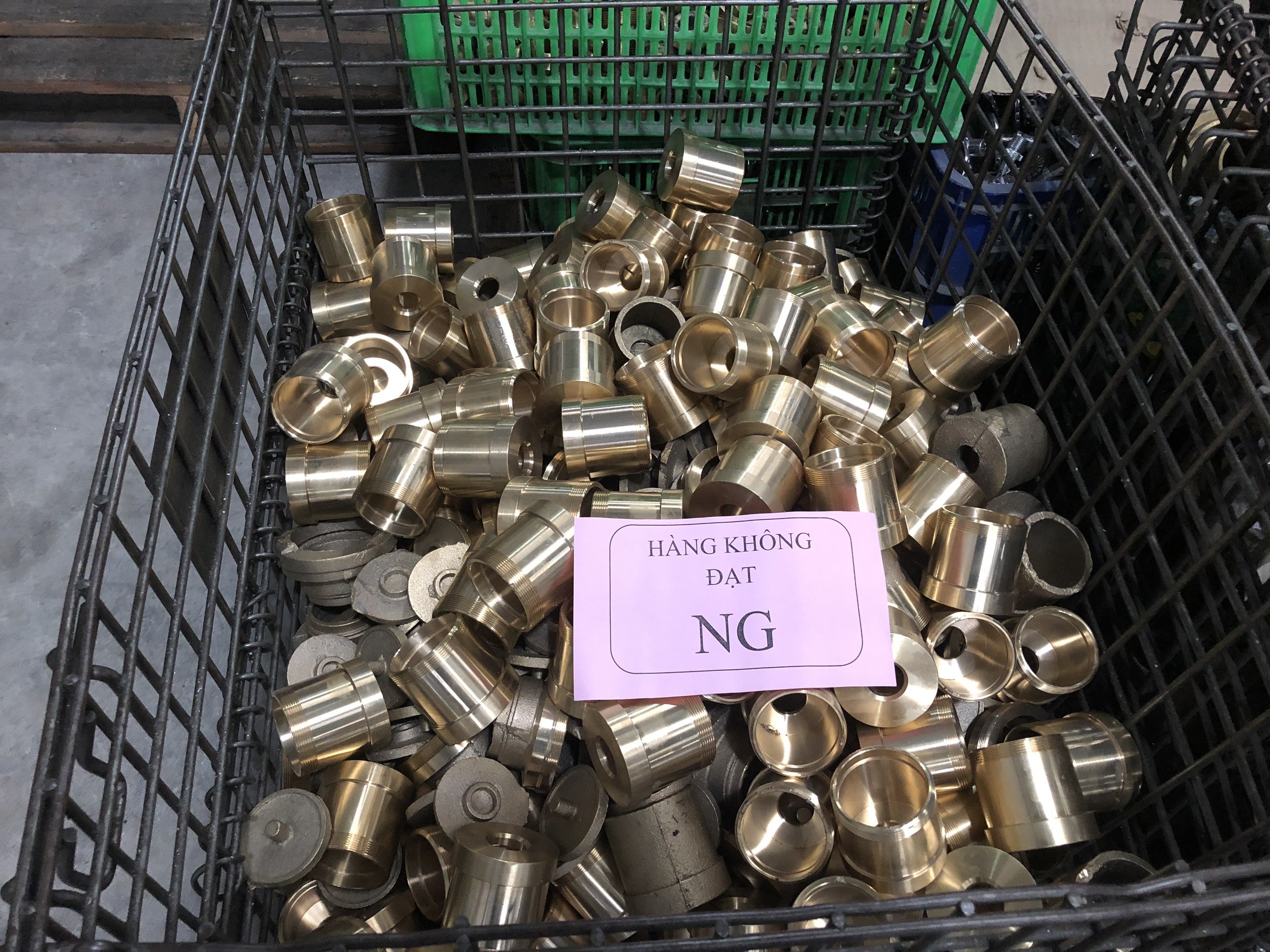

A client recently asked us why their sheet metal brackets were rejected at US customs — the issue was not quality but missing UL certification 1 on the final enclosure assembly.
No single UL certification covers all sheet metal fabrication. The required UL standard depends on the end-use application: UL 508A for industrial control panels and electrical enclosures, UL 263 for fire-rated assemblies, or UL 752 for ballistic-rated components. Raw sheet metal itself is rarely UL-listed; the fabricated product is what must be certified.
This article walks through which UL standards apply to specific sheet metal products, how to verify your supplier’s UL status, what happens if you skip certification, and how to maintain compliance across a full production run. Whether you source from Vietnam, Taiwan, or domestically, these rules apply equally.
Which specific UL standards apply to my custom sheet metal enclosures and parts?
One of the most common mistakes we see from US buyers is assuming there is a single, universal UL stamp for sheet metal. During a recent project sourcing precision mounting brackets for an industrial controls company, our engineering team had to map every bracket to its end-use before we could even begin supplier qualification.
The specific UL standard depends entirely on what the sheet metal part does in its final application. UL 508A covers industrial control panels and their enclosures, UL 61010 applies to electrical equipment for measurement and laboratory use, UL 263 governs fire-rated building assemblies, and UL 752 addresses ballistic resistance for security applications.
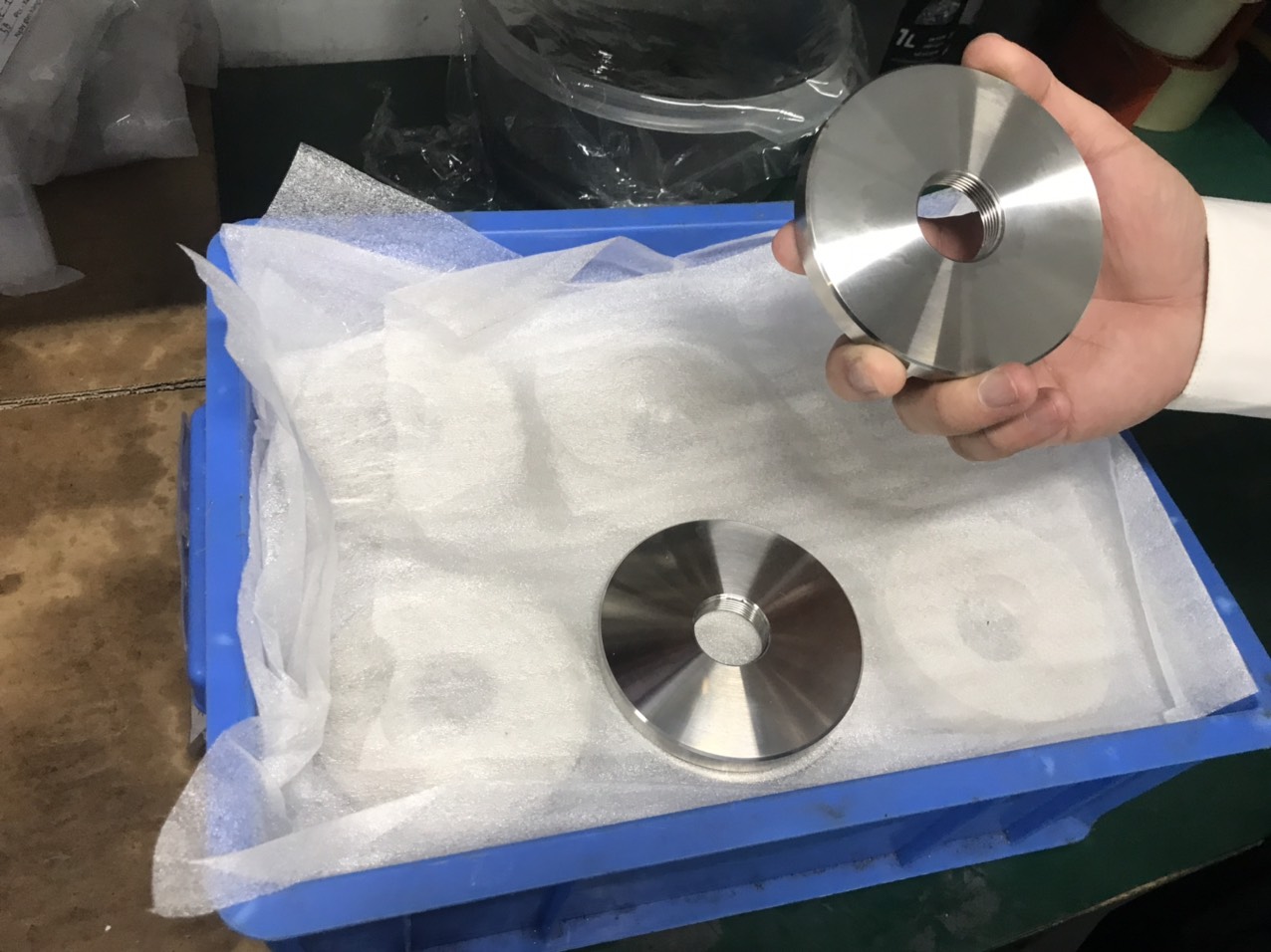
The End-Use Decision Matrix
The first question to answer is simple: what will the fabricated part be used for? The raw sheet metal — whether it is cold-rolled steel, stainless steel, or aluminum — does not itself need a UL listing. UL certification attaches to the finished product or assembly. This is a critical distinction that saves buyers time and money.
Here is a quick reference matrix:
| End-Use Application | Primary UL Standard | What Gets Certified |
|---|---|---|
| Industrial control panels | UL 508A 2 | The complete panel assembly including the enclosure |
| Electrical equipment (lab/measurement) | UL 61010 3 | The finished equipment and its housing |
| Fire doors, walls, partitions | UL 263 4 | The fire-rated assembly as installed |
| Ballistic shields and barriers | UL 752 5 | The finished barrier or panel |
| General structural brackets | None (typically) | No UL required unless part of a certified system |
UL 508A: The Most Common Standard for Sheet Metal Buyers
For the majority of US buyers sourcing custom sheet metal enclosures, UL 508A is the standard they will encounter most often. This standard covers industrial control panels — the metal boxes that house contactors, PLCs, relays, and wiring. The scope of UL 508A goes far beyond the sheet metal box itself. It covers the entire assembly: internal component layout, wiring methods, overcurrent protection, grounding, and even the short-circuit current rating of the panel.
This means your sheet metal fabricator does not necessarily hold the UL 508A listing. Instead, the panel builder — the company that assembles the complete control panel — holds the listing. However, the enclosure must be built to specifications that allow the panel to pass UL 508A requirements. Material selection matters here. The steel gauge, the finish, the cutout tolerances for switches and indicators — all of these affect the final certification outcome.
NEMA Ratings vs. UL Certification
Another point of confusion: NEMA ratings 6 and UL certification are not the same thing. NEMA ratings (like NEMA 4X or NEMA 12) describe the environmental protection level of an enclosure — dust, water, corrosion resistance. These are self-declared by the manufacturer. UL certification, by contrast, involves third-party testing and periodic audits by UL field representatives. A NEMA 4X enclosure may or may not be UL listed 7. Buyers who need both must specify both.
Beyond Electrical: Fire and Ballistic Standards
When sheet metal parts are used in fire-rated assemblies — fire doors, fire walls, or fire barriers — the relevant standard is UL 263. The entire assembly must be tested, not just the metal panel. Similarly, UL 752 applies to ballistic-rated barriers used in banks, government buildings, and defense infrastructure. In our experience coordinating sourcing for security-related projects, we have seen buyers confuse UL 752 with NIJ standards. Both exist in this space, but UL 752 is the standard most commonly specified by US architects and building code authorities.
The Emerging Role of UL 1332
UL 1332 is gaining traction as a certification that applies directly to sheet metal fabricators. It demonstrates a fabricator's commitment to quality management and industry-standard processes. While not as widely required as UL 508A, it signals to buyers that the fabricator has been independently verified. We are tracking this standard closely because it may become a baseline expectation for fabricators serving the US market in the next few years.
How do I verify that my offshore fabrication partner is truly UL-listed?
Last year, a US buyer came to us after discovering that their previous supplier in Asia had claimed UL certification on marketing materials but could not produce a valid UL file number when pressed. The buyer had already shipped two containers of electrical enclosures before catching the discrepancy.
To verify a supplier's UL listing, search the UL Product iQ database at productiq.ulprospector.com using the supplier's name or UL file number. Confirm the listing covers the specific product category you are sourcing. Then request copies of the UL follow-up service procedure and recent audit reports directly from the supplier.
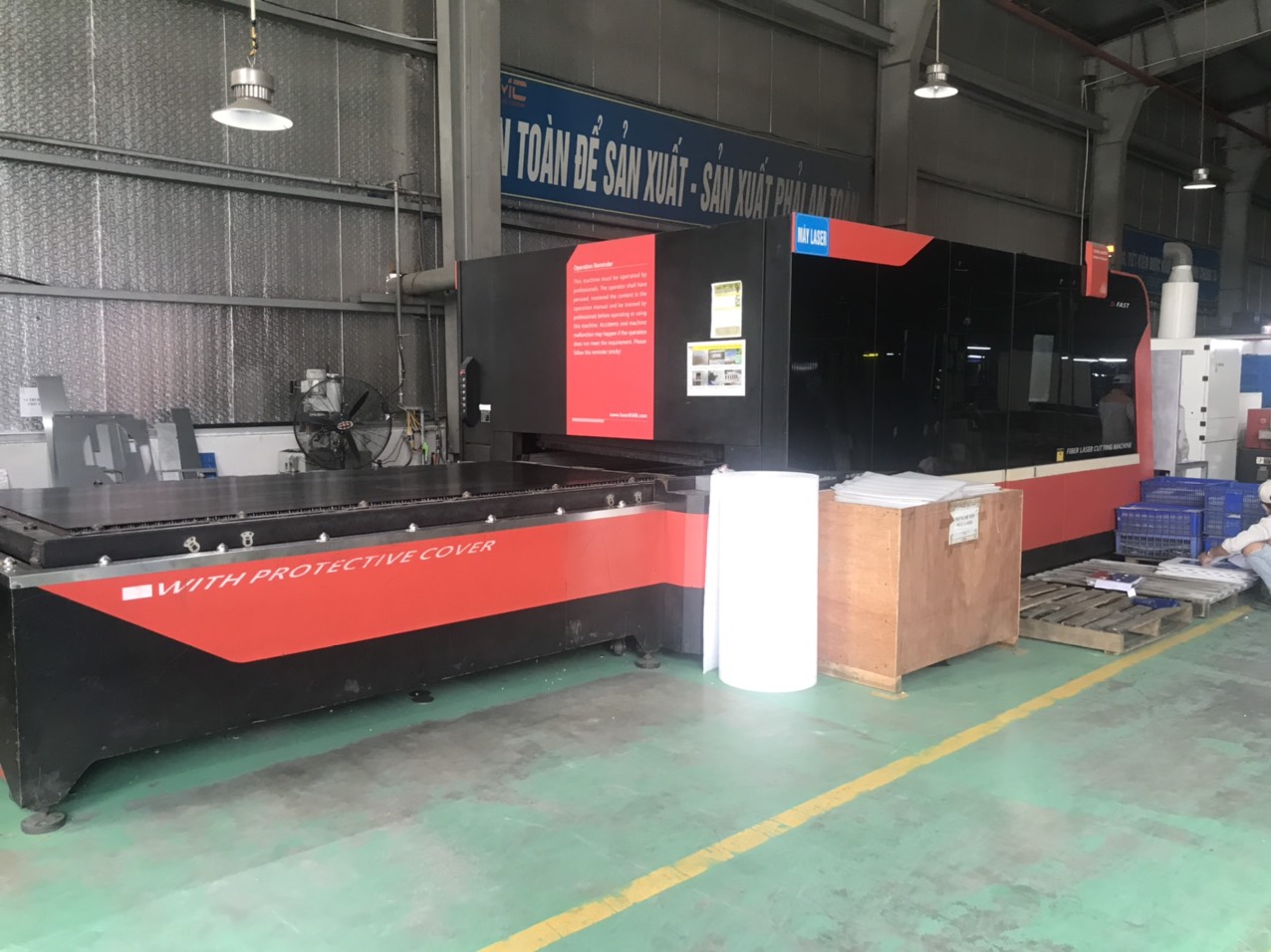
Step-by-Step Verification Process
Verification is not optional. It is a concrete process with specific steps. Here is the approach our team uses when qualifying a new fabrication partner for US-bound projects:
| Step | Action | What to Look For |
|---|---|---|
| 1 | Search UL Product iQ database 8 | Active listing, correct product category, valid file number |
| 2 | Request UL file number from supplier | Supplier should provide this immediately and without hesitation |
| 3 | Cross-reference product scope | Confirm the listing covers your specific part type (e.g., enclosures, not just raw material) |
| 4 | Request most recent UL audit report | Look for date, findings, and corrective actions |
| 5 | Ask for UL follow-up service procedure | This document outlines how UL monitors the supplier's ongoing compliance |
| 6 | Verify listed components used in assembly | If the supplier builds assemblies, confirm internal components are UL Recognized or UL Listed |
Understanding the UL Hierarchy
Not all UL marks mean the same thing. This is where many purchasing managers get tripped up. Here is the breakdown:
- UL Listed means the complete product has been tested and meets nationally recognized safety standards. This is what most US retailers and distributors require.
- UL Recognized means a component has been tested for use within a larger system. A relay or a terminal block might be UL Recognized, but it cannot be sold as a standalone product with a UL mark.
- UL Certified indicates the product has been tested on representative samples against specific requirements — often for functional safety or energy efficiency.
- "UL Compliant" is not an official UL designation. It means the product may meet some standards but has not undergone the full testing and audit process. This term is frequently misused by suppliers who want to imply certification without having earned it.
The "Compliant" Trap
We have seen this scenario multiple times: a fabricator advertises "UL-compliant panels" or "UL-compliant enclosures." The buyer assumes this is equivalent to UL Listed. It is not. Buying a machine that produces UL-compliant panels does not mean the final installation or product is backed by UL. Full certification requires independent testing, factory audits, and ongoing follow-up inspections by UL field representatives.
When we audit potential suppliers for our clients, we specifically ask whether the supplier holds an active UL file number and whether they receive periodic unannounced UL inspections. If the answer to either question is no, the supplier is not truly UL-listed, regardless of what their website says.
Domestic vs. Offshore: A Practical View
There is a legitimate debate about whether domestic US fabricators are inherently more reliable for UL compliance than offshore shops. Domestic fabricators benefit from proximity, easier audit access, and familiarity with US regulatory compliance requirements. However, a well-managed fabricator in Vietnam or Taiwan with ISO 9001:2015, CMM inspection capabilities, and verifiable OEM references can meet or exceed the quality of a mid-tier domestic shop. The deciding factor is not geography — it is the rigor of your vetting process. For regulated sectors like defense and aerospace, where ITAR registration is required, domestic sourcing is often the only viable option. For general commercial electrical enclosures, offshore sourcing can work if verification is thorough. Understanding what certifications are needed for exporting sheet metal fabrication to Europe and the US can help buyers evaluate offshore suppliers more effectively.
What are the risks to my US distribution if my sheet metal components lack UL certification?
During a project debrief with a US distributor last quarter, the conversation turned blunt: "If it doesn't have the UL mark, we won't put it on our shelf." That single sentence captures the market reality for anyone importing fabricated sheet metal products into the United States.
Without UL certification, sheet metal components face rejection by major US retailers and distributors, exposure to product liability lawsuits, potential violations of the National Electrical Code (NEC) and NFPA 79, and delays or denials during authority-having-jurisdiction (AHJ) inspections. The financial and legal risks far outweigh the cost of obtaining proper certification.
Market Access: The Front Door Is Closed
Most US retailers, industrial distributors, and OEMs require UL certification as a baseline for stocking or integrating sheet metal enclosures and assemblies. This is not a suggestion. It is a purchasing requirement embedded in their vendor qualification process. Without the UL mark, your product simply does not enter the supply chain. This is especially true for electronic enclosure manufacturing, where UL 508A is the expected standard.
Legal and Regulatory Exposure
While UL certification is not federally mandated for every product category, importers are legally responsible for the safety of products they bring into the US market. If a non-UL-certified enclosure fails — causing a fire, electrical shock, or injury — the importer, distributor, and end-user can all face liability claims. UL certification serves as evidence of due diligence. Without it, defending against a product liability lawsuit becomes significantly harder.
The National Electrical Code (NEC) 9 and NFPA 79 reference UL safety standards extensively. When an authority having jurisdiction (AHJ) inspects an installation, they look for listed components. If your enclosure is not UL Listed, the inspector can reject the entire installation. This creates costly rework, project delays, and damaged client relationships.
The Cost-Benefit Reality
Here is how the risks break down in practical terms:
| Risk Category | Without UL Certification | With UL Certification |
|---|---|---|
| Retailer/distributor acceptance | Likely rejected | Standard acceptance |
| AHJ inspection outcome | May be rejected; installation rework required | Passes inspection |
| Product liability exposure | High; no third-party safety verification | Reduced; documented compliance |
| Customer trust | Lower; buyers question safety | Higher; UL mark is recognized |
| Insurance premiums | Potentially higher | Standard or reduced |
| Market competitiveness | Limited to unregulated niches | Full access to regulated and commercial markets |
CSA Certification and Cross-Border Considerations
For buyers who also sell into Canada, CSA certification 10 is the Canadian equivalent of UL. Many products require both UL and CSA marks for full North American market access. Some testing organizations offer combined UL/CSA testing programs that streamline the process. If your sheet metal enclosures will be distributed across both the US and Canada, plan for both certifications from the start.
Long-Term Brand Damage
Beyond the immediate financial risks, distributing non-certified products damages your brand reputation. In B2B markets, word travels fast. A single AHJ rejection or liability incident can cost you relationships that took years to build. We have worked with buyers who switched suppliers specifically because their previous source could not provide proper UL documentation. The short-term savings from skipping certification are never worth the long-term cost.
How can I ensure my supplier maintains UL compliance throughout the entire production run?
A first-article inspection that passes perfectly does not guarantee the thousandth part will be identical. One lesson we learned early in our supply chain management work is that compliance is not a one-time event — it is a continuous discipline that must be monitored across every production run.
To ensure ongoing UL compliance, require your supplier to maintain documented quality management systems (ISO 9001:2015 minimum), submit CMM reports and material traceability documents for every batch, perform first-article inspections on each production run, and confirm they receive periodic unannounced UL follow-up inspections at their facility.

Building a Compliance Framework
Maintaining UL compliance throughout production requires a structured approach. It is not enough to check the box at the start. Here is the framework our team uses when managing production runs for US-bound sheet metal projects:
1. Baseline Certification Verification. Before production begins, confirm the supplier's UL listing is active and covers the specific product category. Request the UL file number and verify it on UL Product iQ.
2. First-Article Inspection (FAI). On the first batch of every production run, perform a full dimensional and functional inspection. Compare results against the original design specifications and the UL-tested configuration. Any deviation — even a minor change in material gauge or bend radius — can affect the product's compliance status.
3. In-Process Quality Controls. The supplier should have documented inspection procedures at key manufacturing stages: after cutting, after bending, after welding, and after finishing. Our team in Vietnam conducts in-process checks on behalf of clients to catch issues before they become systemic.
4. Material Traceability. Every sheet of metal used in the production run should be traceable back to its mill certificate. Material selection is not just about performance — it directly affects whether the finished product meets the specifications tested by UL. If the supplier switches to a different steel alloy or a different gauge without approval, the UL listing may be voided.
5. Periodic Audits. UL itself conducts unannounced follow-up inspections at listed facilities. But buyers should also conduct their own audits — or hire a third-party firm to do so. Video walkthroughs of the production line, remote inspection via live video call, and annual on-site visits are all common practices among sophisticated US buyers.
Ongoing Monitoring Checklist
| Monitoring Activity | Frequency | Responsible Party |
|---|---|---|
| UL Product iQ listing verification | Before each new PO | Buyer / sourcing agent |
| First-article inspection (FAI) | Every production run | Supplier + buyer or third party |
| CMM dimensional reports | Every batch | Supplier |
| Material traceability documentation | Every batch | Supplier |
| In-process quality checks | Continuous during production | Supplier + sourcing agent |
| UL follow-up inspection | Periodic (unannounced by UL) | UL field representative |
| Buyer or third-party facility audit | Annually or semi-annually | Buyer / sourcing agent |
| Video walkthrough of production | Quarterly or per project | Supplier + buyer |
The Role of ISO and Industry-Specific Standards
ISO 9001:2015 is the baseline quality management certification that any serious fabricator should hold. It ensures the supplier has documented processes for quality planning, production control, inspection, and corrective action. For medical device sheet metal, ISO 13485 is required. For automotive, IATF 16949 is the standard. These certifications do not replace UL, but they create the management infrastructure that makes UL compliance sustainable over time.
Strategic Sourcing for 2026 and Beyond
The sourcing landscape is shifting. North American fabricators with both ITAR registration and UL certification are well-positioned for defense and aerospace contracts where safety standards and security clearance eliminate most offshore competitors. At the same time, advanced manufacturers are exploring digital twin technology and AI-driven simulations to predict UL compliance outcomes early in the design cycle, reducing physical prototyping costs.
For general commercial applications, the trend is toward modular, configurable UL-certified enclosure designs. Fabricators who offer flexible solutions that maintain compliance while accelerating time-to-market will gain a competitive edge. Sustainability considerations — recycled content, material traceability, energy-efficient processes — are also emerging as factors that may influence future UL criteria.
For buyers who source through partners like our team at DEWIN, the key advantage is having local quality control staff who can execute FAIs, verify material traceability, and conduct in-process checks on the ground in Vietnam or other Asian manufacturing hubs. This bridges the gap between offshore cost advantages and the rigorous compliance requirements of the US market. We manage the PPAP process, coordinate with UL-listed suppliers, and ensure every shipment meets the specifications that keep our clients' products on US shelves.
Conclusion
UL certification for sheet metal fabrication is application-specific — not one-size-fits-all. Identify your end-use, match it to the correct UL standard, rigorously vet your supplier, and maintain compliance throughout every production run to protect your US market access.
Frequently Asked Questions
Which specific UL standards apply to my custom sheet metal enclosures and parts?
One of the most common mistakes we see from US buyers is assuming there is a single, universal UL stamp for sheet metal. During a recent project sourcing precision mounting brackets for an industrial controls company, our engineering team had to map every bracket to its end-use before we could even begin supplier qualification.
How do I verify that my offshore fabrication partner is truly UL-listed?
Last year, a US buyer came to us after discovering that their previous supplier in Asia had claimed UL certification on marketing materials but could not produce a valid UL file number when pressed. The buyer had already shipped two containers of electrical enclosures before catching the discrepancy.
What are the risks to my US distribution if my sheet metal components lack UL certification?
During a project debrief with a US distributor last quarter, the conversation turned blunt: "If it doesn't have the UL mark, we won't put it on our shelf." That single sentence captures the market reality for anyone importing fabricated sheet metal products into the United States.
Footnotes
1. Official UL Solutions page explaining certification services. ↩︎
2. Official standard for industrial control panels and electrical enclosures. ↩︎
3. Official standard for safety requirements for electrical equipment for measurement, control, and laboratory use. ↩︎
4. Official standard for fire tests of building construction and materials. ↩︎
5. Official standard for bullet-resisting equipment and materials. ↩︎
6. Defines NEMA ratings for electrical enclosures and their environmental protection levels. ↩︎
7. Official UL Solutions page explaining UL Marks, including UL Listed. ↩︎
8. Official UL Solutions page for the Product iQ database. ↩︎
9. Official standard for safe electrical installation in the United States. ↩︎
10. Explains CSA certification for product safety and market access in North America. ↩︎