Last quarter, a shipment of welded steel frames we coordinated for a US client got flagged at port — not for quality, but for a missing Certificate of Origin Certificates of Origin 1. That single document gap cost the buyer three weeks and thousands in storage fees. It was a hard reminder that when sourcing welding parts from Vietnam, the compliance burden is real, growing, and unforgiving.
US compliance requirements for sourcing welding parts from Vietnam include accurate Harmonized Tariff Schedule (HTS) classification, valid Certificates of Origin proving substantial transformation, country of origin marking, anti-transshipment verification, complete Customs and Border Protection (CBP) import documentation, and adherence to AWS, OSHA, and applicable agency-specific safety standards.
This article walks through the specific regulations, documentation, and verification steps that US importers must handle. Each section addresses a real compliance question our clients face every day.
How do I verify that my Vietnamese welding supplier meets AWS standards and US safety regulations?
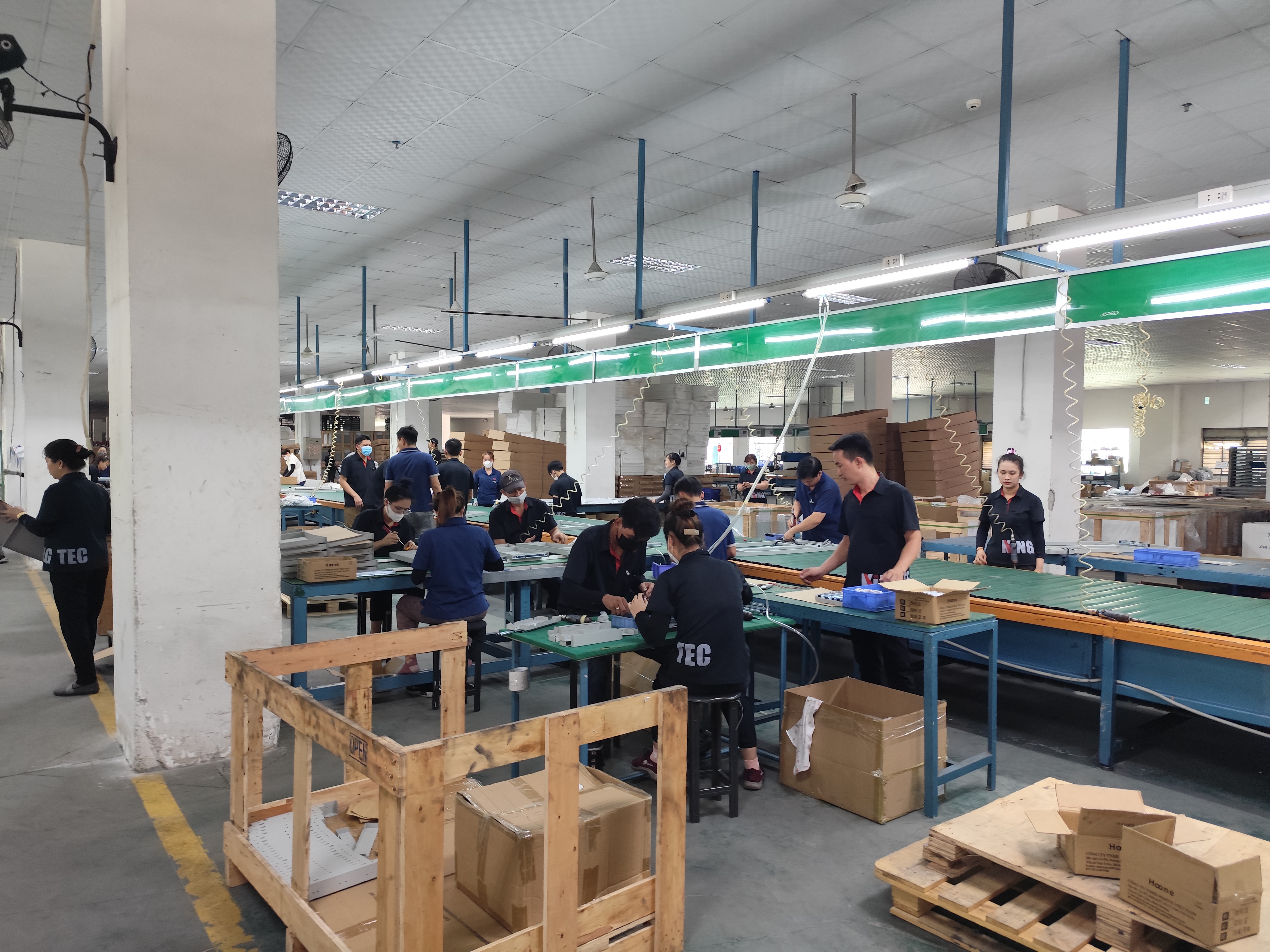
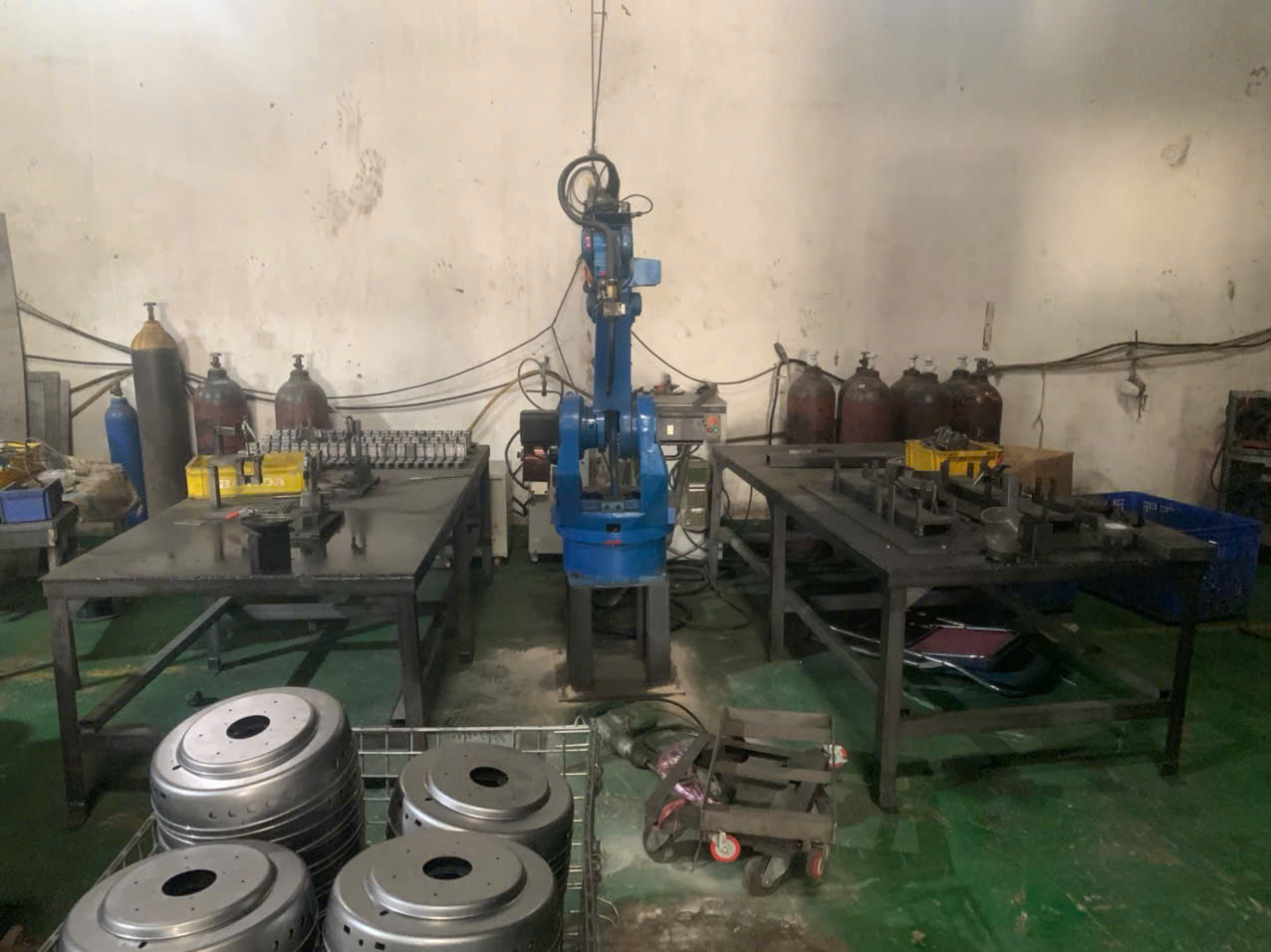
One lesson we learned early in our Vietnam office operations is that a supplier's welding certifications on paper do not always match what happens on the shop floor. We have walked into facilities that displayed AWS D1.1 posters on the wall but could not produce a single qualified Welder Performance Qualification Record (WPQR). The gap between claimed capability and verified capability is where compliance risk lives.
To verify a Vietnamese welding supplier meets AWS standards and US safety regulations, you must conduct on-site factory audits, review Welding Procedure Specifications (WPS), confirm welder qualifications per AWS D1.1 or D1.6, inspect quality control standards, and validate compliance with OSHA and ANSI Z49.1 safety requirements.
What AWS Standards Apply to Welded Components?
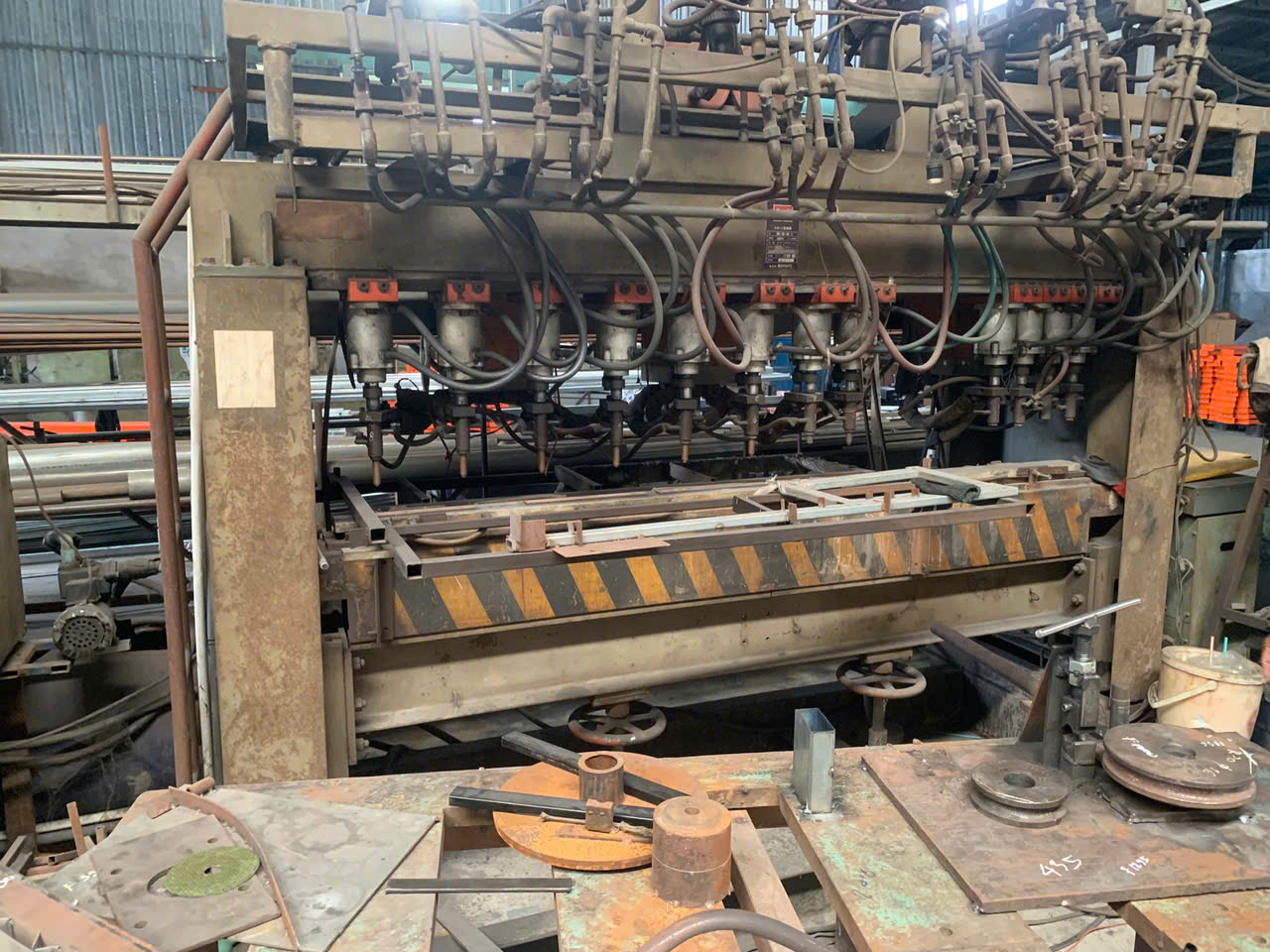
The American Welding Society (AWS) publishes structural welding codes that are the baseline for most US buyers. AWS D1.1 covers structural steel. AWS D1.2 covers structural aluminum. AWS D1.6 covers stainless steel. If your welded parts go into any load-bearing or safety-critical application, your supplier must weld to these codes.
This means the factory needs documented Welding Procedure Specifications 2 (WPS) for every joint type. Each welder must hold a valid qualification tested per AWS standards 3. And the factory must maintain Procedure Qualification Records (PQR) that prove their WPS was tested and approved.
How to Audit a Vietnamese Welding Supplier
Our team in Vietnam conducts supplier audits before we onboard any welding factory. Here is the checklist we use:
| Audit Area | What to Check | Red Flag |
|---|---|---|
| Welder Qualifications | Valid WPQR cards, test dates, positions qualified | Expired cards, no records on file |
| WPS Documentation | Written procedures for each joint type, filler metal, gas | Generic or missing WPS documents |
| Equipment Calibration | Welding machines calibrated, voltage/amperage records | No calibration stickers or logs |
| Inspection Capability | NDT equipment (UT, MT, PT), qualified inspectors | No in-house inspection, outsourced only |
| Safety Practices | PPE usage, ventilation, fire suppression, ANSI Z49.1 4 | Workers without helmets or gloves |
| Material Traceability | Heat numbers on steel, mill certificates on file | Mixed material lots, no traceability |
OSHA and ANSI Z49.1 Relevance
US buyers sometimes assume that OSHA regulations 5 only apply inside the United States. That is partly true — OSHA does not inspect Vietnamese factories. But here is the catch: if the welded parts you import are used in a US workplace, they must be safe for that environment. If a weld fails and causes injury, OSHA will trace the failure back to the part. Your supplier's quality control standards are your first line of defense.
ANSI Z49.1-2021 sets safety requirements for welding and cutting processes. While it governs the act of welding, it also reflects the quality expectations US buyers impose on suppliers. A factory that follows ANSI Z49.1 practices is far more likely to produce consistent, safe welds.
ITAR Considerations for Defense Applications
If your welding parts are destined for military, defense, or space applications, International Traffic in Arms Regulations 6 (ITAR) apply. This changes everything. ITAR requires specific registrations, export licenses, and strict controls over technical data. Foreign nationals — including Vietnamese workers — cannot access ITAR-controlled drawings without authorization. We always ask our clients upfront whether their parts have any defense application, because ITAR compliance affects every step of the supply chain.
What steps must I take to ensure my Vietnam-sourced parts comply with US Section 301 and country of origin rules?
A US client once asked us to help them switch a welded bracket program from China to Vietnam. The motivation was simple: Section 301 tariffs had added 25% to the landed cost. But moving production is not just about finding a new factory. The real challenge is proving to Customs and Border Protection 7 (CBP) that the parts genuinely originate in Vietnam.
To comply with US Section 301 and country of origin rules, you must verify substantial transformation occurred in Vietnam, obtain a government-issued Certificate of Origin, ensure at least 70% of production value was generated in Vietnam, apply correct country of origin marking, and maintain documentation that proves the welding parts are not transshipped from China.
Understanding Substantial Transformation
CBP defines country of origin by the "substantial transformation 8" test. A product is considered made in a country if it undergoes a fundamental change in name, character, or use there. For welding parts, this means the raw steel must be cut, formed, welded, machined, and finished in Vietnam — not simply assembled or repackaged.
Here is how CBP evaluates this for welded components:
| Scenario | Substantial Transformation? | CBP Ruling |
|---|---|---|
| Raw steel plate cut, formed, welded, and finished in Vietnam | Yes | Valid "Made in Vietnam" |
| Chinese steel tubes welded into frames in Vietnam using Vietnamese labor and equipment | Likely Yes | Valid if 70%+ value added in Vietnam |
| Chinese welded brackets shipped to Vietnam, repackaged, relabeled | No | Illegal transshipment |
| Chinese sub-assemblies bolted together in Vietnam, no welding | Unlikely | High risk of CBP rejection |
The 70% Value Rule
To qualify for "Made in Vietnam" origin, at least 70% of the production value by cost should be generated in Vietnam. This includes labor, factory overhead, raw materials sourced locally, and value-added processes. Our team helps clients build a cost breakdown that documents where every dollar of value is created. This breakdown becomes critical evidence if CBP audits the shipment.
Anti-Transshipment Enforcement
CBP is tightening inspections on goods from Vietnam. The agency specifically looks for transshipment — Chinese goods routed through Vietnam to evade Section 301 tariffs. Red flags include:
- A factory's export volume far exceeds its production capacity
- The supplier was established very recently, coinciding with tariff increases
- Shipping records show goods arriving from China to Vietnam just days before re-export
- The Certificate of Origin is issued by a commercial entity, not the Vietnamese government
We conduct origin verification as part of our supplier audit process. We check production capacity, worker headcount, equipment lists, and utility consumption. If the numbers do not add up, we walk away.
Country of Origin Marking Requirements
CBP requires that every imported article be marked with its country of origin. For welding parts, the marking must be legible, permanent, and visible to the end buyer. Acceptable methods include stamping, etching, or adhesive labels that cannot be easily removed. The marking must say "Made in Vietnam" or "Product of Vietnam."
Failure to comply with marking requirements results in a 10% ad valorem penalty on top of regular import duties and tariffs. This is on top of any fines for misrepresentation of origin.
Can I trust that the Material Test Reports from a Vietnam factory will satisfy my company's strict quality and compliance audits?
Early in our experience coordinating welded component programs from Vietnam, we received a set of Material Test Reports (MTRs) from a supplier that looked perfect — too perfect. Every heat number matched, every tensile value fell dead center in the specification range. When our quality engineer cross-checked the mill certificates with the actual steel supplier, two of the four heat numbers did not exist. That experience reshaped how we handle MTR verification.
You can trust Material Test Reports from a Vietnam factory only if you independently verify them — cross-checking heat numbers against mill certificates, requiring third-party lab testing for critical properties, and auditing the factory's material traceability system to ensure MTRs are authentic, traceable, and compliant with your company's quality standards.
What an MTR Must Include
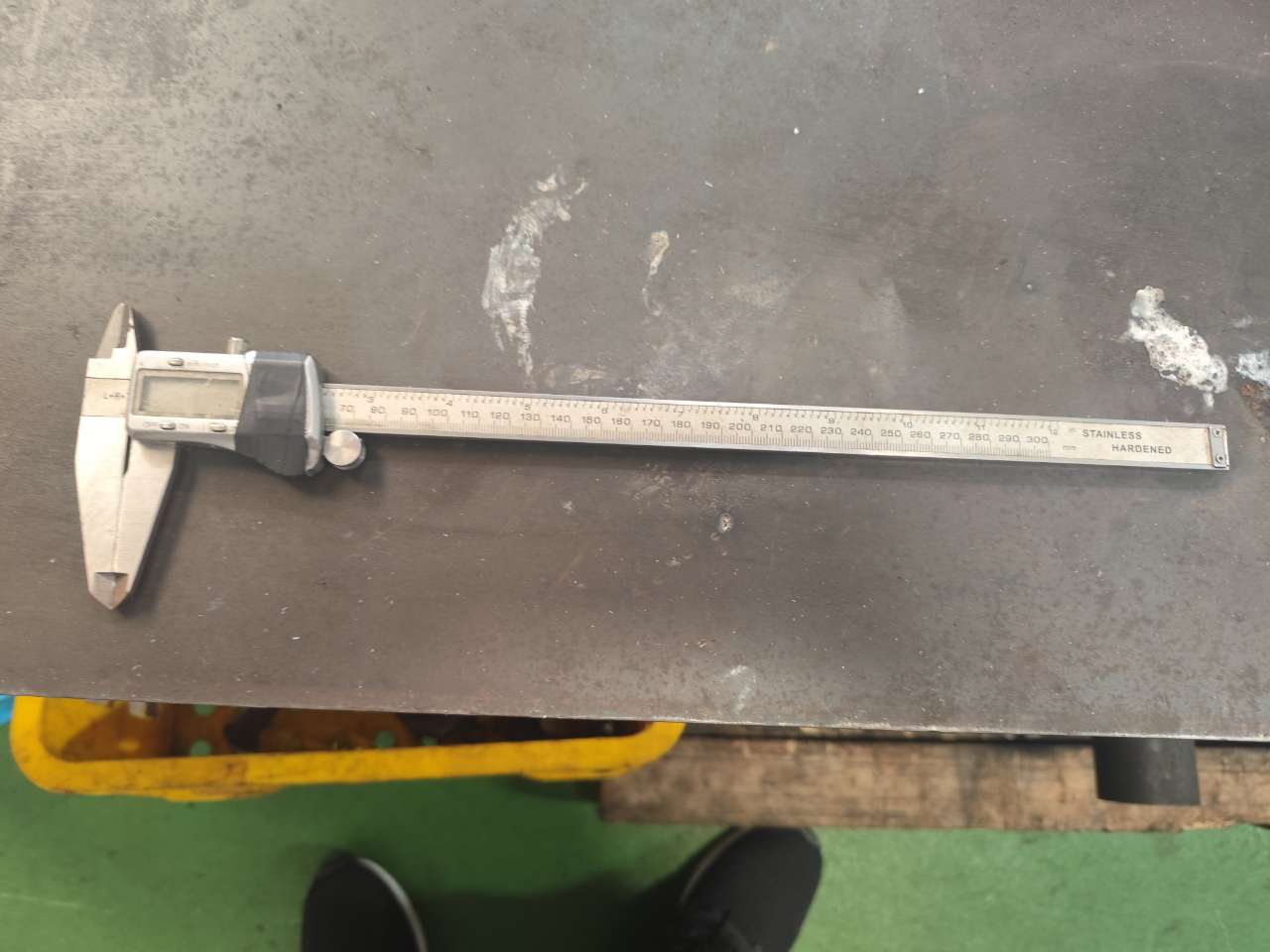
A valid Material Test Report — sometimes called a mill test certificate or mill cert — must include chemical composition, mechanical properties (yield strength, tensile strength, elongation), heat number, and the applicable material standard (e.g., ASTM A36, A500, A572). For welding parts, the MTR must cover both the base metal and, ideally, the filler metal.
How to Verify MTR Authenticity
Here is the process our team follows:
- Request the original mill certificate — not a retyped version. We ask for scanned copies with the steel mill's letterhead, stamp, and signature.
- Cross-reference heat numbers — every piece of steel on the shop floor should have a heat number traceable to the mill cert.
- Conduct random third-party testing — for critical applications, we send samples to an independent lab (SGS, Bureau Veritas, or TÜV) to verify the chemical and mechanical properties match the MTR.
- Audit material storage — properly managed factories segregate steel by grade, heat number, and project. Mixed storage is a red flag.
Common MTR Issues in Vietnam Factories
| Issue | Risk Level | How to Address |
|---|---|---|
| Retyped MTRs without original mill stamps | High | Require original scanned mill certificates only |
| Heat numbers that do not match physical stock | Critical | On-site audit with PMI (Positive Material Identification) gun |
| MTR covers a different grade than specified | Critical | Third-party chemical analysis testing |
| No filler metal certifications | Medium | Request filler metal lot certificates from the welding consumable supplier |
| MTR data falls exactly at specification midpoint | Suspicious | Cross-check with independent testing; real data shows natural variation |
Building a PPAP Package for US Buyers
Many of our US clients require a Production Part Approval Process (PPAP) submission. This goes beyond just the MTR. A full PPAP package includes dimensional reports, material certifications, process flow diagrams, control plans, capability studies, and appearance approval. We manage this process from our offices so that by the time the parts reach the US, the documentation package is already reviewed and approved.
Supply chain transparency matters here. Your auditors want to see not just the MTR, but the chain of custody from raw material source to finished part. If your Vietnamese supplier cannot show where they bought their steel, that is a compliance gap that will surface during an audit.
Forced Labor Compliance and Material Sourcing
US law prohibits the importation of goods produced wholly or in part with forced labor. This extends to raw materials. If the steel used in your welding parts was produced under forced labor conditions — anywhere in the supply chain — the finished goods are prohibited from US import. Due diligence on your Vietnamese supplier's raw material sources is not optional. It is a legal requirement enforced by CBP under the Uyghur Forced Labor Prevention Act 9 and related statutes.
How do I manage the specific documentation required by US Customs for imported welded components from Vietnam?
When we coordinated our first large shipment of welded steel frames from Vietnam to the US, the customs broker sent back a list of twelve required documents. Our client had three. That gap nearly caused the entire shipment to be held at port. Since then, we have built a documentation checklist into every project timeline — and we start gathering documents before production even begins.
To manage US Customs documentation for imported welded components from Vietnam, you must prepare and file a Commercial Invoice, Packing List, Bill of Lading, Certificate of Origin, Customs Bond, Importer Security Filing (ISF) before vessel loading, correct HTS classification, and any agency-specific permits for regulated coatings or electronic components.
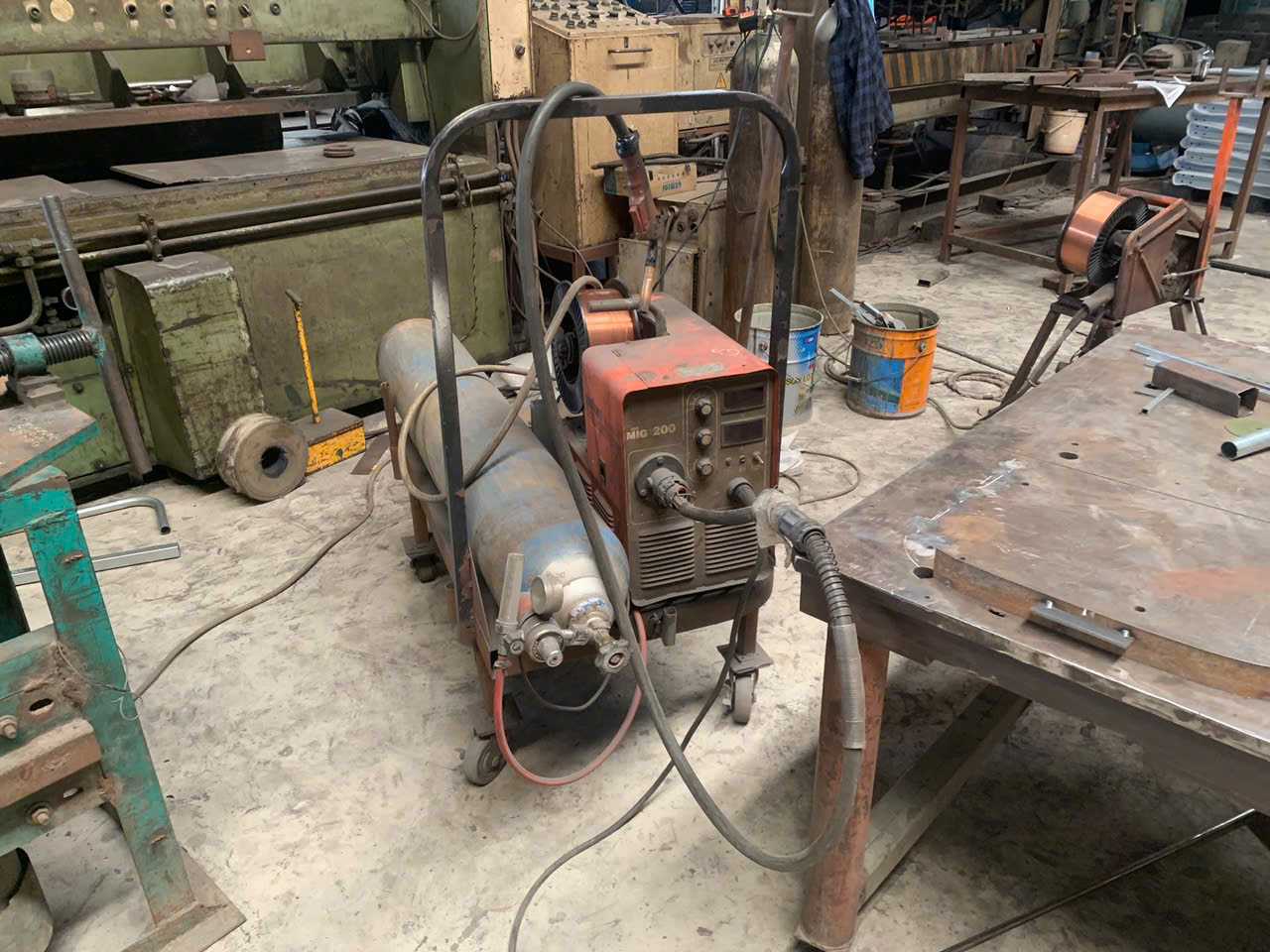
The Complete Documentation Checklist
Here is the full set of import documentation required for welded components entering the US from Vietnam:
| Document | Purpose | Filing Deadline |
|---|---|---|
| Commercial Invoice | Describes goods, value, terms of sale | Available at shipment |
| Packing List | Details quantity, weight, dimensions per package | Available at shipment |
| Bill of Lading (B/L) or Air Waybill | Proof of cargo receipt by carrier | Issued at loading |
| Certificate of Origin (C/O) | Proves goods originate in Vietnam | Before customs entry |
| Customs Bond | Financial guarantee for duties and fees | Before entry filing |
| Importer Security Filing (ISF / "10+2") | Advance cargo information for ocean freight | Before vessel loading |
| Broker Power of Attorney | Authorizes customs broker to act for importer | Before entry filing |
| HTS Classification | Determines duty rate | Before entry filing |
| Material Test Reports / Quality Docs | Supports product specifications | Available at shipment |
| AES Filing (if value > $2,500) | Export reporting for high-value shipments | Before export from Vietnam |
HTS Classification for Welding Parts
Accurate Harmonized Tariff Schedule 10 (HTS) classification is the single most important step for cost control. Welding parts — brackets, frames, fabricated assemblies — typically fall under HTS codes in the 7308 range (structures and parts of structures of iron or steel) or 7326 range (other articles of iron or steel). Misclassification can mean the difference between a 0% and a 25% duty rate.
We always recommend that clients get a binding ruling from CBP before their first shipment. A binding ruling locks in the HTS code and duty rate, protecting the importer from retroactive reclassification.
ISF Filing: The Most Missed Deadline
The Importer Security Filing must be submitted at least 24 hours before the vessel is loaded at the foreign port. Late ISF filing triggers a $5,000 penalty per occurrence. Many importers focus on the destination port and forget that ISF is a pre-departure requirement. Our logistics team manages ISF filing as a standard step in every shipment, coordinating directly with the freight forwarder and customs broker.
Tariff Considerations and Cost Planning
Vietnam does not have a Free Trade Agreement (FTA) with the United States. This means all imports are subject to standard Most Favored Nation (MFN) duty rates, plus the Merchandise Processing Fee (MPF) and, for ocean shipments, the Harbor Maintenance Fee (HMF). There are no preferential duty reductions available through Vietnam trade agreements with the US.
For welding parts, the effective duty rate depends entirely on the HTS code. Some fabricated steel articles enter at 0%. Others face rates up to 25%. Getting the classification right is not just a compliance issue — it is a cost issue that directly affects your landed price.
Protecting Intellectual Property and Design Data
When you share engineering drawings with a Vietnamese supplier, you are sharing intellectual property. We use non-disclosure agreements, restricted file access, and secure file transfer protocols to protect client designs. Cybersecurity is a real concern in global supply chains. We recommend that importers evaluate their Vietnamese supplier's data handling practices as part of the onboarding process — not as an afterthought.
Conclusion
Sourcing welding parts from Vietnam offers real cost advantages over China, but US compliance requirements are strict and actively enforced. From origin verification and HTS classification to MTR authentication and ISF filing, every step demands attention. Treat documentation as your primary defense — not a formality — and partner with a team that manages these details on the ground. For a deeper look at how CBP inspection requirements apply to Vietnam-sourced fabrication, understanding those processes can further strengthen your import compliance strategy.
Frequently Asked Questions
What AWS Standards Apply to Welded Components?
The American Welding Society (AWS) publishes structural welding codes that are the baseline for most US buyers. AWS D1.1 covers structural steel. AWS D1.2 covers structural aluminum. AWS D1.6 covers stainless steel. If your welded parts go into any load-bearing or safety-critical application, your supplier must weld to these codes.
How do I verify that my Vietnamese welding supplier meets AWS standards and US safety regulations?
One lesson we learned early in our Vietnam office operations is that a supplier's welding certifications on paper do not always match what happens on the shop floor. We have walked into facilities that displayed AWS D1.1 posters on the wall but could not produce a single qualified Welder Performance Qualification Record (WPQR). The gap between claimed capability and verified capability is where compliance risk lives.
What steps must I take to ensure my Vietnam-sourced parts comply with US Section 301 and country of origin rules?
A US client once asked us to help them switch a welded bracket program from China to Vietnam. The motivation was simple: Section 301 tariffs had added 25% to the landed cost. But moving production is not just about finding a new factory. The real challenge is proving to Customs and Border Protection 7 (CBP) that the parts genuinely originate in Vietnam.
Footnotes
1. CBP guidance on Certificates of Origin for import compliance. ↩︎
2. AWS course explaining Welding Procedure Specifications and Procedure Qualification Records. ↩︎
3. Official source for American Welding Society (AWS) standards and publications. ↩︎
4. Official standard for safety in welding, cutting, and allied processes from AWS. ↩︎
5. Official source for Occupational Safety and Health Administration (OSHA) laws and regulations. ↩︎
6. Official State Department information on International Traffic in Arms Regulations (ITAR). ↩︎
7. Official website for the U.S. Customs and Border Protection agency. ↩︎
8. Authoritative International Trade Administration (.gov) page explaining rules of origin and substantial transformation. ↩︎
9. CBP official page detailing the Uyghur Forced Labor Prevention Act (UFLPA). ↩︎
10. Official source for the Harmonized Tariff Schedule of the United States. ↩︎