
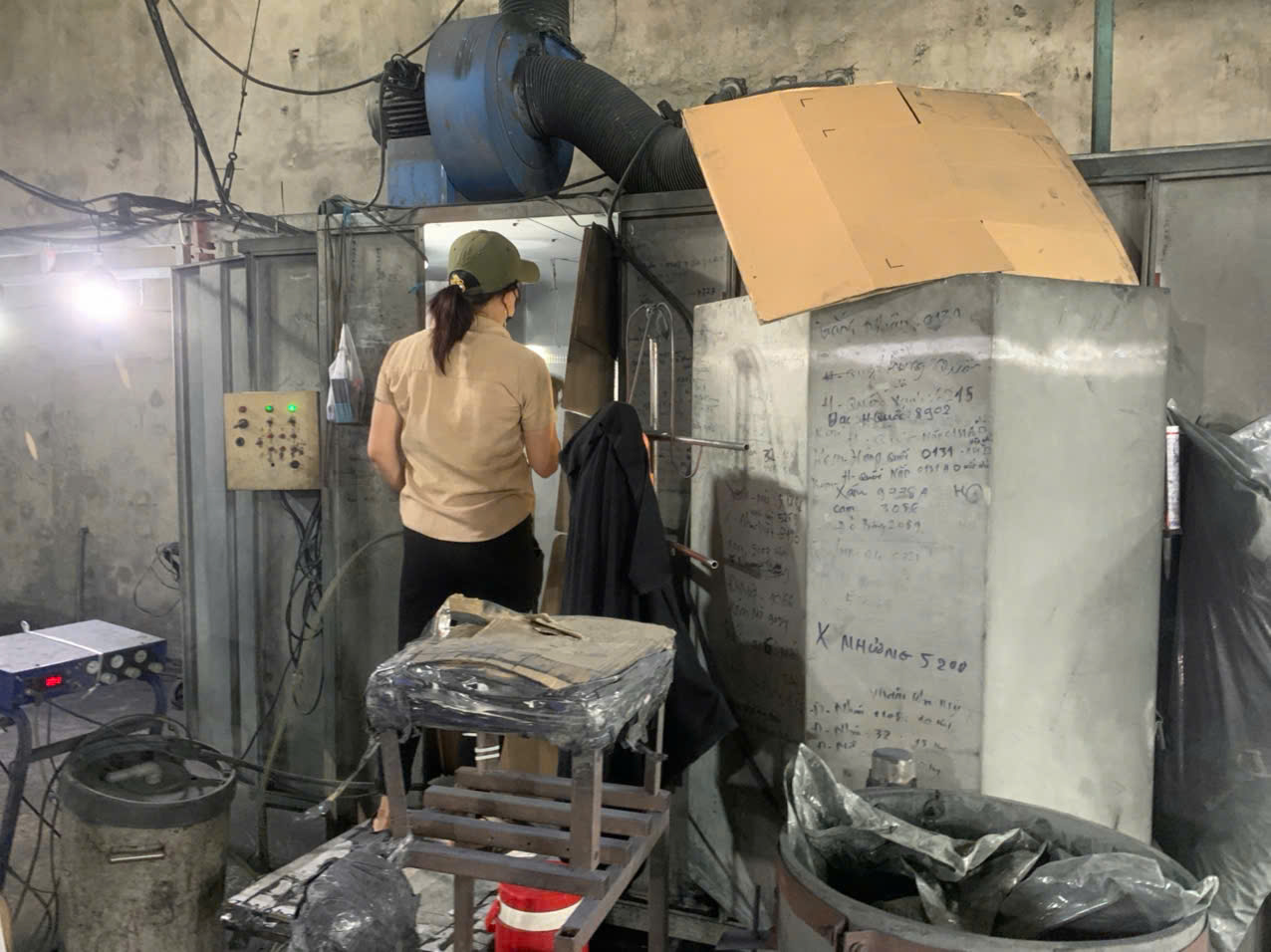
When our team first helped a US client source zinc-plated stamping brackets from Vietnam, the shipment was held because the plating vendor’s wastewater discharge records did not align with EPA effluent guidelines—a costly delay that taught us how deeply US environmental standards reach into overseas supply chains.
US environmental standards for electroplating and corrosion protection in stamping parts are governed primarily by 40 CFR Parts 413 and 433 under the Clean Water Act, 40 CFR Part 63 Subpart N under the Clean Air Act for hexavalent chromium emissions, RCRA for hazardous waste disposal, and RoHS compliance standards for restricted substances in finished components.
This article breaks down each regulation, explains how they affect your plated stamping brackets and clips, and gives you practical steps to verify supplier compliance before production begins.
How do I ensure my stamped parts meet EPA and RoHS compliance for plating processes?
A buyer we work with in the Midwest once asked us a simple question: "Can you guarantee the zinc plating on these mounting brackets won't get flagged at customs?" That question opened a deep conversation about EPA and RoHS compliance 1 that changed how we manage every plating project.
To ensure stamped parts meet EPA and RoHS compliance, you must verify that plating processes follow Clean Water Act heavy metal effluent limits under 40 CFR Part 433, restrict hexavalent chromium and lead per RoHS directives, and confirm your supplier maintains proper wastewater pretreatment standards and RCRA hazardous waste disposal protocols.
Understanding the Two Core EPA Categories
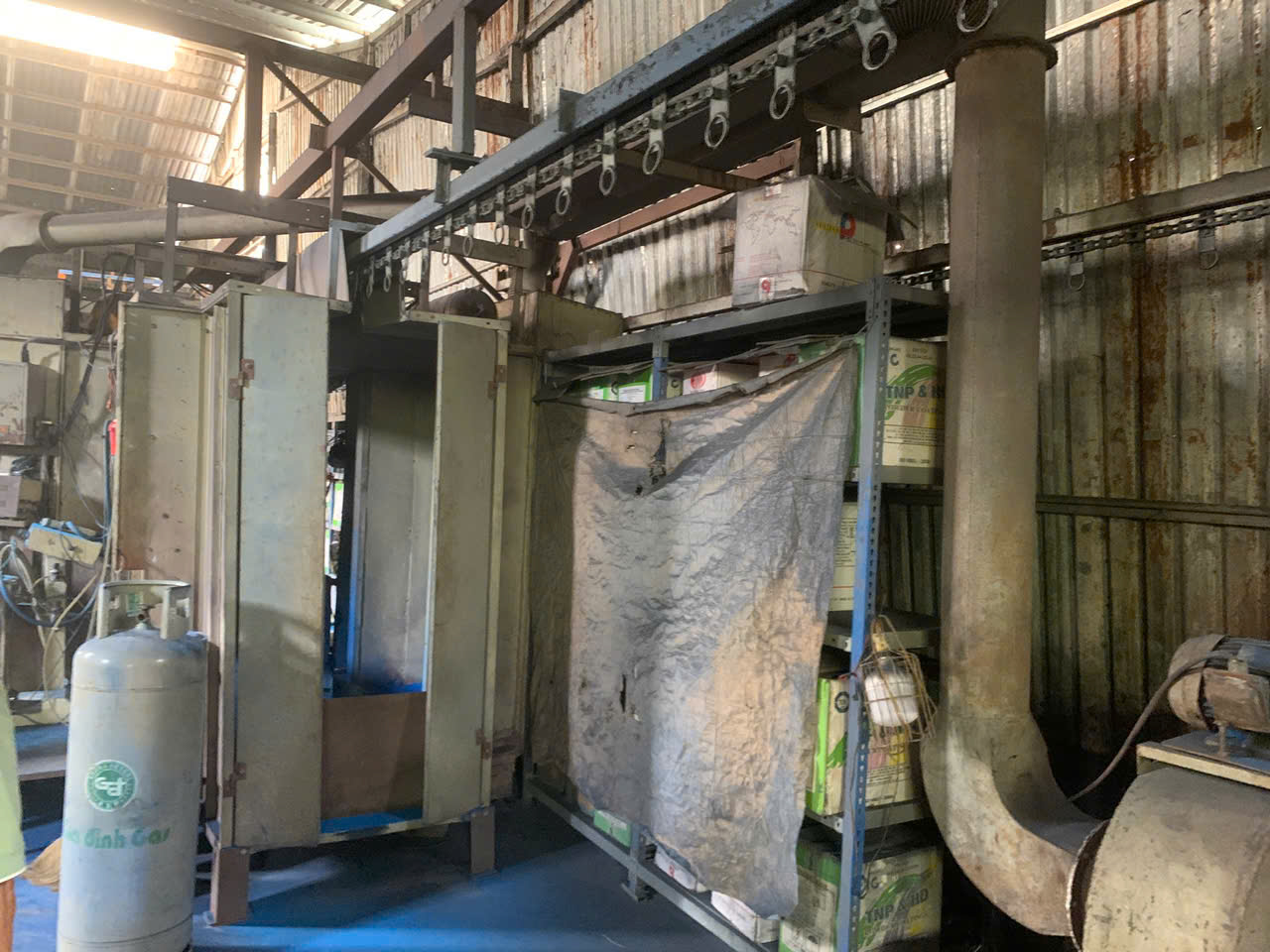
The EPA divides electroplating facilities into two regulatory buckets. The first is the Electroplating Category under 40 CFR Part 413 2. This applies to facilities that started operations before July 15, 1983. The second is the Metal Finishing Point Source Category under 40 CFR Part 433 3. This covers facilities that began on or after that date and includes broader operations like anodizing, chromating, phosphating, and chemical etching.
For most stamping parts with plated finishes—like the zinc-galvanized brackets and spring clamps we regularly source—the supplier's plating shop almost always falls under Part 433. This matters because Part 433 sets stricter limits on metals like cadmium, copper, nickel, chromium, zinc, and lead in wastewater discharge.
Flow-Based Limits You Need to Know
One detail that surprises many purchasing managers is that the EPA sets different limits based on daily wastewater flow.
| Daily Wastewater Flow | Metals Regulated | Cyanide Regulated |
|---|---|---|
| ≥ 10,000 gallons/day | Lead, cadmium, copper, nickel, chromium, zinc, silver | Yes |
| < 10,000 gallons/day | Lead, cadmium only | Yes |
This means a smaller plating shop processing your stamping brackets may face fewer metal limits, but cyanide treatment systems are always required. If your supplier uses cyanide-based plating baths—which is still common for certain zinc and copper finishes—they must treat cyanide in their wastewater regardless of volume.
Where RoHS Compliance Standards Fit In
RoHS is not an EPA regulation. It originates from the European Union but is widely adopted by US buyers, especially those in electronics, automotive, and consumer goods. RoHS restricts six substances: lead, mercury, cadmium, hexavalent chromium 4, polybrominated biphenyls (PBB), and polybrominated diphenyl ethers (PBDE). If your stamping parts carry a hexavalent chromium conversion coating for corrosion protection, that finish likely violates RoHS limits.
Our engineering team routinely recommends trivalent chromium (Cr III) alternatives or zinc-nickel alloy plating to meet both EPA and RoHS and REACH compliance requirements simultaneously. The key is to specify the coating chemistry during the co-development phase, not after tooling is complete.
The Total Metal Calculation Trap
Here is a compliance pitfall I have seen catch suppliers off guard. EPA defines "total metal discharge" as the sum of copper, nickel, chromium, and zinc concentrations. A facility may pass each individual metal limit but still fail the total metal test. When we audit a supplier's plating line, we ask for their composite wastewater test results, not just individual metal readings.
What corrosion protection standards should I require from my Asian custom parts supplier?
During a recent supplier audit at a plating facility in Vietnam, I noticed they were applying a standard zinc plating with a clear chromate passivation. The problem was that the US buyer's drawing called for 96 hours of salt spray resistance 5—a target that clear chromate alone cannot reliably meet.
You should require your Asian supplier to meet specific salt spray test hours per ASTM B117, specify coating thickness per ASTM B633 for zinc or ASTM B456 for nickel-chromium, comply with hexavalent chromium NESHAP air emission standards during plating, and provide RCRA-compliant hazardous waste disposal documentation for spent plating solutions.
Matching Corrosion Protection to US Expectations
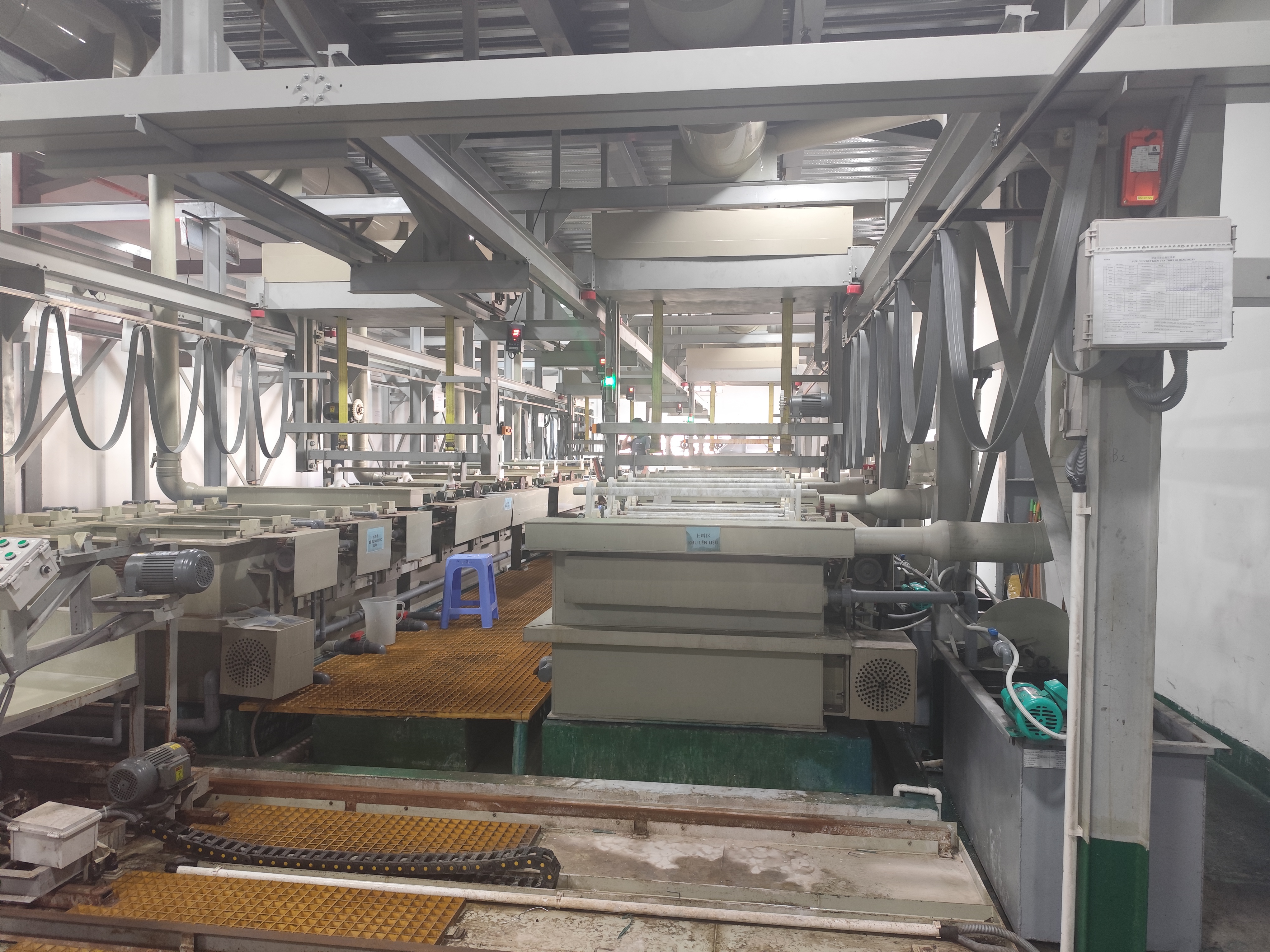
US buyers typically reference ASTM standards when specifying corrosion protection. For the type of stamping brackets and mounting clips we supply—thin-gauge steel with zinc or zinc-nickel finishes—two standards dominate.
| Standard | Coating Type | Key Requirement |
|---|---|---|
| ASTM B633 | Electrodeposited Zinc | Classifies by service condition (SC1–SC4); specifies minimum thickness from 5 µm to 25 µm |
| ASTM B456 | Nickel-Chromium Electrodeposits | Specifies service conditions and minimum nickel/chromium thickness for decorative and engineering uses |
| ASTM B117 | Salt Spray Testing | Defines the test method; duration (hours) is specified by the buyer or referenced standard |
| ASTM B766 | Electrodeposited Zinc-Nickel Alloy | Covers alloy coatings offering superior corrosion resistance to plain zinc |
When we co-develop a stamping part with a US client, we map the required salt spray hours back to a specific coating system and thickness. For example, a zinc-nickel alloy coating at 8–12 µm can deliver 720+ hours of salt spray resistance. Plain zinc at 12 µm with a trivalent chromate passivation typically achieves 96–200 hours.
The Hexavalent Chromium Challenge
Many Asian plating shops still use hexavalent chromium processes because they are cheaper and well-understood. But this creates two problems for US-bound parts. First, hexavalent chromium NESHAP regulations under 40 CFR Part 63 Subpart N require strict air emission controls, including mist suppressants or high-efficiency filtration on chromium plating tanks. Second, OSHA Standard 29 CFR 1910.1026 sets a permissible exposure limit for Cr VI to protect workers.
If your supplier uses Cr VI processes, their facility must demonstrate compliance with these standards. We have seen cases where a plating shop can produce excellent corrosion-resistant parts but cannot provide the air emission monitoring records that US regulatory frameworks require. This gap can expose the importer to liability.
Phosphating and Chromating Under Part 433
Phosphate conversion coatings and chromate treatments fall under the "Coatings" subcategory (Subpart E) of the Metal Finishing regulations. These coatings are common on stamping parts used in automotive and structural applications. The wastewater from phosphating lines contains zinc and manganese. Chromating wastewater contains hexavalent chromium. Both require proper treatment before discharge.
I always recommend asking your supplier whether they operate cyanide treatment systems and whether their chromating line uses trivalent or hexavalent chemistry. This single question can reveal a lot about their environmental compliance posture for surface treatment chemicals.
VOC Emission Controls in Pre-Plating Cleaning
Before plating, stamping parts go through degreasing and cleaning. If the supplier uses halogenated solvents 6 like trichloroethylene (TCE), they must comply with 40 CFR Part 63 Subpart T for VOC emission controls. New TSCA Section 6 rules are also pushing the phase-out of TCE. We encourage our suppliers to use aqueous cleaning systems instead, which eliminates this compliance risk entirely.
How can I verify my supplier's electroplating process meets US environmental regulations before production?
Last year, we lost three weeks on a project because a plating vendor in southern Asia could not produce a single wastewater test report when our US client requested one. The parts were beautiful. The corrosion resistance was excellent. But the lack of environmental documentation made the buyer walk away.
To verify your supplier's electroplating process meets US environmental regulations, conduct a pre-production audit covering wastewater discharge permits, heavy metal effluent test reports, air emission monitoring for hexavalent chromium, RCRA hazardous waste disposal manifests, and chemical inventory lists confirming restricted substance controls aligned with EPA and RoHS requirements.

A Practical Audit Checklist
Verification starts before you place the purchase order. Here is the process we follow at DEWIN when onboarding a new plating supplier for US-bound stamping parts.
Step 1: Request the facility's environmental permits. In most Asian countries, plating shops need a government-issued discharge permit equivalent to the US NPDES permitting process 7. If the facility discharges to a municipal sewer, ask for their pretreatment permit. If they discharge directly to a waterway, the requirements are even stricter.
Step 2: Review wastewater test reports. Ask for at least three months of wastewater test results. Look for the key metals: lead, cadmium, copper, nickel, chromium, zinc, and total cyanide. Compare these against the US EPA limits under 40 CFR Part 433.
Step 3: Inspect air emission controls. For any chromium plating line, check whether the facility uses mist suppressants, tank covers, or scrubber systems. These controls are mandated under the hexavalent chromium NESHAP. If the facility runs a decorative chrome line without any visible emission controls, that is a red flag.
Step 4: Check hazardous waste handling. Spent plating solutions and wastewater treatment sludges from electroplating are classified as F006 hazardous waste 8 under RCRA. Your supplier must have a documented waste disposal process with manifests showing where the waste goes.
Step 5: Verify chemical inventories. Request a list of all chemicals used in the plating line. Cross-reference this list against RoHS restricted substances and the EPA's TRI (Toxic Release Inventory 9) list. This step catches hidden issues like the use of cadmium brighteners or lead-containing solder coatings.
What to Look for On-Site
When our Vietnam team visits a plating shop, we look beyond paperwork.
| Observation | What It Tells You |
|—|—|—|
| Open plating tanks without covers or mist suppressants | Likely non-compliant with hexavalent chromium NESHAP requirements |
| No separate wastewater treatment area | Facility may be discharging untreated wastewater |
| Drums of unlabeled chemicals | Poor chemical management; potential restricted substance risk |
| No PPE (masks, gloves) on workers | OSHA-equivalent worker safety standards not followed |
| Clean, labeled waste storage area with manifests | Indicates a facility that takes RCRA hazardous waste disposal seriously |
These on-site indicators save time. They tell you in minutes what might take weeks to uncover through document requests alone.
Leveraging PPAP for Environmental Compliance
Our PPAP (Production Part Approval Process) workflow now includes an environmental compliance checklist. Before we approve first articles for US clients, the plating supplier must submit material safety data sheets (MSDS) for all plating chemicals, a certificate of compliance for RoHS restricted substances, and recent wastewater and air emission test results. This integration ensures compliance is verified at the same time as dimensional and cosmetic quality.
What documentation should I request to prove compliance with US environmental standards for plated components?
One trade-off we constantly weigh is how much documentation to request without overwhelming a supplier. Too little, and you risk non-compliance. Too much, and smaller but capable plating shops refuse to bid on your project.
You should request material test reports (MTRs), RoHS certificates of compliance, wastewater discharge test results showing heavy metal effluent limits, air emission monitoring reports for chromium lines, F006 hazardous waste manifests under RCRA, and a signed supplier declaration confirming no PFAS-containing fume suppressants are used in chromium plating processes.

The Essential Document Package
Over the years, we have refined a standard document package that satisfies most US buyers' environmental compliance requirements. Here is what we recommend requesting from any plating supplier.
| Document | Regulation Covered | Why It Matters |
|---|---|---|
| RoHS Certificate of Compliance | EU RoHS Directive (widely adopted in US) | Confirms restricted substances (Pb, Cd, Hg, Cr VI, PBB, PBDE) are below limits |
| Wastewater Discharge Test Report | 40 CFR Part 433 / Clean Water Act | Proves heavy metal and cyanide levels meet EPA effluent guidelines |
| Air Emission Monitoring Report | 40 CFR Part 63 Subpart N | Confirms hexavalent chromium emissions are controlled |
| F006 Hazardous Waste Manifest | RCRA | Shows proper disposal of plating sludge and spent solutions |
| Material Test Report (MTR) | Customer specification | Verifies base metal and coating composition |
| PFAS Declaration | Upcoming 40 CFR Part 433 revision (July 2026) | Confirms no PFAS-containing fume suppressants are used |
| Chemical Inventory List | Multiple (TRI, TSCA, OSHA) | Identifies all chemicals in the process for cross-referencing |
Preparing for the July 2026 PFAS Rule
This is the emerging issue that many purchasing managers are not yet tracking. The EPA is revising 40 CFR Part 433 to specifically target PFAS discharges from chromium electroplating facilities. PFAS compounds—sometimes called "forever chemicals"—have been used as fume suppressants in hard chrome plating tanks for decades. Starting in July 2026, facilities using these suppressants will need to treat PFAS in their wastewater or switch to PFAS-free alternatives 10.
For stamping parts that require hard chrome or decorative chrome finishes, this rule will affect your supply chain. We are already asking our plating partners whether they use PFAS-containing fume suppressants and, if so, what their transition plan looks like. A supplier declaration on PFAS use should be part of your standard documentation request starting now.
State-Level Variations
Federal EPA rules set the floor, not the ceiling. California, for example, enforces stricter hexavalent chromium limits through CalEPA. Minnesota has aggressive PFAS regulations that go beyond federal requirements. If your stamping parts are destined for end-use in these states, you may need additional documentation proving compliance with state-level standards.
We advise our US clients to tell us the final destination state for their parts. This allows us to align supplier documentation with the most stringent applicable standard, avoiding surprises down the road.
How We Manage Documentation Flow
At DEWIN, document control is part of our supply chain service. When we manage a plating project, we collect all environmental compliance documents during the PPAP phase. We store them digitally, link them to the specific part number and purchase order, and make them available to the US buyer on request. This approach gives purchasing managers a single point of accountability for both quality and environmental compliance—without needing to chase documents from an overseas supplier themselves.
Conclusion
US environmental standards for electroplating in stamping parts span the Clean Water Act, Clean Air Act, RCRA, and RoHS. Verify your supplier's wastewater, air emission, and hazardous waste compliance early—and start preparing now for the July 2026 PFAS rule.
Frequently Asked Questions
How do I ensure my stamped parts meet EPA and RoHS compliance for plating processes?
A buyer we work with in the Midwest once asked us a simple question: "Can you guarantee the zinc plating on these mounting brackets won't get flagged at customs?" That question opened a deep conversation about EPA and RoHS compliance 1 that changed how we manage every plating project.
What corrosion protection standards should I require from my Asian custom parts supplier?
During a recent supplier audit at a plating facility in Vietnam, I noticed they were applying a standard zinc plating with a clear chromate passivation. The problem was that the US buyer's drawing called for 96 hours of salt spray resistance 5 —a target that clear chromate alone cannot reliably meet.
How can I verify my supplier's electroplating process meets US environmental regulations before production?
Last year, we lost three weeks on a project because a plating vendor in southern Asia could not produce a single wastewater test report when our US client requested one. The parts were beautiful. The corrosion resistance was excellent. But the lack of environmental documentation made the buyer walk away.
Footnotes
1. Overview of the RoHS directive restricting hazardous substances in electrical and electronic equipment. ↩︎
2. Official federal regulation for the electroplating category under the Clean Water Act. ↩︎
3. Official federal regulation for the metal finishing point source category. ↩︎
4. OSHA safety standards and health effects related to hexavalent chromium exposure in industrial processes. ↩︎
5. Technical explanation of the salt spray test used to evaluate corrosion resistance of coatings. ↩︎
6. NIOSH resources on trichloroethylene and other halogenated solvents used in industrial cleaning. ↩︎
7. EPA guide to the National Pollutant Discharge Elimination System for wastewater management. ↩︎
8. EPA definition of listed hazardous wastes, including F006 sludges from electroplating operations. ↩︎
9. EPA program tracking the management of certain toxic chemicals that may pose a threat to human health. ↩︎
10. Information on PFAS chemicals and EPA efforts to regulate and find safer alternatives. ↩︎