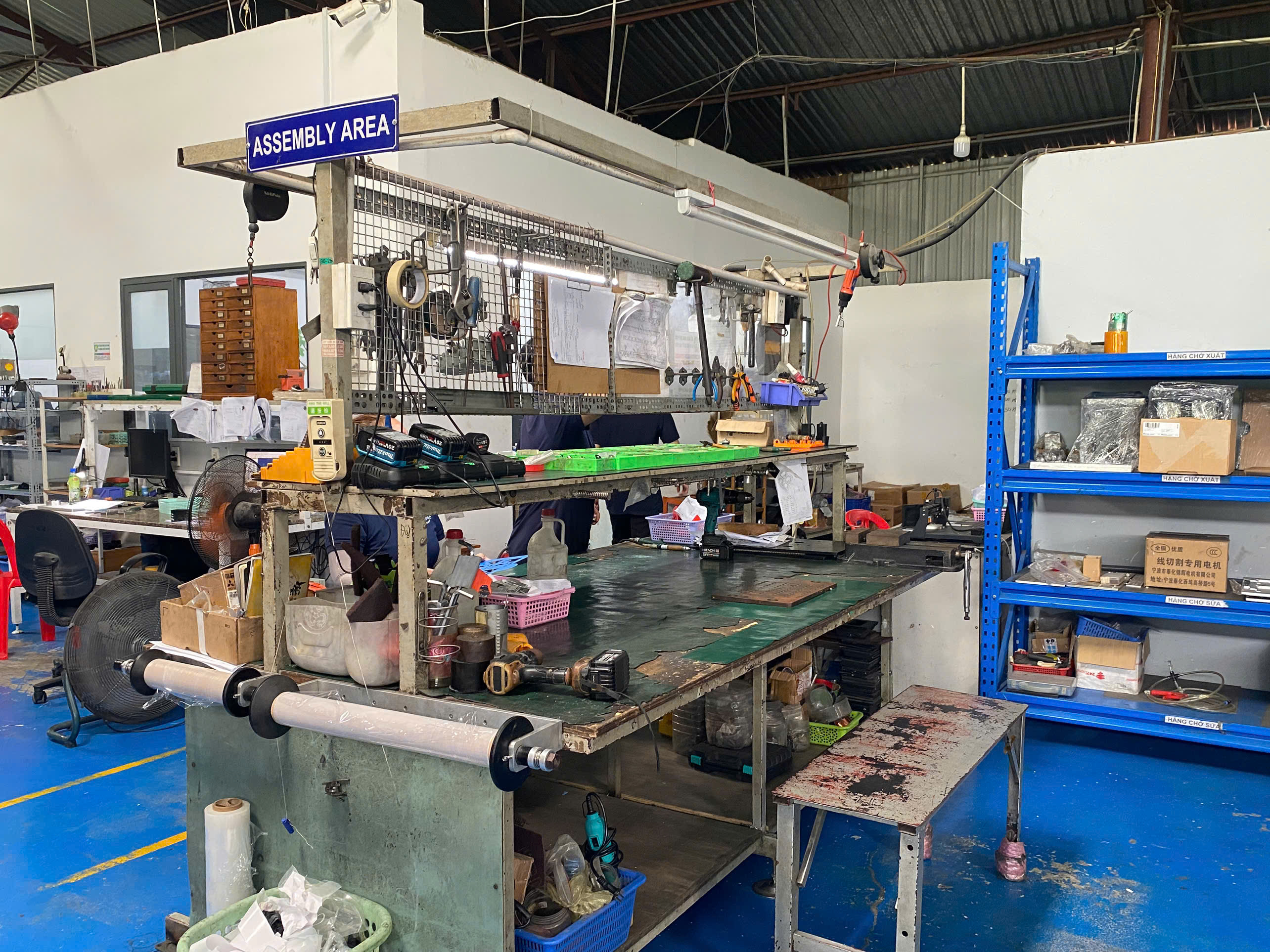

Last quarter, a client called us in a panic — his customs broker had flagged an unexpected duty on sheet metal brackets shipped from our Vietnam facility, and the landed cost blew past his budget.
US import tariffs on sheet metal fabrication from Vietnam include a 25% Section 232 tariff on steel and aluminum content, a 20% reciprocal tariff on non-steel/aluminum goods, and potentially a 40% transshipment penalty if US Customs determines the parts were only minimally processed in Vietnam.
The tariff landscape for manufacturing in Vietnam has shifted dramatically since early 2025 anti-dumping and countervailing duties 1. This article breaks down every duty layer, walks through the Harmonized Tariff Schedule codes 2 that matter, flags anti-dumping and countervailing duties risks, and shows you how to calculate your true landed cost. Let’s get into the details.
How do Vietnam's import duties compare to the Section 301 tariffs I pay on Chinese sheet metal?
When our Vietnam office team first started fielding questions from US buyers exploring supply chain diversification 3 away from China, the most common question was simple: "How much will I actually save?"
Vietnam-origin sheet metal parts face a 25% Section 232 tariff on steel or aluminum content — far lower than the combined Section 301 tariffs of up to 25% plus additional duties on Chinese goods, which can push total rates above 50% for the same parts.
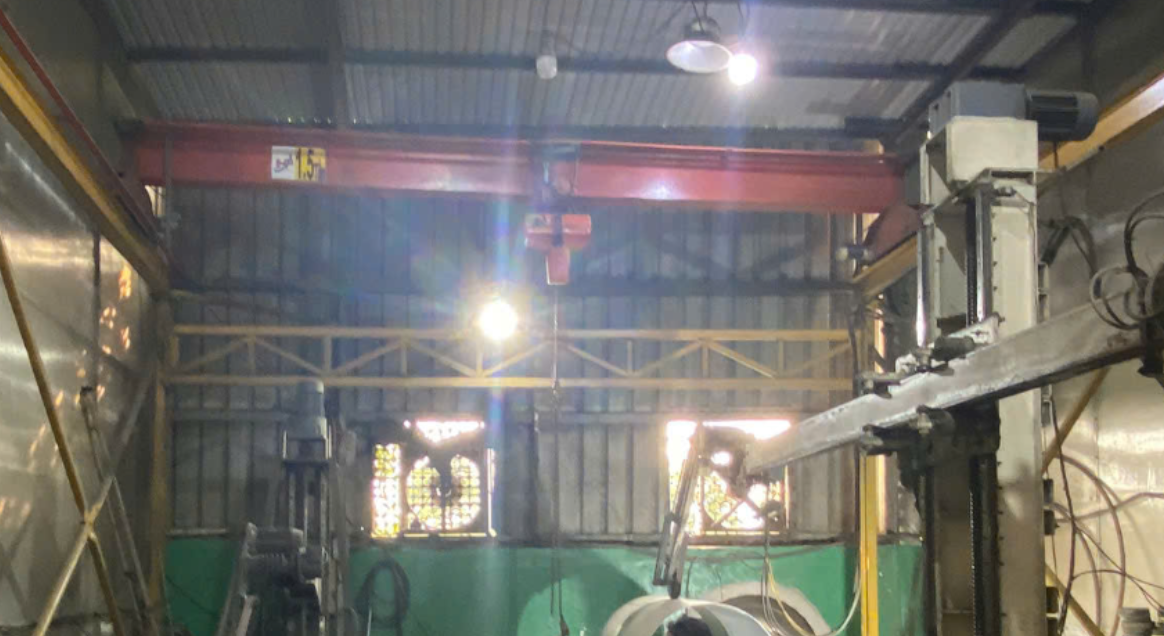
The Two-Tier US Tariff System for Vietnamese Goods
Understanding the tariff structure requires separating two distinct programs. Section 232 tariff 4s target steel and aluminum imports on national security grounds. They apply to all countries at a flat 25% rate as of March 12, 2025. This means your sheet metal bracket, if classified as a steel or aluminum article, gets hit with 25% regardless of whether it ships from Vietnam, Germany, or Mexico.
The second layer is the reciprocal tariff 5. For Vietnam, the initial rate was set at a punishing 46%. After negotiations under the US–Vietnam Framework for Reciprocal, Fair, and Balanced Trade, that rate dropped to 20%, effective August 7, 2025. This 20% reciprocal tariff applies to Vietnamese goods that are not steel or aluminum articles.
Here is the critical distinction: for genuine Vietnam-origin sheet metal parts, Section 232 and reciprocal tariffs generally do not stack. Your part is either steel/aluminum (25% Section 232) or it is not (20% reciprocal). The exception arises when China-origin evasion is suspected.
Vietnam vs. China: A Side-by-Side Tariff Comparison
| Tariff Category | Vietnam-Origin Sheet Metal | China-Origin Sheet Metal |
|---|---|---|
| Section 232 (Steel/Aluminum) | 25% | 25% |
| Section 301 | Not applicable | Up to 25% (additional) |
| Reciprocal Tariff | 20% (non-steel/aluminum goods) | Varies; typically higher |
| Anti-Dumping/CVD Risk | Low if properly sourced | High on many steel categories |
| Estimated Total Duty Range | 25%–30% (steel parts) | 50%–70%+ (steel parts) |
What About Section 301 Tariffs?
Section 301 tariffs 6 are specific to China. They were imposed to address unfair trade practices, intellectual property theft, and forced technology transfer. These tariffs cover thousands of product categories and can add 7.5% to 25% on top of Section 232 duties. Vietnam is not subject to Section 301 tariffs.
This is the primary reason buyers come to us looking to shift their sourcing. When we run a cost comparison for a custom steel mounting bracket, the duty differential alone can be 20–30 percentage points. That said, the savings only hold up if the country of origin rules 7 are satisfied and your customs documentation is airtight. We have seen cases where sloppy paperwork triggered CBP inquiries that delayed shipments by weeks.
The 40% Transshipment Penalty
One risk that catches importers off guard is the 40% duty on transshipped goods 8. If US Customs determines that your sheet metal parts were only minimally processed in Vietnam — meaning the real manufacturing happened in China or another country — a 40% penalty applies. Our approach is to ensure every fabrication step (laser cutting, CNC bending, welding, surface finishing) is performed and documented at the Vietnam facility. This eliminates transshipment risk entirely.
Which HTS codes should I use to determine the exact tariff rate for my custom sheet metal parts from Vietnam?
A buyer once sent us drawings for a pair of powder-coated steel mounting brackets — the kind with precise folds, multiple pre-drilled holes, and visible weld joints — and asked, "What's my duty rate?" The honest answer was: it depends entirely on the HTS classification.
Custom sheet metal parts from Vietnam typically fall under Harmonized Tariff Schedule chapters 72 (steel) or 76 (aluminum), with specific subheadings based on the fabrication process, material composition, and end-use function — and each subheading carries a different base duty rate.
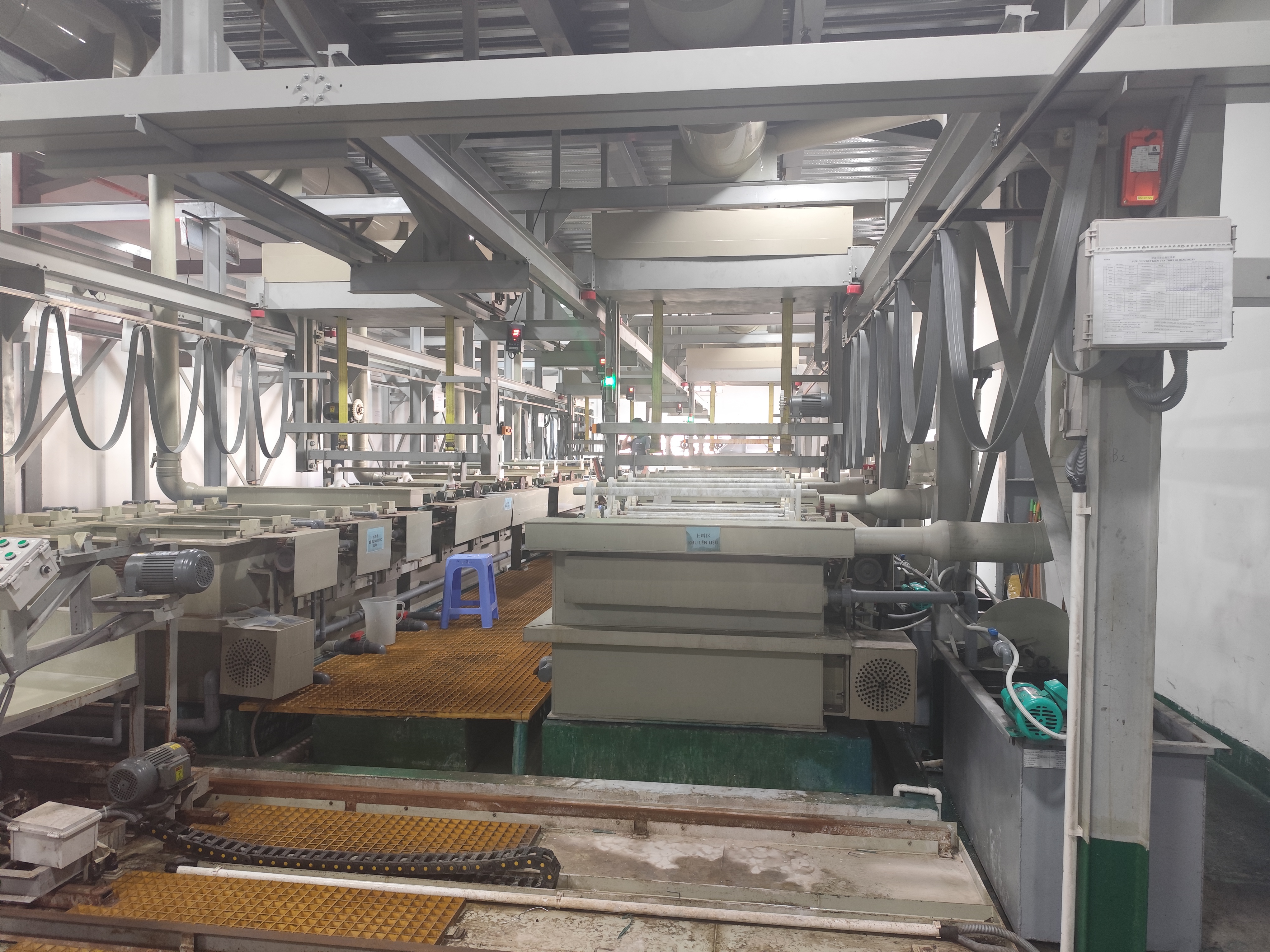
Why HTS Classification Matters So Much
The Harmonized Tariff Schedule is the US system for classifying every imported product. Each product gets a 10-digit code. The code determines your base (MFN) duty rate. Then Section 232 or reciprocal tariffs are added on top. Getting the code wrong can mean overpaying duties — or worse, underpaying and facing penalties from CBP.
For sheet metal fabrication, the classification depends on several factors:
- Material: Is the part steel, stainless steel, or aluminum?
- Form: Is it a flat-rolled product, a structural component, or a finished article?
- Processing: Has it been cut to length, stamped, bent, welded, or surface-treated?
- End use: Is it a general structural part, an automotive component, or an electrical enclosure?
Common HTS Codes for Sheet Metal Parts
| HTS Chapter/Heading | Description | Typical Base Duty (MFN) | Section 232 Applies? |
|---|---|---|---|
| 7208–7212 | Flat-rolled steel products (hot/cold-rolled, coated) | 0%–6.5% | Yes (25%) |
| 7216 | Angles, shapes, and sections of iron/steel | 0%–3.8% | Yes (25%) |
| 7222 | Stainless steel bars, angles, shapes | 0%–3% | Yes (25%) |
| 7308 | Structures and parts of structures of iron/steel | 0%–3.4% | Yes (25%) |
| 7326 | Other articles of iron or steel (catch-all for fabricated parts) | 0%–5.7% | Yes (25%) |
| 7610 | Aluminum structures and parts thereof | 0%–5% | Yes (25%) |
| 7616 | Other articles of aluminum | 0%–5% | Yes (25%) |
The "Article of Steel" vs. "Finished Article" Debate
Here is where it gets nuanced. A flat sheet of cold-rolled steel is clearly an article of steel under Section 232. But what about a fully fabricated bracket with welding, powder coating, and assembled hardware? CBP has been increasingly clear: if the predominant material is steel or aluminum, Section 232 applies. The level of fabrication does not exempt the part.
Some importers have tried to argue that a highly fabricated part should be classified as a "finished article" outside the scope of Section 232. In most cases, this argument fails for sheet metal fabrication. The "melted and poured" or "smelted and cast" origin of the raw metal is what CBP focuses on. If the steel was melted and poured in Vietnam, and the fabrication happened in Vietnam, the part is genuinely Vietnam-origin and subject to the standard 25% Section 232 rate — not the higher anti-circumvention rates.
Practical Steps We Recommend
- Pull the technical drawing and bill of materials for your part.
- Identify the primary material (carbon steel, stainless steel, aluminum alloy).
- Determine the manufacturing processes (cutting, bending, welding, finishing).
- Work with a licensed customs broker to confirm the 10-digit HTS code.
- Verify whether the code falls under Section 232 or the 20% reciprocal tariff.
Our team keeps a running database of HTS codes for parts we have shipped. This lets us give buyers a reliable duty estimate before they even place a purchase order. Getting the customs clearance process right from the start prevents costly surprises at the port.
Are there any anti-dumping or countervailing duties I need to worry about when importing fabricated metal from Vietnam?
This is the question that keeps procurement managers up at night. I learned its weight firsthand when a shipment of corrosion-resistant steel parts was held at US Customs because the substrate traced back to a Chinese mill — even though all fabrication was done in Vietnam.
Yes — anti-dumping and countervailing duties can apply to Vietnamese sheet metal imports, particularly when the underlying steel or aluminum substrate originates from China, with combined AD/CVD rates exceeding 450% in some circumvention cases involving cold-rolled and corrosion-resistant steel.
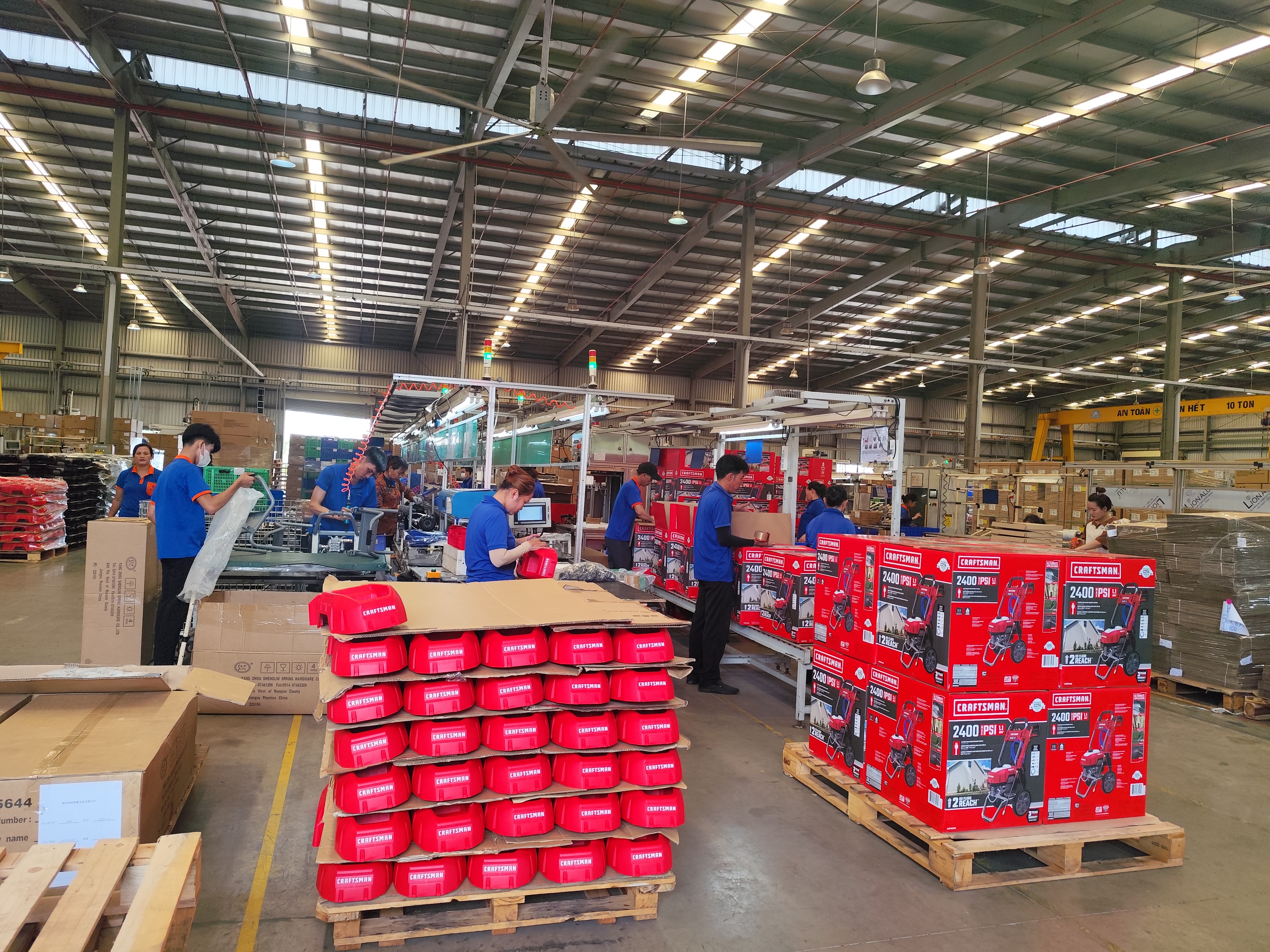
Understanding AD/CVD Exposure
Anti-dumping duties punish foreign producers for selling goods below fair market value. Countervailing duties offset government subsidies that give foreign producers an unfair price advantage. For Vietnam, the primary AD/CVD risk does not come from Vietnamese producers themselves — it comes from Chinese steel being routed through Vietnam.
US trade authorities have identified patterns where Chinese steel producers ship raw or semi-finished steel to Vietnam for minimal processing (slitting, cutting, light coating), then export it to the US labeled as "Made in Vietnam." This is circumvention, and the penalties are severe.
Specific AD/CVD Rates for Circumvention Cases
| Product | Origin Issue | Anti-Dumping Rate | Countervailing Duty Rate | Combined |
|---|---|---|---|---|
| Corrosion-Resistant Steel (CORE) | China-origin via Vietnam | 199.43% | 39.05% | 238.48% |
| Cold-Rolled Steel | China-origin via Vietnam | 199.76% | 256.44% | 456.20% |
| Reinforcing Bar (Rebar) | Vietnam-origin (direct) | Varies by exporter | Varies | Up to 100%+ for some |
| Coated Steel Products | Vietnam (anti-circumvention) | Subject to investigation | Under review | Pending |
These rates are devastating. A 456% combined duty on cold-rolled steel makes the product completely uneconomical. The lesson is clear: the origin of your raw material matters as much as the origin of your fabrication.
How to Protect Yourself
The path to avoiding AD/CVD exposure is straightforward but requires discipline:
- Source substrate from Vietnam or a non-China country. Our Vietnam team works with domestic Vietnamese steel mills and mills in Japan, South Korea, and Taiwan (with proper documentation).
- Obtain mill certificates. Every steel coil or aluminum sheet entering our Vietnam facility comes with a mill test certificate 9 showing the country where the metal was melted and poured.
- Certify origin on customs declarations. When filing entry documents, declare the substrate origin explicitly. CBP accepts certifications from importers that the substrate is non-China origin.
- Maintain a paper trail. Purchase orders, invoices, shipping records, and mill certificates should all align. Any gap in documentation invites scrutiny.
Ongoing Section 301 Investigations
It is worth noting that the USTR has active Section 301 investigations into Vietnam concerning intellectual property protection, structural manufacturing overcapacity, and labor practices. While these have not yet resulted in country-specific tariffs on sheet metal, they represent a future risk. We monitor these developments closely and advise our clients to build trade compliance for Vietnam sourcing into their risk models.
How can I calculate my total landed cost to ensure sourcing from Vietnam actually saves my company money?
One trade-off we discuss with every new client is this: lower tariffs mean nothing if your freight, quality costs, or compliance burden eats the savings. The real question is not "What is the duty rate?" It is "What lands on my dock, and what did it truly cost?"
Total landed cost for Vietnamese sheet metal includes the FOB price, ocean freight, marine insurance, customs duties (Section 232 or reciprocal), customs broker fees, harbor maintenance fees, merchandise processing fees, inland freight, and any quality-related costs like inspection or rework.
Breaking Down the Import Duty Calculation
Let us walk through a real-world example. Assume you are importing a custom steel mounting bracket from Vietnam.
Scenario: 1,000 units of a fabricated steel bracket. FOB price: $5.00 per unit ($5,000 total). Ocean freight: $800. Insurance: $50.
| Cost Component | Rate / Amount | Calculation | Cost |
|---|---|---|---|
| FOB Value | — | — | $5,000.00 |
| Ocean Freight | — | — | $800.00 |
| Marine Insurance | — | — | $50.00 |
| Customs Value (CIF) | — | FOB + Freight + Insurance | $5,850.00 |
| MFN Duty (HTS 7326, 3.4%) | 3.4% | $5,850 × 0.034 | $198.90 |
| Section 232 Duty | 25% | $5,850 × 0.25 | $1,462.50 |
| Merchandise Processing Fee | 0.3464% (min $31.67) | $5,850 × 0.003464 | $31.67 |
| Harbor Maintenance Fee | 0.125% | $5,850 × 0.00125 | $7.31 |
| Customs Broker Fee | Flat fee | — | $150.00 |
| Inland Freight (port to warehouse) | — | — | $350.00 |
| Total Landed Cost | — | — | $8,050.38 |
| Landed Cost Per Unit | — | — | $8.05 |
In this example, the landed cost per unit is $8.05 versus the $5.00 FOB price. Duties and logistics added 61% to the FOB cost. Now compare that to a China-origin scenario where the same part faces 25% Section 232 plus 25% Section 301 — the duty alone would be $2,925 instead of $1,661.40, pushing the landed cost above $9.30 per unit.
Hidden Costs That Erode Savings
Beyond tariffs, several costs can quietly eat your margin:
- Quality failures. If parts arrive out of spec, you pay for rework, sorting, or returns. This is why our PPAP process and final inspection protocol exist — to catch defects before shipment.
- Lead time variability. Longer or unpredictable lead times force you to hold more safety stock. Inventory carrying costs add up.
- Compliance burden. Preparing origin certifications, mill certificates, and HTS documentation takes time. If you lack internal trade compliance expertise, you will need a customs broker or trade consultant.
- Currency fluctuation. The Vietnamese Dong has been relatively stable, but any sourcing contract should account for exchange rate risk.
When Does Vietnam Sourcing Actually Save Money?
The math works best when:
- Your current supplier is in China and your parts face both Section 232 and Section 301 tariffs.
- Your parts are medium-to-high complexity — enough fabrication to justify the tooling and setup costs.
- Your volumes are consistent enough to support dedicated production capacity.
- You work with a sourcing partner who has a local team in Vietnam and can manage quality, logistics, and compliance end-to-end.
We run these calculations for clients before any commitment is made. The goal is transparency — if Vietnam does not save money for a specific part, we say so. Sometimes the answer is Taiwan, India, or even domestic US production. Supply chain diversification is not about blind relocation; it is about informed decisions.
Conclusion
Sourcing sheet metal fabrication from Vietnam offers real tariff advantages over China, but only with correct HTS classification, verified origin documentation, and a thorough landed cost analysis — partner with an experienced sourcing team to get it right.
Frequently Asked Questions
Vietnam vs. China: A Side-by-Side Tariff Comparison Tariff Category Vietnam-Origin Sheet Metal China-Origin Sheet Metal Section 232 (Steel/Aluminum) 25% 25% Section 301 Not applicable Up to 25% (additional) Reciprocal Tariff 20% (non-steel/aluminum goods) Varies; typically higher Anti-Dumping/CVD Risk Low if properly sourced High on many steel categories Estimated Total Duty Range 25%–30% (steel parts) 50%–70%+ (steel parts) What About Section 301 Tariffs?
Section 301 tariffs 6 are specific to China. They were imposed to address unfair trade practices, intellectual property theft, and forced technology transfer. These tariffs cover thousands of product categories and can add 7.5% to 25% on top of Section 232 duties. Vietnam is not subject to Section 301 tariffs.
How do Vietnam's import duties compare to the Section 301 tariffs I pay on Chinese sheet metal?
When our Vietnam office team first started fielding questions from US buyers exploring supply chain diversification 3 away from China, the most common question was simple: "How much will I actually save?"
Which HTS codes should I use to determine the exact tariff rate for my custom sheet metal parts from Vietnam?
A buyer once sent us drawings for a pair of powder-coated steel mounting brackets — the kind with precise folds, multiple pre-drilled holes, and visible weld joints — and asked, "What's my duty rate?" The honest answer was: it depends entirely on the HTS classification.
Footnotes
1. USITC page explaining the purpose and investigation process for AD/CVD duties. ↩︎
2. Official source for the HTS, crucial for classifying imported goods and determining duties. ↩︎
3. Discusses the strategic importance and benefits of diversifying global supply chains. ↩︎
4. Explains the purpose and application of Section 232 tariffs on steel and aluminum imports. ↩︎
5. USTR fact sheet on the US-Vietnam trade framework, including reciprocal tariff rates. ↩︎
6. Official USTR page detailing the background and actions related to Section 301 tariffs on China. ↩︎
7. CBP guidance on determining country of origin for imported goods and compliance. ↩︎
8. CBP alert explaining illegal transshipping, its risks, and associated penalties. ↩︎
9. Replaced HTTP 404 with a Wikipedia page providing a clear and authoritative definition of a mill test report/certificate. ↩︎
10. DHL’s explanation of landed cost, its components, and its importance in supply chain. ↩︎