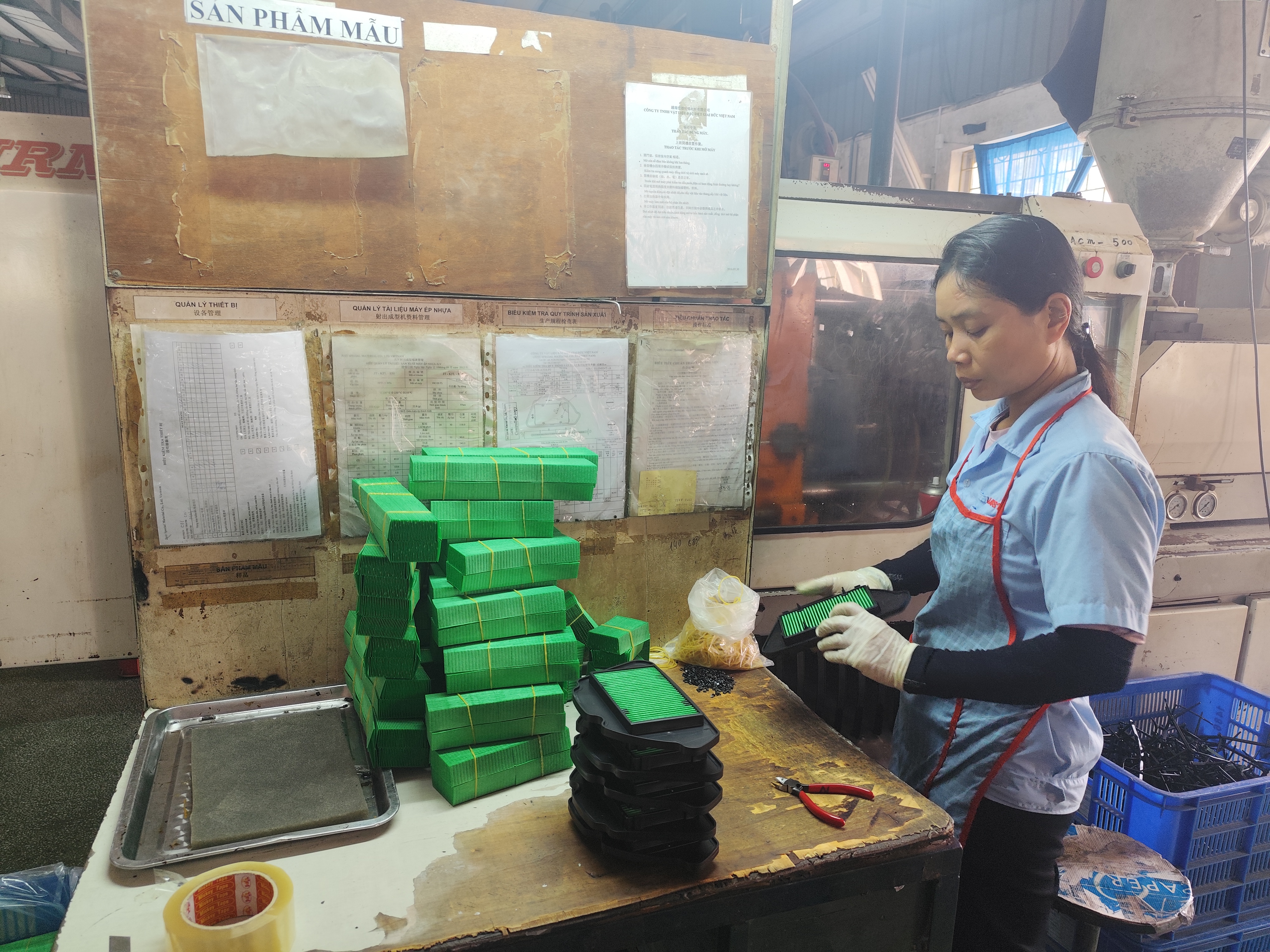
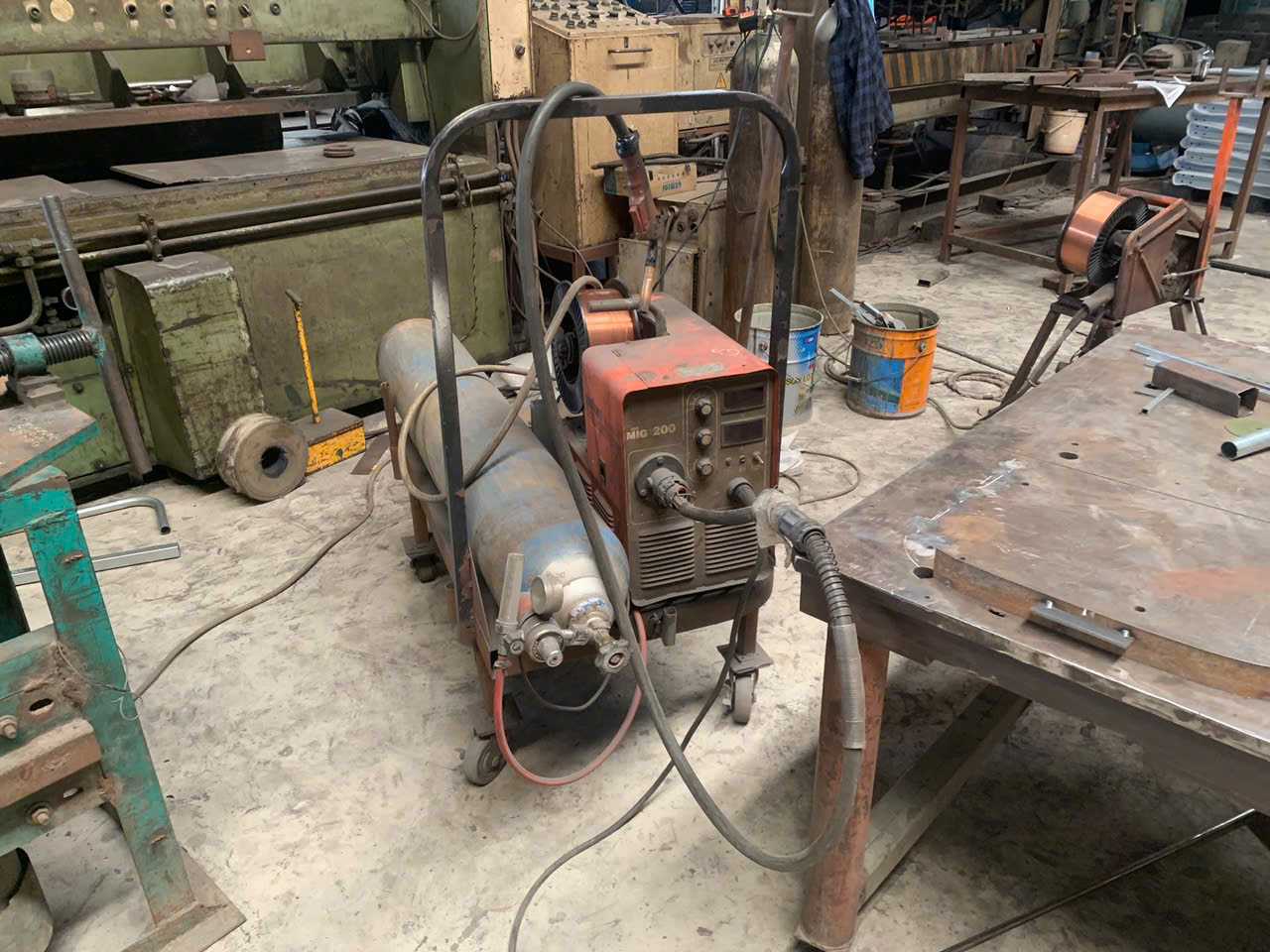
When our Vietnam office started handling welding frame assemblies and brackets for US buyers, the tariff questions came fast—and the wrong answers cost real money.
US import tariffs on welding parts from Vietnam include a 20% reciprocal tariff, a 25% Section 232 tariff on steel or aluminum components, potential anti-dumping duties up to 113% on specific steel products, and a 40% penalty if CBP determines goods were transshipped from China with minimal processing.
The numbers above look intimidating, but they do not all stack on every part Section 232 Steel and Aluminum Tariffs 1. The tariff you actually pay depends on what your welding part is made of, how it was manufactured, and whether you can prove it truly originated in Vietnam. Let me walk you through each layer.
How much can I save on Section 301 tariffs by sourcing my custom welding parts from Vietnam instead of China?
One of our US clients shipped the same steel mounting bracket design from two origins last year—one batch from a Chinese factory, one from our partner facility outside Ho Chi Minh City. The duty gap on the commercial invoice shocked his accounting team.
By sourcing welding parts from Vietnam, you eliminate the 7.5%–25% Section 301 tariffs that apply exclusively to Chinese-origin goods. Combined with the lower 20% reciprocal tariff versus China's higher rates, total savings on a typical steel welding bracket can reach 15–35% in duty costs alone.

The Section 301 Advantage
Section 301 tariffs 2 were designed to address unfair trade practices by China. They add 7.5% to 25% on top of standard MFN duties for Chinese goods. Vietnam has no Section 301 tariffs. That single fact drives much of the supply chain sourcing Vietnam trend we see across the US industrial parts market.
But Section 301 savings are only part of the picture. You also avoid the Uyghur Forced Labor Prevention Act 3 (UFLPA) compliance burden, which can delay Chinese shipments for weeks if CBP flags them.
Side-by-Side Tariff Comparison
Here is a realistic breakdown for a typical custom steel welding bracket (HS code 7308.90) imported into the US:
| Tariff Layer | China Origin | Vietnam Origin |
|---|---|---|
| MFN Duty (standard HTS rate) | 0–3.4% | 0–3.4% |
| Section 301 Tariff | 7.5–25% | 0% |
| Reciprocal Tariff (2025) | 20%+ (varies) | 20% |
| Section 232 (steel content) | 25% | 25% |
| UFLPA Risk | Yes | No |
| Estimated Total Duty Range | 52–73%+ | 45–48% |
The savings look modest in percentage terms, but on a $200,000 annual spend on welding components, even a 10-point duty reduction saves $20,000. For high-volume buyers, that funds an extra round of prototyping or quality inspection.
Where the Savings Narrow
Not every welding part benefits equally. If your part is circular welded non-alloy steel pipe, anti-dumping duties 4 from Vietnam can reach 113%. In that case, Vietnam may cost more than China for that specific product. Always check the AD/CVD order list before committing.
Also, the 20% reciprocal tariff on Vietnamese goods is relatively new. It replaced an initial 46% rate after the US-Vietnam Framework Agreement 5 took effect in August 2025. This trade agreement between Vietnam and the US stabilized costs, but the rate could change again if negotiations shift.
The bottom line: for most custom welding frames, brackets, and fabricated steel assemblies, Vietnam delivers meaningful tariff savings over China. But you must verify your exact HS codes and check for product-specific duties before you commit to a purchase order.
What specific customs documentation must I provide to ensure my Vietnamese welding parts clear US ports without delays?
Last quarter, a shipment of heavy-duty L-brackets for one of our clients sat at the Port of Long Beach for eleven extra days. The reason was not quality or safety—it was a missing Certificate of Origin 6 and incomplete material traceability records.
To clear US customs without delays, you need a commercial invoice, packing list, bill of lading, Certificate of Origin from Vietnam, correct HTS code classification, material test certificates, and full supply chain documentation showing the percentage of Vietnamese versus foreign inputs in your welding parts.
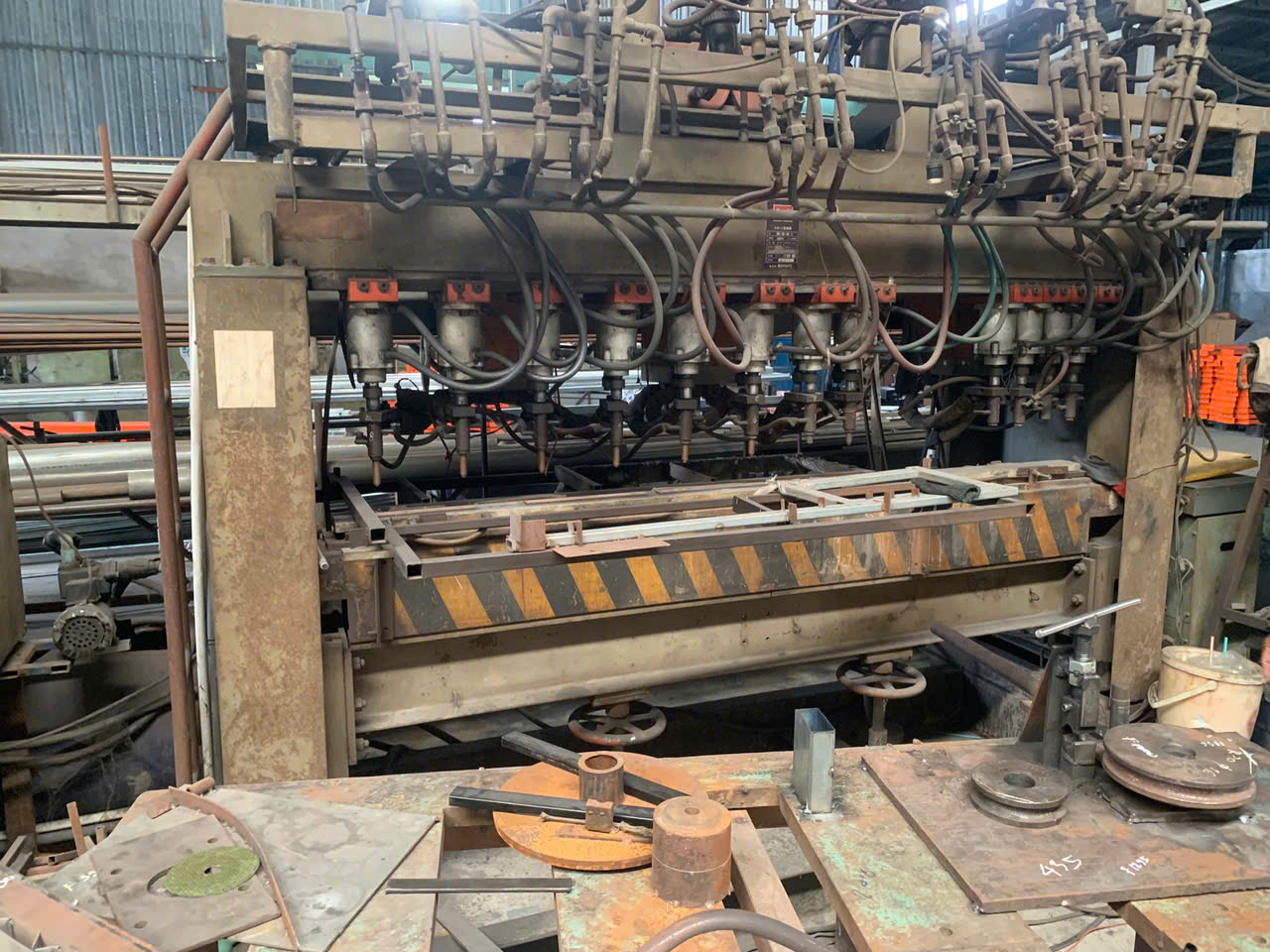
The Core Document Checklist
The customs clearance process for welding parts is not inherently complicated. But CBP has tightened enforcement on Vietnamese imports due to transshipment risk. Missing even one document can trigger a hold or audit. Here is what you need:
| Document | Purpose | Who Provides It |
|---|---|---|
| Commercial Invoice | Declares value, quantity, origin | Supplier / Exporter |
| Packing List | Details contents per carton or crate | Supplier |
| Bill of Lading (B/L) or Airway Bill | Proof of shipment and carrier details | Freight forwarder |
| Certificate of Origin (CO) | Proves Vietnamese manufacturing origin | Vietnam Chamber of Commerce (VCCI) |
| Material Test Certificates (MTR/MTC) | Confirms steel grade, composition | Supplier's mill or lab |
| HTS Code Classification 7 | Determines duty rate | Customs broker or importer |
| Supply Chain Input Documentation | Shows origin of raw materials (% Chinese vs. Vietnamese) | Supplier |
| ISF (Importer Security Filing) | 10+2 data filed 24 hours before vessel loading | Customs broker |
Why HS Codes Matter More Than You Think
Getting the welding equipment parts HS code wrong is one of the fastest ways to trigger a CBP review. A steel mounting bracket might fall under 7308.90 (structures and parts of structures) or 7326.90 (other articles of iron or steel). The difference can shift your MFN rate by several percentage points.
Our team cross-references every drawing against the HTS schedule before shipping. We also recommend that US buyers engage customs broker services to double-check classifications. A broker who specializes in metal fabrications can spot misclassifications that generalists miss.
Dealing with CBP Audits
CBP actively investigates Vietnamese-assembled goods with Chinese inputs. If your supplier uses Chinese steel plate or Chinese welding wire, you need to document the percentage. If 40–60% or more of the inputs come from China, CBP may reclassify your shipment as Chinese origin. That reclassification can trigger retroactive Section 301 tariffs.
Keep records of purchase orders from Vietnamese steel mills, invoices for locally sourced materials, and production logs that show where each step of manufacturing occurred. We maintain this documentation as part of our standard quality control process because we have seen what happens when it is absent.
The Merchandise Processing Fee (MPF) is another line item buyers often overlook. It is 0.3464% of the declared value, with a minimum of $31.67 and a maximum of $614.35 per entry. For ocean shipments, add the Harbor Maintenance Fee (HMF) at 0.125% of cargo value. These fees are small but should be in your landed cost model.
How do I verify that my supplier's manufacturing process meets the US Country of Origin rules for Vietnam?
During a factory audit at a welding fabrication shop near Hai Phong, I noticed the steel coils stacked outside had Chinese mill stamps. The factory manager explained they cut, formed, welded, and powder-coated the parts entirely in Vietnam. That process qualified as substantial transformation 8—but only because the documentation proved it.
To meet US country of origin rules for Vietnam, your supplier must perform substantial transformation—meaning the welding parts must undergo a fundamental change in form, character, or use within Vietnam. Simple assembly, relabeling, or minor finishing of Chinese components does not qualify as Vietnamese origin.
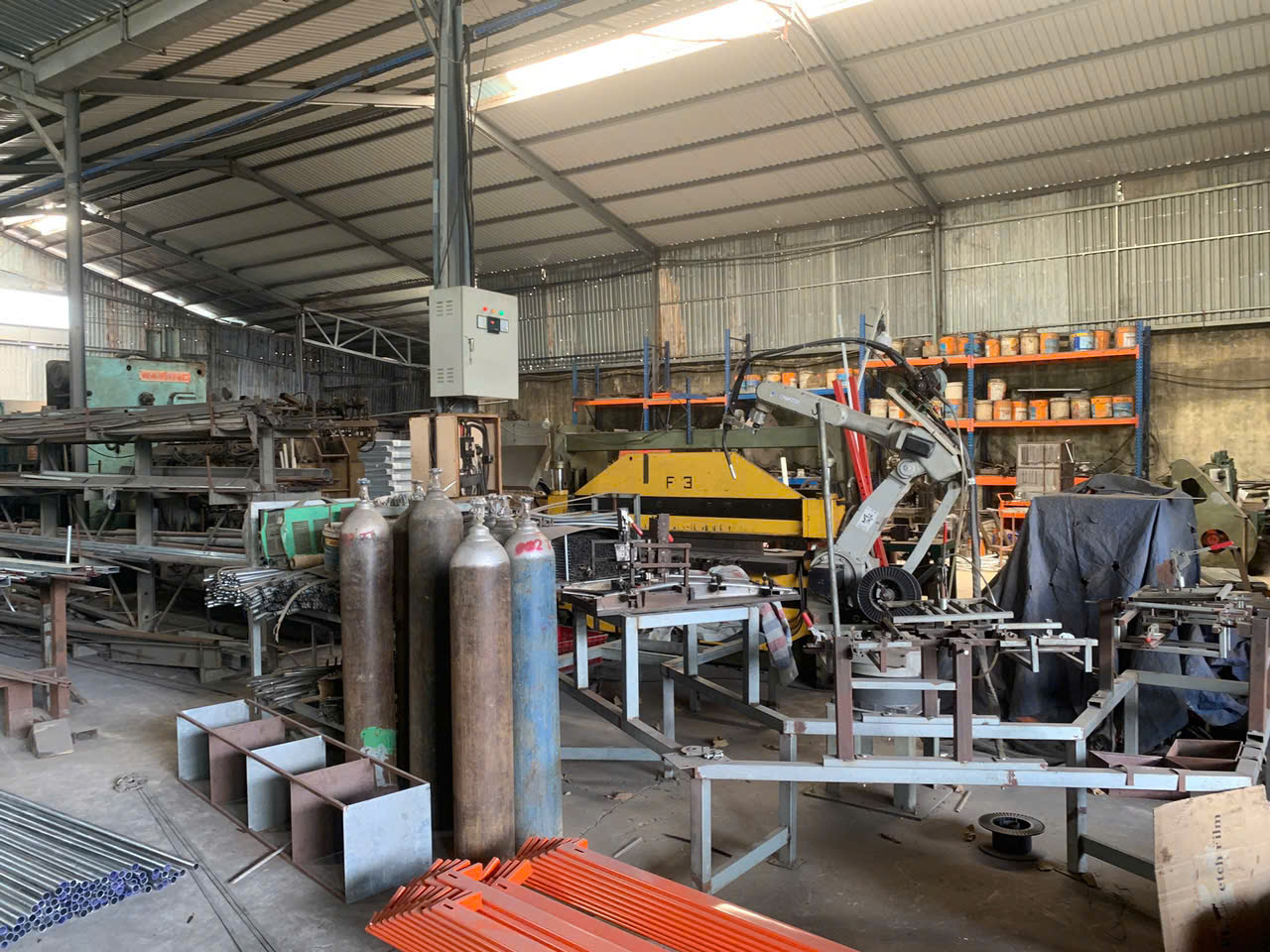
What Counts as Substantial Transformation
US country of origin rules are based on the "substantial transformation" test. This is a legal standard, not a percentage formula. But CBP uses practical guidelines. The key question is: did the manufacturing process in Vietnam create a new and different article of commerce?
For welding parts, here is how it typically breaks down:
| Activity in Vietnam | Qualifies as Substantial Transformation? | Risk Level |
|---|---|---|
| Cutting steel plate to shape, welding frame, drilling holes, finishing | Yes | Low |
| Welding Chinese sub-assemblies into a larger frame with added Vietnamese components | Usually yes, if significant | Medium |
| Bolting together Chinese-made components with minimal welding | No | High |
| Relabeling or repackaging Chinese parts | No | Very high |
| Grinding, painting, or surface treatment only | No | High |
The 40–60% Input Threshold
CBP does not publish a fixed percentage rule, but enforcement patterns suggest that if 40–60% or more of a welding part's material value comes from China, the origin classification is at risk. This is especially true for high-scrutiny categories. Welding frames and steel brackets are not yet on the top-priority watch list the way furniture and solar panels are, but enforcement is expanding.
Our Vietnam office conducts supplier audits specifically to map input sources. We check steel purchase orders, welding consumable invoices, and subcontractor records. If a factory sources 100% of its steel from Vietnamese or non-Chinese mills, the transshipment risk drops to near zero.
Red Flags That Trigger CBP Investigation
Be cautious if your Vietnamese supplier shows any of these signs:
- The parent company or headquarters is in China
- The factory only started production in the past 12–18 months, coinciding with tariff escalation timelines
- The factory cannot show purchase records from Vietnamese raw material suppliers
- The same part was previously shipped from China under the same buyer's account
When we onboard a new welding supplier, we request a full bill of materials with origin declarations for every input. We also verify these claims during on-site audits. This process protects our clients from retroactive duty assessments that can arrive months after the shipment clears customs.
Intellectual property protection in Vietnam is another consideration. If your welding part design is proprietary, ensure your supplier agreement includes IP clauses. Vietnam's IP enforcement has improved, but it is still weaker than the US or Europe. We handle this through NNN agreements (Non-Disclosure, Non-Use, Non-Circumvention) drafted under Vietnamese law.
How will these import duties and logistics costs affect the total landed price of my custom welding components?
A purchasing manager in Ohio once told me his boss only looked at the unit price on the supplier's quotation. Freight, duty, insurance, and handling fees were "someone else's problem." Three months later, the landed cost was 47% higher than the quoted price. That gap nearly killed the project budget.
Import duties and logistics typically add 35–55% on top of the FOB price for steel welding components from Vietnam. This includes the 20% reciprocal tariff, 25% Section 232 duty, freight costs, customs broker fees, MPF, HMF, and domestic trucking—all of which must be modeled before committing to a supplier.
Building a Realistic Landed Cost Model
The FOB price is only the starting point. Every cost between your supplier's loading dock and your US warehouse is part of the landed price. Here is a realistic model for a $10,000 FOB shipment of custom steel welding frames from Vietnam to a US Midwest location:
| Cost Component | Estimated Amount | % of FOB |
|---|---|---|
| FOB Price (Vietnam) | $10,000 | 100% |
| Ocean Freight (Ho Chi Minh City → LA) | $1,200 | 12% |
| Marine Insurance | $80 | 0.8% |
| MFN Duty (HTS 7308.90, ~3.4%) | $340 | 3.4% |
| Reciprocal Tariff (20%) | $2,000 | 20% |
| Section 232 Tariff (25% on steel) | $2,500 | 25% |
| Merchandise Processing Fee (MPF) | $35 | 0.35% |
| Harbor Maintenance Fee (HMF) | $13 | 0.13% |
| Customs Broker Fee | $175 | 1.75% |
| Domestic Trucking (LA → Ohio) | $900 | 9% |
| Total Landed Cost | $17,243 | 172.4% |
In this scenario, the landed cost is 72% above the FOB price. That is before any AD/CVD orders apply. If your welding part happens to be circular welded non-alloy steel pipe, the anti-dumping duties alone could add another $4,600 to $11,300 on that same $10,000 shipment.
How to Reduce Your Landed Cost
There are practical ways to bring these numbers down:
Optimize HTS classification. Some welding assemblies can be classified under headings with lower MFN rates. Work with an experienced customs broker to find the most accurate—and most favorable—code.
Consolidate shipments. Larger, less frequent shipments reduce per-unit freight and broker fees. We help clients batch orders across product lines to fill containers efficiently.
Negotiate FOB terms carefully. A lower FOB price from a supplier who cuts corners on material or welding quality will cost more in rework and returns. Our approach is to target the right quality level the first time, which eliminates the hidden costs of non-conformance.
Consider Foreign Trade Zones (FTZs). If you import welding parts that you then re-export as part of a finished product, an FTZ can defer or eliminate certain duties. Foreign Trade Zones 9
The Ongoing Section 301 Investigation Factor
The US Trade Representative is conducting a Section 301 investigation into Vietnam on issues including forced labor and intellectual property protection. If this investigation results in new tariffs, the landed cost picture will change again. We monitor these developments closely and advise our clients to build a 5–10% contingency into their duty estimates.
The trade agreements between Vietnam and the US are still evolving. The 20% reciprocal tariff rate is locked through the current agreement, but it was originally set at 46%. Rates can move in either direction. Planning for flexibility—dual-sourcing from Vietnam and other ASEAN countries—is a sound strategy for buyers with long product lifecycles.
Conclusion
Sourcing welding parts from Vietnam offers real tariff savings over China, but the total landed cost depends on steel content, HS codes, origin verification, and proper documentation—plan every layer before you commit.
Frequently Asked Questions
How much can I save on Section 301 tariffs by sourcing my custom welding parts from Vietnam instead of China?
One of our US clients shipped the same steel mounting bracket design from two origins last year—one batch from a Chinese factory, one from our partner facility outside Ho Chi Minh City. The duty gap on the commercial invoice shocked his accounting team.
What specific customs documentation must I provide to ensure my Vietnamese welding parts clear US ports without delays?
Last quarter, a shipment of heavy-duty L-brackets for one of our clients sat at the Port of Long Beach for eleven extra days. The reason was not quality or safety—it was a missing Certificate of Origin 6 and incomplete material traceability records.
How do I verify that my supplier's manufacturing process meets the US Country of Origin rules for Vietnam?
During a factory audit at a welding fabrication shop near Hai Phong, I noticed the steel coils stacked outside had Chinese mill stamps. The factory manager explained they cut, formed, welded, and powder-coated the parts entirely in Vietnam. That process qualified as substantial transformation 8 —but only because the documentation proved it.
Footnotes
1. Replaced HTTP 404 with authoritative U.S. Department of Commerce page on Section 232 tariffs. ↩︎
2. Details USTR’s Section 301 investigations and proposed tariffs on various economies. ↩︎
3. Explains the UFLPA and CBP’s role in enforcing the prohibition on forced labor goods. ↩︎
4. Defines anti-dumping duties and how they protect domestic industries from unfair competition. ↩︎
5. Discusses the US-Vietnam Framework Agreement and its impact on reciprocal tariffs. ↩︎
6. Defines a Certificate of Origin and its importance in international trade. ↩︎
7. Explains HTS code classification and its critical role in determining duties and compliance. ↩︎
8. Clarifies the legal principle of substantial transformation for country of origin rules. ↩︎
9. Describes Foreign Trade Zones and their benefits for duty deferral and re-export. ↩︎