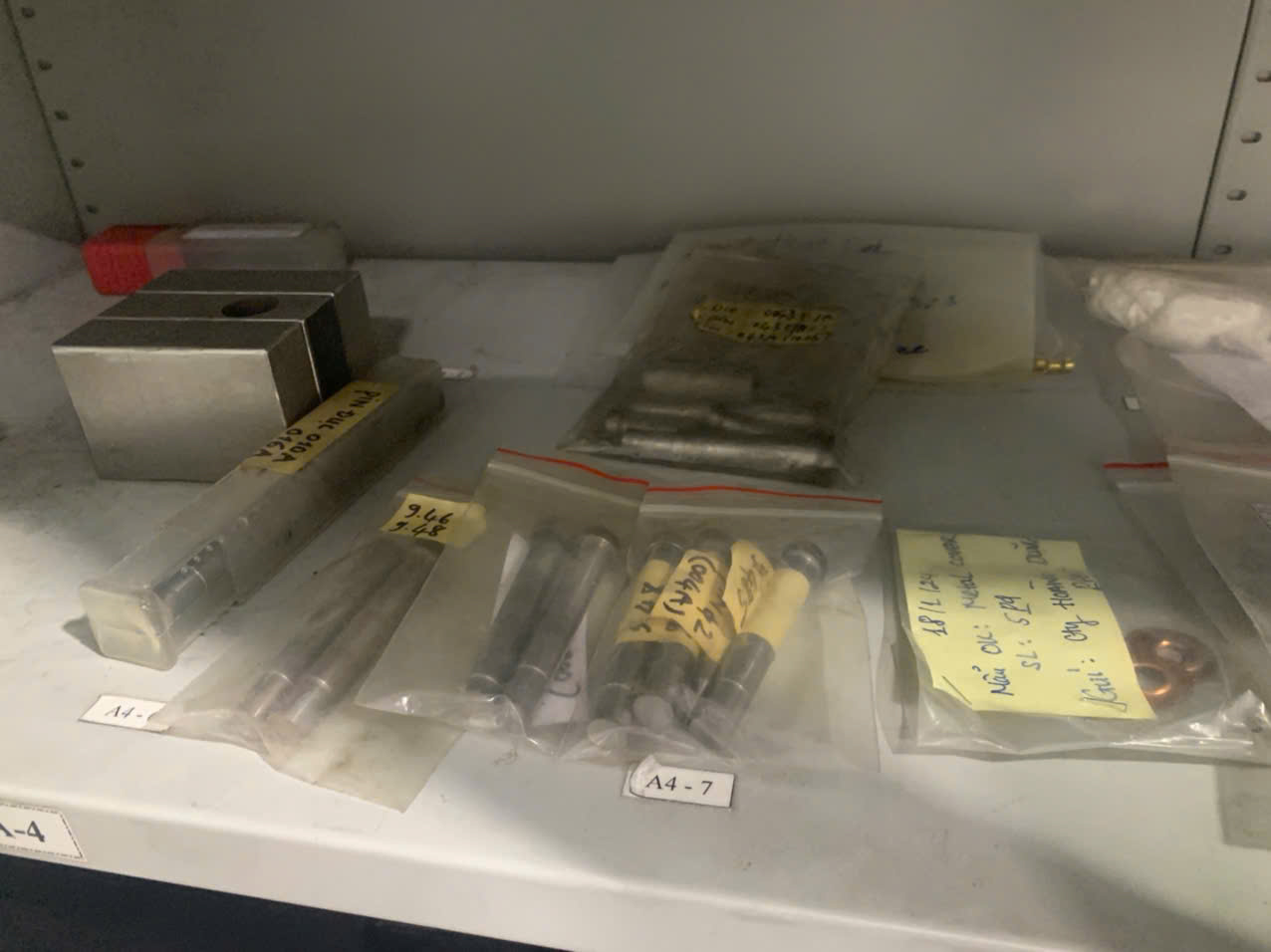

When our Vietnam office shipped its first container of stamped brackets to a US buyer, the shipment was flagged at the port — not for quality, but for missing country of origin marking 1. That one oversight cost our client weeks of delay and thousands in re-marking fees. It was a painful lesson that pushed us to build airtight marking and traceability protocols into every stamping project we manage.
US marking, barcode, and traceability requirements for stamping parts from Vietnam include mandatory country of origin marking under 19 CFR 134, industry-specific barcode standards like AIAG B-17 for automotive, and lot-level traceability documentation that links each finished part to its raw material source, production date, and batch number.
The rules are layered. Federal law sets the floor. Industry standards raise the bar. And buyer contracts often add even more. Let me walk you through each layer so you know exactly what to require from your Vietnam stamping supplier.
How do I ensure my Vietnam stamping supplier meets US traceability and lot control standards?
A few years ago, one of our US clients received a batch of stamped mounting clips where two different steel grades had been mixed in the same lot. There was no way to trace which parts used which material. The entire shipment was rejected. That experience taught us that traceability is not paperwork — it is a system.
To ensure your Vietnam stamping supplier meets US traceability and lot control standards, require documented lot control procedures linking each finished part to its raw material heat number, mill certificate, production date, and batch number, verified through regular supplier audits and PPAP submissions.

What Does "Traceability" Actually Mean for Stamped Parts?
Traceability means you can follow a stamped bracket backward from the finished part to the coil of steel it came from. For general industrial stamping parts, there is no single federal mandate requiring this. But the moment your parts enter the automotive, aerospace, or military supply chain, traceability becomes non-negotiable.
For automotive safety components — brake mounts, steering brackets, structural supports — IATF 16949 2 requires a full paper trail. That trail connects the finished part to its specific raw material heat number and the mill certificate that proves the material composition. Material test reports 3 must be on file and available for audit.
When we manage stamping projects through our Vietnam team, we require suppliers to maintain a traceability matrix. This matrix logs every critical data point at each production stage.
The Traceability Matrix We Use
| Data Point | Source Document | When Recorded |
|---|---|---|
| Raw material heat number | Mill certificate | At material receiving |
| Coil/sheet lot number | Supplier delivery note | At material receiving |
| Stamping production date | Production log | During stamping |
| Die/tool number used | Setup sheet | During stamping |
| Surface treatment batch | Process record | During finishing |
| Final inspection result | Inspection report | Before packing |
| Packing box/lot ID | Packing list | At packing |
Lot Control: Keeping Materials Separated
Lot control is the discipline of never mixing materials from different sources in the same production run — or if you do, marking the transition clearly. In our experience, this is where many Vietnam suppliers fall short. Steel coils from different mills or different heats get loaded into the press without documentation.
We solve this by requiring our suppliers to physically segregate raw materials by heat number. Each coil gets a tag. When a new coil is loaded, the operator logs the changeover. This way, every box of finished parts maps back to one specific coil.
If your supplier holds ISO 9001 certification 4, their quality management system should already include lot control procedures. But certification alone does not guarantee execution. We verify through on-site audits at least once per quarter, reviewing the actual production logs against the traceability records.
Vietnam's Emerging Traceability Rules
Vietnam's Circular 31/2026/TT-BCT, effective July 1, 2026, introduces mandatory traceability registration for high-risk goods exported from Vietnam. Businesses must register traceability data on the government's VeriGoods platform, including origin, batch numbers, and production dates. While this is a Vietnam domestic rule, it directly impacts US importers whose stamping parts fall into high-risk categories such as automotive safety components.
What barcode or label formats should I require for stamped parts imported from Vietnam?
During a recent project for a US automotive distributor, we learned that the warehouse receiving system could not read the barcodes on our supplier's labels. The labels used a non-standard format. Boxes sat in receiving limbo for days. This is a preventable problem — if you specify the right barcode format upfront.
For stamped parts imported from Vietnam, require GS1-128 barcodes on outer packaging with GTIN, batch/lot, and serial numbers. For direct part marking on metal surfaces, specify DataMatrix 2D codes meeting ISO/IEC TR 29158 quality standards, especially if parts serve automotive or aerospace applications.

Federal Law vs. Industry Standards
Here is the key distinction: US federal law does not require barcodes on general stamping parts. CBP import compliance focuses on country of origin marking, not barcodes. But in practice, barcodes are essential because your customers, warehouses, and logistics systems depend on them.
The moment your stamped parts enter an automotive supply chain, AIAG B-17 5 becomes the governing standard. It specifies exactly how parts should be labeled, what data must be encoded, and which barcode symbologies are acceptable.
Barcode Formats by Application
| Application | Barcode Type | Standard | Key Data Encoded |
|---|---|---|---|
| Outer carton / shipping label | GS1-128 (linear) | GS1 barcode standards | GTIN, lot number, quantity, date |
| Inner pack label | Code 39 or GS1-128 | AIAG B-17 | Part number, lot, quantity |
| Direct part marking (DPM) | DataMatrix 2D | ISO/IEC TR 29158 6 | Serial number, part ID |
| Pallet label | GS1-128 | GS1 logistics standards | SSCC, ship-to location |
Direct Part Marking on Metal Stampings
For parts where traceability must survive the entire product lifecycle — not just shipping — direct part marking is the answer. A laser-etched DataMatrix code on the metal surface stays readable even after painting, plating, or years of use.
Our team evaluates each stamping part to determine whether DPM is feasible. The factors we consider include surface area, surface finish, and whether the marking location will be obscured after assembly. For small brackets and clips, space is tight. A DataMatrix code as small as 3mm x 3mm can hold a unique serial number.
The quality of direct part marks must meet ISO/IEC TR 29158 (formerly AIM DPM). This standard grades mark quality on a scale from A to F. Most automotive OEMs require a minimum grade of C. We specify this in our supplier quality agreements and verify readability using handheld verifiers during final inspection.
Packaging Labels and Supply Chain Transparency
Beyond the part itself, every level of packaging needs proper labeling. The shipping carton label is the first thing a US receiving dock scans. If it fails, the shipment stalls.
We require our suppliers to print GS1-128 labels 7 with these data fields: Global Trade Item Number, lot/batch number, production date, quantity, and purchase order number. For automotive projects, we add the customer part number and engineering revision level.
Labels must also include human-readable text alongside the barcode. This redundancy ensures that even if a scanner fails, a warehouse worker can manually enter the data.
Which US regulations or customer specs dictate part marking requirements for custom stamped components?
The first time we helped a client navigate a CBP detention, the issue was deceptively simple: the stamped brackets had "Made in Vietnam" printed on the poly bag — but not on the parts themselves. CBP ruled the bags were not the "ultimate container" reaching the end user. The parts needed permanent part marking directly on the metal.
US regulations dictating part marking for custom stamped components include 19 CFR Part 134 for country of origin marking, 49 CFR 541 for vehicle theft prevention, FMVSS for automotive safety parts, and buyer-specific standards such as AIAG B-17 and MIL-STD-130 for military components.

19 CFR Part 134: The Non-Negotiable Baseline
Every stamping part imported into the United States must bear the English name of its country of origin. For parts made in Vietnam, the marking must read "Vietnam" or "Made in Vietnam." Under 19 CFR 134 8, the marking must be conspicuous, legible, indelible, and permanent.
For metal stampings, CBP expects permanent methods: die-stamping, cast-in-mold lettering, etching, engraving, or laser marking. Adhesive labels are generally not acceptable for the parts themselves, though they may be used on the outermost container if the part is too small to mark directly.
When Is Direct Marking on the Part Required?
The rule of thumb: if the part will reach the "ultimate purchaser" separately — not hidden inside an assembly — it must be marked directly. For stamping brackets sold as individual components or spare parts, this almost always applies.
There are exceptions. If a stamped part is physically too small or oddly shaped, and marking would damage it or be illegible, you can mark the smallest container that holds the part. But you must be prepared to justify this to CBP if challenged.
Layered Marking Requirements
| Requirement Source | What It Requires | Applies To |
|---|---|---|
| 19 CFR 134 | Country of origin in English, permanent | All imported stamping parts |
| 49 CFR 541 | Unique vehicle identification numbers | Certain motor vehicle parts (theft prevention) |
| FMVSS | Safety compliance marks | Automotive safety components |
| AIAG B-17 | Part number, supplier ID, lot/serial barcodes | Automotive OEM supply chains |
| MIL-STD-130 | Unique item identification (UID) | Military/defense parts |
| UFLPA | Forced labor compliance 9 documentation | Parts using materials potentially from restricted regions |
HTS Code Classification and Anti-dumping Considerations
Proper HTS code classification determines your duty rate and whether anti-dumping and countervailing duties apply. For stamped steel brackets, the HTS code depends on the material (steel, aluminum, stainless), the function (structural, fastening), and the end use (automotive, general industrial).
Misclassifying your HTS code can trigger CBP audits. And with the current focus on transshipment fraud — where Chinese-made goods are routed through Vietnam to evade Section 301 tariffs — CBP is scrutinizing the "substantial transformation" documentation for stamping parts. A certificate of origin from Vietnam alone is not sufficient. You need evidence that meaningful manufacturing occurred in Vietnam, not just minor processing.
Our approach is to maintain complete records of the stamping process: die design documents, raw material purchase orders from Vietnamese or non-Chinese mills, production photos, and process flow diagrams. This documentation proves the parts were truly manufactured in Vietnam.
Customer-Specific Markings
Beyond federal rules, your customer's specs often add another layer. One of our US clients requires laser-etched part numbers, revision codes, and date codes on every stamped bracket — in addition to country of origin. Another requires a specific font size and location for the marking.
We capture all these requirements during the PPAP (Production Part Approval Process) phase and build them into the supplier's control plan. This prevents surprises during production.
How can I verify my supplier's traceability documentation before shipment leaves Vietnam?
A lesson we learned early on: reviewing traceability documents after the container arrives in the US is too late. If something is wrong — a missing mill certificate, a mismatched heat number, a label that does not scan — you are stuck with a shipment you cannot receive. Verification must happen before the container doors close in Vietnam.
To verify your supplier's traceability documentation before shipment, conduct pre-shipment inspections at the Vietnam factory that cross-reference material certificates against production logs, verify barcode scannability, confirm country of origin marking permanence, and validate lot-level packing records against the purchase order.
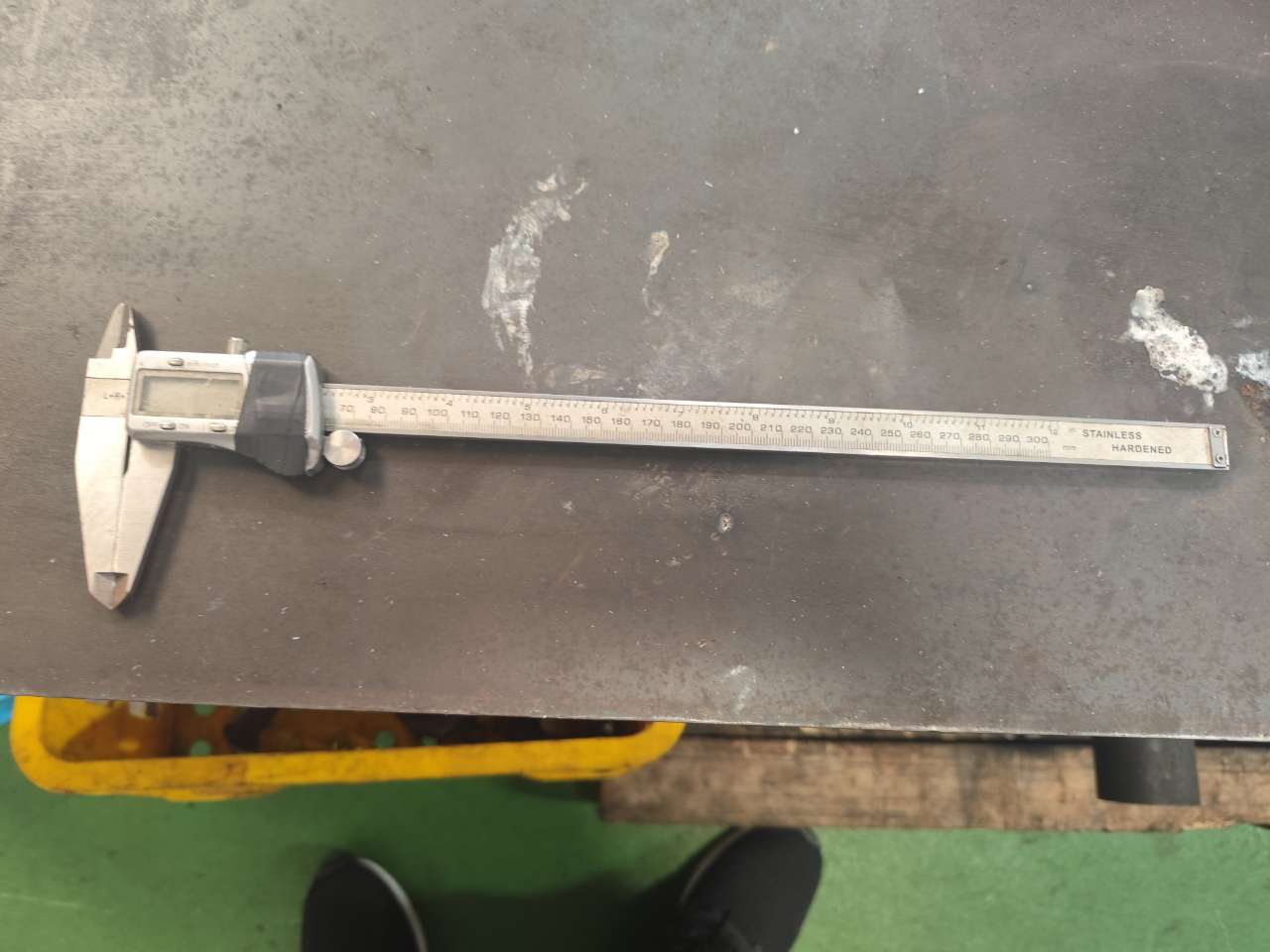
Our Pre-Shipment Verification Process
With seven staff in our Vietnam office, we have built a structured pre-shipment verification protocol. Here is what we check before any stamping shipment leaves the factory:
Step 1: Material Certificate Review. We pull the mill certificates for the raw materials used in the production run. We verify that the steel grade, thickness, and chemical composition match the drawing requirements. We cross-reference the heat numbers on the certificates with the heat numbers recorded in the supplier's production log.
Step 2: Production Log Audit. We review the production logs to confirm that lot segregation was maintained. We check that changeovers between coils were recorded. We verify that the production dates, quantities, and die numbers match the order.
Step 3: Marking Inspection. We physically inspect a sample of finished parts to confirm that "Vietnam" or "Made in Vietnam" is permanently marked. We test permanence by rubbing the marking with a cloth and mild solvent. If the marking can be wiped off, it fails.
Step 4: Barcode Verification. We scan every unique barcode on the packing labels using a handheld verifier. We check that the data encoded in the barcode matches the human-readable text on the label. For direct part marks, we verify the DataMatrix code grade meets the required minimum.
Step 5: Packing List Reconciliation. We reconcile the packing list against the production records and the purchase order. Every box number, part count, and lot number must align.
What to Look for in Material Test Reports
Material test reports are the foundation of traceability. But not all reports are created equal. Here is what we verify:
The report must come from the steel mill, not from the stamping supplier. It must include the heat number, chemical composition (C, Mn, P, S, Si at minimum), mechanical properties (tensile strength, yield strength, elongation), and the mill's name and certification. If your buyer requires specific material compliance — for example, ASTM A1008 for cold-rolled steel — the report must reference that standard.
We have seen cases where suppliers present generic certificates that do not match the actual material used. This is why we also recommend chemical fingerprinting or spectroscopic analysis for high-risk orders. A portable XRF (X-ray fluorescence) analyzer can verify the material composition right on the factory floor.
UFLPA Compliance: The Newest Layer
Supply chain transparency now extends to forced labor compliance under the Uyghur Forced Labor Prevention Act. Even if your stamping occurs in Vietnam, if the raw steel contains iron ore or metallurgical coal sourced from prohibited regions, your shipment can be detained at the US border.
We address this by requiring our suppliers to declare the origin of their raw materials and by maintaining a supply chain map that traces materials at least two tiers back. This is especially important for steel, aluminum, and polysilicon-containing components.
Packaging Compliance: Do Not Forget ISPM 15
One more item that trips up importers: the wood packaging. If your stamped parts ship on wooden pallets 10 or in wooden crates, those materials must be heat-treated and stamped with the ISPM 15 mark. USDA APHIS inspects for this at US ports. A missing bug stamp can mean fumigation fees or shipment rejection. For a broader look at packaging and labeling requirements for US stamping parts imports, it is worth reviewing the full scope of what US regulations demand.
Conclusion
US marking, barcode, and traceability requirements for stamping parts from Vietnam span federal regulations, industry standards, and buyer-specific specs. Getting them right before shipment — not after — protects your supply chain and keeps your parts moving through US ports without delay.
Frequently Asked Questions
What Does "Traceability" Actually Mean for Stamped Parts?
Traceability means you can follow a stamped bracket backward from the finished part to the coil of steel it came from. For general industrial stamping parts, there is no single federal mandate requiring this. But the moment your parts enter the automotive, aerospace, or military supply chain, traceability becomes non-negotiable.
When Is Direct Marking on the Part Required?
The rule of thumb: if the part will reach the "ultimate purchaser" separately — not hidden inside an assembly — it must be marked directly. For stamping brackets sold as individual components or spare parts, this almost always applies.
How do I ensure my Vietnam stamping supplier meets US traceability and lot control standards?
A few years ago, one of our US clients received a batch of stamped mounting clips where two different steel grades had been mixed in the same lot. There was no way to trace which parts used which material. The entire shipment was rejected. That experience taught us that traceability is not paperwork — it is a system.
Footnotes
1. Official eCFR source for 19 CFR 134 country of origin marking regulations. ↩︎
2. Authoritative industry source for the IATF 16949 automotive quality management standard. ↩︎
3. Documentation certifying a material’s chemical and physical properties. ↩︎
4. International standard for quality management systems and process consistency. ↩︎
5. Industry standard for direct part marking in automotive applications. ↩︎
6. International standard for the quality of direct part marks on metallic surfaces. ↩︎
7. Global standard for encoding logistics and product data in barcodes. ↩︎
8. Federal regulation for marking imported articles and containers with country of origin. ↩︎
9. US Customs and Border Protection guidance on forced labor import prohibitions. ↩︎
10. USDA regulations for wood packaging materials like pallets to prevent pest introduction. ↩︎