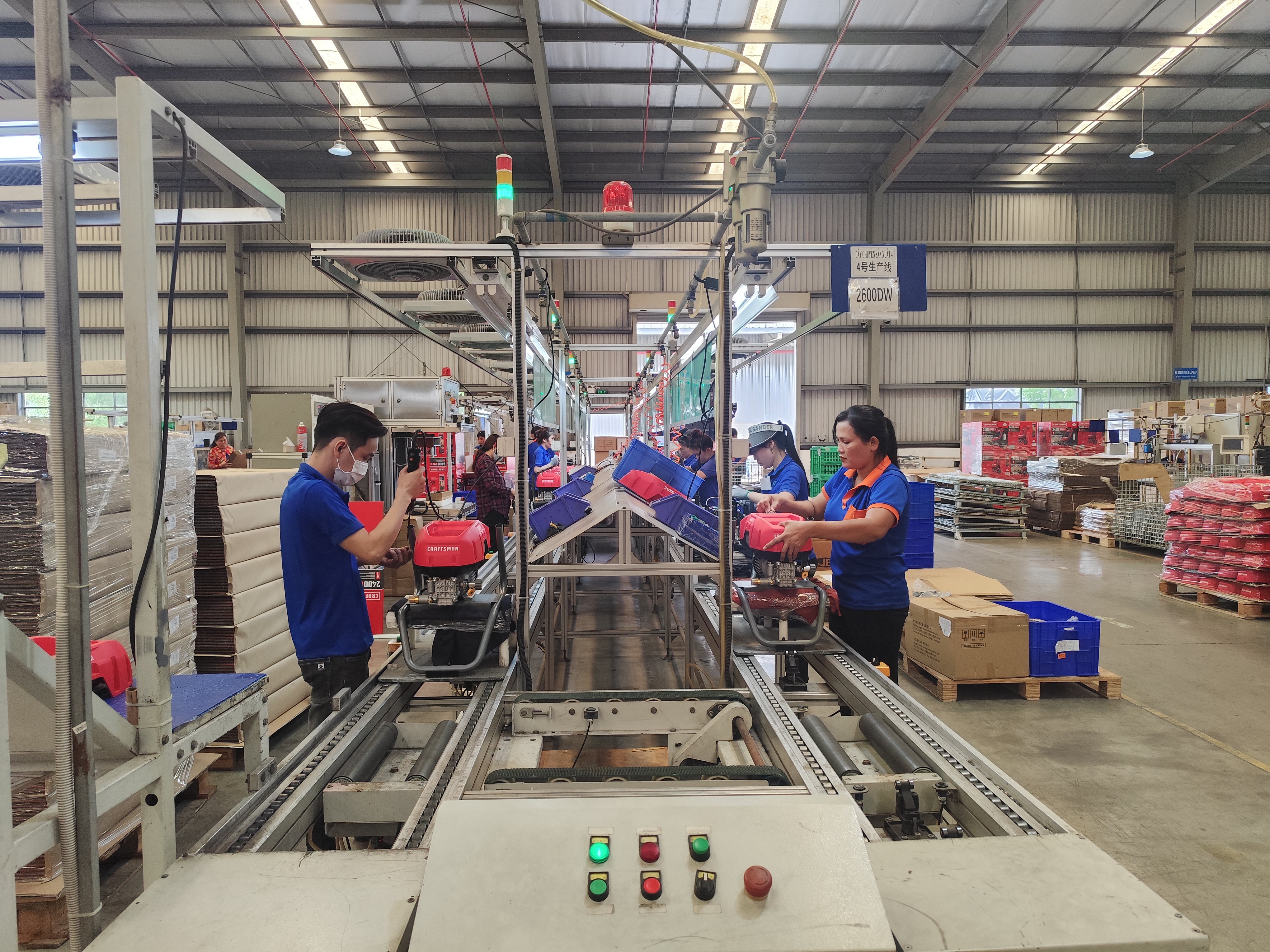

Last quarter, a client called our Singapore office in a panic — his sheet metal fabrication 1 shipment from Vietnam was stuck at US customs with an unexpected tariff bill that nearly doubled his landed cost.
US Section 232 steel tariffs on sheet metal fabrication from Vietnam are either 25% (for derivative fabricated articles) or 50% (for base steel articles), applied to the full declared value, with a potential additional 46% reciprocal tariff that remains uncertain and subject to political change as of mid-2025.
The tariff landscape for steel imports is shifting fast full customs value 2. If you source custom sheet metal parts from Vietnam, you need to understand how classification, origin rules, and stacking duties affect your bottom line. US Section 232 steel tariffs 3 This article breaks it all down in plain terms.
How do Section 232 steel tariffs specifically impact the cost of my sheet metal fabrication imports from Vietnam?
A few months ago, our Vietnam office helped a US purchasing manager re-classify a batch of powder-coated steel mounting brackets — and that single change cut his tariff rate in half. The difference came down to one word: "derivative."
Section 232 tariffs impact your sheet metal fabrication costs at either a 25% rate for derivative articles (fabricated parts like brackets and enclosures) or a 50% rate for base steel articles (raw sheets and coils), both assessed on the full customs value of the product.
Base Articles vs. Derivative Articles
The single most important factor in your tariff cost is how US Customs classifies your product. Under the current Section 232 framework, steel imports fall into two categories:
- Base articles include raw steel coils, uncut sheets, billets, and slabs. These are taxed at 50% ad valorem.
- Derivative articles include fabricated, machined, or assembled steel parts. Think brackets, enclosures, housings, welded frames, and stamped components. These are taxed at 25% ad valorem.
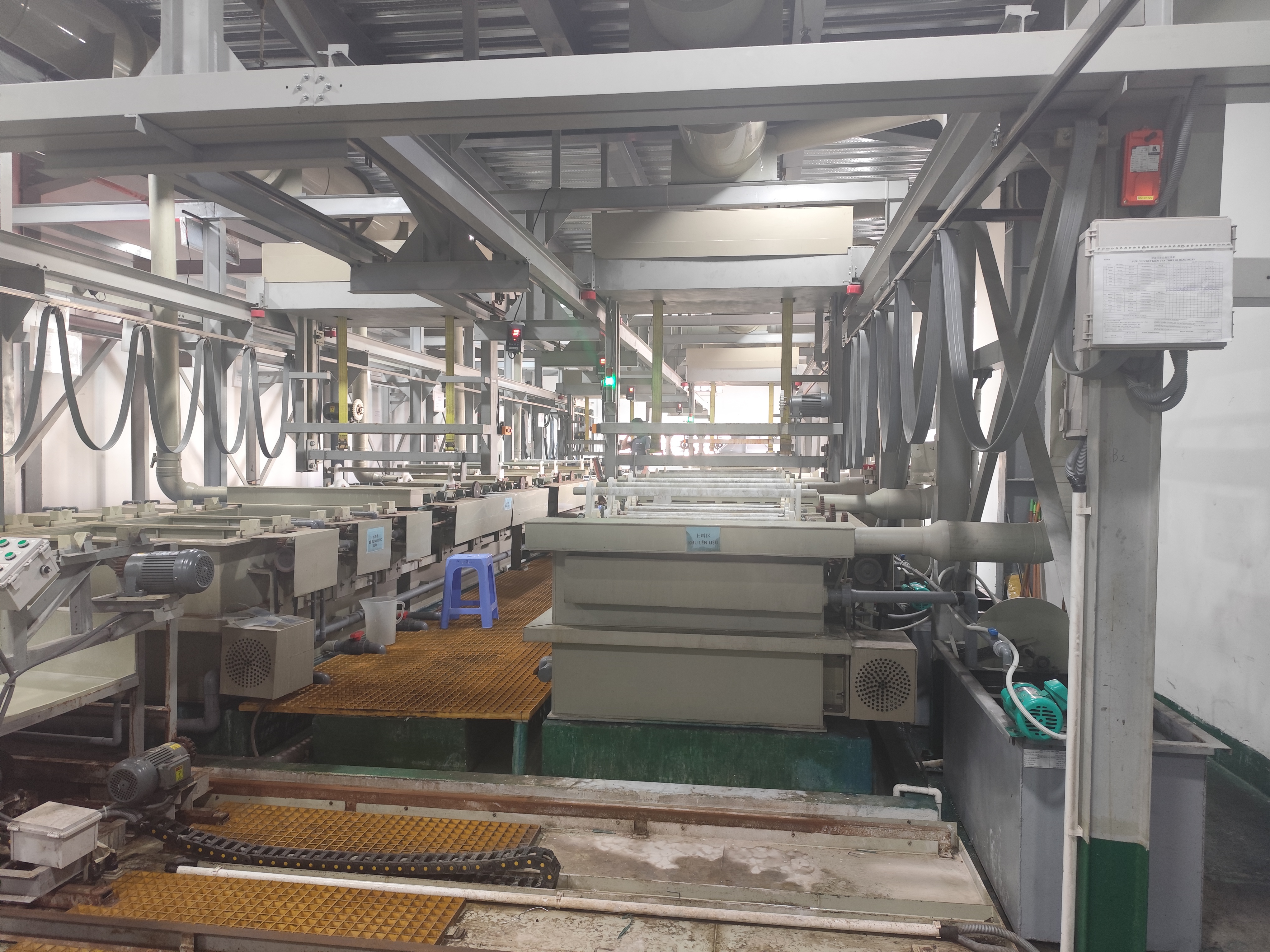
Most custom sheet metal fabrication — the kind we help US clients source from our partner factories in Vietnam — falls squarely into the derivative category. If your part has been cut, bent, welded, drilled, or powder-coated, it is almost certainly a derivative article under the Harmonized Tariff Schedule 4.
| Category | Examples | Section 232 Rate | Assessment Basis |
|---|---|---|---|
| Base Steel Article | Raw coils, uncut sheet metal, steel slabs | 50% | Full declared value |
| Derivative Steel Article | Brackets, enclosures, stamped parts, welded assemblies | 25% | Full declared value |
| Product with ≤15% steel by weight | Plastic housing with thin steel frame | 0% (Section 232 exempt) | N/A |
The Full-Value Assessment Trap
Here is where many importers get caught off guard. Before the latest executive order changes, Section 232 tariffs were assessed only on the steel content of a product. Now, as of the April 2026 effective date, the tariff applies to the full customs value of the finished part — including labor, non-metal components, coatings, and packaging value.
This means a fabricated steel bracket worth $100 that includes $15 in powder coating and $20 in assembly labor will be taxed on the full $100, not just the raw steel portion. For complex assemblies with electronics or plastic components, this shift dramatically increases the tariff burden.
The 15% Weight Threshold
One exemption worth noting: if your product contains 15% or less steel by weight, it is generally no longer subject to Section 232 national security tariffs. This applies to products outside of Harmonized Tariff Schedule Chapters 72, 73, 74, and 76. For heavy steel fabrications like the mounting brackets we commonly source, this exemption rarely applies. But if your design incorporates significant plastic, rubber, or aluminum, it is worth checking.
Will I face Section 232 duties if my Vietnamese manufacturer uses steel raw materials sourced from China?
One lesson we learned early in our Vietnam operations is that origin documentation matters more than the factory address on your purchase order. A US buyer once assumed that because his parts were fabricated in Ho Chi Minh City, the "country of origin" was automatically Vietnam. It was — for the fabricated part. But the raw steel inside told a different story.
Yes, you will face Section 232 duties regardless of where the raw steel originates, because the tariff is assessed based on the country where the finished article is manufactured; however, using Chinese-origin steel adds significant transshipment risks and may trigger additional antidumping and countervailing duties.
How Section 232 Origin Works
Section 232 tariffs are applied based on where the finished product enters from — in this case, Vietnam. So whether your Vietnamese fabricator uses steel from Japan, South Korea, India, or China, the Section 232 rate remains 25% for derivative articles or 50% for base articles. The raw material origin does not change the Section 232 rate itself.
But that does not mean the raw material origin is irrelevant. Far from it.
The Transshipment Problem
The US Department of Commerce 6 and US Customs actively investigate transshipment — the practice of routing Chinese steel through a third country (like Vietnam) to avoid higher duties. If your Vietnamese manufacturer is simply cutting and re-labeling Chinese steel coils with minimal processing, US Customs may reclassify the product as Chinese-origin. This exposes you to:
- The full Section 232 rate applicable to China
- Antidumping duties 7 on Chinese steel (which can be enormous)
- Countervailing duties layered on top
- Potential penalties and seizure for customs non-compliance
| Scenario | Section 232 Rate | Additional Duty Risk | Compliance Risk |
|---|---|---|---|
| Vietnamese-origin steel, fabricated in Vietnam | 25% (derivative) | Low | Low |
| Japanese/Korean steel, fabricated in Vietnam | 25% (derivative) | Low | Low |
| Chinese steel, substantially transformed in Vietnam | 25% (derivative) | Moderate (AD/CVD possible) | Moderate |
| Chinese steel, minimally processed in Vietnam | Potentially reclassified as Chinese origin | Very High (AD/CVD up to 3,521%) | Very High |
What "Substantial Transformation" Means
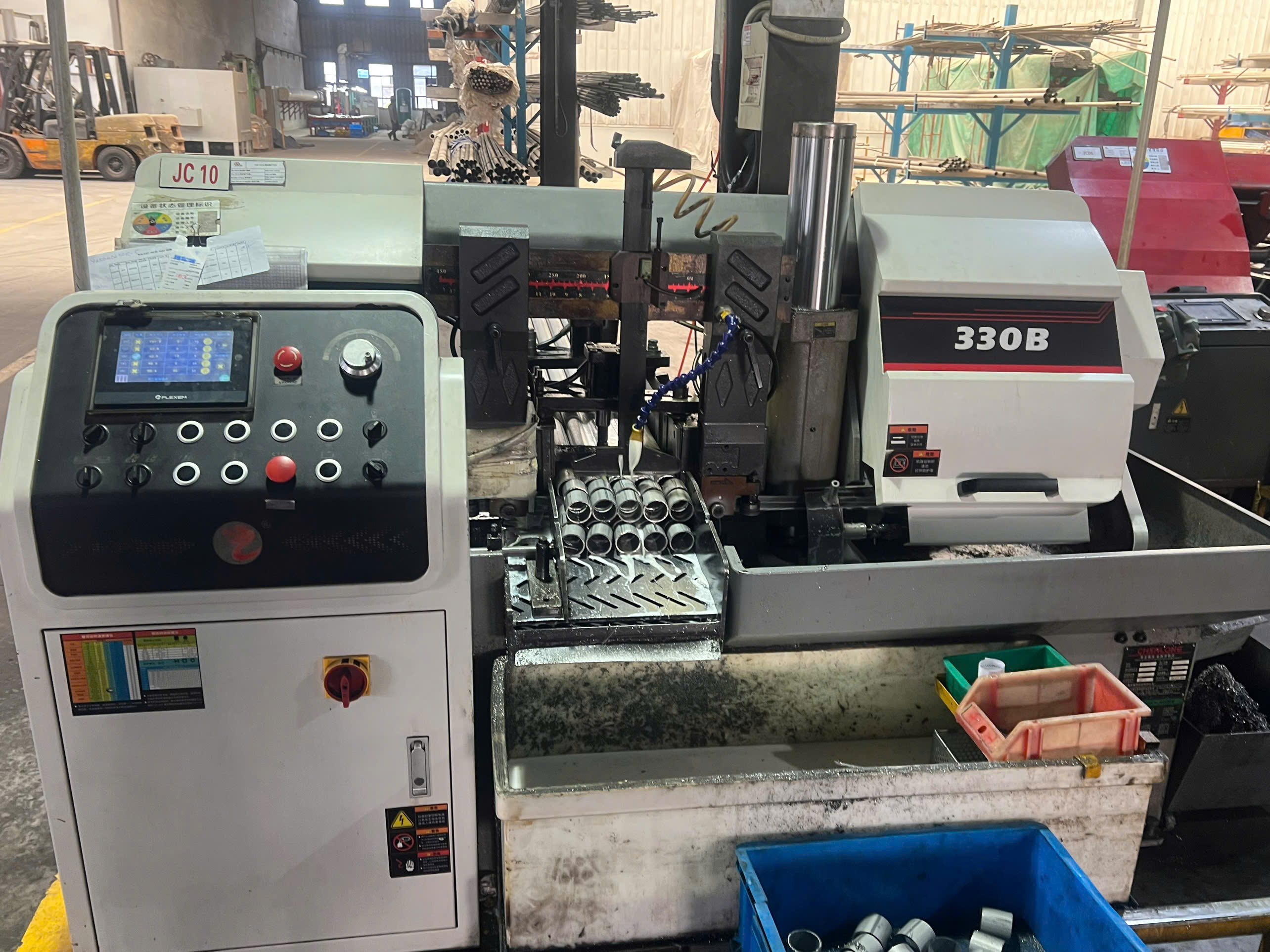
The key legal concept is substantial transformation. If a Vietnamese factory takes Chinese steel coils, laser-cuts them, performs multiple bending operations, welds sub-assemblies, drills mounting holes, and applies a powder coat finish, that likely constitutes substantial transformation. The finished product is a new article of commerce — a bracket, not a coil.
But if the factory merely slits coils or performs a single shearing operation, customs may argue no substantial transformation occurred. In our experience coordinating fabrication projects across Vietnam, we always advise clients to document every manufacturing step with photos, process records, and material certificates. This creates a defensible paper trail.
Melted and Poured Certificates
Increasingly, US importers are requesting "melted and poured" certificates that trace the steel back to its original mill. This documentation proves where the steel was first cast. Our team in Vietnam works with suppliers to secure these certificates because they serve two purposes: they protect against transshipment allegations, and they may qualify for reduced tariff rates if the steel was melted and poured in certain countries like the United Kingdom (25% rate under the US-UK Economic Prosperity Deal) or the United States itself (10% rate for products containing at least 95% US-origin steel).
How can I accurately calculate the total landed cost for my custom sheet metal projects given current US trade policies?
When we quote a custom fabrication project for a US buyer, we always build the tariff estimate into the landed cost model from day one. I have seen too many projects fall apart at the finish line because the buyer only accounted for the FOB price and freight, then discovered a 25% to 71% tariff layer they had not budgeted for.
To calculate total landed cost accurately, add the FOB price, ocean freight, insurance, customs brokerage fees, Section 232 tariffs (25% for derivative articles), any applicable reciprocal tariffs (potentially 46%), antidumping/countervailing duties, and domestic delivery costs — then verify the current enforcement status of each duty with your customs broker.
The 71% vs. 25% Debate
This is the most critical variable in your cost calculation right now. The potential total tariff burden breaks down like this:
- Section 232 tariff on derivative articles: 25%
- Reciprocal tariff on Vietnamese imports (announced): 46%
- Potential combined rate: 71%
But here is the conflict: some customs brokers and trade attorneys report that reciprocal tariffs do not stack on top of Section 232 duties for countries other than China. The Trump administration announced the 46% reciprocal tariff on Vietnam with a July 1, 2025 effective date, but then signaled delays and possible modifications. As of this writing, the enforced total may remain at 25% if the reciprocal tariff is suspended or excluded for Section 232-covered goods.
Our recommendation to every client: do not assume either rate. Model both scenarios.
A Step-by-Step Landed Cost Calculation
Here is how we help clients build a realistic cost model. Let's use a $10,000 FOB shipment of custom steel brackets as an example.
| Cost Component | Low Scenario (25% Only) | High Scenario (71% Total) |
|---|---|---|
| FOB Price (Vietnam) | $10,000 | $10,000 |
| Ocean Freight + Insurance | $800 | $800 |
| CIF Value (Customs Value) | $10,800 | $10,800 |
| Section 232 Tariff (25%) | $2,700 | $2,700 |
| Reciprocal Tariff (46%) | $0 | $4,968 |
| Merchandise Processing Fee (0.3464%) | $37 | $37 |
| Harbor Maintenance Fee (0.125%) | $14 | $14 |
| Customs Brokerage | $150 | $150 |
| Domestic Trucking | $500 | $500 |
| Total Landed Cost | $14,201 | $19,169 |
| Effective Tariff Burden | ~42% | ~92% |
The difference between the two scenarios is nearly $5,000 on a $10,000 order. That is why real-time verification with your customs broker is not optional — it is essential.
HTS Code Validation
Your Harmonized Tariff Schedule code determines which duties apply. Get it wrong, and you either overpay or face penalties. For fabricated steel parts, common HTS codes fall under Chapter 73 (articles of iron or steel). The specific subheading depends on the part's function, material composition, and degree of fabrication.
We always cross-reference our product descriptions with the US International Trade Commission 9's HTS database before shipment. When in doubt, request a binding ruling from US Customs. It takes time, but it eliminates ambiguity.
Do Not Forget AD/CVD Screening
Beyond Section 232 and reciprocal tariffs, check whether your specific product category is subject to antidumping or countervailing duties. These trade remedies target specific products from specific countries. While sheet metal brackets are not commonly subject to AD/CVD orders from Vietnam, certain steel products — like steel nails, wire, and specific structural components — are. The rates can be staggering. Run your HTS code through the AD/CVD search tool on the US International Trade Commission website before committing to a supplier.
What steps can my sourcing partner take to help me mitigate the risk of unexpected Section 232 tariff charges?
A purchasing manager we work with in the Midwest once told me: "I can handle a 25% tariff if I know about it upfront. What kills my margins is the surprise." That single comment shaped how our team approaches every Vietnam sourcing project. Mitigation is not about avoiding tariffs entirely — it is about eliminating surprises.
Your sourcing partner should validate HTS classifications before production, secure melted-and-poured steel certificates, monitor tariff policy changes in real time, evaluate alternative material origins for reduced rates, and provide transparent landed cost models that account for all potential duty layers.
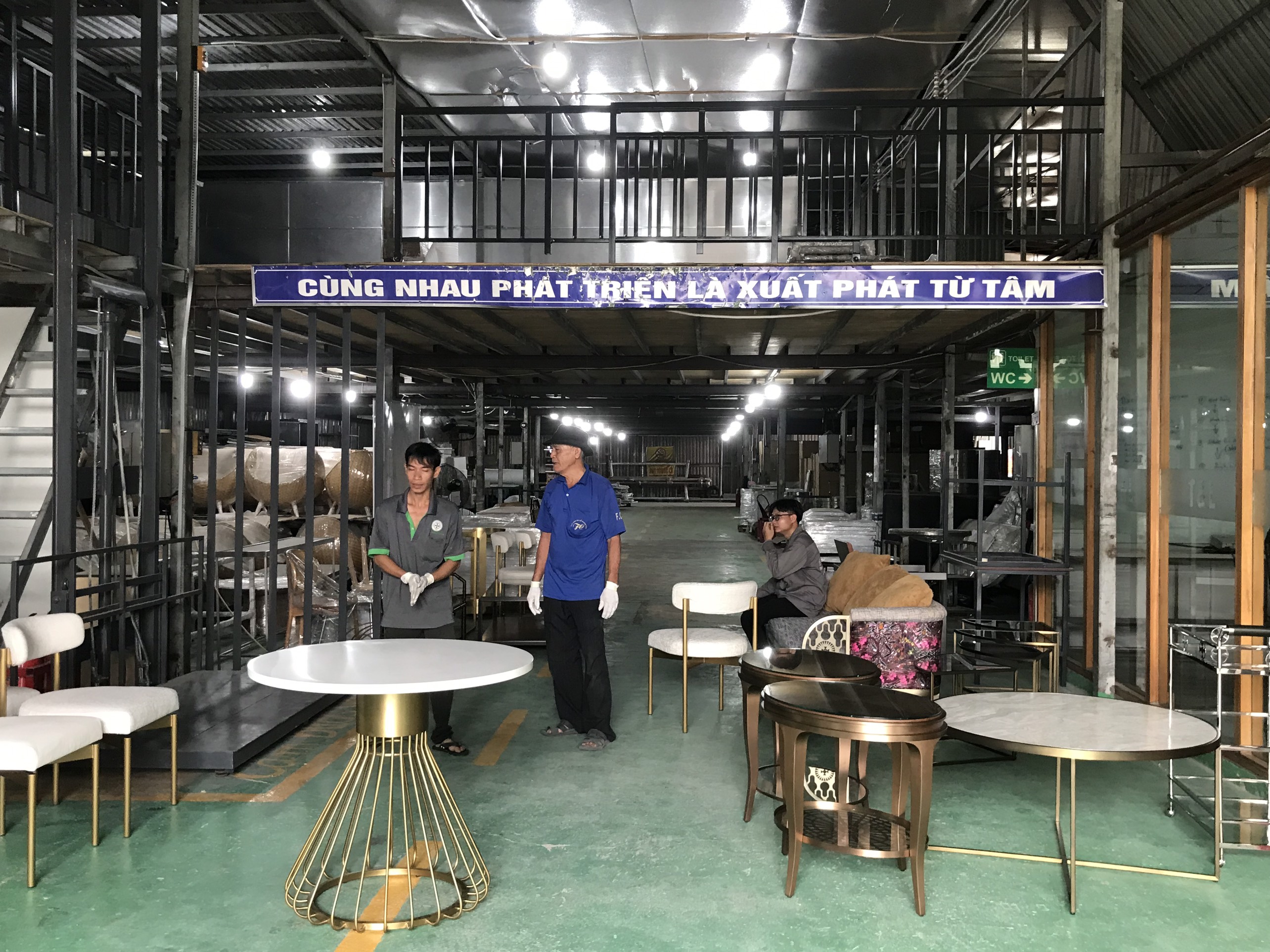
A Compliance Checklist Your Sourcing Partner Should Follow
Here is what we do on every project, and what you should expect from any competent sourcing partner handling steel fabrication from Vietnam:
1. Pre-Production HTS Validation
Before cutting a single piece of steel, confirm the correct HTS code with a licensed customs broker. This determines whether your part is a base article (50%), a derivative article (25%), or potentially exempt (≤15% steel by weight). Do not rely on the factory's classification — they are not customs experts.
2. Steel Origin Documentation
Require your supplier to provide mill certificates and melted-and-poured documentation for all steel used. This protects against transshipment allegations and positions you for potential reduced rates. If the steel was melted and poured in the UK, the Section 232 rate on base articles drops to 25% under the US-UK Economic Prosperity Deal. If the steel is at least 95% US-origin, the rate drops to 10% even when fabricated overseas.
3. Real-Time Tariff Monitoring
US trade policy changes fast. Presidential proclamations, executive orders, and Commerce Department investigations can alter rates with little notice. Your sourcing partner should subscribe to customs and trade law updates and flag any changes that affect your product category. Our Singapore team reviews tariff bulletins weekly for exactly this reason.
4. Landed Cost Transparency
Every quotation should include a detailed landed cost breakdown — not just the FOB price. This means freight, insurance, all applicable duties (Section 232, reciprocal, AD/CVD), brokerage fees, and domestic delivery. Build in both the low and high tariff scenarios so you can budget for the worst case.
5. Supply Chain Diversification Planning
If tariff exposure becomes unmanageable, your sourcing partner should be able to pivot. This might mean shifting to suppliers in countries with lower duty rates, sourcing UK-melted steel, or redesigning parts to reduce steel content below the 15% weight threshold. Having a sourcing partner with operations in multiple countries — as we do in both Vietnam and China — gives you options.
Alternative Sourcing Strategies to Reduce Tariff Exposure
| Strategy | Potential Rate Reduction | Feasibility | Notes |
|---|---|---|---|
| Use UK-melted and poured steel | Base article rate drops from 50% to 25% | Moderate | Requires UK mill certificates; limited steel grades available |
| Use ≥95% US-melted steel | Rate drops to 10% | Low to Moderate | US steel is more expensive; logistics are complex |
| Redesign part to ≤15% steel by weight | Section 232 exempt (0%) | Low for heavy fabrications | Only practical for hybrid assemblies with plastic/aluminum |
| Shift sourcing to FTA partner country | Varies | Depends on product | Few FTA countries offer Vietnam's fabrication cost advantage |
| Reclassify from base to derivative article | Rate drops from 50% to 25% | High | Ensure sufficient fabrication steps are documented |
Why Domestic Industry Protection Creates Opportunity
The entire Section 232 framework exists under the Trade Expansion Act 10 to protect domestic steel production. That is not going to change. But understanding the intent behind the policy helps you work within it. The tariffs reward importers who use US-origin or allied-country steel. They penalize those who try to circumvent duties through transshipment. If your supply chain is clean, documented, and transparent, you are already ahead of most competitors.
Our team in Vietnam conducts supplier audits specifically focused on material traceability. We verify that the steel our partner factories purchase comes from legitimate, documented sources. This level of customs compliance is not just about avoiding penalties — it is about building a defensible, sustainable import program.
Conclusion
Section 232 steel tariffs on sheet metal fabrication from Vietnam are complex but manageable. Classify your parts correctly, document steel origins, model both tariff scenarios, and partner with a sourcing team that prioritizes customs compliance and transparency. For a broader overview of all US import tariffs that apply when sourcing sheet metal fabrication from Vietnam, review your full duty exposure before committing to any supplier.
Frequently Asked Questions
How do Section 232 steel tariffs specifically impact the cost of my sheet metal fabrication imports from Vietnam?
A few months ago, our Vietnam office helped a US purchasing manager re-classify a batch of powder-coated steel mounting brackets — and that single change cut his tariff rate in half. The difference came down to one word: "derivative."
Will I face Section 232 duties if my Vietnamese manufacturer uses steel raw materials sourced from China?
One lesson we learned early in our Vietnam operations is that origin documentation matters more than the factory address on your purchase order. A US buyer once assumed that because his parts were fabricated in Ho Chi Minh City, the "country of origin" was automatically Vietnam. It was — for the fabricated part. But the raw steel inside told a different story.
How can I accurately calculate the total landed cost for my custom sheet metal projects given current US trade policies?
When we quote a custom fabrication project for a US buyer, we always build the tariff estimate into the landed cost model from day one. I have seen too many projects fall apart at the finish line because the buyer only accounted for the FOB price and freight, then discovered a 25% to 71% tariff layer they had not budgeted for.
Footnotes
1. Explains the process of transforming flat metal sheets into products. ↩︎
2. Found a real, working, and authoritative replacement URL from a customs law firm explaining valuation methods. ↩︎
3. Official information on Section 232 tariffs on steel and aluminum from the Department of Commerce. ↩︎
4. Official source for the Harmonized Tariff Schedule of the United States. ↩︎
5. Explains the legal concept of substantial transformation in customs rules. ↩︎
6. Official website of the U.S. government department overseeing trade and commerce. ↩︎
7. Explains what antidumping duties are and their purpose in trade law. ↩︎
8. Defines countervailing duties imposed to offset foreign government subsidies. ↩︎
9. Official website of the independent federal agency focused on trade issues. ↩︎
10. Found a real, working, and authoritative replacement URL from GovInfo providing the official public law text of the Trade Expansion Act of 1962. (Note: While PDFs are generally avoided, this is the official legal text from a government source, making it highly authoritative for this specific historical document.) ↩︎