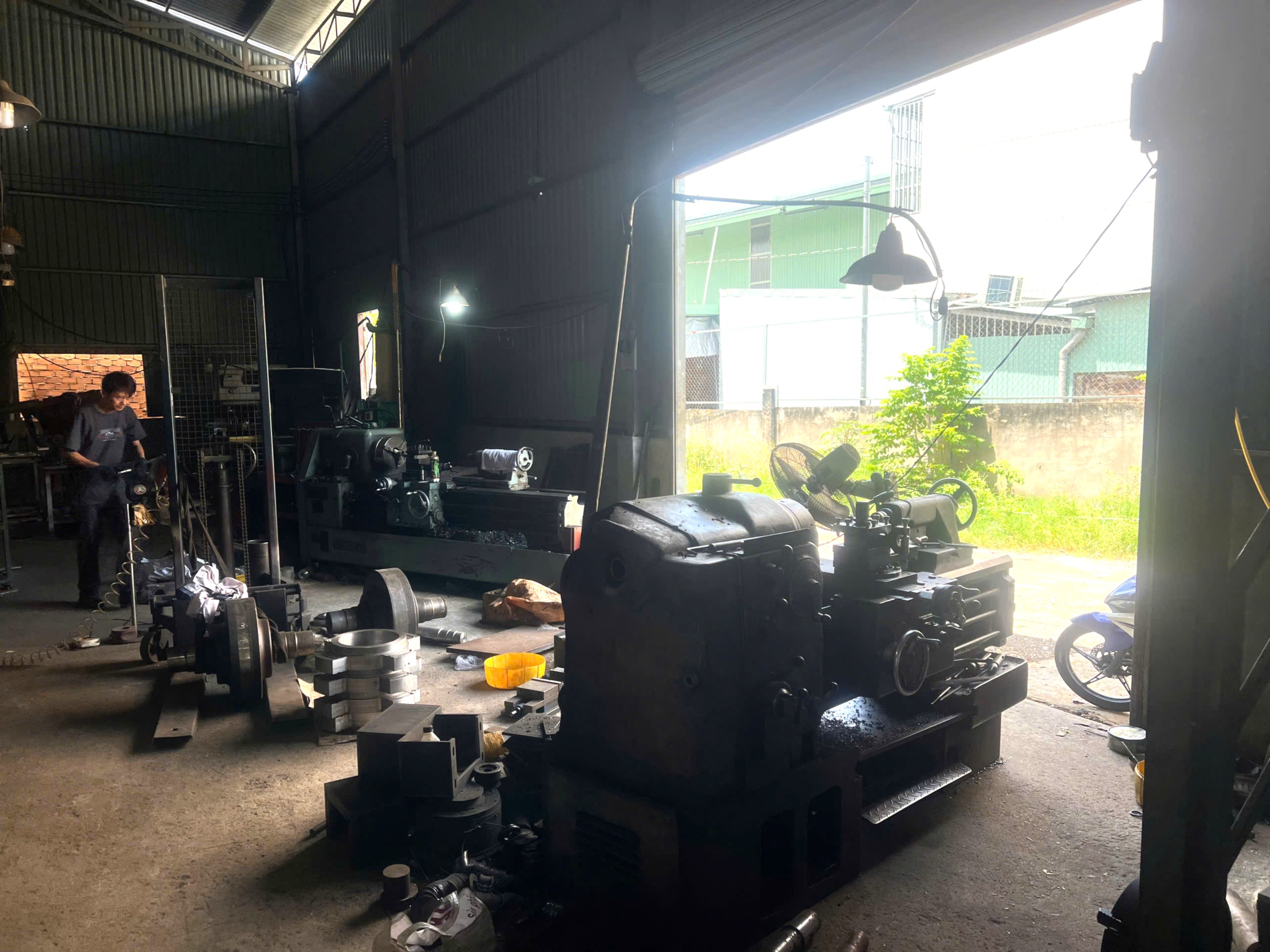

Last quarter, a purchasing manager in California asked our Vietnam office team whether his state’s Proposition 65 rules 1 applied directly to our sheet metal fabrication facility in Ho Chi Minh City — it’s a question we hear surprisingly often.
No US state regulations apply directly to sheet metal fabrication performed in Vietnam. State laws govern activities within that state’s borders only. However, once imported parts enter a US state, they must meet that state’s product safety, labeling, environmental, and tax requirements to be sold or used there.
This distinction matters more than most importers realize. Below, I break down exactly what you need to know — from California’s Proposition 65 to state-level product liability — so you can source with confidence and avoid costly surprises at customs clearance or on the shop floor.
How do I ensure my Vietnam-made sheet metal parts comply with California's Proposition 65 and other state safety laws?
A client in Los Angeles once held an entire container of custom mounting brackets at the port because he wasn't sure whether our Vietnamese supplier needed a Prop 65 warning label — the delay cost him two weeks and a frustrated end customer.
California's Proposition 65 does not regulate your Vietnamese supplier's factory. It regulates products sold or distributed within California. You, as the importer, are responsible for ensuring finished parts meet Prop 65 chemical-content limits and carry required warnings before sale in the state.
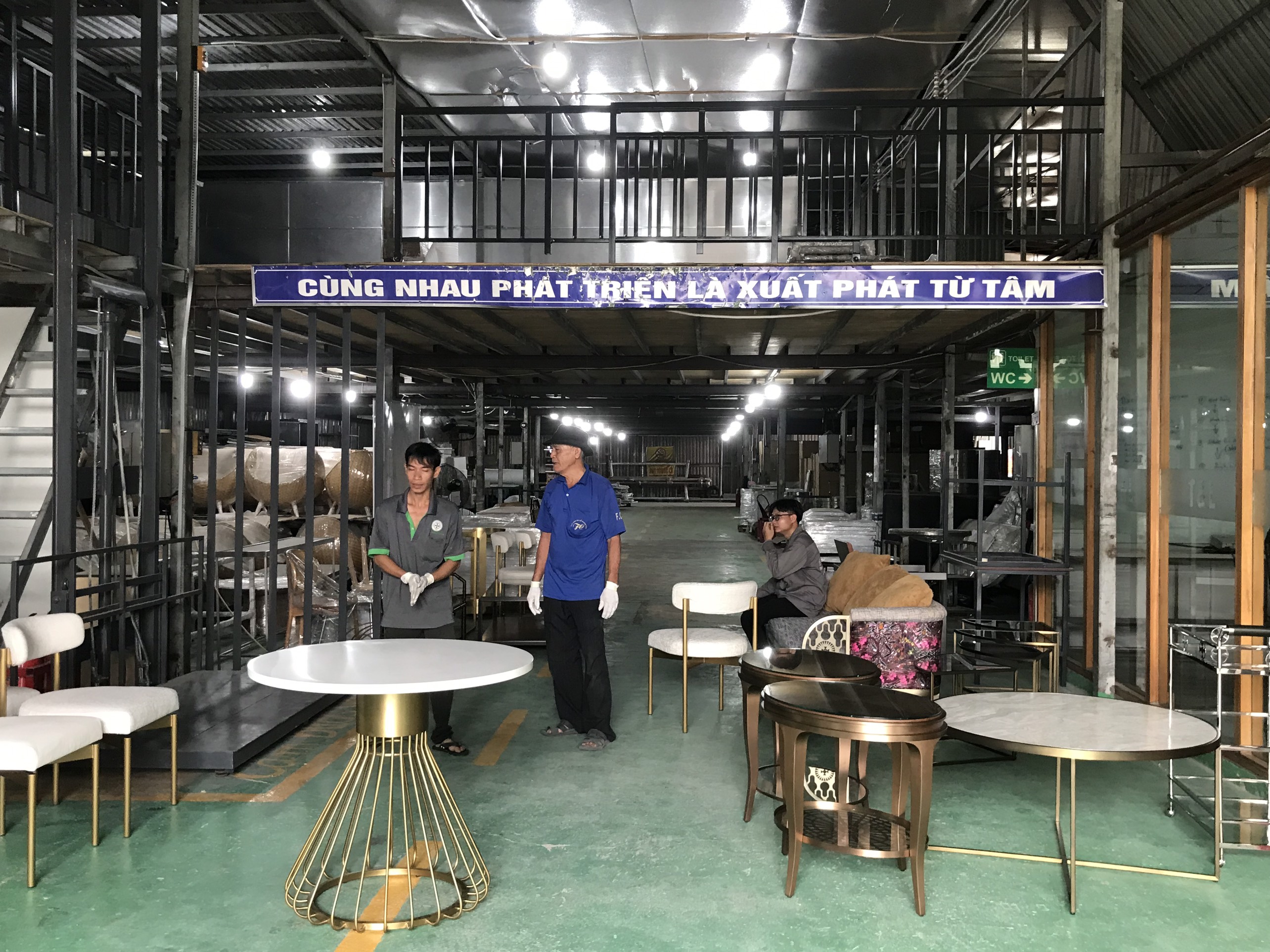
Where the Responsibility Actually Falls
Proposition 65 requires businesses to warn California consumers about significant exposures to chemicals that cause cancer or reproductive harm. The law targets the party introducing the product into California commerce — that's you, the importer, not the overseas fabricator.
When our team in Vietnam coordinates production for US-bound sheet metal parts, we work with the buyer to identify which chemicals might be present. Common culprits in sheet metal fabrication 2 include hexavalent chromium from certain plating processes, lead in solder or coatings, and cadmium in some legacy finishes. The key is to request material test reports and Certificates of Compliance from your supplier before the goods ship.
Chemicals Commonly Flagged in Sheet Metal Products
| Chemical | Common Source in Sheet Metal | Prop 65 Listed? | Typical Threshold |
|---|---|---|---|
| Hexavalent Chromium 3 (Cr VI) | Chrome plating, welding fumes | Yes | 0.001 mg/day (cancer) |
| Lead (Pb) | Solder, certain paints | Yes | 0.5 µg/day (cancer) |
| Cadmium (Cd) | Plating, pigments | Yes | 0.05 µg/day (cancer) |
| Nickel (Ni) | Stainless steel alloys, plating | Yes | No safe harbor level set for many forms |
Other State Safety Laws to Consider
Beyond California, several states enforce their own product safety rules. New York has strict general product safety statutes. Massachusetts regulates toxic substances in consumer products. Washington State's Children's Safe Products Act 4 applies if your parts end up in children's products. None of these laws reach into a Vietnamese factory. They all apply at the point of sale or use within the state.
The practical takeaway: request third-party lab testing before shipment. Specify restricted substance limits in your purchase order. Our approach is to include these requirements in the PPAP documentation package so nothing falls through the cracks. This way, your import duties and customs clearance proceed smoothly, and you avoid state-level enforcement actions after the goods arrive.
What state-specific environmental regulations should I consider when sourcing metal fabrication from Vietnam?
One trade-off we weigh constantly when managing supply chains across Asia is how environmental rules in the destination state affect material and finish choices — a powder-coated bracket destined for Washington faces different scrutiny than the same part heading to Texas.
State environmental regulations such as VOC limits, hazardous waste rules, and RoHS-style substance bans apply to products used or sold within a state — not to the foreign factory. However, your material and coating choices in Vietnam must anticipate these state-level requirements to avoid non-compliance upon arrival.
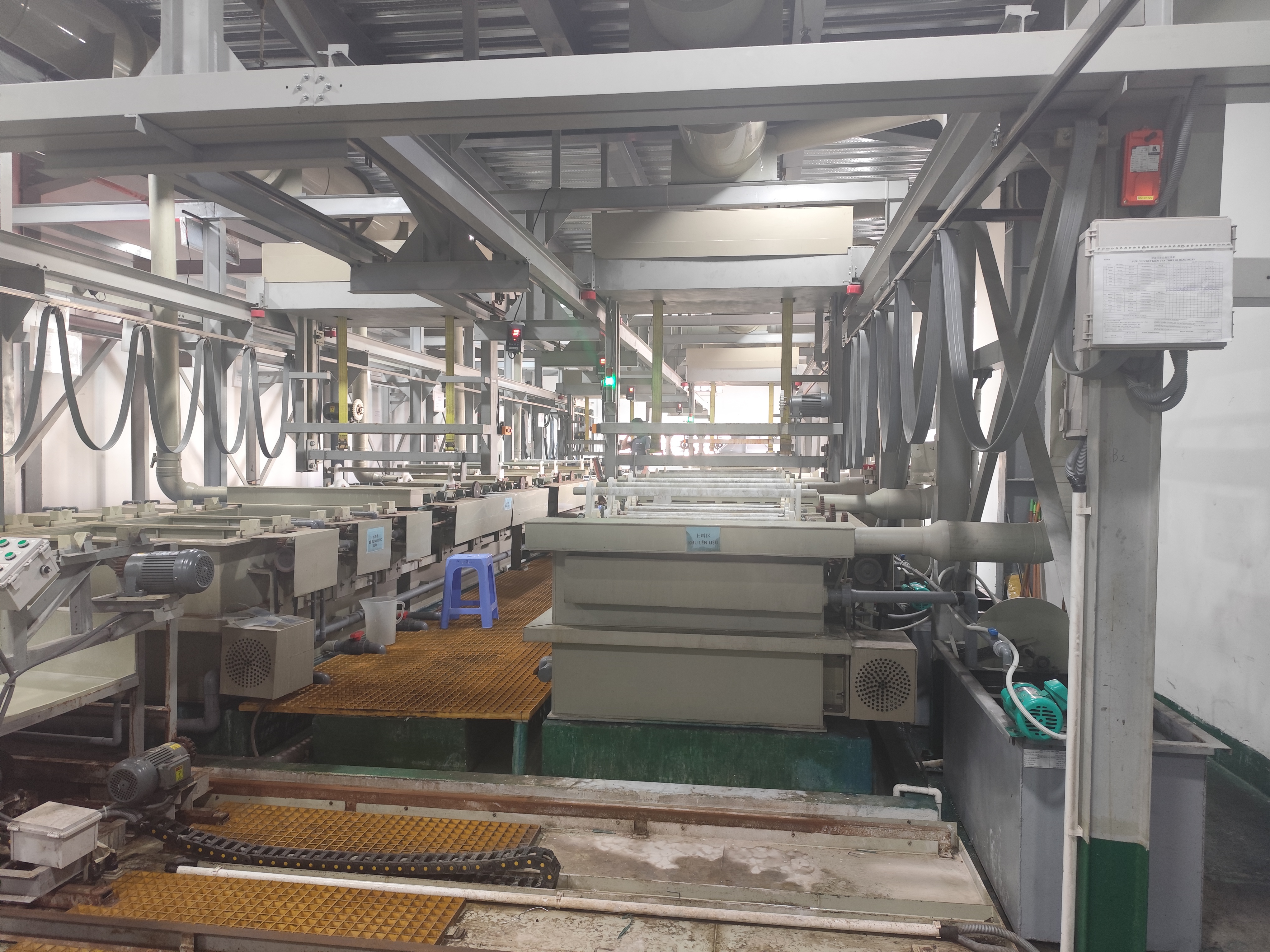
Understanding Jurisdictional Boundaries
US state environmental agencies — California's DTSC, New York's DEC, Washington's Ecology Department — regulate facilities, emissions, and products within their borders. They have zero authority over a sheet metal shop in Hanoi or Ho Chi Minh City. Vietnamese fabricators operate under Vietnam's own environmental regulations, which have grown stricter in recent years with tighter rules on industrial waste management and factory emissions.
But here's the catch: if your finished parts contain restricted substances or use coatings that exceed a state's VOC limits 5, you face enforcement once those parts enter the state. This is why supply chain compliance starts at the design and quoting stage, not at the port.
State Environmental Rules That Affect Imported Metal Parts
| Regulation / Standard | States That Enforce It | Impact on Imported Sheet Metal |
|---|---|---|
| VOC content limits on coatings | California (SCAQMD), several Northeast states | Coatings applied in Vietnam must meet destination-state VOC limits |
| RoHS-equivalent substance bans | California, Illinois, others | Restricts lead, mercury, cadmium, Cr VI in electronics-related metal parts |
| TSCA Section 6 (federal, enforced at state level) | All states | Certain chemicals in metal treatments may be restricted |
| Extended Producer Responsibility (EPR) | California, Oregon, Maine, others | May apply if your metal parts are part of a covered product category |
| Hazardous waste classification | Varies by state | Scrap and waste from your US-side operations using these parts |
Vietnam's Own Environmental Landscape
Vietnam's government has tightened environmental enforcement significantly. Factories face stricter rules on wastewater discharge, air emissions, and solid waste disposal. For importers, this is actually an advantage — suppliers operating under robust Vietnamese environmental rules tend to use cleaner processes and more modern equipment. When our Vietnam office audits a potential supplier, environmental compliance is one of the first items on the checklist. A factory that cuts corners on emissions at home is likely cutting corners on process control too.
Practical Steps for Importers
First, identify your destination state's environmental requirements for your specific product category. Second, specify restricted substances and coating standards in your purchase order and technical drawings. Third, request material safety data sheets (MSDS) and coating test reports from your supplier. Fourth, include these requirements in your quality control documentation — our team builds them into the final inspection protocol so nothing ships without verification.
Will my Vietnam supplier's quality documentation satisfy the technical standards required by my state's industrial codes?
During a recent project involving heavy-duty mounting brackets for an industrial client in Ohio, the buyer's engineer asked whether our Vietnamese partner's ISO 9001 certificate would satisfy the state's mechanical code requirements — a fair question with a nuanced answer.
Most US state industrial codes reference national standards like ASTM, AWS, or ASME rather than supplier certifications. Your Vietnam supplier's ISO 9001:2015 or AWS welding certifications demonstrate process capability, but you must ensure the finished parts meet the specific technical standards your state code calls out.
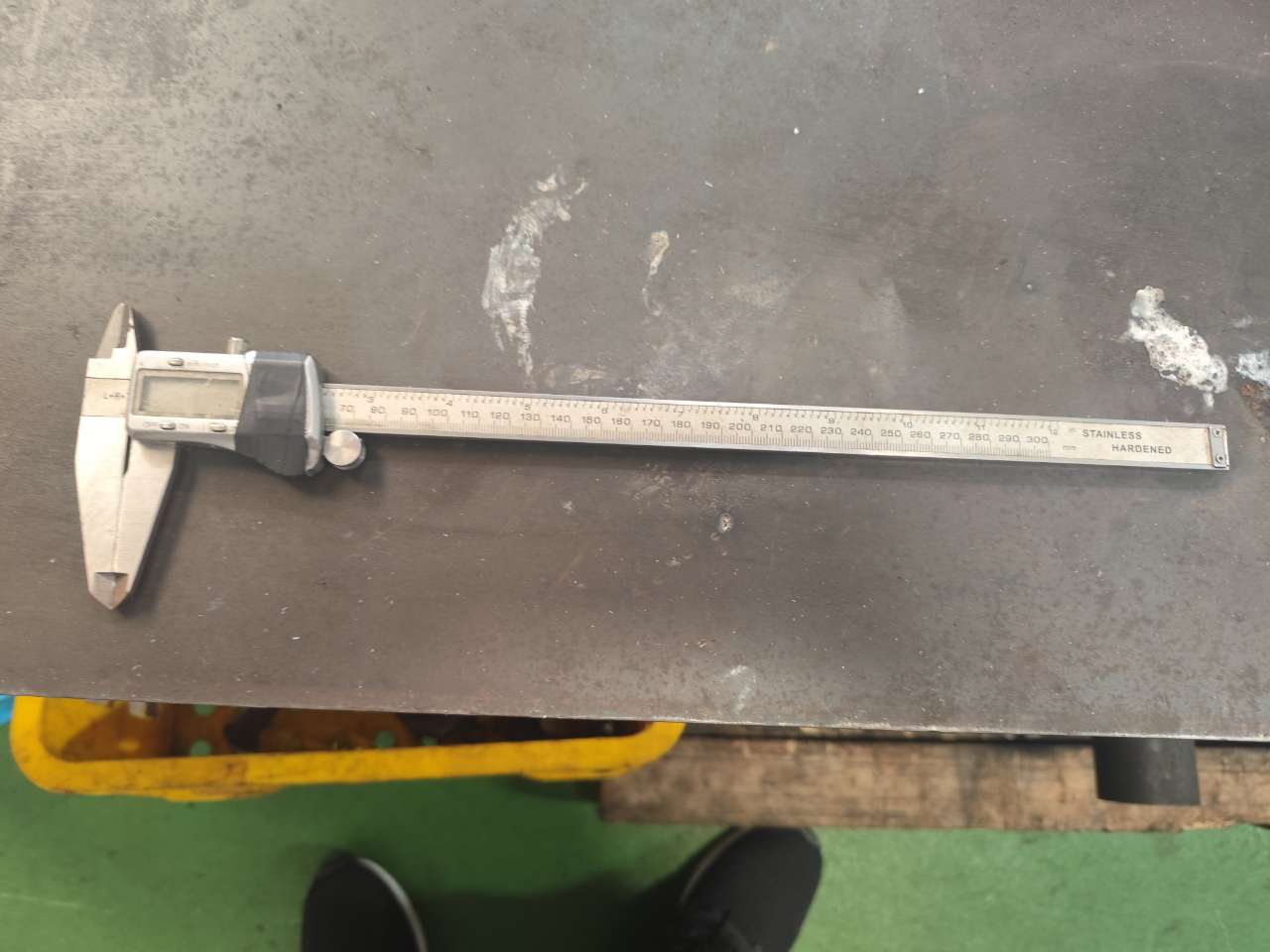
How State Industrial Codes Actually Work
State building codes, mechanical codes, and industrial standards typically adopt national or international standards by reference. For example, a state may require that structural steel connections meet AWS D1.1 welding standards 6 or that sheet metal ductwork complies with SMACNA guidelines. The state doesn't care where the fabrication happened — it cares that the finished product meets the referenced standard.
This is an important distinction. Your Vietnamese supplier's quality documentation supports your compliance effort, but it doesn't automatically guarantee it. The documentation must demonstrate traceability, material certification, dimensional accuracy, and process control for the specific standard your state code references.
Common Standards Referenced by US State Codes
| Standard | Issuing Body | Typical Application in Sheet Metal |
|---|---|---|
| AWS D1.1 | American Welding Society | Structural steel welding |
| AWS D1.3 | American Welding Society | Sheet steel welding |
| ASTM A36 | ASTM International | Carbon structural steel |
| ASTM A240 | ASTM International | Stainless steel plate, sheet, strip |
| ASME B31.1 / B31.3 | ASME | Pressure piping components |
| SMACNA | Sheet Metal and Air Conditioning Contractors' National Association | HVAC ductwork fabrication |
| IBC / IMC | International Code Council | Building and mechanical codes adopted by states |
What Your Supplier Should Provide
A competent Vietnamese fabricator should be able to produce the following documentation package:
- Material Test Reports (MTRs): Traceable to the steel mill, showing chemical composition and mechanical properties.
- Welding Procedure Specifications (WPS): Documented and qualified per AWS standards.
- Welder Qualification Records (WQR): Proof that individual welders are certified for the processes used.
- Dimensional Inspection Reports: First article inspection and in-process checks against your drawings.
- Certificates of Conformance (CoC): Stating the parts meet your specified standards.
When we manage a project through our Vietnam office, the PPAP package typically includes all of the above. We've found that many Vietnamese fabricators who serve the US and European markets already maintain ISO 9001:2015 7 certification and hold AWS welding qualifications. The quality control rigor exists — the key is specifying exactly what documentation you need in your RFQ and purchase order.
A Word on Prevailing Wage Misconceptions
Some buyers ask whether state prevailing wage laws — like New Mexico's 2025 expansion to cover off-site fabrication — apply to their Vietnamese supplier. They don't. These laws target domestic contractors and fabricators working on public works projects within the state. A fabricator in Vietnam is not a subcontractor under any US state's prevailing wage statute. The country of origin is Vietnam, and the work is performed entirely outside US jurisdiction.
How do I manage state-level product liability and reporting requirements for custom parts imported from Vietnam?
A lesson we learned early in our export operations was that getting parts through customs clearance is only half the battle — what happens after the parts are installed and in service is where state-level product liability really bites.
As the US importer of record, you carry product liability exposure under the laws of the state where the product is sold or used. You must maintain thorough documentation — including export documentation, inspection records, and material traceability — to defend against claims and meet state reporting obligations.
The Importer's Liability Position
Under US product liability law, any party in the distribution chain — manufacturer, importer, distributor, retailer — can be held liable for a defective product. When the manufacturer is a foreign entity in Vietnam, the practical burden shifts heavily to the US importer. Most state courts will look to the first US entity in the chain as the responsible party.
This doesn't mean sourcing from Vietnam is inherently riskier. It means your documentation and quality control processes need to be airtight. When we manage the supply chain for a US buyer, we treat the inspection and documentation package as a legal defense file, not just a quality formality.
Key State-Level Obligations for Importers
Different states impose different requirements. Here's what you should be tracking:
Sales and Use Tax: Every state with a sales tax requires you to collect or remit it on goods you import for resale or use. This is triggered by the act of importing, and rates vary significantly by state and municipality. Factor this into your landed cost calculation alongside import duties, Harmonized Tariff Schedule classifications, and any applicable Section 232 tariffs on steel and aluminum.
Product Registration and Reporting: Some states require registration of certain product categories. If your sheet metal parts go into electrical enclosures, medical devices, or consumer products, additional state and federal agency requirements — FCC, CPSC — may apply.
Record Retention: Most states require you to maintain product records for a minimum period, often aligning with the state's statute of limitations for product liability claims (typically 2–6 years, but longer in some states for personal injury).
Navigating Anti-Dumping and Transshipment Risks
While anti-dumping duties and countervailing duties are federal matters, they have state-level ripple effects. If your Vietnamese supplier sources raw steel from China and performs only minimal processing, US Customs and Border Protection may classify the product as Chinese-origin, triggering anti-dumping duties. The concept of "substantial transformation 8" determines country of origin. For sheet metal fabrication, the cutting, bending, welding, and finishing operations performed in Vietnam typically constitute substantial transformation — but only if they are genuine and well-documented.
Illegal transshipment — routing Chinese goods through Vietnam to avoid tariffs — carries severe federal penalties and can expose you to state-level fraud claims. Our quality control audits in Vietnam always verify raw material sourcing and process documentation to manage Vietnam transshipment risks and protect our clients.
Why Vietnam Remains a Strong Sourcing Choice
Despite these compliance layers, Vietnam's advantages are compelling. Average monthly manufacturing wages of approximately $280 compared to $4,000 in the US make it cost-competitive. The 2020 Investment Law offers up to four years of corporate income tax exemption and 50% reduction for nine subsequent years for qualifying projects, which keeps supplier pricing attractive. Vietnam's membership in the ASEAN Free Trade Area provides preferential trade agreements with neighboring economies, stabilizing raw material costs. And the country's strategic location on major shipping routes keeps logistics efficient.
Vietnamese fabricators increasingly hold ISO 9001:2015 certification and AWS welding qualifications. Many comply with US, EU, and AS/NZS standards simultaneously. The challenge is not whether capable suppliers exist — it's finding and vetting them properly.
Incoterms and Risk Transfer
Your choice of Incoterms directly affects when liability transfers from your supplier to you. Under FOB (Free on Board), risk passes when goods cross the ship's rail at the Vietnamese port. Under DDP (Delivered Duty Paid), your supplier bears risk all the way to your US facility. Most of our clients prefer FOB or CIF terms, which balance cost control with clear risk boundaries. Whichever term you choose, make sure your insurance coverage aligns with the handoff point.
Conclusion
US state regulations do not govern your Vietnamese supplier's factory — but they absolutely govern what happens once those parts cross into a US state. Smart importers manage this gap with rigorous documentation, proper quality control, and a clear understanding of where federal rules end and state obligations begin. Source wisely, document thoroughly, and your Vietnam supply chain becomes a genuine competitive advantage.
Frequently Asked Questions
How do I ensure my Vietnam-made sheet metal parts comply with California's Proposition 65 and other state safety laws?
A client in Los Angeles once held an entire container of custom mounting brackets at the port because he wasn't sure whether our Vietnamese supplier needed a Prop 65 warning label — the delay cost him two weeks and a frustrated end customer.
What state-specific environmental regulations should I consider when sourcing metal fabrication from Vietnam?
One trade-off we weigh constantly when managing supply chains across Asia is how environmental rules in the destination state affect material and finish choices — a powder-coated bracket destined for Washington faces different scrutiny than the same part heading to Texas.
Will my Vietnam supplier's quality documentation satisfy the technical standards required by my state's industrial codes?
During a recent project involving heavy-duty mounting brackets for an industrial client in Ohio, the buyer's engineer asked whether our Vietnamese partner's ISO 9001 certificate would satisfy the state's mechanical code requirements — a fair question with a nuanced answer.
Footnotes
1. Official source for California’s Safe Drinking Water and Toxic Enforcement Act of 1986. ↩︎
2. Replaced HTTP 404 with the Wikipedia page for ‘Metal fabrication’, which encompasses sheet metal fabrication. ↩︎
3. Official OSHA information on health effects and workplace exposure to hexavalent chromium. ↩︎
4. Official information on Washington State’s law regulating chemicals in children’s products. ↩︎
5. Official EPA standards for volatile organic compound emission limits in consumer products. ↩︎
6. Official page for the Structural Welding Code – Steel, a key industry standard. ↩︎
7. Official page for the internationally recognized standard for quality management systems. ↩︎
8. Official CBP guidance on determining country of origin through substantial transformation. ↩︎
9. Official CBP information identifying the Importer of Record number for customs compliance. ↩︎