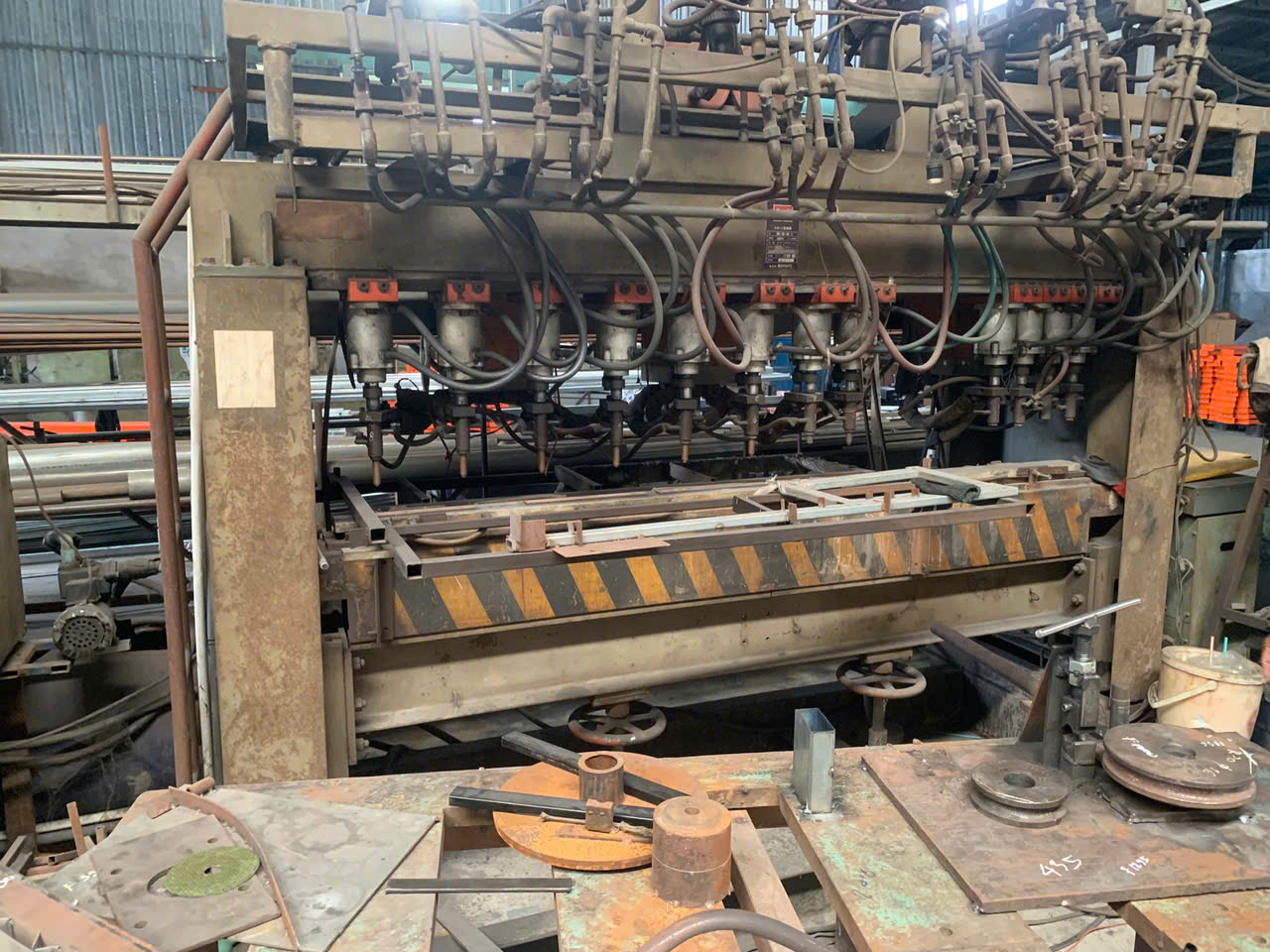

Vietnamese labor regulations are reshaping how our Vietnam-based team evaluates and manages sheet metal fabrication 1 suppliers for U.S. clients every single quarter.
Vietnamese labor regulations affecting sheet metal fabrication suppliers’ stability include strict overtime caps of 200 hours per year, mandatory annual occupational health and safety assessments for metal production, a critical shortage of approximately 60,000 skilled workers, rising regional minimum wage requirements, and complex disciplinary procedures under the Vietnam Labor Code 2019 that increase operational costs and limit production flexibility.
Each of these regulatory factors has a direct impact on pricing, lead times, and quality consistency collective bargaining agreements 2. Below, we break down the specific laws and rules that matter most when you source custom sheet metal parts from Vietnam.
How do Vietnam's minimum wage increases impact my sheet metal supplier's pricing stability?
One pattern our Singapore office tracks closely is the annual cycle of regional minimum wage 3 adjustments in Vietnam—every time a new rate takes effect, we see a ripple through our supplier quotes within weeks.
Vietnam's regional minimum wage increases, which occur annually across four distinct zones, directly raise base labor costs by 5–7% each cycle. Combined with mandatory social insurance compliance contributions adding 21.5% overhead to gross wages and a compulsory 2% trade union fee, these increases erode supplier margins and force periodic price adjustments on custom sheet metal parts.
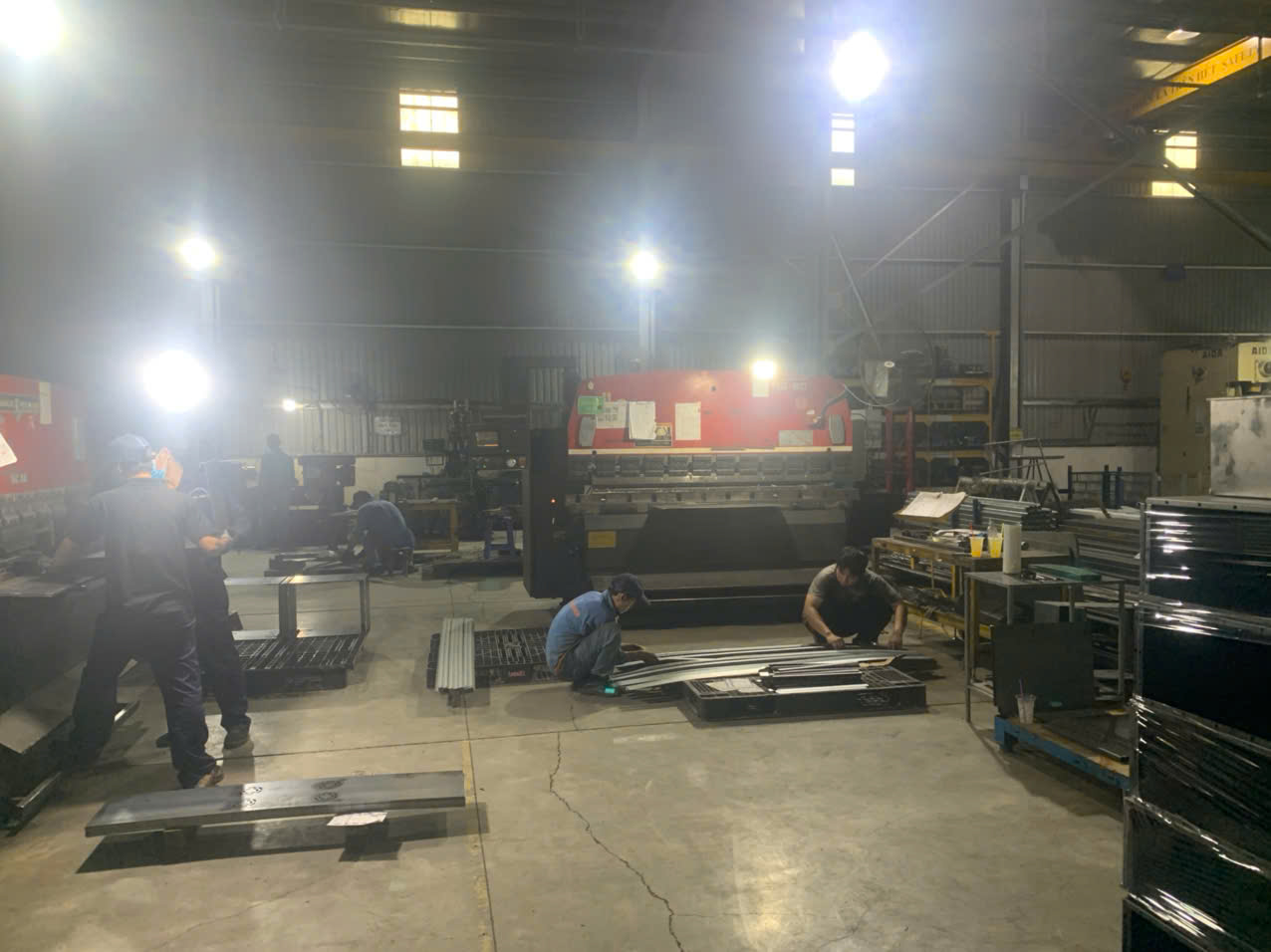
Understanding Vietnam's Four-Zone Wage Structure
Vietnam divides its territory into four wage zones trade secret protection 4. Zone 1 covers major urban centers like Hanoi and Ho Chi Minh City. Zone 4 covers rural areas. Each zone has a different minimum wage floor. Suppliers located in different zones face different base costs.
Here is a simplified view of how the zones compare:
| Wage Zone | Typical Areas | Relative Wage Level | Common Supplier Types |
|---|---|---|---|
| Zone 1 | Hanoi, HCMC, Binh Duong | Highest | Large-scale fabricators, export-focused |
| Zone 2 | Da Nang, Hai Phong, Dong Nai | High | Mid-tier fabricators, mixed domestic/export |
| Zone 3 | Provincial capitals, secondary cities | Moderate | Smaller shops, specialized welding |
| Zone 4 | Rural districts | Lowest | Basic stamping, low-complexity parts |
Most sheet metal fabrication suppliers serving export markets sit in Zone 1 or Zone 2. This means they already face the highest minimum wage floor in the country.
The Hidden Payroll Multiplier
The headline wage number is misleading. On top of every worker's gross salary, Vietnamese employers must contribute to social insurance 5, health insurance, and unemployment insurance. These mandatory contributions total approximately 21.5% of gross wages. Additionally, a 2% trade union fee applies to the entire payroll—even if no grassroots union is active at the facility.
For workers in hazardous roles—and sheet metal work involving cutting, welding, and grinding often qualifies—the wage scale must be at least 5% higher than standard positions. Skilled or trained employees must earn at least 7% above the regional minimum wage.
When we conduct supplier audits in Vietnam, we look at the total loaded labor cost, not just the base wage. A supplier quoting $280 per month per worker is actually spending closer to $370–$400 when all mandatory contributions and premiums are included.
What This Means for Your Pricing
Every annual wage adjustment creates a cost-base volatility event. If your supplier absorbs the increase, their margins shrink and quality investment may suffer. If they pass it through, your unit costs rise. In our experience coordinating between U.S. buyers and Vietnamese fabricators, the most stable suppliers build wage escalation clauses into their long-term contracts. This transparency prevents sudden price shocks and protects both sides.
Can labor law changes in Vietnam cause sudden production delays for my custom parts orders?
A few months ago, our Vietnam office flagged a situation where a key supplier nearly missed a delivery window—not because of material shortages, but because a workplace safety inspection triggered a two-day production pause at their facility.
Yes, labor law changes in Vietnam can cause sudden production delays. Mandatory annual occupational health and safety risk assessments for metal product manufacturers, strict labor contract termination procedures requiring a five-step dismissal process, and the elimination of seasonal contracts under the Vietnam Labor Code 2019 all create compliance events that can halt or slow production without warning.
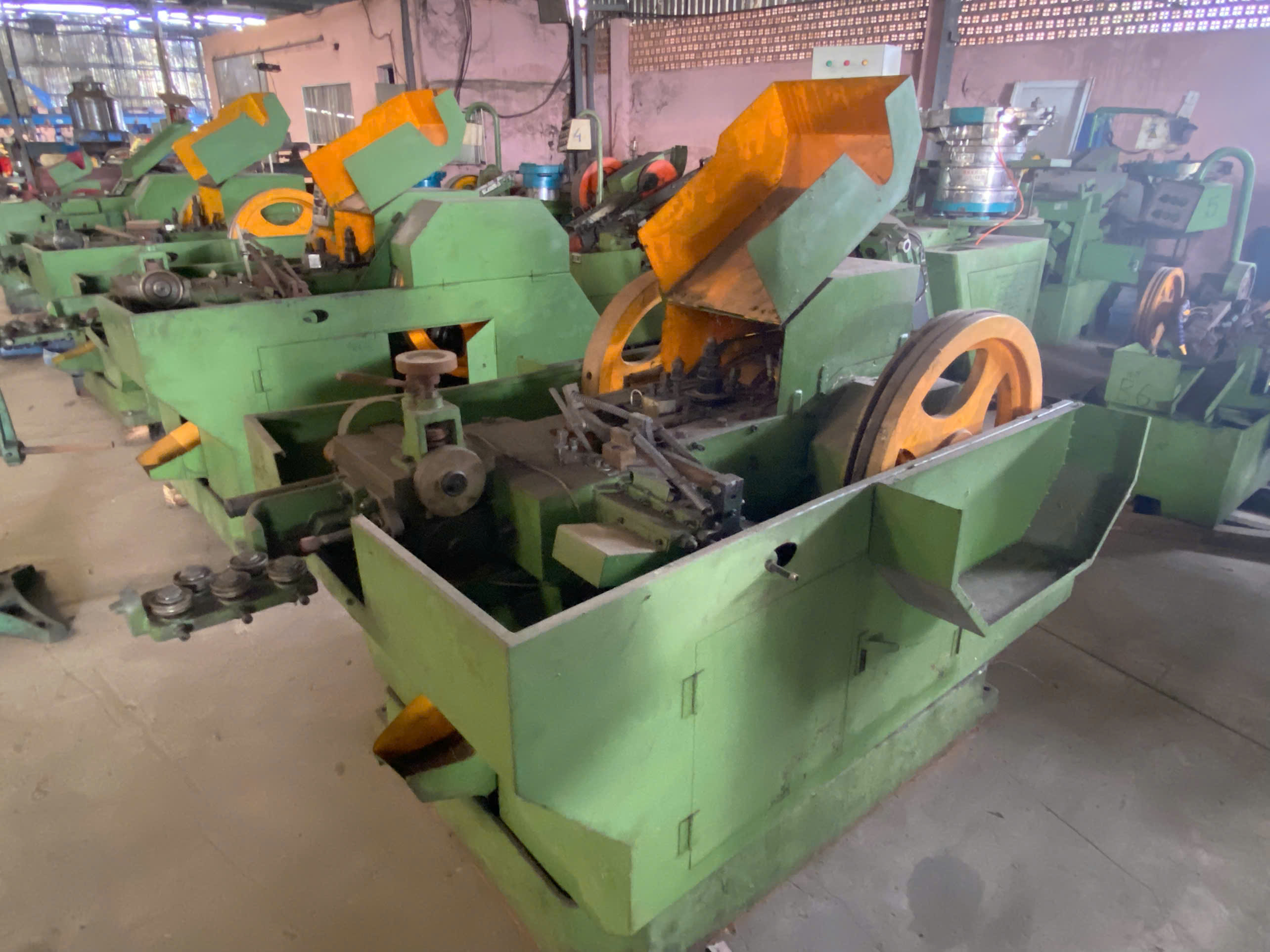
Mandatory Safety Assessments for Metal Production
Vietnamese law requires employers in the "production of metal and metal products" sector to conduct an occupational safety and health risk assessment once every year. This is not optional. The assessment covers machinery safety rules, first-aid infrastructure, certified first-aid teams, and employee training records.
If a supplier fails this assessment or is found non-compliant during a surprise workplace safety inspection, production can be stopped immediately. For international buyers who enforce strict compliance—companies like Kingfisher and IKEA audit their suppliers regularly—a failed assessment can mean contract termination.
The Rigid Contract Structure Problem
Before the Vietnam Labor Code 2019 6 took effect, suppliers could use seasonal or short-term labor contracts to flex their workforce up and down. That flexibility is now gone. The elimination of seasonal contracts forces suppliers into more rigid, long-term employment structures.
This matters for custom parts orders because sheet metal fabrication demand is inherently lumpy. A supplier might need 30 extra workers for two months to fulfill a large stamping run, then have excess staff for the next quarter. Under current rules, managing this workforce imbalance is harder and more expensive.
The Five-Step Dismissal Risk
When a supplier needs to let underperforming workers go, Vietnamese law demands a rigorous process:
| Step | Requirement | Risk If Skipped |
|---|---|---|
| 1 | Detection and documentation of the violation | No legal basis for action |
| 2 | Written hearing notice to the employee | Dismissal ruled automatically unlawful |
| 3 | Formal hearing with employee present | Dismissal ruled automatically unlawful |
| 4 | Written minutes of the hearing | Evidence gap in any dispute |
| 5 | Final written decision issued | Dismissal ruled automatically unlawful |
Any employer with 10 or more employees must maintain a registered Internal Labor Rules document. Without it, no disciplinary action is legally valid. This applies to even small fabrication shops.
When suppliers get bogged down in labor disputes, their attention and resources shift away from production. We have seen cases where a single wrongful termination claim consumed weeks of management time at a small Vietnamese fabricator—time that should have gone to running the production floor.
Emerging Climate-Related Disruptions
A newer trend worth watching: provincial "Heat Stress 7" guidelines are evolving into mandatory production pauses for non-air-conditioned metal shops during extreme temperature spikes. Sheet metal fabrication environments—especially near press brakes, welding stations, and laser cutters—generate significant ambient heat. During Vietnam's hottest months, these guidelines can reduce effective production hours by 10–15% at facilities without climate control.
What union and worker rights regulations should I understand before sourcing from Vietnamese fabricators?
During a recent supplier qualification visit near Hai Phong, our team discovered that the fabricator had been paying a 2% trade union fee for years—even though no grassroots union existed at the facility. This surprised the U.S. buyer we were working with.
Before sourcing from Vietnamese fabricators, understand that a compulsory 2% trade union fee applies to all payroll regardless of union presence, the 2019 Labor Code permits independent employee organizations beyond the Vietnam General Confederation of Labour, collective bargaining agreements can override individual contract terms, and non-compete clauses are largely unenforceable in Vietnamese labor courts, making technical trade secret protection a significant challenge.
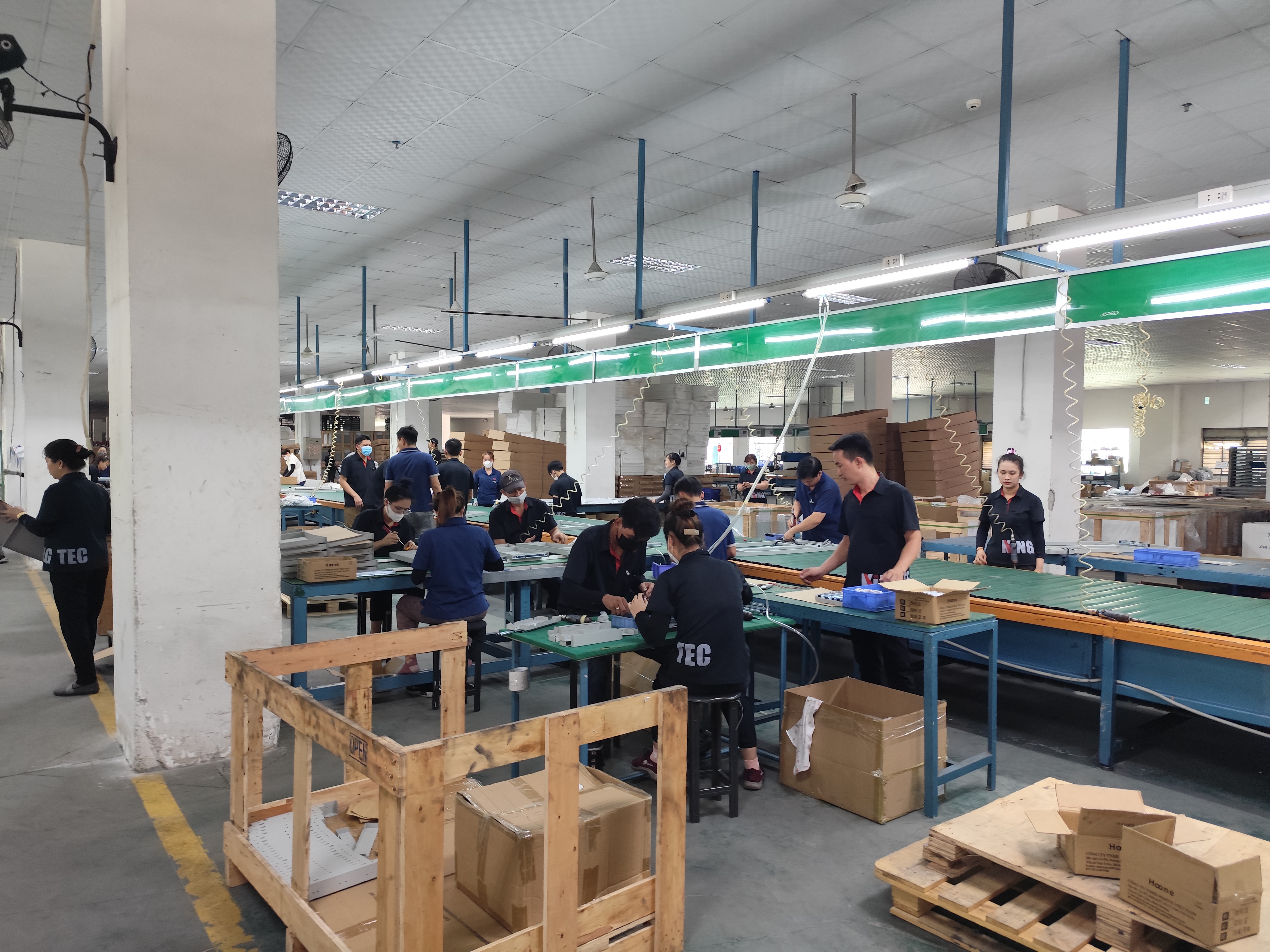
The Trade Union Fee You Cannot Avoid
Every employer in Vietnam must pay a 2% fee calculated on their total payroll to the trade union system. This fee exists whether or not workers at the facility have organized a grassroots union. It is a fixed cost baked into every supplier's overhead.
For sheet metal fabrication shops with 50–200 workers, this fee adds up quickly. Combined with social insurance compliance obligations, it represents a meaningful chunk of non-production labor cost.
Independent Unions: The Legal Limbo
The Vietnam Labor Code 2019 introduced a significant change: workers can now form independent employee organizations outside the traditional Vietnam General Confederation of Labour 9 (VGCL). In theory, this gives workers more bargaining power. In practice, the registration decrees needed to make this work have not been fully issued.
This creates a "legal limbo" for suppliers. If a dispute arises with a non-VGCL worker group, there is no formal mediation framework in place. For buyers sourcing from Vietnam, this uncertainty is a stability risk. A supplier might face a work action with no clear legal path to resolution.
Collective Bargaining and Its Impact
Where a collective bargaining agreement exists at a fabrication facility, its terms can override individual labor contracts. This means wage scales, overtime arrangements, and working conditions negotiated collectively become binding. Buyers should ask their suppliers whether a collective bargaining agreement is in place and review its key terms.
The Non-Compete Problem
One issue that catches many U.S. buyers off guard: Vietnamese labor courts frequently rule against post-employment non-compete restrictions. If your supplier's best CNC laser operator or senior welder leaves for a competitor, there is little legal recourse.
| Worker Rights Issue | What the Law Says | Practical Impact on Suppliers |
|---|---|---|
| Trade union establishment fee | 2% of total payroll, mandatory | Fixed overhead cost, no opt-out |
| Independent unions | Permitted under 2019 Code | Registration framework incomplete; dispute resolution unclear |
| Collective bargaining agreement | Can override individual contracts | Wage and overtime terms may be locked in |
| Non-compete clauses | Frequently ruled unenforceable | Suppliers use "loyalty bonds" to retain skilled workers |
| Foreign worker permits | Required for non-Vietnamese workers | Limits ability to bring in external technical specialists |
Many Vietnamese fabricators address the non-compete gap by offering financial "loyalty bonds"—essentially retention bonuses that must be repaid if the worker leaves before a set period. This is an imperfect solution but it is common practice.
Sub-Contractor Labor Liability
A newer enforcement trend holds lead fabrication suppliers vicariously liable for the social insurance and wage defaults of their smaller sub-contractors. If your primary supplier farms out secondary operations—say, surface finishing or hardware welding—to a smaller shop, and that shop fails to pay its workers properly, your primary supplier can face penalties.
We flag this risk during every supplier audit we conduct in Vietnam. It is one reason we always verify whether a supplier uses sub-contractors and, if so, whether those sub-contractors are compliant with labor and insurance obligations. Learning how to audit social responsibility when sourcing Vietnam sheet metal fabrication is essential for catching these issues early.
How do Vietnam's overtime and working hour laws affect my supplier's ability to meet deadlines?
The most common deadline-related complaint we hear from U.S. buyers is not about material delays—it is about capacity. Their Vietnamese supplier simply could not produce enough parts fast enough. Often, the root cause traces back to Vietnam's strict maximum overtime hours regulations.
Vietnam's overtime laws cap extra hours at 40 per month and 200 per year for most manufacturing sectors, including sheet metal fabrication. Unlike textiles and electronics, metal fabrication is not explicitly granted the 300-hour annual exception. This strict ceiling limits production surge capacity, forcing suppliers to hire additional permanent staff—raising fixed costs—or risk non-compliance penalties that threaten operational stability.
The 200-Hour Overtime Trap
Vietnamese law sets clear boundaries on working hours. Regular hours cannot exceed 8 hours per day and 48 hours per week. Overtime is capped at 50% of regular daily hours, with an absolute daily maximum of 12 total hours (regular plus overtime).
The annual overtime cap is where the real constraint lives. Most sectors, including sheet metal fabrication, are limited to 200 hours of overtime per year. Certain industries—textiles, garments, leather, footwear, electronics, agriculture, and seafood processing—qualify for a 300-hour annual exception.
Sheet metal fabrication is not explicitly listed among the sectors receiving the 300-hour exception. This distinction is critical.
A Concrete Capacity Comparison
To understand how this plays out in practice, consider a fabrication shop with 50 production workers:
| Scenario | Annual OT Hours per Worker | Total Extra Capacity (hours) | Equivalent Extra Full-Time Workers |
|---|---|---|---|
| 200-hour cap (sheet metal) | 200 | 10,000 | ~5 FTEs |
| 300-hour cap (textiles/electronics) | 300 | 15,000 | ~7.5 FTEs |
| Difference | 100 | 5,000 | ~2.5 FTEs |
That 5,000-hour gap is roughly equivalent to 2.5 full-time employees over a year. For a shop running complex stamping, bending, and welding operations, that difference can mean the gap between meeting a deadline and missing it.
How Suppliers Respond
Suppliers locked into the 200-hour cap have limited options when demand spikes:
- Hire more permanent staff. This raises fixed costs and reduces margin flexibility. If demand drops next quarter, the supplier carries excess labor.
- Use sub-contractors. This introduces quality control risks and—as noted above—potential sub-contractor labor liability.
- Negotiate longer lead times. This shifts the burden to the buyer, who may face their own downstream commitments.
- Risk non-compliance. Some suppliers quietly exceed the overtime cap. This creates serious legal exposure, including fines, work stoppages, and loss of international buyer contracts during audits.
The Skilled Labor Multiplier
The overtime constraint is compounded by Vietnam's critical shortage of skilled labor. The industry faces an estimated 60,000 unfilled positions for skilled welders, laser operators, and CNC machinists. Even if a supplier wants to hire more workers instead of relying on overtime, finding qualified candidates is extremely difficult.
Average manufacturing wages in Vietnam sit around $280 per month—dramatically lower than the roughly $4,000 per month in the United States. But the competition for skilled workers drives effective wages well above the minimum for anyone who can operate advanced machinery. A supplier investing $500,000 in a new laser cutting system may struggle to find operators who can run it properly.
This creates a paradox: technology adoption is necessary to stay competitive, but the labor pool lacks the specialized training to match. Labor regulations requiring safety training and foreign worker permits for non-Vietnamese technical specialists add another layer of friction.
What We Recommend to Buyers
When we manage supply chain relationships for our U.S. clients supply chain management 10, we build overtime constraints directly into the production planning timeline. We do not assume a supplier can surge output by 30% in a given month. Instead, we plan for realistic capacity based on the 200-hour annual overtime cap and the supplier's actual headcount of qualified workers.
This proactive approach prevents the last-minute scramble that leads to quality shortcuts, missed shipments, and strained relationships. It also helps us identify early whether a supplier needs to add shifts or staff—decisions that take weeks, not days, to implement in Vietnam's current labor market. Beyond labor planning, we also recommend that buyers evaluate the financial health of Vietnamese sheet metal fabrication suppliers to ensure these rising labor costs aren't eroding their long-term viability.
Conclusion
Vietnamese labor regulations create real, measurable impacts on sheet metal fabrication suppliers' stability—from overtime caps limiting surge capacity to safety mandates triggering production pauses. Understanding these rules helps you plan better, choose compliant suppliers, and protect your delivery timelines. For buyers navigating the broader compliance landscape, understanding how to evaluate environmental and social compliance for Vietnam sheet metal fabrication provides additional protection against regulatory risks.
Frequently Asked Questions
How do Vietnam's minimum wage increases impact my sheet metal supplier's pricing stability?
One pattern our Singapore office tracks closely is the annual cycle of regional minimum wage 3 adjustments in Vietnam—every time a new rate takes effect, we see a ripple through our supplier quotes within weeks.
Can labor law changes in Vietnam cause sudden production delays for my custom parts orders?
A few months ago, our Vietnam office flagged a situation where a key supplier nearly missed a delivery window—not because of material shortages, but because a workplace safety inspection triggered a two-day production pause at their facility.
What union and worker rights regulations should I understand before sourcing from Vietnamese fabricators?
During a recent supplier qualification visit near Hai Phong, our team discovered that the fabricator had been paying a 2% trade union fee for years—even though no grassroots union existed at the facility. This surprised the U.S. buyer we were working with.
Footnotes
1. Wikipedia background on sheet metal explains the core manufacturing process discussed throughout. ↩︎
2. ILO resource on collective bargaining supports discussion of agreements overriding individual contracts. ↩︎
3. ILO minimum wage resource supports the discussion of Vietnam’s regional wage zone system. ↩︎
4. WTO TRIPS resource relates to intellectual property and trade secret enforcement challenges mentioned. ↩︎
5. ILO reference explains social insurance systems referenced in mandatory employer contributions. ↩︎
6. Provides background on the core legislation governing labor conditions discussed throughout the article. ↩︎
7. CDC/NIOSH resource on heat stress supports the emerging climate-related workplace disruption discussion. ↩︎
8. WHO fact sheet on occupational health supports the article’s safety assessment requirements discussion. ↩︎
9. Background on the official union body referenced regarding independent employee organizations. ↩︎
10. Background concept link for coordinating supplier relationships and compliance risks discussed. ↩︎