Certifications for stamping parts exported to Europe confuse many buyers I work with. One missing document can freeze a shipment at customs, and our sourcing team has seen it happen.
Stamping parts exported to Europe may require CE marking under applicable EU directives, RoHS and REACH compliance documentation, EN 10204 material certificates, and a Declaration of Conformity. Automotive parts typically also need IATF 16949 certified suppliers. Requirements depend on the part’s end use, not the stamping process itself.
There is no single universal certificate for stamped metal parts. The rules depend on what the part becomes. Let me walk you through each layer, based on how we handle this daily.
How do I know if my stamping supplier meets CE marking requirements for Europe?
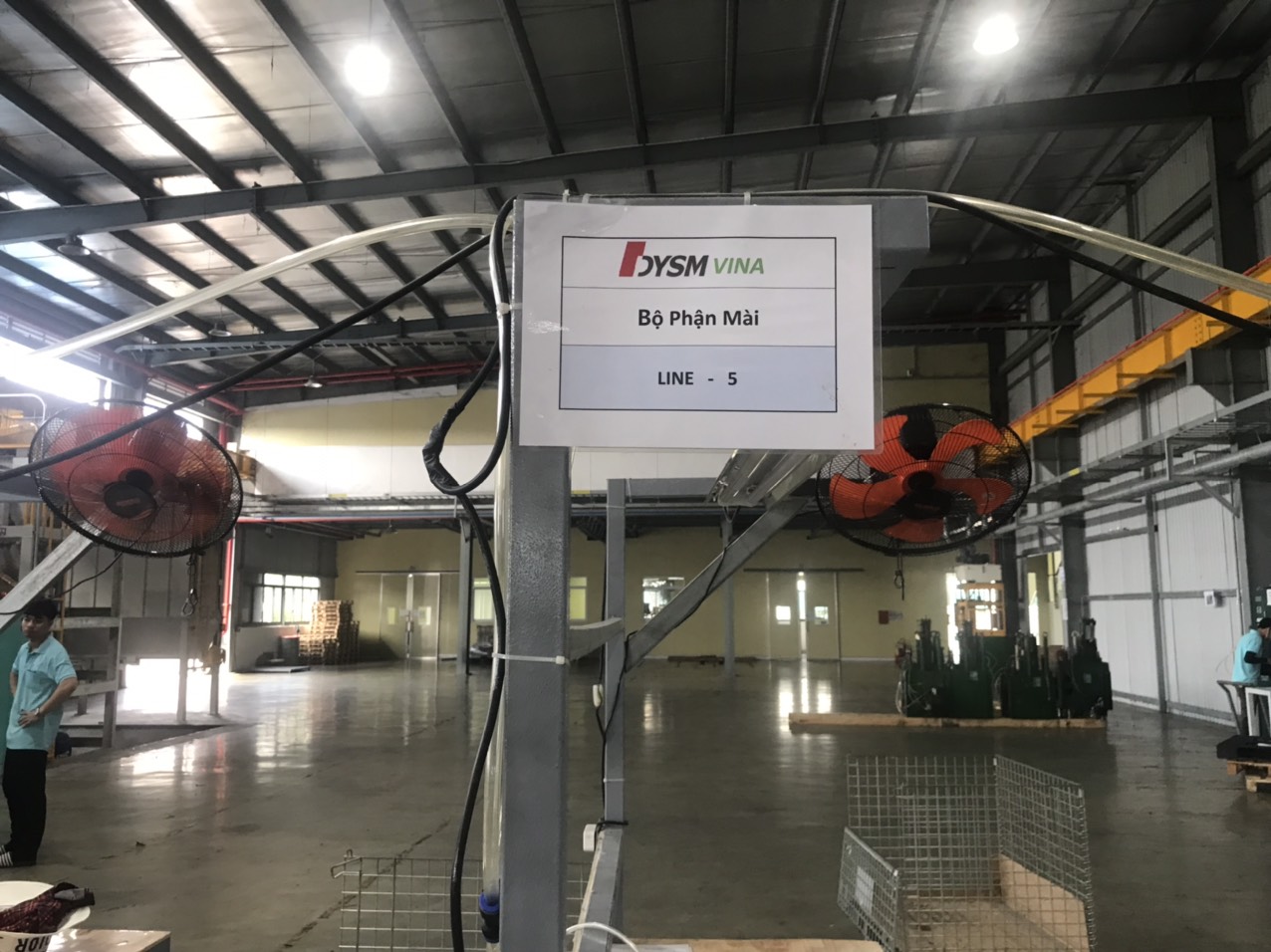
A few years back, our team in Vietnam audited a stamping plant that proudly displayed a "CE certificate" on the wall. It covered a product they no longer made. That visit taught me to always dig deeper.
A supplier meets CE marking requirements when they can show a valid EU Declaration of Conformity, a complete technical file, test reports against harmonized EN standards, and Notified Body certificates where the product category legally requires one. Ask for these documents, not just a CE logo.

First, understand one thing. CE marking 1 applies to products covered by specific EU legislation. It does not apply to every stamped bracket or clip. So the real question is: what does your part go into?
A simple stamped mounting bracket sold as a general industrial component often needs no CE marking at all. But the same bracket sold as part of a machine, a construction product, or an electrical enclosure can fall under EU law. When we scope a new custom parts project for a European end market, we map the legislation first, before we quote.
The decision path we use
Here is the practical decision tree our project engineers follow:
| If the stamped part is… | Likely EU rule to check | CE marking likely? |
|---|---|---|
| Structural steel or aluminum for construction | EN 1090 under the Construction Products Regulation | Yes, often with Factory Production Control |
| A component in machinery | Machinery Directive 2006/42/EC | Yes, at the machine or assembly level |
| An electrical or electronic enclosure part | LVD, EMC, RoHS 2 | Possibly, at product level |
| A pressure-bearing component | Pressure Equipment Directive | Yes, sometimes with a Notified Body |
| A general fastener, clip, or bracket | No harmonized product law | Usually no CE required |
What to actually ask your supplier
Do not accept a logo or a framed certificate. Request the EU Declaration of Conformity naming the exact product. Ask which harmonized EN standards were applied. Ask to see the technical file index. If the product category is higher risk, ask for the Notified Body number and verify it in the EU's NANDO database. A genuine supplier answers these questions within days. A weak one goes quiet. In our experience, that silence tells you everything.
What documentation should I request to verify RoHS and REACH compliance for my custom parts?
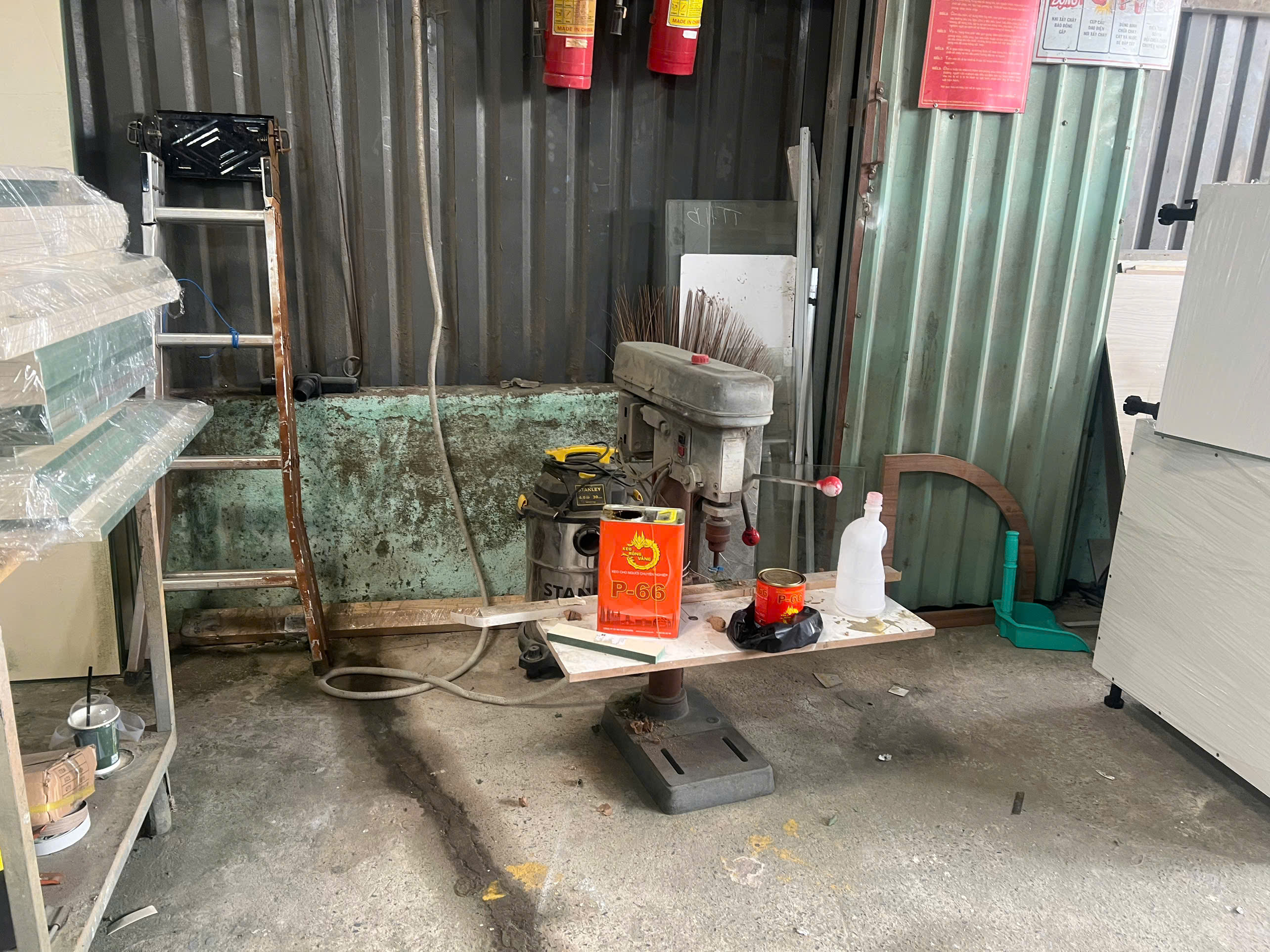
Zinc plating nearly derailed one of our shipments once. The base steel was clean, but the surface treatment chemistry had never been checked against REACH 3. Since then, we screen coatings on every European-bound project.
Request a signed RoHS Declaration of Compliance listing the applicable directive, third-party test reports covering the ten restricted substances, a REACH SVHC declaration against the current Candidate List, and material composition data for coatings and platings. Update these documents whenever the SVHC list changes.
RoHS and REACH sound similar, but they work differently. RoHS restricts specific hazardous substances in electrical and electronic equipment. REACH regulates chemicals across almost all products sold in the EU. A stamped part can be outside RoHS scope yet still fall under REACH obligations. Buyers often mix these up, and suppliers exploit that confusion with vague one-line letters.
For bare steel or aluminum stampings, the base metal is rarely the problem. The risk hides in surface treatments. Zinc plating, chromate conversion coatings, passivation chemistries, lubricants, and even packaging materials can contain restricted substances. Hexavalent chromium 4 is the classic trap. Older yellow chromate finishes often contain it, and it is restricted under both regimes.
The document checklist we enforce
| Document | What it proves | Red flags to watch |
|---|---|---|
| RoHS Declaration of Compliance | Part meets substance limits for EEE use | No directive number, no product reference, undated |
| Third-party RoHS test report | Lab-verified substance levels | Report older than two years, wrong part number |
| REACH SVHC declaration | Substances of Very High Concern status | References an outdated Candidate List version |
| Coating material data sheet | Plating and finish chemistry | Supplier cannot name the plating subcontractor |
| Full material declaration | Complete composition breakdown | Refusal to disclose, citing secrecy |
Why dates matter
The REACH Candidate List updates roughly twice a year. A declaration from three years ago may be worthless today. When we run final inspection for clients, our process control team checks declaration dates against the current list. We also trace the plating subcontractor, because many stamping houses outsource surface treatment and never verify the chemistry themselves. That gap is where most compliance failures start.
Do I need ISO 9001 or IATF 16949 certification when sourcing stamped parts for European automotive clients?
A purchasing manager once asked me whether his ISO 9001 5 certified stamping supplier could serve his German automotive customer. My answer disappointed him, but it saved him a rejected PPAP six months later.
For European automotive clients, IATF 16949 certification is effectively mandatory because OEMs and Tier 1 suppliers require it throughout their supply chains. ISO 9001 alone is acceptable only for non-automotive industrial parts. Neither certification is a legal customs requirement, but both are commercial prerequisites.

Let me separate two things that buyers often blur together. Legal compliance gets your parts through customs. Commercial qualification gets your parts accepted by the customer. ISO 9001 and IATF 16949 6 belong to the second category. No customs officer will ask for either. But your European automotive client absolutely will.
ISO 9001 is a general quality management standard. It proves the supplier has documented processes, corrective action systems, and management review. European industrial buyers treat it as a baseline. In our supplier audits across Vietnam and other Asian countries, we rarely shortlist a stamping plant without it.
IATF 16949 goes much further. It builds on ISO 9001 and adds automotive-specific requirements: advanced product quality planning, production part approval process 7, measurement system analysis, and defect prevention culture. European car makers and their Tier 1 suppliers cascade this requirement down the chain. If your stamped bracket ends up in a vehicle, expect the demand.
How the two standards compare
| Aspect | ISO 9001 | IATF 16949 |
|---|---|---|
| Scope | All industries | Automotive supply chain |
| PPAP requirement | Not included | Core requirement |
| European buyer expectation | Baseline for industrial parts | Mandatory for automotive parts |
| Audit depth | Process-focused | Process, product, and customer-specific |
| Typical cost to supplier | Moderate | Significantly higher |
A practical middle path
Not every Asian stamping supplier holds IATF 16949, and certified plants charge more. When volumes are small, some Tier 2 clients accept an ISO 9001 supplier running IATF-style controls, including full PPAP submission and controlled process documentation. We have managed several projects this way, handling the PPAP package and process control ourselves. But confirm this in writing with your European client first. Never assume flexibility in the automotive world.
How can I confirm my Asian supplier's certifications are valid before shipping to European customers?
Fake and expired certificates are more common than most buyers want to believe. During one factory audit near Ho Chi Minh City, we found an IATF certificate that had lapsed fourteen months earlier. The supplier had simply kept using the old PDF.
Verify certifications through the issuing body's online database, check IATF certificates on the official IATF database, confirm Notified Body numbers in the EU NANDO system, and validate the certification body's accreditation. Then confirm the certificate scope matches your actual part and production site.

Verification is not complicated, but it requires discipline. Most fraud is lazy. Suppliers reuse expired certificates, borrow certificates from sister companies, or present certificates whose scope covers a different process entirely. A certificate for machining does not validate stamping. A certificate for Plant A does not cover Plant B across town.
The five-step verification process we run
- Check the certificate body's legitimacy. Look up the issuing certification body. Confirm it is accredited by a recognized body such as a member of the International Accreditation Forum. Unaccredited "certificate mills" sell paper with no audits behind it.
- Verify in the official database. ISO certificates can often be checked through the certification body's own online lookup. IATF 16949 certificates are verifiable in the IATF's database. Notified Body numbers on CE documentation must appear in the EU NANDO database.
- Match the scope line by line. Read the certificate scope statement. It must name the correct legal entity, the correct physical address, and the relevant process, such as metal stamping and forming. Scope mismatches are the most common problem we find.
- Confirm validity dates and surveillance audits. Certificates require annual surveillance audits. Ask for the latest surveillance audit report, not just the certificate. A supplier who passed an audit last quarter can prove it easily.
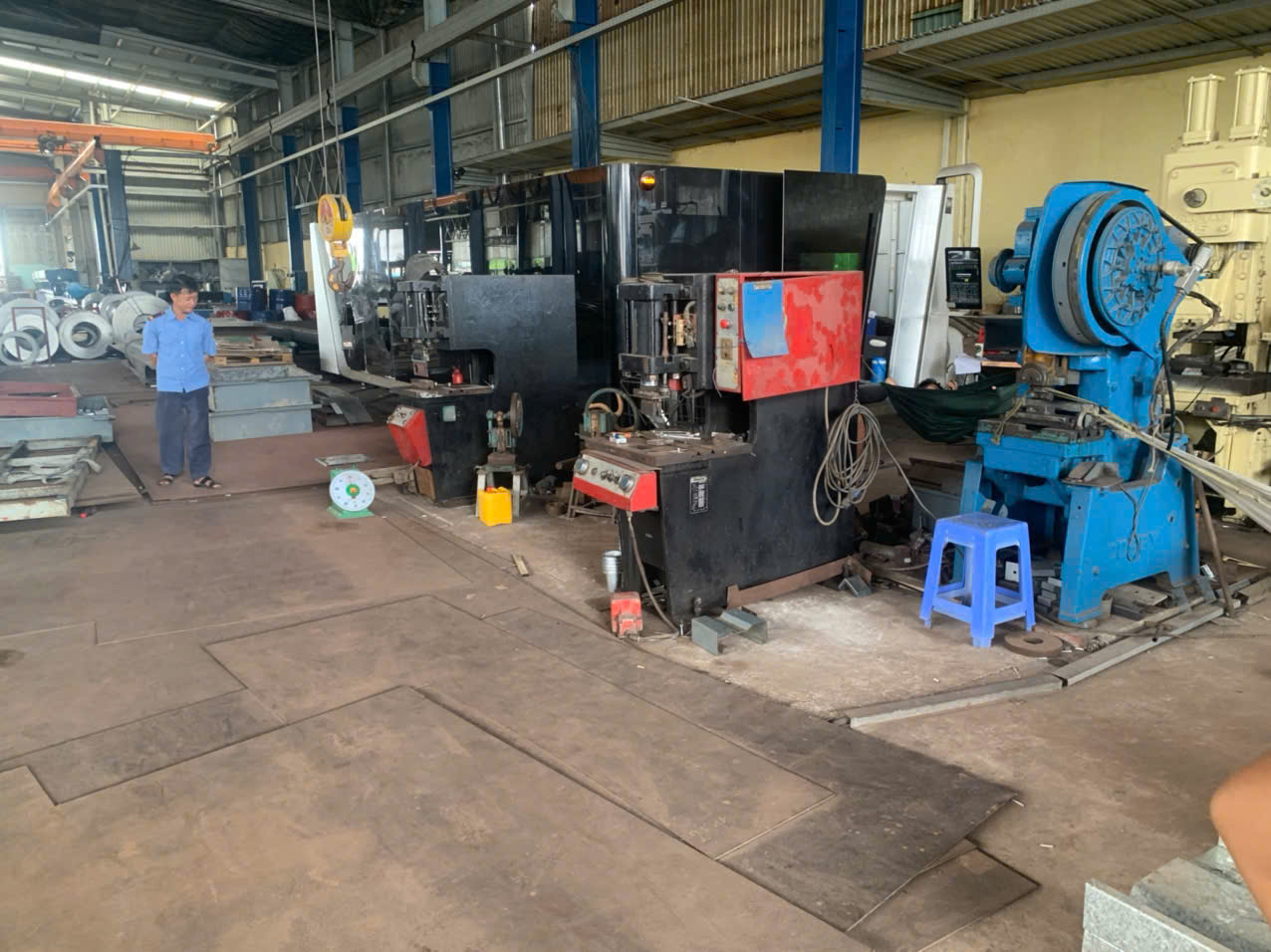
- Audit on the ground. Documents can be verified remotely, but capability cannot. Our local teams visit the plant, watch the presses run, review calibration records, and check whether the documented system matches reality on the shop floor.
Remote verification catches perhaps eighty percent of problems. The physical audit catches the rest. For European-bound shipments, where market surveillance authorities can demand technical documentation years after delivery, skipping either step is a gamble I would not take. Build verification into your sourcing timeline before you commit tooling money, not after.
Conclusion
Stamping parts exported to Europe need no single certificate, but skipping the right ones risks blocked shipments and lost clients. Map the legislation, collect the documents, verify everything, then ship with confidence.
Frequently Asked Questions
How do I know if my stamping supplier meets CE marking requirements for Europe?
A few years back, our team in Vietnam audited a stamping plant that proudly displayed a "CE certificate" on the wall. It covered a product they no longer made. That visit taught me to always dig deeper.
What documentation should I request to verify RoHS and REACH compliance for my custom parts?
Zinc plating nearly derailed one of our shipments once. The base steel was clean, but the surface treatment chemistry had never been checked against REACH 3 . Since then, we screen coatings on every European-bound project.
Do I need ISO 9001 or IATF 16949 certification when sourcing stamped parts for European automotive clients?
A purchasing manager once asked me whether his ISO 9001 5 certified stamping supplier could serve his German automotive customer. My answer disappointed him, but it saved him a rejected PPAP six months later.
Footnotes
1. Official EU page explaining CE marking legislation and scope for manufacturers. ↩︎
2. European Commission’s official RoHS directive page defines restricted substances scope. ↩︎
3. ECHA’s official REACH overview clarifies chemical regulation scope for exporters. ↩︎
4. Background on this restricted substance commonly found in chromate coatings. ↩︎
5. ISO’s official standard page describes quality management system requirements. ↩︎
6. Official IATF oversight site verifies automotive quality certification requirements. ↩︎
7. Wikipedia explains PPAP, a core automotive quality requirement referenced in the article. ↩︎