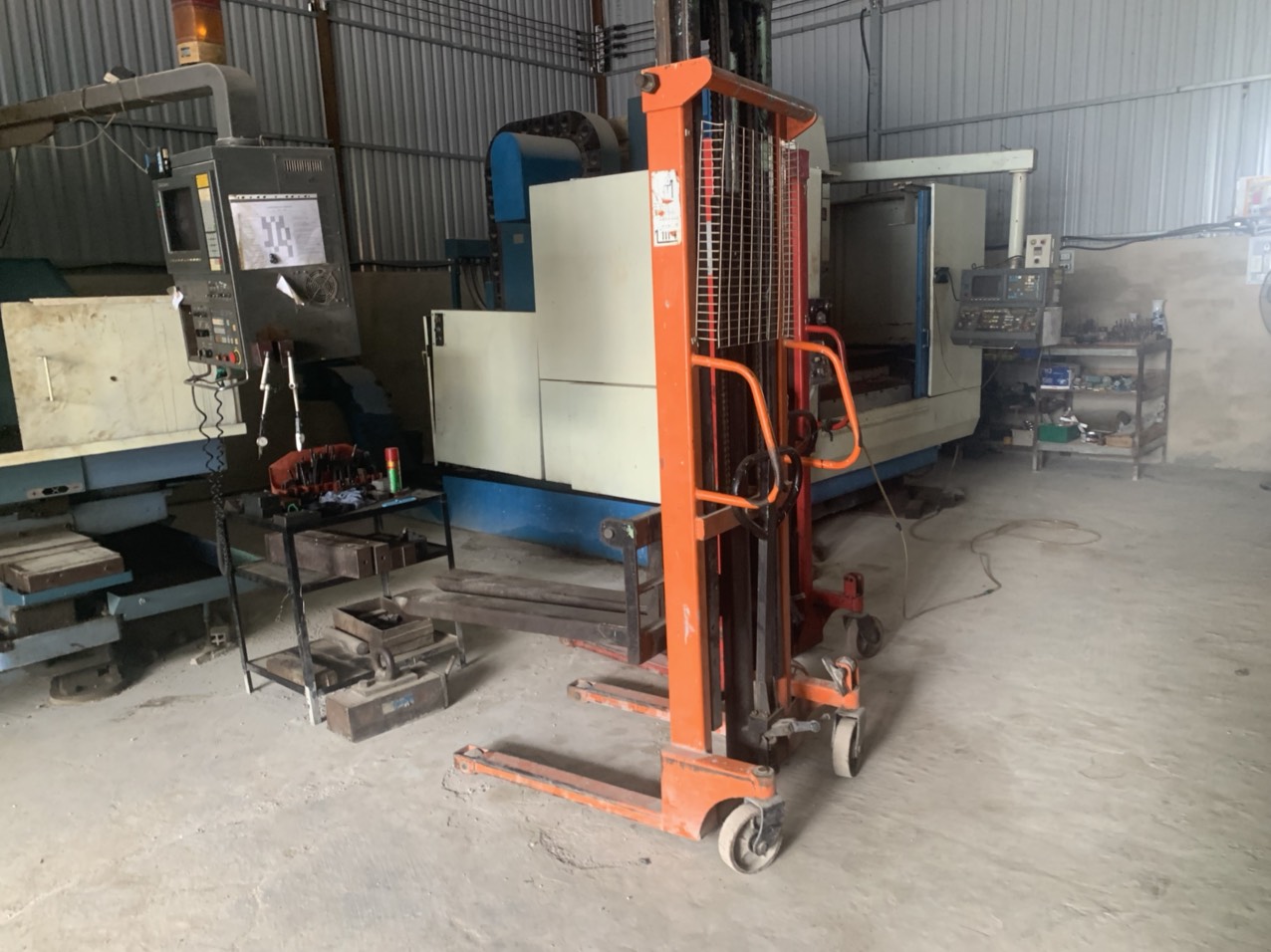
A lesson we learned early in our supply chain work 1: the equipment brands on a supplier’s factory floor tell you more about their capability than any sales brochure ever will.
To evaluate sheet metal fabrication suppliers, look for top-tier equipment brands like Trumpf, Amada, and CY-Laser for laser cutting machines, Automec and Boschert for press brake and CNC punching, and AKS Cutting Systems for waterjet and plasma. These brands signal precision, repeatability, and consistent quality control processes.
But knowing a few brand names is only the starting point. You need to understand what each brand excels at, how the machinery connects to your tolerance requirements, and what operational factors sit behind the equipment. Let me walk you through everything our team checks during supplier audits across Asia.
How do I know if a sheet metal supplier's equipment brands can meet my high-precision requirements?
During a recent factory audit in Vietnam, I watched an operator run a Trumpf fiber laser through 2mm stainless steel with tolerances under ±0.1mm. That single observation told me more about the supplier's capability than an hour-long meeting in their conference room.
You can confirm a supplier's equipment brands meet high-precision requirements by checking the machine model, age, and maintenance records on-site. Brands like Trumpf, Amada, and CY-Laser are engineered for tight tolerances and repeatable accuracy, but only when properly maintained and calibrated.
Why Brand Reputation Matters for Precision
Not all laser cutting machines 2 are created equal. A Trumpf TruLaser 3030, for example, uses fiber laser technology 3 that delivers cutting accuracy within ±0.05mm on thin sheet metal. Amada's ENSIS series adapts beam characteristics 4 automatically based on material thickness. These are not marketing claims. They are engineering realities that directly affect whether your parts come back right the first time.
When our team audits suppliers for U.S. clients, we look at the machine's brand, but we also look at how old the machine is and whether the supplier follows the manufacturer's recommended maintenance schedule. A ten-year-old Trumpf with no maintenance records is not better than a well-maintained mid-range machine.
Precision Benchmarks by Equipment Brand
| Equipment Brand | Process | Typical Tolerance | Key Strength |
|---|---|---|---|
| Trumpf | Fiber Laser Cutting | ±0.05mm | Adaptive beam control, global support network |
| Amada | Laser Cutting & Forming | ±0.1mm | Automatic beam optimization, material compatibility 5 |
| CY-Laser | Laser Cutting | ±0.08mm | High-speed precision for thin sheets |
| Automec | Press Brake Bending | ±0.1° angle | CNC-controlled repeatability |
| Boschert | CNC Punching & Shearing | ±0.1mm | Clean hole creation, minimal burr |
Maintenance and Calibration: The Hidden Variable
A brand name alone does not guarantee precision. I have seen suppliers with excellent equipment deliver inconsistent parts because they skip calibration cycles 6. When we conduct audits, we ask three direct questions: When was the machine last calibrated? Who performed it? Can you show us the calibration certificate? If the supplier cannot answer all three, that is a red flag regardless of the brand on the machine.
Material compatibility also plays a role. Trumpf and Amada machines handle a wide range of metals — aluminum, stainless steel, carbon steel, copper — but only if the operator selects the correct parameters. A supplier that runs the same settings for every material is not using the equipment to its full potential.
Which specific laser cutting and CNC bending brands should I look for to ensure my parts are right the first time?
One of our U.S. clients once received a batch of mounting brackets with bend angles off by 1.5 degrees — enough to make every piece unusable. The root cause? The supplier was using an aging hydraulic press brake with no CNC control. That experience reinforced a principle we now apply to every project: identify the exact equipment brands before you place the order.
For right-first-time results, look for Trumpf, Amada, or Bystronic for laser cutting, and Automec, Euromac, or Dener for CNC bending. These brands feature advanced CNC control, real-time feedback systems, and integration with CAD CAM software that minimizes human error and ensures repeatable accuracy.
Laser Cutting Brands That Deliver Consistency
The difference between a good and a great laser cutting supplier often comes down to the machine doing the work. Here is what each top-tier brand brings to the table:
Trumpf operates production facilities in Germany, the U.S., China, and Japan. Their machines cover laser cutting, 3D laser processing, tube cutting, and punching. For sheet metal fabrication, their fiber laser systems are the benchmark for speed and edge quality.
Amada is headquartered in Kanagawa, Japan, with over 8,000 employees globally. Their strength lies in the breadth of their product line — metal cutting, forming, punching, and shearing all under one brand. Suppliers who use Amada equipment across multiple processes often achieve better consistency because the machines are designed to work together.
CY-Laser specializes purely in laser cutting technology. For suppliers focused on high-precision sheet metal laser cutting, CY-Laser machines are an excellent indicator of technical focus.
Bystronic deserves mention as well. Their fiber laser systems integrate tightly with CAD CAM software 7, enabling fast transitions from design file to cut part with minimal setup error.
CNC Bending Brands That Reduce Rework
| Brand | Machine Type | CNC Control | Best For |
|---|---|---|---|
| Automec | Press Brake | Full CNC with angle measurement | Precision bending, tight angle tolerances |
| Euromac | Press Brake & Punching | CNC with touchscreen interface | Complex multi-bend parts |
| Dener | Press Brake | CNC with real-time feedback | High-volume consistent bending |
| DMG Mori Seiki | Forming & Bending | Advanced multi-axis CNC | High-tolerance aerospace and defense parts |
| Okuma | Forming & Bending | CNC with thermal stability control | Parts requiring extended run consistency |
The press brake is where many custom parts go wrong. A CNC-controlled press brake from Automec or Dener uses angle measurement sensors during the bend cycle. If the material springs back more than expected, the machine compensates in real time. This is how you get parts right the first time instead of sorting through a batch for the ones that happen to be within spec.
The CAD CAM Software Connection
Modern laser cutting machines and press brakes from these brands integrate directly with leading CAD CAM software platforms. This means the part geometry goes from your engineering drawing to the machine without manual G-code editing. For our clients, this integration reduces the risk of transcription errors — one of the most common causes of non-conforming parts. When we evaluate a supplier, we ask not only what machines they have but also what software drives them.
Welding Capabilities Complete the Picture
Cutting and bending are only part of the story. Those mounting brackets our client needed also required TIG welding at multiple joints. Suppliers who invest in robotic welding systems 8 from FANUC or Lincoln Electric tend to deliver more consistent weld quality. Manual welding is fine for prototyping services or low-volume work, but for production runs, robotic welding removes the variability of human technique.
How can I evaluate a supplier's technical capability based on the machinery brands they have on their factory floor?
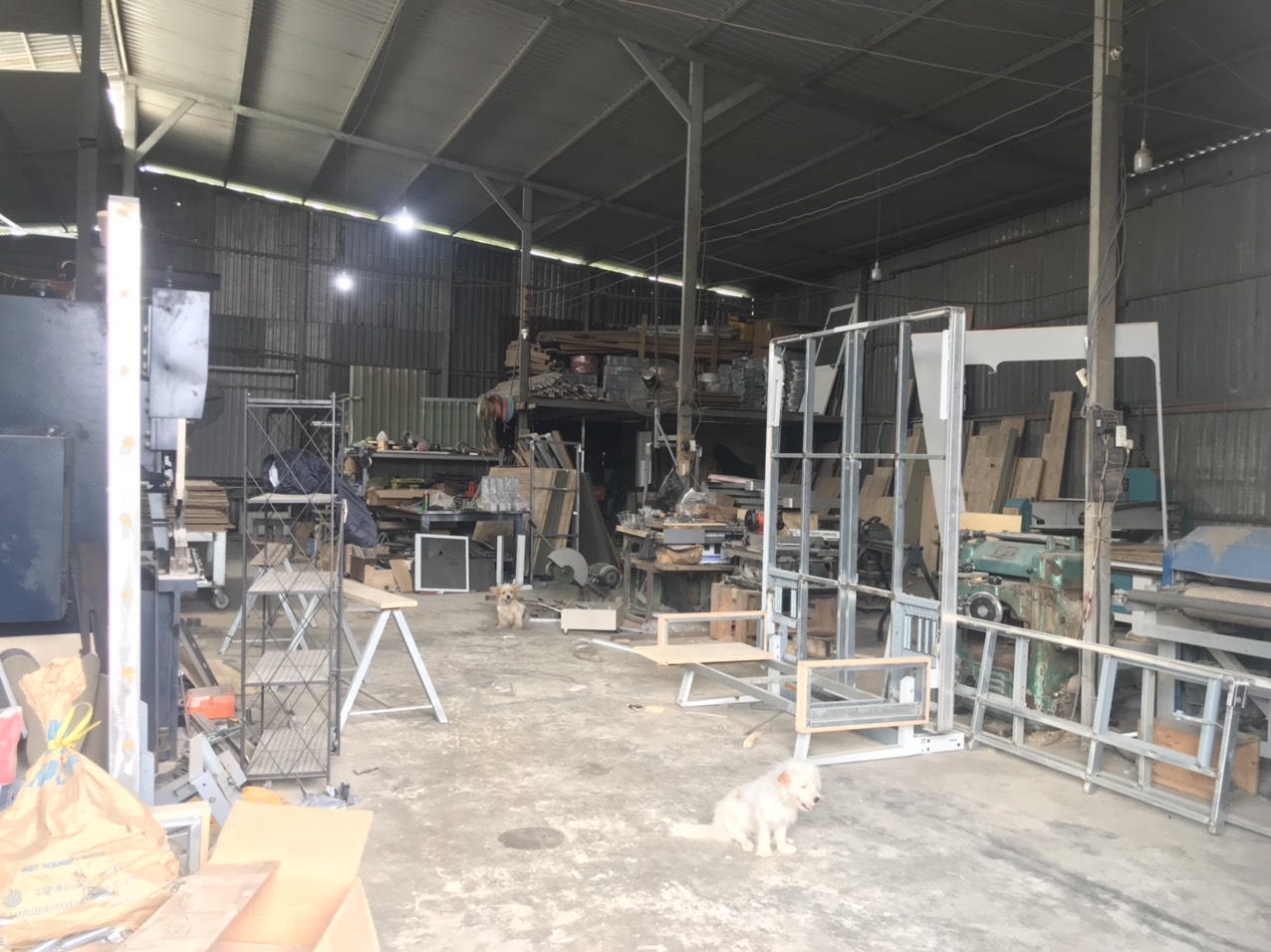
A trade-off we constantly weigh during supplier selection is this: does the supplier's equipment match the complexity of the project, or are they stretching their capability beyond what their machines can deliver? Walking a factory floor with this question in mind changes what you notice.
Evaluate a supplier's technical capability by mapping their equipment brands to your project's process requirements. Check for Trumpf or Amada for cutting, Automec or Boschert for forming and punching, AKS Cutting Systems for waterjet or plasma, and Almco for surface finishing. Then verify machine age, operator training, and ISO 9001 certification.
The Equipment-to-Process Mapping Approach
Rather than simply counting machines, map each piece of equipment to a specific process your project requires. Here is a framework we use during supplier audits:
| Your Project Requirement | Equipment Category | Trusted Brands to Look For | What to Verify |
|---|---|---|---|
| Precision flat cutting | Fiber Laser Cutter | Trumpf, Amada, Bystronic, CY-Laser | Cut edge quality, kerf width consistency |
| Complex bends and forms | CNC Press Brake | Automec, Euromac, Dener | Angle accuracy, repeatability over runs |
| Hole patterns and notches | CNC Punching Machine | Boschert, Euromac | Hole position accuracy, burr control |
| Thick material cutting | Waterjet / Plasma | AKS Cutting Systems | Edge taper, heat-affected zone |
| Post-fab surface quality | Finishing Equipment | Almco, COSTA Sanders | Surface roughness, consistency |
| Assembly welding | Welding Systems | FANUC, Lincoln Electric | Weld penetration, visual consistency |
Beyond the Machine: Operator Skill and Training
I have visited factories with brand-new Amada machines sitting next to operators who could not explain the basic parameters they were running. The machine is only as good as the person programming it. During audits, our team asks operators direct questions: What is the focal length setting for this material? How do you adjust for material thickness variation? Their answers reveal whether the equipment brand's capability is actually being used.
Vertical Integration as a Capability Signal
Suppliers who own equipment across multiple process categories — cutting, forming, welding, and surface finishing — under one roof typically deliver better outcomes for complex custom projects. This vertical integration means your parts do not travel between three different shops, each with different quality standards and lead time reliability. Top vertically integrated fabricators in 2026 include companies like Fabcon, Mayville Engineering Company, ZAK, and Pinnacle Precision.
For our supply chain management work, we prefer suppliers with at least cutting, bending, and welding in-house. If they also handle surface finishing and assembly, that reduces coordination risk further. Our clients care about on-time delivery, and every handoff between shops is a potential delay point.
Certifications That Validate Equipment Usage
Having premium equipment means little without a quality system governing how it is used. ISO 9001 certification 9 confirms that the supplier has documented processes for machine calibration, operator training, and product inspection. For aerospace work, AS9100D and NADCAP raise the bar further. We check for these certifications before we even schedule a factory visit. They tell us the supplier takes their equipment — and the results it produces — seriously.
What equipment brands should I verify during a supplier audit to confirm they can handle my complex custom projects?
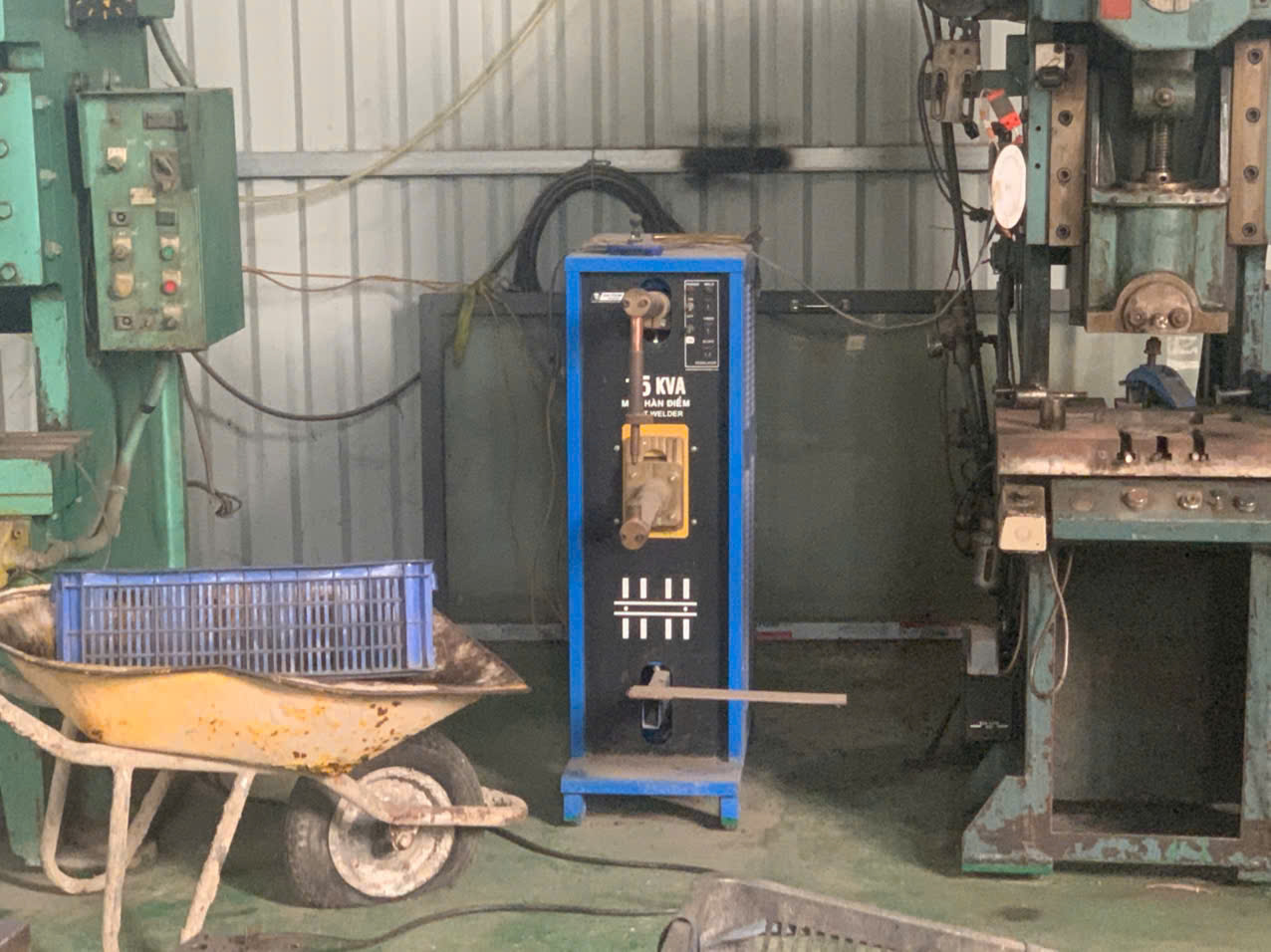
Last year, we audited a supplier for a client who needed complex mounting brackets with multiple bends, precision cutouts, and powder-coated finish — similar to the mirrored bracket pairs with angular folds and pre-drilled mounting holes that typify demanding custom work. The audit checklist we used focused on specific equipment brands at each process stage, and it saved the client from committing to a supplier who lacked adequate forming capability.
During a supplier audit for complex custom projects, verify Trumpf or Amada laser cutters, Automec or Boschert press brakes and punching machines, AKS waterjet systems for thick materials, FANUC or Lincoln Electric welding systems, and Almco or Woodward Fab finishing equipment. Cross-reference with ISO 9001 certification and maintenance records.
A Practical Audit Checklist by Process Stage
When you walk a factory floor, you need a structured approach. Here is the checklist our audit team uses, organized by the sequence most custom sheet metal parts follow:
Stage 1: Cutting. Look for Trumpf, Amada, CY-Laser, or Bystronic fiber laser systems. For thicker materials or non-metallic composites, check for AKS Cutting Systems waterjet or plasma tables. Ask to see recent cut samples. Check edge quality under magnification. Ask about nesting software — suppliers using advanced CAD CAM software for nesting waste less material and position parts more accurately.
Stage 2: Punching and Notching. Verify Boschert or Euromac CNC punching machines. These handle hole creation, notching, and shaping. Check tool condition — worn punch tooling creates oversized holes and excessive burrs. A supplier that invests in CNC punching from a reputable brand but neglects tool replacement is not delivering the precision the machine was designed for.
Stage 3: Bending and Forming. This is where many complex parts fail. Look for Automec, Dener, or DMG Mori Seiki press brake equipment. Ask the operator to demonstrate a multi-bend sequence on sample material. Watch for angle consistency between the first and last part in a short run. Also check whether the supplier has Woodward Fab or similar forming tools for specialized shapes like cones, cylinders, or compound curves.
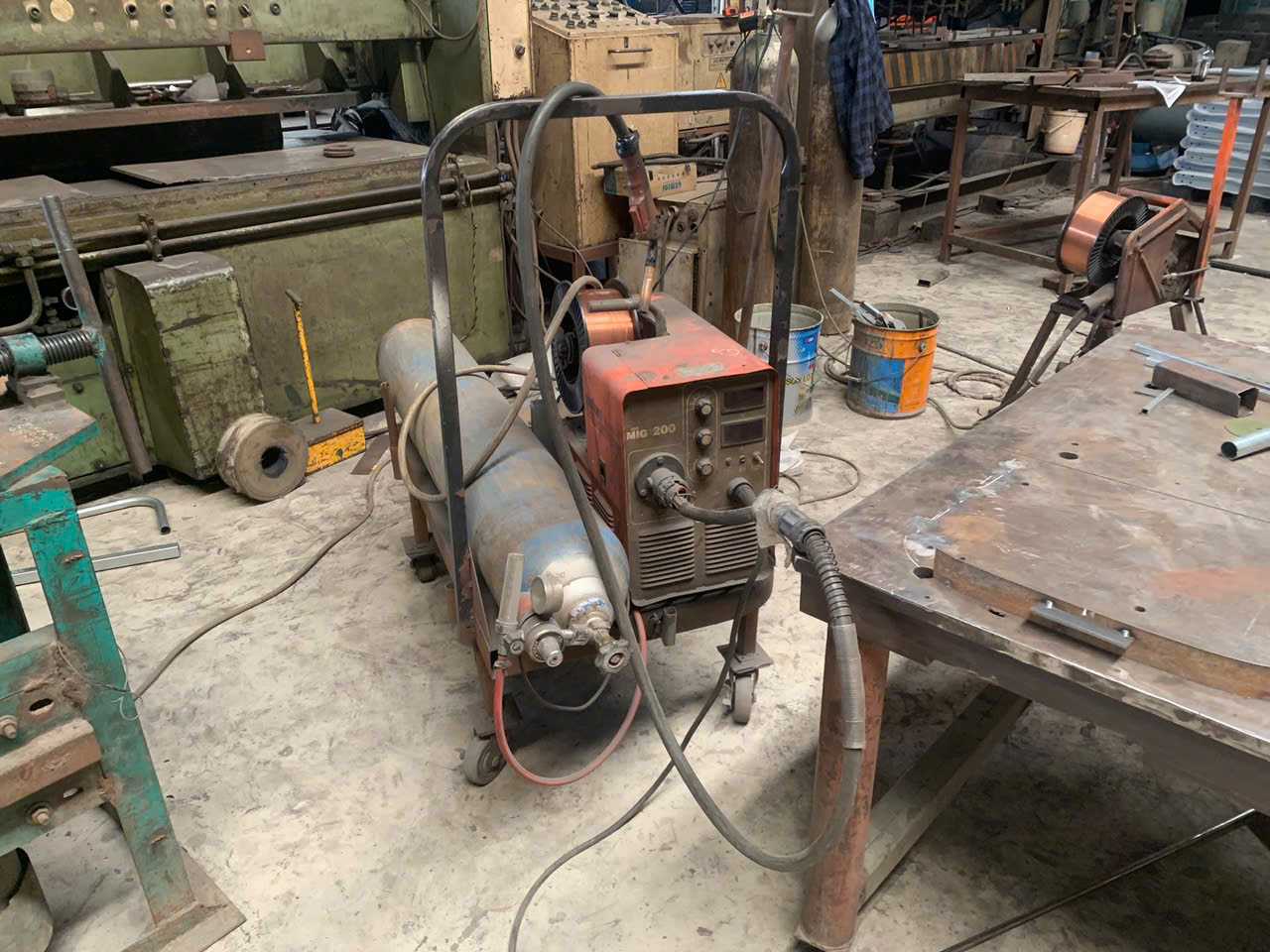
Stage 4: Welding. For production welding, robotic systems from FANUC or Lincoln Electric deliver consistent bead geometry and penetration. For prototyping services or low-volume custom work, manual TIG welding is acceptable — but inspect the welder's certification and sample welds. The welding capabilities of a supplier are often the weakest link in quality chains.
Stage 5: Surface Finishing. Almco finishing equipment handles vibratory deburring, washing, and surface preparation. COSTA Sanders are excellent for flat panel finishing. Ask about powder coating or plating capabilities. If the supplier outsources finishing, you need to verify the sub-supplier's quality too. Surface finishing is the last process before your parts ship, and defects introduced here are the most visible.
Prototyping vs. Production: Different Equipment Demands
For prototyping services, a supplier may not need the newest Trumpf machine. A well-maintained mid-range laser cutter and a CNC press brake can produce excellent prototypes. But for production-scale work, you need equipment that holds tolerance over thousands of cycles without drift. This is where brands like Trumpf and Amada earn their reputation — their machines are built for sustained production with minimal variation.
The Role of Predictive Maintenance and IoT
In 2026, leading equipment brands from Trumpf, Amada, and Bystronic incorporate predictive maintenance capabilities 10 and IoT connectivity. These systems monitor spindle temperatures, laser beam alignment, and hydraulic pressures in real time. If a parameter drifts outside spec, the machine alerts the operator before it produces a bad part. When we see a supplier using these features actively, it tells us they are committed to lead time reliability and quality — not just reacting to problems after they occur.
AI-driven process optimization is another emerging trend. Some Trumpf and Amada systems now use AI vision systems for real-time quality inspection during cutting and forming. These systems detect micro-defects, optimize material usage, and reduce waste. Suppliers adopting these technologies are positioning themselves at the front of the industry.
Energy Efficiency and Sustainability
Newer equipment from top brands also emphasizes energy efficiency. Fiber lasers consume significantly less power than older CO2 systems. For buyers evaluating long-term supplier partnerships, a factory running modern, energy-efficient equipment signals both cost discipline and environmental responsibility — factors increasingly important for U.S. and European procurement policies.
Conclusion
Equipment brands like Trumpf, Amada, Automec, and Boschert are strong indicators of supplier capability — but only when paired with proper maintenance, trained operators, ISO 9001 certification, and robust quality control processes. For a deeper dive into what key equipment is essential when choosing a sheet metal fabrication supplier, and how to evaluate supplier capabilities using technical specifications, explore our detailed guides.
Frequently Asked Questions
How do I know if a sheet metal supplier's equipment brands can meet my high-precision requirements?
During a recent factory audit in Vietnam, I watched an operator run a Trumpf fiber laser through 2mm stainless steel with tolerances under ±0.1mm. That single observation told me more about the supplier's capability than an hour-long meeting in their conference room.
Which specific laser cutting and CNC bending brands should I look for to ensure my parts are right the first time?
One of our U.S. clients once received a batch of mounting brackets with bend angles off by 1.5 degrees — enough to make every piece unusable. The root cause? The supplier was using an aging hydraulic press brake with no CNC control. That experience reinforced a principle we now apply to every project: identify the exact equipment brands before you place the order.
How can I evaluate a supplier's technical capability based on the machinery brands they have on their factory floor?
A trade-off we constantly weigh during supplier selection is this: does the supplier's equipment match the complexity of the project, or are they stretching their capability beyond what their machines can deliver? Walking a factory floor with this question in mind changes what you notice.
Footnotes
1. Defines supply chain management and its importance in business operations. ↩︎
2. Explains the principles and applications of laser cutting technology in manufacturing. ↩︎
3. Replaced HTTP unknown link with an authoritative explanation of fiber lasers from RP Photonics. ↩︎
4. Replaced HTTP unknown link with an authoritative explanation of laser beam characteristics from Newport, a major optics company. ↩︎
5. Discusses how different materials interact and their resistance to various environmental factors. ↩︎
6. Highlights the critical role of regular calibration in maintaining measurement accuracy and quality. ↩︎
7. Provides an overview of CAD/CAM software and its applications in modern manufacturing. ↩︎
8. Replaced HTTP 403 link with a comprehensive and authoritative overview of robotic welding systems from Wikipedia. ↩︎
9. Explains the international standard for quality management systems and its importance. ↩︎
10. Replaced HTTP 404 link with an authoritative explanation of predictive maintenance from IBM. ↩︎