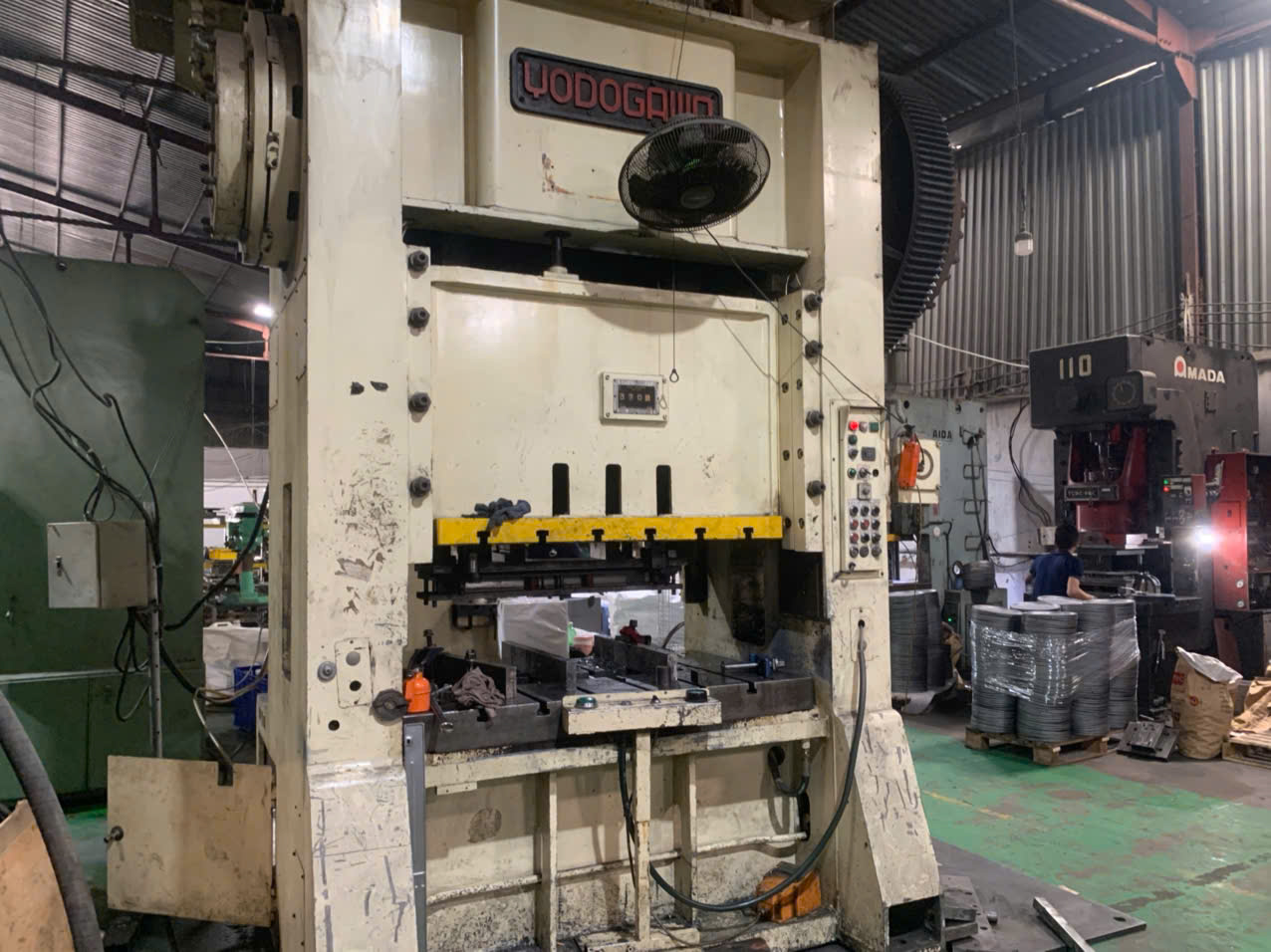
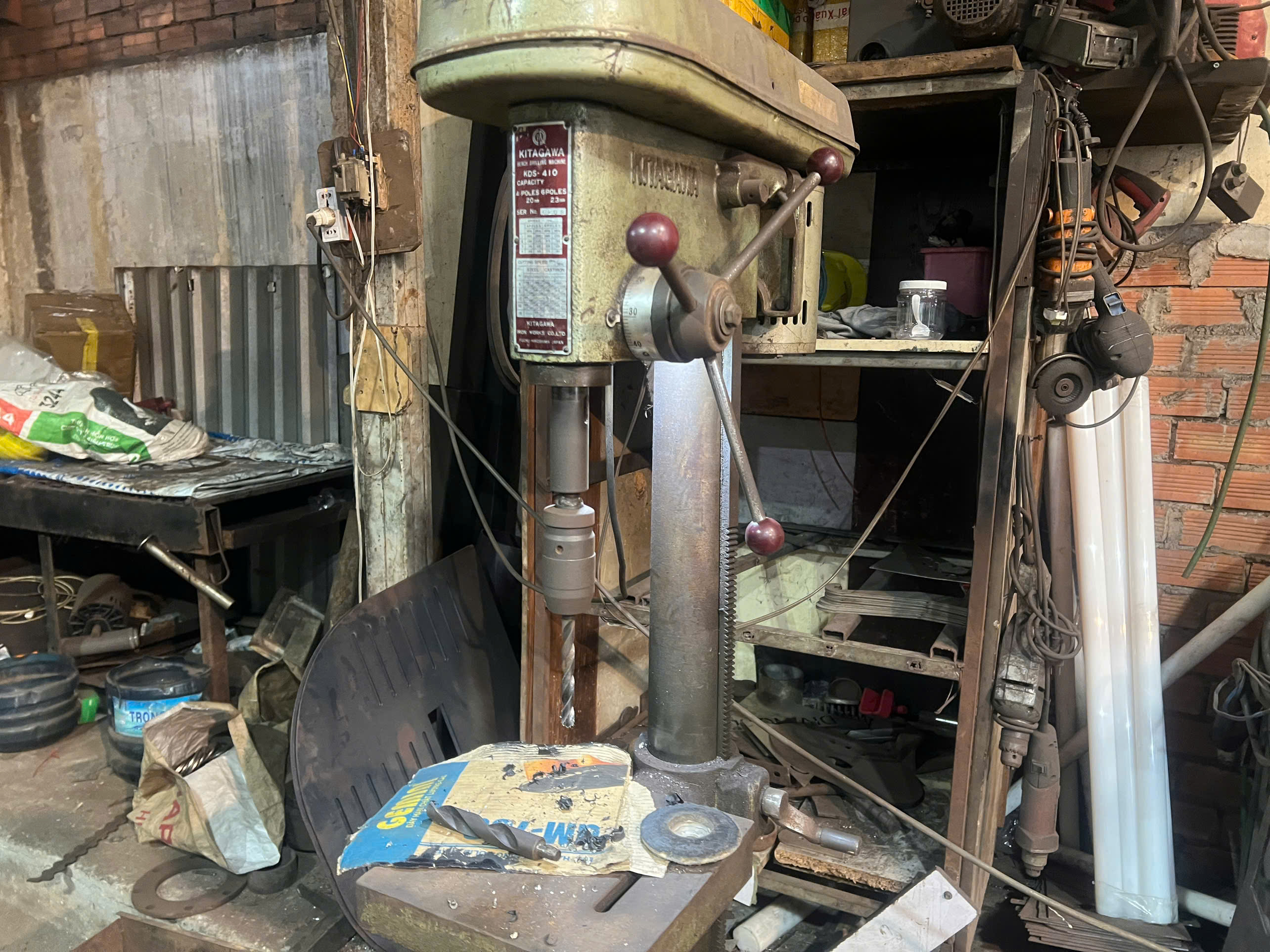
Everyday products contain stamping parts almost everywhere you look. Yet many buyers I talk to at our sourcing office underestimate this, and that blind spot quietly inflates their product costs.
Everyday products that contain stamping parts include cars, refrigerators, washing machines, smartphones, laptops, batteries, food cans, cookware, furniture hinges, shelf brackets, and eyeglass frames. Stamping produces the hidden panels, clips, connectors, and mounting brackets that give these products structure, strength, and low cost.
Let me walk you through where these parts hide, how to know if your product needs them, and how to source them without headaches.
Which Everyday Products Rely on Stamping Parts I Might Not Expect?
A few years back, our team in Vietnam audited a supplier for a client, and during the plant tour I counted stamped components in his own coffee mug lid, his phone, and the shelf his samples sat on.
Surprising everyday products with stamping parts include AA batteries, aerosol cans, bottle caps, staplers, binder clips, guitar tuning pegs, eyeglass hinges, TV remotes, and store shelving. Most stamped parts are hidden inside products as internal brackets, contacts, shields, and structural connectors.
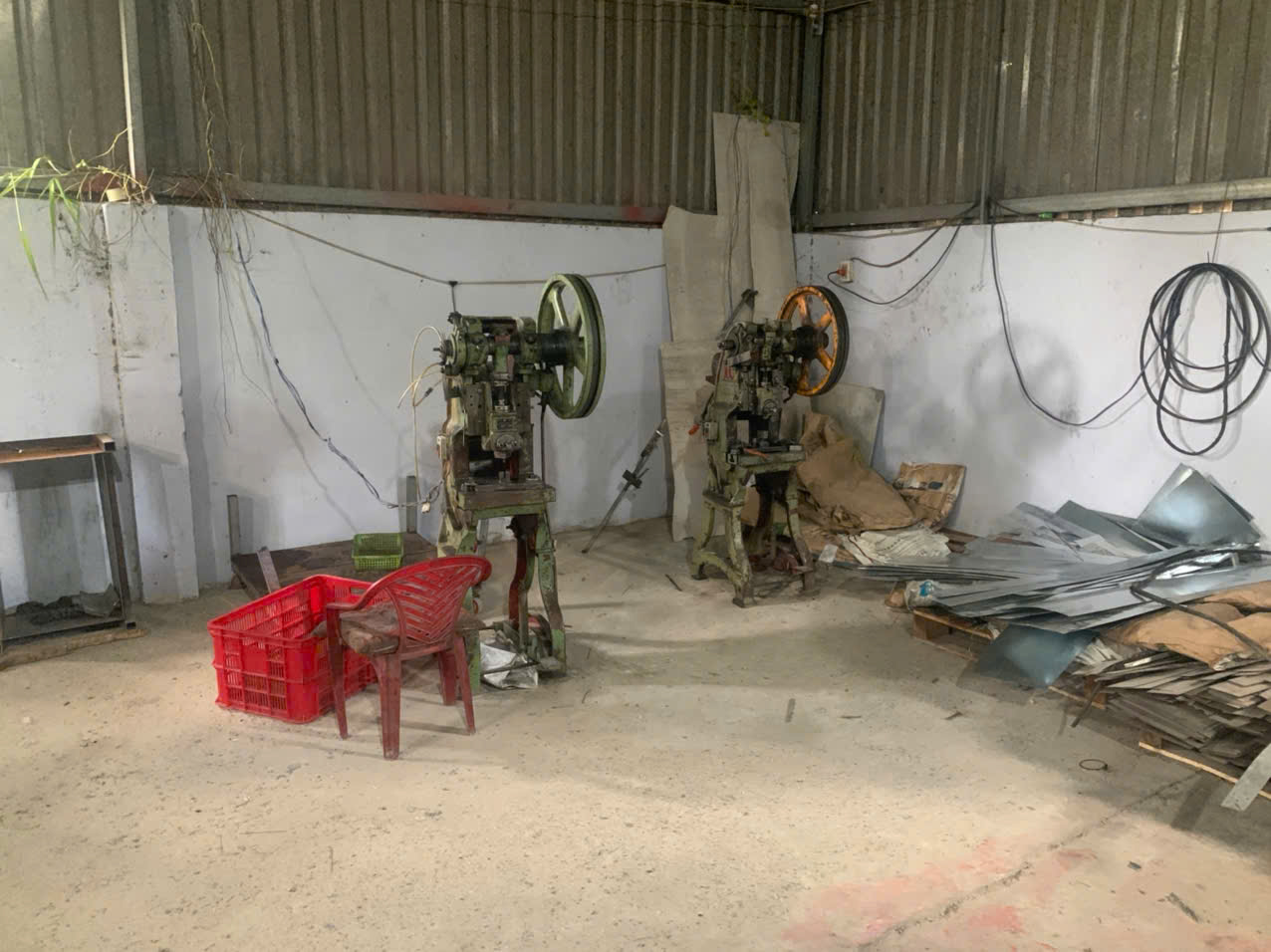
Most people picture stamping as pressing a logo into metal. In reality, stamping cuts, bends, punches, and draws sheet metal 1 into precise shapes at very high speed. That is why it shows up in so many places you never think about.
Hidden vs. Visible Stamping Parts
The visible examples are easy. A car door panel is stamped. A stainless steel 2 frying pan is deep drawn from a stamped blank. But the hidden examples are far more common. Inside your smartphone, there are stamped EMI shields 3, battery contacts, and tiny internal brackets. Inside a washing machine, the drum, the rear panel, and dozens of support brackets all start as coil steel fed into a press.
Here is a quick map of where stamping parts hide in daily life:
| Product Category | Example Products | Typical Stamped Components |
|---|---|---|
| Home appliances | Washers, fridges, microwaves | Panels, drums, brackets, shelves |
| Electronics | Phones, laptops, consoles | EMI shields, connectors, frames |
| Packaging | Cans, aerosols, caps | Deep-drawn bodies, lids, closures |
| Small power | AA/AAA batteries | Casings, terminals, contact plates |
| Office supplies | Staplers, binder clips | Almost the entire product |
| Personal items | Eyewear, jewelry | Micro-stamped hinges, clasps |
One nuance matters here. A product like a grill is not stamped as one piece. The body is often draw formed, while the vents and holes are stamped separately. Stamping usually works alongside other processes, not alone. When our engineers review a client's assembly drawing, we often find that five or six of the components on the bill of materials are candidates for stamping, even when the client assumed machining. That single review can change the cost structure of the whole product.
How Can I Identify Whether My Product Needs Custom Stamping Parts?
One trade-off we weigh constantly on custom projects is stamping versus CNC machining 4. A U.S. purchasing manager once sent us a machined bracket drawing, and our review showed stamping could cut his piece price by more than half at his volumes.
Your product likely needs custom stamping parts if it uses thin sheet metal components under about 6mm thick, requires bends, tabs, punched holes, or drawn shapes, and will be produced in volumes high enough to justify tooling, typically thousands of pieces or more per year.

The decision usually comes down to three questions. What is the geometry? What is the volume? What is the tolerance requirement? Let me break each one down.
Geometry: Is It a Sheet Metal Shape?
Stamping starts with flat sheet or coil stock. If your part can be unfolded into a flat pattern, it is a stamping candidate. Brackets, clips, covers, contacts, shields, and shallow enclosures all fit. Solid blocks, deep pockets, and complex 3D contours usually do not. They belong to machining or casting.
Volume: Can You Amortize the Tooling?
Stamping requires a die. A simple single-stage die is affordable. A progressive die for a complex part costs much more. That tooling cost must spread across your production volume.
| Annual Volume | Recommended Process | Why |
|---|---|---|
| Under 500 pcs | Laser cutting + press brake | No tooling investment needed |
| 500–5,000 pcs | Simple stamping or soft tooling | Moderate tooling, lower piece price |
| 5,000–100,000 pcs | Progressive stamping | Tooling amortizes quickly |
| 100,000+ pcs | High-speed progressive stamping | Lowest possible unit cost |
Tolerance and Material Fit
Standard stamping holds tolerances that satisfy most bracket and housing applications. If your drawing calls for very tight tolerances on a few features only, we often stamp the part and then add a secondary operation for just those features. Material also matters. Steel, galvanized steel, stainless, aluminum, brass, and copper all stamp well, and each serves a different function, from conductivity to corrosion resistance 5. When we run design-for-manufacturing reviews with clients, we check hole-to-edge distances, bend radii, and burr direction early. Catching those details on the drawing prevents the non-conforming shipments that frustrate so many importers.
Which Industries Do I Serve Depend Most Heavily on Stamped Components?
Reviewing our project files from the last few years, I noticed a pattern. The same handful of industries generate the vast majority of stamping RFQs that land in our inbox, and they each demand something different from the process.
The industries most dependent on stamped components are automotive, home appliances, consumer electronics, construction hardware, furniture, packaging, and medical devices. Automotive is the largest consumer of stamping parts, using them for body panels, brackets, clips, and structural reinforcements.
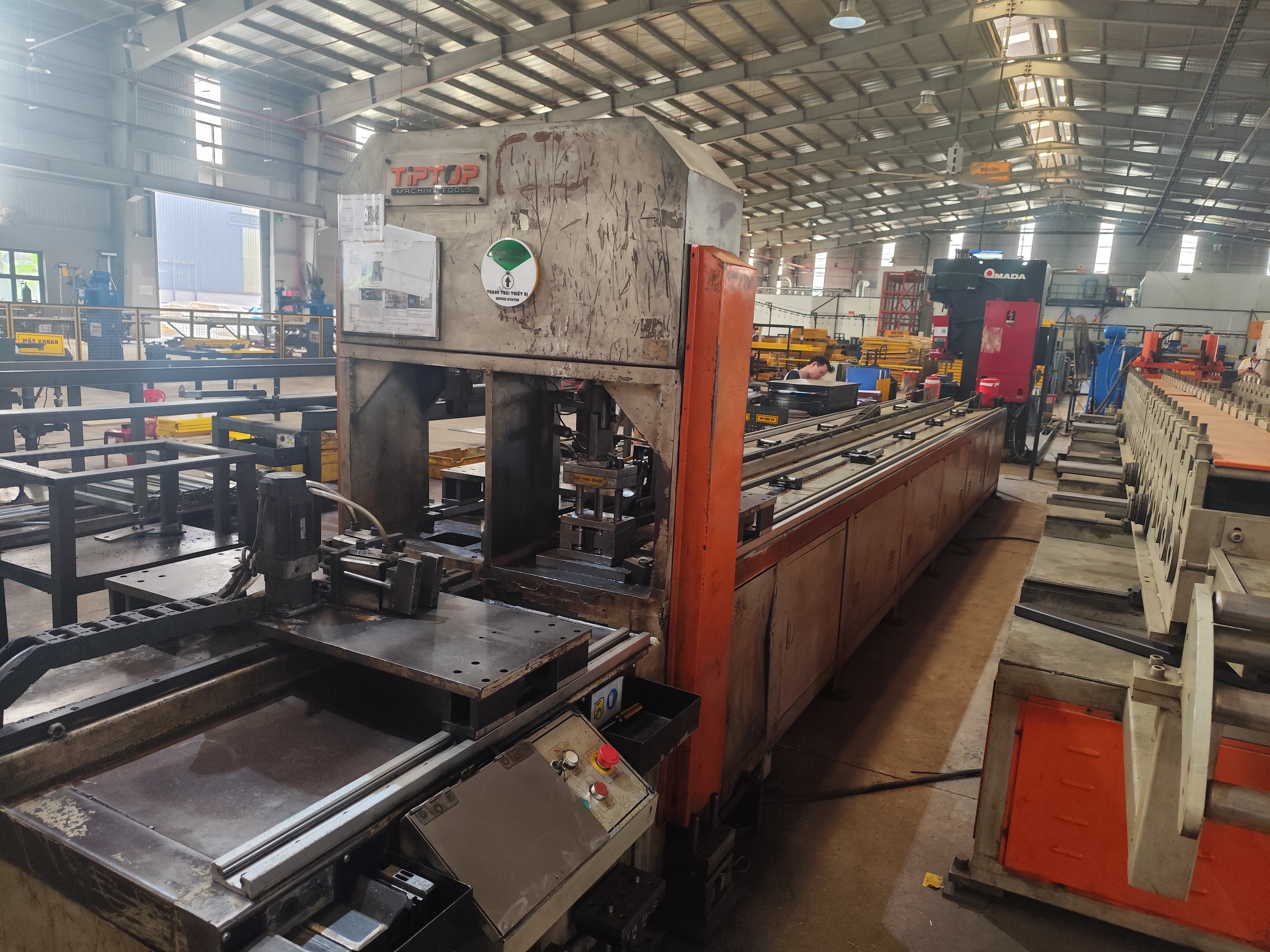
Each industry pulls stamping in a different direction. Understanding these differences helps you benchmark what quality level and cost level your own product should expect.
Automotive Sets the Standard
Automotive is the heavyweight. A single vehicle contains hundreds of stamped parts, from large exterior panels to small clips and connectors. This industry also created the quality systems 6 the rest of us borrow. PPAP documentation, process control plans, and first article inspections all grew out of automotive supply chains. When we run PPAP for a client's bracket, we are applying automotive discipline to whatever industry that bracket serves.
The Industry Comparison
| Industry | Typical Stamped Parts | Key Demand |
|---|---|---|
| Automotive | Panels, brackets, clips, reinforcements | Volume + traceability |
| Appliances | Housings, drums, shelves, supports | Cosmetic finish + cost |
| Electronics | Shields, connectors, micro-brackets | Miniaturization + precision |
| Construction | Truss plates, joist hangers, mounts | Strength + coating |
| Furniture | Hinges, slides, fasteners | Consistency + smooth motion |
| Packaging | Cans, caps, containers | Speed + thin material |
| Medical | Housings, springs, instrument parts | Tight tolerance + cleanliness |
Two trends cut across all of these. First, miniaturization. Electronics clients keep asking for smaller, thinner stamped shields and contacts, which pushes tooling precision higher every year. Second, lightweighting. Appliance and vehicle makers want thinner gauges and lighter alloys without losing strength, so material selection now gets as much engineering attention as part geometry. If your product sits in any of these industries, your competitors are almost certainly using stamping parts to control cost. Our team in Vietnam has seen construction hardware and furniture components in particular shift heavily to Southeast Asian stamping suppliers, driven by U.S. buyers diversifying away from single-country sourcing.
What Should I Look for in a Supplier When Sourcing Stamping Parts for My Products?
A lesson we learned the hard way: early in our Vietnam operations, we approved a stamping supplier based on samples alone. The first production run had burrs out of spec because nobody was monitoring die wear. We now audit press maintenance records before we approve anyone.
Look for a stamping supplier with in-house tooling capability, documented process control, PPAP or first article inspection experience, burr and dimensional checks during production, material certifications, realistic lead times, and clear communication on drawing requirements. Verify these through an on-site audit before committing tooling money.

Sourcing stamping parts is different from sourcing off-the-shelf goods. You are buying a process, not just a part. Here is how I recommend you evaluate that process, step by step.
A Practical Evaluation Sequence
- Review their tooling capability first. Suppliers with in-house tool rooms fix die problems in hours. Suppliers who outsource tooling fix them in weeks. Ask who builds and maintains their dies.
- Check how they read drawings. Send a drawing with a tight callout buried in the notes. A professional supplier asks about it before quoting. A careless one ignores it and ships non-conforming parts. This single test filters out most future quality disasters.
- Demand a control plan. Stamped parts drift as dies wear. You want documented in-process checks for burr height, hole position, and bend angle, not just a final inspection at packing.
- Verify material traceability. Ask for mill certificates 7 on the coil stock. Substituted or uncertified material is one of the most common hidden risks in low-cost stamping.
- Test their communication before you test their parts. Slow, vague answers during quoting predict slow, vague answers during a production crisis.
Why Right First Time Matters More Than Price
Rework and returns destroy the savings from a cheap quote. In our supply chain services work, the clients who suffer most are the ones who picked the lowest bidder without a supplier audit. A first article inspection with full dimensional reporting, followed by controlled mass production, costs a little more upfront. But it protects your assembly line, your delivery dates, and your customer relationships. We also encourage buyers to negotiate payment terms that align incentives. When a supplier accepts payment tied to inspection results, quality discussions get much easier. Finally, do not overlook logistics. Stamped parts are dense and heavy, so packaging design and door-to-door freight planning directly affect your landed cost.
Conclusion
Stamping parts hide inside your car, phone, appliances, batteries, and shelves. If your product uses sheet metal at volume, stamping cuts cost — but only with a properly audited, quality-controlled supplier.
Frequently Asked Questions
Geometry: Is It a Sheet Metal Shape?
Stamping starts with flat sheet or coil stock . If your part can be unfolded into a flat pattern, it is a stamping candidate. Brackets, clips, covers, contacts, shields, and shallow enclosures all fit. Solid blocks, deep pockets, and complex 3D contours usually do not. They belong to machining or casting.
Volume: Can You Amortize the Tooling?
Stamping requires a die. A simple single-stage die is affordable. A progressive die for a complex part costs much more. That tooling cost must spread across your production volume.
Which Everyday Products Rely on Stamping Parts I Might Not Expect?
A few years back, our team in Vietnam audited a supplier for a client, and during the plant tour I counted stamped components in his own coffee mug lid, his phone, and the shelf his samples sat on.
Footnotes
1. Explains the material stamping processes shape, giving readers background on sheet metal properties. ↩︎
2. Explains the alloy properties relevant to deep-drawn stamped cookware parts. ↩︎
3. Background on electromagnetic shielding technology used in stamped electronic components. ↩︎
4. Clarifies the alternative manufacturing process compared against stamping for cost and geometry decisions. ↩︎
5. Provides background on corrosion mechanisms relevant to material selection for stamping. ↩︎
6. ISO develops the quality management systems referenced for automotive stamped-part standards. ↩︎
7. ASTM sets material certification standards relevant to coil stock traceability. ↩︎