Stamping parts quotations often hide more than they show. I learned this the hard way when our sourcing team compared five quotes for a simple steel bracket and the “cheapest” one cost the most. The unit price looked great, but tooling, inspection, packaging, and freight charges appeared later. That budget surprise almost derailed the client’s launch. The fix is knowing exactly which [hidden cost items to hunt for](https://dewintech.com/blog/what-cost-items-easily-overlooked-stamping-parts-quotations/) before you sign.
Stamping parts quotations commonly overlook tooling ownership and maintenance, secondary operations like deburring and plating, inspection and PPAP documentation fees, export packaging, freight and tariffs, scrap and rework risk, setup charges, and design-change costs. These hidden items can add roughly 15% to 30% beyond the quoted unit price.
Let me walk you through each hidden cost bucket. I will show you where these charges hide, why suppliers omit them, and how to audit any quote before you commit.
How Do I Identify Hidden Tooling and Fixture Costs Before I Sign a Stamping Contract?
A buyer once forwarded me a tooling quote that seemed 40% below our Vietnam partner's price. Our engineers reviewed it and found no tryout, no heat treatment 1, and no maintenance clause included.
Identify hidden tooling costs by asking who owns the die, how tool life is defined, whether tryout and adjustment are included, and who pays for maintenance and eventual replacement. Request a written tooling breakdown covering design, die steel grade, heat treatment, fitting, and amortization terms before signing.
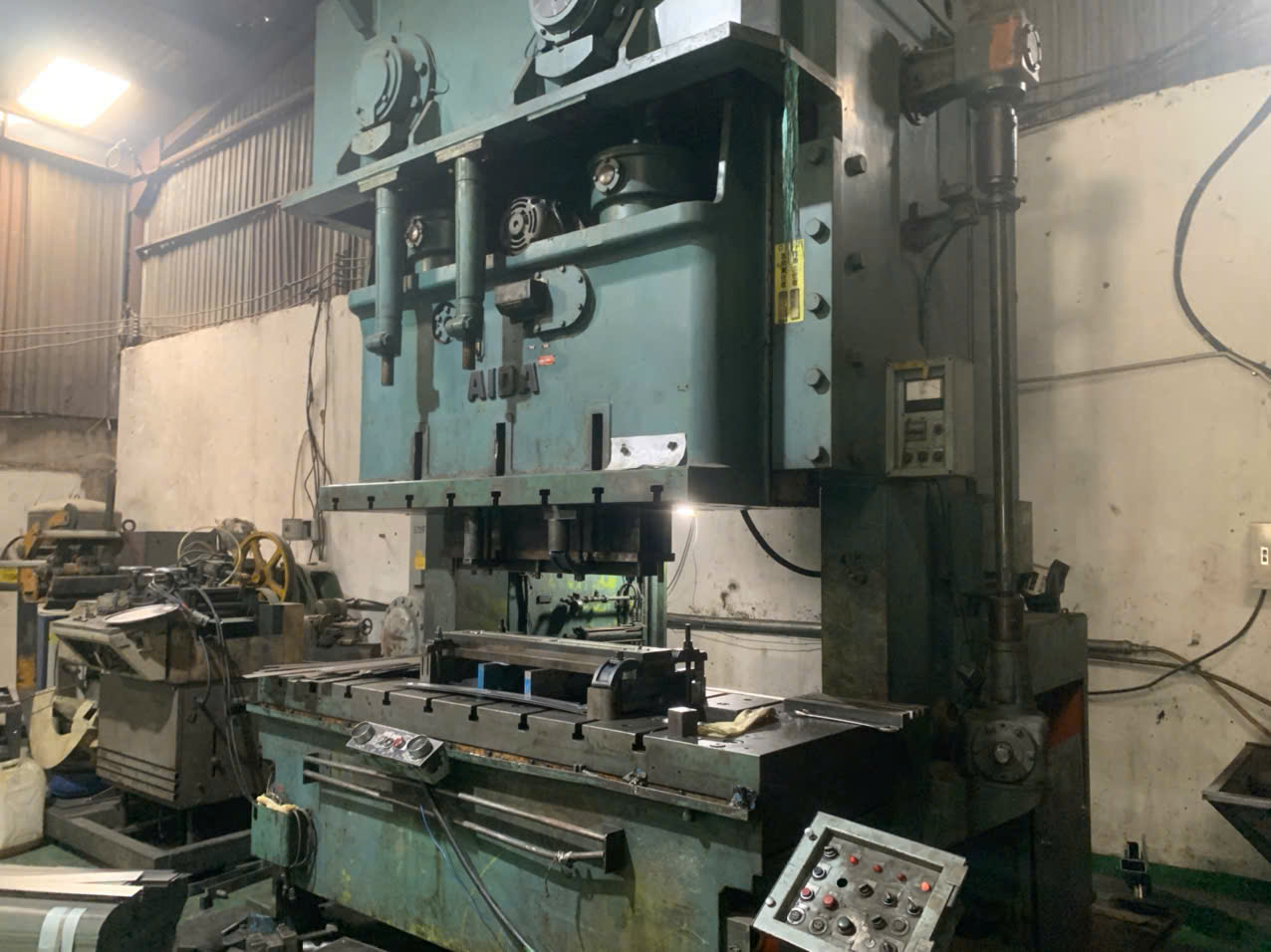
Tooling is the single largest hidden cost in most stamping programs. A quote may state a die price, but that number rarely tells the full story. The real cost includes die design, material, machining, heat treatment, tryout, fitting, and adjustments. Then come the lifecycle costs: sharpening, spare punches, spring replacements, and eventual rebuild when the die wears out.
When we audit suppliers for our U.S. clients, we always ask for the die structure drawing and the die steel 2 specification. A "cheap" tooling quote often means lower-grade die steel, rushed heat treatment, or minimal tryout time. Those shortcuts do not disappear. They come back later as tolerance drift, burrs, premature wear, and unplanned downtime.
Key Tooling Questions to Ask Before Signing
Here is the checklist we run through on every stamping project:
| Question | Why It Matters |
|---|---|
| Who owns the tooling? | Ownership affects your ability to move the die to another supplier |
| Is tooling amortized into piece price? | Amortization hides the true unit cost and locks you into volume commitments |
| What tool life is guaranteed? | A 500,000-hit die and a 2,000,000-hit die are very different investments |
| Who pays for maintenance and sharpening? | Unstated maintenance often becomes a surprise invoice at hit 300,000 |
| Are tryout and first-article adjustment included? | Some shops bill tryout hours separately after quoting |
| What die steel and heat treatment are used? | Lower-grade steel shifts cost from the quote to your future scrap rate |
Fixtures Are Tooling Too
Do not forget checking fixtures, welding jigs, and assembly fixtures. These items are frequently quoted separately or omitted entirely. On one bracket project we handled, the checking fixture cost nearly a quarter of the die price. Get every fixture listed in writing, with ownership terms, before the purchase order goes out.
What Quality Control and Inspection Fees Should I Expect in My Stamping Parts Quotation?
In our experience running PPAP 3 submissions for American engineering firms, quality paperwork is the cost item buyers underestimate most. The part price and the proof-of-quality price are two different numbers.
Expect separate fees for first article inspection, PPAP or FAI documentation packages, CMM dimensional reports, material certifications, SPC data, and ongoing lot inspection. For tight-tolerance or regulated parts, these quality costs can rival the piece price itself if they are not negotiated upfront.
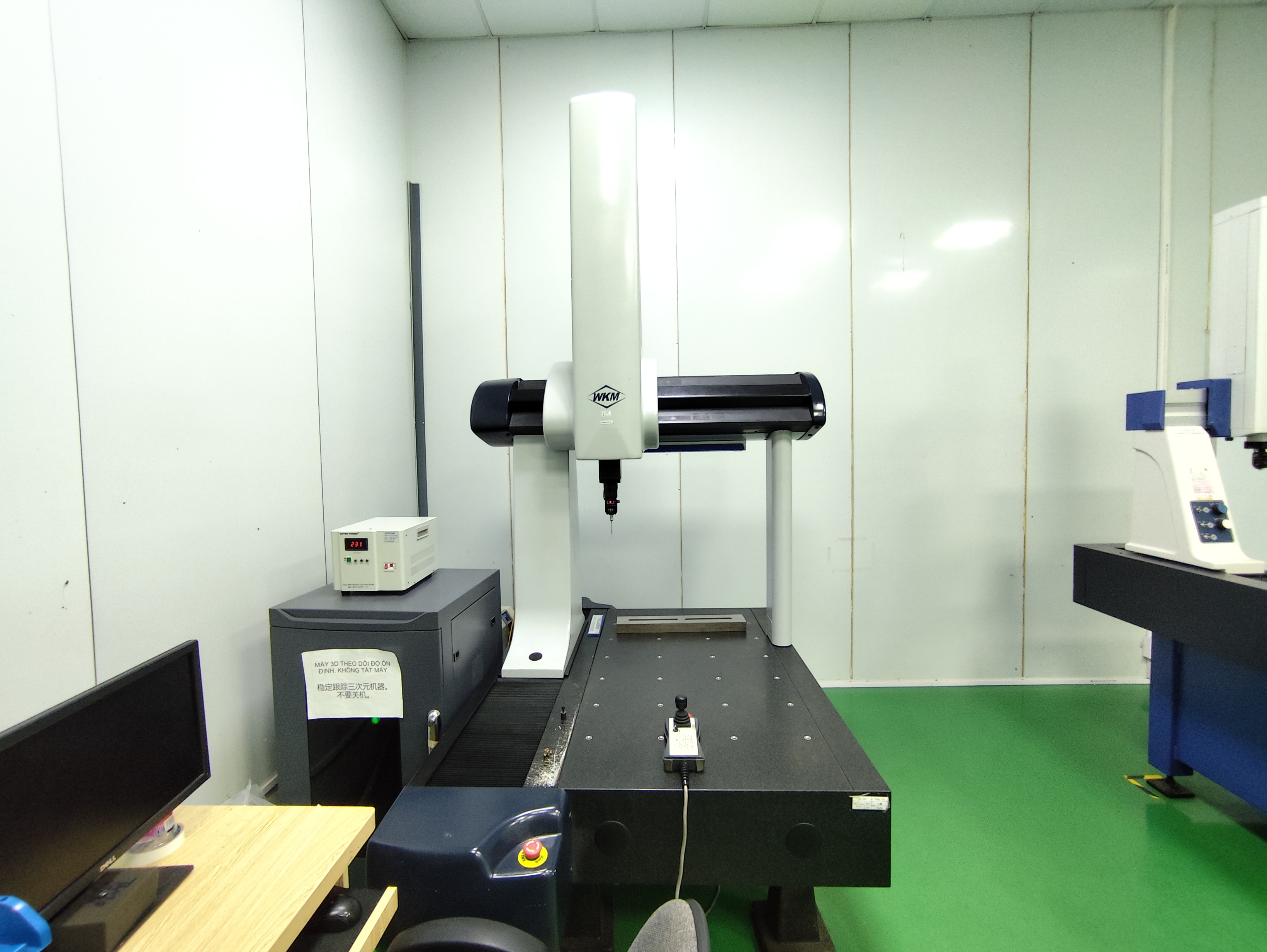
Quality costs hide because most quotes assume "standard inspection." Nobody defines what standard means. Then you ask for a full dimensional report, and a new invoice appears. I have seen this pattern repeat across dozens of stamping projects our team has managed from Singapore and Vietnam.
The cost of quality scales with your requirements. A commercial-grade bracket with loose tolerances needs a basic visual check and a caliper measurement. An automotive chassis bracket with a ±0.05 mm hole position needs CMM measurement, a control plan, and statistical process control 4 records. Those are real hours from real technicians, and someone pays for them.
Typical Quality Cost Items and When They Apply
| Quality Item | When You Need It | Typical Cost Behavior |
|---|---|---|
| First article inspection (FAI) | Every new part or revision | One-time fee, sometimes waived on large orders |
| PPAP package (Level 1–5) | Automotive and many industrial programs | One-time fee that grows with PPAP level |
| CMM dimensional reports | Tight-tolerance features | Per-report or per-lot charge |
| Material certifications | Traceability requirements | Small per-lot fee, but mandatory for regulated work |
| SPC data and control charts | High-volume critical dimensions | Ongoing cost built into overhead or billed separately |
| Third-party or customer audits | Regulated industries | Often billed as engineering hours |
The Hidden Cost of Not Paying for Quality
Here is the critical-thinking part. Skipping inspection fees does not remove the cost. It moves the cost downstream. A missed burr specification becomes a rejected shipment. A missing material cert becomes a customs delay or a customer audit finding. In our process-control work, we push clients to define inspection scope in the RFQ itself. When suppliers quote against the same quality requirements, the price comparison finally becomes honest.
How Can I Avoid Unexpected Logistics and Customs Charges When Importing Stamping Parts from Asia?
Door-to-door logistics is a service we manage daily for U.S. clients, and I can tell you the gap between EXW price and landed cost still shocks experienced buyers.
Avoid surprise logistics charges by quoting on DDP or landed-cost terms, confirming export-grade packaging is included, verifying the HTS code and duty rate before ordering, and budgeting for corrosion protection, palletization, documentation fees, and potential tariff exposure based on country of origin.

Stamped parts are deceptively expensive to ship. They are dense, so weight-based freight adds up fast. They have sharp edges that cut through cheap packaging. Bare steel parts rust in ocean containers unless someone pays for VCI paper or oil coating. None of this appears in a typical EXW quote from a stamping shop.
Our team in Vietnam handles export packing and shipping coordination for exactly this reason. Offshore piece prices can look 60% to 80% lower than domestic prices, but freight, tariffs, packaging, and documentation can shrink total savings to a much smaller margin. The savings are usually still real. They are just smaller than the unit price suggests, and you need to know that before you build your budget.
Build a Landed Cost Model, Not a Price Comparison
Follow this sequence before comparing any offshore stamping quote:
- Confirm the Incoterm 5. EXW, FOB, CIF, and DDP shift very different costs onto you.
- Verify the HTS classification and duty rate for your part and its country of origin. HTS code 6
- Ask whether export-grade packaging, VCI protection, and palletization are included.
- Get a freight estimate based on actual packed weight and volume, not part weight.
- Add customs brokerage, documentation fees, and inland trucking to your model.
- Budget a contingency for urgent air shipments if a quality issue forces a re-run.
Country of Origin Changes Everything
Tariff exposure depends heavily on where the part ships from. This is one reason our clients ask us to source from Vietnam, India, and Taiwan rather than defaulting to a single country. Diversified origin reduces both tariff risk and single-source disruption risk. Always run the duty calculation per origin country before you award the business, because a lower piece price can be fully erased by a higher tariff band.
Why Do My Stamping Parts Quotations Miss Costs Related to Design Changes and Rework?
The most expensive email I ever received was three lines long: a client's engineer had changed a hole position after the die was cut. That small revision cost weeks and real money.
Quotes miss change and rework costs because they price a frozen drawing at a fixed volume. Any revision after tooling starts triggers die modification, re-tryout, new first articles, and scrapped inventory. Undefined specifications force supplier assumptions, and wrong assumptions become change orders and rework invoices later.

A quotation is a snapshot. It prices one drawing revision, one material spec, one volume, one delivery cadence. Real projects move. Materials get substituted, tolerances tighten, volumes shift. Every one of those moves has a cost, and almost no quote tells you the price of change in advance.
The deeper problem is incomplete drawings. If the print does not specify material temper 7, grain direction, burr side, deburr requirement, coating thickness, or the revision number, the supplier must assume something. In our co-development work, we review drawings before RFQ release precisely because missing callouts are the root cause of most "surprise" charges. The supplier did not hide the cost. The drawing hid the requirement.
Where Change and Rework Costs Come From
| Trigger | Hidden Cost Consequence |
|---|---|
| Drawing revision after tooling starts | Die modification, re-tryout, new FAI, schedule delay |
| Undefined material temper or grain direction 8 | Springback problems, secondary forming, die adjustments |
| Missing burr or deburr callout | Rejected parts, added deburring operation, rework charges |
| Volume drop below quoted quantity | Setup and changeover surcharges, MOQ penalties per lot |
| Quality escape found at your dock | Sorting, replacement parts, expedited air freight, investigation hours |
| Press tonnage mismatch at supplier | Premature die wear and unplanned maintenance billed later |
How to Price Change Before It Happens
Ask three things at quotation stage. First, request the supplier's engineering change rate and die modification hourly rate in writing. Second, freeze the drawing revision on the purchase order so there is no ambiguity about what was quoted. Third, define scrap responsibility: who pays for parts made to an obsolete revision? A slightly higher quote from a supplier who gets it right first time is usually the cheaper program. Our clients who lived through repeated rework cycles understand this instantly.
Conclusion
The [unit price in stamping parts quotations](https://dewintech.com/blog/how-understand-cost-breakdown-stamping-parts-quotation-oem-procurement/) is only the visible tip of your true cost. Tooling terms, quality fees, logistics, and change orders decide what you actually pay.
If those hidden items stay undefined, they surface later as invoices, delays, and rejected shipments, exactly when your project can least absorb them. The stress lands on you, not the supplier.
The solution is a total-cost audit before every award: confirm tooling ownership, inspection scope, landed cost terms, and change-order rates in writing. That is how we protect our clients, and how you can protect your next stamping program too.
Frequently Asked Questions
How Do I Identify Hidden Tooling and Fixture Costs Before I Sign a Stamping Contract?
A buyer once forwarded me a tooling quote that seemed 40% below our Vietnam partner's price. Our engineers reviewed it and found no tryout, no heat treatment 1 , and no maintenance clause included.
What Quality Control and Inspection Fees Should I Expect in My Stamping Parts Quotation?
In our experience running PPAP 3 submissions for American engineering firms, quality paperwork is the cost item buyers underestimate most. The part price and the proof-of-quality price are two different numbers.
How Can I Avoid Unexpected Logistics and Customs Charges When Importing Stamping Parts from Asia?
Door-to-door logistics is a service we manage daily for U.S. clients, and I can tell you the gap between EXW price and landed cost still shocks experienced buyers.
Footnotes
1. Explains the metallurgical process critical to die durability discussed in tooling section. ↩︎
2. Background reference on tool steel grades used for stamping dies. ↩︎
3. Explains the PPAP documentation standard referenced repeatedly for quality validation. ↩︎
4. Background concept for SPC data mentioned in quality cost discussion. ↩︎
5. Official source defining EXW, FOB, CIF, DDP shipping terms discussed in logistics section. ↩︎
6. Official trade guidance on classifying parts for duty rate determination. ↩︎
7. Explains metallurgical temper concept referenced as a critical undefined drawing specification. ↩︎
8. Background reference on metal grain structure affecting springback and forming issues. ↩︎