
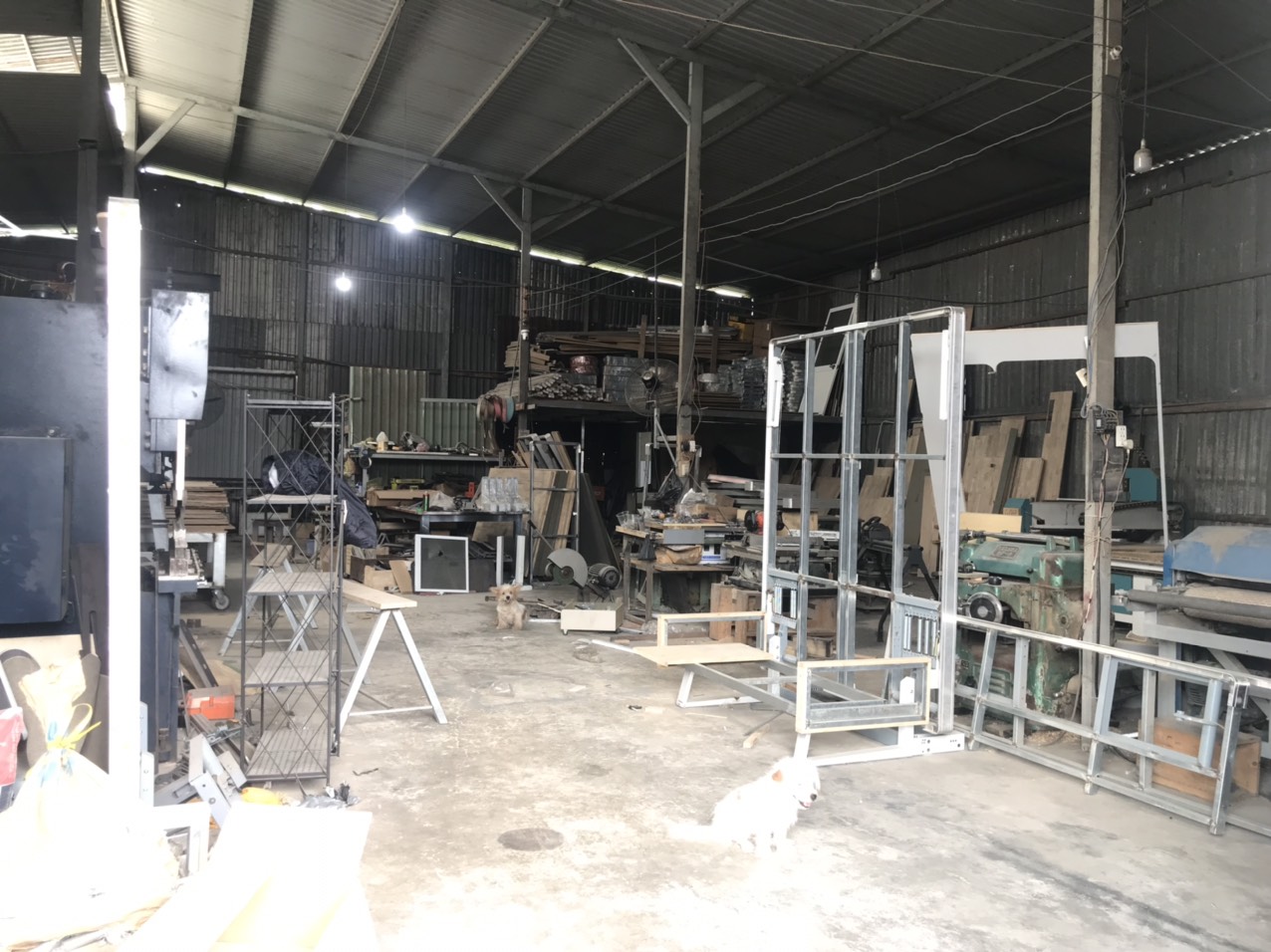
I’ve worked with Vietnamese suppliers that serve everything from car factories to coffee machine brands—surprising many buyers who still think Vietnam is “only for textiles.”
Yes — factories in Vietnam that produce custom metal parts now serve a wide range of industries including automotive, electronics, medical devices, energy, and even aerospace.
Here’s a breakdown of the real-world industries that buy from these suppliers, and how each one matches Vietnam’s capabilities.
Do automotive companies source from Vietnam metal parts factories?
When I visited one CNC supplier in Binh Duong, I saw trays of brackets destined for Toyota’s tier-1 supplier. That’s when I knew: Vietnam’s auto supply chain is real.
Yes — automotive companies actively source from Vietnamese metal part suppliers, especially for brackets, engine components, chassis parts, and precision assemblies.
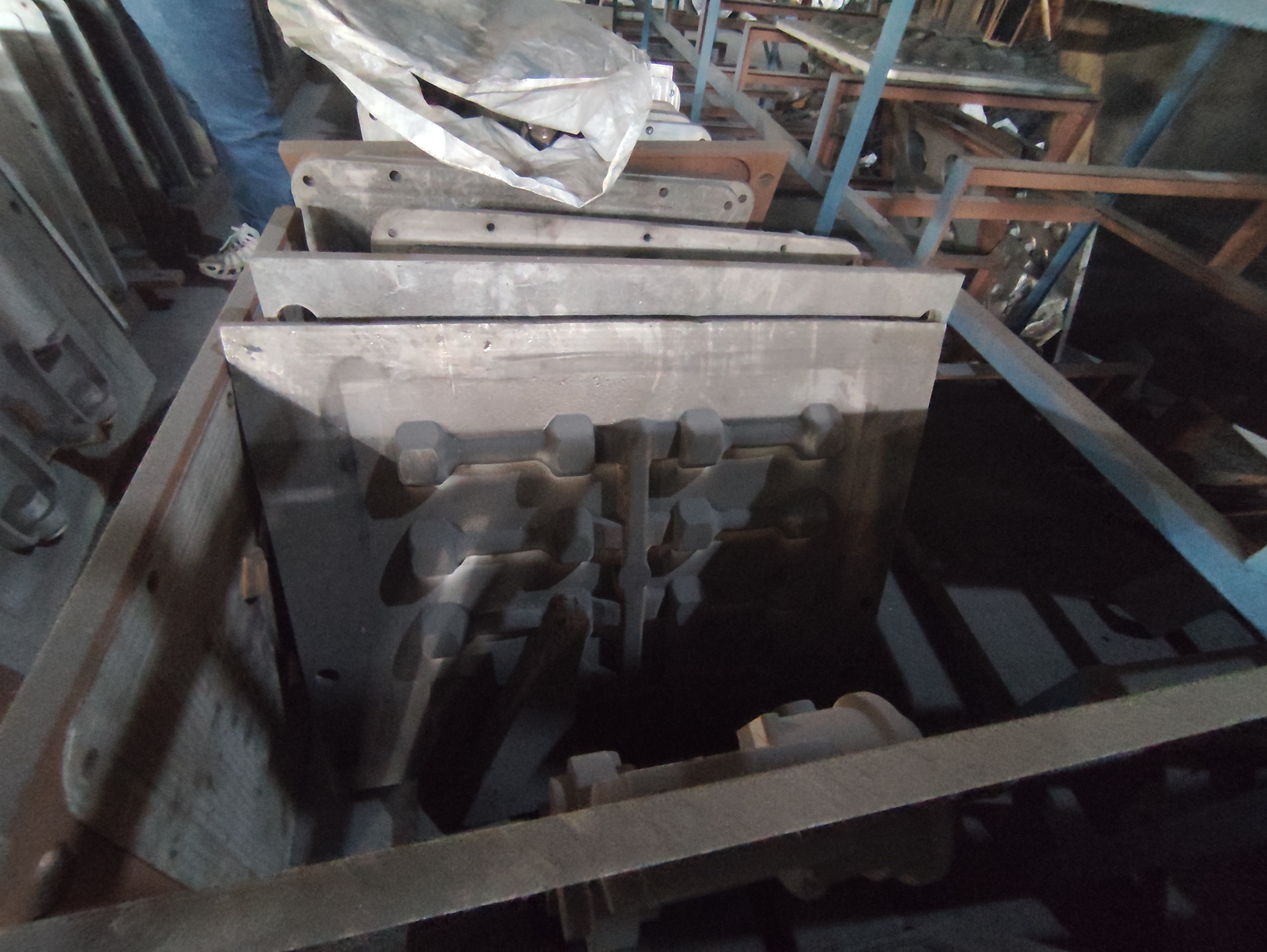
Common Automotive Parts Sourced from Vietnam
| Component Type | Description | Typical Process Used |
|---|---|---|
| Engine Mount Brackets | Forged or stamped steel/aluminum parts | CNC machining, stamping, welding |
| Transmission Housings | High-precision cast and machined aluminum cases | Die casting + CNC + QC |
| Suspension Arms | Forged or stamped parts with weld assemblies | Hot forging + MIG/TIG welding |
| Interior Fasteners | Small machined or stamped steel/aluminum parts | Progressive stamping |
| Chassis Supports | Large stamped, laser-cut, or welded steel structures | Sheet metal + robotic welding |
Vietnam is increasingly attractive to automotive OEMs due to its IATF 16949-certified suppliers 1, tariff advantages, and skilled workforce.
But automotive clients also demand APQP, PPAP, and SPC discipline, which must be verified during supplier qualification.
What role does electronics play in demand?
I once reviewed an order for aluminum heat sinks—tight-tolerance extrusions with machining. Turns out, they were for an LED manufacturer in Europe.
Yes — the electronics and electrical industries are major buyers of precision sheet metal parts, enclosures, frames, and thermal management components from Vietnamese factories.
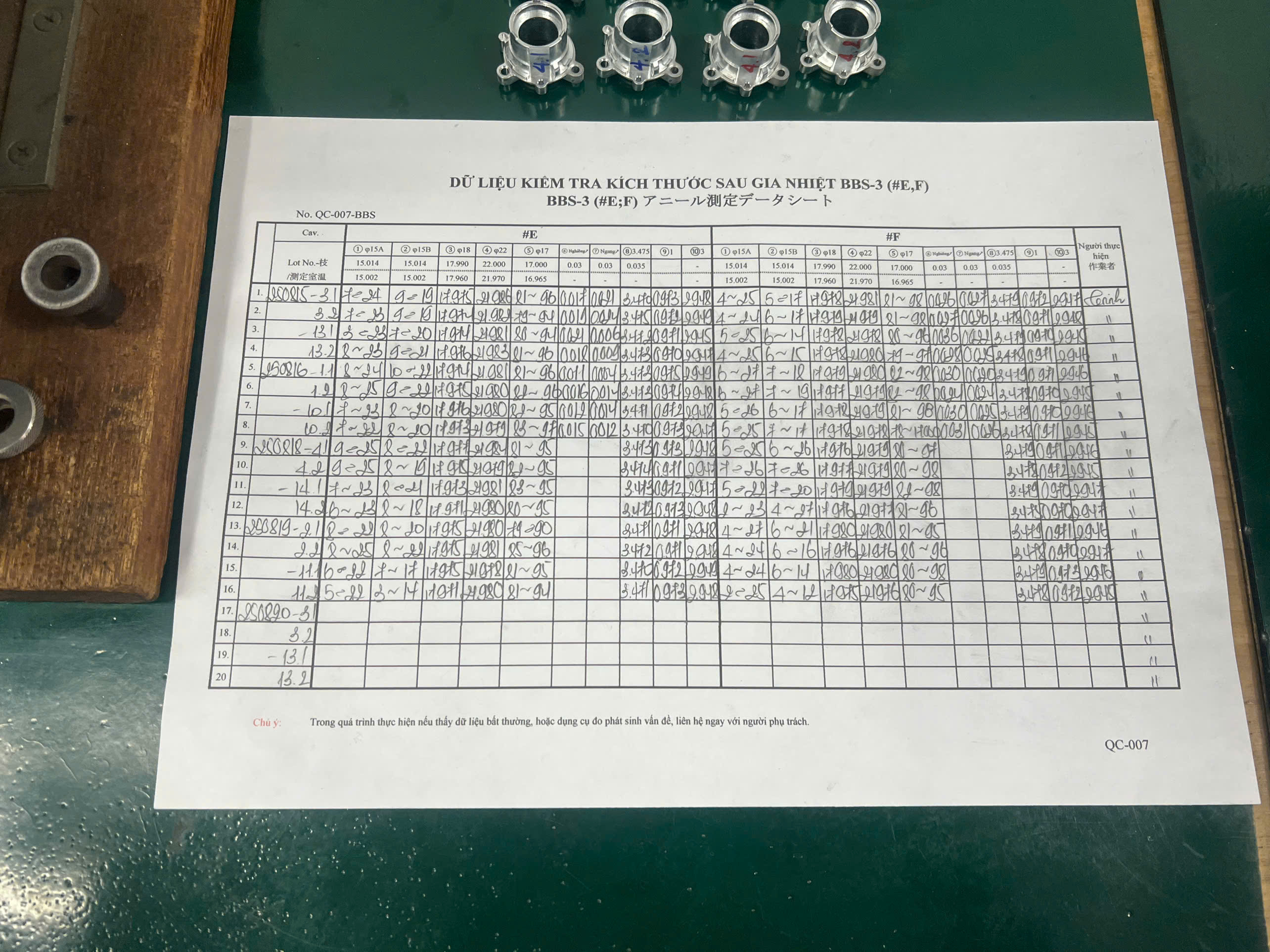
Electronics Industry Needs for Metal Parts
| Product Type | Use Case in Electronics | Key Metal Operations |
|---|---|---|
| Aluminum Enclosures | For circuit boards, power supplies, sensors | Sheet cutting + CNC + anodizing |
| Heat Sinks & Thermal Pads | Dissipate heat in power devices, LEDs | CNC, extrusion, secondary machining |
| Mounting Brackets | Secure internal hardware in control boxes | Stamping, forming, powder coating |
| PCB Shielding Frames | EMI protection for PCB boards | Deep drawing, CNC, surface finishing |
| Rack & Panel Systems | Server racks, control panels | Sheet metal bending + assembly |
Electronics clients often demand RoHS-compliant coatings 2 and ISO 14001 environmental systems 3.
Are medical device firms buying from Vietnam?
One of my clients needed a stainless steel housing for a portable diagnostic device—and found a Vietnamese supplier who’d previously worked on surgical bed frames.
Yes — medical device companies are sourcing metal parts from Vietnam, especially for non-implantable components like housings, carts, frames, and instruments.
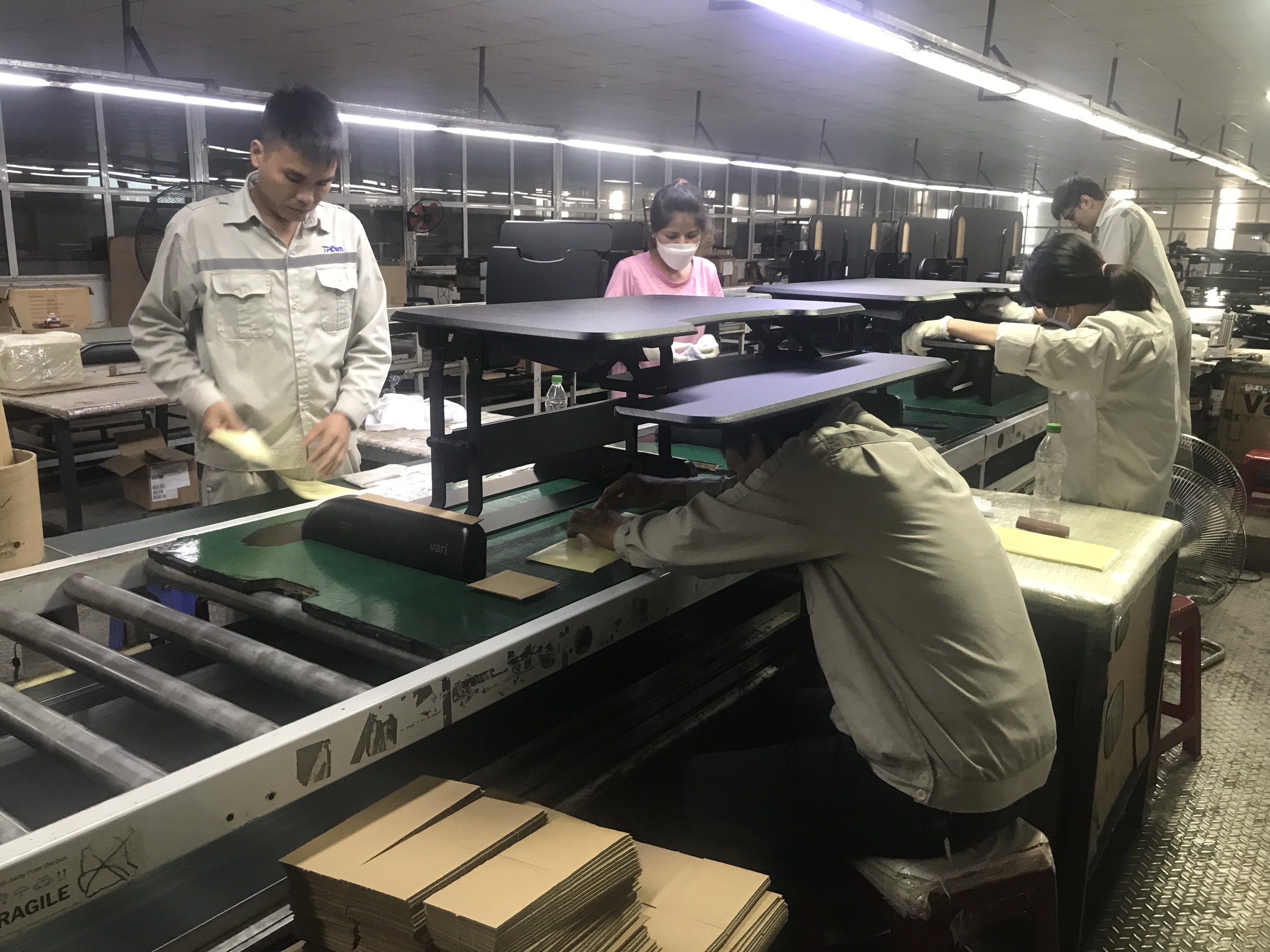
Metal Parts for Medical Devices
| Component Type | Typical Application | Requirements |
|---|---|---|
| Device Housing Frames | Imaging equipment, monitors, diagnostics | Smooth surface, powder coating, ISO 13485 |
| Stainless Casings | Autoclave-compatible exteriors | 304/316L steel, weld strength |
| Surgical Cart Frames | Mobile treatment units | TIG welded tubing, clean finish |
| Brackets & Holders | For IV stands, oxygen units, monitor arms | Formed sheet metal |
| Surgical Instruments | Forceps, handles, clamps (non-critical) | Small-lot CNC, passivation required |
Some suppliers hold ISO 13485 4, while others adapt their ISO 9001 systems with strict cleanliness, passivation, and validated reports.
How about aerospace and defense sector clients?
Not many people associate Vietnam with aerospace, but I’ve personally audited a shop supplying fuel nozzles and connector bodies to a French aerospace tier-2.
Yes — although limited, there are metal suppliers in Vietnam serving the aerospace and defense sectors with high-precision machining, castings, and weldments.
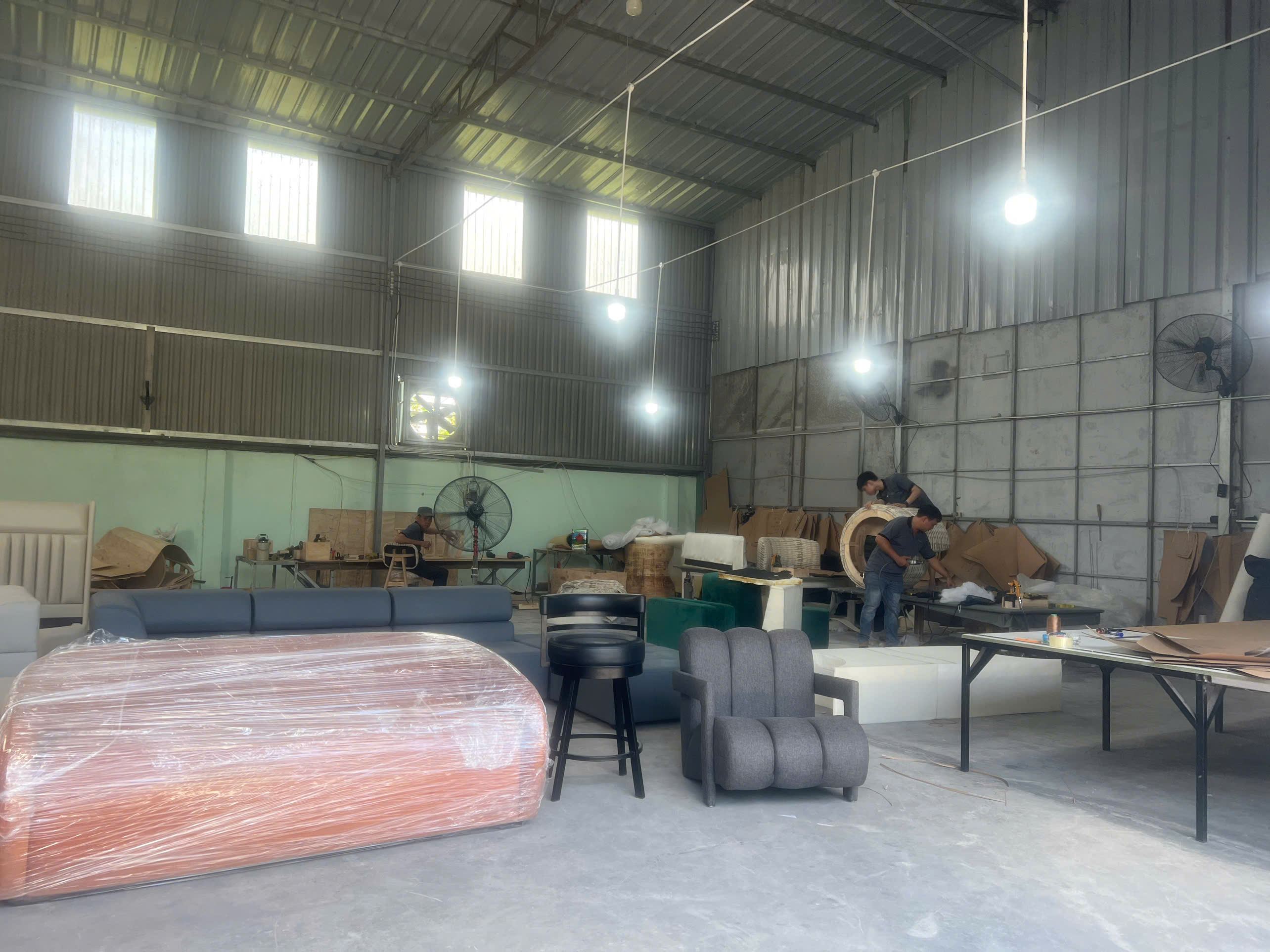
Aerospace & Defense Metal Components
| Part Type | Critical Application | Process & Standards Required |
|---|---|---|
| Brackets & Clamps | Structural assemblies | 5-axis CNC, AS9100 compliance |
| Connectors / Couplers | Fuel lines, hydraulics | Tight tolerance + NDT inspection |
| Satellite Components | Support structures, internal brackets | Lightweight alloys + traceability |
| Weapon Mounts | Fixed hardware for military applications | Forging + machining + surface finish |
| Control Arm Machining | Actuation parts, flight controls | CNC + CMM inspection + material certs |
Aerospace requires AS9100 certification 5, NADCAP approvals, and full non-destructive testing per ASNT 6.
Vietnam has only a handful of such suppliers, but their numbers are growing.
What about energy and industrial equipment?
Yes — many Vietnamese suppliers serve renewable energy, oil & gas, and heavy machinery.
I’ve seen cast housings for pumps, welded frames for wind turbines, and CNC machined parts for compressors shipped to Europe and the U.S.
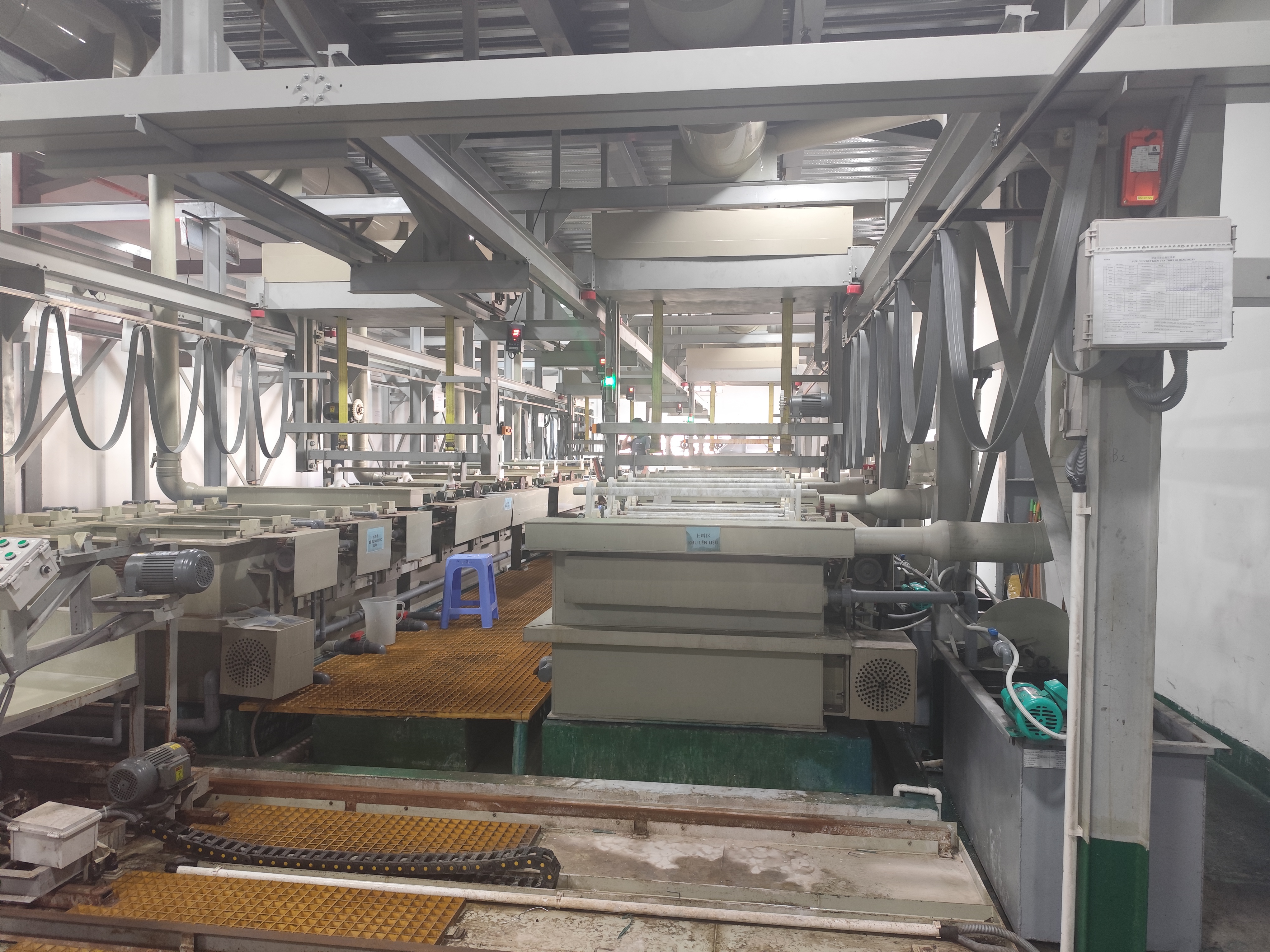
Typical energy-sector buyers demand compliance with ASME standards 7 for pressure vessels, ISO 3834 8 for welding, and traceable material certs.
Conclusion
From automotive to aerospace, Vietnam’s metal part factories serve a surprisingly wide industrial base. But capability varies—what works for furniture brackets won’t work for fuel system fittings. You need to align your supplier with your industry’s tolerance, certification, and quality requirements.
For high-risk industries, I recommend engaging third-party inspection services 9 and mapping suppliers to ISO 28000 supply chain risk frameworks 10.
Frequently Asked Questions
Do automotive companies source from Vietnam metal parts factories?
When I visited one CNC supplier in Binh Duong, I saw trays of brackets destined for Toyota’s tier-1 supplier. That’s when I knew: Vietnam’s auto supply chain is real. Yes — automotive companies actively source from Vietnamese metal part suppliers, especially for brackets, engine components, chassis parts, and precision assemblies.
What role does electronics play in demand?
I once reviewed an order for aluminum heat sinks—tight-tolerance extrusions with machining. Turns out, they were for an LED manufacturer in Europe. Yes — the electronics and electrical industries are major buyers of precision sheet metal parts, enclosures, frames, and thermal management components from Vietnamese factories.
Are medical device firms buying from Vietnam?
One of my clients needed a stainless steel housing for a portable diagnostic device—and found a Vietnamese supplier who’d previously worked on surgical bed frames. Yes — medical device companies are sourcing metal parts from Vietnam, especially for non-implantable components like housings, carts, frames, and instruments.
Footnotes
1. IATF Global Oversight site for certified automotive suppliers. ↩︎
2. EU RoHS directive for electronic components and coatings. ↩︎
3. ISO 14001 standard for environmental management in manufacturing. ↩︎
4. ISO 13485 certification for medical device quality management. ↩︎
5. AS9100 quality system standard for aerospace suppliers. ↩︎
6. ASNT standards for non-destructive testing in aerospace. ↩︎
7. ASME codes and standards for industrial and energy applications. ↩︎
8. ISO 3834 requirements for quality in fusion welding. ↩︎
9. SGS product inspection services for supplier validation. ↩︎
10. ISO 28000 framework for supply chain risk management. ↩︎