Every week, our team reviews infrastructure sheet metal fabrication projects where the wrong surface treatment led to premature corrosion, costly rework, or field failures that could have been avoided.
The best surface treatments for infrastructure sheet metal fabrication are hot-dip galvanizing for maximum corrosion protection on steel, powder coating for durable aesthetics and UV resistance on large parts, and anodizing aluminum for electrical insulation and wear resistance — each chosen based on material, environment, and function.
Choosing the right protective coating is not a one-size-fits-all decision sacrificial anode 1. The material you fabricate, the environment it faces, and the budget you work with all shape the answer. Let me walk you through how we help U.S. buyers make these decisions every day.
How do I select a surface treatment that ensures my infrastructure parts survive harsh outdoor environments?
A buyer from the Midwest once sent us photos of mounting brackets that had rusted through in under two years. The original supplier had used a basic primer coat. That project taught us that environmental exposure dictates everything about material selection and finishing.
To select a surface treatment for harsh outdoor environments, match the coating to your specific exposure: use hot-dip galvanizing for rain, salt, and industrial pollutants on steel; anodizing aluminum for coastal or humid conditions; and powder coating for UV-intensive applications requiring color and chemical resistance.
Understanding Environmental Threats
Outdoor infrastructure faces a range of destructive forces. Rain, humidity, salt spray, UV radiation, temperature swings, and industrial chemicals all attack unprotected metal. Each threat demands a specific type of corrosion protection 2.
Steel parts in coastal regions need a thick sacrificial barrier. That is where zinc coating through hot-dip galvanizing 3 excels. The zinc layer corrodes before the base steel does, giving years of protection without maintenance. For aluminum infrastructure, anodizing thickens the natural oxide layer, creating a hard surface that resists weathering and wear.
When our team in Vietnam processes parts for U.S. infrastructure projects, we always start by asking: Where will this part live? That single question narrows down the finish options immediately.
The Environment-to-Finish Decision Matrix
| Environment | Primary Threat | Recommended Finish | Why It Works |
|---|---|---|---|
| Coastal / Marine | Salt spray, humidity | Hot-dip galvanizing (steel) or Anodizing (aluminum) | Sacrificial zinc layer or thickened oxide resists salt corrosion |
| Urban / Industrial | Acid rain, pollutants | Powder coating 4 or Duplex system | Chemical resistance and UV stability |
| Desert / High UV | UV radiation, heat cycling | Powder coating | Superior UV and color retention |
| Underground / Buried | Soil moisture, chemicals | Hot-dip galvanizing | Thick zinc barrier resists soil-borne corrosion |
| Indoor / Controlled | Minimal exposure | Passivation or Chromate conversion | Cost-effective light protection |
Surface Preparation Is Non-Negotiable
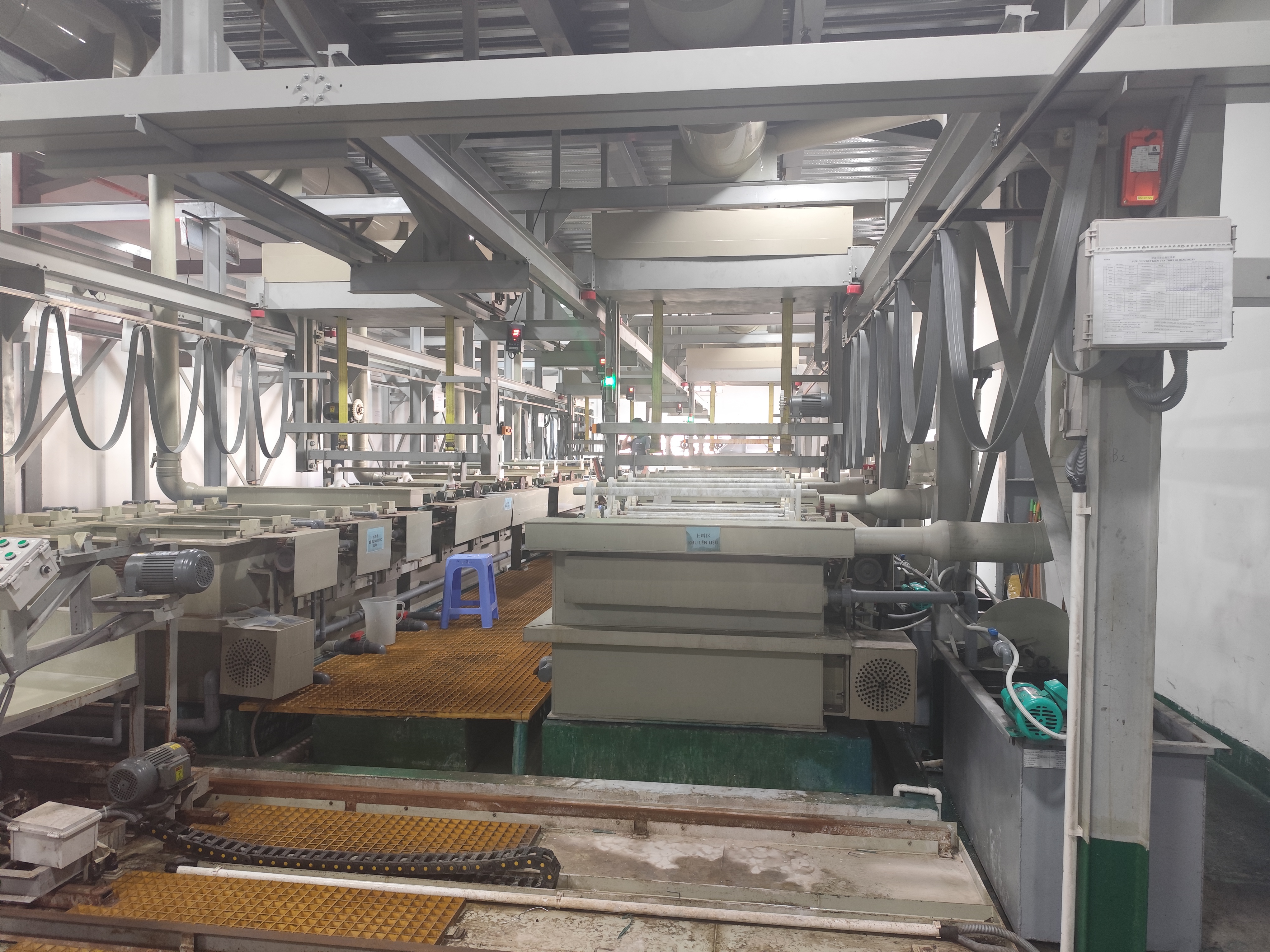
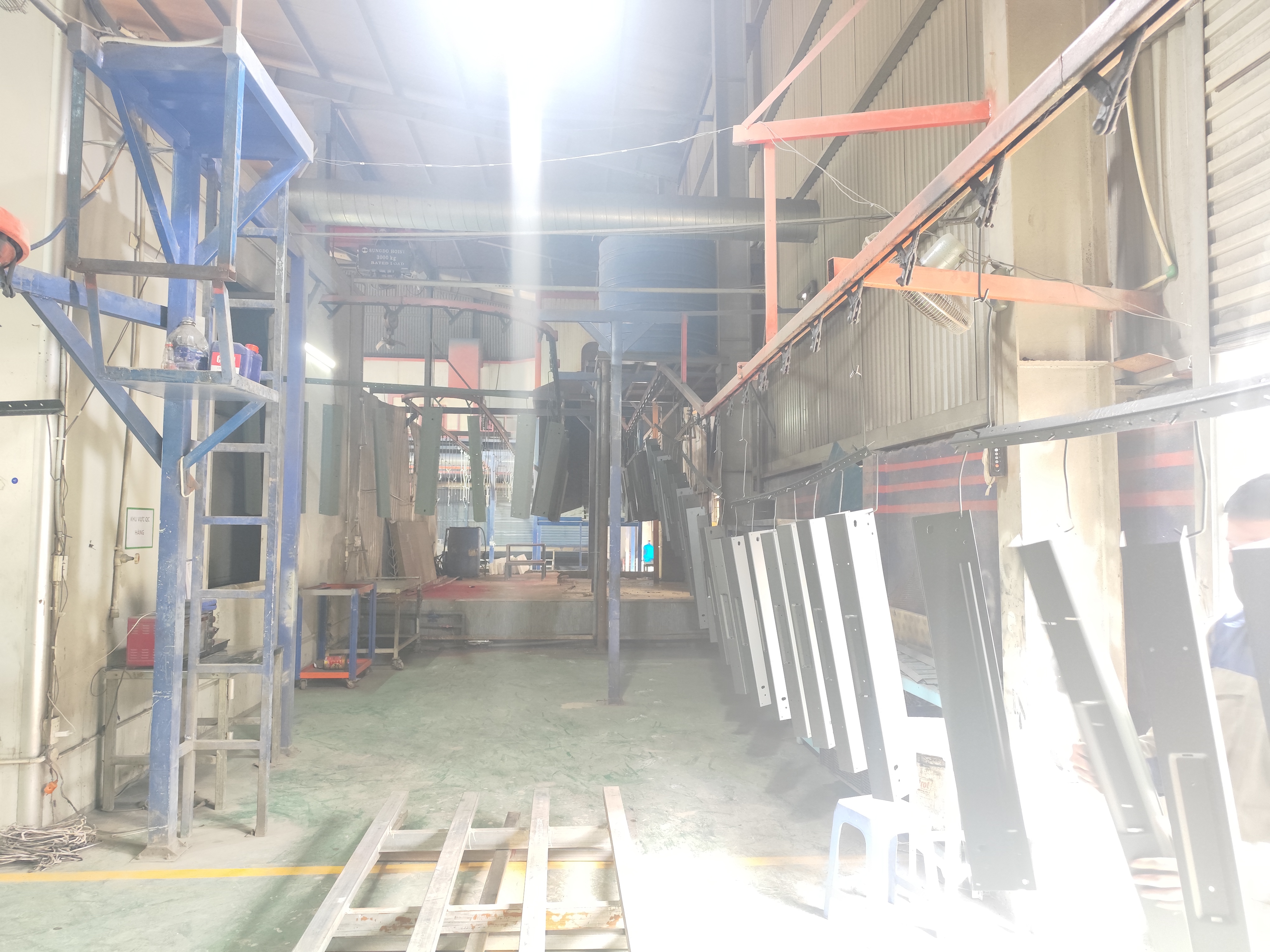
No coating performs well on a poorly prepared surface. Before any finish is applied, the base metal must be cleaned, degreased, and free of mill scale. For galvanizing, the steel is typically pickled in acid and fluxed. For powder coating, parts go through a multi-stage wash and phosphate pretreatment.
We have seen projects fail not because the wrong finish was chosen, but because the supplier skipped proper surface preparation. A small shortcut here leads to adhesion failure, bubbling, or early corrosion in the field. Our quality control process includes inspection of surface preparation stages — not just the final coating.
Duplex Systems for Extreme Conditions
For the most aggressive environments, a single coating may not be enough. Duplex systems 5 combine galvanizing with powder coating. The zinc layer provides sacrificial corrosion protection underneath, while the powder coat on top adds UV resistance, aesthetics, and an additional barrier. This combination can extend service life by two to three times compared to either finish alone.
Which finishing options offer the best balance between long-term durability and my project budget?
One trade-off we weigh on nearly every quote is cost versus lifespan. A purchasing manager recently asked us to compare three finishes for a set of heavy-duty brackets. The upfront price difference was significant, but the lifecycle cost told a completely different story.
For the best balance of durability and budget, powder coating offers the lowest upfront cost with strong long-term performance for most applications; hot-dip galvanizing costs more initially but delivers the longest maintenance-free life; duplex systems carry the highest initial investment but the lowest total lifecycle cost in aggressive environments.
Comparing Upfront Cost vs. Lifecycle Cost
Most buyers focus on the per-part finishing cost. That makes sense for indoor components with low exposure. But for infrastructure that must last 20 to 50 years outdoors, the real metric is total cost of ownership 6. This includes initial coating cost, maintenance intervals, repair frequency, and potential replacement.
A part that costs 30% more to galvanize today may save you five times that amount in avoided repairs and replacements over its service life. Our role in the supply chain is to present these numbers clearly so purchasing managers can make informed decisions — not just chase the lowest quote. Learning how to compare surface treatment durability and cost when sourcing is essential for making the right call.
Cost and Performance Comparison Table
| Finish | Relative Upfront Cost | Typical Service Life (Outdoor) | Maintenance Needed | Best For |
|---|---|---|---|---|
| Wet paint | Low | 3–7 years | Frequent touch-ups | Indoor or temporary structures |
| Powder coating | Low–Medium | 10–20 years | Occasional cleaning | Visible infrastructure, signage, enclosures |
| Hot-dip galvanizing | Medium | 25–50+ years | Minimal to none | Structural steel, utility poles, guardrails |
| Anodizing (aluminum) | Medium–High | 20–30 years | Minimal | Aluminum facades, frames, brackets |
| Duplex (galvanize + powder coat) | High | 40–60+ years | Very minimal | Coastal bridges, marine structures |
| Chromate conversion | Low | 2–5 years (alone) | Requires topcoat | Electronics, conductivity-required parts |
Lead Time Matters Too
Budget is not just about money. Time is a cost. Powder coating generally offers faster turnaround than plating or galvanizing. For large infrastructure projects with tight deadlines, this speed advantage can be the deciding factor.
When we manage fabrication processes for clients, we factor in lead time for each finishing step. A finish that takes two extra weeks may delay an entire project phase. We have learned to plan finishing schedules alongside fabrication timelines — not as an afterthought.
The Hidden Cost of Getting It Wrong
Choosing a cheaper finish to save budget often leads to warranty claims, field failures, and expensive re-coating. I have seen projects where parts had to be removed from installed structures, stripped, and re-finished. That cost was ten times the original coating price. Investing in the right protective coating from the start is always cheaper than fixing it later.
For projects with mid-to-high quality requirements — the kind our clients typically run — we recommend specifying the finish in the engineering drawing and locking it down during the PPAP process 7. This prevents the supplier from substituting a lower-grade coating without approval.
How can I ensure my overseas manufacturer maintains strict quality control during the coating process?
During a recent supplier audit in Vietnam, we discovered that a subcontractor was skipping the phosphate pretreatment stage before powder coating. The parts looked fine visually, but adhesion testing 8 showed the coating would peel within months. That finding saved our client from a major field failure.
To ensure strict quality control during overseas coating, require documented process controls (temperature logs, thickness gauges, adhesion tests), conduct regular supplier audits, demand PPAP submissions with coating specifications, and work with a sourcing partner who has local staff to verify compliance at every production stage.

Why Coating QC Fails Overseas
The most common reason coating quality fails is not capability — it is consistency. Many overseas shops can produce a good sample. The problem is maintaining that same standard across hundreds or thousands of parts over multiple production runs.
Without process controls, operators may shorten cure times, skip surface cleaning steps, or apply coatings outside the specified thickness range. These shortcuts are invisible on visual inspection. The defects only show up weeks or months later, when the coating blisters, cracks, or peels in the field.
Critical QC Checkpoints for Coating Processes
Our team uses a structured inspection approach for every coating stage:
- Surface preparation verification — Confirm cleaning, degreasing, and pretreatment steps are completed. Check for residual oil, mill scale, or flash rust.
- Coating thickness measurement — Use calibrated gauges to verify the applied coating meets the drawing specification. For galvanizing, this means checking zinc layer thickness. For powder coating, measure dry film thickness.
- Adhesion testing — Perform cross-hatch or pull-off adhesion tests per ASTM standards 9 to confirm the coating bonds properly to the substrate.
- Cure verification — For powder coating, confirm oven temperature and dwell time using thermal strips or data loggers.
- Visual and cosmetic inspection — Check for runs, sags, bare spots, orange peel, and color consistency.
Building Accountability Into the Supply Chain
When we manage a project, the coating specification is locked into the PPAP documentation. This includes the exact finish type, thickness range, adhesion standard, and test frequency. The supplier signs off on these requirements before production begins. During production, our local team in Vietnam or China conducts in-process and final inspections.
This level of oversight is what separates a reliable supply chain from one that delivers surprises. Our U.S. clients tell us their biggest pain point is suppliers who overlook critical drawing requirements. Surface treatment is one of the most commonly overlooked details, and it is one of the most consequential.
What to Ask Your Supplier
Before awarding a coating contract, ask these questions:
- What pretreatment process do you use, and is it documented?
- What coating thickness range do you guarantee?
- Do you perform adhesion testing, and at what frequency?
- Can you provide oven temperature logs for each batch?
- Will you accept a third-party inspection before shipment?
If the supplier cannot answer these questions clearly, that is a red flag. A professional coating shop will have documented procedures and welcome inspection.
Should I prioritize hot-dip galvanizing or powder coating for my custom sheet metal fabrication needs?
This is the question we hear most often from purchasing managers sourcing custom parts for infrastructure. Last quarter, a client needed a batch of heavy-gauge mounting brackets — similar to the angular, multi-bend components we regularly produce — and the engineering team was split between galvanizing and powder coating.
Prioritize hot-dip galvanizing when your custom sheet metal parts face prolonged outdoor exposure and corrosion is the primary concern; choose powder coating when you need color options, UV stability, tighter cosmetic tolerances, and faster delivery — or use both in a duplex system for maximum protection.
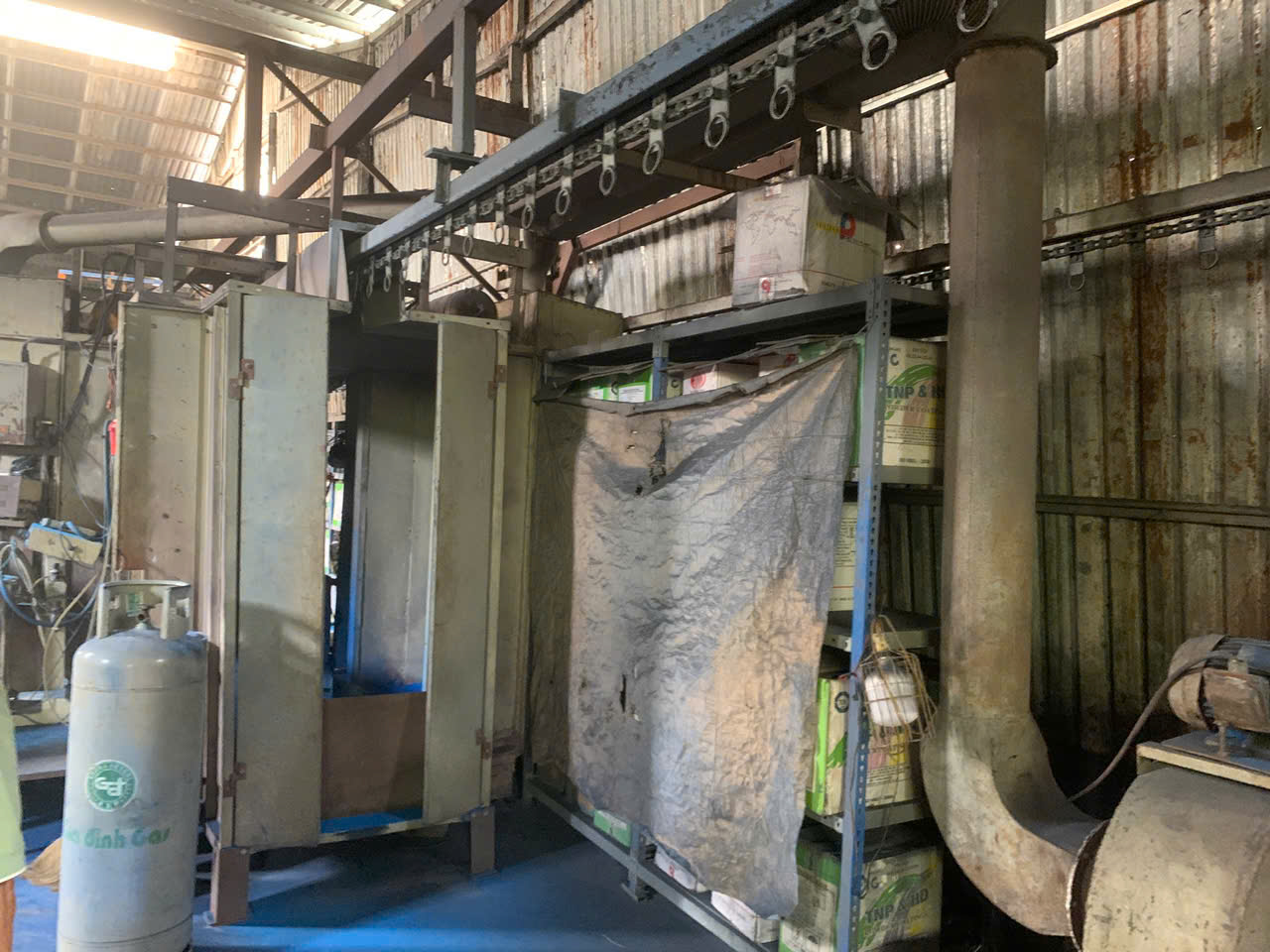
Head-to-Head Comparison
Both hot-dip galvanizing and powder coating are excellent protective coatings. But they solve different problems. Understanding where each one excels helps you make a confident decision.
| Feature | Hot-Dip Galvanizing | Powder Coating |
|---|---|---|
| Corrosion protection | Excellent — sacrificial zinc coating | Very good — barrier protection |
| UV resistance | Moderate — zinc patina forms over time | Excellent — resists fading and chalking |
| Color options | Limited — silver/grey only | Extensive — RAL, Pantone, custom colors |
| Surface texture | Rough, uneven possible | Smooth, consistent finish |
| Part size limit | Large parts accommodated in dip tanks | Standard max ~4' x 4' for most shops |
| Lead time | Longer — requires pickling, fluxing, dipping | Shorter — spray and cure process |
| Cost | Medium | Low to medium |
| Durability | 25–50+ years outdoors | 10–20 years outdoors |
| Scratch resistance | Good — thick zinc layer | Good — hard cured film |
| Environmental impact | Zinc is recyclable; process uses energy | Low-VOC, no solvents, recyclable overspray |
When Galvanizing Wins
For structural steel components that will be buried, submerged, or exposed to industrial chemicals, galvanizing is the clear winner. The thick zinc layer bonds metallurgically to the steel, creating a barrier that heals minor scratches on its own through cathodic protection. Highway guardrails, utility pole bases, and underground pipe supports are classic galvanizing applications.
When we source custom infrastructure parts, we recommend galvanizing whenever the part will be installed in an uncontrolled outdoor environment and will not receive regular maintenance. The long service life and low maintenance requirements offset the higher initial cost.
When Powder Coating Wins
For parts that need to look good and perform well, powder coating is the better choice. It offers a wide range of colors and textures — matte, gloss, textured, metallic. It resists UV degradation far better than galvanizing, which tends to develop a dull grey patina over time.
Powder coating also works well for parts with tight cosmetic tolerances. The cured film is smooth and uniform, unlike the sometimes rough and uneven surface of a galvanized finish. For enclosures, housings, and visible brackets, powder coating delivers a professional appearance.
The fabrication processes involved in custom sheet metal work — precise folds, sharp bends, pre-drilled mounting holes — are all compatible with powder coating. We routinely produce complex angular brackets with multiple bends and cutouts, then send them for powder coating to achieve a clean, matte gunmetal grey finish.
The Duplex System Option
When our clients cannot compromise on either corrosion resistance or aesthetics, we recommend the duplex approach. First, the parts are hot-dip galvanized. Then, after proper surface preparation, they receive a powder coat topcoat. This combination delivers the sacrificial protection of zinc plus the UV resistance and color of powder coating. It is the gold standard for coastal bridges, waterfront infrastructure, and long-life outdoor installations.
The initial cost is higher. But for a 40- to 60-year service life with almost zero maintenance, the return on investment is compelling.
Material-Specific Considerations
If your parts are aluminum, neither galvanizing nor standard powder coating may be the ideal standalone solution. Anodizing aluminum 10 creates a hard, corrosion-resistant oxide layer that also provides electrical insulation. For aluminum infrastructure brackets or facade panels, anodizing is often the right first step, sometimes followed by a powder coat for additional durability and color.
The decision always comes back to three questions: What material are you using? What environment will the part face? And what does the part need to look like? Answer those, and the right finish becomes obvious. For a deeper dive into all available options, explore the best surface treatment options for sheet metal fabrication.
Conclusion
Selecting the right surface treatment for infrastructure sheet metal fabrication depends on your material, environmental exposure, budget horizon, and quality control rigor — get these right, and your parts will perform for decades.
Frequently Asked Questions
How do I select a surface treatment that ensures my infrastructure parts survive harsh outdoor environments?
A buyer from the Midwest once sent us photos of mounting brackets that had rusted through in under two years. The original supplier had used a basic primer coat. That project taught us that environmental exposure dictates everything about material selection and finishing.
Which finishing options offer the best balance between long-term durability and my project budget?
One trade-off we weigh on nearly every quote is cost versus lifespan. A purchasing manager recently asked us to compare three finishes for a set of heavy-duty brackets. The upfront price difference was significant, but the lifecycle cost told a completely different story.
How can I ensure my overseas manufacturer maintains strict quality control during the coating process?
During a recent supplier audit in Vietnam, we discovered that a subcontractor was skipping the phosphate pretreatment stage before powder coating. The parts looked fine visually, but adhesion testing 8 showed the coating would peel within months. That finding saved our client from a major field failure.
Footnotes
1. Changed anchor text from ‘sacrificial barrier’ to the more accurate ‘sacrificial anode’ and provided a Wikipedia link for comprehensive explanation. ↩︎
2. Provides a general overview of corrosion and methods of protection. ↩︎
3. Explains the process and benefits of hot-dip galvanizing. ↩︎
4. Details the process and advantages of powder coating for durability. ↩︎
5. Defines duplex systems and their application in extreme conditions. ↩︎
6. Explains the concept of total cost of ownership in project management. ↩︎
7. Describes the Production Part Approval Process in manufacturing. ↩︎
8. Details methods and importance of adhesion testing for coatings. ↩︎
9. Introduces ASTM International and its role in developing standards. ↩︎
10. Describes the anodizing process and its benefits for aluminum. ↩︎