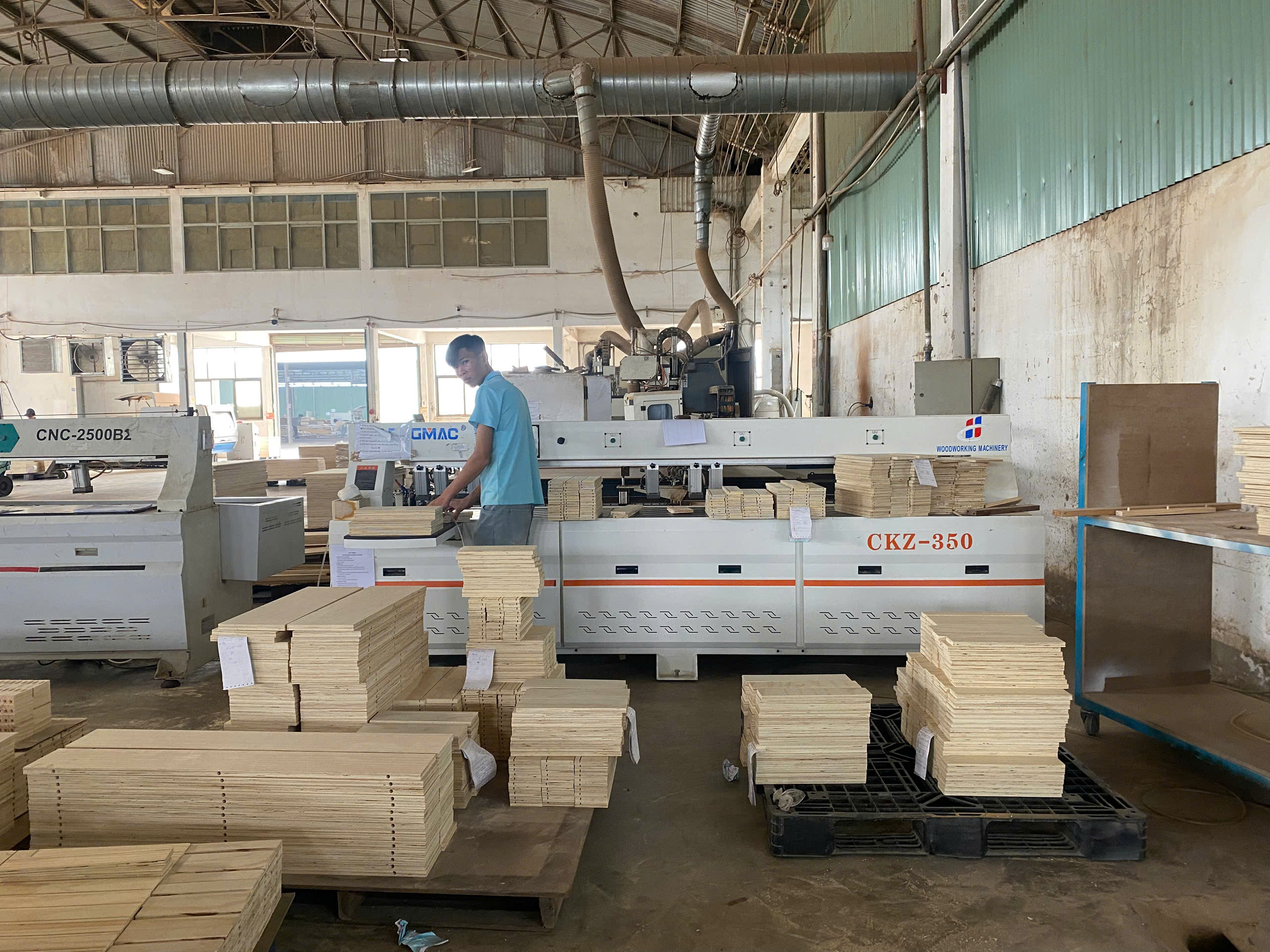
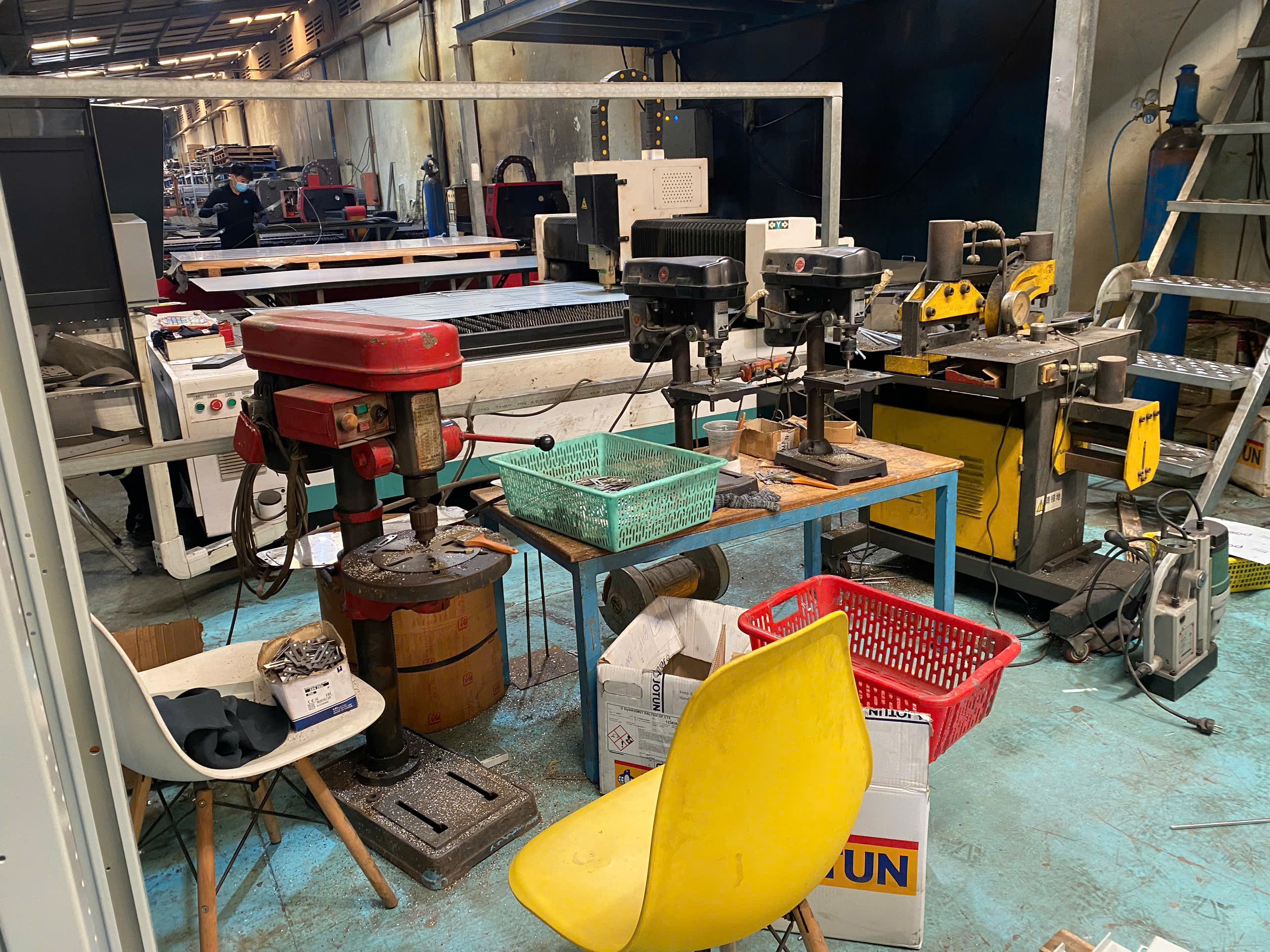
ISO 9001 certification 1 for sheet metal fabrication suppliers is a topic our team revisits every time a rejected shipment lands on a buyer’s dock — and the root cause traces back to missing process control.
ISO 9001 certification is crucial for sheet metal fabrication suppliers because it standardizes every step — from laser cutting to final inspection — ensuring repeatable precision, full material traceability, reduced rework costs, and the documented processes that high-value OEM buyers demand before approving any new supplier.
This article breaks down exactly how ISO 9001 protects your orders, cuts hidden costs, and gives you the documentation you need. Let us walk through each angle that matters to purchasing managers sourcing custom parts from Asia.
How does ISO 9001 certification protect my sheet metal orders from frequent quality defects?
A few months ago, our quality team in Vietnam traced a batch of non-conforming mounting brackets back to a single uncalibrated bending machine — the kind of defect that a solid quality management system 2 catches before parts ever ship.
ISO 9001 protects sheet metal orders from frequent defects by requiring standardized work instructions, calibrated equipment, in-process inspections, and documented corrective actions — so every cut, bend, and weld follows a controlled, repeatable process that catches errors before they reach your warehouse.
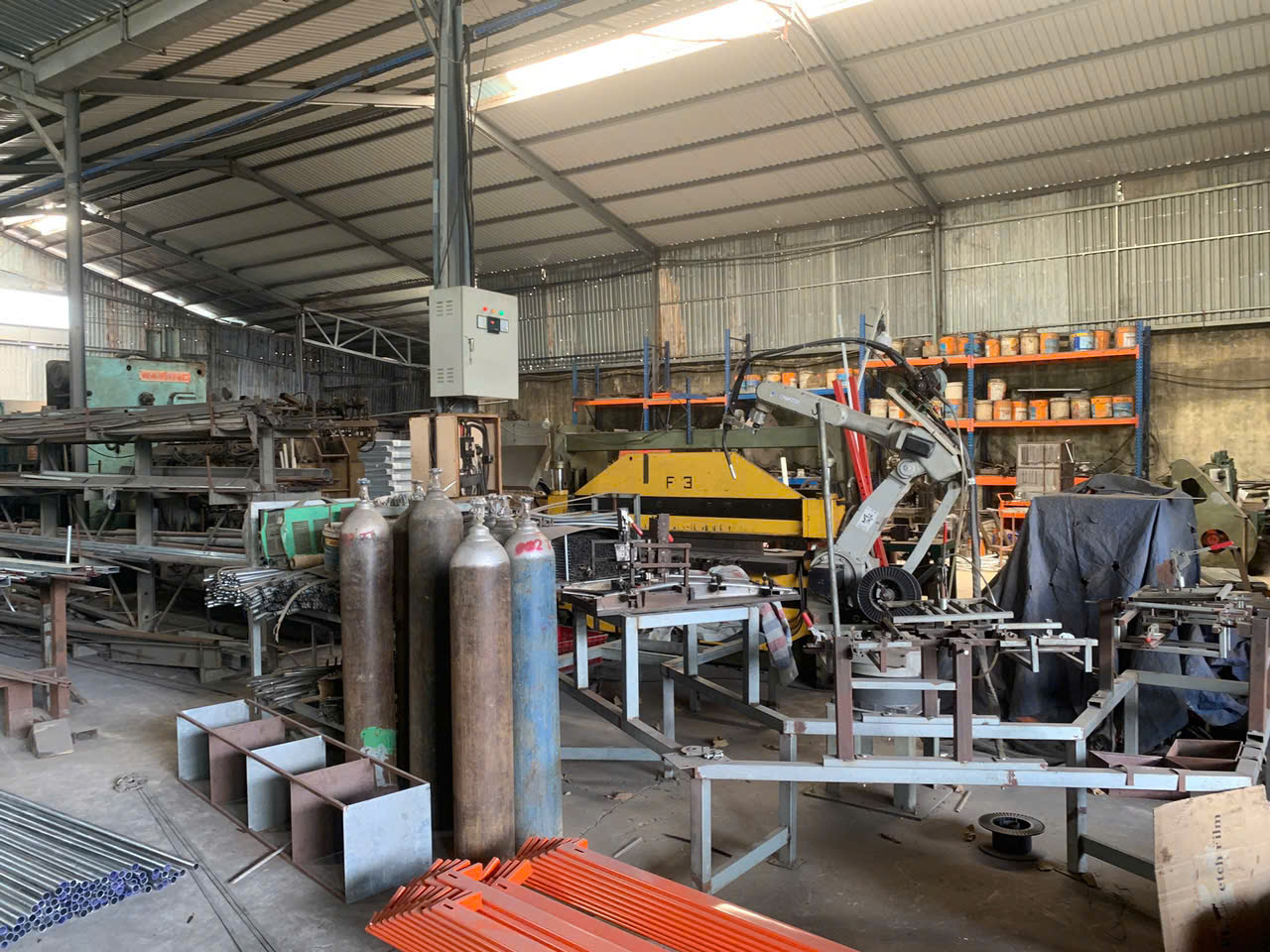
The Root Problem: Variability in Fabrication
Sheet metal fabrication is not like stamping identical widgets on one machine. A single shop may run CNC laser cutting, press brake bending, TIG welding, powder coating, and assembly — all in one day. Each operation introduces variables. Material thickness can drift. Tooling wears. Operators change shifts. Without a system to lock down each variable, defects multiply.
I have seen this firsthand when auditing potential suppliers for our U.S. clients. A shop might produce a perfect first article, then deliver 500 parts with bent flanges 0.3 mm out of spec. The difference between a good day and a bad day was not skill — it was the absence of documented processes.
How ISO 9001 Controls These Variables
ISO 9001:2015 3 requires a fabricator to define, document, and follow a process for every operation. Here is what that looks like on the shop floor:
| Fabrication Step | Without ISO 9001 | With ISO 9001 |
|---|---|---|
| CNC Laser Cutting | Operator selects settings from memory | Documented cutting parameters per material type and thickness |
| Press Brake Bending | Setup varies by operator | Standardized setup sheets with tool selection, bend sequence, and first-piece verification |
| Welding | Visual check only | Weld procedure specification (WPS), welder qualification records, and in-process inspection |
| Surface Finishing | Inconsistent coating thickness | Defined powder coat parameters, cured-sample adhesion tests, and batch records |
| Final Inspection | Spot-check a few parts | Statistical sampling plan with go/no-go gauges and CMM verification per drawing tolerances |
Corrective Action: Stopping Repeat Defects
One of the most powerful elements is the corrective action process 4. When a defect occurs, ISO 9001 does not allow a shop to simply fix the part and move on. They must document the root cause, implement a corrective action, and verify it worked. This is the mechanism that turns a reactive job shop into a predictable production partner.
Our engineering team tracks supplier corrective action reports closely. We have found that suppliers who genuinely follow this process see their defect rates drop within two to three production cycles. Suppliers without it tend to repeat the same mistakes quarter after quarter — costing our clients time and money in rework costs.
Risk-Based Thinking
ISO 9001:2015 also introduced risk management as a core requirement. Risk-Based Thinking 5 A certified fabricator must identify risks to product quality before production starts — not after a shipment is rejected. This could mean flagging a new material grade, a tight tolerance on a complex bracket, or a first-time customer drawing that needs clarification.
This proactive approach is exactly what purchasing managers like our clients need. It means fewer surprises and more predictable outcomes.
Why should I prioritize ISO-certified fabricators when sourcing custom parts from Vietnam or Asia?
When we first set up our Vietnam office, the biggest lesson was not about labor cost — it was about the gap between a supplier who can make a good sample and one who can deliver consistent quality at volume across months of production.
You should prioritize ISO-certified fabricators when sourcing from Vietnam or Asia because certification serves as an objective, third-party-verified filter that confirms a supplier has repeatable quality control procedures, material traceability, and the process discipline needed to meet Western OEM standards consistently across every shipment.
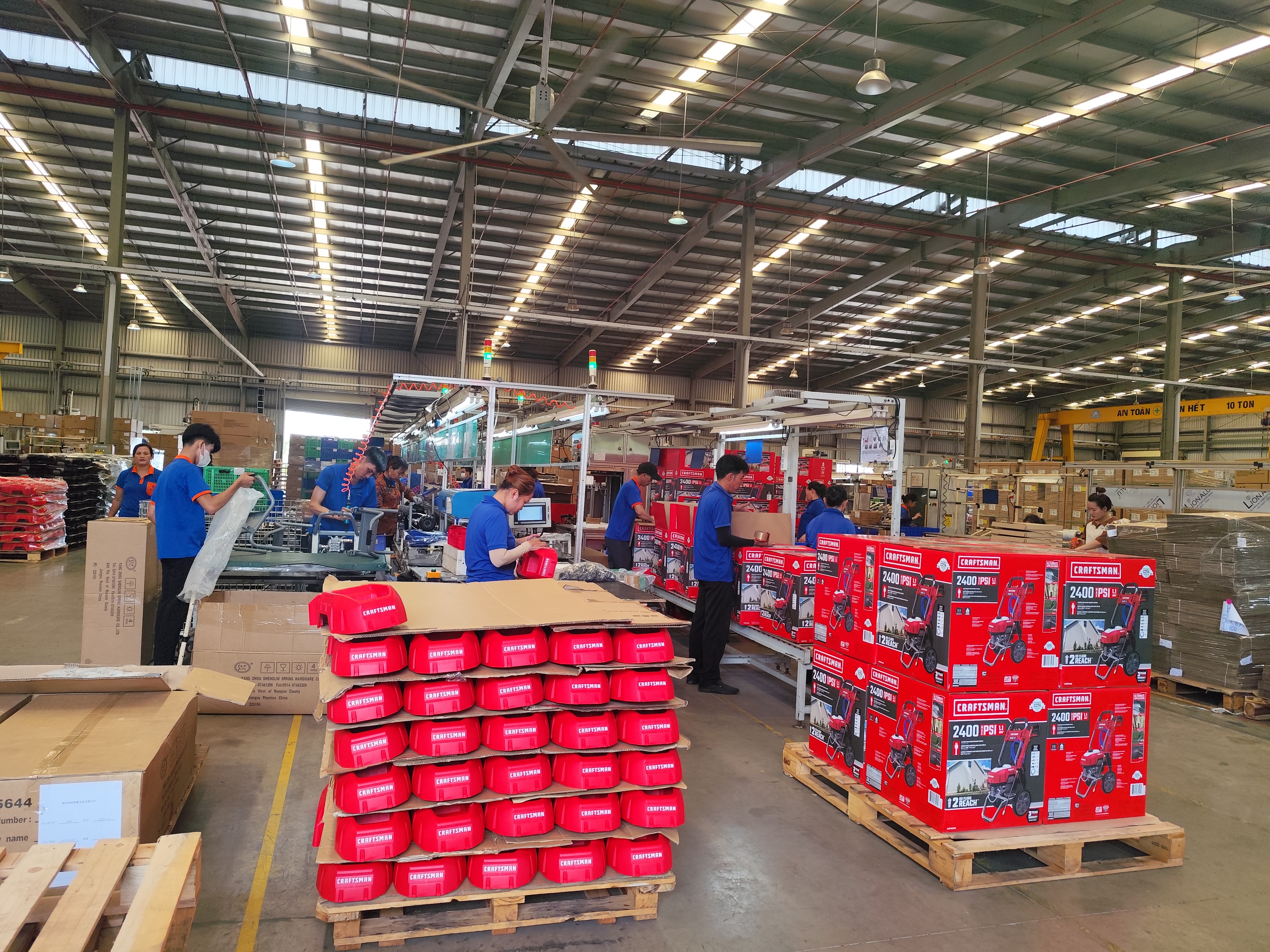
The OEM Gatekeeper Effect
Many of our U.S. clients serve aerospace, medical device, or defense end-users. These OEMs do not leave supplier quality to chance. They list ISO 9001 certification as a mandatory requirement on their approved supplier lists. If your fabricator is not certified, your parts cannot enter those supply chains — period.
This is not bureaucracy for its own sake. It is risk mitigation. When an OEM specifies ISO 9001, they are saying: "We need proof that this supplier has a quality management system, not just skilled workers."
Why Asia Sourcing Makes This Even More Critical
Sourcing custom parts from Asia adds layers of complexity that make ISO 9001 even more important:
| Challenge | Why ISO 9001 Helps |
|---|---|
| Distance from buyer | Documented processes replace the need for constant on-site supervision |
| Language barriers | Standardized work instructions reduce misinterpretation of drawings |
| Supplier turnover | The system is tied to the process, not to individual operators who may leave |
| Regulatory compliance (RoHS, REACH) | ISO 9001 mandates record-keeping that supports regulatory audits |
| Multiple suppliers in the chain | Supplier evaluation procedures ensure sub-tier material quality |
When our team conducts supplier audits in Vietnam, we look for more than a certificate on the wall. We check whether the system is alive — whether operators actually use the work instructions, whether calibration records are current, and whether corrective actions are closed on time. A genuine ISO implementation is the difference between a supplier who ships right the first time and one who becomes a recurring headache.
Beyond the Certificate: What to Look For
Not all ISO certifications are equal. Some shops achieve certification to check a box. Others use the quality management system as the backbone of their daily operations. Here is how to tell the difference during a supplier evaluation:
- Ask for recent internal audit reports. A healthy system produces findings — if there are zero findings, the audits may not be rigorous.
- Request corrective action examples. Real implementations have closed CARs (Corrective Action Reports) with evidence of root-cause analysis.
- Check calibration stickers on equipment. If the press brake's calibration expired three months ago, the system is not being followed.
- Review material certificates. Full material traceability means every sheet of steel can be traced to a mill certificate.
Our experience managing supply chains across Vietnam and China has shown that ISO-certified suppliers consistently outperform non-certified ones on delivery reliability and first-pass yield. This directly translates to fewer headaches and better customer satisfaction for our clients' end-users.
Can an ISO 9001 quality management system help me reduce lead times and rework costs?
One trade-off we discuss with clients regularly is speed versus quality — and the surprising truth is that a well-run quality management system actually delivers both. We have watched suppliers cut their lead times after implementing ISO 9001, not in spite of it.
Yes, an ISO 9001 quality management system directly reduces lead times and rework costs by eliminating the chaos of uncontrolled processes — standardized work instructions prevent errors at the source, planned maintenance avoids machine downtime, and data-driven continuous improvement steadily lowers scrap rates and cycle times.
Where Rework Costs Hide
Rework is one of the biggest hidden costs in sheet metal fabrication. A misread dimension on a bracket means scrapped material, wasted machine time, and a delayed shipment. Multiply that by dozens of part numbers per week, and the cost becomes staggering.
I recall a situation where a supplier we were evaluating had a 12% rework rate on formed stainless steel housings. They were skilled fabricators — the problem was not talent. It was the absence of first-piece inspection procedures and revision-controlled drawings on the shop floor. Operators were working from outdated prints. After we helped them implement proper document control, their rework rate dropped to under 3% within two quarters.
The Efficiency Mechanism
ISO 9001 drives operational efficiency through several interconnected requirements:
- Document control ensures the correct drawing revision is always on the floor. No more scrapped parts from obsolete prints.
- Preventive maintenance schedules keep CNC machines, lasers, and press brakes running accurately. Unplanned breakdowns shrink.
- In-process inspection checkpoints catch drift early. A bending angle that is trending out of tolerance gets corrected before 200 parts are formed wrong.
- Management review meetings force leadership to look at quality data — scrap rates, customer complaints, delivery performance — and act on trends.
Quantifying the Impact
While specific numbers vary by shop, the pattern we observe across our supplier base is consistent:
| Metric | Before ISO 9001 Implementation | After ISO 9001 Implementation |
|---|---|---|
| First-pass yield | 85–90% | 95–98% |
| Average rework rate | 8–15% | 2–5% |
| On-time delivery | 70–80% | 90–95% |
| Customer complaint frequency | Monthly | Quarterly or less |
| Unplanned machine downtime | Frequent | Rare (planned maintenance in place) |
These improvements compound over time. Continuous improvement — a core pillar of ISO 9001 — means the system does not just fix today's problems. It builds the foundation for better performance next quarter and next year.
The Cost Argument Flipped
Some smaller shops argue that ISO 9001 costs too much — audits, training, documentation. But we encourage clients to flip the question: what is the cost of not having it? A single rejected shipment of precision fabrication parts can cost more than an entire year of certification fees. Lost contracts with OEMs who require regulatory compliance can cost far more.
The shops we partner with that run genuine ISO systems deliver more predictable pricing too. When scrap is low and throughput is high, unit costs come down. That saving gets passed to the buyer.
What documentation should I expect from my sheet metal supplier to prove their ISO compliance?
During a recent supplier qualification project for a U.S. engineering firm, the client asked us a simple question: "What paperwork should I actually be getting?" It is a fair question — and the answer reveals how seriously a supplier takes their quality management system.
You should expect your sheet metal supplier to provide a valid ISO 9001 certificate from an accredited body, material test certificates, first article inspection reports (FAIRs), in-process inspection records, calibration records, corrective action logs, and full part traceability documentation linking each component to its raw material source.

The Documentation Hierarchy
Not all documents carry the same weight. Here is a practical breakdown of what to request and why each matters:
| Document | Purpose | When to Request |
|---|---|---|
| ISO 9001 Certificate | Confirms third-party audit passed; check accreditation body 7 and expiry date | Before qualifying the supplier |
| Material Test Certificates 8 (MTCs) | Proves raw material meets spec (grade, composition, mechanical properties) | With every shipment |
| First Article Inspection Report 9 (FAIR) | Verifies first production piece meets all drawing dimensions and tolerances | Before mass production begins |
| In-Process Inspection Records | Shows checks performed during production (bend angles, hole positions, weld quality) | On request or per contract |
| Calibration Records | Proves measuring instruments and machines are within calibration | During supplier audit |
| Corrective Action Reports (CARs) | Documents how the supplier resolved past quality issues | During supplier evaluation or after a nonconformance |
| Packing and Shipping Records | Confirms parts were packed per spec and shipped on time | With every shipment |
| PPAP (Production Part Approval Process) | Comprehensive package proving process capability for critical parts | For automotive or high-precision programs |
How to Verify Authenticity
A certificate alone is not enough. We always recommend these verification steps for ISO 9001 certifications:
- Check the certification body. Is it accredited by a recognized national accreditation body (e.g., ANAB, UKAS, JAS-ANZ)? Some certificates come from unaccredited "certification mills" that do not conduct rigorous audits.
- Verify the certificate number online. Most legitimate certification bodies maintain a public database where you can confirm the certificate is active.
- Review the scope. The certificate should specifically cover sheet metal fabrication processes — not just "general manufacturing" or an unrelated product line.
What Traceability Looks Like in Practice
Material traceability is a non-negotiable requirement for aerospace, medical, and electronics clients. In a well-run ISO system, every sheet of stainless steel or aluminum can be traced from the mill certificate through cutting, forming, welding, and finishing — all the way to the final packed part.
Our team in Vietnam verifies this during every supplier audit. We pick a finished part at random and ask the supplier to walk the traceability chain backwards. If they can produce the material certificate, the operator ID, the inspection record, and the process parameters within minutes, we know the system is real. If they scramble through filing cabinets for an hour, we know it is not.
Ongoing Compliance vs. One-Time Certification
ISO 9001 is not a one-and-done achievement. Certified suppliers undergo annual surveillance audits and a full recertification audit every three years. As a buyer, you should ask for the most recent audit report — not just the certificate. Findings from recent audits tell you where the supplier's quality control procedures need attention. A supplier with zero findings is either exceptionally disciplined or not being audited rigorously.
We build documentation requirements directly into our contracts with suppliers. This gives our clients confidence that every shipment arrives with the proof they need — not just good parts, but the paper trail to back them up.
Conclusion
ISO 9001 certification transforms sheet metal fabrication suppliers from unpredictable shops into reliable production partners — protecting your orders, cutting rework costs, and providing the documented proof that serious buyers and OEMs require. To understand how ISO 9001 fits alongside other common quality certifications for sheet metal fabrication, explore the full landscape of standards that top-tier suppliers maintain.
Frequently Asked Questions
How does ISO 9001 certification protect my sheet metal orders from frequent quality defects?
A few months ago, our quality team in Vietnam traced a batch of non-conforming mounting brackets back to a single uncalibrated bending machine — the kind of defect that a solid quality management system 2 catches before parts ever ship.
Why should I prioritize ISO-certified fabricators when sourcing custom parts from Vietnam or Asia?
When we first set up our Vietnam office, the biggest lesson was not about labor cost — it was about the gap between a supplier who can make a good sample and one who can deliver consistent quality at volume across months of production.
Can an ISO 9001 quality management system help me reduce lead times and rework costs?
One trade-off we discuss with clients regularly is speed versus quality — and the surprising truth is that a well-run quality management system actually delivers both. We have watched suppliers cut their lead times after implementing ISO 9001, not in spite of it.
Footnotes
1. Official ISO page explaining ISO 9001 certification and its benefits. ↩︎
2. Official ISO page defining and explaining quality management systems. ↩︎
3. Official ISO page for the ISO 9001:2015 standard. ↩︎
4. Explains the corrective action process as per ISO 9001 requirements. ↩︎
5. Comprehensive explanation of Risk-Based Thinking in ISO 9001:2015. ↩︎
6. ASQ provides a comprehensive definition and model for continuous improvement. ↩︎
7. Official ISO page differentiating certification and accreditation bodies. ↩︎
8. Explains what Material Test Certificates are and their importance. ↩︎
9. Defines First Article Inspection Report and its importance in manufacturing. ↩︎