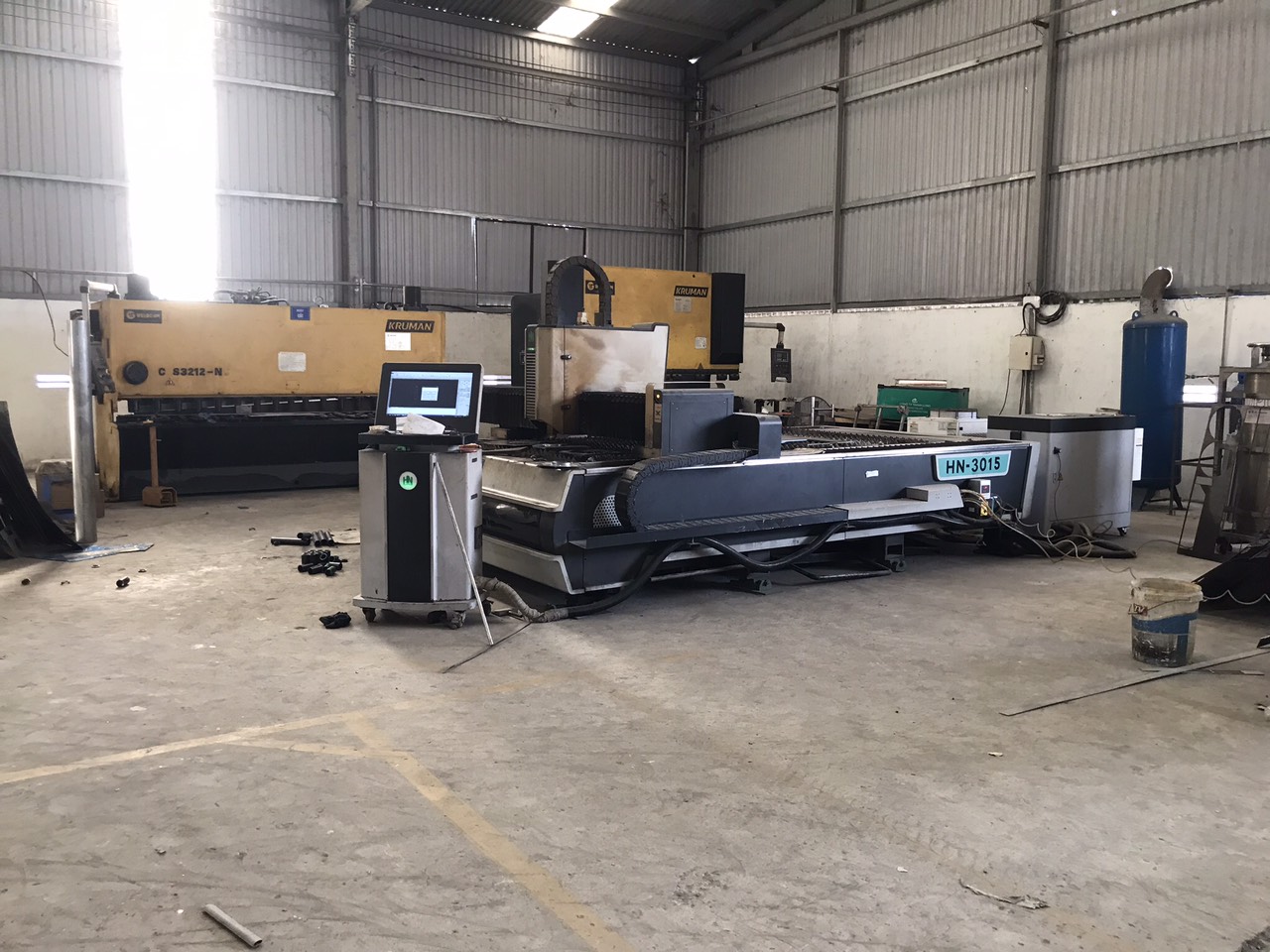
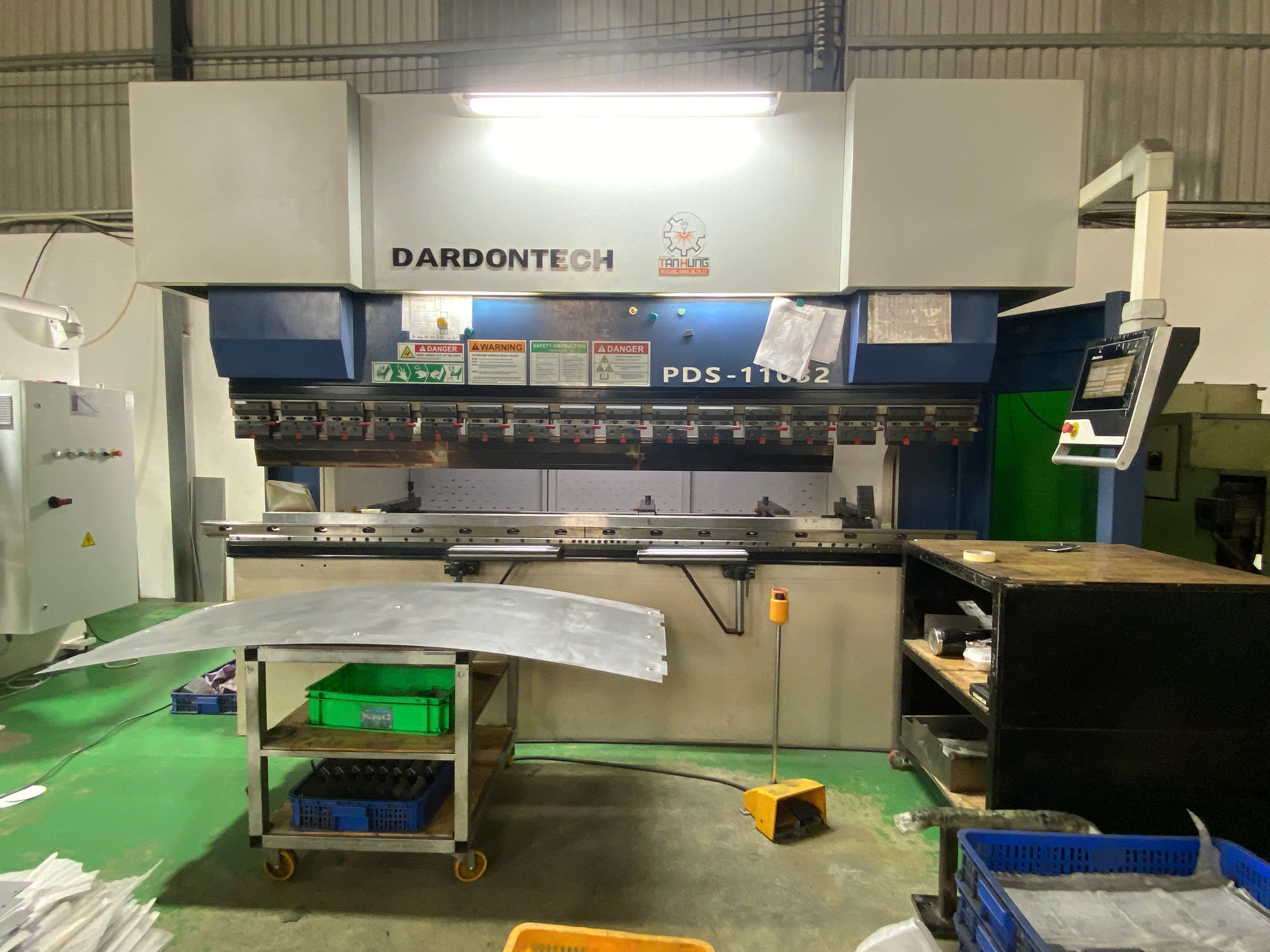
When our engineering team reviewed a batch of rejected appliance casings last year, every failure traced back to one root cause — the previous supplier ignored critical drawing tolerances during sheet metal fabrication.
Sheet metal fabrication is essential for home appliance enclosure manufacturing because it delivers unmatched structural integrity, precise tolerances, cost-effectiveness for mass production, and compliance with safety standards like UL and NEMA — all critical for protecting internal components and meeting consumer expectations.
This article breaks down exactly why sheet metal remains the backbone of appliance enclosure production, what materials work best, how to ensure quality, and where cost savings hide in the process.
How does sheet metal fabrication provide the structural integrity and heat resistance I need for my appliance enclosures?
A conversation with a U.S. client last quarter shifted our entire approach to material recommendations — he needed enclosures for a new oven line, and every prototype warped under thermal cycling until we switched steel grades and adjusted gauge thickness UL and NEMA 1.
Sheet metal fabrication provides structural integrity and heat resistance through careful material selection — primarily carbon steel — combined with precise metal forming techniques like CNC bending, laser cutting, and welded joints that create rigid, thermally stable enclosures capable of withstanding daily use, vibration, and elevated temperatures.
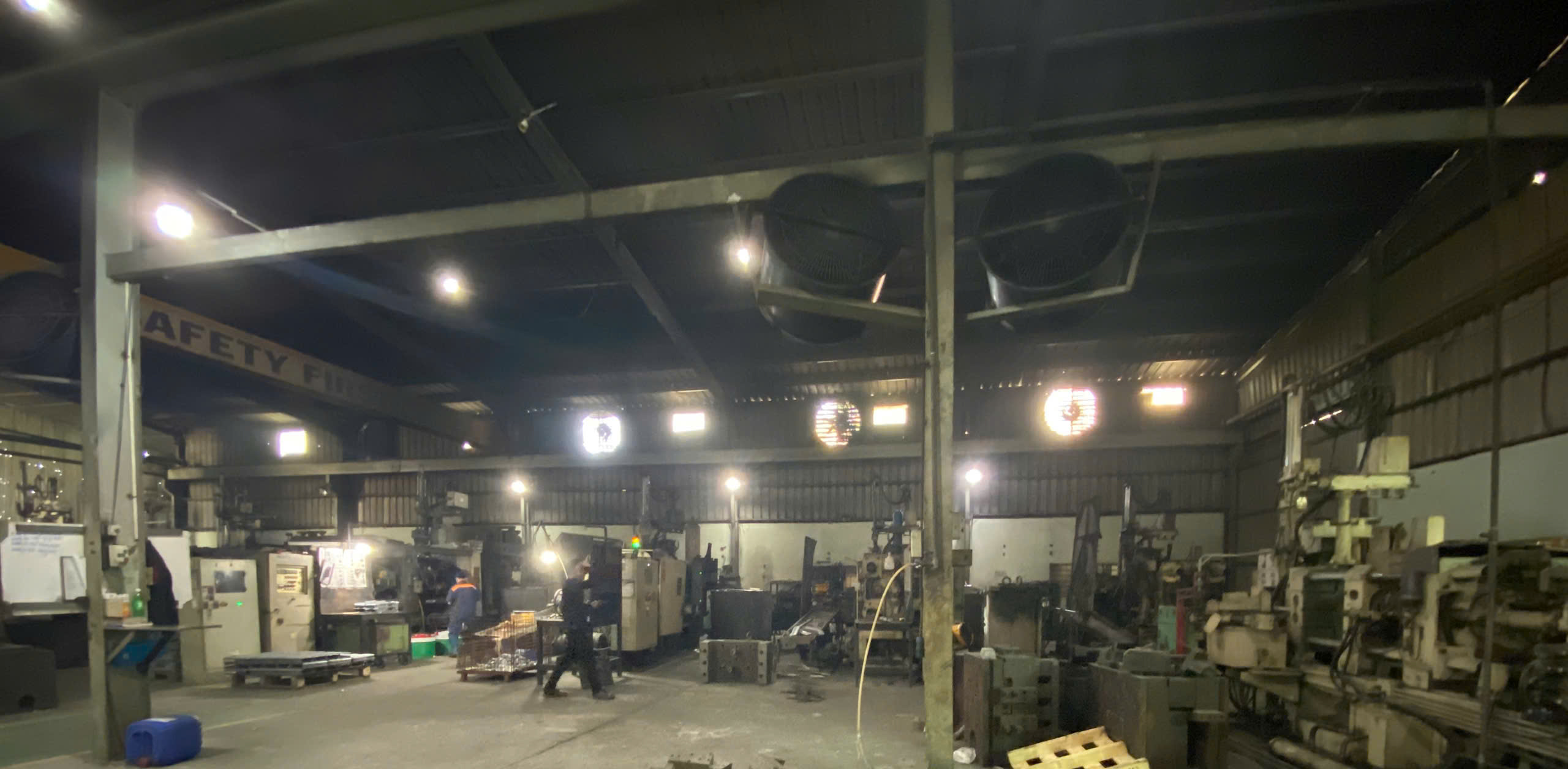
Why Carbon Steel Dominates Appliance Enclosures
Carbon steel 2 is the default material for most home appliance enclosures. The reason is simple: it offers the best strength-to-cost ratio available CNC bending 3. Its yield strength is higher than aluminum, which means you can use thinner gauges and still achieve equivalent rigidity. For large appliances like refrigerators and washing machines, this matters enormously. Thinner material means less weight and lower material costs — savings that compound as appliance size increases.
Cold-rolled steel, in particular, is the standard for general consumer appliance casings. It provides a smooth surface finish, consistent thickness, and excellent formability. When heat resistance is a priority — think ovens, dryers, or appliances near heating elements — steel's thermal stability far exceeds aluminum's performance.
How Structural Rigidity Is Achieved
Structural integrity in electronic enclosures comes from the combination of material properties and geometry. Multiple bends, flanges, and welded joints transform a flat sheet into a three-dimensional structure that resists deformation under mechanical stress, vibration, and impact.
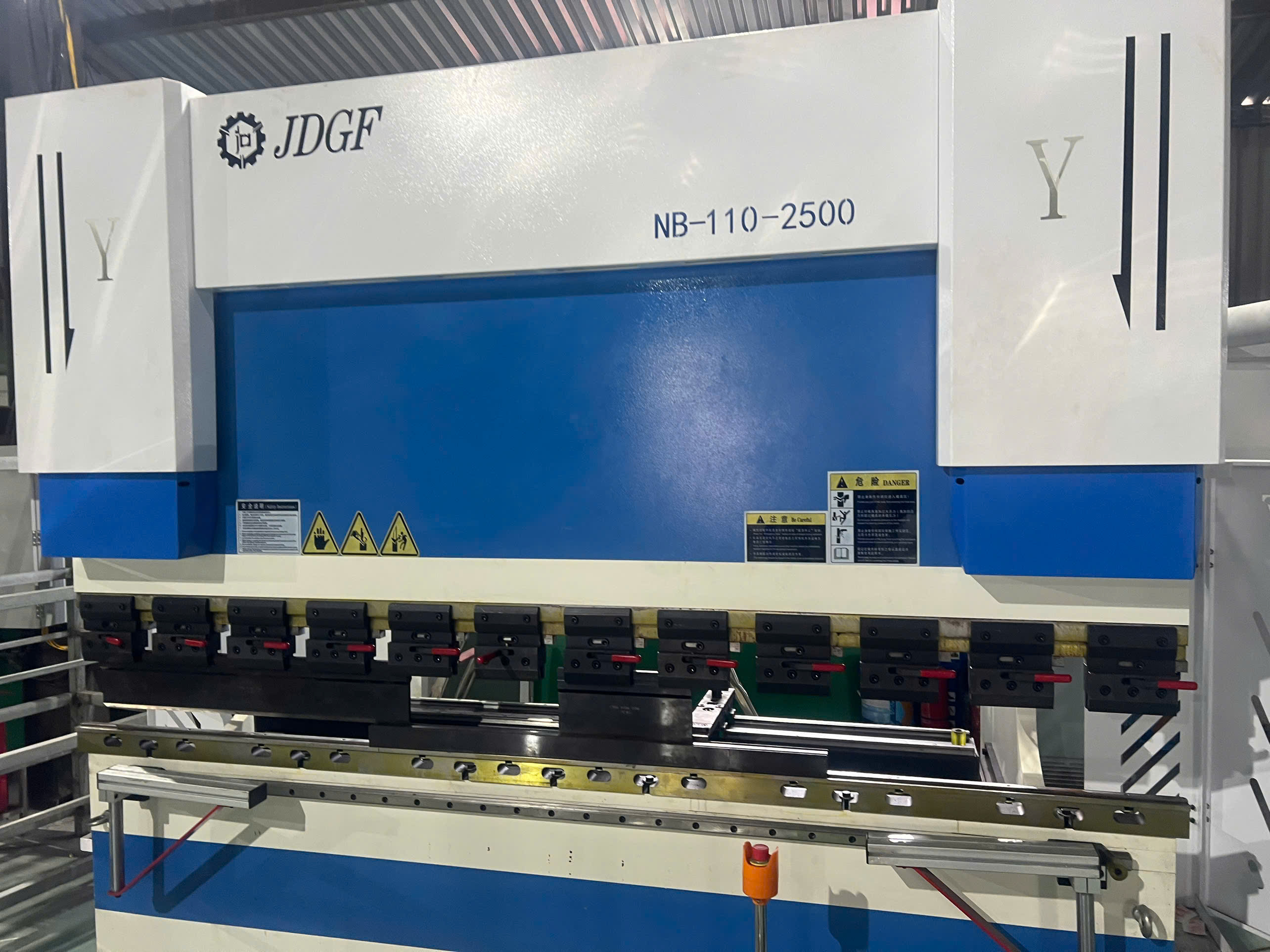
Our press brake operators routinely form enclosures with six or more bends per piece. Each bend adds stiffness. Welded joints lock the structure into a rigid frame. The result is an enclosure that withstands daily handling — opening and closing doors, transporting during shipping, and years of operational vibration — without warping or cracking.
Material Comparison for Structural and Thermal Performance
| Property | Carbon Steel (Cold-Rolled) | Aluminum (5052/6061) | Stainless Steel (304/316) |
|---|---|---|---|
| Yield Strength 4 | High | Moderate | High |
| Heat Resistance | Excellent | Moderate | Excellent |
| Weight | Heavier | Lightest | Heavier |
| Cost per Unit | Lowest | Moderate | Highest |
| Typical Appliance Use | Ovens, washers, refrigerators | Lightweight electronics | Medical, food-grade appliances |
| Corrosion Resistance | Moderate (requires coating) | Good (natural oxide layer) | Excellent |
For most home appliances, carbon steel wins on both performance and economics. Aluminum enclosures make sense only when weight is the primary concern, such as portable or premium electronic devices. Stainless steel is reserved for environments demanding hygiene and superior corrosion resistance — commercial kitchens, medical equipment, or outdoor installations.
Fire Resistance and Safety Ratings
Fire-resistant panels are not optional for many appliance categories. UL certification requires enclosures to meet specific fire resistance thresholds. Steel enclosures achieve these ratings through material gauge selection and construction method — welded seams outperform fastened joints in fire containment. NEMA ratings further evaluate protection against dust, water, and impact, which is critical for appliances used in humid environments like laundry rooms and kitchens.
Our quality team verifies that every enclosure design meets the client's specified safety ratings before we release tooling for production. This prevents costly redesigns after mass production begins.
What are the benefits of using custom sheet metal to meet my specific engineering and design requirements?
One lesson we learned early in our custom parts business: no two appliance manufacturers have identical enclosure needs, even when their products look similar on the outside.
Custom sheet metal fabrication lets you achieve exact dimensional tolerances — down to ±0.10 mm — while incorporating complex features like knockouts, mounting flanges, EMI shielding channels, and ventilation slots, all tailored to your specific engineering drawings and design flexibility requirements without compromising durability or aesthetics.
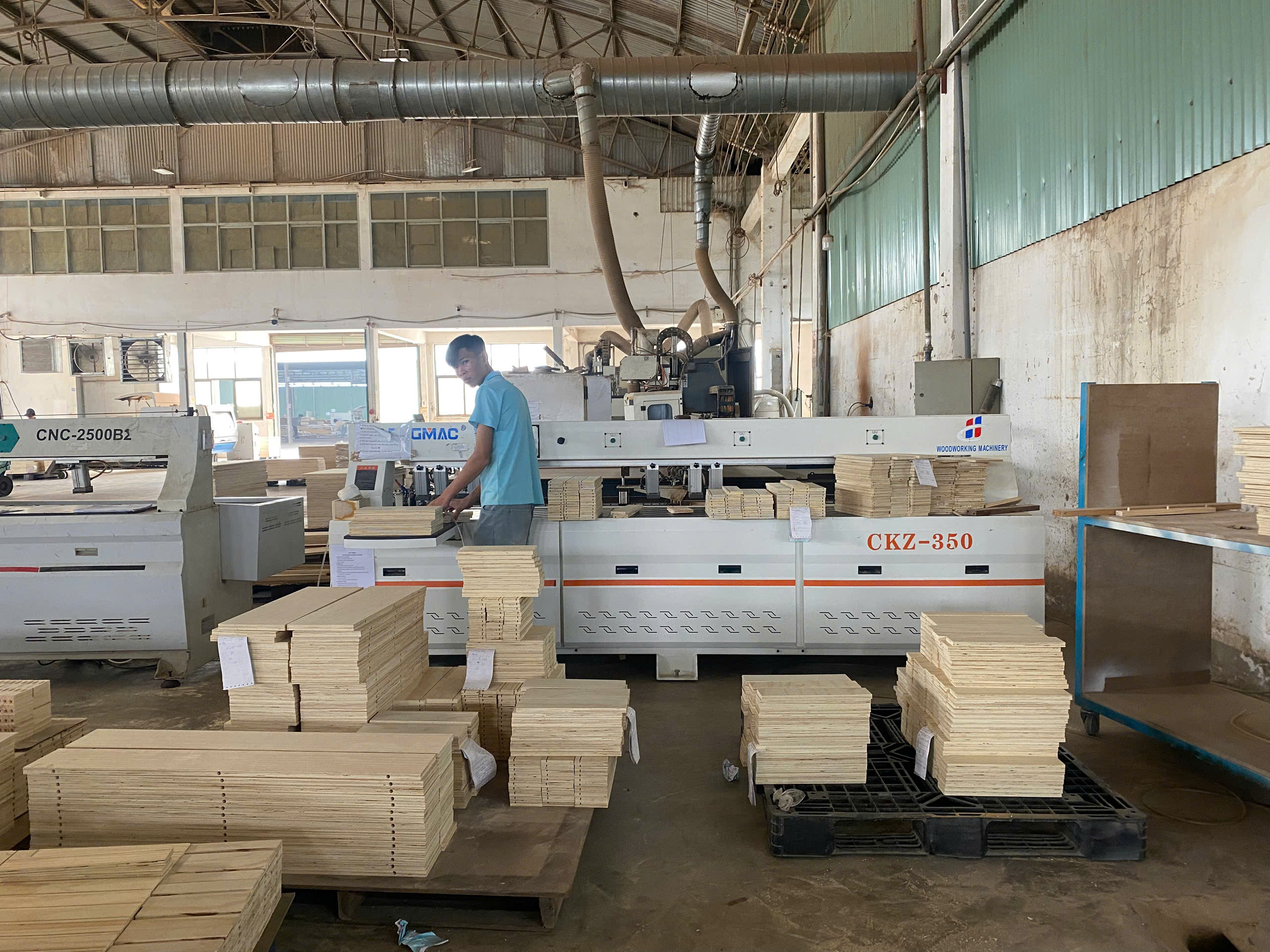
Precision Tolerances That Protect Consumer Experience
Tolerances are not abstract numbers on a drawing. They directly affect whether doors align, seals close properly, and internal components mount correctly. Standard sheet metal fabrication tolerances sit at ±0.30 mm. Precision work achieves ±0.10 mm. For appliance enclosures with PCB mounting points, hinge mechanisms, and EMI shielding 5 channels, tight tolerances are non-negotiable.
When tolerances slip, the consequences show up downstream. Misaligned doors frustrate consumers. Poor sealing reduces energy efficiency in refrigerators. Loose EMI shielding allows electromagnetic interference to degrade smart appliance electronics. We run dimensional inspections at every critical stage to prevent these issues from reaching the assembly line.
Tolerance Levels and Their Applications
| Tolerance Level | Range | Best For | Risk If Ignored |
|---|---|---|---|
| Standard | ±0.30 mm | Simple enclosures, non-critical fit | Minor alignment gaps |
| Precision | ±0.10 mm | PCB mounts, hinge mechanisms, EMI shielding | Door misalignment, seal failure |
| Ultra-Precision | < ±0.10 mm | Medical devices, aerospace | Component interference |
Design Flexibility Through Advanced Fabrication
Custom sheet metal fabrication supports an extraordinary range of design features. Laser cutting 6 creates intricate cutout patterns for ventilation. CNC punching forms arrays of mounting holes with repeatable accuracy. Robotic press brakes handle complex bend sequences that would be inconsistent with manual forming.
Pre-formed knockout areas are a great example of thoughtful design. They allow field technicians to create cable entry points using simple hand tools, eliminating the cost of returning enclosures to the shop. But those knockouts must maintain EMI shielding effectiveness and prevent moisture infiltration when opened. Achieving that balance requires precise tooling and process control.
Standardized mounting provisions — DIN rails, threaded inserts, flanged edges — give appliance manufacturers the ability to accommodate component changes without redesigning the entire enclosure. This modularity extends the enclosure's useful life as appliance technology evolves. Smart home features like sensor arrays and wireless communication modules need discreet integration points that do not compromise enclosure integrity.
The DFMA Advantage
Design for Manufacturability and Assembly 7 (DFMA) is the process of optimizing an enclosure design before production begins. Our engineers collaborate with clients during the design phase to identify features that add unnecessary cost, suggest alternative forming strategies, and ensure the design is production-ready.
This upfront collaboration reduces downstream issues dramatically. A feature that looks simple on a CAD screen — say, a tight internal radius on a bend — might require special tooling or cause material cracking during forming. Catching these issues early saves weeks of rework and avoids the frustration of non-conforming first articles.
How can I ensure my fabrication partner delivers the "right first time" quality I expect for my enclosures?
The most common complaint we hear from new clients is this: their previous supplier kept missing critical drawing requirements, resulting in rework cycles that delayed shipments by weeks.
To ensure "right first time" quality, select a fabrication partner with a documented quality control process — including PPAP, first article inspection, in-process dimensional checks, and final inspection — combined with experienced DFM engineers who catch design issues before production starts and prevent non-conforming parts from ever shipping.
What "Right First Time" Actually Requires
"Right first time" is not just a quality slogan. It is a measurable outcome that depends on several process controls working together. The goal is zero rework, zero returns, and on-time delivery — every time.
Here is what that looks like in practice. Before any metal is cut, our DFM team reviews every drawing with the client. We flag potential issues: material availability, bend radius limitations, surface finish compatibility, and tolerance stack-ups in multi-part assemblies. This review catches problems that would otherwise appear weeks later during production.
The Quality Process Step by Step
- Drawing Review and DFM Feedback — Engineers analyze the design for manufacturability and flag risks.
- PPAP (Production Part Approval Process) — First articles are produced, measured, and submitted to the client for approval before mass production.
- In-Process Inspection — Dimensional checks at key stages: after cutting, after forming, after welding.
- Final Inspection — 100% visual inspection plus AQL sampling for critical dimensions.
- Packaging and Shipping Audit — Verification that parts are protected against damage during transit.
Key Quality Checkpoints
| Stage | What Is Checked | Method | Outcome If Skipped |
|---|---|---|---|
| DFM Review | Manufacturability, tolerance feasibility | Engineer review, CAD simulation | Unforeseen production failures |
| First Article (PPAP 8) | Dimensional accuracy, surface finish | CMM measurement, visual inspection | Non-conforming mass production |
| In-Process | Bend angles, hole positions, weld quality | Go/no-go gauges, calipers, weld inspection | Cumulative dimensional drift |
| Final Inspection | Overall dimensions, cosmetic defects | AQL sampling, 100% visual | Defective parts shipped to client |
| Shipping Audit | Packaging integrity, labeling accuracy | Physical audit | Transit damage, delivery errors |
Choosing the Right Fabrication Partner
Not every sheet metal shop operates at the same quality level. When evaluating a potential partner, look for these indicators:
- Documented QC processes. If a supplier cannot show you their inspection procedures, walk away.
- PPAP capability. The ability to produce and submit first articles with full measurement reports demonstrates process maturity.
- Engineering support. A partner who offers DFM feedback is investing in your success, not just filling an order.
- Communication responsiveness. Proactive communication prevents misunderstandings. Suppliers who wait for you to discover problems are suppliers who cause delays.
- Payment terms flexibility. Established, financially stable suppliers offer credit terms (such as 60–90 day open account) that ease cash flow pressure.
Our team in Vietnam and China maintains direct oversight of every production run. Local presence means we catch issues in real time, not after parts have shipped across the Pacific. For U.S. clients sourcing from Asia, this on-the-ground quality control is the difference between a smooth production run and a costly return shipment.
Why is sheet metal the most cost-effective and scalable choice for my appliance manufacturing needs?
A trade-off we weigh on nearly every project is this: how do we help clients hit aggressive cost targets without compromising the durability their end customers demand?
Sheet metal is the most cost-effective and scalable choice because carbon steel's low material cost, efficient automated fabrication processes, and seamless transition from prototype to mass production deliver the lowest per-unit enclosure cost while maintaining the structural performance and design flexibility that appliance manufacturers require.
The Economics of Material Selection
Material cost is the single largest variable in enclosure manufacturing. Carbon steel costs significantly less per kilogram than stainless steel or aluminum. For high-volume consumer appliances — where manufacturers produce thousands or tens of thousands of units — even small per-unit savings create substantial total cost reductions.
But cost-effectiveness is not just about raw material price. It also includes formability, weldability, and finishing costs. Carbon steel is easy to form, welds cleanly, and accepts powder coat or paint finishes at low cost. Stainless steel requires more expensive cutting tools and specialized welding techniques. Aluminum demands different handling to avoid surface scratching and different welding processes entirely. Understanding how stainless steel, aluminum alloy, and carbon steel compare in sheet metal fabrication is critical when making material decisions for your enclosure projects.
Cost Comparison Across Common Enclosure Materials
| Cost Factor | Carbon Steel | Aluminum | Stainless Steel |
|---|---|---|---|
| Raw Material Cost | Low | Moderate | High |
| Forming Difficulty | Easy | Moderate | Moderate to Difficult |
| Welding Cost | Low | Moderate (TIG/MIG) | Higher (specialized) |
| Surface Finishing | Powder coat, paint (low cost) | Anodize (moderate) | Passivation, electropolish (higher) |
| Tooling Wear | Standard | Standard | Accelerated |
| Best for Volume | High-volume consumer | Mid-volume specialty | Low-to-mid volume premium |
Scalability: From Prototype to Mass Production
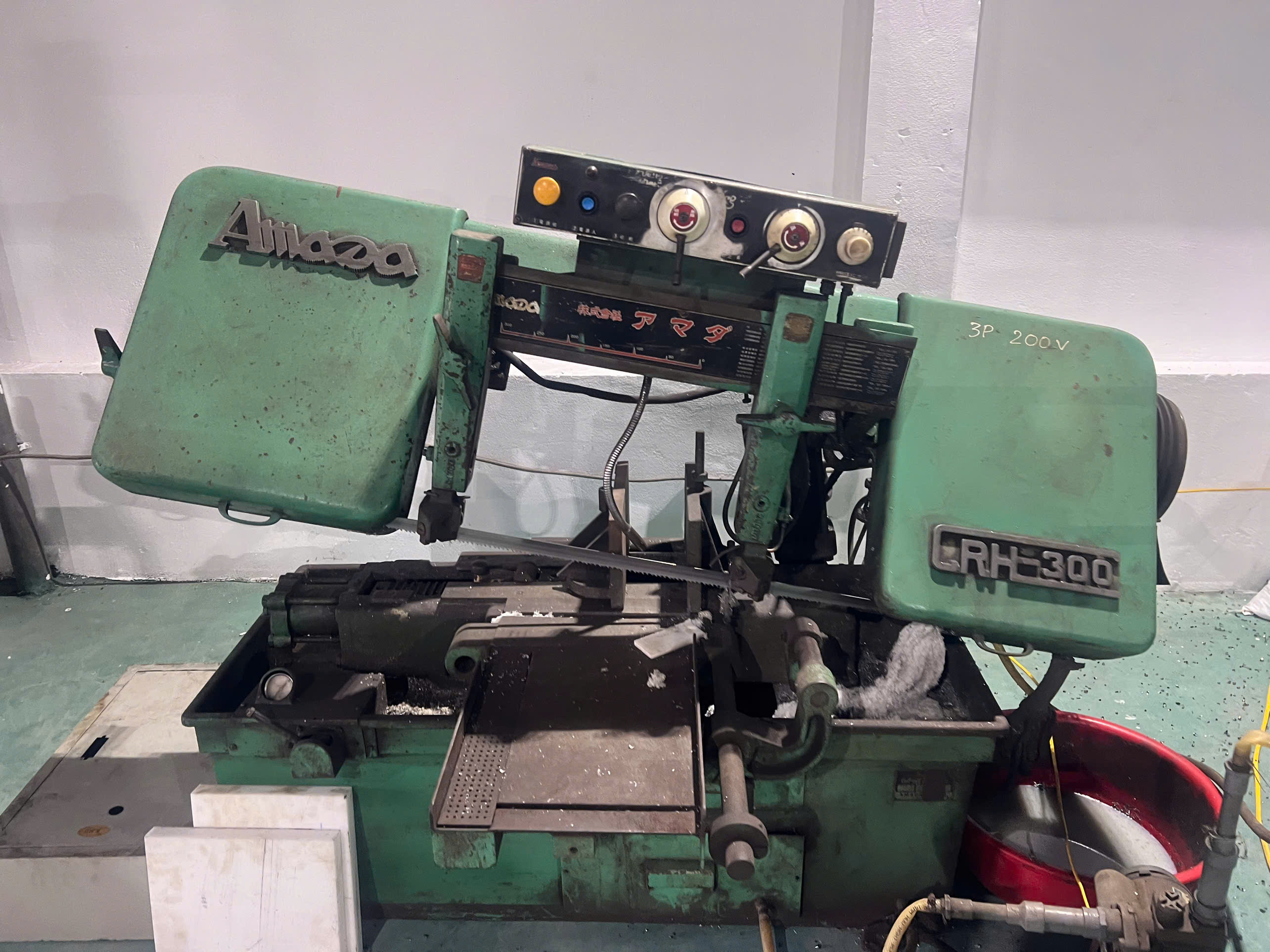
One of sheet metal fabrication's greatest strengths is scalability. The same laser cutting program that produces five prototypes can produce five thousand production units. There is no expensive mold to create, no die-casting tooling to amortize. This makes sheet metal ideal for appliance manufacturers who need to validate designs quickly and then ramp up to full production.
Our DFMA approach helps clients optimize designs before the first prototype is cut. We identify features that add unnecessary forming steps, suggest consolidations that reduce part count, and recommend standard hardware that avoids custom fastener costs. These optimizations compound over production volumes.
In-House Fabrication Reduces Lead Time
Suppliers who fabricate special features in-house — knockouts, mounting flanges, threaded inserts, EMI shielding provisions — avoid outsourcing delays. Every time a component leaves the primary fabrication shop for secondary processing, lead time extends and quality risk increases.
We coordinate all fabrication steps within our supplier network, from laser cutting and CNC punching through forming, welding, hardware installation, and surface finishing. This integrated approach keeps lead times predictable and quality consistent. For clients managing tight product launch schedules, predictable lead times are as valuable as low per-unit cost.
The Sustainability Angle
Steel and aluminum are among the most recycled materials on the planet. For appliance manufacturers committed to circular economy principles 9, sheet metal enclosures support end-of-life recyclability. This is increasingly important for brands marketing to environmentally conscious consumers and for meeting evolving regulatory requirements in the U.S. and European markets.
Conclusion
Sheet metal fabrication remains the foundation of home appliance enclosure manufacturing — delivering structural strength, precision, safety compliance, and cost efficiency that no alternative process matches at scale.
Frequently Asked Questions
How does sheet metal fabrication provide the structural integrity and heat resistance I need for my appliance enclosures?
A conversation with a U.S. client last quarter shifted our entire approach to material recommendations — he needed enclosures for a new oven line, and every prototype warped under thermal cycling until we switched steel grades and adjusted gauge thickness UL and NEMA 1 .
What are the benefits of using custom sheet metal to meet my specific engineering and design requirements?
One lesson we learned early in our custom parts business: no two appliance manufacturers have identical enclosure needs, even when their products look similar on the outside.
How can I ensure my fabrication partner delivers the "right first time" quality I expect for my enclosures?
The most common complaint we hear from new clients is this: their previous supplier kept missing critical drawing requirements, resulting in rework cycles that delayed shipments by weeks.
Footnotes
1. Official site for a leading global safety certification company. ↩︎
2. Provides a comprehensive overview of carbon steel properties and uses. ↩︎
3. Explains the importance and process of CNC bending in mechanical engineering. ↩︎
4. Authoritative definition and explanation of yield strength in materials science. ↩︎
5. Comprehensive information on electromagnetic shielding principles and applications. ↩︎
6. Offers a detailed explanation of the laser cutting process and applications. ↩︎
7. Found an authoritative and comprehensive guide on Design for Manufacturability and Assembly (DFM/DFA). ↩︎
8. Rockwell Automation explains the Production Part Approval Process. ↩︎
9. The Ellen MacArthur Foundation is a leading authority on the circular economy. ↩︎