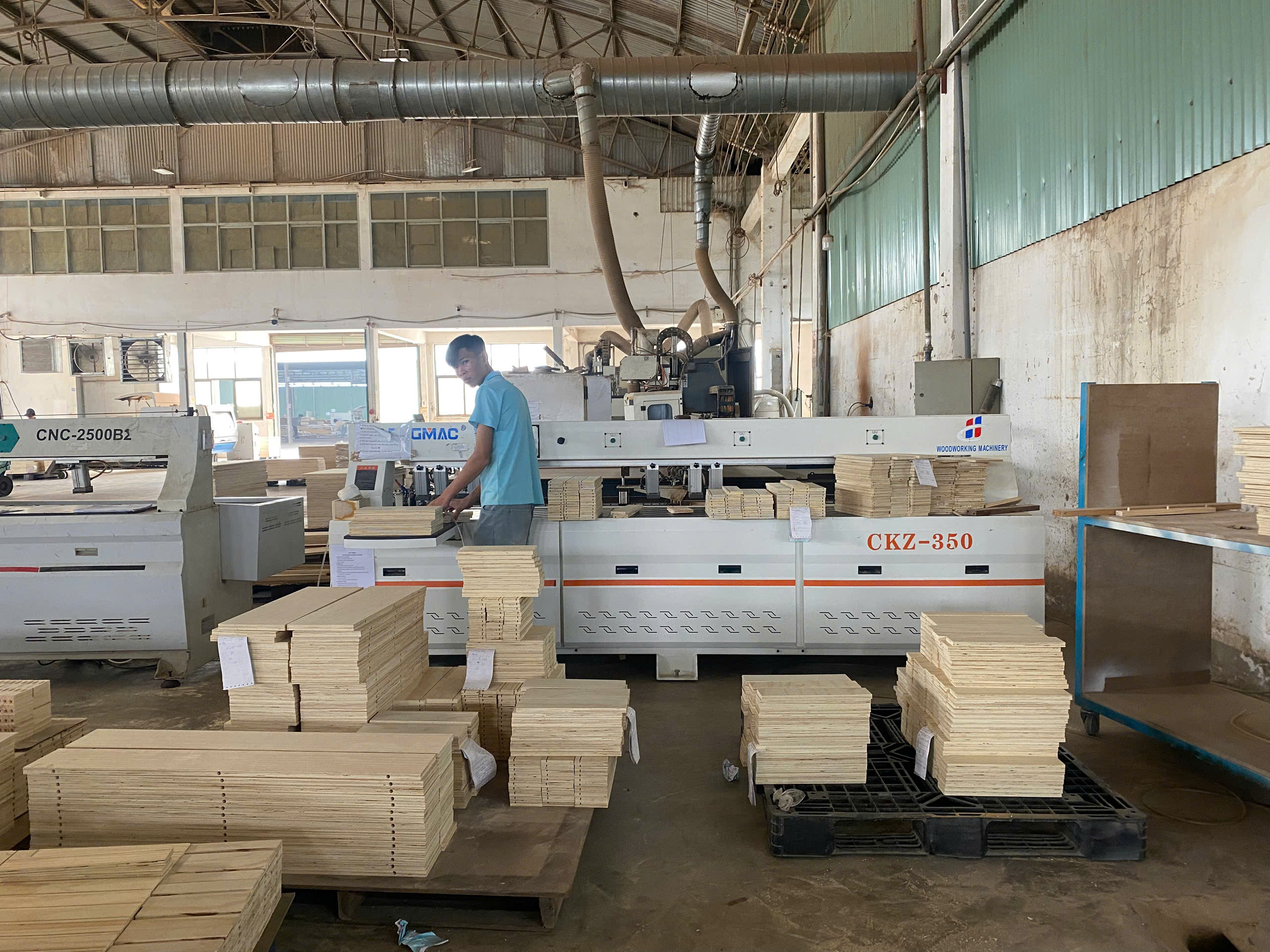
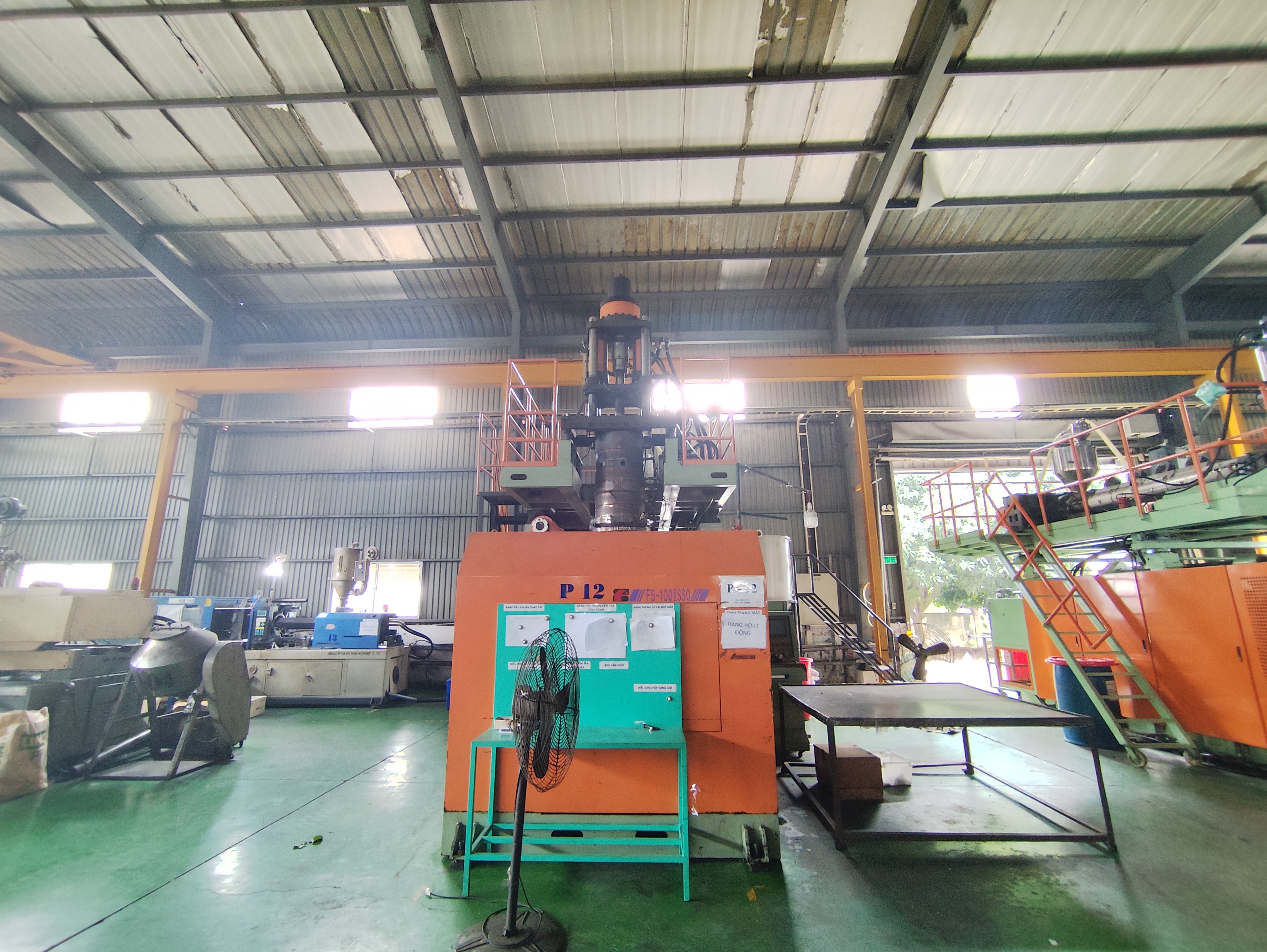
Every quarter, our team in Vietnam and China fields the same question from U.S. purchasing managers: “Why did my unit price jump so much when I cut the order quantity?” The frustration is real — a bracket that costs $12 at 10,000 pieces suddenly costs $85 for a run of 50.
Sheet metal fabrication unit prices vary between low and high volumes because fixed costs — setup, tooling, programming, and first-article inspection — are amortized across every unit produced. Low-volume orders concentrate those fixed costs on fewer parts, inflating each piece’s price, while high-volume runs spread them thin, letting material and machine time drive the cost instead.
This article breaks down every factor behind that price gap. We will walk through setup costs, material savings 1, quality control overhead, and sourcing strategy so you can make smarter decisions at every production stage.
How do setup and tooling costs affect the unit price of my low-volume sheet metal orders?
One trade-off we weigh on nearly every new project is whether to quote custom fixtures or rely on general-purpose press brakes. When a client in Ohio sent us drawings for 75 mounting brackets last year, the tooling decision alone shifted the unit price by over 40%.
Setup and tooling costs are fixed expenses — machine programming, calibration, fixture fabrication, and first-article inspection — that remain constant regardless of order size. In low-volume sheet metal orders, these costs may represent 50–70% of the unit price because they are divided among very few parts.
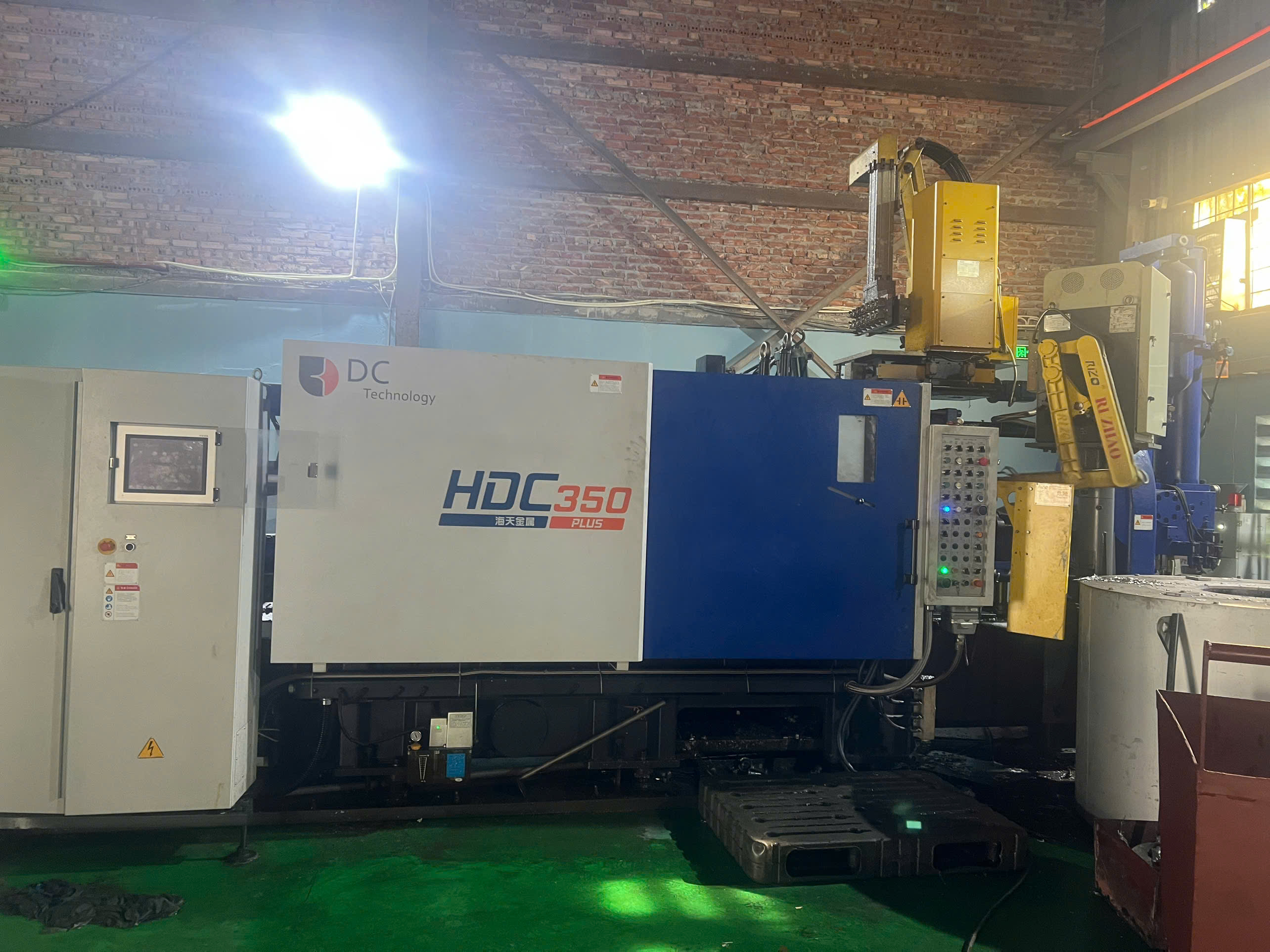
Why Setup Costs Stay Fixed
Every sheet metal job starts the same way. An operator loads the CAD file, programs the CNC laser or turret punch, sets up the press brake tooling, and runs a first piece for inspection. Whether you order 10 parts or 10,000, that sequence does not change.
Here is how that math plays out in practice:
| Cost Element | Typical Fixed Cost | Unit Cost at 50 pcs | Unit Cost at 5,000 pcs | Unit Cost at 50,000 pcs |
|---|---|---|---|---|
| CNC Programming 2 | $300 | $6.00 | $0.06 | $0.006 |
| Machine Calibration | $150 | $3.00 | $0.03 | $0.003 |
| Custom Fixture / Die | $2,500 | $50.00 | $0.50 | $0.05 |
| First-Article Inspection 3 | $200 | $4.00 | $0.04 | $0.004 |
| Total Fixed per Unit | $3,150 | $63.00 | $0.63 | $0.063 |
At 50 pieces, fixed costs 4 add $63 to every single part. At 50,000 pieces, those same costs add just six cents. The variable cost — material type and thickness, machine time, and labor costs — stays roughly the same per unit regardless of volume.
Tooling Decisions by Volume
Tooling costs deserve special attention. A progressive stamping die 5 for a complex bracket can cost $5,000 to $15,000. That investment only makes sense at high volumes. For low-volume work, we typically recommend press brake forming 6. It requires minimal tooling investment but uses more labor per piece.
Here is a rough guide we share with clients:
| Volume Range | Recommended Process | Typical Tooling Investment | Per-Unit Tooling Cost |
|---|---|---|---|
| 1–500 units | Laser cut + press brake | $0–$500 | $1.00–$50.00 |
| 500–5,000 units | Turret punch + modular tooling | $500–$3,000 | $0.10–$6.00 |
| 5,000–50,000+ units | Progressive die stamping | $5,000–$15,000 | $0.10–$3.00 |
The cross-over point matters. If your annual demand sits near 1,000 units, modular tooling often hits the sweet spot — lower than a progressive die, but far more efficient than manual brake forming. Part complexity also shifts these thresholds. A simple flat bracket crosses over at lower volumes than a multi-bend enclosure with tight tolerances.
The Hidden Cost of Short Runs
Beyond tooling, short runs carry indirect costs that fabricators build into their quotes. Machine changeover time between jobs reduces overall equipment utilization. Operators spend proportionally more time on setup versus production. And material ordering in small quantities forfeits bulk discounts.
When we quote prototyping costs for a new project, we make these line items visible so clients understand exactly where their money goes. That transparency helps purchasing managers plan ahead — sometimes combining two small orders into one run saves 25–35% per unit with no design changes at all.
Can I achieve significant material savings by scaling up my custom part production?
A lesson we learned early in our contract manufacturing work is that material costs do not scale linearly. On a recent run of stainless steel sensor housings, switching from 200-unit batches to 5,000-unit batches dropped material cost per piece by 22% — before we even optimized the nesting layout.
Yes — scaling up custom part production delivers significant material savings through bulk purchasing discounts, optimized nesting that reduces scrap, and better utilization of standard sheet sizes. In high-volume scenarios, material costs can account for up to 86% of total budget, making even small per-unit savings substantial at scale.
Bulk Purchasing Power
When our procurement team in China sources aluminum or stainless steel for a 50,000-unit order, we negotiate directly with mills. The price per kilogram drops meaningfully compared to buying cut-to-size sheets from a distributor. Material type and thickness also influence the discount curve. Common gauges like 1.5 mm cold-rolled steel are stocked widely and discounted more aggressively than exotic alloys.
For U.S. buyers importing through us, this translates directly to lower landed costs. Material cost volatility — especially for stainless steel and copper — makes timing and volume commitments even more impactful.
Nesting Efficiency
Nesting is the art of arranging part shapes on a sheet to minimize waste. In low-volume production, a single sheet might yield only a few parts with large unusable remnants. In high-volume runs, our CAM software optimizes layouts across hundreds of sheets, often recovering enough material for additional free parts.
Here is a simplified comparison:
| Factor | Low Volume (100 pcs) | High Volume (10,000 pcs) |
|---|---|---|
| Nesting Optimization | Basic, manual | Algorithm-driven, multi-sheet |
| Typical Material Utilization | 65–75% | 85–92% |
| Scrap Rate | 25–35% | 8–15% |
| Bulk Material Discount | 0–5% | 10–20% |
| Effective Material Cost per Part | Higher | Lower |
At scale, the difference compounds. If each sheet costs $80 and you save 15% on scrap across 500 sheets, that is $6,000 in raw material savings on a single production run.
Design for Manufacturability and Material Use
Design for manufacturability (DFM) 7 plays a critical role here. Parts designed with uniform thickness eliminate the need to source multiple gauges. Minimizing bends reduces the blank size required. And using standard sheet dimensions avoids custom cutting charges.
We often conduct DFM reviews before production begins. On one project, simply adjusting a bracket's flange width by 3 mm allowed us to fit one additional part per sheet. Over a 20,000-unit run, that small change saved the client over $4,000 in material alone.
The economies of scale in material go beyond just price-per-kilogram. They include waste reduction, purchasing leverage, and design-driven efficiency. For buyers moving from prototype to mass production, this is where the biggest percentage-based savings typically appear.
Why does the cost of quality control and PPAP feel higher for my small-batch projects?
A buyer interaction last quarter perfectly illustrated this tension. A U.S. client ordered 30 custom stainless steel enclosures and was surprised that our PPAP documentation package cost nearly as much as the parts themselves. The question was fair — and the answer reveals another fixed-cost trap.
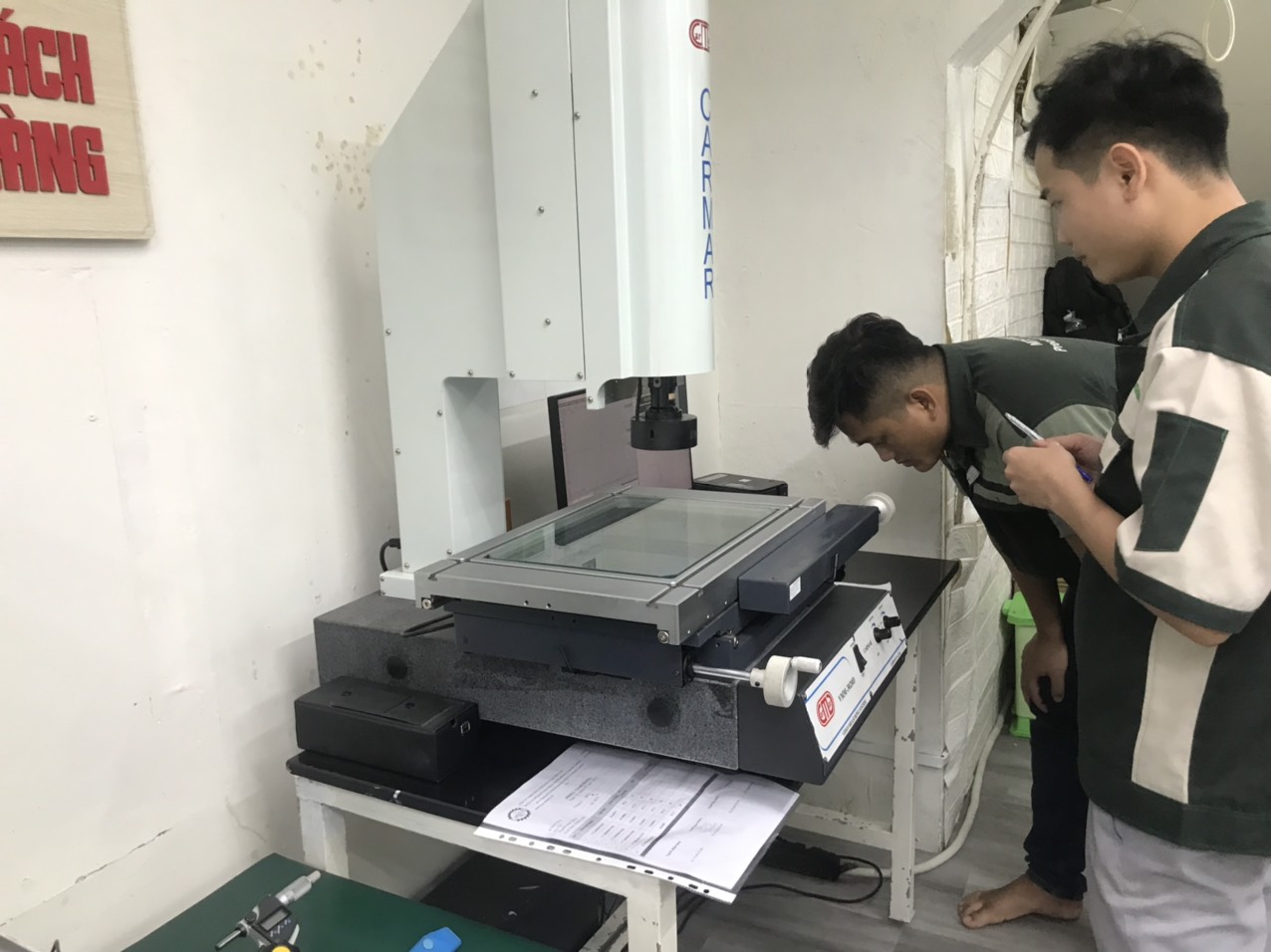
Quality control and PPAP costs feel disproportionately high for small batches because the documentation, first-article inspection, gauge R&R studies, and process capability analysis require the same effort whether you produce 30 parts or 30,000. These fixed QC costs dominate small-batch unit pricing.
What Goes Into a PPAP Package
For clients in the automotive and industrial sectors, a Production Part Approval Process (PPAP) 8 submission typically includes:
- Dimensional inspection reports on first articles
- Material certifications and test results
- Process flow diagrams
- Control plans
- Gauge R&R (repeatability and reproducibility) studies
- Capability studies (Cpk / Ppk)
Each of these items requires engineering hours, metrology equipment time, and documentation effort. On our projects, a full PPAP Level 3 submission can take 15–25 engineering hours regardless of order volume.
Per-Unit QC Cost Comparison
In high-volume production, we implement statistical process control (SPC) 9. We inspect samples at defined intervals rather than checking every piece. Automated inspection systems — coordinate measuring machines, vision systems — further reduce per-unit QC labor costs.
In small-batch work, those efficiencies vanish. Often, every single part gets measured. Manual inspection dominates. And the ratio of inspection time to production time skews heavily.
Consider a project requiring tight tolerances on critical dimensions:
- At 50 units: 100% inspection, manual measurement. QC cost per part: $8–$15.
- At 5,000 units: SPC sampling (every 50th part), semi-automated measurement. QC cost per part: $0.50–$1.50.
- At 50,000 units: Automated in-line inspection, statistical sampling. QC cost per part: $0.05–$0.20.
The fixed overhead of creating the control plan, training inspectors, and validating measurement systems stays constant. Only the per-part inspection labor scales.
How We Help Clients Manage QC Costs
On our end, we work to right-size the quality program to the project stage. For prototyping, we may recommend a simplified first-article report rather than a full PPAP. For mid-volume bridge production, we use modular control plans that can expand as volumes grow. This way, clients only pay for the level of QC documentation they actually need at each stage.
Our team in Vietnam and China follows the same inspection protocols, which means U.S. clients get consistent quality whether their parts come from Ho Chi Minh City or Shenzhen. That consistency reduces the risk of non-conforming product — a pain point that drives rework costs far higher than any inspection fee. Getting it right the first time is always cheaper than sorting and reworking a failed batch, regardless of volume.
Surface finish and tolerances requirements also impact QC intensity. A bracket with ±0.5 mm general tolerances needs far less inspection than a precision component with ±0.05 mm callouts. When we review drawings early, we flag tolerance specs that may be tighter than functionally necessary — loosening them where appropriate can cut QC time and cost meaningfully.
How should I adjust my sourcing strategy when moving from prototype to mass production in Asia?
When we were developing a door-to-door logistics plan for a mid-size distributor in Texas, one thing became clear: the sourcing approach that worked for their 50-piece prototype run was completely wrong for their 15,000-unit production order. The supplier, the process, the payment terms — everything needed to change.
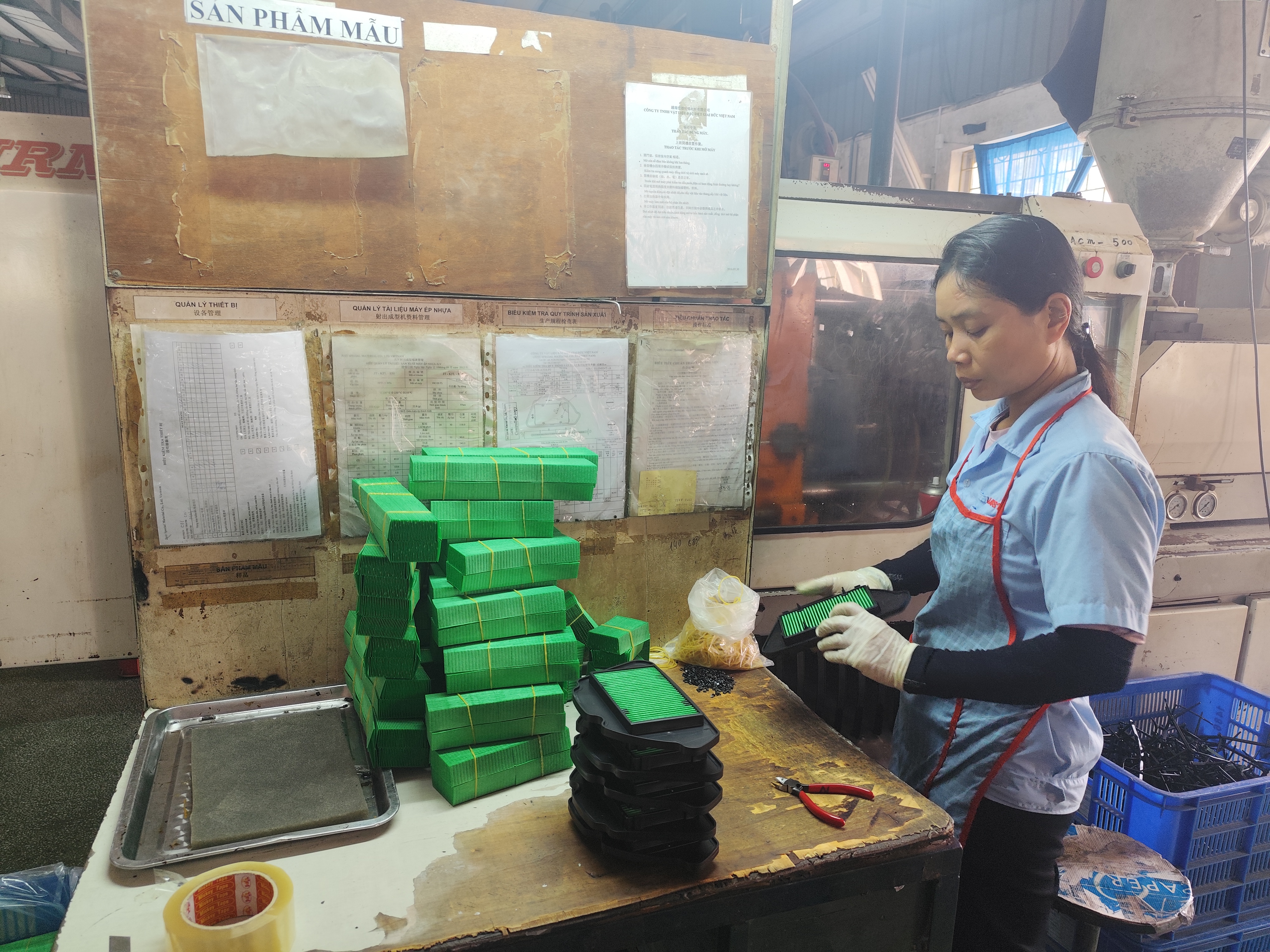
When moving from prototype to mass production in Asia, adjust your sourcing strategy by selecting volume-appropriate processes, negotiating tooling investments, securing bulk material pricing, establishing robust quality systems like PPAP, and partnering with a supply chain manager who can audit factories and oversee process control on the ground.
The Prototype-to-Production Transition
Many U.S. buyers start with a quick-turn prototype from an on-demand service. Lead times can be as short as 3 days. Unit prices are high, but speed matters more at that stage.
The mistake happens when buyers try to scale production with the same supplier or the same process. A shop optimized for laser cutting and press brake work at 50 units is rarely the right partner for 10,000-unit stamping runs. The equipment, workforce, and quality systems are fundamentally different.
Process Selection Cross-Over Points
Choosing the right fabrication process is one of the most impactful decisions in this transition. Each process has a volume range where it offers the best economics.
| Process | Optimal Volume Range | Strengths | Limitations |
|---|---|---|---|
| Laser cut + press brake | 1–1,000 units | Low tooling cost, fast setup | Higher labor costs per piece |
| Turret punch + modular tooling | 1,000–10,000 units | Balanced tooling/unit cost | Limited to simpler geometries |
| Progressive die stamping | 10,000–100,000+ units | Lowest unit cost, high repeatability | High tooling investment ($5K–$15K+) |
| Roll forming | 5,000+ linear feet | Excellent for long profiles | Not suited for discrete parts |
Understanding these cross-over points prevents overspending. Die casting, for example, becomes more economical than CNC machining at roughly 1,000 units — a threshold that can save over $300,000 annually at 10,000-unit volumes.
Building the Right Supply Chain
Moving to mass production in Asia is not just about finding a cheaper factory. It is about building a supply chain that delivers consistent quality on time. Here is what we recommend based on years of managing contract manufacturing for U.S. clients:
-
Supplier audit before commitment. Our local teams visit factories, verify equipment, and review quality records. This avoids the nightmare of discovering capability gaps after tooling is paid for.
-
PPAP before volume shipment. Require a formal production part approval at the new process and volume. What worked at 50 units on a press brake may not transfer cleanly to a stamping die.
-
Negotiate payment terms that protect cash flow. At DEWIN, we offer open account terms with 60–90 day payment windows for qualified clients. This matters when tooling deposits and first-production payments stack up during the transition.
-
Lock in material pricing early. Material cost can swing 10–15% quarter to quarter. Blanket orders or forward contracts with steel mills stabilize your landed cost.
-
Plan for inspection at origin. Final inspection before shipment catches defects before they reach your warehouse. Our inspectors in Vietnam and China follow client-specific checklists, which eliminates the costly cycle of receiving, rejecting, and reshipping.
Prototyping vs. Mass Production: A Cost Mindset Shift
The mindset shift is critical. During prototyping, speed and flexibility dominate. You accept higher unit prices for fast turnaround and design iteration. In mass production, unit cost, process stability, and on-time delivery dominate. Setup costs and tooling costs become investments rather than expenses. Machine time per unit drops. And economies of scale finally work in your favor.
High-volume runs can reduce per-unit cost by 70–90% compared to prototype pricing. But realizing those savings requires deliberate changes to your sourcing strategy — not just a bigger purchase order to the same shop. For a deeper look at how these two stages differ, see our guide on how prototyping and mass production differ in sheet metal fabrication.
Conclusion
Sheet metal fabrication 10 unit prices vary between low and high volumes because of fixed-cost amortization, material efficiency, QC overhead, and process selection. Understanding these drivers helps you make better sourcing decisions — and partnering with an experienced supply chain team ensures you capture every available saving as you scale. If you're exploring this topic further, understanding why supplier quotes vary so much can also help you evaluate bids more effectively.
Frequently Asked Questions
How do setup and tooling costs affect the unit price of my low-volume sheet metal orders?
One trade-off we weigh on nearly every new project is whether to quote custom fixtures or rely on general-purpose press brakes. When a client in Ohio sent us drawings for 75 mounting brackets last year, the tooling decision alone shifted the unit price by over 40%.
Can I achieve significant material savings by scaling up my custom part production?
A lesson we learned early in our contract manufacturing work is that material costs do not scale linearly. On a recent run of stainless steel sensor housings, switching from 200-unit batches to 5,000-unit batches dropped material cost per piece by 22% — before we even optimized the nesting layout.
Why does the cost of quality control and PPAP feel higher for my small-batch projects?
A buyer interaction last quarter perfectly illustrated this tension. A U.S. client ordered 30 custom stainless steel enclosures and was surprised that our PPAP documentation package cost nearly as much as the parts themselves. The question was fair — and the answer reveals another fixed-cost trap.
Footnotes
1. Details how costs are reduced through efficient material use. ↩︎
2. Provides context for a key manufacturing technology. ↩︎
3. Clarifies a critical quality control step in manufacturing. ↩︎
4. Explains a core economic concept influencing unit pricing. ↩︎
5. Explains a specific high-volume manufacturing tool. ↩︎
6. Describes a common sheet metal manufacturing process. ↩︎
7. Explains an engineering approach for cost reduction. ↩︎
8. Defines a crucial quality assurance standard. ↩︎
9. Describes a method for maintaining quality in mass production. ↩︎
10. Defines the fundamental manufacturing process discussed in the article. ↩︎