
Precision Metal Stamping: Tooling, Presses, and Materials
Precision metal stamping in Vietnam caters to demanding industries including consumer electronics, HVAC, automotive hardware, and electrical enclosures. Facilities within DEWIN’s audited network utilize single-stage, transfer, and multi-station progressive stamping dies.
Key takeaways:
- Vietnam’s verified partner facility ecosystem provides Tier-1 precision manufacturing with direct engineering transparency and relief from Section 301 Chinese punitive tariffs for qualifying goods.
- Technical documentation must pair 3D models with 2D drawings detailing critical GD&T datums, tolerance limits, and material specs.
- On-site supplier auditing (50-point Dolphin Audit across QCLDM) verifies machinery capacity, CMM metrology, and material traceability.
- Sourcing through DEWIN guarantees Delaware LLC contracting, streamlined RFQ turnaround and engineering review turnaround, and door-to-door DDP logistics.

Press Specifications & Tonnage Ranges
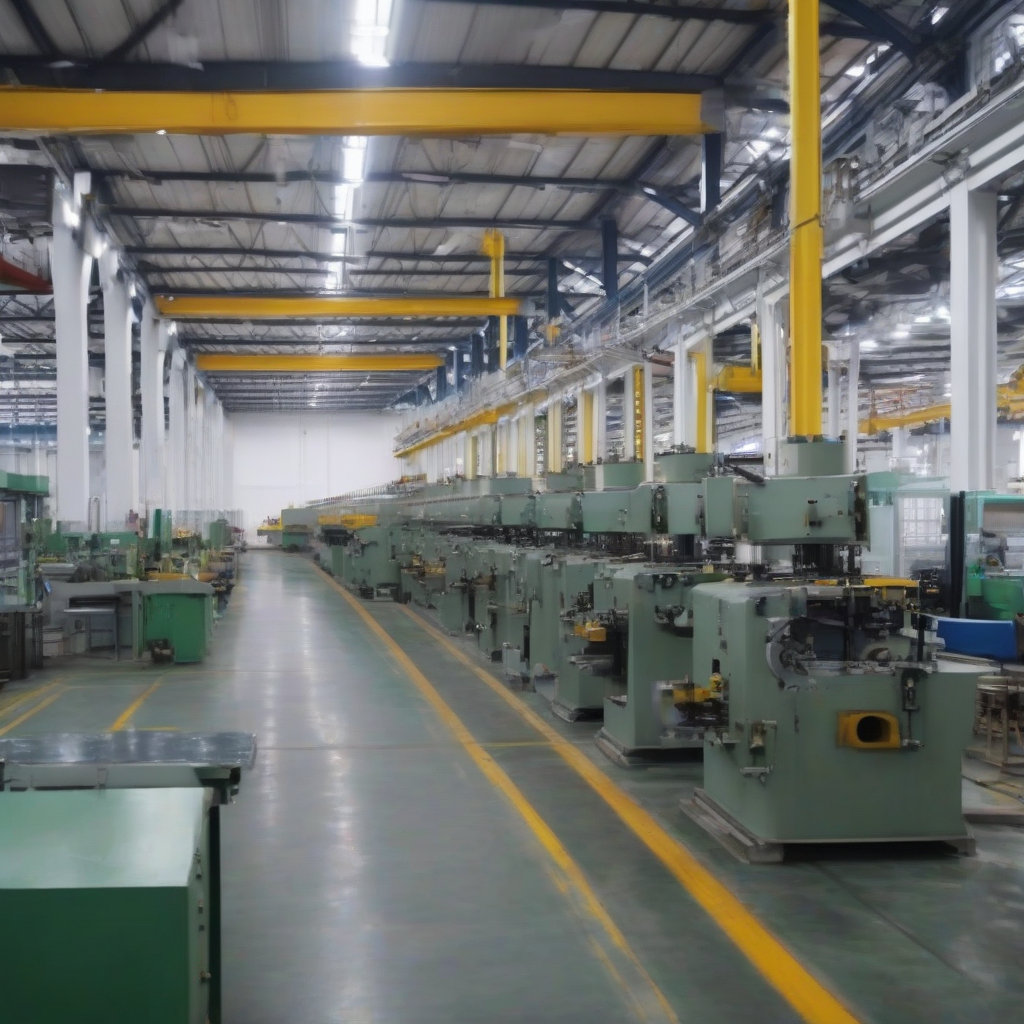
- Capacity Range: Mechanical and hydraulic presses ranging typically from 45-ton precision high-speed presses up to 800-ton heavy stamping lines.
- Stroke Rates: High-speed progressive lines operating at up to 200–600 strokes per minute (SPM) for small terminal components, with standard progressive stamping operating at 30–80 SPM for structural brackets.
- Tolerances: Standard stamping outputs adhere to ISO 2768-m (medium) to ISO 2768-f (fine), with critical hole-to-hole dimensions maintained within ±0.025 mm on precision progressive dies.
Common Stamping Alloys
- Carbon Steel: SPCC, SECC, SGCC (0.5 mm to 6.0 mm thickness).
- Stainless Steel: SUS304, SUS316, and SUS430 for corrosion-resistant enclosures and spring clips.
- Aluminum Alloys: 5052-H32, 6061-T6 for lightweight structural components.
- Copper Alloys: C2680 Brass, C1100 Tough Pitch Copper for electrical terminals and busbars.
Aluminum Die Casting: HPDC Process Controls & Alloys
High-Pressure Die Casting (HPDC) is ideal for complex, thin-walled aluminum geometries requiring structural integrity, high dimensional repeatability, and excellent surface finish.
Machine Specifications & Casting Tolerances
Vietnamese casting foundries typically operate cold-chamber die casting machines ranging from 250 tons to 1,600 tons locking force. This machine range accommodates everything from small electronic heat sinks to large automotive transmission housings and structural frames.
- Dimensional Tolerances: Cast parts typically achieve ISO 8062-3 Grade CT4 to CT6 or DIN 1688 GTA 13/14 in the as-cast condition.
- Wall Thickness: Minimum wall thickness capabilities range from 1.5 mm to 2.5 mm depending on part geometry and flow length.
Primary Aluminum Alloys
- ADC12 (Japanese standard / equivalent to A383): Excellent fluidity, pressure tightness, and mechanical strength; the most widely specified alloy in Asian foundries.
- A380 (US standard): Superior castability, thermal conductivity, and ease of secondary machining.
- AlSi9Cu3 (FE / European standard): Preferred for high-temperature applications and mechanical load-bearing components.
flowchart LR
    A[Molten Alloy] --> B[Shot Sleeve Injection]
    B --> C[Die Cavity]
    C --> D[High Pressure Hold & Cool]
    D --> E[Ejection & Trim]
    E --> F[Shot Blasting]
    F --> G[CNC Secondary Machining]
Secondary Machining & Surface Finishing
Casting and stamping are rarely the final steps. Leading Vietnamese manufacturers integrate precision secondary machining and automated surface treatment to deliver fully finished, assembly-ready parts.
Secondary CNC Machining
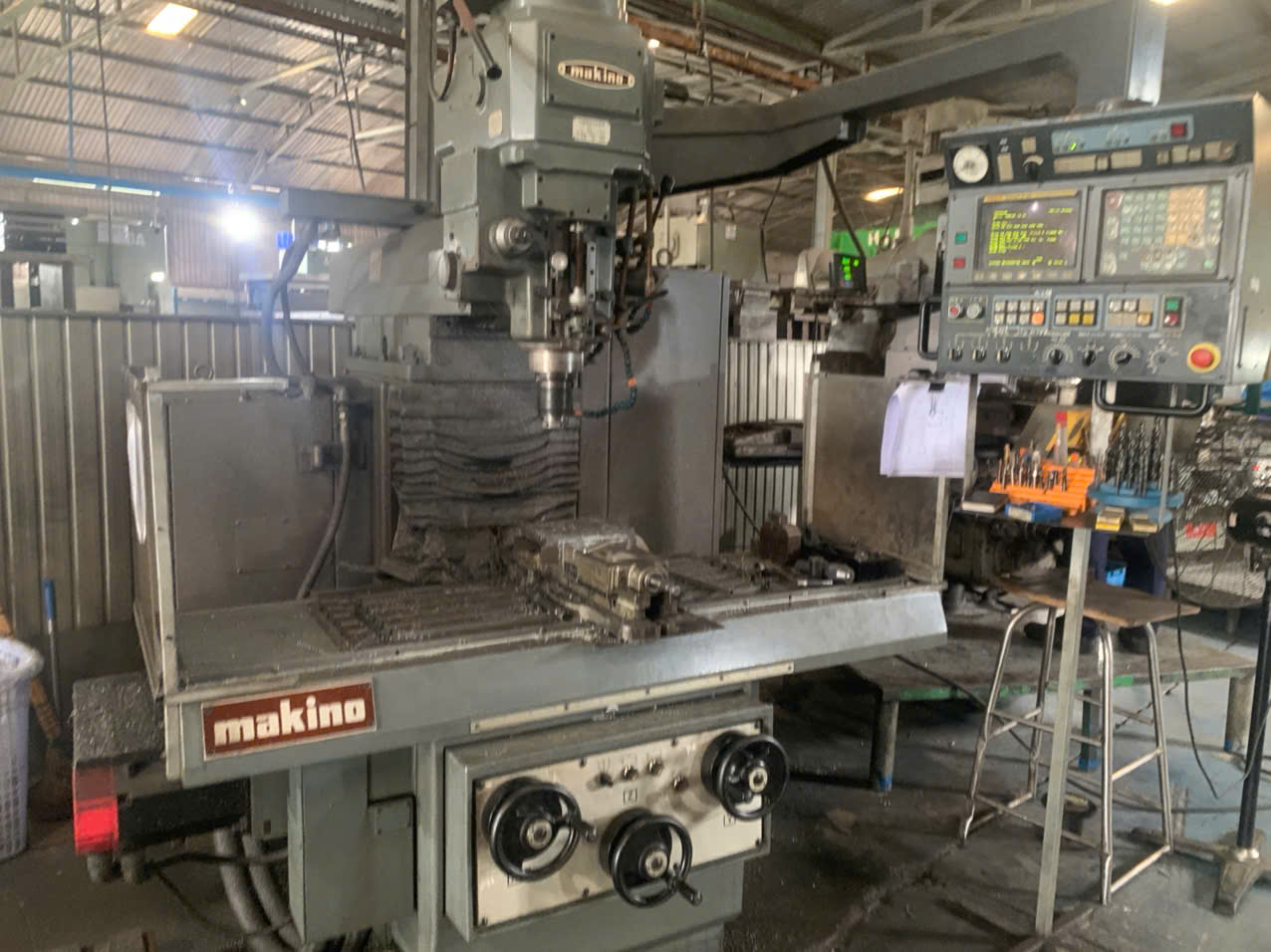
Post-cast processing utilizes 3-axis, 4-axis, and multi-spindle CNC machining centers to hold tight feature tolerances (e.g., bearing bores and seal grooves) down to ±0.010 mm (per ISO 2768-f).
Surface Finishing Options
- E-Coating (Electrophoretic Deposition): High corrosion resistance for automotive chassis brackets and under-hood components.
- Powder Coating: Durable aesthetic finishes meeting ASTM B117 salt-spray test standards (500 to 1,000+ hours).
- Anodizing (Type II / Type III Hardcoat): Applied to aluminum stampings and low-copper cast parts for dielectric strength and wear resistance.
- Chromate Conversion (e.g., SurTec 650 / Iridite NCP): RoHS-compliant passivation for thermal management and electrical grounding applications.
Technical Tip: Cast alloys like ADC12 contain higher silicon (9.5–11.5%) and copper (2.0–3.5%) content, which can cause dark discoloration during standard anodizing. If an anodized cosmetic finish is mandatory, specify low-copper alloys like A360 or explore chemical conversion coatings with powder-topcoat combinations.
Supply Chain & Trade Advantages: Vietnam vs. Alternative Origins
Procuring stamped and cast components from Vietnam offers significant landed-cost and risk-mitigation benefits for Western OEMs:
- Tariff Advantages: Vietnam-origin industrial metal components entering the United States are subject to relief from Section 301 Chinese punitive tariffs for qualifying goods, avoiding the punitive 25% duties applied to Chinese metal imports under HTS Codes 7326 and 7616.
- Free Trade Agreements: Vietnam participates in 16+ active FTAs, including the EU-Vietnam Free Trade Agreement (EVFTA), CPTPP, and RCEP, giving European and Asia-Pacific buyers preferential duty rates.
- Integrated Logistics: Vietnam’s deep-water ports (Haiphong in the North, Cai Mep in the South) provide direct container shipping lines to US West Coast and European hubs.
De-Risking Sourcing with DEWIN Vietnam
Finding and managing qualified manufacturing facilities abroad requires rigorous on-the-ground verification and technical oversight. DEWIN Vietnam acts as your local engineering bridge:
- vetted Vietnamese manufacturing facilities: Access an extensive, pre-vetted network of precision metalworking facilities across Vietnam.
- The 50-Point Dolphin Audit: Every vendor in our network undergoes our strict evaluation covering Quality (ISO 9001/IATF 16949), Cost structure, Logistics, Development capabilities, and Management stability (QCLDM). Only Tier 1 and Tier 2 factories are quoted.
- 1,700+ Real On-Site Photos: Inspect actual production floors, machinery nameplates, CMM quality labs, and raw material stores directly on each factory’s DEWIN profile page—eliminating broker markups and middleman opacity.
- Western Contracting Security: Contracts are executed via our US Delaware LLC entity, offering familiar legal protections, straightforward intellectual property terms, and flexible Incoterms including DDP (Delivered Duty Paid) directly to your plant doors.
- Fast Engineering Response: Receive comprehensive factory-direct quotes and DDP logistics quotes within 24 hours.
Accelerate Your Sourcing Initiative
Ready to evaluate qualified Vietnamese suppliers for your upcoming stamping or aluminum die casting programs?
- Explore Verified Suppliers: Browse our verified partner facility network to review verified manufacturing facilities and real shop-floor photos.
- Submit Drawings for RFQ: Visit dewinvietnam.com/quote to submit your STEP files, technical drawings, and target EAU to receive a preliminary quotation within 24 hours.
FAQ
What are the main benefits of sourcing factory showcase: metal stamping and aluminum die casting in vietnam in Vietnam?
Vietnam offers competitive machine-hour rates, a rapidly modernizing precision supplier ecosystem, relief from Section 301 Chinese punitive tariffs for qualifying goods into the United States, and preferential trade terms under EVFTA and CPTPP. Audited suppliers in the DEWIN network maintain ISO 9001, AS9100, and IATF 16949 certifications.
How does DEWIN ensure quality and dimensional accuracy?
Every manufacturing facility undergoes the rigorous 50-point Dolphin Audit evaluating Quality, Cost, Logistics, Delivery, and Management (QCLDM). Critical dimensions are verified using on-site 3D CMM inspection, optical comparators, and full material test reports (MTRs) before shipment.
What file formats and information are required for a streamlined RFQ turnaround and engineering review?
To generate a binding quotation within 24 hours, submit 3D CAD files in neutral STEP (AP214/AP242) or IGES format alongside 2D PDF technical drawings specifying critical tolerances, surface finishes, thread callouts, and raw material grades.